Boats to Ships: A History of Seafaring
Loading story...

Before 8000 BCE
Worldwide
Logs and Reeds
Long before anyone designed a boat, people discovered that wood floats. A log pulled from a flooded river, a bundle of reeds lashed together—these were the first vessels. The oldest known boat, the Pesse canoe, was hollowed from a single pine log in what is now the Netherlands around 8000 BCE. Humans had been on the water for thousands of years before that.

c. 8000 BCE
Pesse, Netherlands
The Dugout Canoe
Once humans had stone tools and fire, they could hollow out a log instead of clinging to it. Dugouts appeared independently on almost every continent—the Pesse canoe in Europe, dugouts in the Americas, Africa, and Southeast Asia. A single tree, burned and scraped into a hull, could carry a family and their possessions. For most of prehistory, this was how humans traveled.
c. 4000 BCE
Egypt, Mesopotamia, Andes
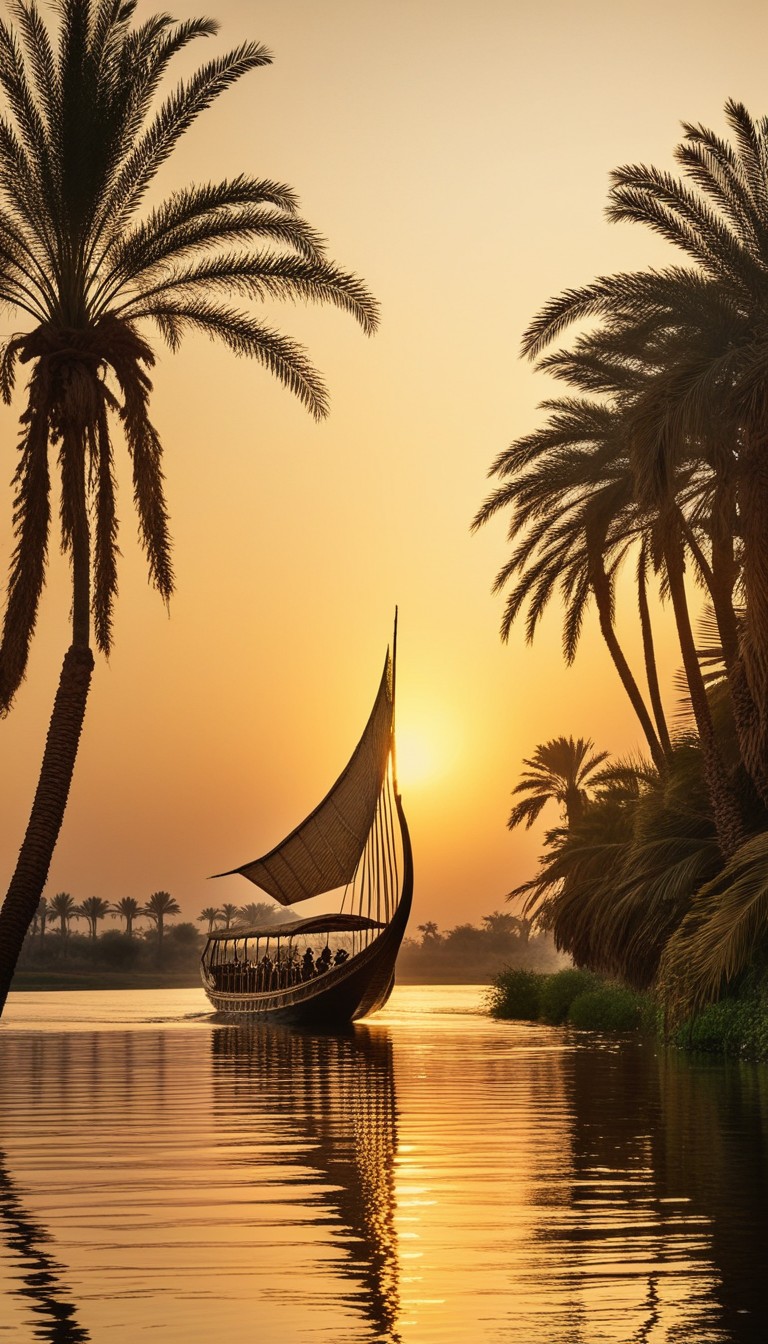
Reed Boats on the Nile
Where trees were scarce but reeds were plentiful, people bundled reeds and papyrus into rafts. Egyptians fished the Nile from papyrus skiffs. In the Andes, the Uros people still build reed boats on Lake Titicaca the same way their ancestors did thousands of years ago. Reeds were cheap, light, and—bundled tightly—surprisingly seaworthy.
c. 4000 BCE onward
Arctic & Northern Europe
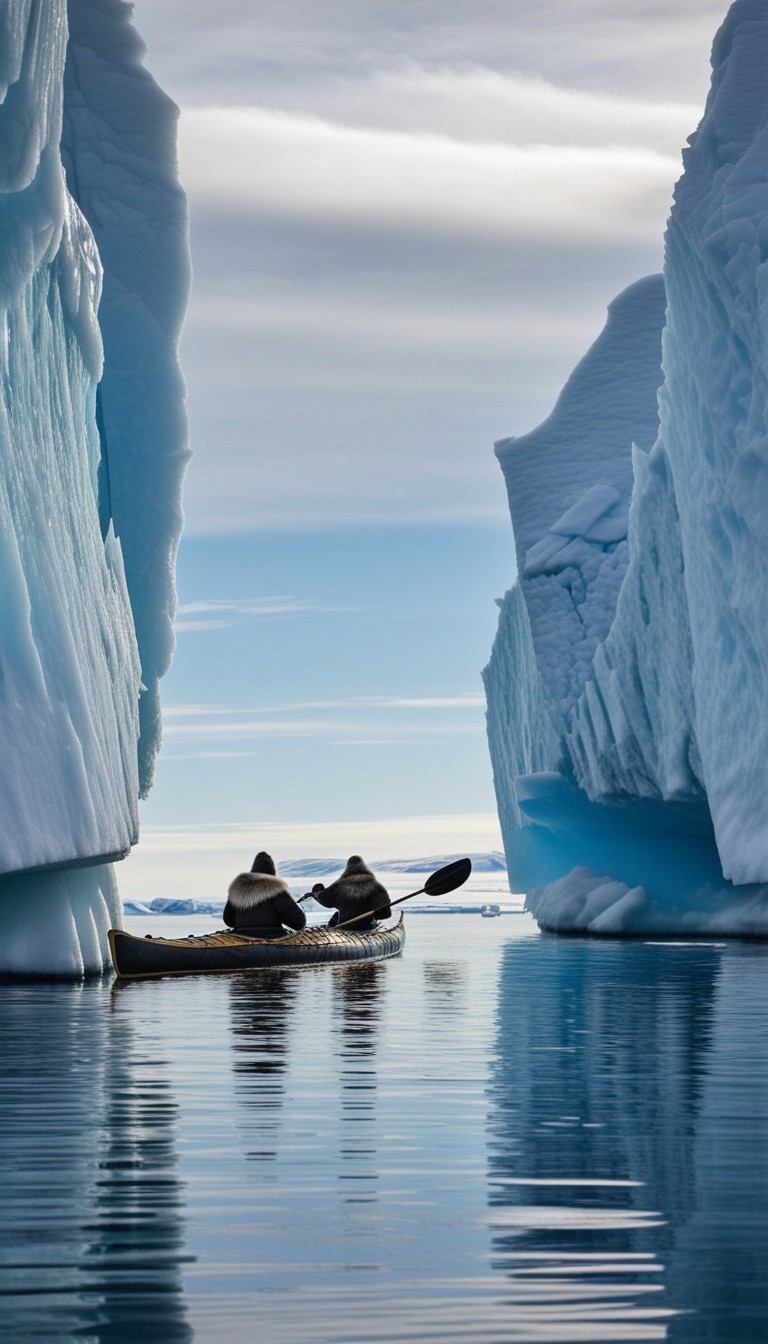
Skin Boats
In the Arctic and on the rivers of the British Isles, builders stretched animal hides over wooden frames. The result—umiaks, kayaks, coracles—was light enough to carry overland and tough enough to cross ice and rapids. Inuit hunters pursued whales from skin boats for thousands of years. Skin-on-frame was a design so sound it survives almost unchanged today.
Prehistoric
Worldwide
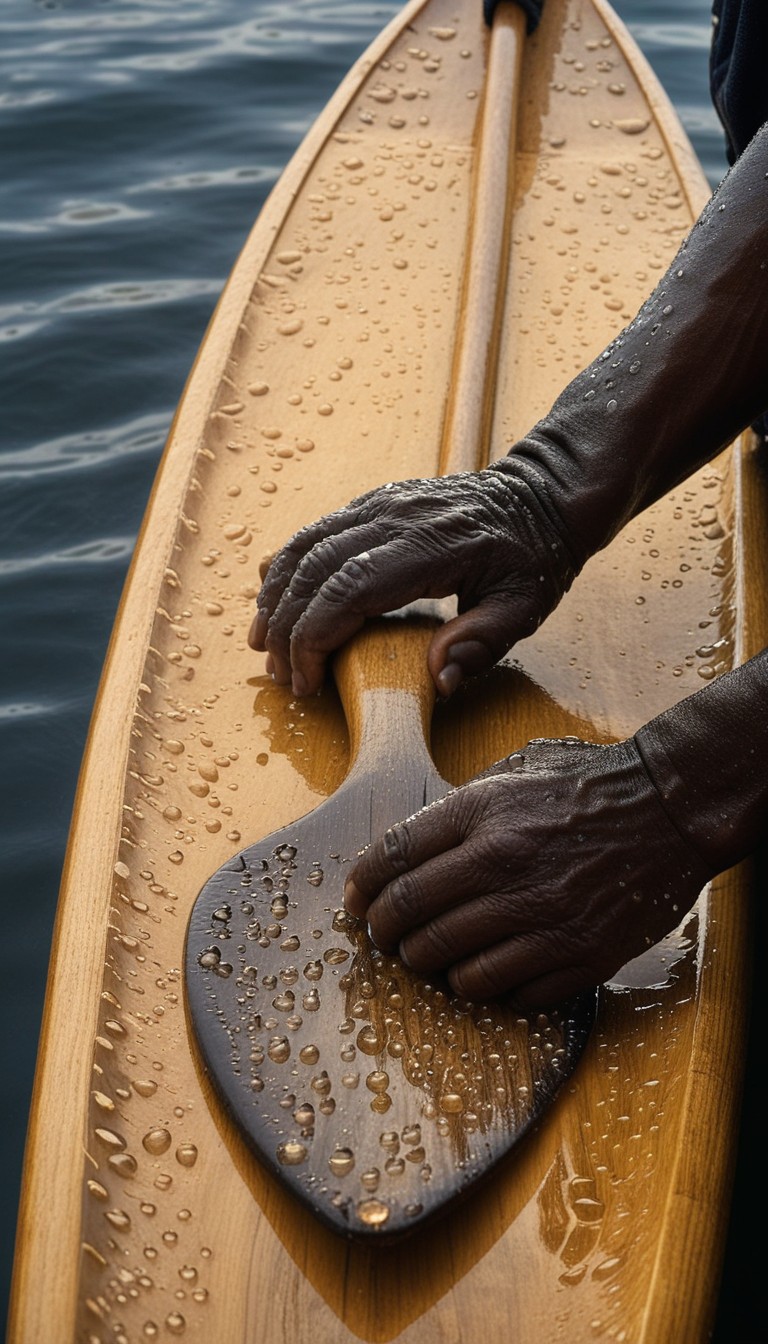
The First Paddle
Drifting with the current was free. Going where you wanted took a paddle. The invention of the paddle turned a float into a vehicle—humans could now choose their direction, cross rivers sideways, move against the flow. It is the single most important innovation on this list and the one least celebrated.
c. 3000 BCE
Nile River, Egypt
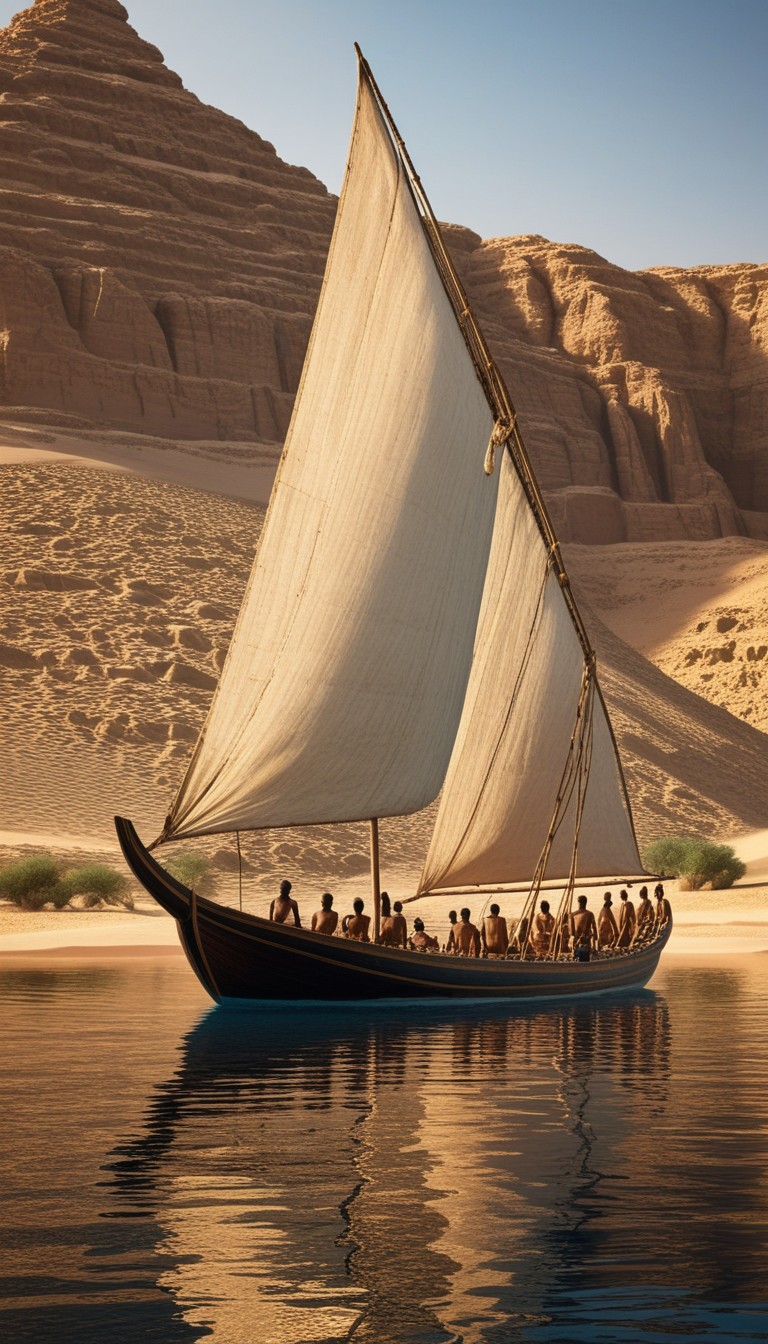
Egyptian Sail on the Nile
Around 3000 BCE, Egyptians began building planked wooden ships lashed together with rope and sealed with pitch. They hoisted square sails on the Nile, using the prevailing north wind to travel upriver and the current to travel down. For the first time, a vessel could carry stone blocks, timber, and grain far beyond the range of a paddle.
c. 1500–300 BCE
Mediterranean Sea
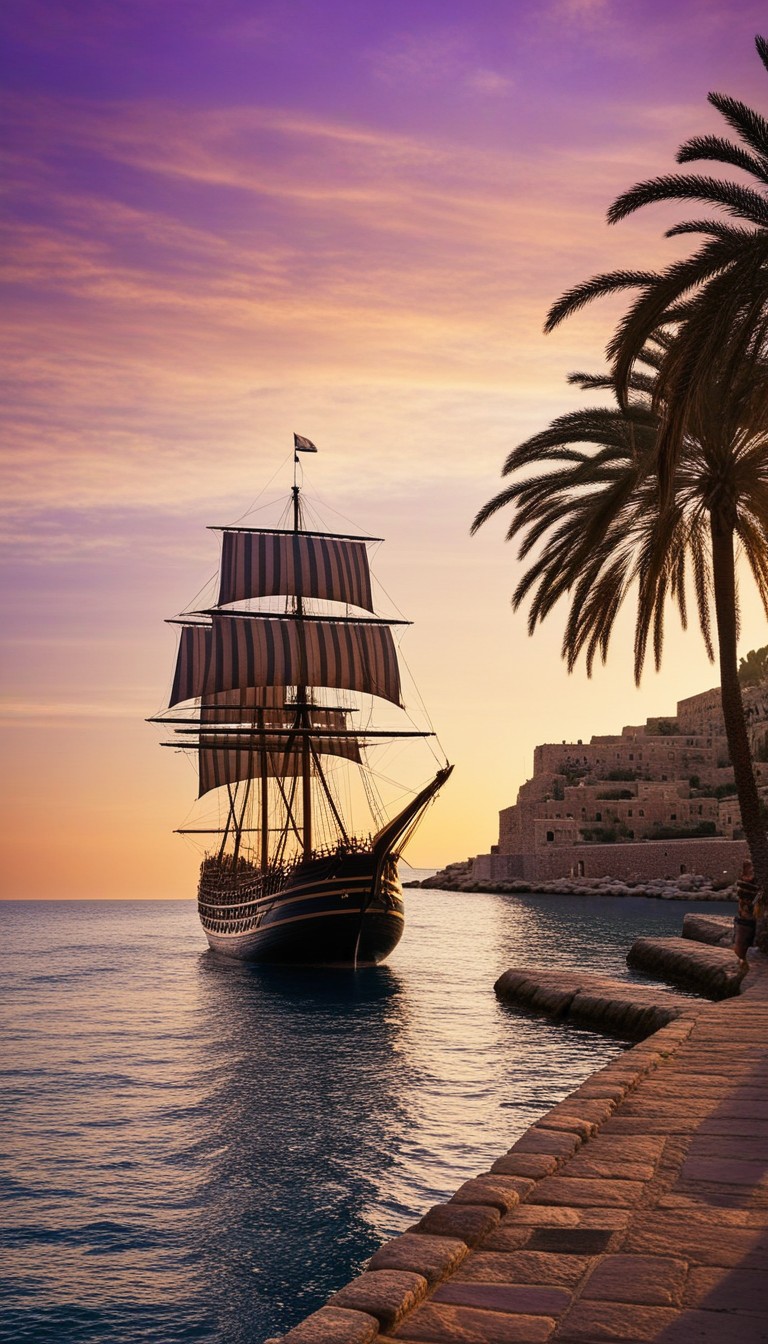
Phoenician Traders
The Phoenicians of modern-day Lebanon were the first true sea-goers. From cities like Tyre and Sidon, they sailed the length of the Mediterranean, founded Carthage, and probably rounded Africa. Their ships carried cedar, glass, purple dye, and an alphabet that would become the ancestor of almost every Western writing system.
480 BCE
Salamis, Greece
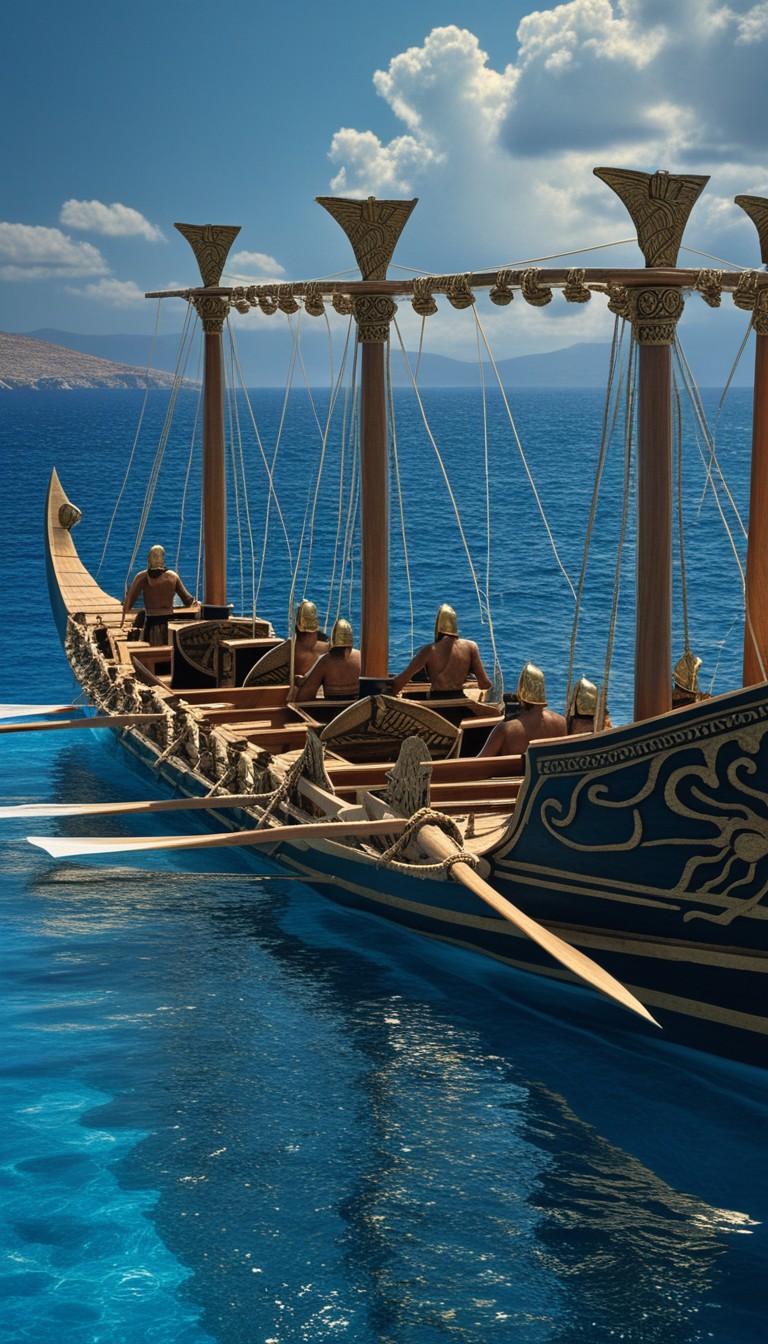
The Greek Trireme
By the 5th century BCE, Greek city-states were building triremes—sleek wooden warships with three stacked banks of oars and a bronze ram at the bow. At the Battle of Salamis in 480 BCE, an Athenian-led fleet destroyed a much larger Persian navy in a narrow strait, saving Greek independence and shaping Western history. The trireme was the first weapon system of the sea.
c. 1500 BCE – 1200 CE
Pacific Ocean
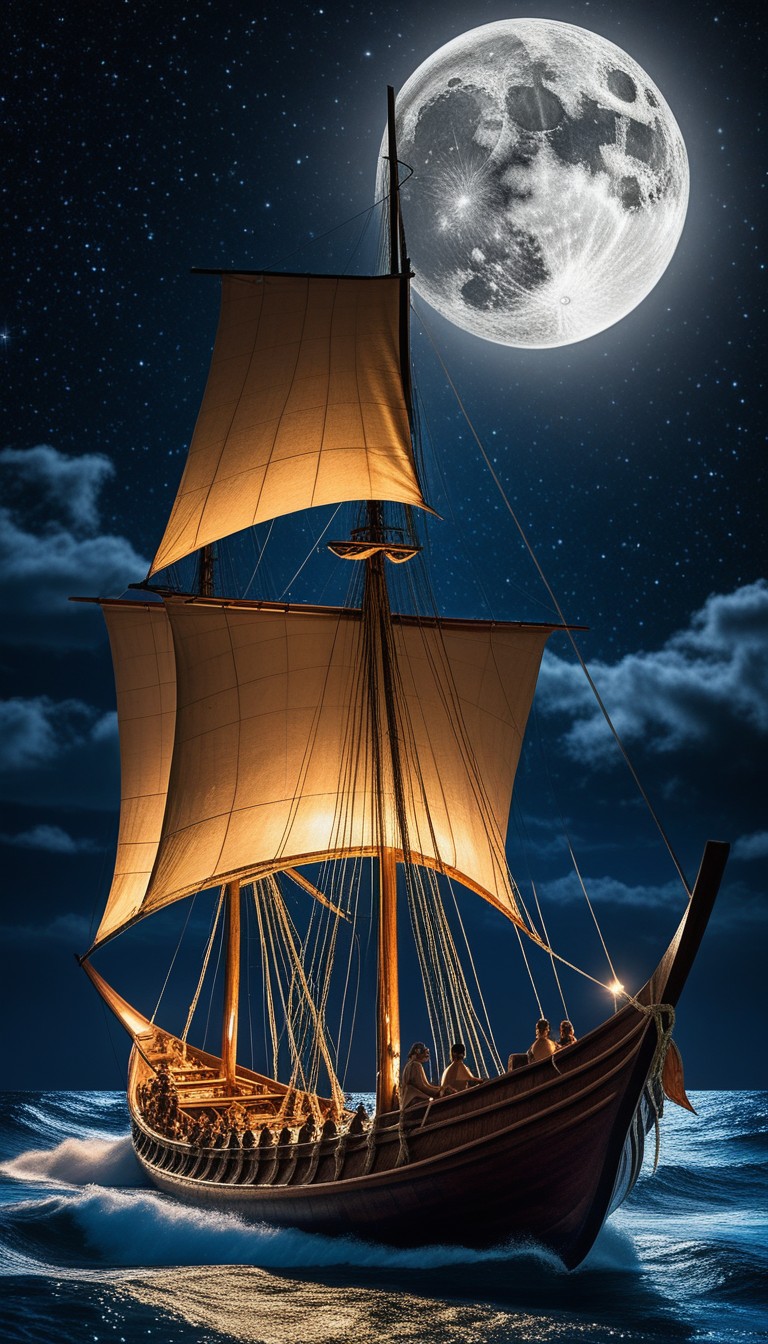
Polynesian Voyaging
While European ships hugged coastlines, Polynesian navigators crossed open Pacific—thousands of miles of empty ocean—in double-hulled canoes. They read the stars, the swell, the flight paths of birds, the color of the sky. Over a thousand years they settled an area larger than any empire, from Hawaii to New Zealand to Easter Island. No maps. No compass. Just the sky and the sea.
1st–4th century CE
Mediterranean Sea
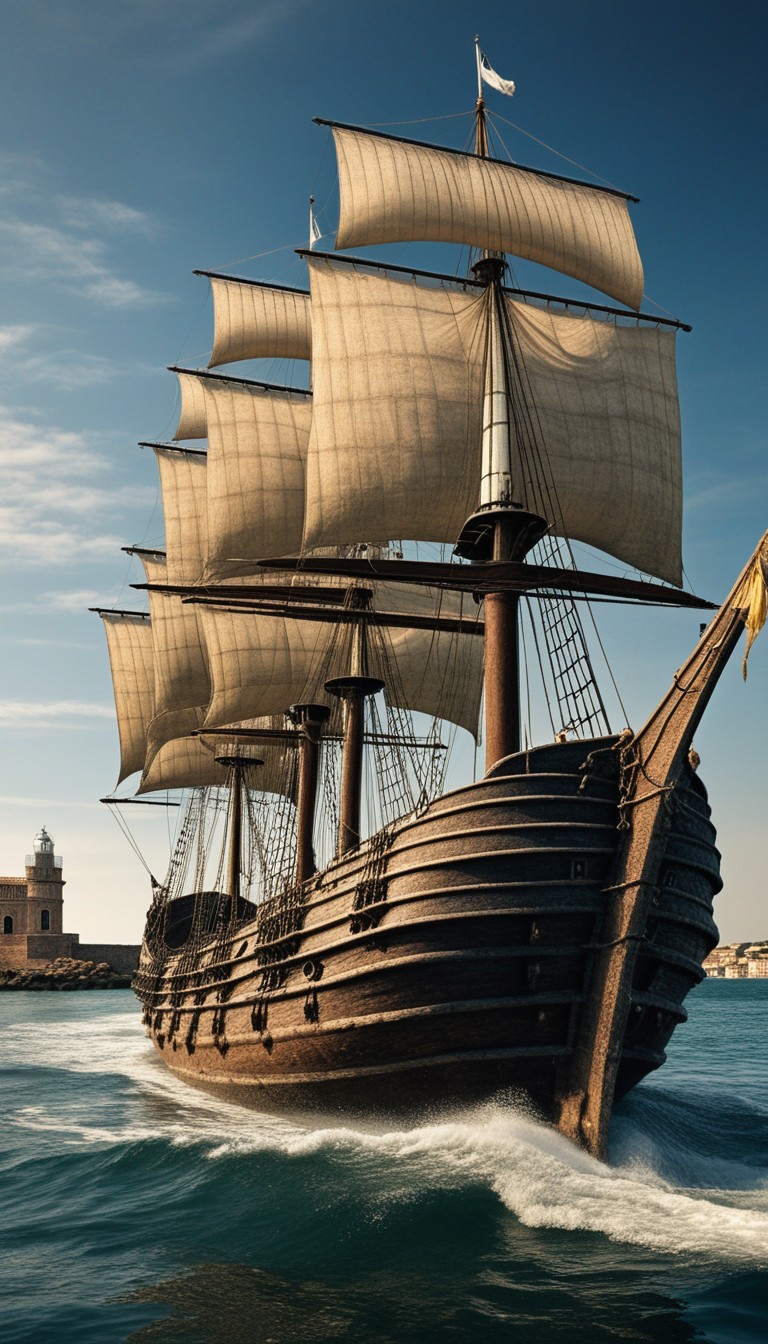
Roman Grain Ships
Rome needed to feed a million people, and it fed them from Egypt. Giant Roman grain ships called corbitas shuttled constantly between Alexandria and the port of Ostia. Slow, fat, and packed with wheat, they were the first industrial-scale cargo vessels. If the grain fleet failed to arrive, Rome rioted.
793–1066 CE
North Atlantic
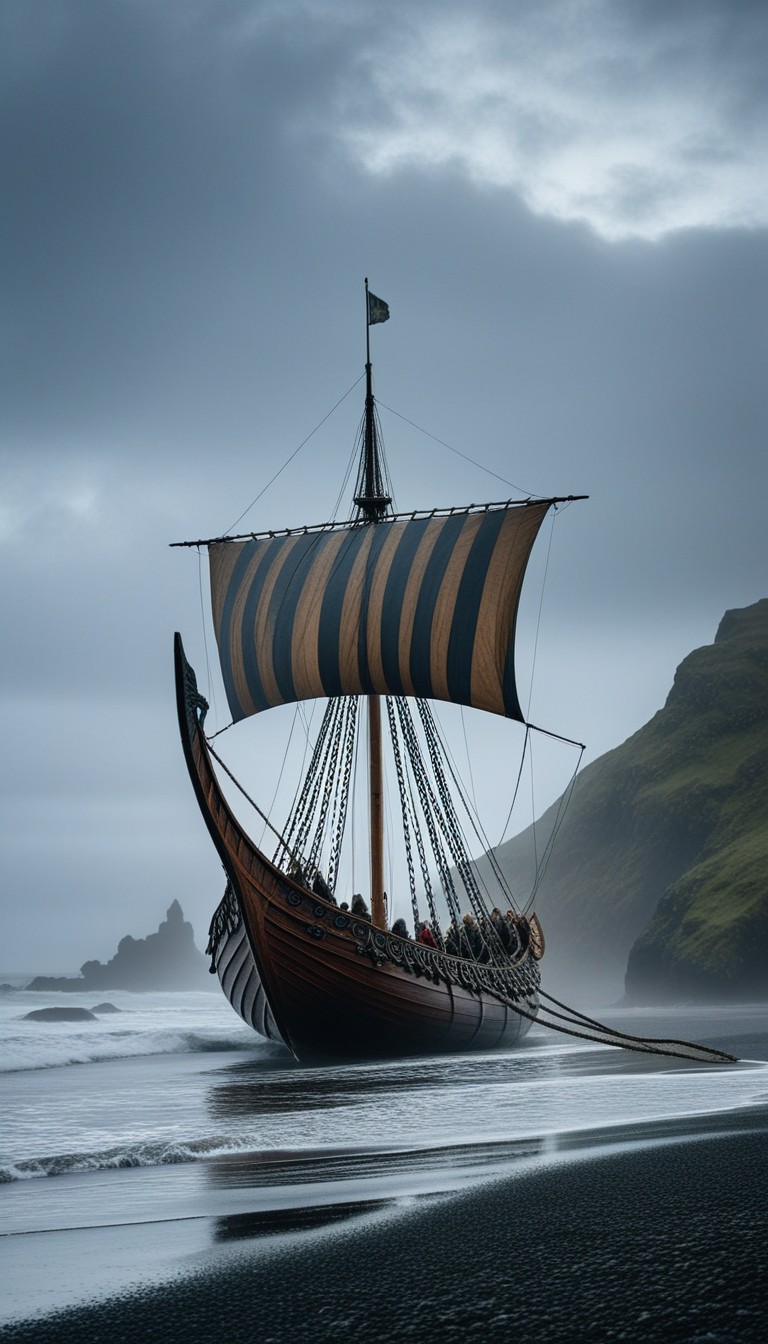
Viking Longships
From the fjords of Scandinavia came the most versatile ship of the medieval world. Clinker-built from overlapping oak planks, shallow enough to run up a beach, seaworthy enough to cross the North Atlantic—the longship raided England, traded with Constantinople, and reached Newfoundland five hundred years before Columbus. Its hull shape influenced boatbuilding for centuries.
1st century BCE – 1433 CE
South China Sea
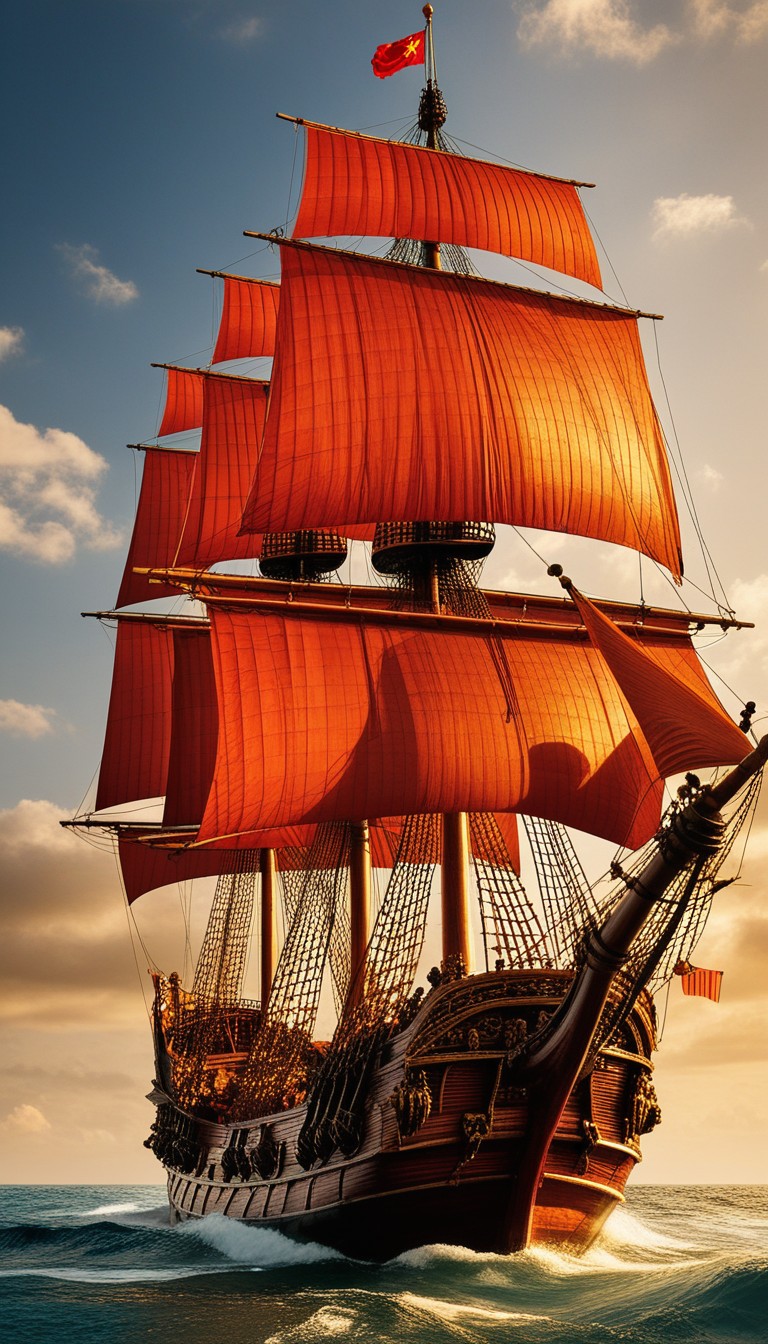
Chinese Junks
While Europe struggled with single-masted ships, China had already perfected the junk. Watertight bulkheads kept a holed ship afloat. A stern-mounted rudder steered it precisely. The magnetic compass pointed the way. In the early 1400s, Admiral Zheng He commanded a fleet of junks up to 400 feet long—larger than anything Europe could build for another century.
7th–15th century CE
Indian Ocean
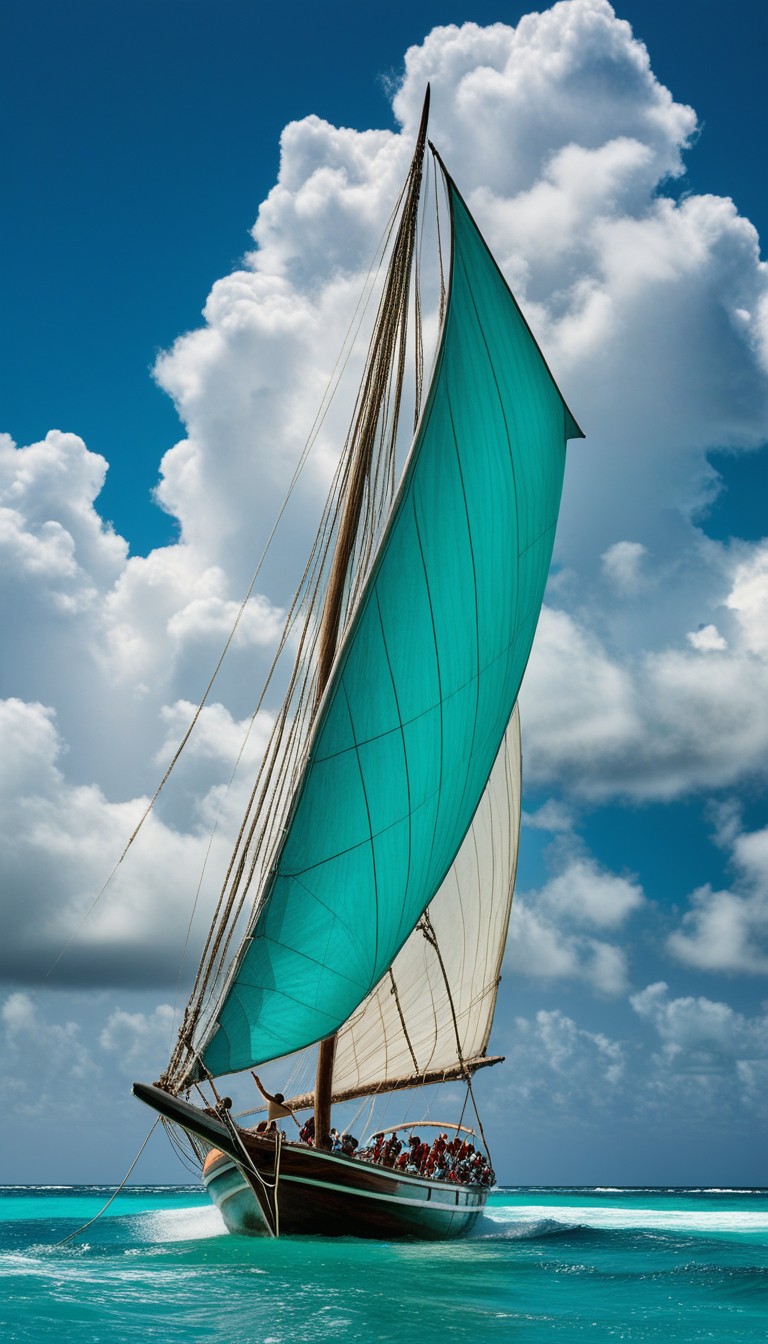
The Lateen Sail
The breakthrough came from the Arab world: the lateen, a triangular sail that let a ship sail into the wind instead of only with it. Combined with the dhow—a sewn-plank hull built from mango and coconut timber—Arab traders crossed the Indian Ocean on the monsoon winds, carrying spices, ivory, and ideas between Africa, Arabia, India, and China.
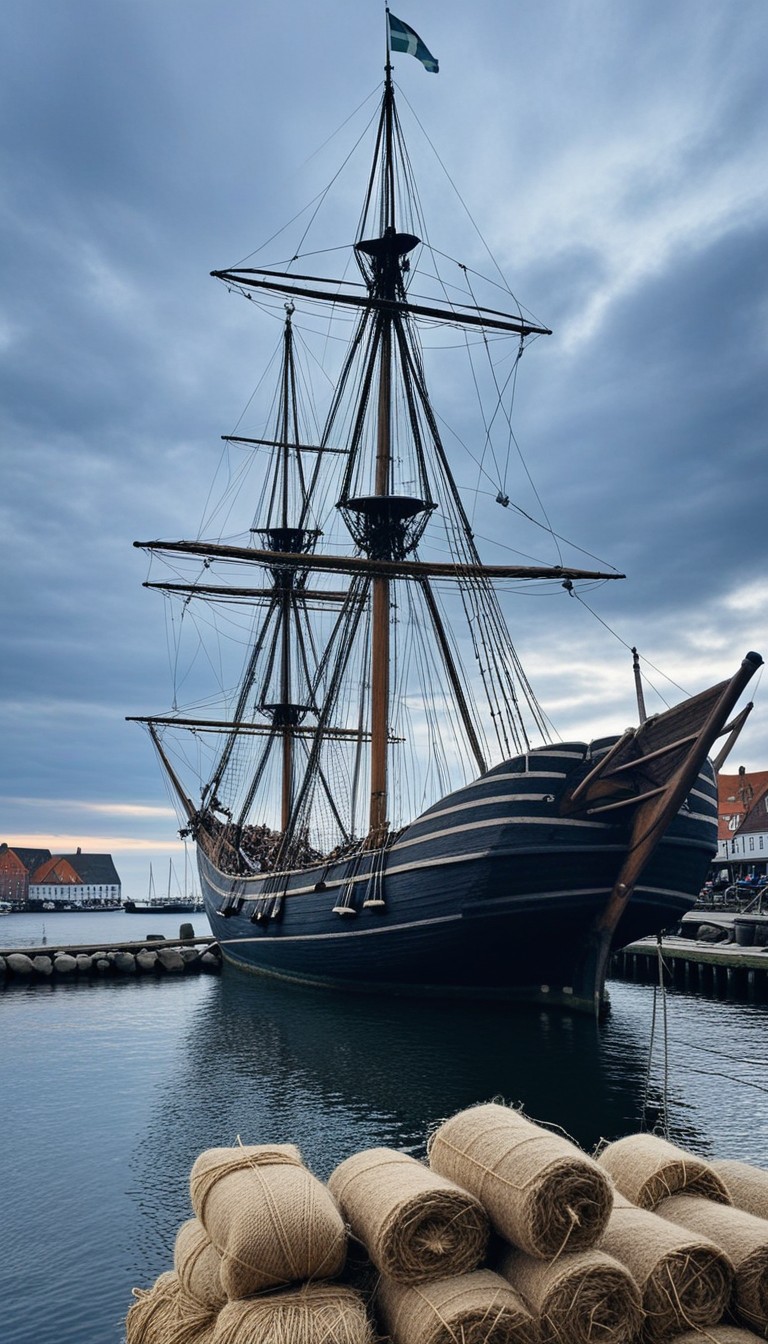
12th–15th century CE
North & Baltic Seas
The Medieval Cog
In the North Sea and Baltic, German and Dutch shipwrights built the cog—a fat-bellied, single-masted merchant ship with high straight sides and a stern rudder. The Hanseatic League, a trading confederation of dozens of cities, used the cog to move wool, herring, beer, and timber across northern Europe. It was medieval Europe's container ship.
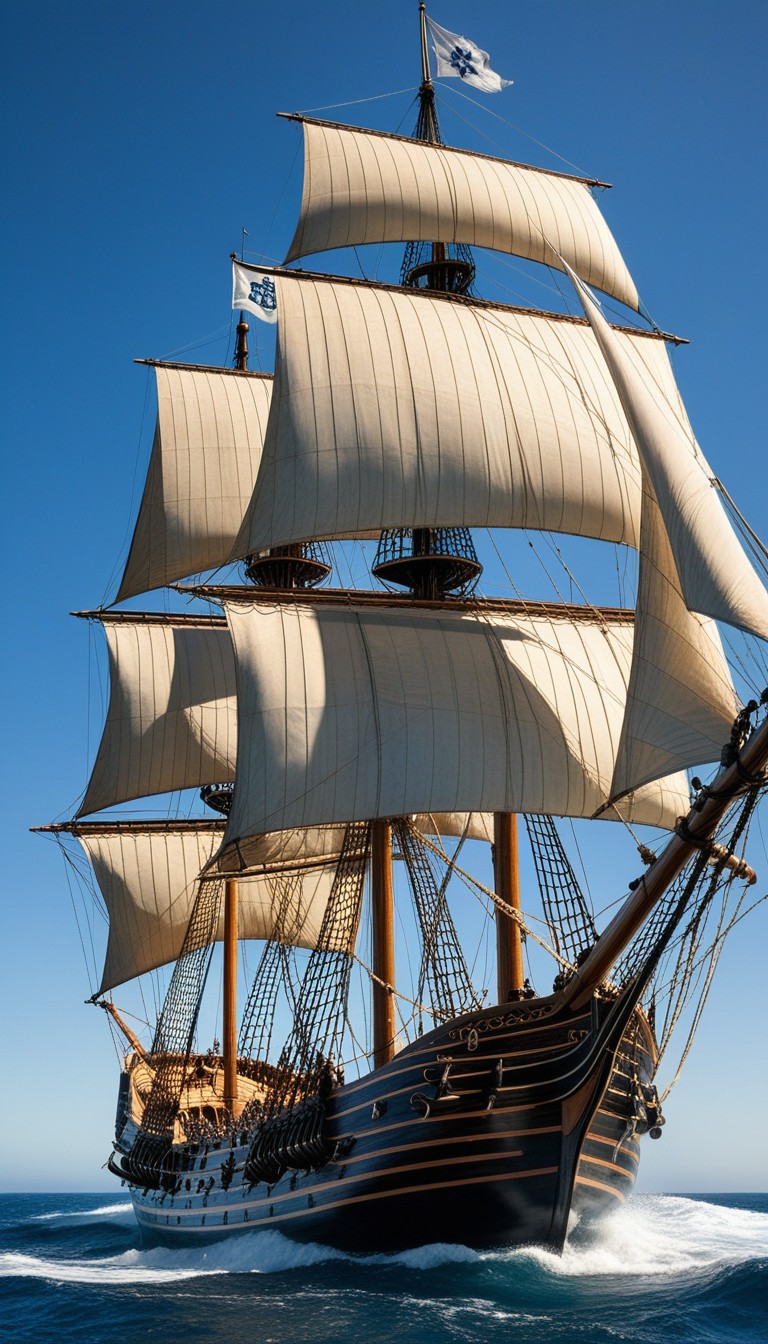
15th century
Portugal & the Atlantic
The Caravel
Portuguese shipwrights of the 1400s produced the caravel: small, fast, and—thanks to lateen sails—able to tack into the wind. Prince Henry the Navigator sent caravels down the African coast. Columbus crossed the Atlantic in two of them, the Niña and the Pinta. The caravel opened the world.
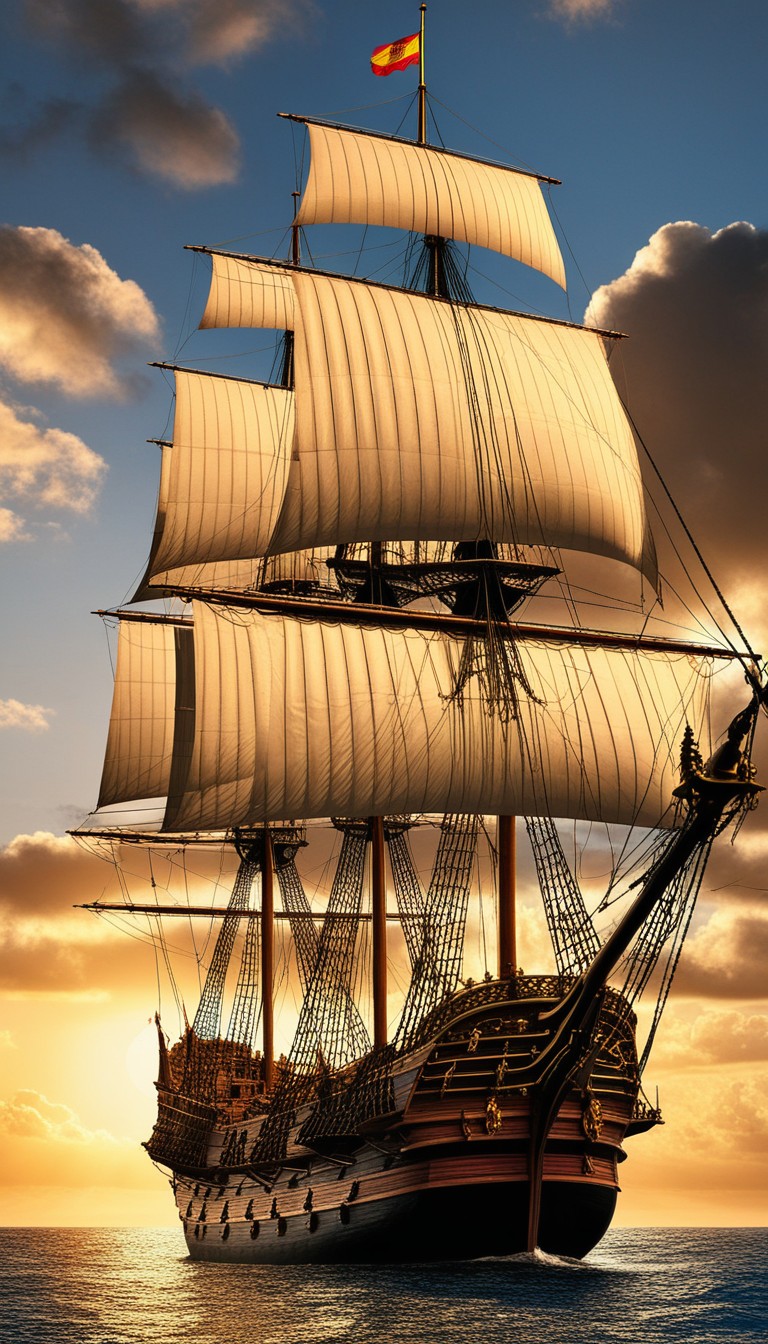
16th–17th century
Atlantic & Pacific
Carracks and Galleons
Bigger ships followed. The carrack—four masts, a towering stern—carried Vasco da Gama to India. The galleon refined the design: leaner, better armed, the workhorse of the Spanish treasure fleets that hauled silver and gold from the Americas to Seville. For two centuries, galleons carried the wealth that reshaped the global economy.
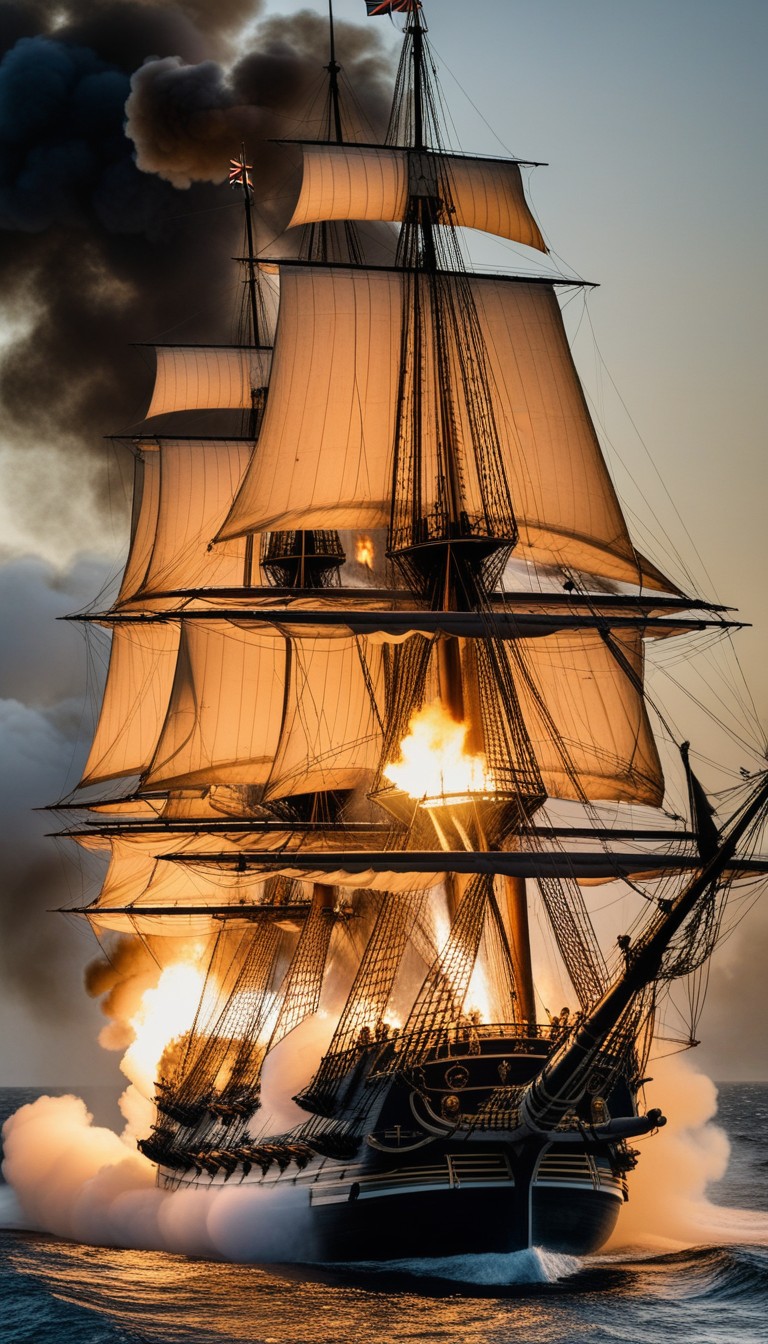
17th–19th century
Atlantic & Mediterranean
Ships of the Line
By the 1700s, navies were floating artillery platforms. The ship of the line carried up to 120 guns on three decks, and fleets arranged themselves bow-to-stern to deliver coordinated broadsides. At Trafalgar in 1805, Nelson's Victory helped destroy a combined French and Spanish fleet and cemented British naval supremacy for a century.
1600–1800
Indian Ocean
East Indiamen
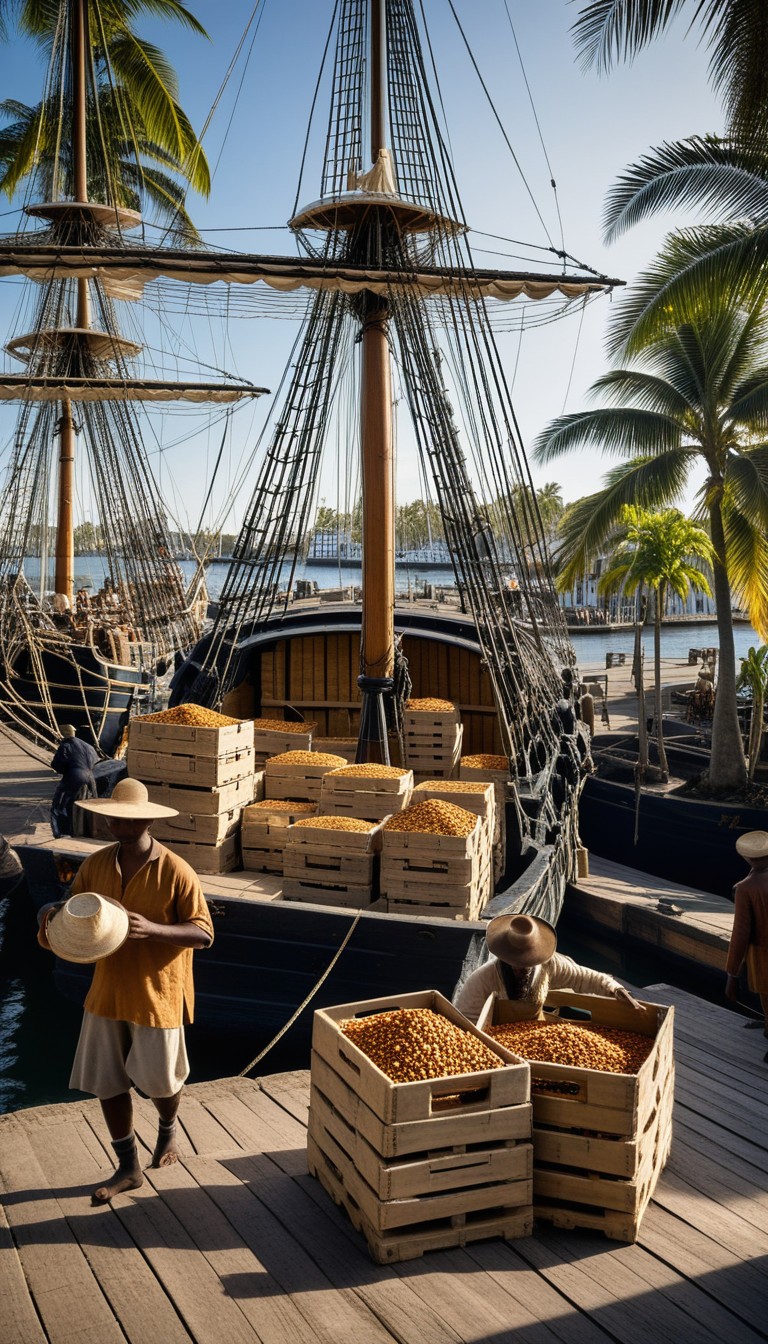
The Dutch and British East India Companies were corporations with navies. Their East Indiamen were armed merchant ships that sailed around the Cape of Good Hope to load spices, tea, silk, and porcelain. A single voyage could make a fortune—or sink one. These companies ran colonies, waged wars, and pioneered the joint-stock ownership that would become the modern corporation.
18th–19th century
Atlantic
The Frigate
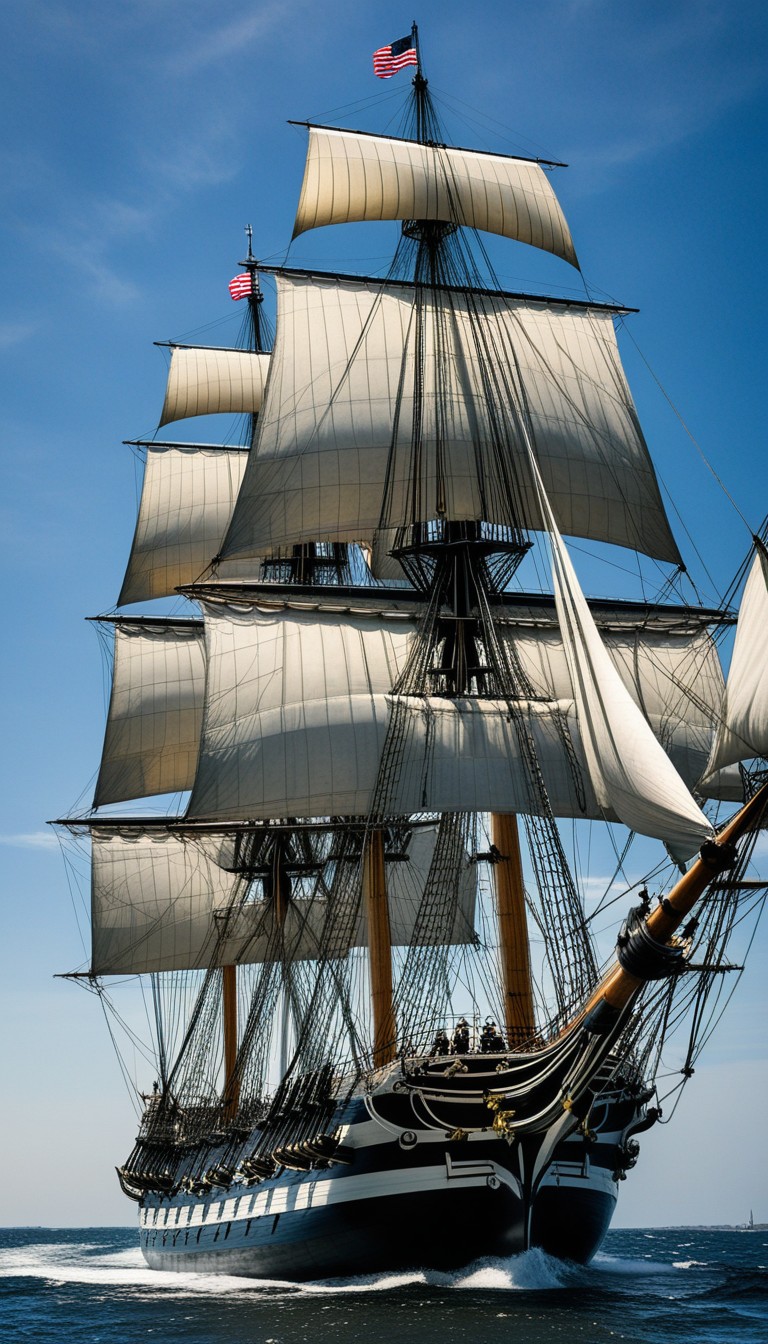
Smaller, faster, and far more nimble than a ship of the line, the frigate was the cruiser of its day. The USS Constitution—Old Ironsides—famously shrugged off British cannonballs in the War of 1812. Frigates patrolled sea lanes, hunted pirates, and carried dispatches. They are where the modern navy's concept of a fast-attack ship began.
1840s–1870s
Global oceans
The Clipper
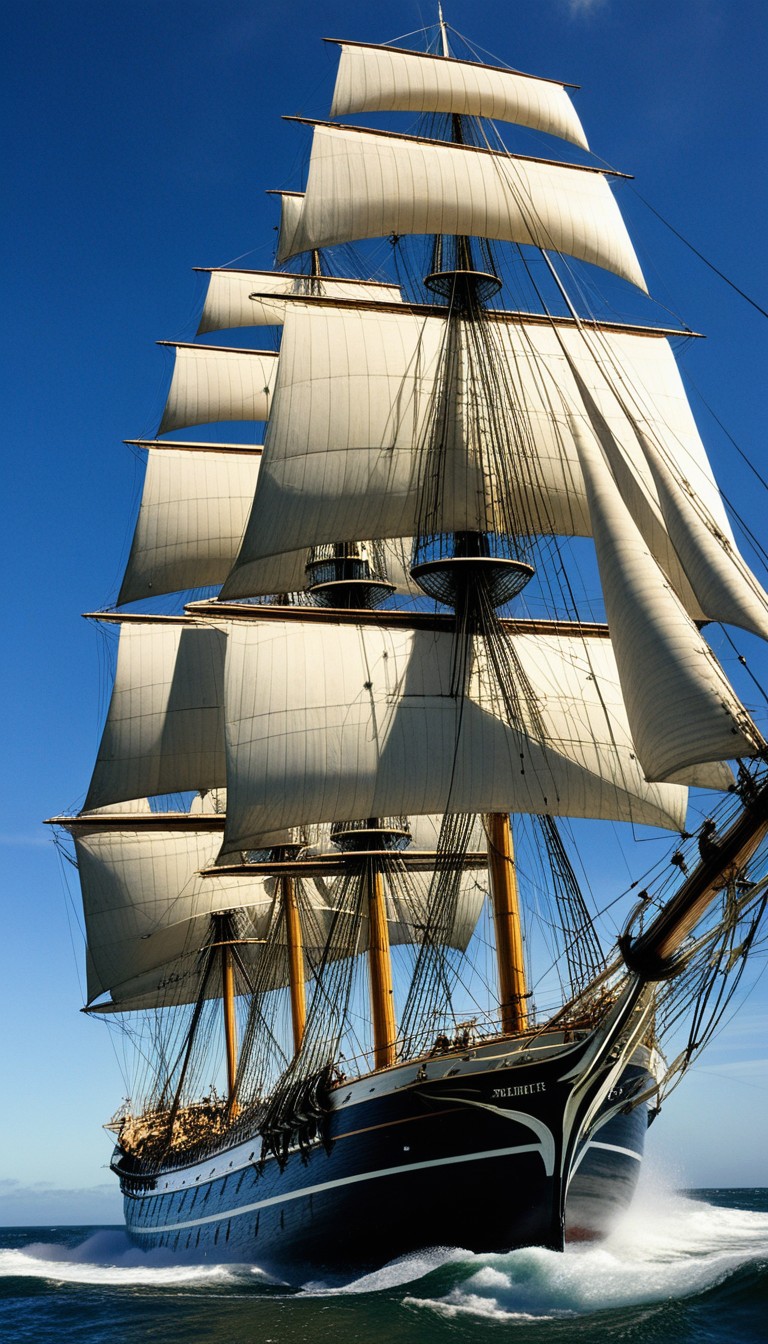
In the middle of the 19th century, tea had to reach London first to fetch the best price, and opium and gold moved with the same urgency. Shipyards responded with clippers: tall, sharp-hulled ships carrying acres of canvas. The Cutty Sark could hit 17 knots. For a brief, dazzling window, sail was faster than anything else afloat.
1700s–1850s
Pacific Ocean
The Whalers
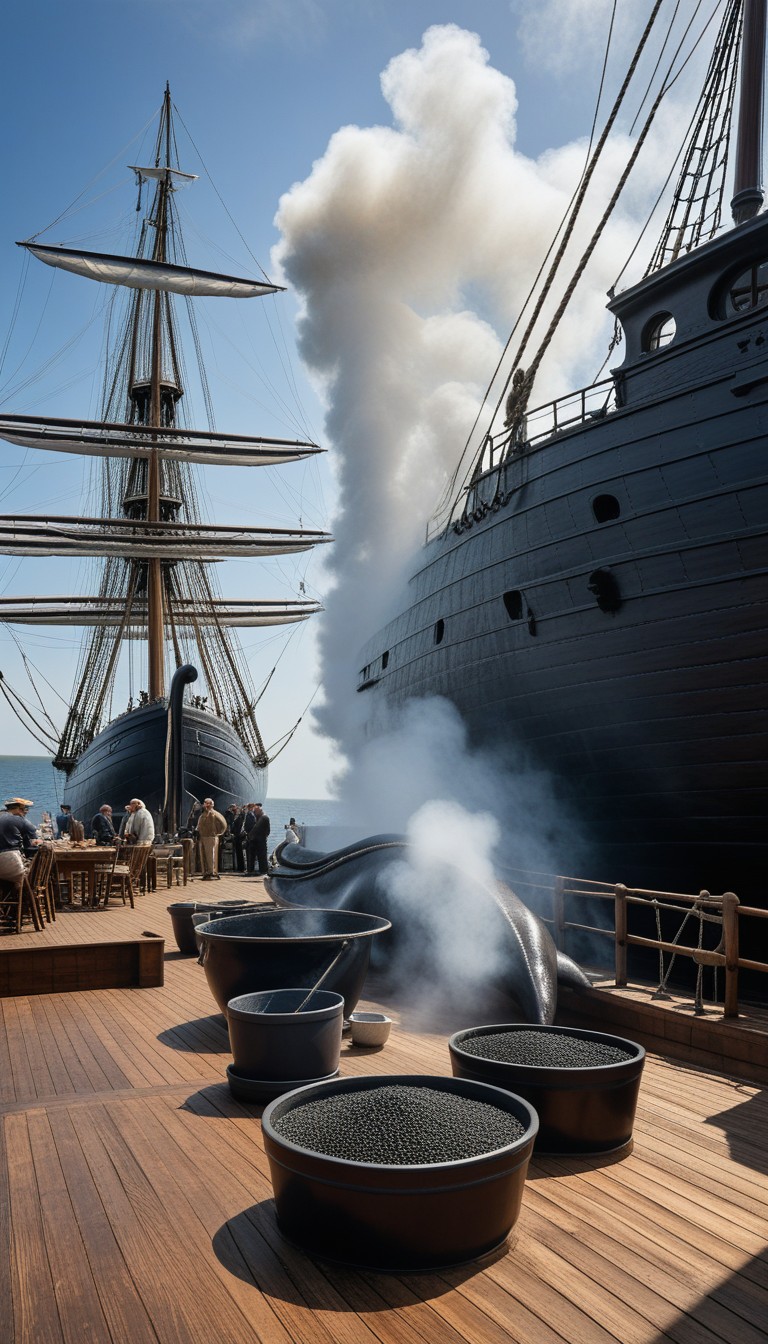
Before petroleum, whale oil lit the lamps of the world. From Nantucket and New Bedford, whalers sailed three-year voyages into the Pacific in pursuit of sperm whales. Small boats rowed straight at a whale with handheld harpoons. Herman Melville was on one such ship, and Moby-Dick came from what he saw. The industry collapsed when oil was struck in Pennsylvania in 1859.
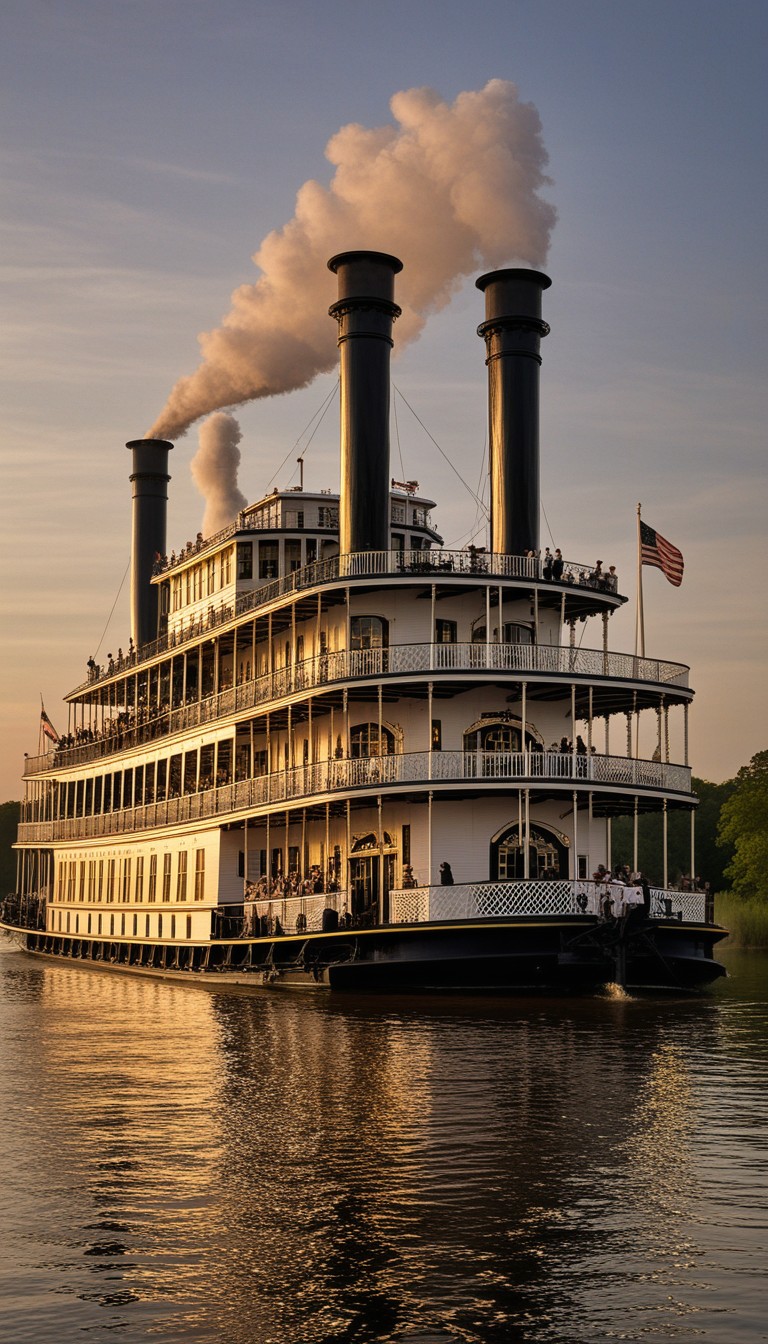
1807 onward
Hudson, Mississippi, global rivers
Paddle Steamers
In 1807, Robert Fulton's Clermont steamed up the Hudson River and changed the water forever. For the first time, a ship could move upstream without sails or oars. Paddle steamers soon worked every major river in Europe and America—the Mississippi, the Rhine, the Ganges. Rivers that had only been one-way highways were suddenly two-way arteries.
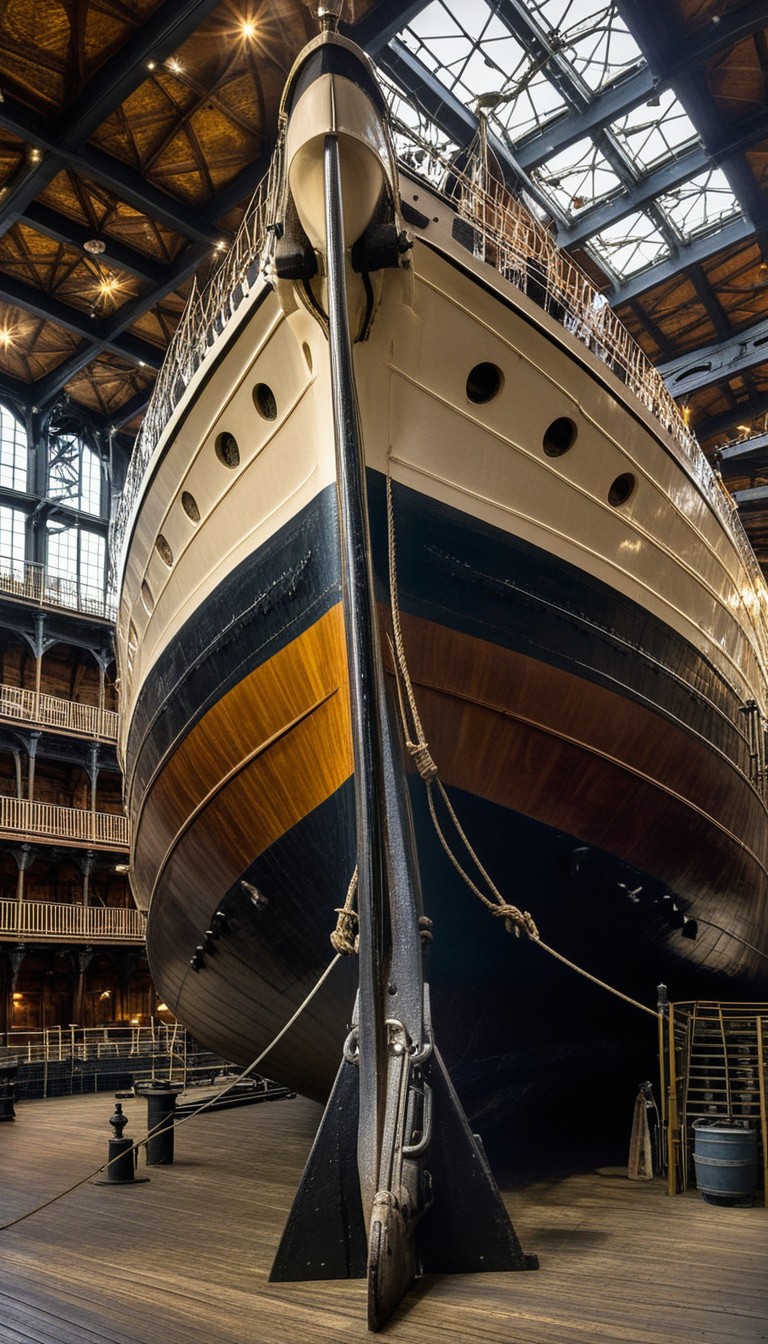
1843
Bristol, England
Iron Hulls
Isambard Kingdom Brunel's SS Great Britain, launched in 1843, was the first ocean-going ship built of iron and driven by a screw propeller instead of paddles. Wooden hulls could not grow past a certain length without flexing and breaking. Iron could. The age of ships measured in thousands of tons had begun.
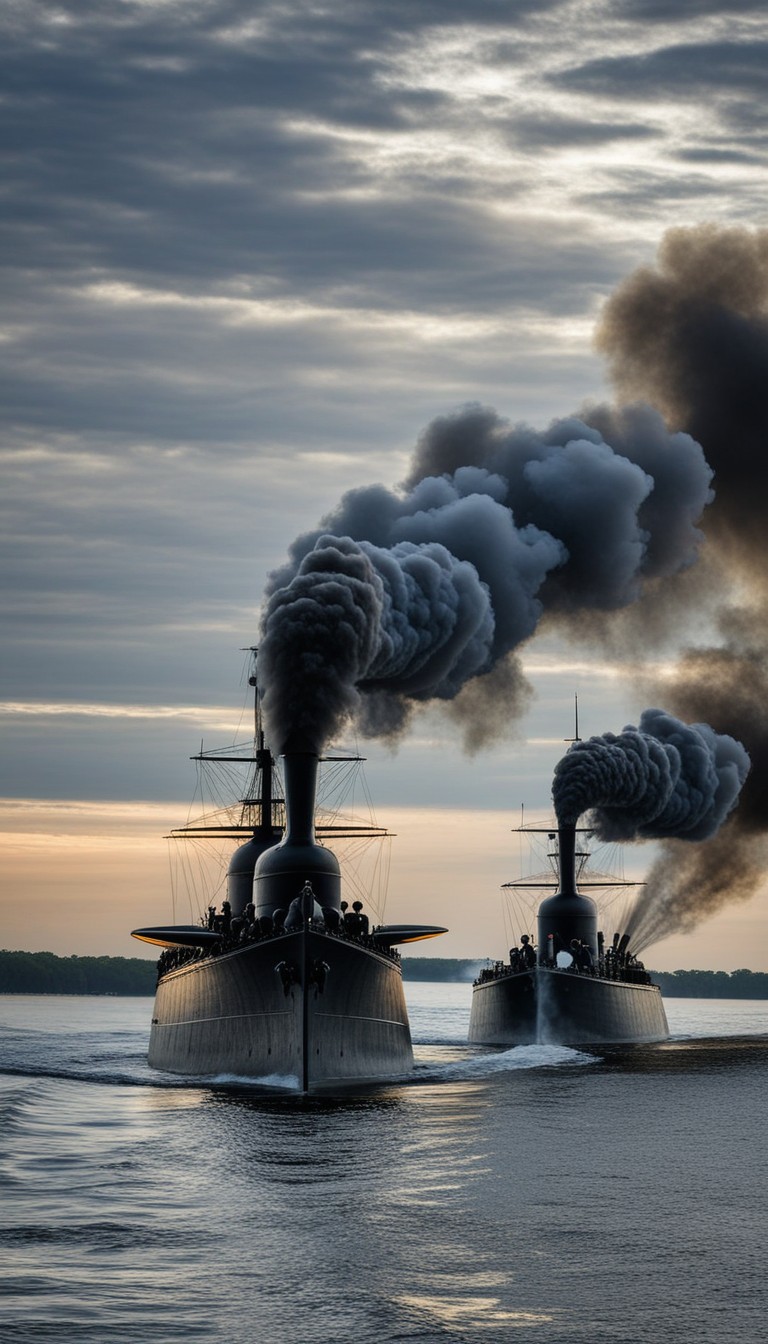
1862
Hampton Roads, Virginia
The Ironclads
On March 9, 1862, two iron-armored warships—the Union Monitor and the Confederate Virginia—fought to a standstill at Hampton Roads in the American Civil War. Neither could sink the other, but every wooden warship in the world became obsolete overnight. Within a decade, every major navy was building in steel.
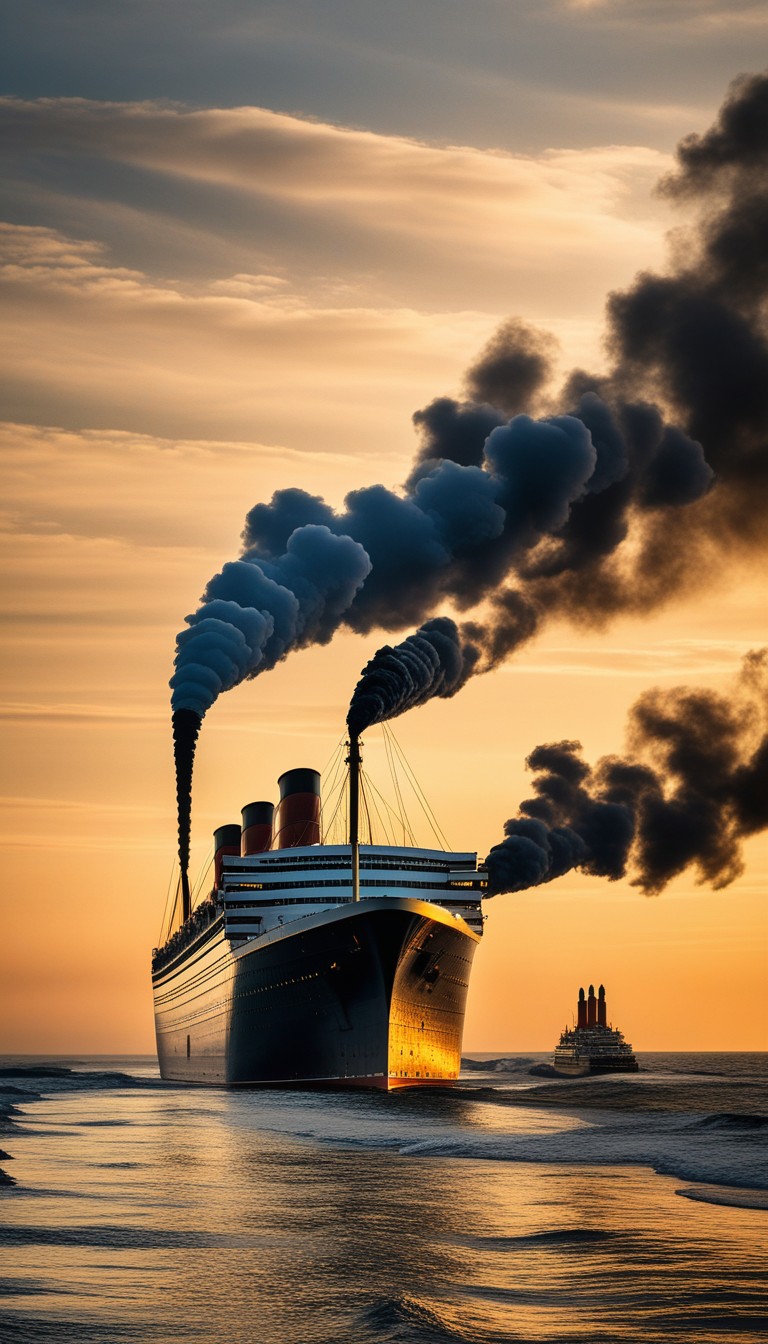
1870s–1910s
North Atlantic
Transatlantic Liners
By the late 1800s, steamships had crushed sail on the Atlantic. Shipping companies competed for the Blue Riband, the unofficial trophy for the fastest crossing. Liners carried millions of immigrants from Europe to America in steerage class and the wealthy in staterooms on the decks above. For one generation, the Atlantic liner was the most glamorous form of travel on earth.
1906
Portsmouth, England
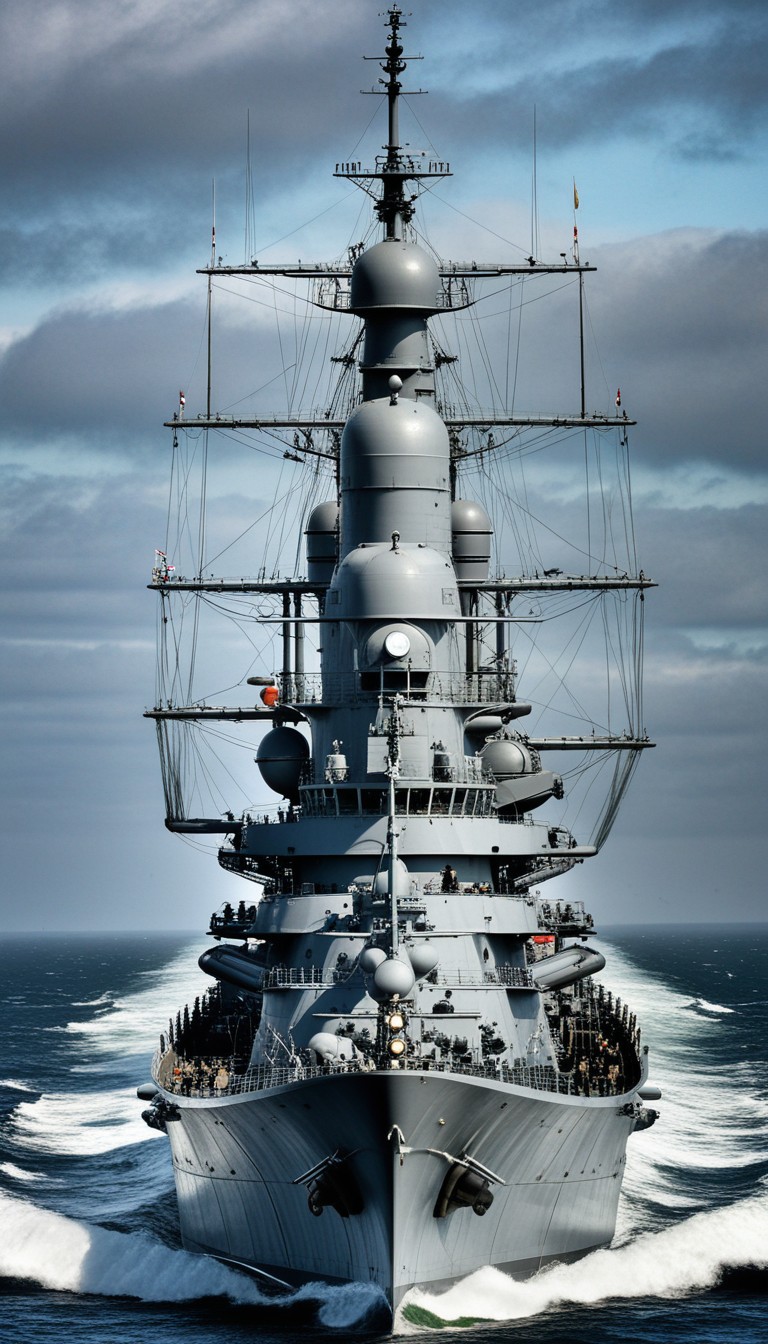
The Dreadnought
In 1906, Britain launched HMS Dreadnought—a battleship so advanced that every other battleship in the world was suddenly obsolete. All-big-gun armament. Steam turbines. Heavy steel armor. The naval arms race that followed helped drag Europe into the First World War. For forty years, the battleship was the unit of national power at sea.
1900–1950s
North Atlantic
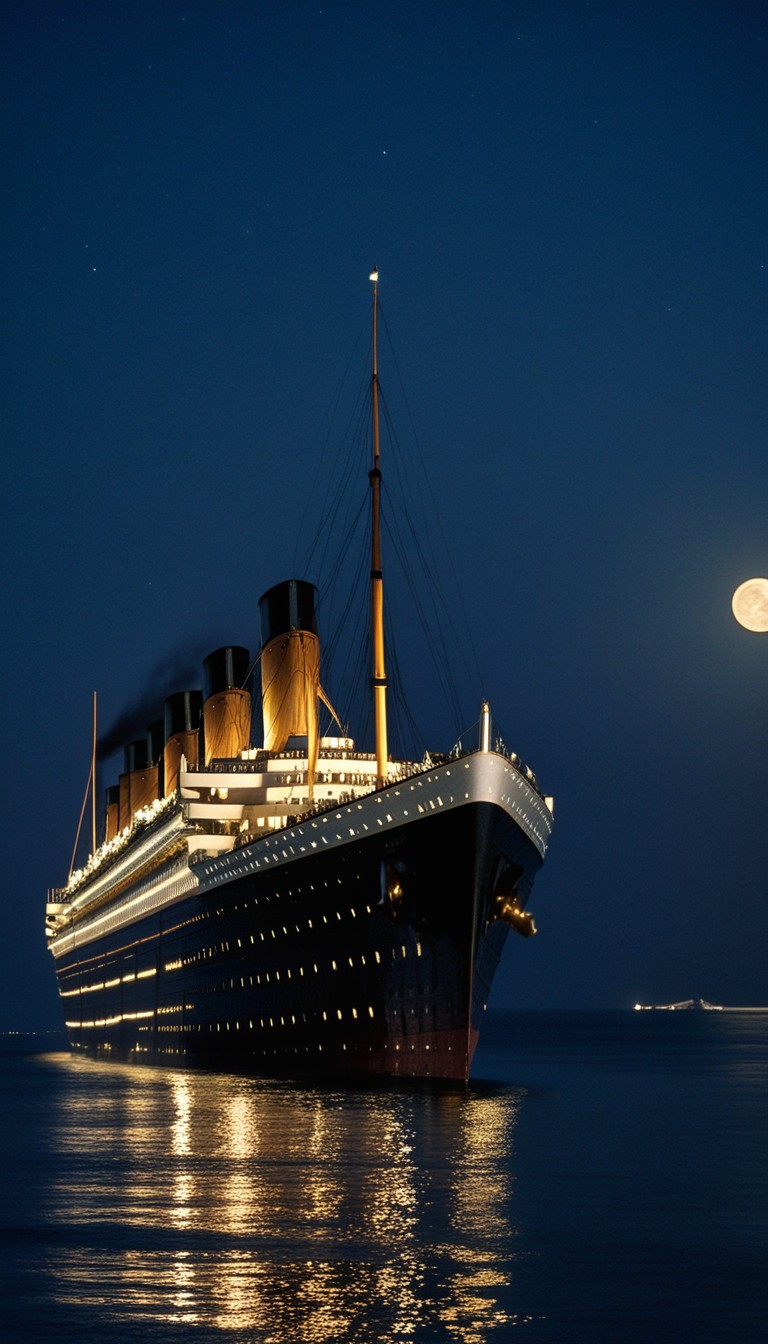
The Age of the Liner
Titanic, Lusitania, Queen Mary, Normandie—the great ocean liners of the early 20th century were floating grand hotels, and their losses became national tragedies. Titanic sank on her maiden voyage in 1912. Lusitania was torpedoed in 1915, pulling America closer to war. The liners carried the last great wave of European immigration before aviation made them obsolete.
1914–present
Atlantic, Arctic, Pacific
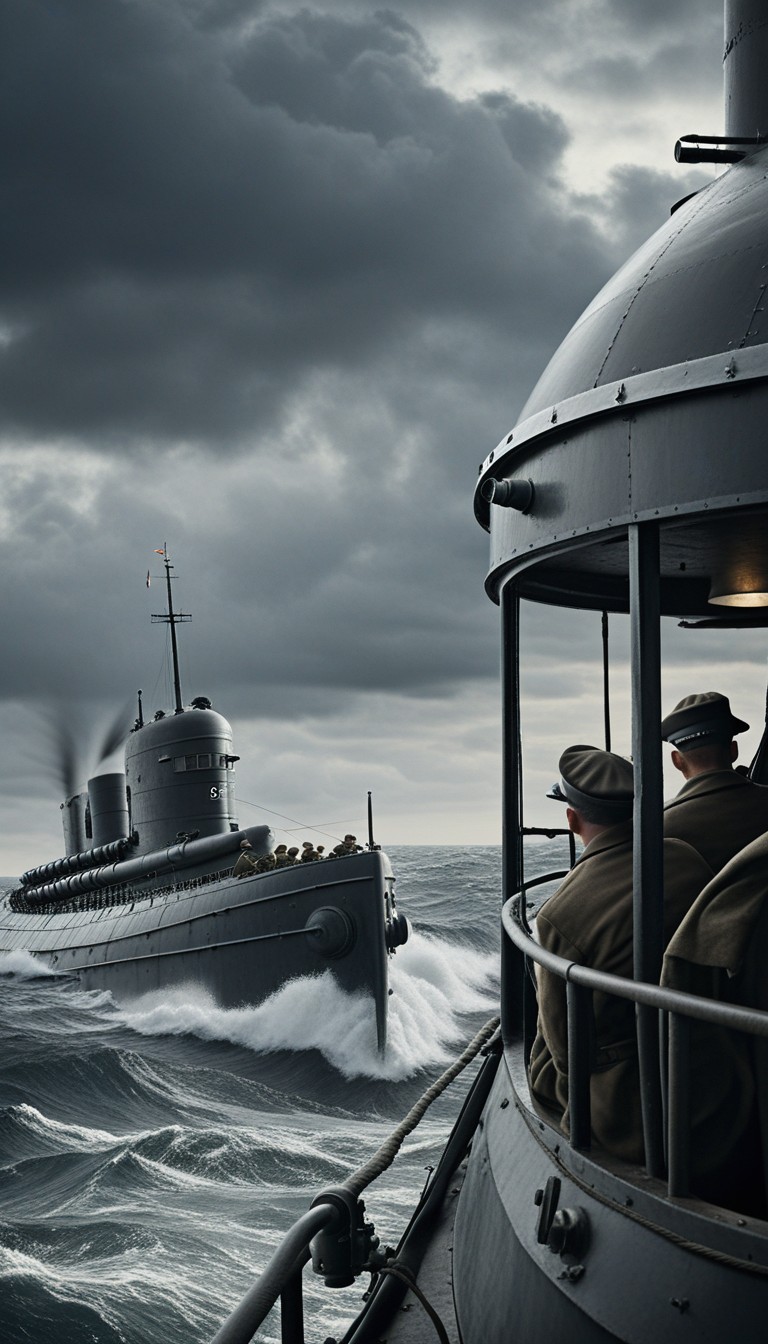
Submarines
The submarine went from novelty to nightmare in two world wars. German U-boats came close to strangling Britain in both. After 1945, nuclear power let submarines stay underwater for months at a time, and ballistic missiles turned them into the most survivable leg of the Cold War nuclear triad. A hundred submarines, scattered across the ocean, became the quietest form of deterrence ever invented.
1941–present
Pacific Ocean
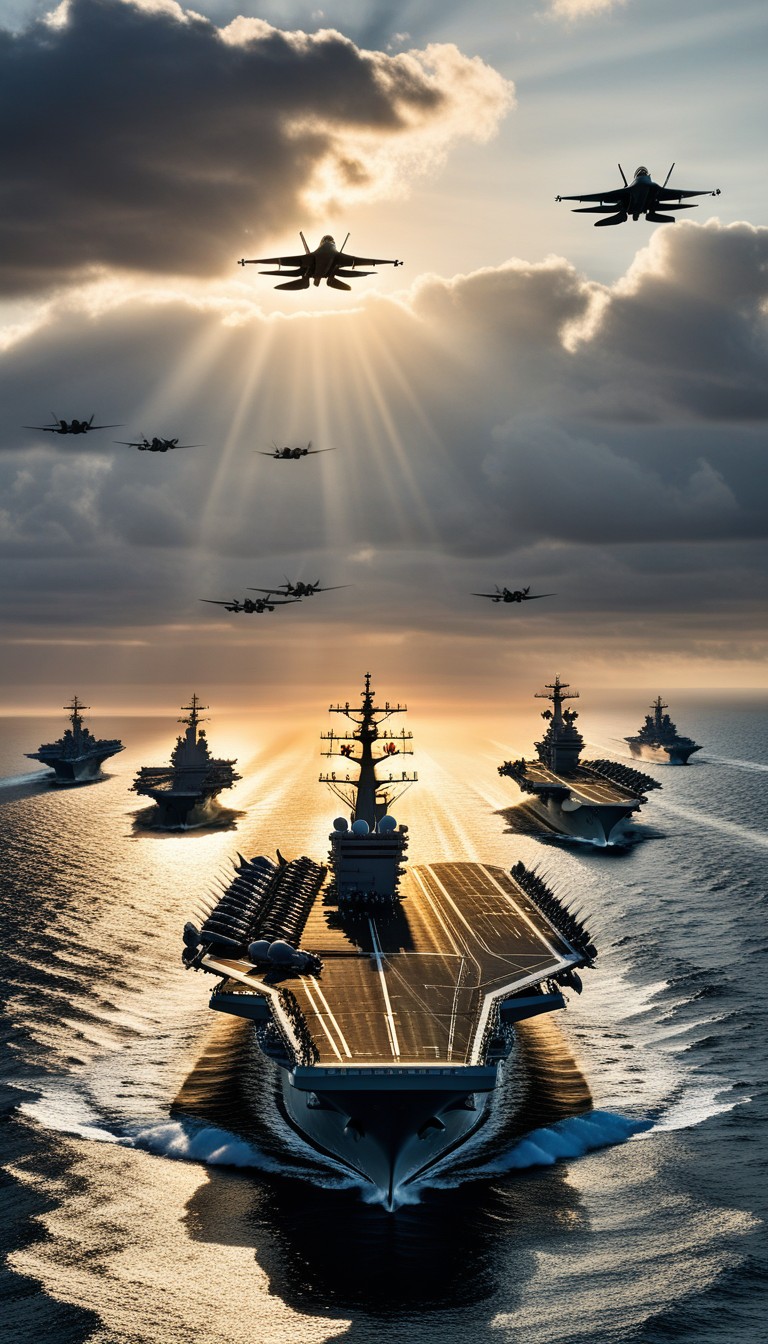
The Aircraft Carrier
At Pearl Harbor in 1941, Japanese carrier aircraft sank most of the American battleship fleet in a single morning. Within six months at Midway, carriers had replaced battleships as the capital ship of the world's navies. A modern nuclear carrier is a floating airfield, a small city, and a projection of national power anywhere in the world. Eleven of them belong to the United States.
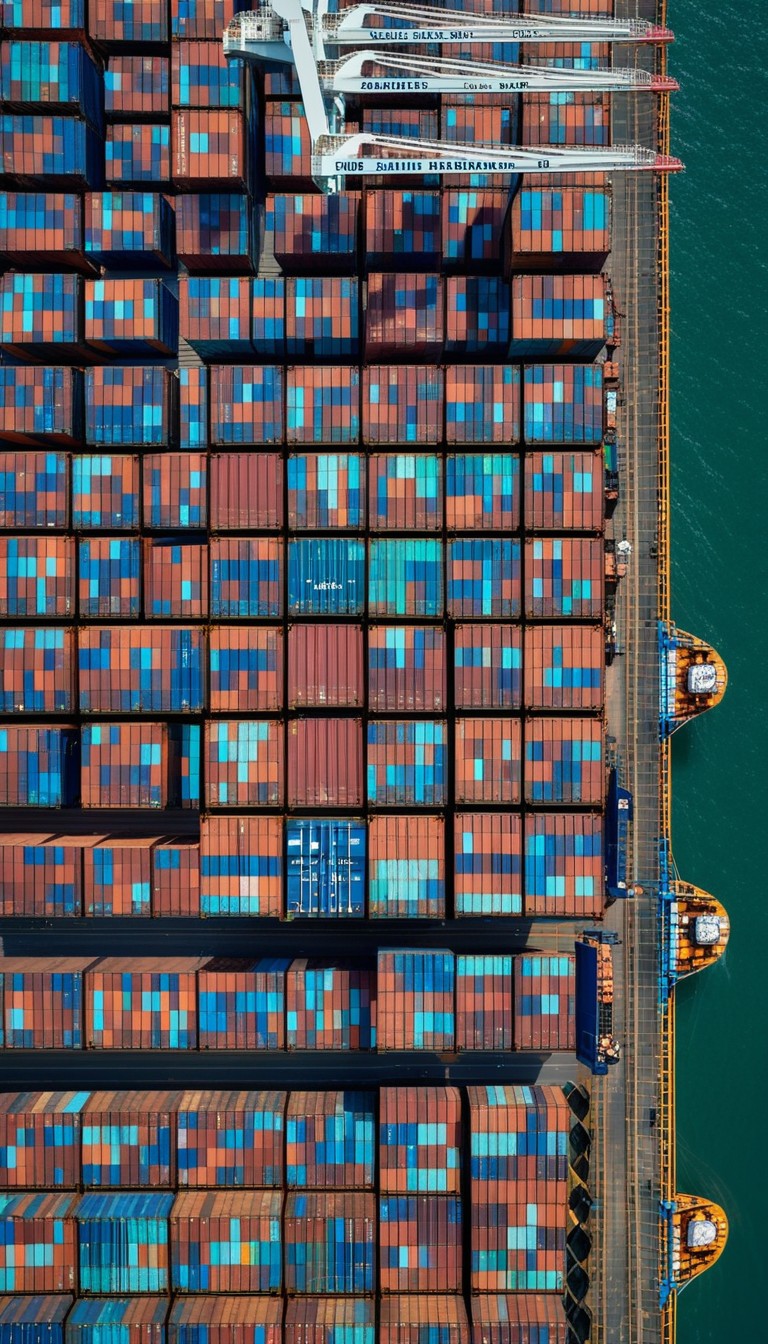
1956 onward
Global ports
The Container Ship
In 1956, a North Carolina trucking magnate named Malcolm McLean loaded 58 metal boxes onto a converted tanker and invented the shipping container. Cargo that used to take days to load now took hours. Costs collapsed. Within a generation, it became cheaper to manufacture goods halfway around the world than next door. Globalization, as we know it, floats in steel boxes.
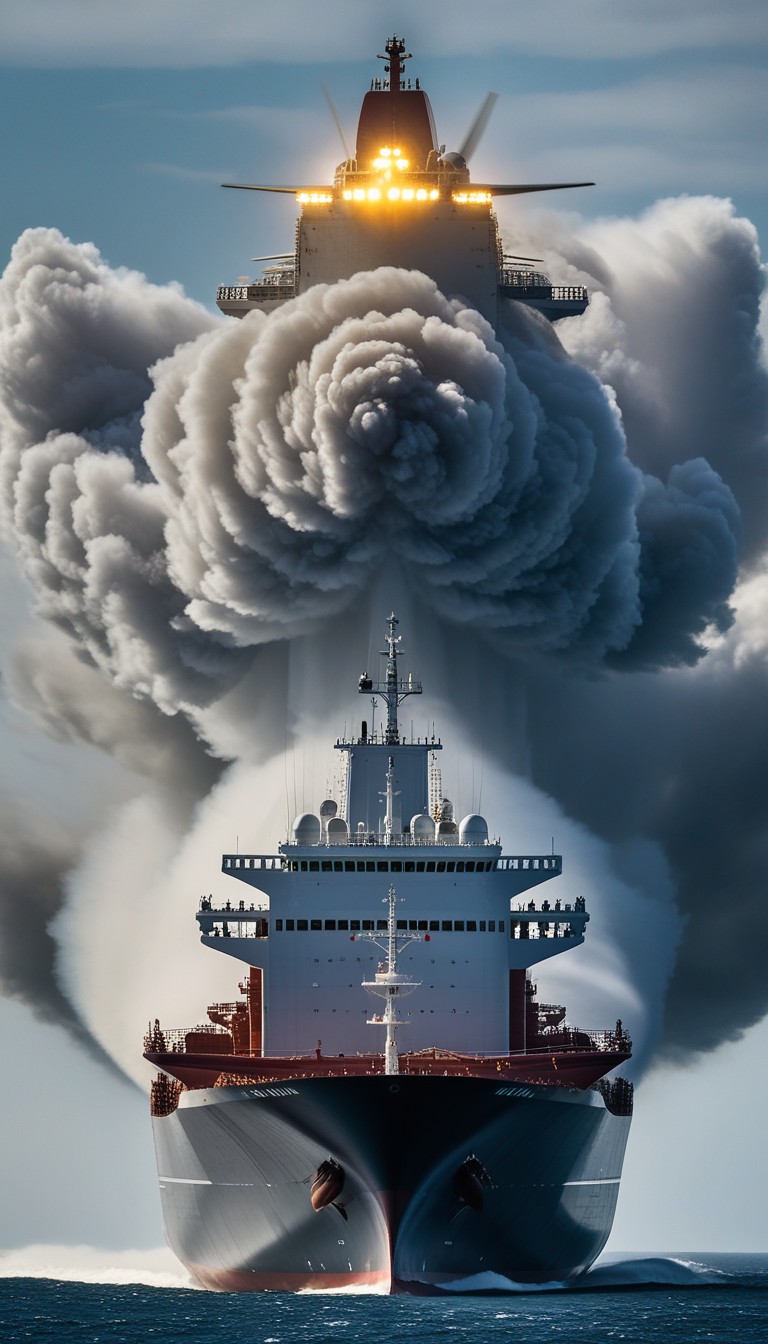
1960s–present
Global oceans
Supertankers and Bulk Carriers
The largest moving objects humans have ever built are not buildings or aircraft—they are ships. Supertankers haul crude oil in lots of two million barrels. Bulk carriers move iron ore, grain, and coal. A single modern ship can carry more cargo than the entire merchant fleet of the Roman Empire. Most of what you own touched one at some point.
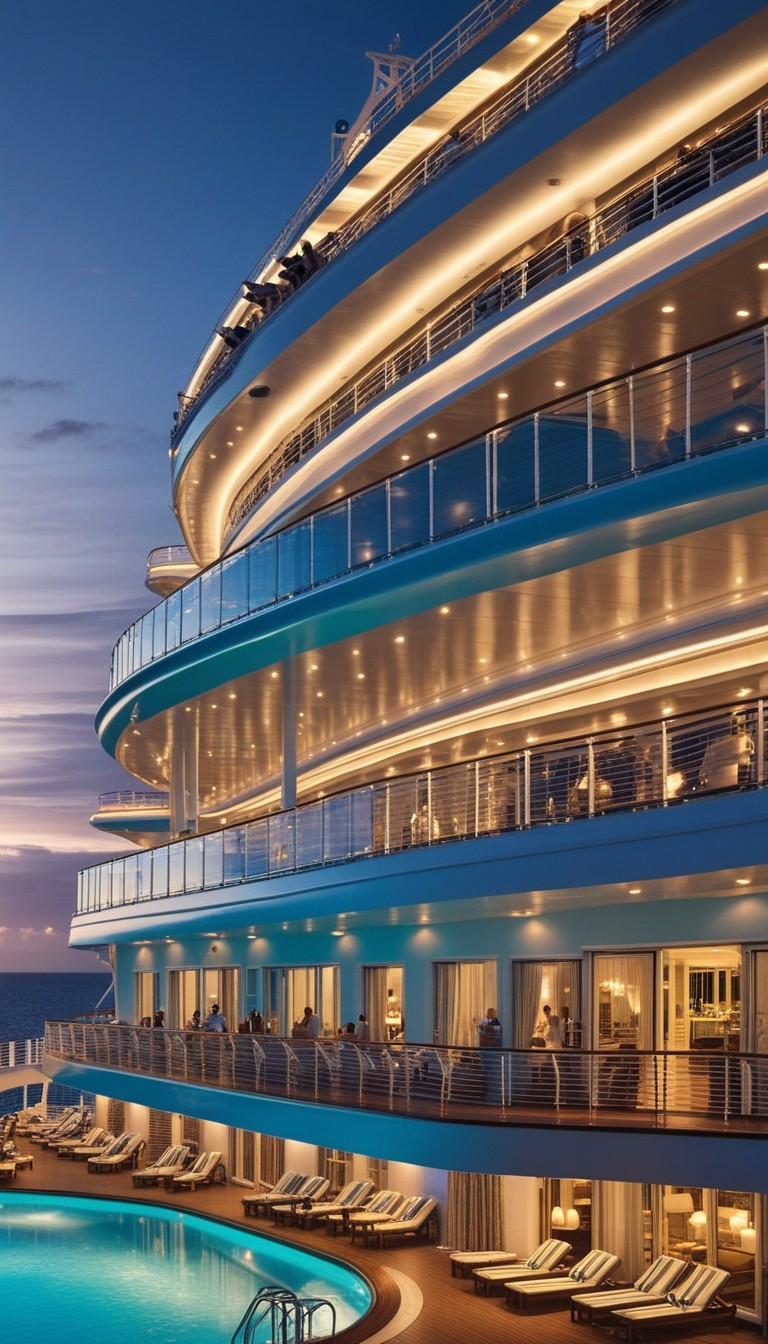
1970s–present
Caribbean, Mediterranean, Alaska
Cruise Ships
With air travel killing the transatlantic liner, shipping companies reinvented the passenger ship as a destination in itself. Modern cruise ships carry six thousand passengers with ice rinks, climbing walls, theaters, and restaurants. They are floating cities built for leisure—the first ships in history whose purpose is the voyage itself.
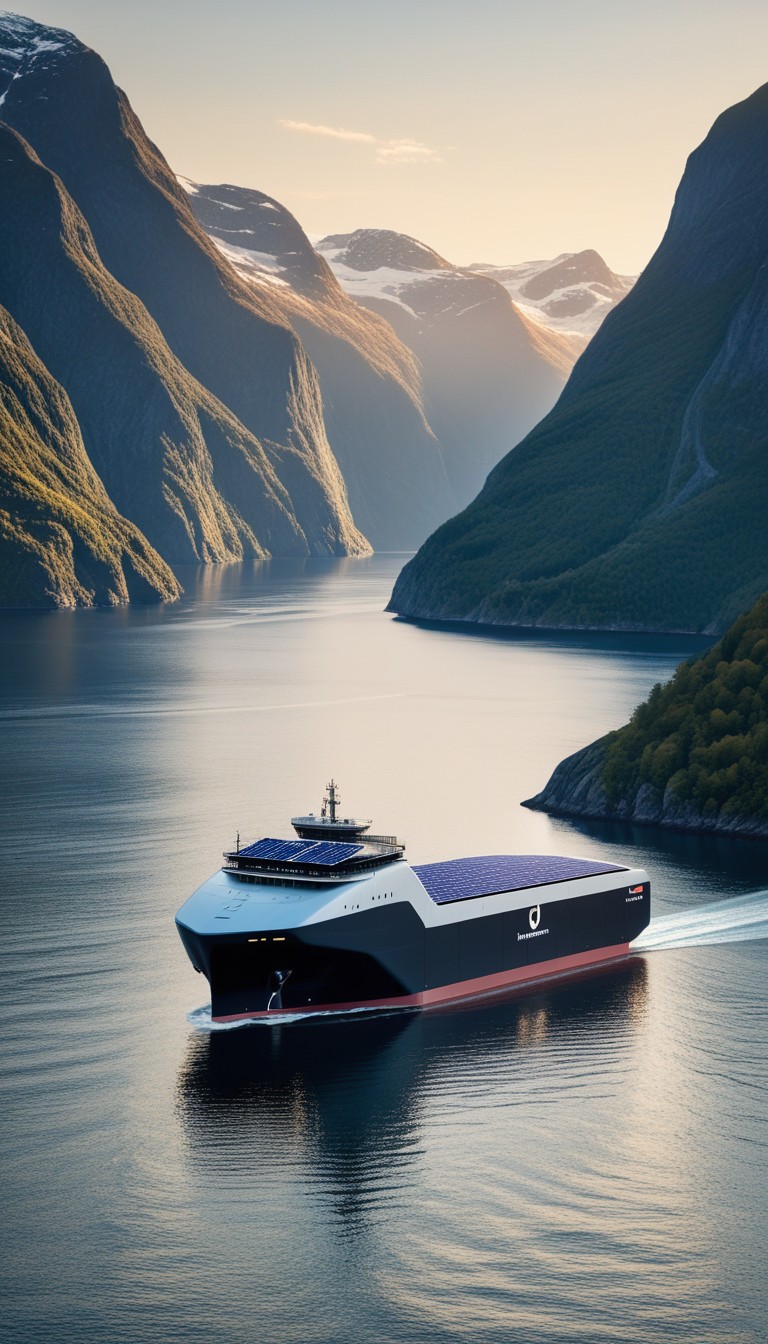
2020s–future
Norway & beyond
Autonomous and Electric
The next chapter is already underway. Norway's Yara Birkeland is the first autonomous, fully electric container ship. Wind-assist sails are returning to cargo vessels to cut fuel use. Shipping produces roughly three percent of global carbon emissions, and the industry that built globalization is quietly trying to decarbonize it. A log hollowed out ten thousand years ago now ends in a computer-piloted battery.
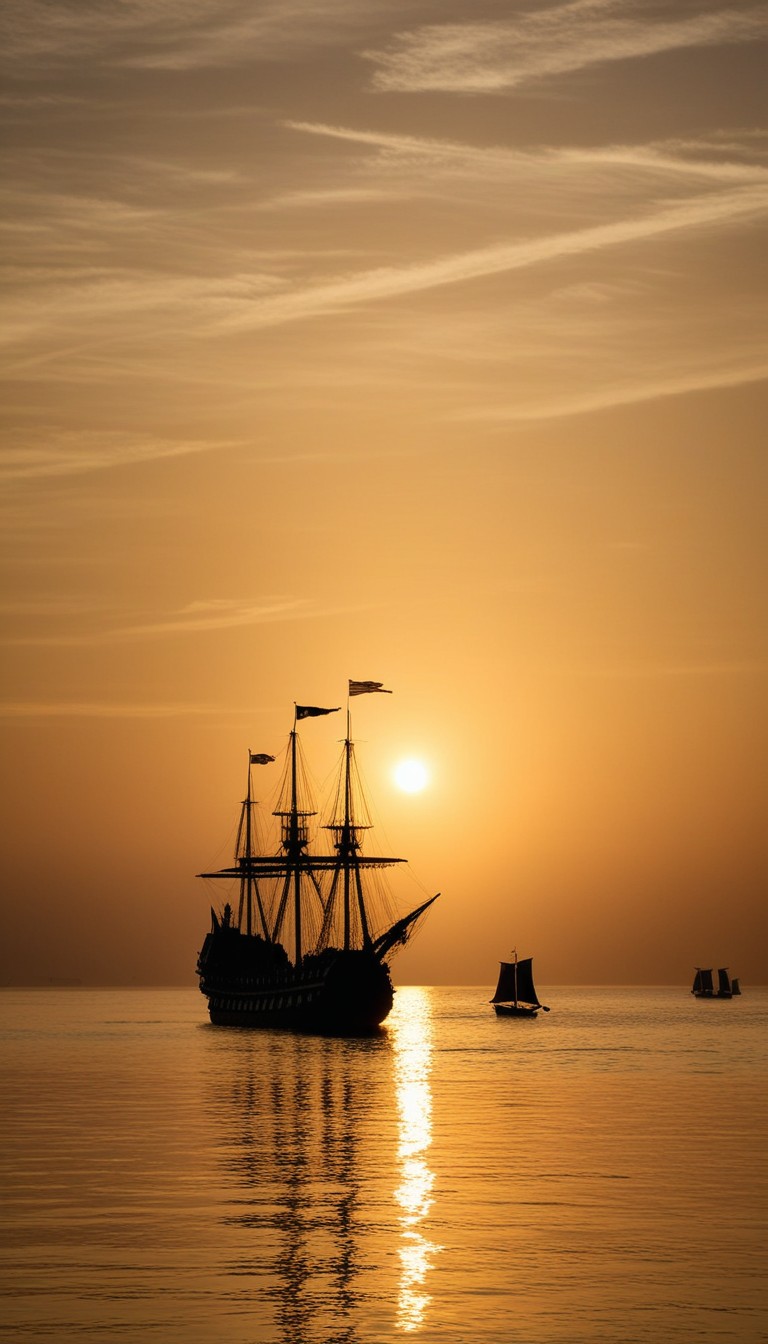
Ten Thousand Years on the Water
From a hollowed log on a Dutch river to an autonomous electric ship in a Norwegian fjord, the history of boats is the history of ambition. Every empire, every trade network, every mass migration, every world war was carried on a hull. Humans are not natural swimmers—and yet the ocean is our oldest highway. Look at a container ship today and you are looking at ten thousand years of continuous, cumulative, collective ingenuity, stacked thirteen containers high.
Swipe to navigate