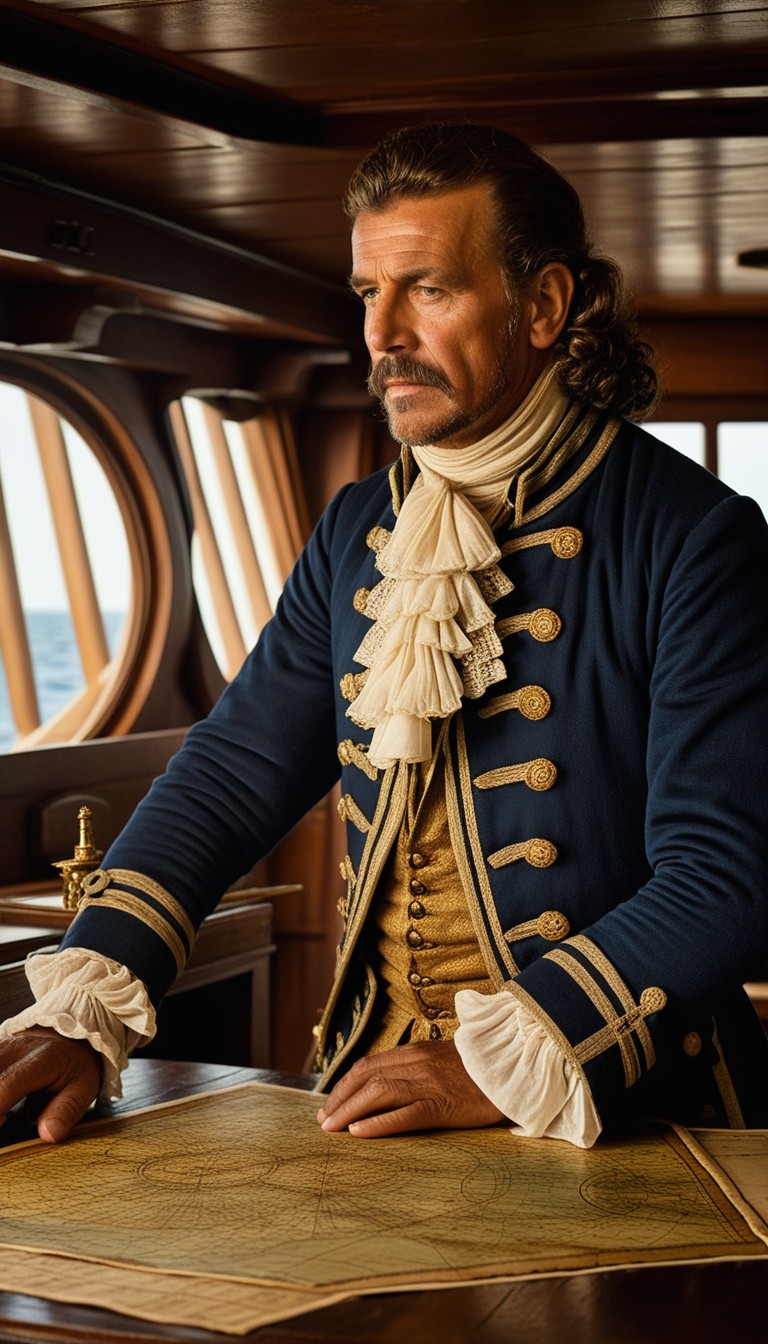
Captain Kidd: Pirate or Privateer?
Loading story...
c. 1654-1695
Dundee, Scotland & New York
Scottish Origins
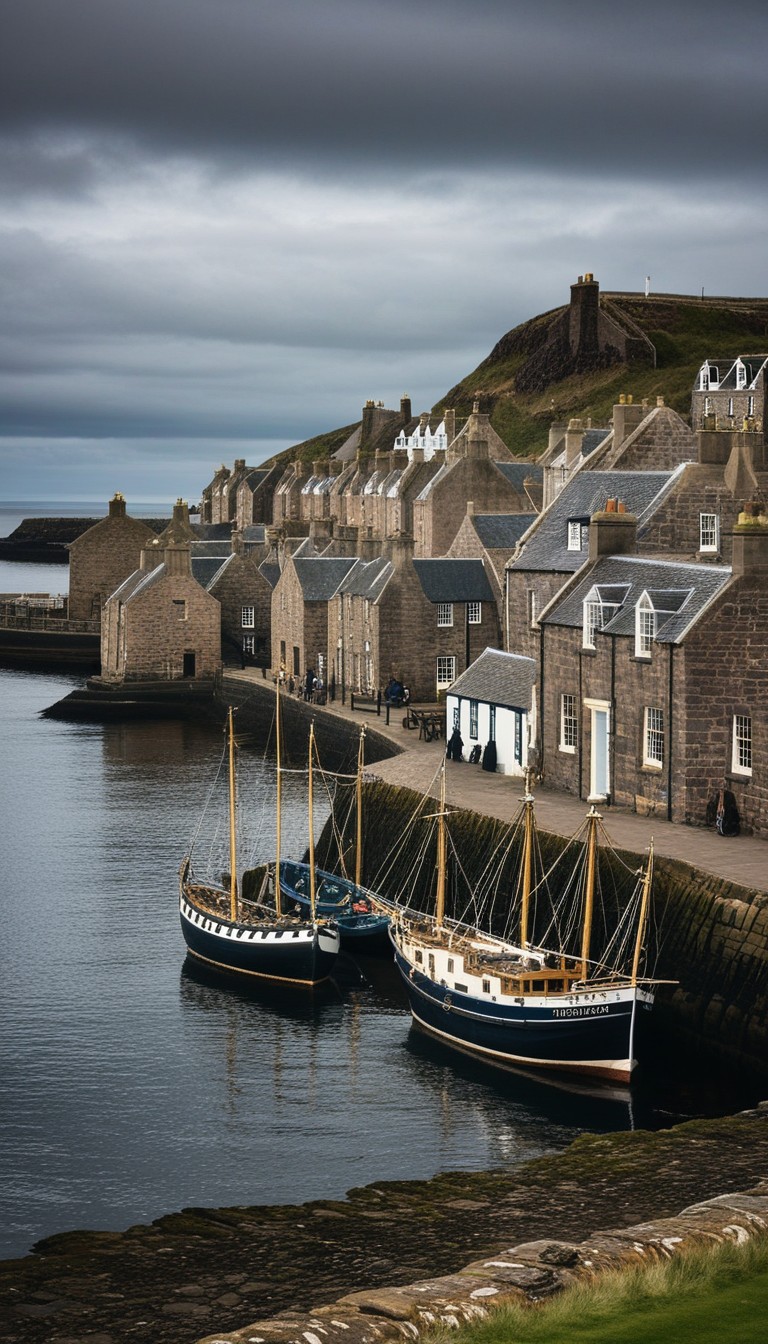
William Kidd was born around 1654 in Dundee, Scotland, the son of a Presbyterian minister. He went to sea as a young man and eventually settled in the bustling port of New York City. There he became a respected sea captain, married a wealthy widow, and owned property on Wall Street. Nothing about his comfortable life suggested the infamy that lay ahead.
1695
London, England
A Royal Commission
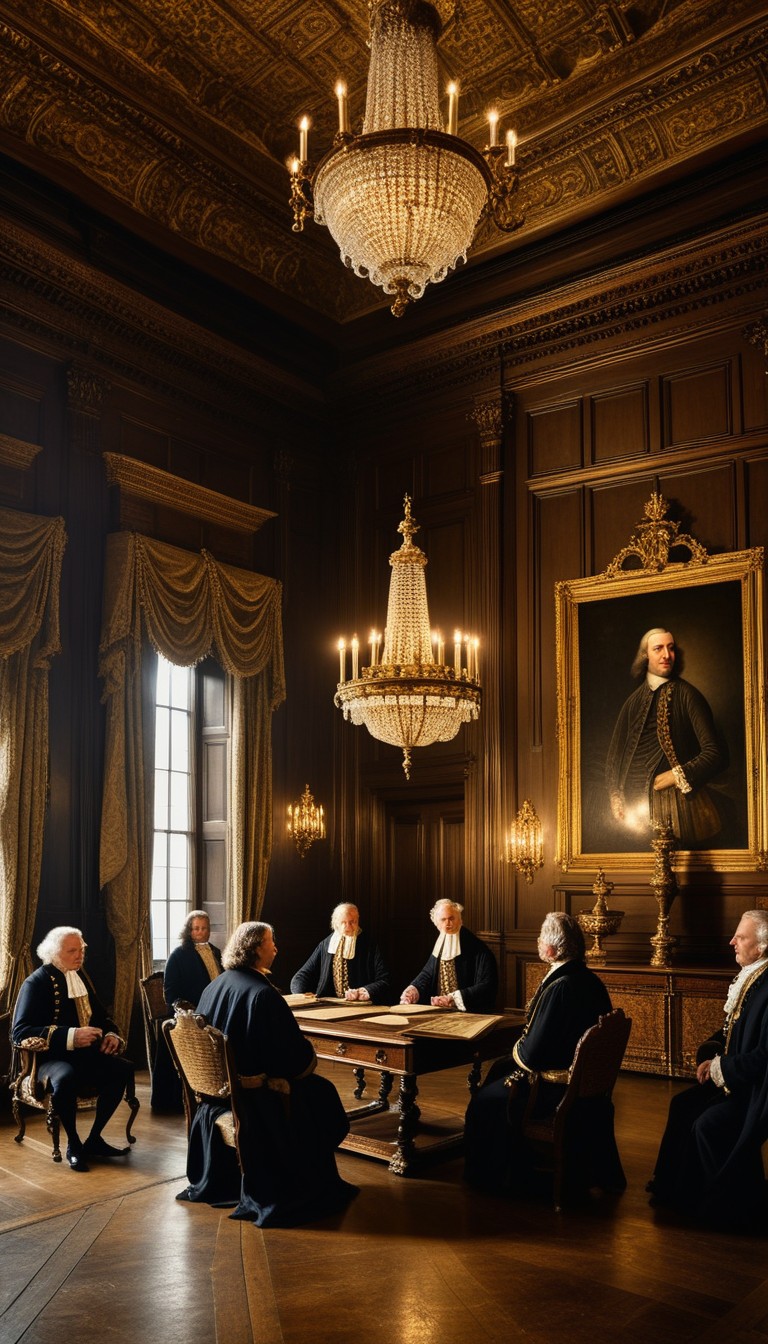
In 1695, a group of powerful English lords—including the Earl of Bellomont—offered Kidd an extraordinary deal. He would sail to the Indian Ocean with a royal commission to hunt pirates and seize French ships. The profits would be split between Kidd and his wealthy backers, with a share reserved for the Crown. It seemed like an opportunity no ambitious captain could refuse.
1696
Deptford, England
The Adventure Galley
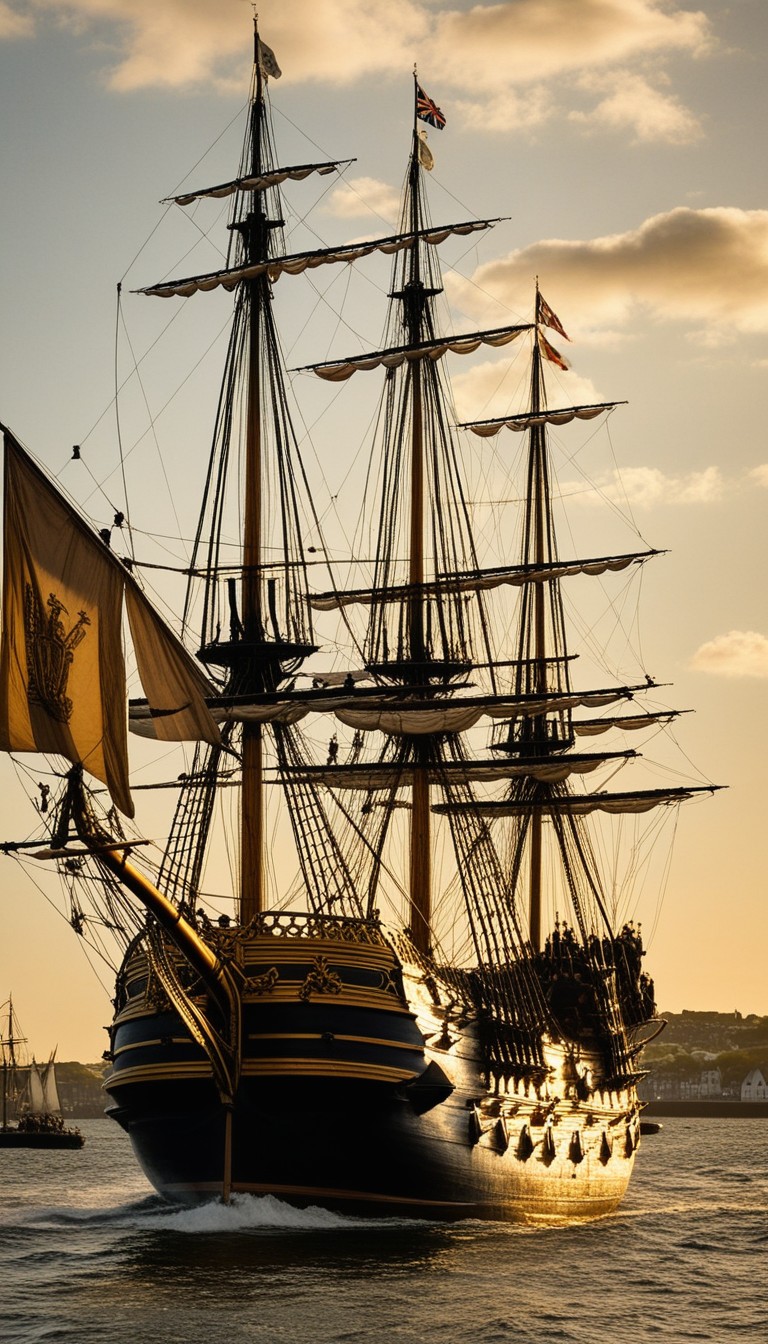
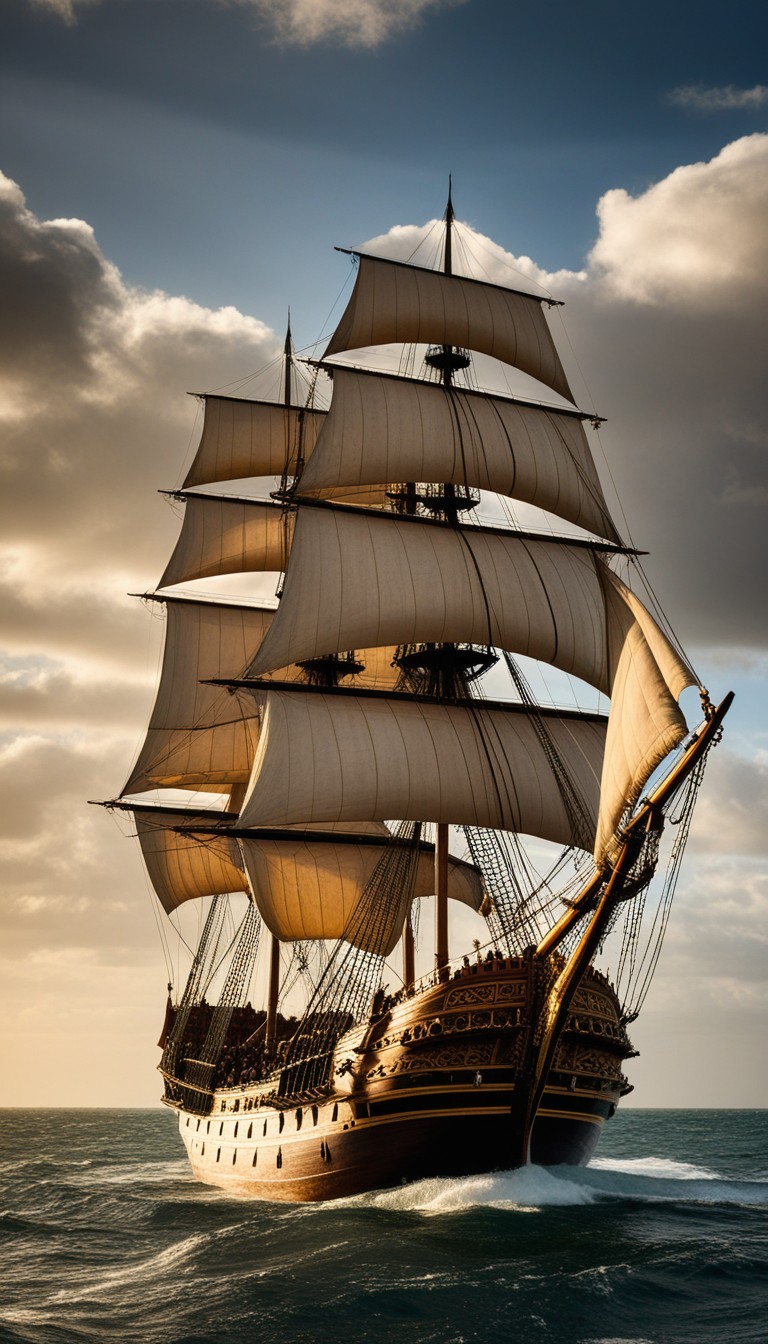
Kidd set sail in 1696 aboard the Adventure Galley, a 284-ton vessel armed with 34 cannons and fitted with oars for chasing prey in calm waters. But trouble began almost immediately. The Royal Navy pressed many of his best sailors into service, forcing Kidd to replace them with hardened men of questionable character. The crew that would sail with him into the Indian Ocean was already a powder keg waiting to explode.
1697
Indian Ocean
Mutiny in the Making
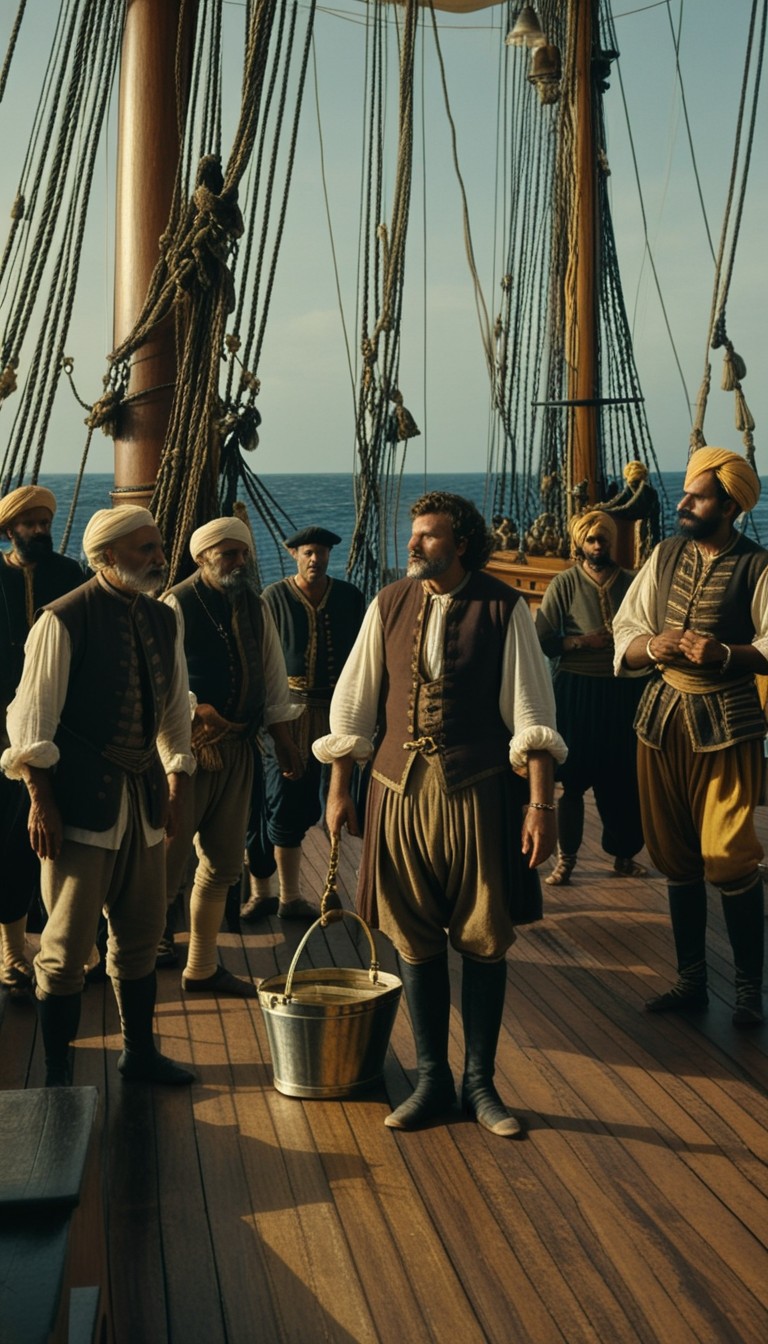
Months passed with no prizes captured. The Adventure Galley leaked badly, and the crew grew desperate and hostile. They demanded that Kidd attack any ship they encountered, pirate commission or not. When gunner William Moore openly challenged Kidd's authority, Kidd struck him with an ironbound bucket in a fit of rage. Moore died the next day. It was a moment that would come back to haunt Kidd at the gallows.
January 1698
Off the coast of India
The Quedagh Merchant
In January 1698, Kidd seized the Quedagh Merchant, an Armenian-owned ship carrying a fortune in silk, muslin, gold, and spices. The ship sailed under a French pass, which Kidd believed made it a legal prize under his commission. But the vessel's cargo belonged to powerful Indian merchants with ties to the East India Company. This single capture would transform Kidd from privateer to wanted pirate in the eyes of the world.

1699
Gardiner's Island, New York
Buried Treasure
Learning that he had been declared a pirate, Kidd sailed for New York hoping to clear his name. On the way, he stopped at Gardiner's Island off the eastern tip of Long Island and buried a cache of gold, silver, jewels, and silks. He entrusted the treasure to John Gardiner, the island's lord, perhaps as insurance for his defense. It remains the only verified case of a pirate actually burying treasure.
July 1699
Boston, Massachusetts
Betrayed in Boston
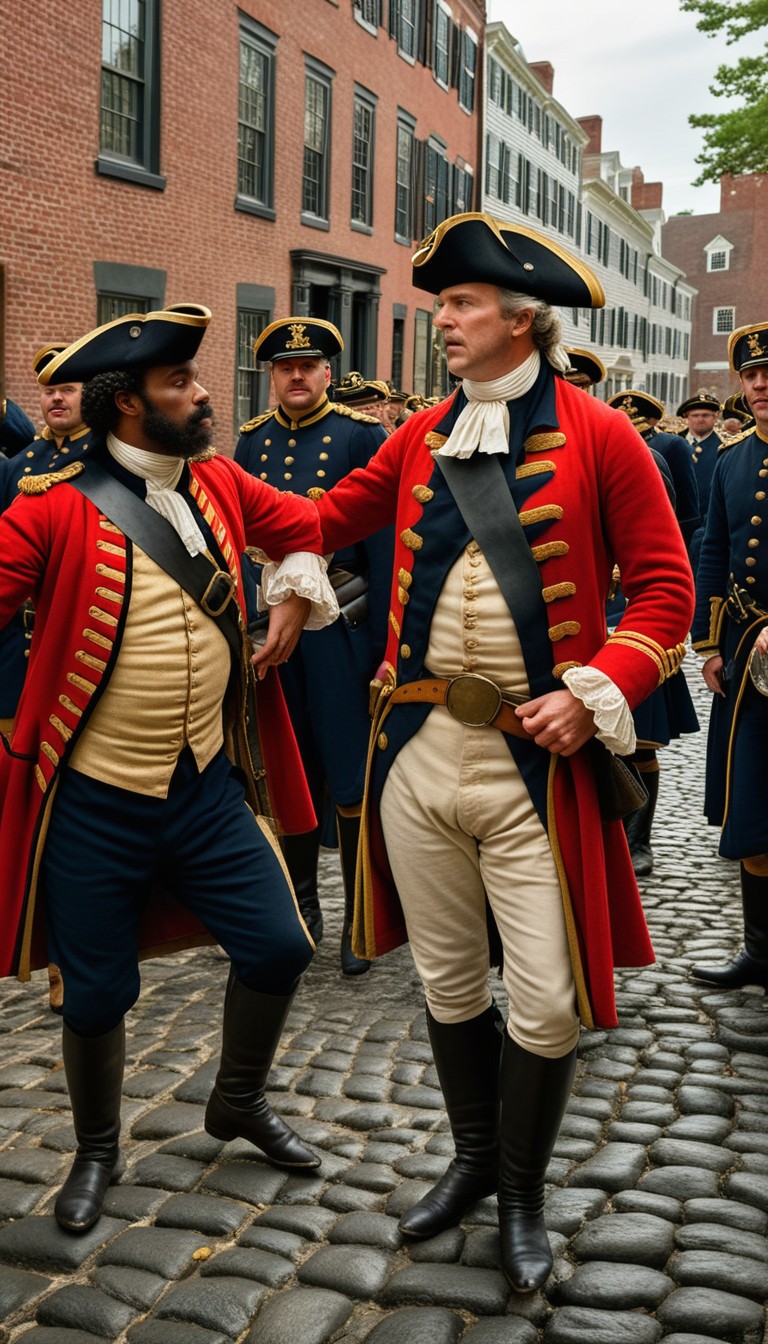
Kidd sailed to Boston believing the Earl of Bellomont, his former backer, would protect him. Instead, Bellomont had him arrested on July 6, 1699. The powerful lords who had financed Kidd's voyage now disavowed any connection to him. Political winds had shifted, and Kidd became a convenient scapegoat. The French passes that could have proven the Quedagh Merchant was a legal prize mysteriously vanished from the official records.
May 23, 1701
London, England
Trial and Execution
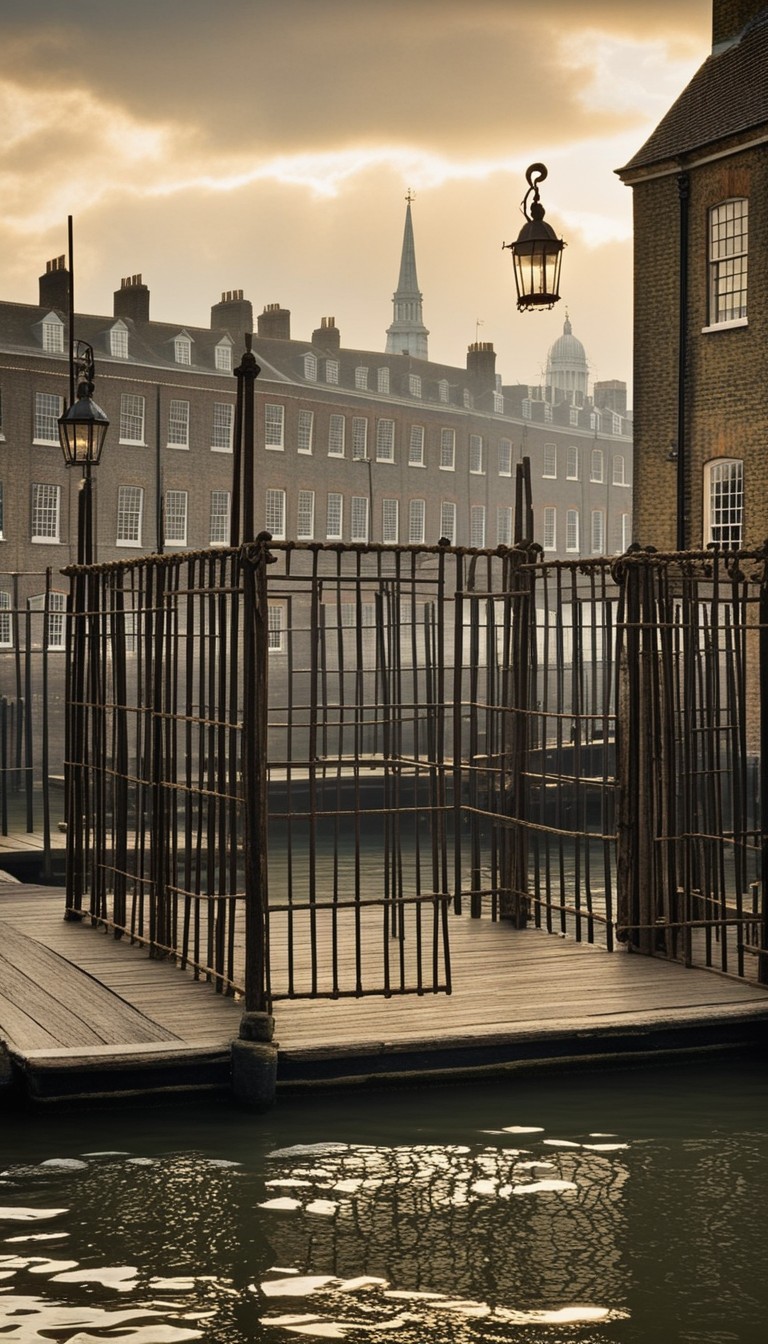
Kidd was shipped to London and tried at the Old Bailey in May 1701. Denied proper counsel and stripped of the French passes that were his best defense, he was convicted of murder and piracy. On May 23, 1701, he was hanged at Execution Dock in Wapping. The rope broke on the first attempt, and he was hanged again. His body was coated in tar, placed in an iron cage, and left hanging over the Thames for years as a warning to all who dared turn pirate.

The Legend of Buried Treasure
Captain Kidd's name became synonymous with buried pirate treasure, inspiring countless treasure hunters, novels, and legends. The French passes that could have saved him were rediscovered in the Public Record Office in 1911—two centuries too late. Whether pirate or scapegoat, his story remains one of history's great maritime mysteries.
Recommended Reading
As an Amazon Associate, we earn from qualifying purchases.


Swipe to navigate