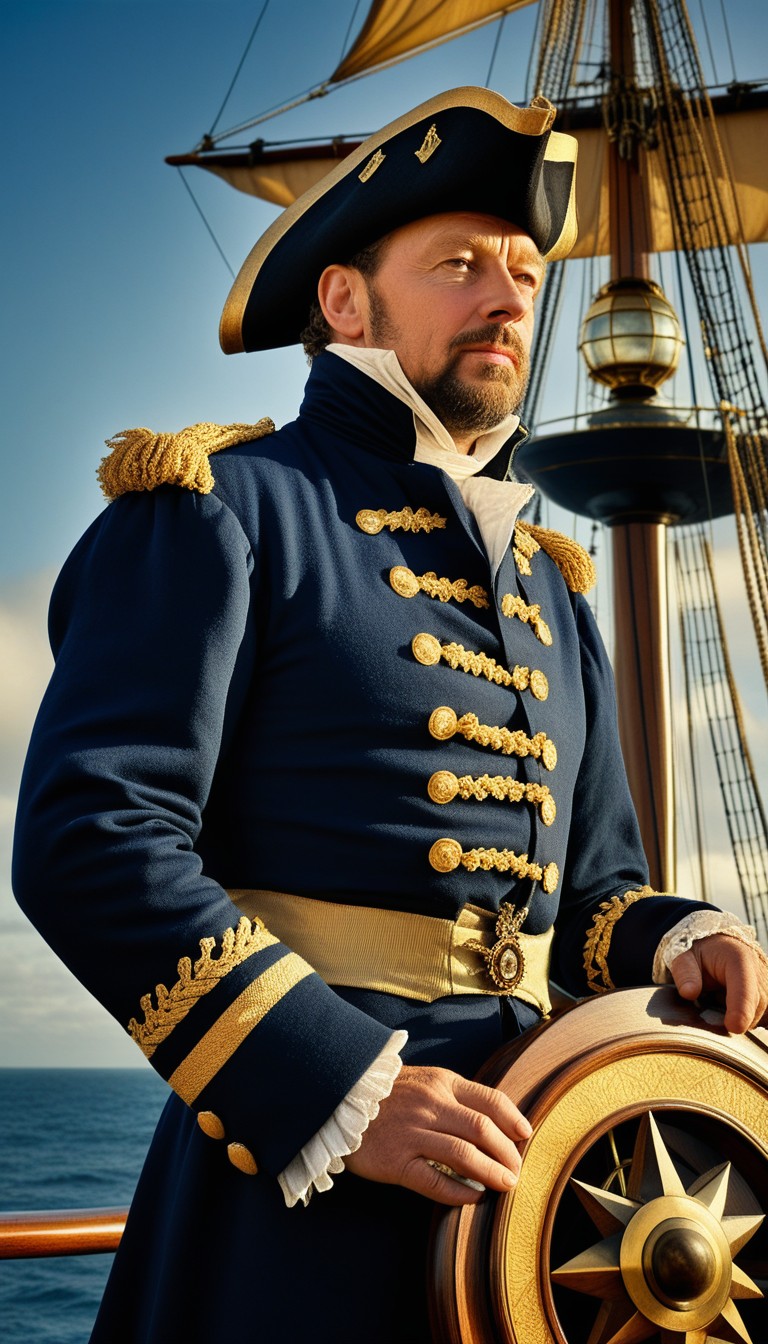
Francis Drake: The Queen's Pirate
Loading story...
c. 1540-1560
Tavistock, Devon, England
Humble Origins in Devon
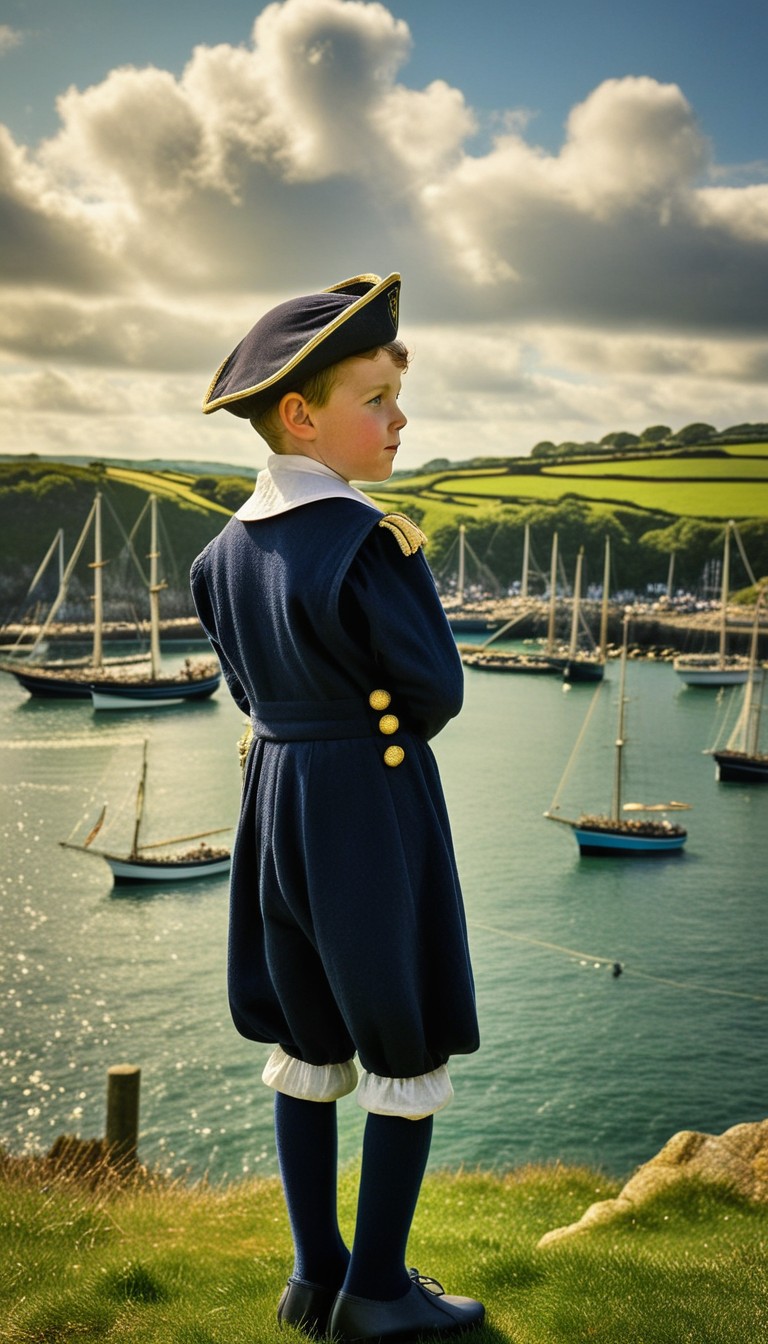
Francis Drake was born around 1540 into a poor Protestant family in Tavistock, Devon. As a boy he was apprenticed to the master of a small coastal vessel, learning to navigate the treacherous waters of the English Channel. The sea became his classroom, and he proved a natural sailor. By his teens, he was already dreaming of the vast fortunes that lay across the Atlantic in Spain's New World empire.
1568
San Juan de Ulua, Mexico
Betrayal at San Juan de Ulua
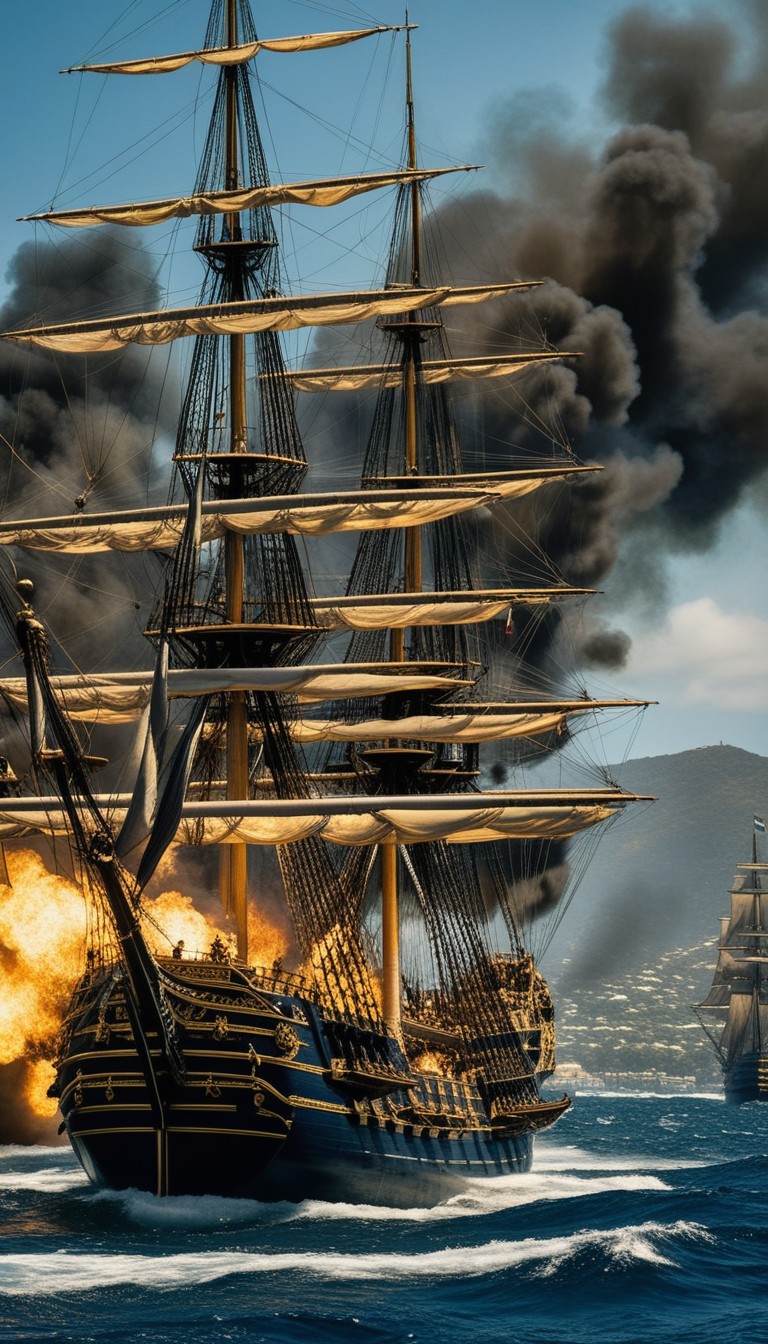
In 1568, Drake sailed with his cousin John Hawkins on a trading expedition to the Caribbean. At the port of San Juan de Ulua in Mexico, a Spanish fleet attacked them during a supposed truce. Drake barely escaped with his life while most of the English fleet was destroyed. The betrayal ignited a burning hatred of Spain in Drake's heart that would fuel his entire career of plunder and revenge.

1572-1573
Nombre de Dios, Panama
Raiding the Spanish Main
Drake returned to the Caribbean with a vengeance. In 1573, he led a daring raid on Nombre de Dios, the port where Spain loaded its treasure ships. With the help of Cimaroons—escaped African slaves who hated the Spanish—Drake ambushed the Silver Train, a mule convoy carrying tons of Peruvian silver across the Isthmus of Panama. He returned to England with a fortune and a reputation that reached the ears of Queen Elizabeth herself.
December 1577
Plymouth, England
The Circumnavigation Begins
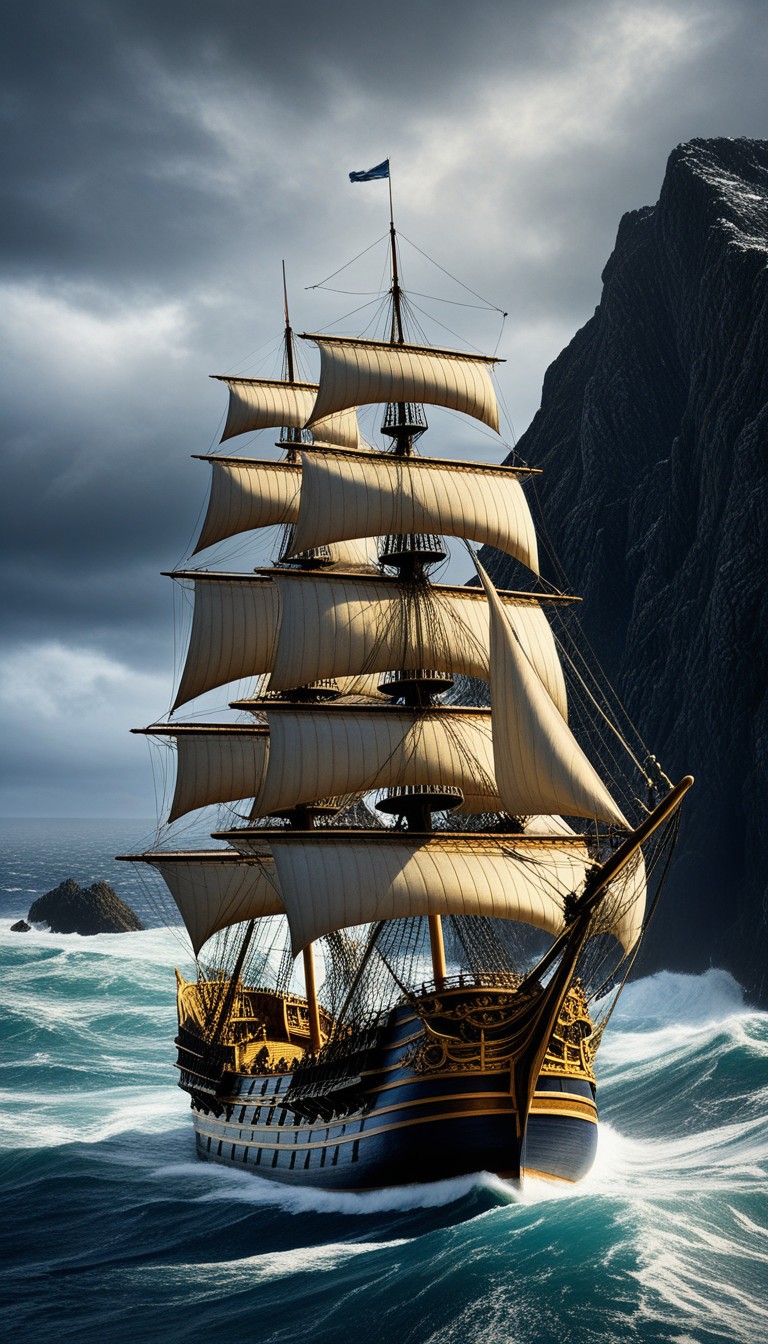
In 1577, Drake set sail from Plymouth with five ships and a secret commission from Queen Elizabeth. His mission was to plunder Spanish possessions along the Pacific coast of South America—waters Spain considered untouchable. He battled through the deadly Strait of Magellan, losing four of his five ships to storms and desertion. Only the Golden Hind remained, but Drake pressed on into the unknown Pacific.
1578-1579
Pacific Coast, South America
Plundering the Pacific
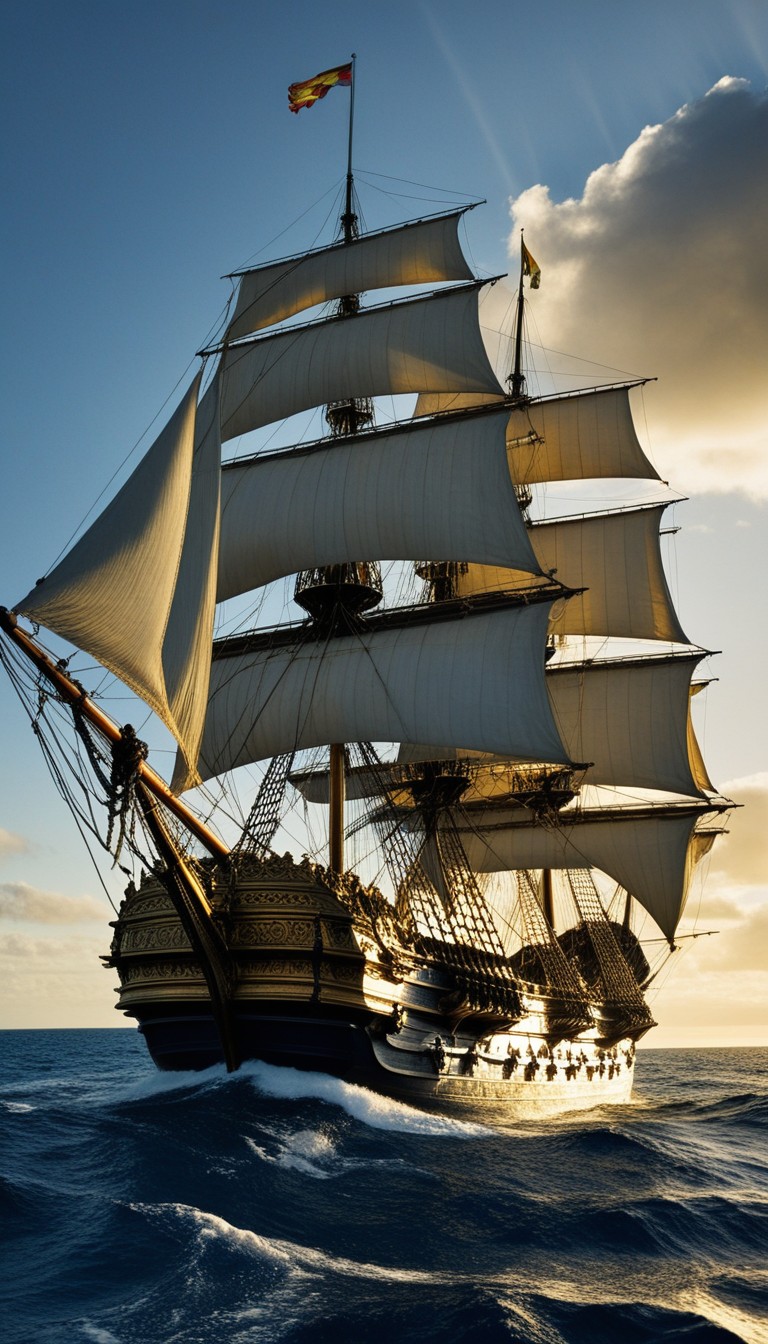
Spain had never bothered to defend its Pacific coast—no enemy had ever reached it. Drake arrived like a wolf among sheep. He raided port after port along the coasts of Chile and Peru, capturing the treasure ship Nuestra Senora de la Concepcion, laden with 26 tons of silver, 80 pounds of gold, and chests of jewels. The Spanish were stunned. They called him El Draque—the dragon—and put a massive bounty on his head.
September 1580
Plymouth, England
Around the World
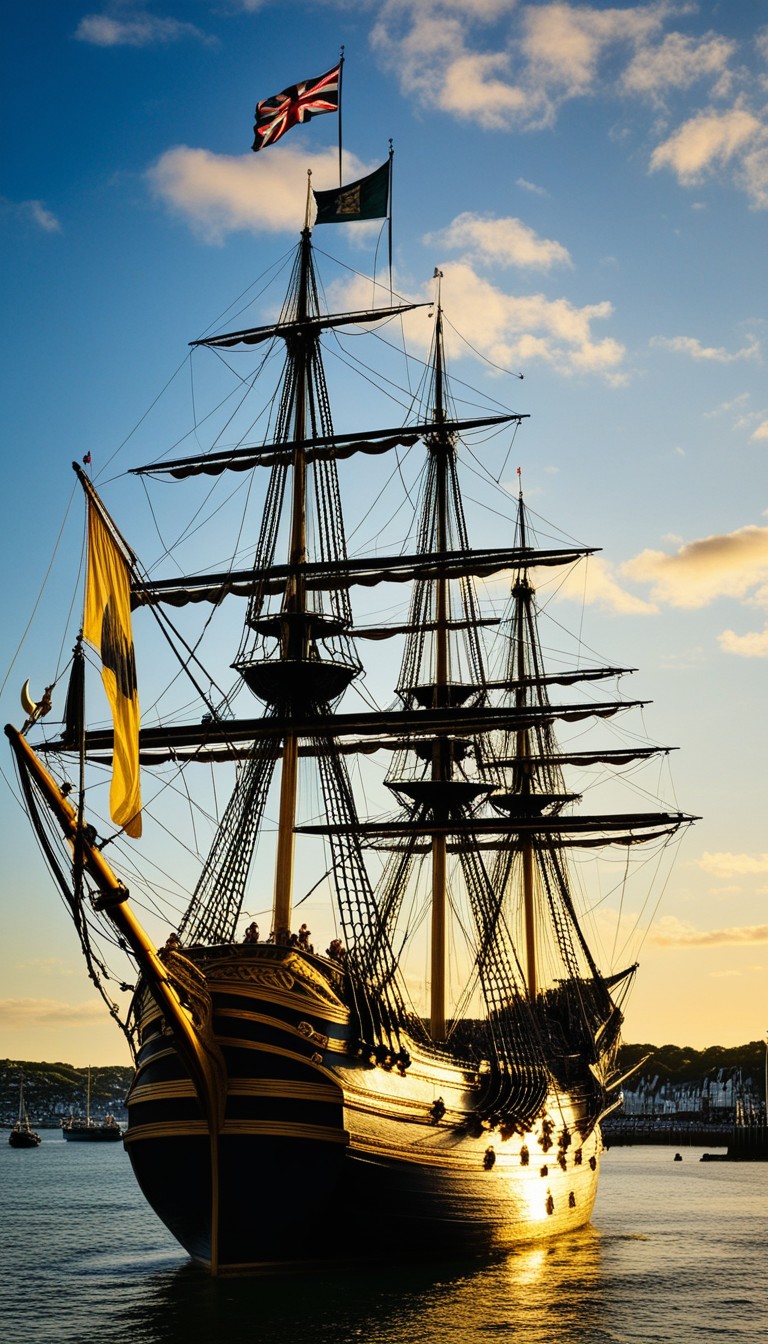
Unable to return the way he came with the Spanish hunting him, Drake sailed west across the Pacific, through the Spice Islands, around the Cape of Good Hope, and back to England. He arrived at Plymouth on September 26, 1580, becoming the first Englishman to circumnavigate the globe. His hold was bursting with treasure worth more than the entire English Crown's annual revenue. The investors who backed the voyage received a 4,700 percent return.
April 4, 1581
Deptford, England
Knighted by the Queen
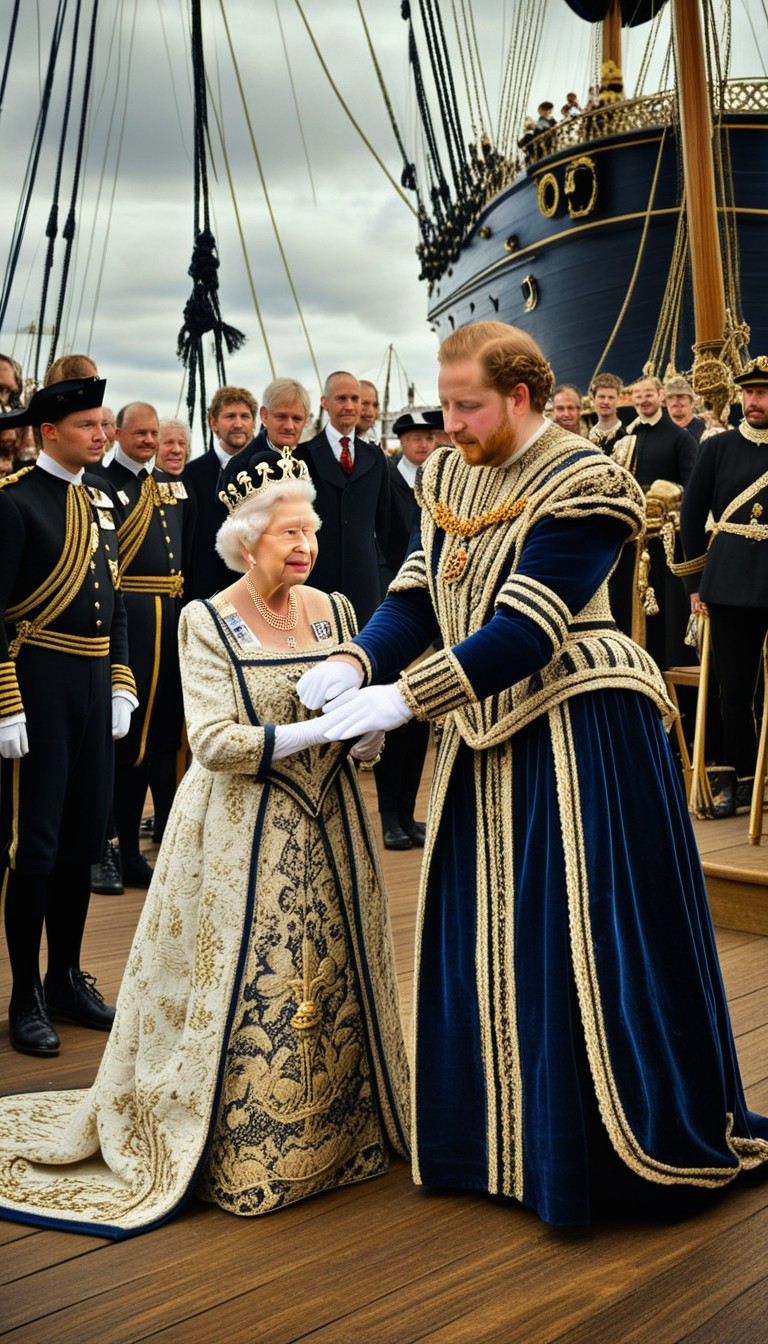
On April 4, 1581, Queen Elizabeth I boarded the Golden Hind at Deptford and knighted Francis Drake on its deck. Spain's ambassador had demanded Drake be hanged as a pirate. Instead, England's queen made him a knight. It was a deliberate provocation—Elizabeth was telling Spain and the world that she stood behind her dragon. Drake was now Sir Francis Drake, the most famous sea captain alive.
July-August 1588
English Channel
Defeating the Spanish Armada
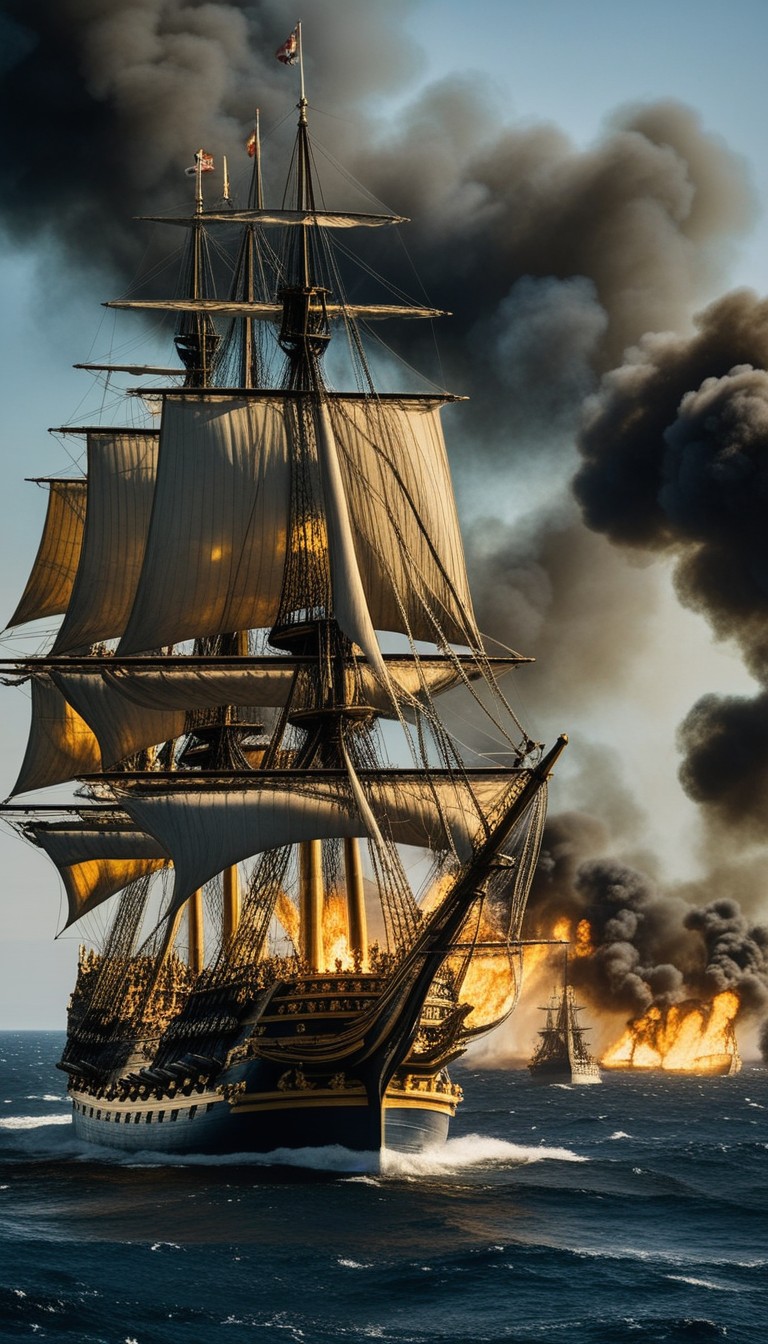
In 1588, Spain sent its mighty Armada—130 ships carrying 30,000 men—to invade England and end the Protestant menace once and for all. Drake served as vice admiral of the English fleet. He helped devise the fire ship attack at Calais that scattered the Armada into chaos, then joined the running battle that chased the Spanish fleet into the North Sea. Storms finished what Drake and the English had started. Spain's dreams of conquest sank beneath the waves.
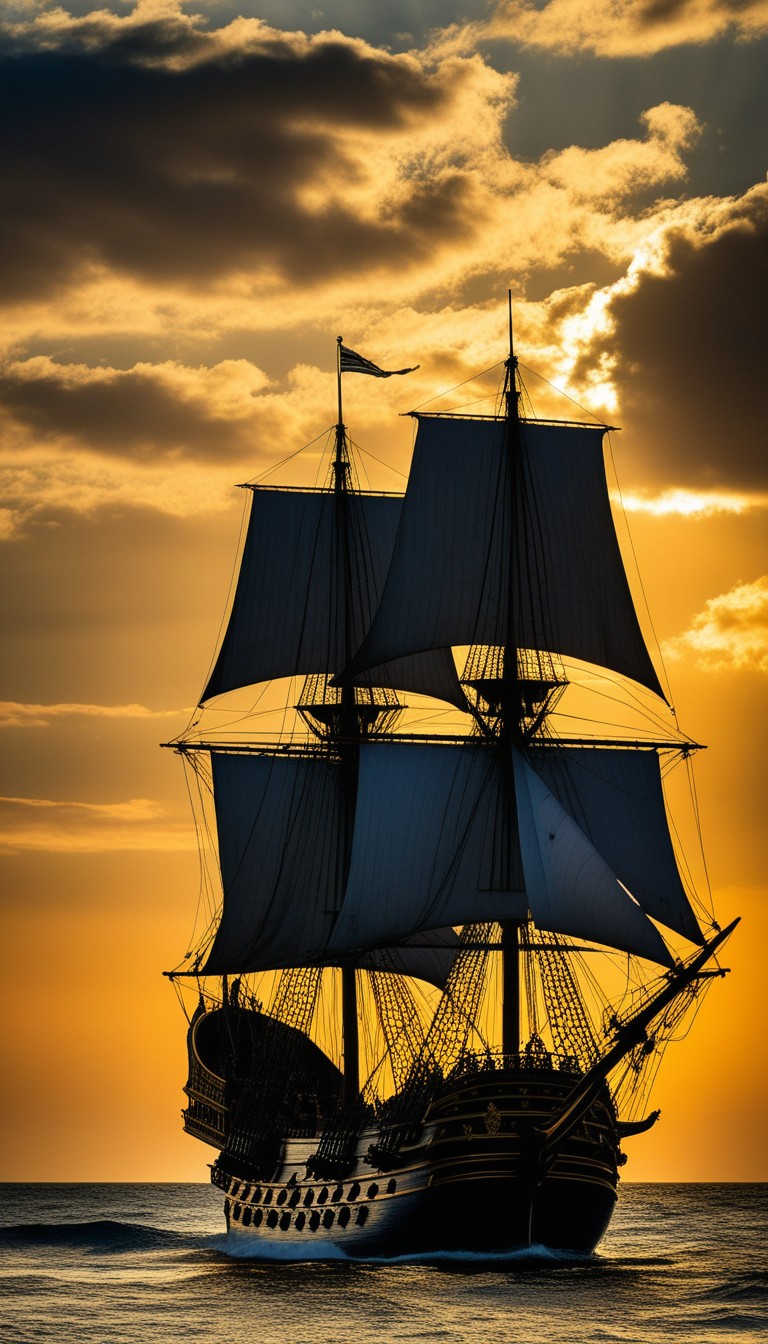
El Draque — The Dragon Who Changed the World
Francis Drake died of dysentery off the coast of Panama in 1596 and was buried at sea in a lead coffin. To England, he was the greatest hero of the Elizabethan age—the sailor who circled the globe and helped save the nation from invasion. To Spain, he was a pirate and a thief. In truth, he was both. Drake proved that one determined captain could challenge the mightiest empire on earth and win.
Recommended Reading
As an Amazon Associate, we earn from qualifying purchases.


Swipe to navigate