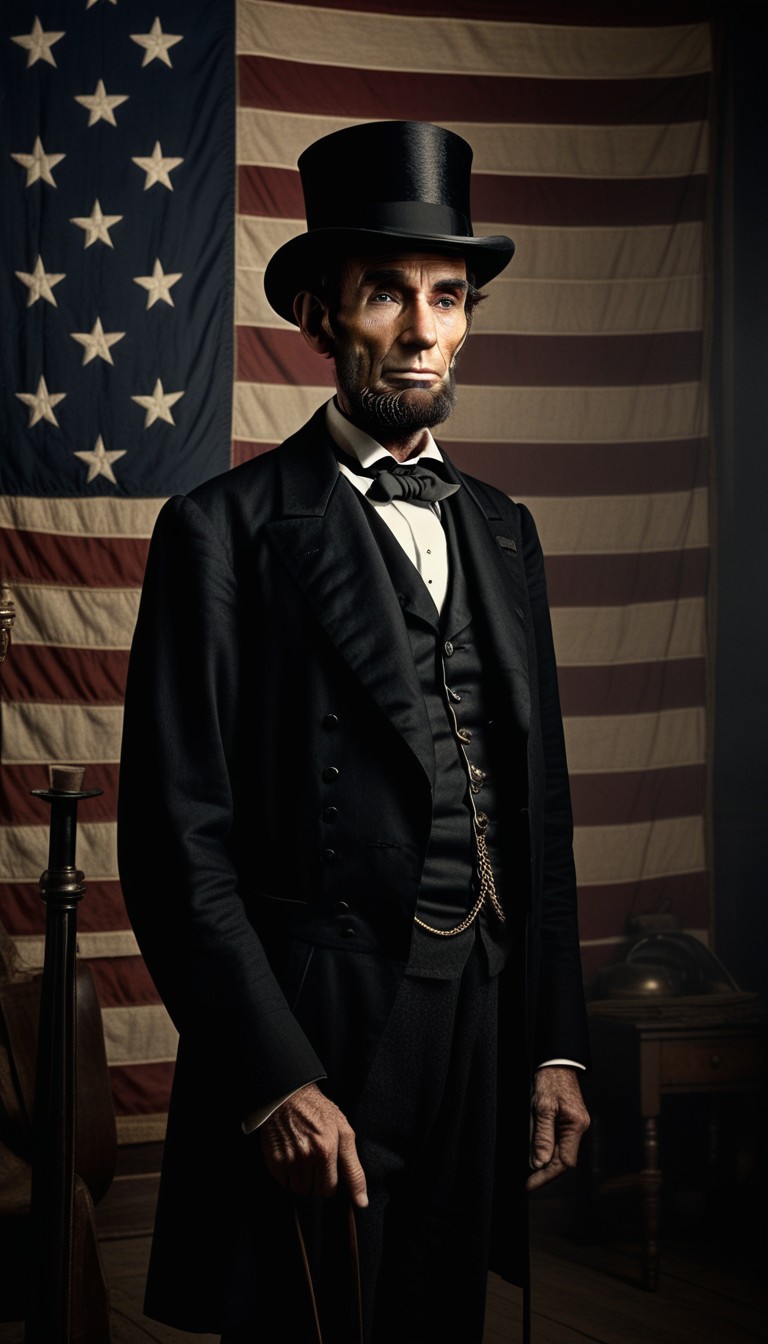
Abraham Lincoln (#16): The Great Emancipator
Loading story...

1809-1830
Kentucky & Indiana
Born in a Log Cabin
On February 12, 1809, Abraham Lincoln was born in a one-room log cabin in Kentucky. His family was poor, the frontier was harsh, and his mother died when he was nine. Yet young Abe walked miles to borrow books and read by firelight. He had less than a year of formal schooling—but an insatiable hunger to learn.
1830s-1840s
Springfield, Illinois
The Self-Made Lawyer
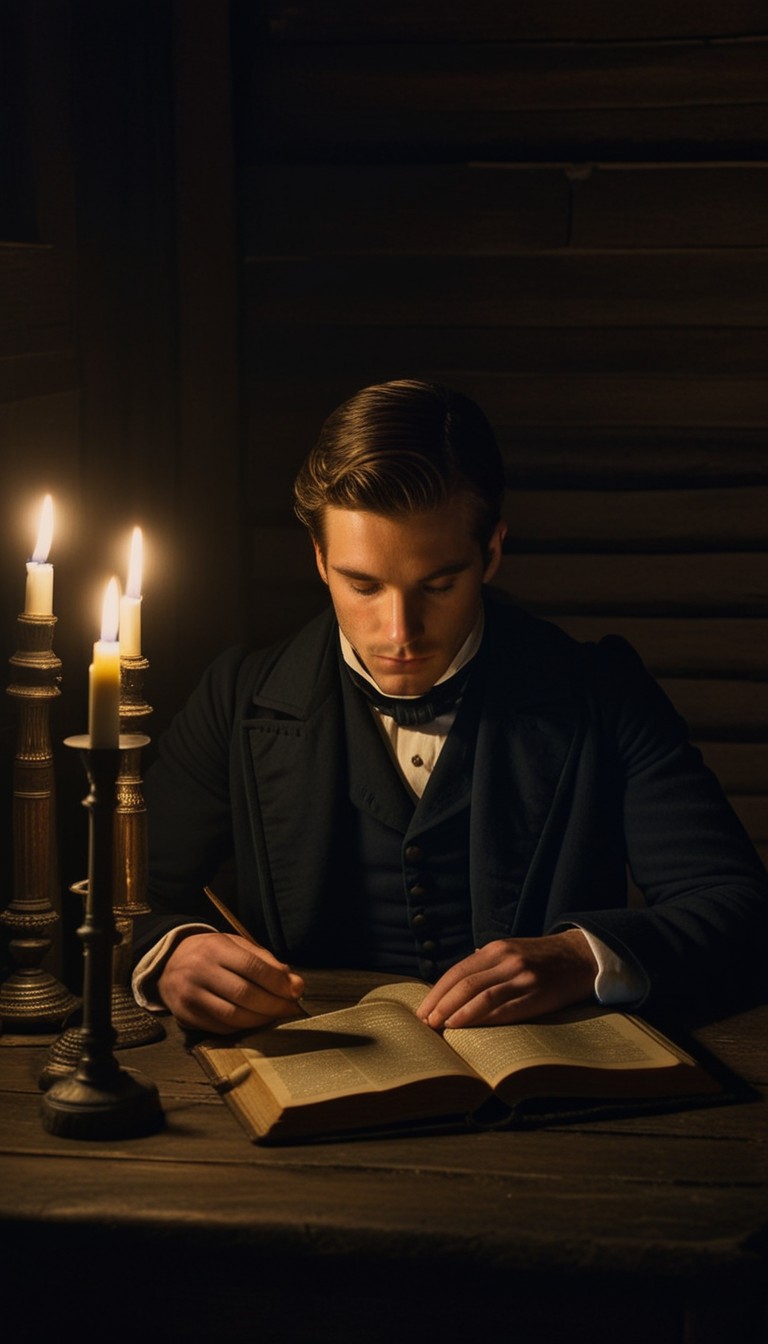
Lincoln taught himself law by reading Blackstone's Commentaries. He became a Springfield, Illinois attorney known for his honesty—earning the nickname "Honest Abe." Tall, lanky, and armed with folksy humor and razor-sharp logic, he won cases and friends across the state.
1858
Illinois
The Lincoln-Douglas Debates
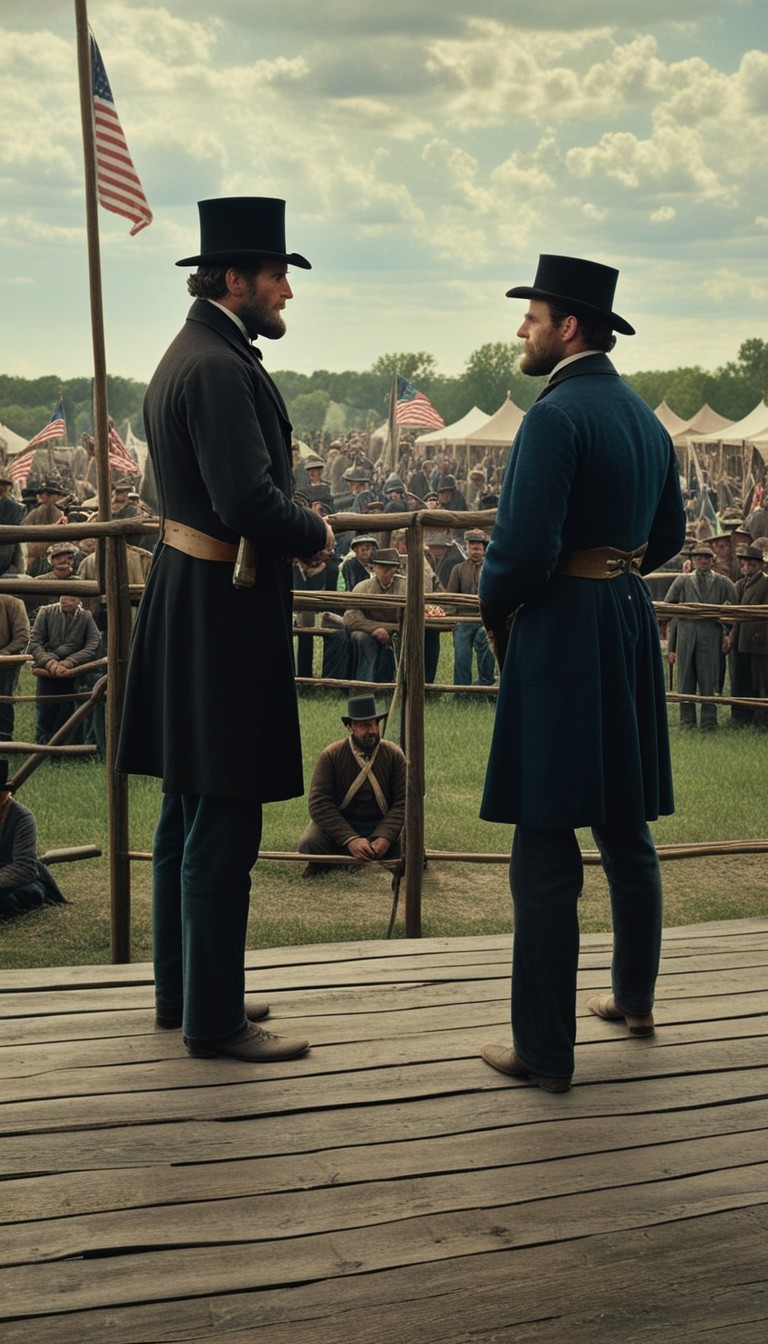
In 1858, Lincoln challenged Senator Stephen Douglas in seven legendary debates across Illinois. The topic: slavery. Lincoln argued that a nation "half slave and half free" could not stand. He lost the Senate race but won national attention. His moral clarity made him a rising star.
1860-1861
Washington, D.C.
A Nation Divided
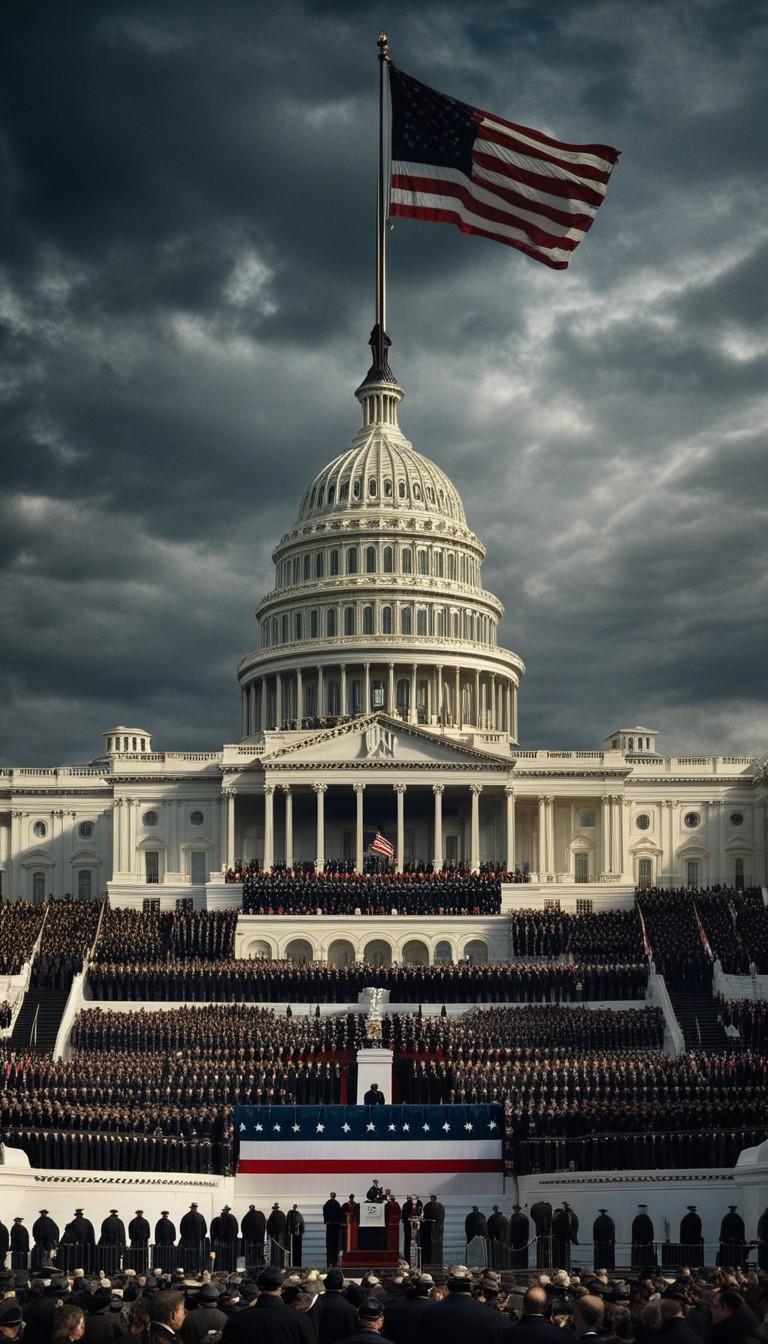
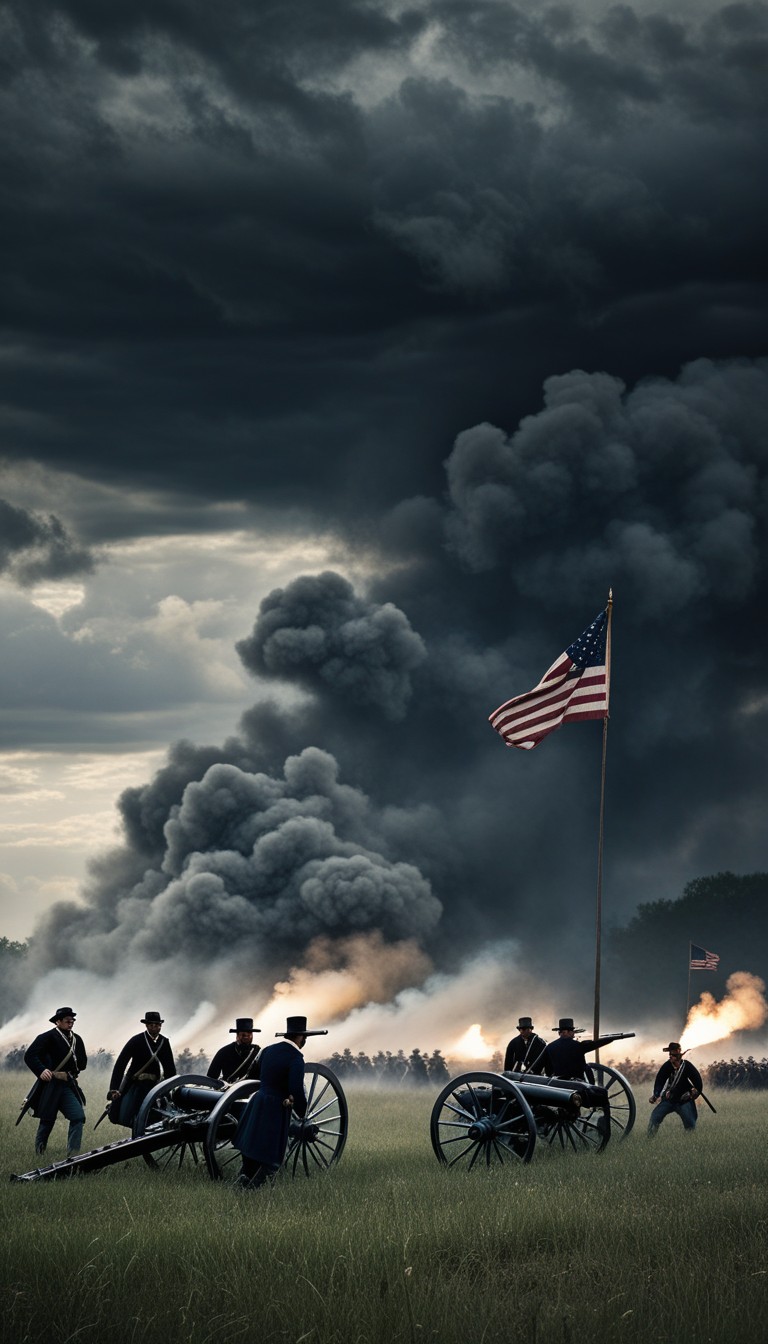
Lincoln won the presidency in 1860 without carrying a single Southern state. Before he even took office, seven states seceded. At his inauguration, he pleaded: "We are not enemies, but friends." But war was coming. On April 12, 1861, Confederate forces fired on Fort Sumter.
1861-1865
United States
The War President
The Civil War was the deadliest conflict in American history—over 620,000 soldiers died. Lincoln cycled through generals, endured devastating defeats, and bore unimaginable grief. His own son Willie died in the White House. Yet Lincoln never wavered in his belief that the Union must be preserved.
January 1, 1863
Washington, D.C.
The Emancipation Proclamation
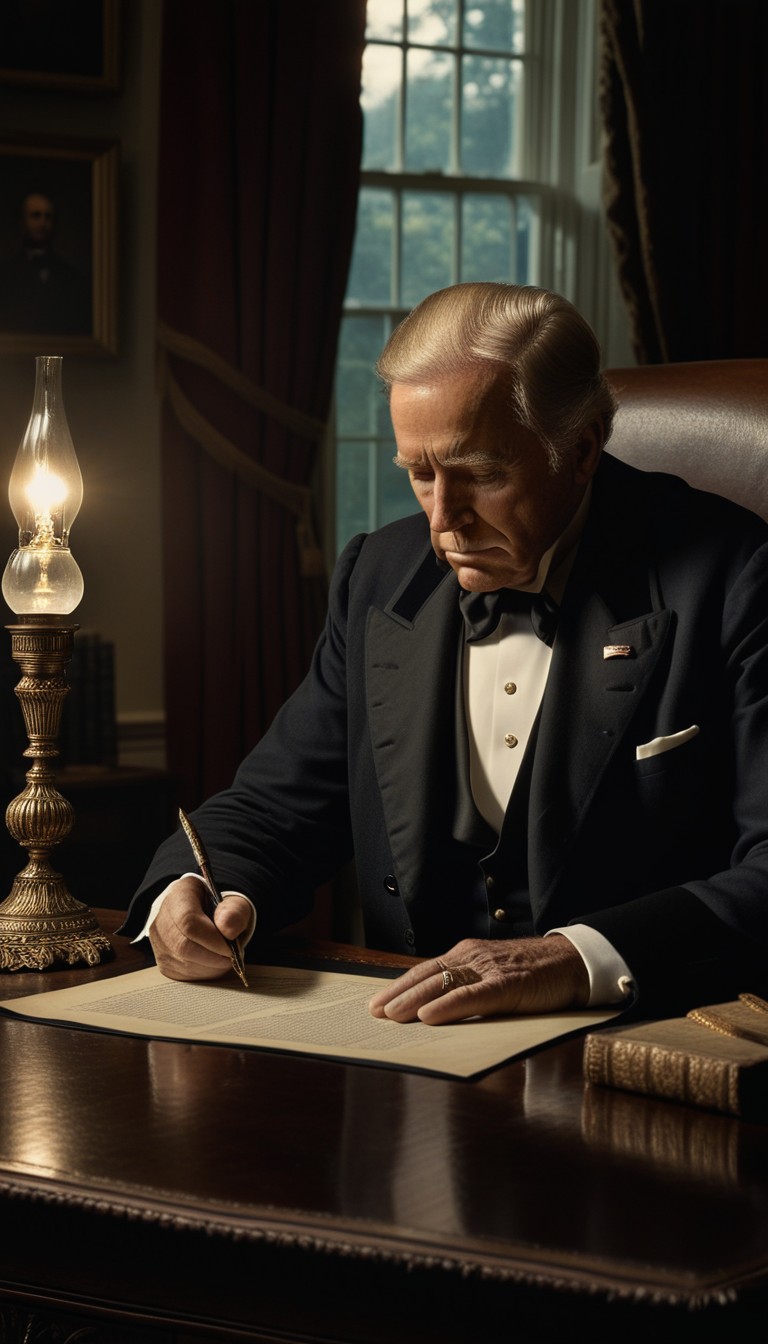
On January 1, 1863, Lincoln declared all enslaved people in Confederate states "forever free." It was a war measure, a moral statement, and a turning point. Over 180,000 Black soldiers would join the Union Army. Lincoln had transformed a war for union into a war for freedom.
November 19, 1863
Gettysburg, Pennsylvania
The Gettysburg Address
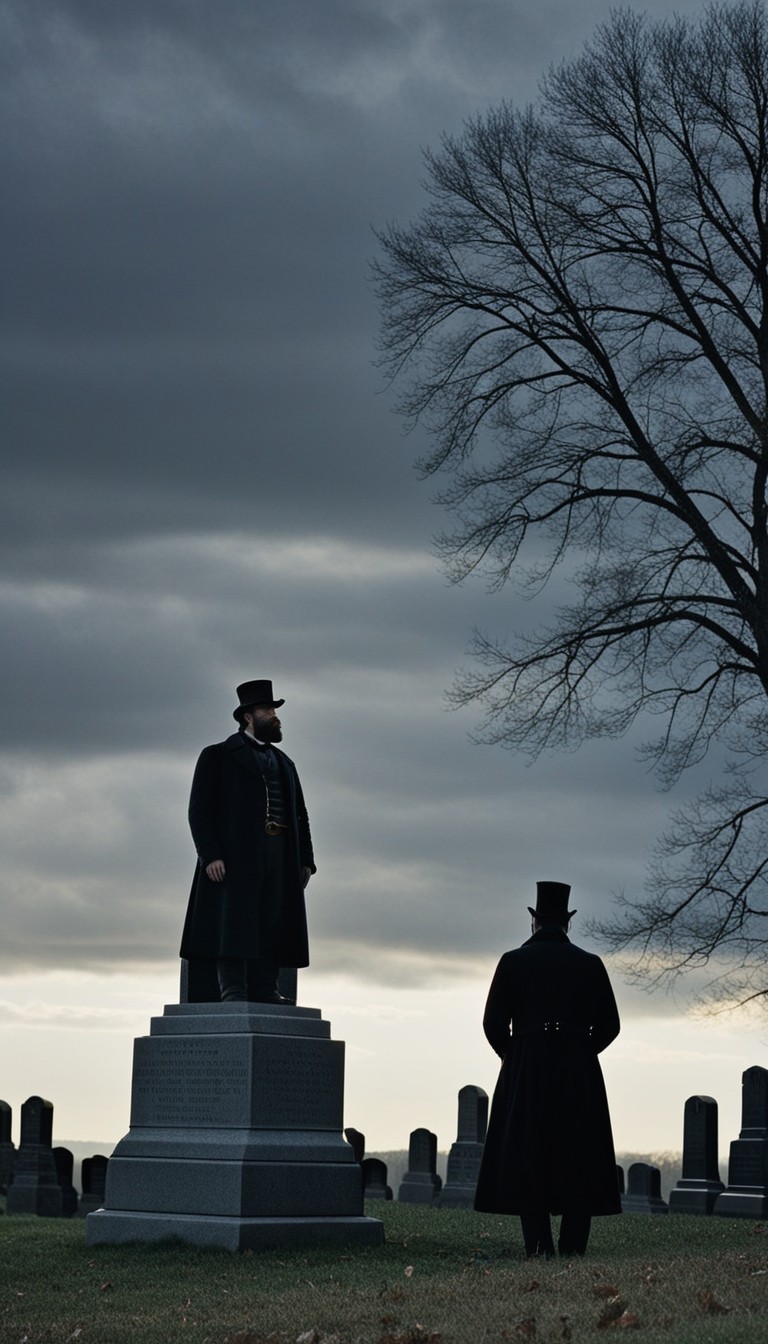
In just 272 words, Lincoln redefined the meaning of the Civil War. Standing on the blood-soaked battlefield of Gettysburg, he spoke of "a new birth of freedom" and a government "of the people, by the people, for the people." It took two minutes. It changed everything.

April 14, 1865
Washington, D.C.
A Life Cut Short
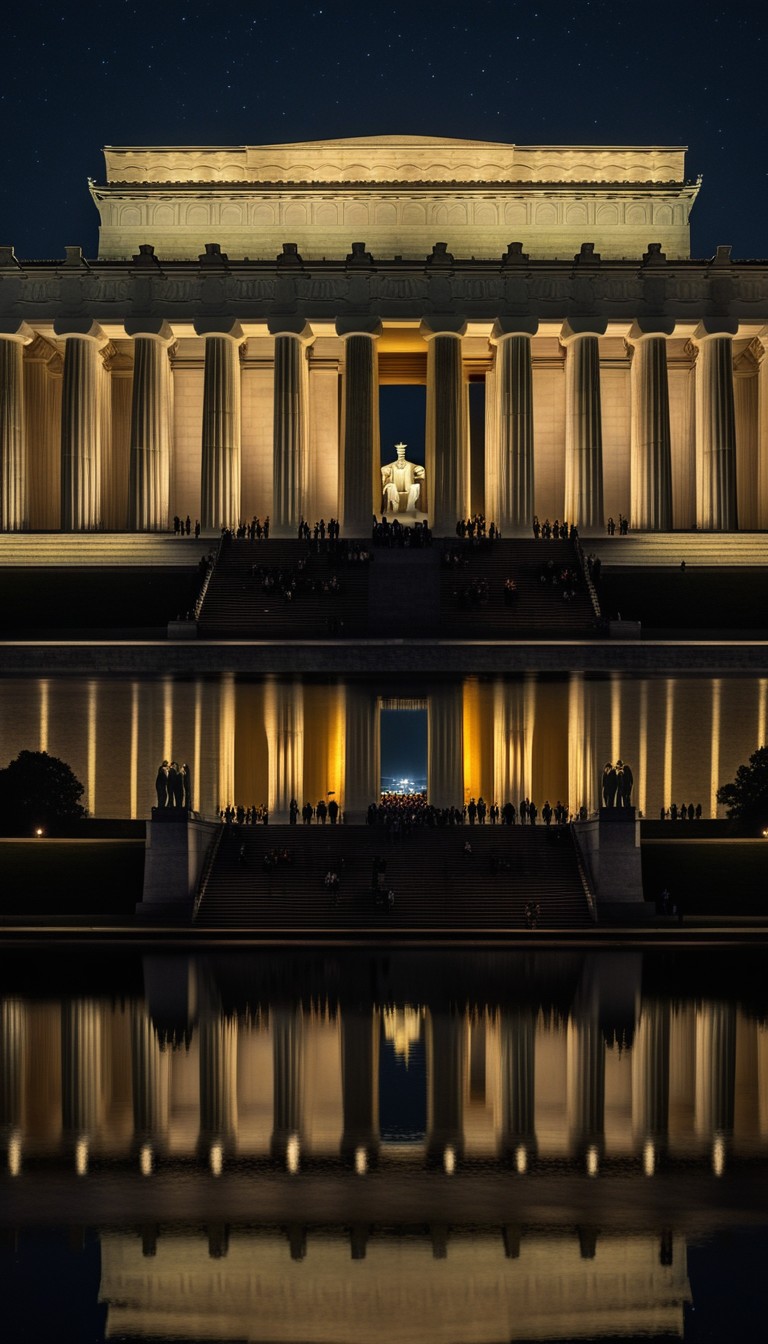
Five days after Lee's surrender ended the Civil War, Lincoln attended a play at Ford's Theatre. John Wilkes Booth shot him from behind. Lincoln died the next morning, April 15, 1865. Secretary of War Stanton whispered: "Now he belongs to the ages." America had lost its greatest president.
Now He Belongs to the Ages
Abraham Lincoln proved that character matters more than circumstance. A self-taught frontier lawyer saved the Union, freed millions from bondage, and showed that democracy could survive its darkest hour. His words and example continue to inspire people around the world.
Recommended Reading
As an Amazon Associate, we earn from qualifying purchases.
Swipe to navigate