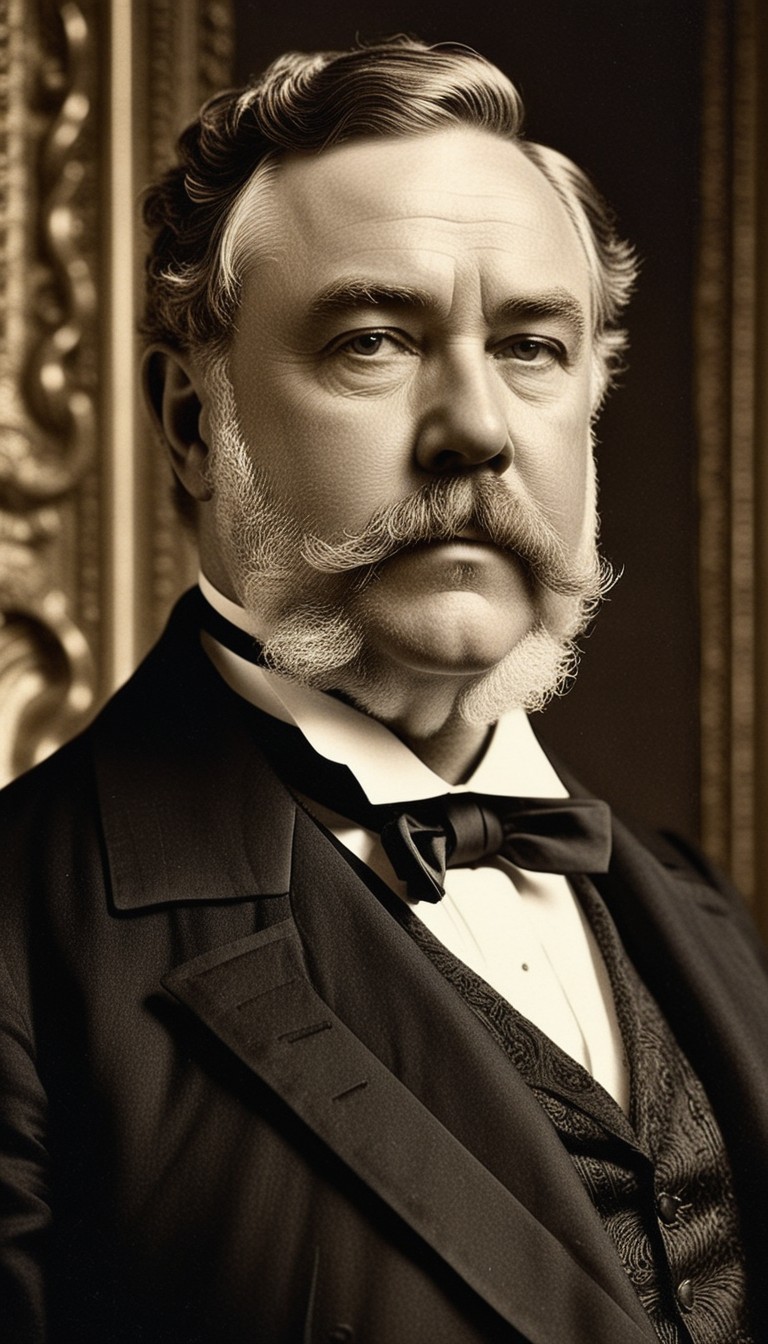
Chester A. Arthur (#21): The Gentleman Boss Reformed
Loading story...

1829-1861
Vermont & New York
The Preacher's Son
Born on October 5, 1829, in Fairfield, Vermont, Chester Alan Arthur was the son of an Irish-born Baptist minister. He attended Union College and became a New York City lawyer. Before the Civil War, he took on civil rights cases, including the landmark Lemmon v. New York case that helped free enslaved people brought into the state. He was more progressive on race than many would later assume.

1861-1865
New York City
Civil War Quartermaster
During the Civil War, Arthur served as quartermaster general of New York, responsible for housing, feeding, and equipping thousands of troops passing through the state. He excelled at the massive logistical challenge, earning a reputation for organizational skill. After the war, he returned to his lucrative law practice and plunged into Republican machine politics under boss Roscoe Conkling.
1871-1878
New York City
The Gentleman Boss
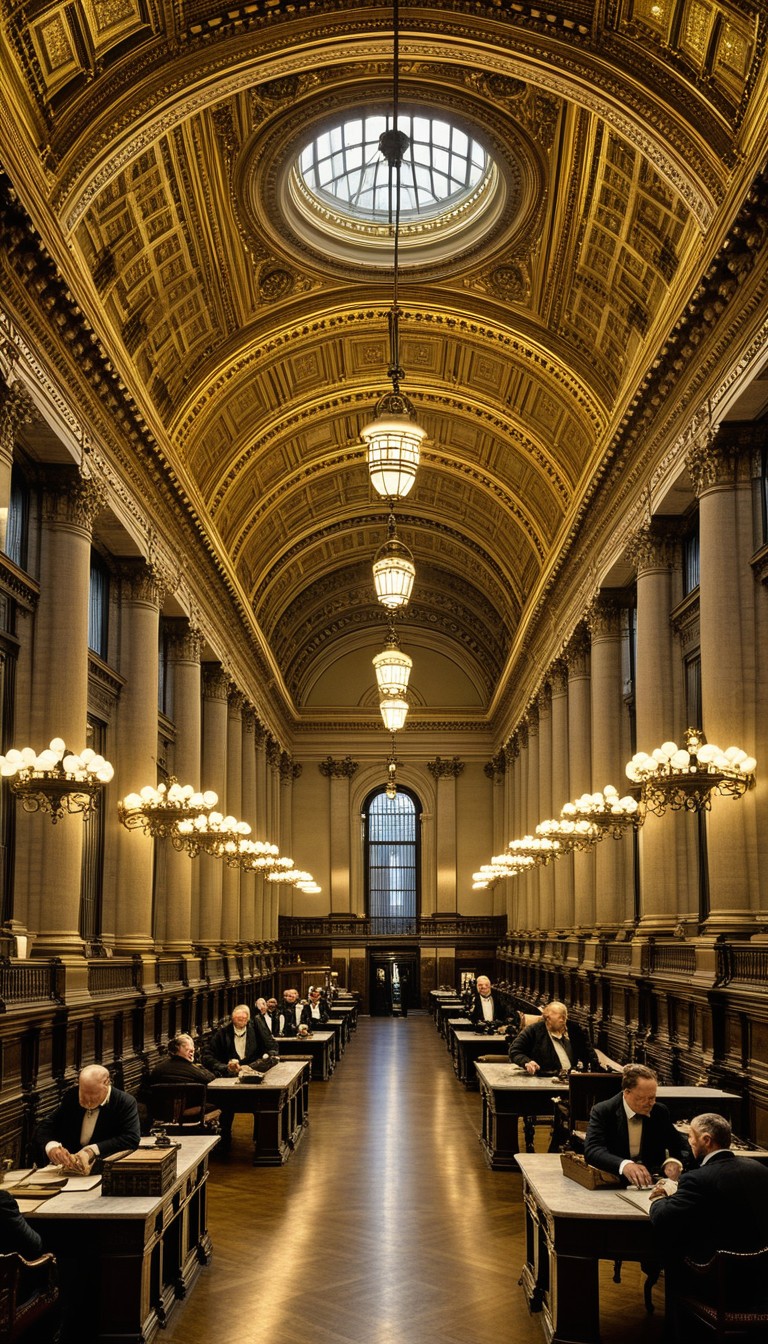
President Grant appointed Arthur collector of the New York Custom House, the most lucrative patronage post in the country. Arthur oversaw over a thousand employees and skimmed fees from every import. He was elegant, well-dressed, and unfailingly polite, earning the nickname "The Gentleman Boss." President Hayes fired him in 1878 as part of civil service reform. Arthur was furious.
September 1881
New York City
An Unlikely President
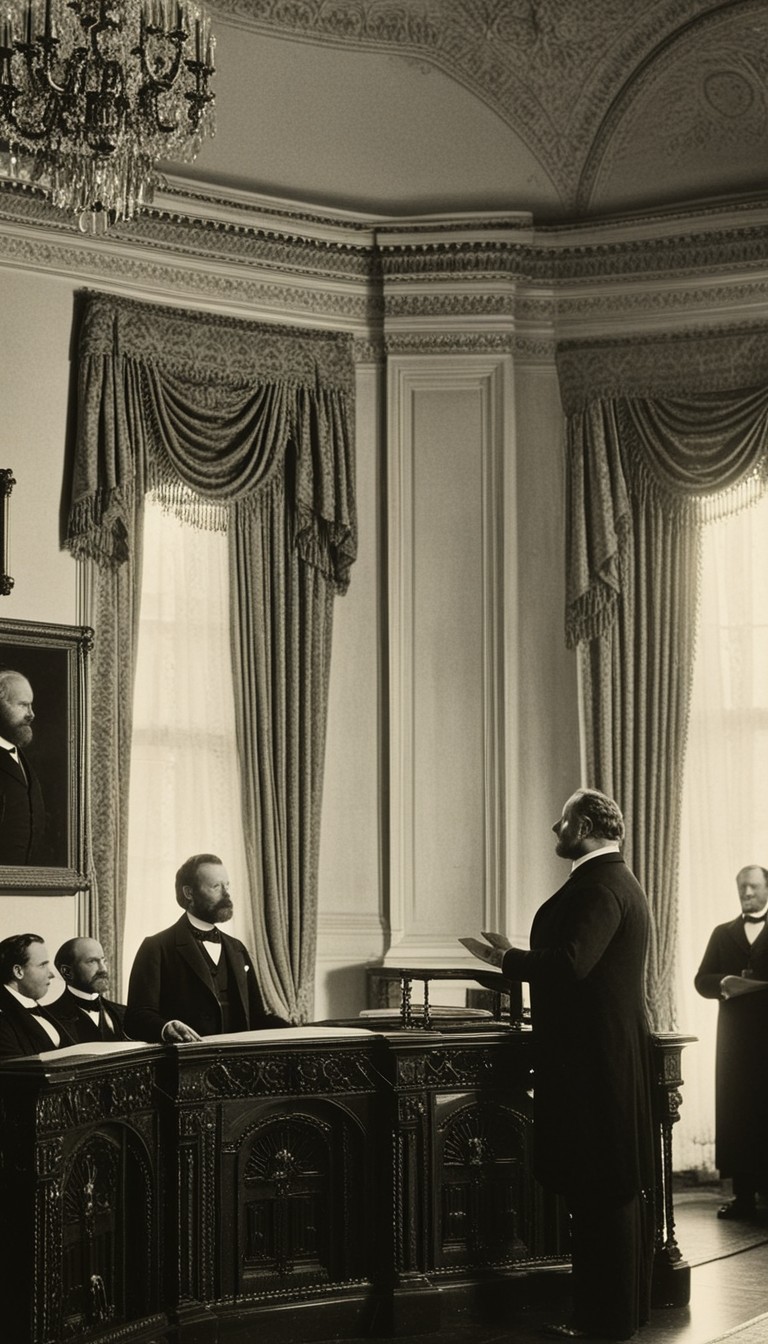
Arthur was placed on the 1880 ticket as vice president to appease the Stalwart faction. When Garfield was assassinated by a man claiming to be a Stalwart, Arthur was horrified to be associated with the murder. He took the oath of office at his Lexington Avenue home in New York on September 20, 1881. The nation greeted his presidency with dread, expecting a corrupt puppet.
1883
Washington, D.C.
The Great Betrayal of His Friends
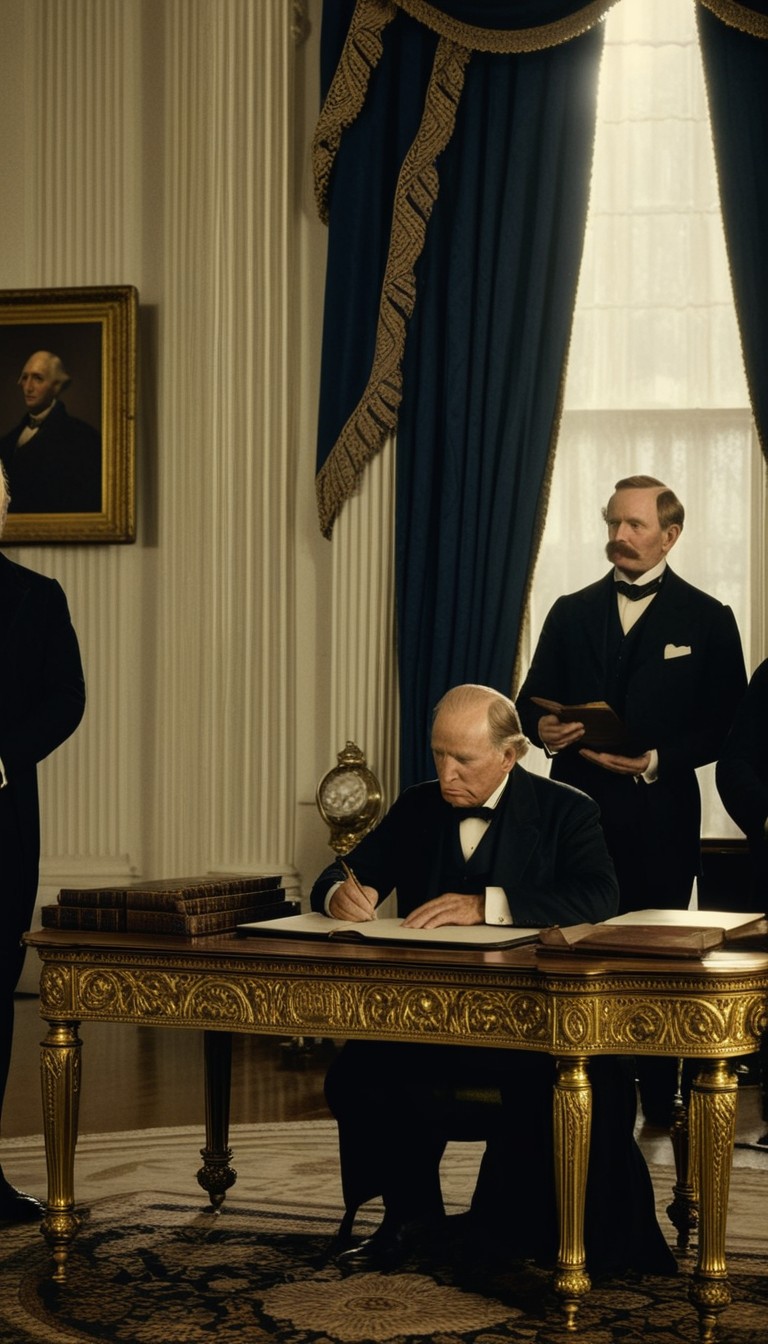
In a stunning reversal, the former patronage boss signed the Pendleton Civil Service Reform Act of 1883, creating a merit-based system for federal hiring and ending decades of corrupt political appointments. His old allies in the Conkling machine were apoplectic. Arthur told a friend: "I may be president of the United States, but my private life is nobody's damned business." He had chosen country over cronies.

1882-1884
Washington, D.C.
Father of the Modern Navy
Arthur recognized that America's wooden warships were hopelessly outdated. He pushed Congress to fund the construction of modern steel vessels, authorizing the first steel warships in U.S. Navy history. This "New Navy" program laid the foundation for America's rise as a global naval power. He also prosecuted the Star Route mail fraud cases, rooting out corruption in the postal service.
1881-1884
Washington, D.C.
The Gilded President
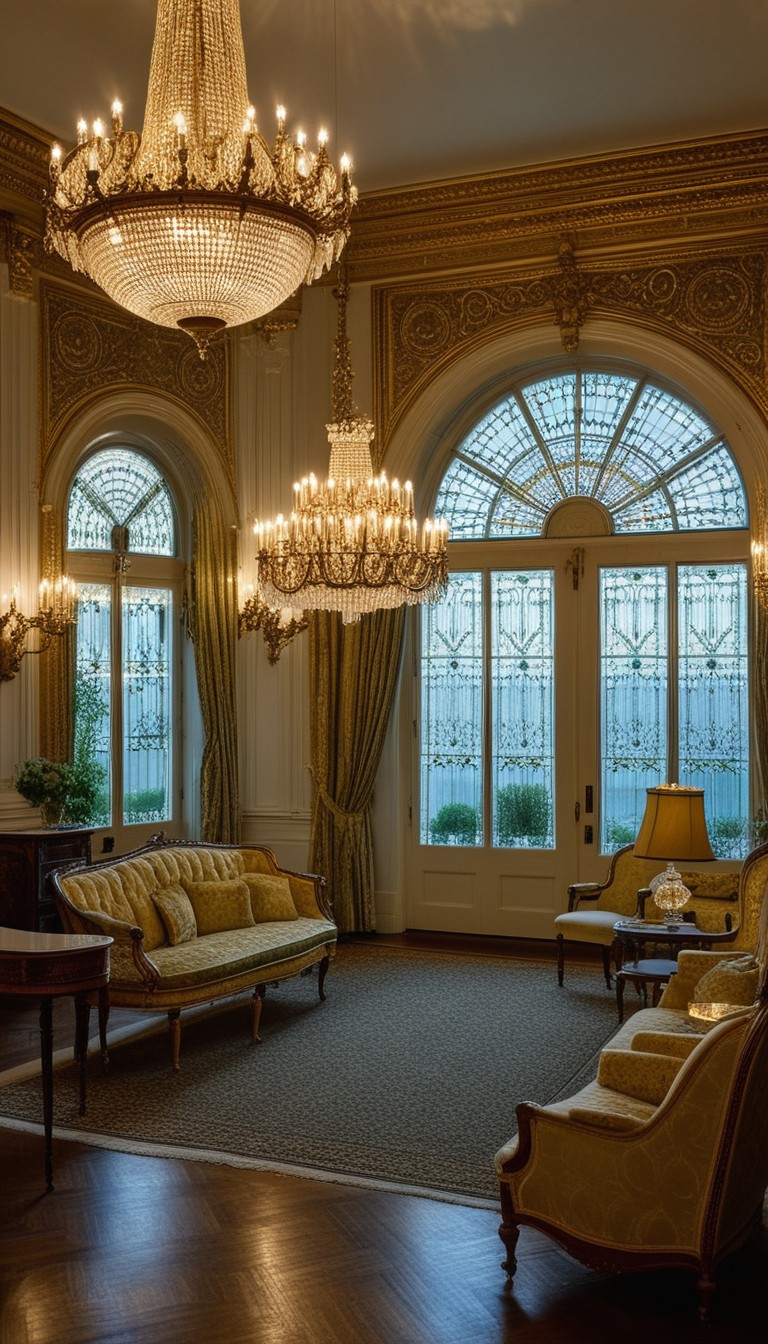
Arthur was the most stylish president in American history. He owned eighty pairs of trousers, never wore the same outfit twice, and hired Louis Comfort Tiffany to redecorate the White House with stained glass and elaborate furnishings. He sold twenty-four wagonloads of old White House furniture at auction. Yet behind the elegance, Arthur carried a secret: he was dying of Bright's disease, a fatal kidney condition.
1884-1886
New York City
A Secret Illness
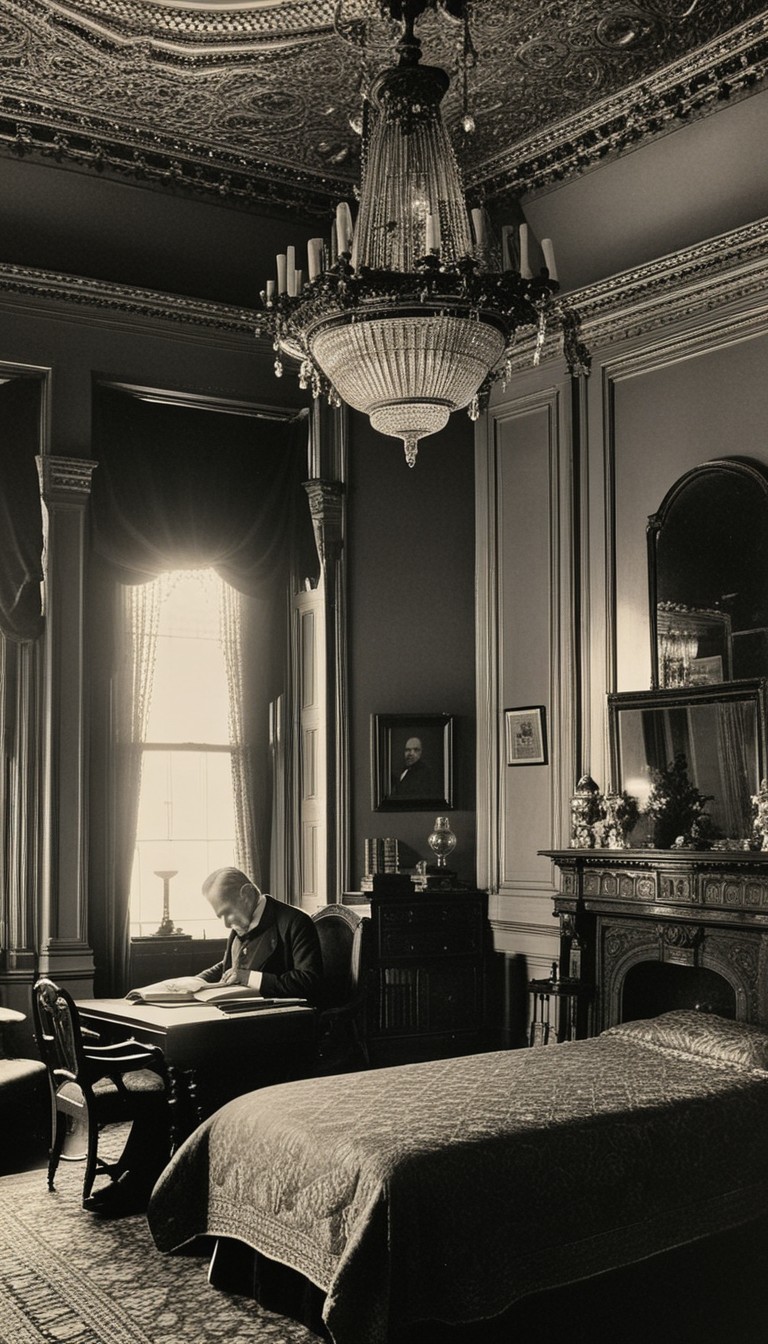
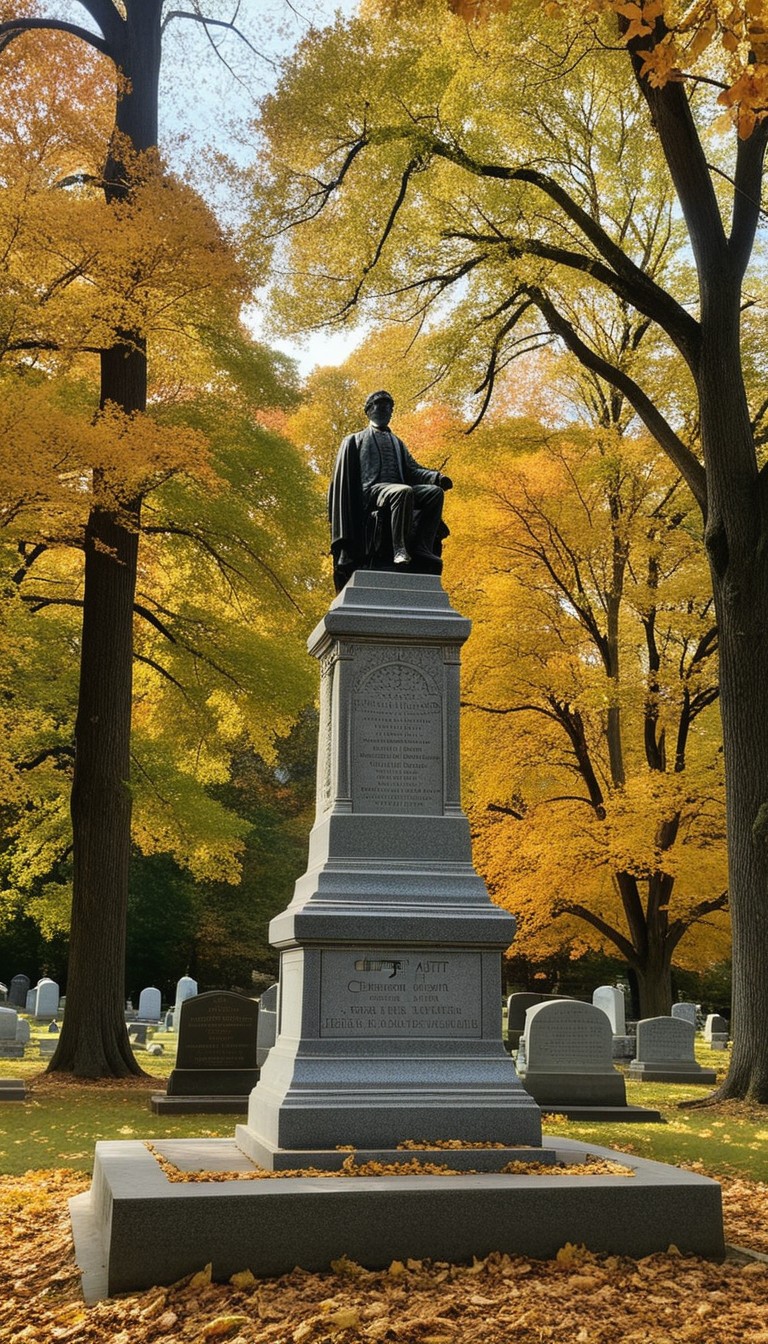
Arthur concealed his fatal kidney disease from the public throughout his presidency. He made a halfhearted bid for the 1884 Republican nomination but was passed over in favor of James G. Blaine. He left office quietly and returned to New York, where his health rapidly deteriorated. Chester Arthur died on November 18, 1886, at age fifty-seven, just twenty months after leaving the White House.
The President Nobody Expected
Chester Arthur remains one of the most surprising figures in presidential history. A machine politician who became a reformer, a patronage boss who signed the law ending patronage, a dying man who kept his secret and governed with dignity. Mark Twain wrote that Arthur was a better president than anyone had reason to expect. Few leaders have so thoroughly defied the expectations placed upon them.
Recommended Reading
As an Amazon Associate, we earn from qualifying purchases.
Swipe to navigate