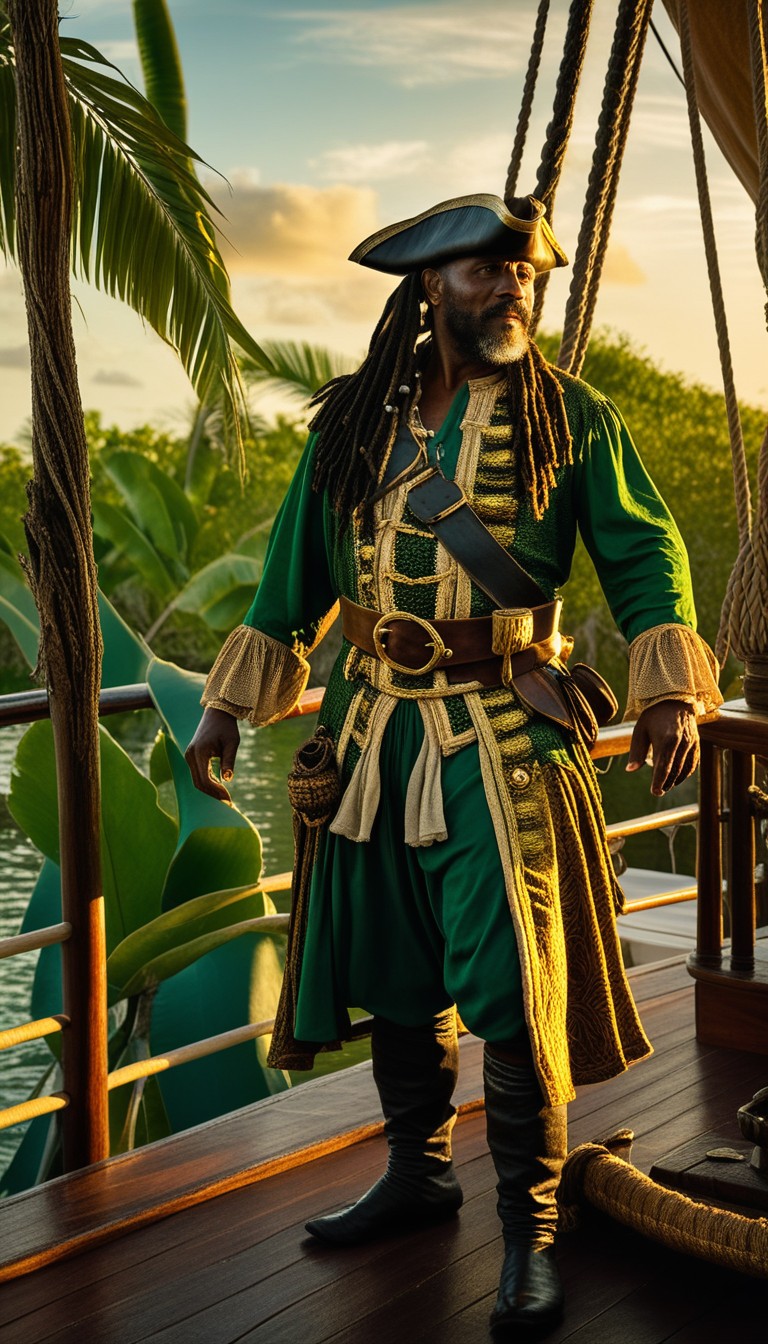
Black Caesar: The Pirate Chieftain
Loading story...
Late 1600s
West Africa
A Chieftain's Power
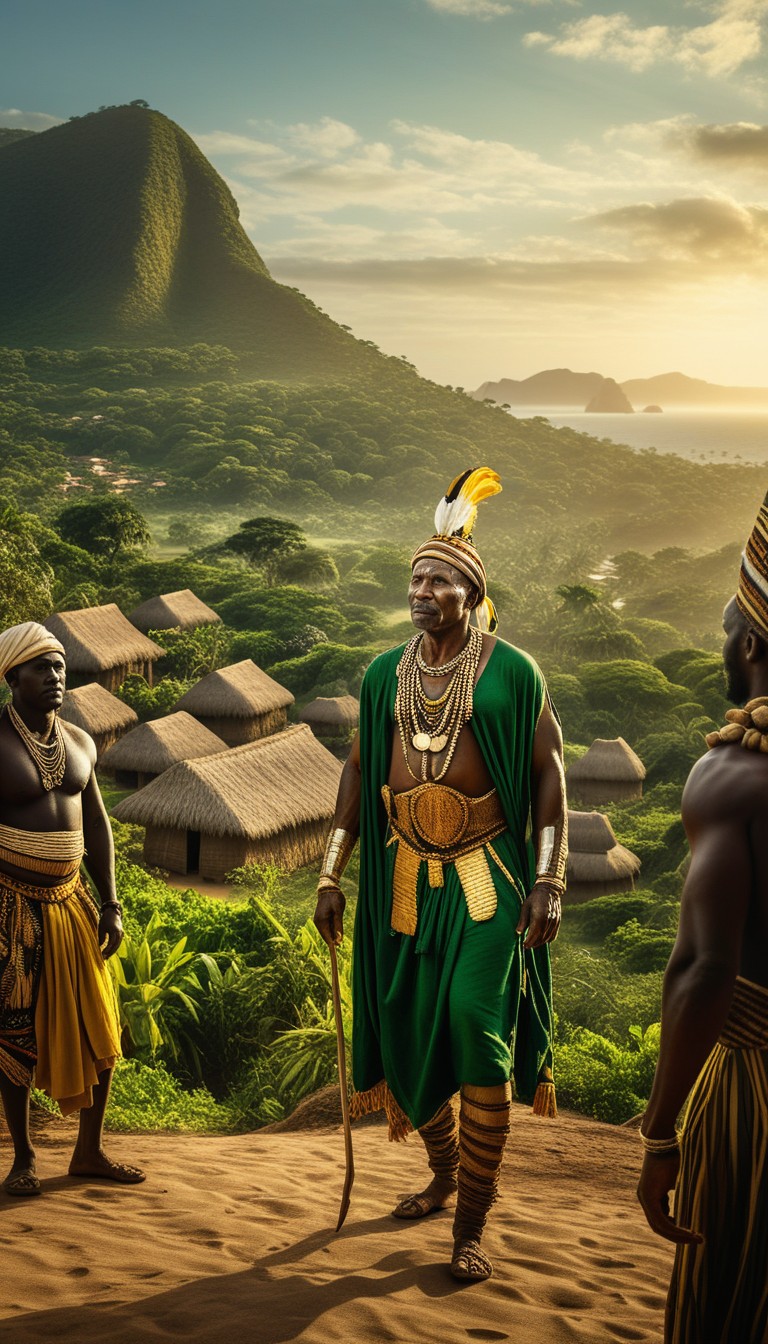
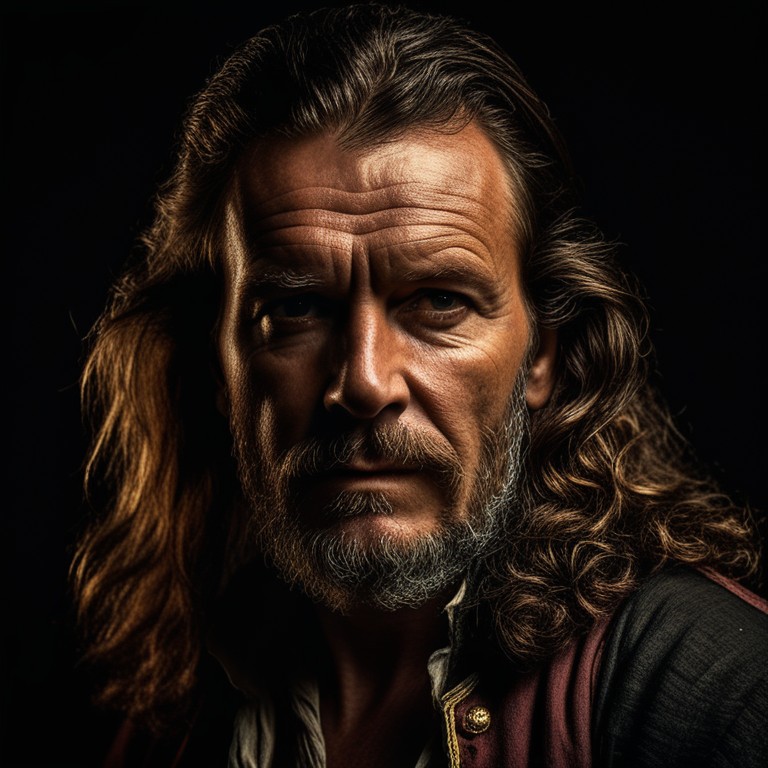
Before the name Black Caesar struck fear across the Caribbean, he was a respected chieftain in West Africa—renowned for his immense size, strength, and intelligence. His people knew him as a leader and warrior. European traders who visited the coast spoke in awe of the towering African chief who commanded absolute loyalty from his tribe.
c. 1700
Atlantic Ocean
Betrayal and Chains
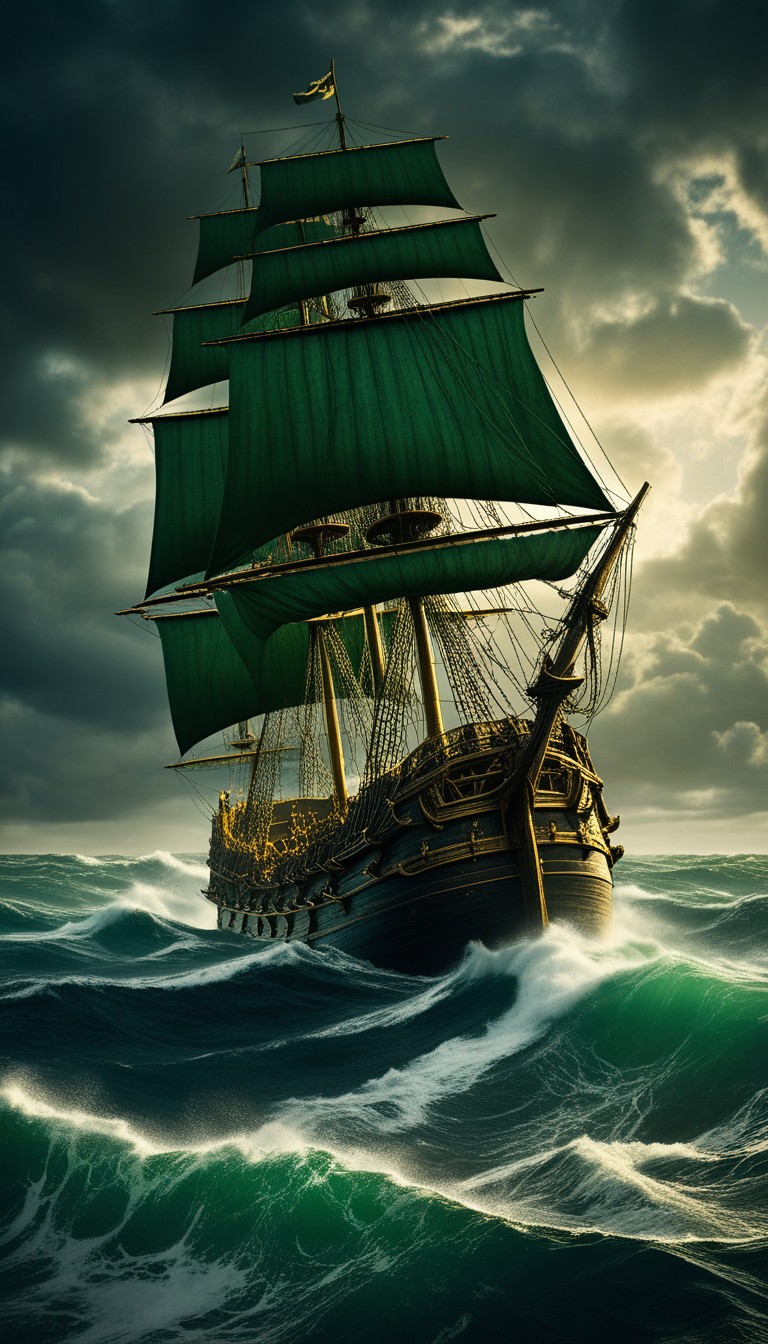
European slavers lured the chieftain aboard their ship with promises of trade goods and exotic treasures. Once aboard, they clapped him in irons. The proud warrior found himself chained in the hold of a slave ship, crossing the Atlantic in darkness and despair. But the sea had other plans for the man who would become Black Caesar.
c. 1700
Florida Keys
Shipwreck and Freedom
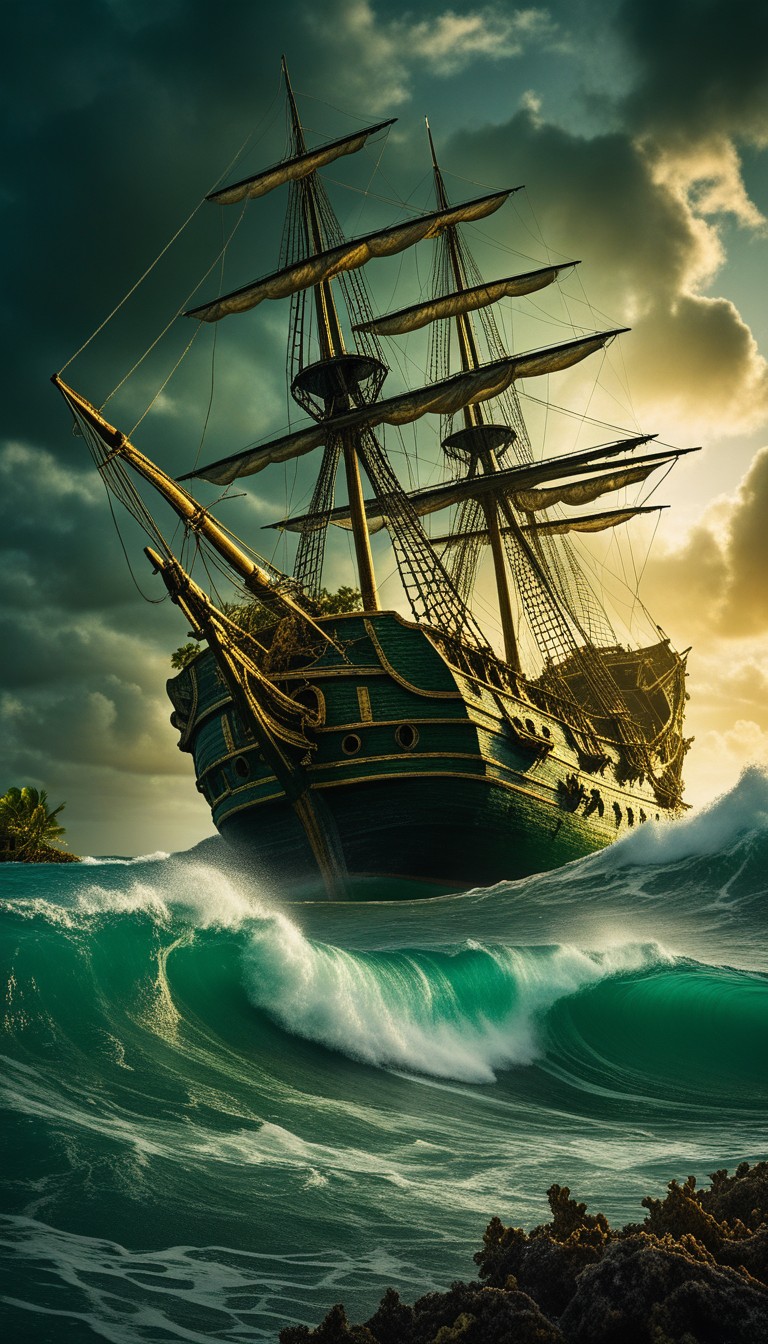
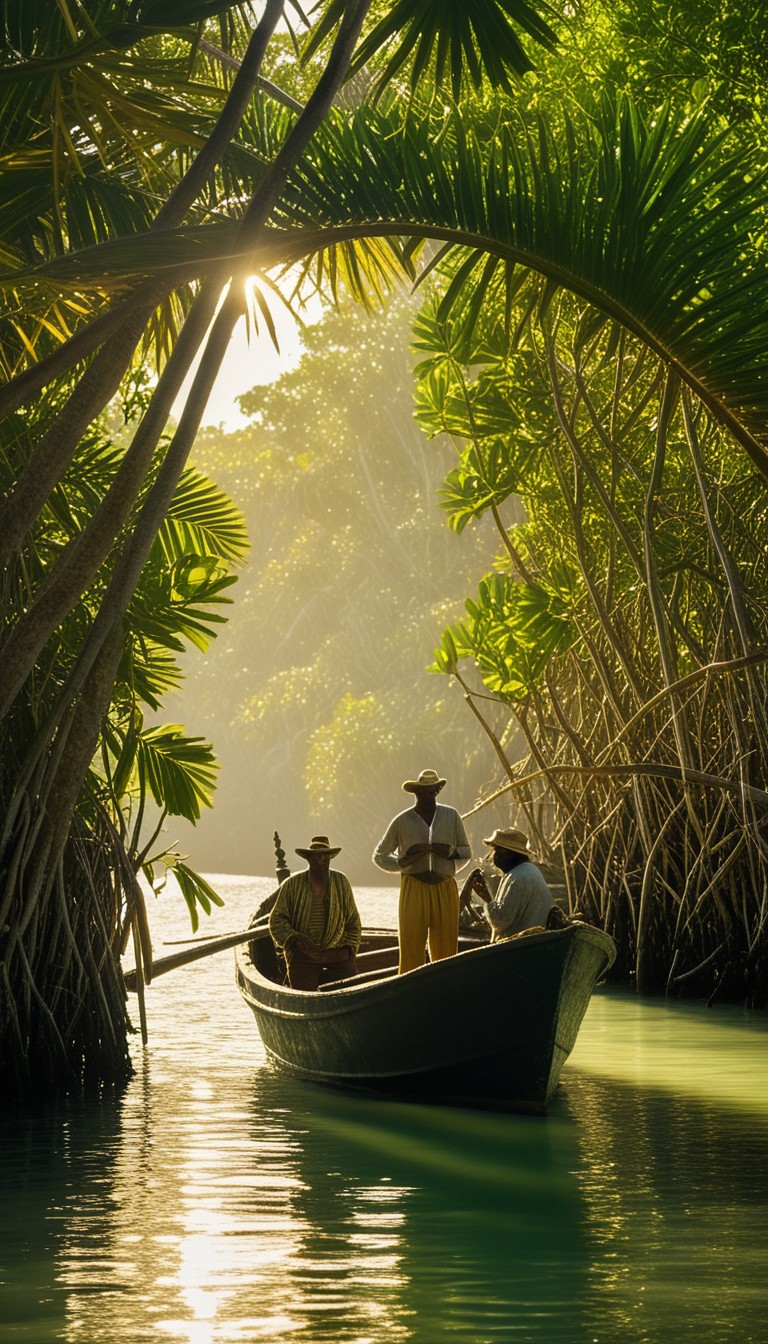
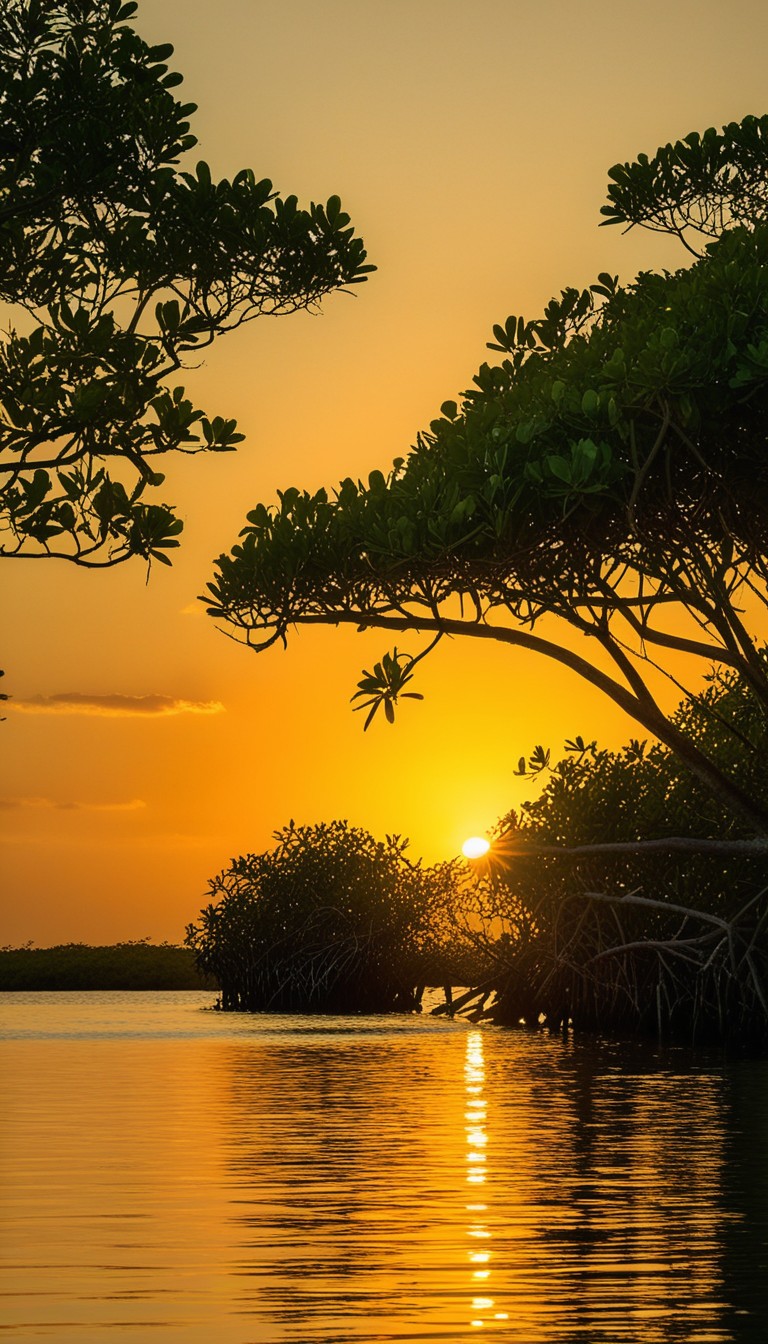
A violent hurricane struck the slave ship off the coast of Florida. As the vessel broke apart on the coral reefs, Caesar and a fellow sailor managed to escape in a longboat with supplies and ammunition. The storm that destroyed his prison gave him freedom. He washed ashore on the mangrove islands of the Florida Keys—a fugitive reborn.
c. 1700-1718
Elliott Key, Florida
The Mangrove Pirate
From his hidden base among the mangrove islands near Elliott Key, Caesar developed a cunning method of piracy. He and his companion would pretend to be shipwrecked sailors, waving down passing merchant ships for help. Once hauled aboard, they would draw hidden weapons and seize the vessel. Ship after ship fell for the ruse, and Caesar's wealth and reputation grew.
c. 1705-1718
Florida Keys
Building an Empire
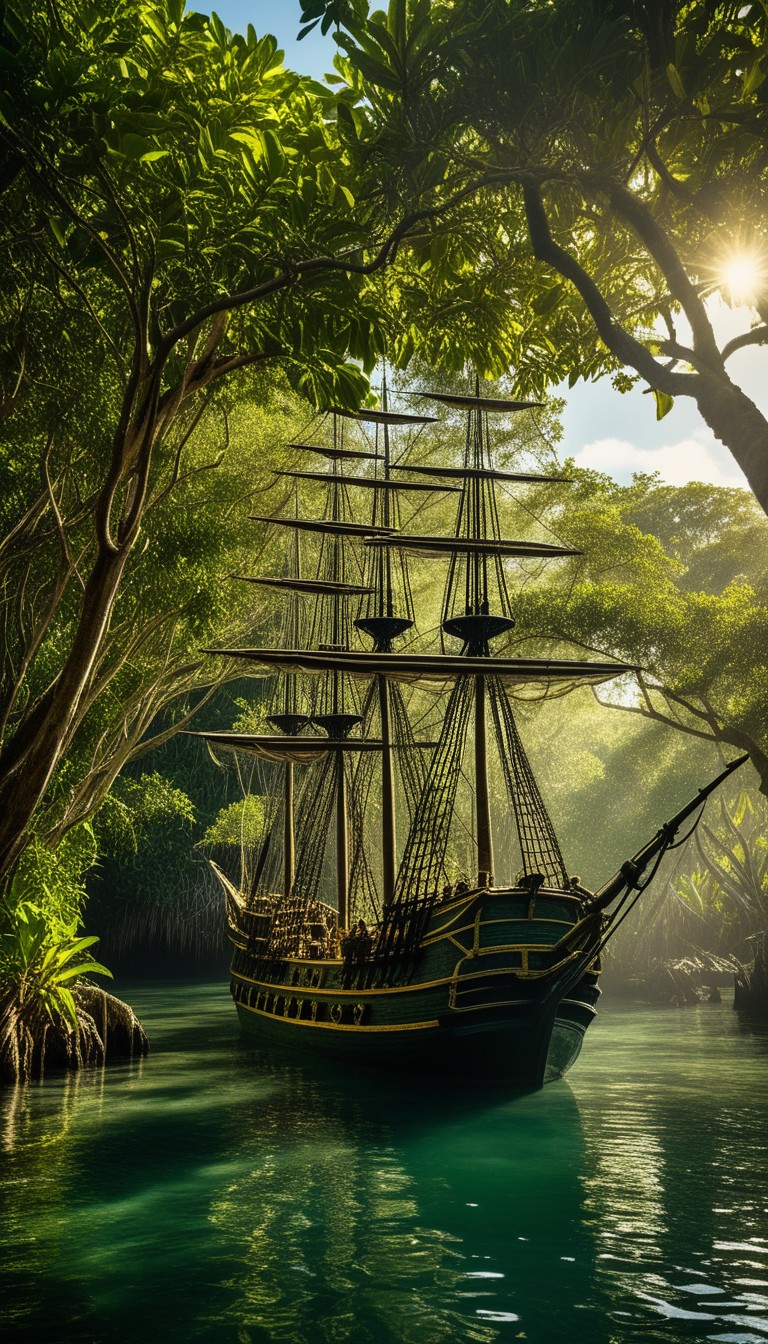
Over the years, Caesar amassed a small fleet and a loyal crew of escaped slaves and outcasts. He established a fortified base on Elliott Key, complete with a prison for captives held for ransom. Legend says he kept a harem and buried vast treasures across the islands. The mangroves concealed his operations from the authorities, and the treacherous reefs protected him from naval pursuit.
c. 1717-1718
Atlantic Coast
Alliance with Blackbeard
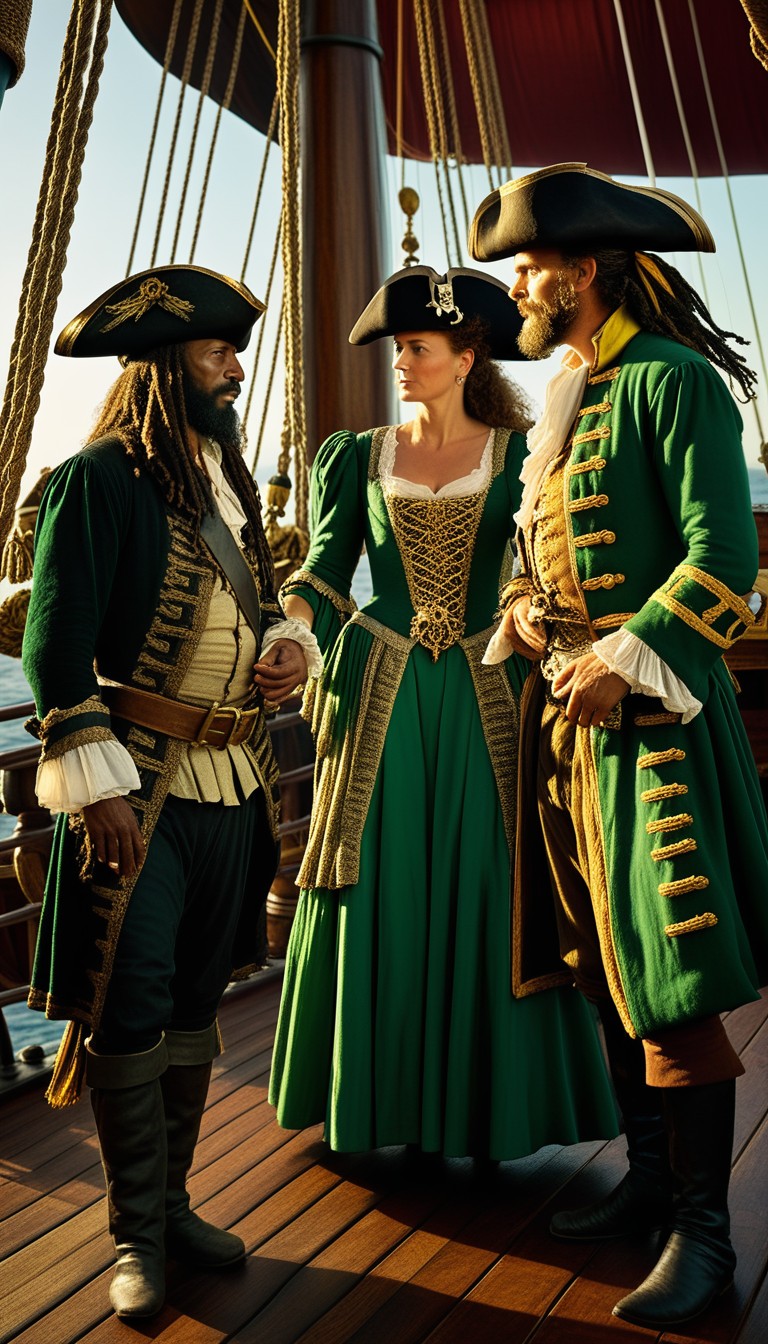
Black Caesar's fearsome reputation caught the attention of the most notorious pirate of the age—Edward Teach, known as Blackbeard. Caesar joined Blackbeard's crew aboard the Queen Anne's Revenge as a senior lieutenant. The alliance between the African chieftain and the devil-bearded terror of the seas made them nearly unstoppable across the Carolina coast and Caribbean waters.
May 1718
Charleston, South Carolina
The Siege of Charleston
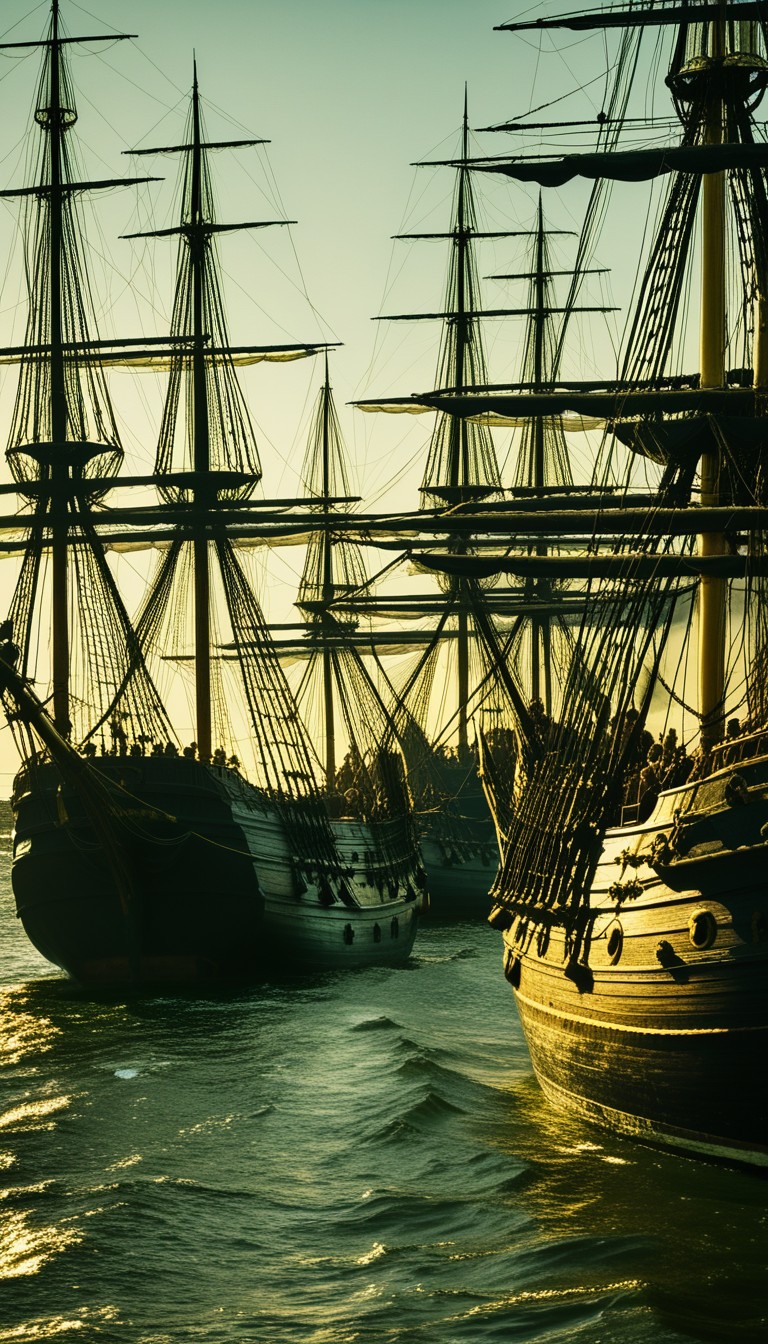
In May 1718, Black Caesar stood at Blackbeard's side during the audacious blockade of Charleston, South Carolina. For nearly a week, they held the entire port hostage, capturing ships and demanding a chest of medicine as ransom. The colonial governor had no choice but to comply. It was one of the boldest acts of piracy in American history, and Caesar was at the heart of it.
November 1718
Ocracoke Inlet, North Carolina
The Last Stand at Ocracoke
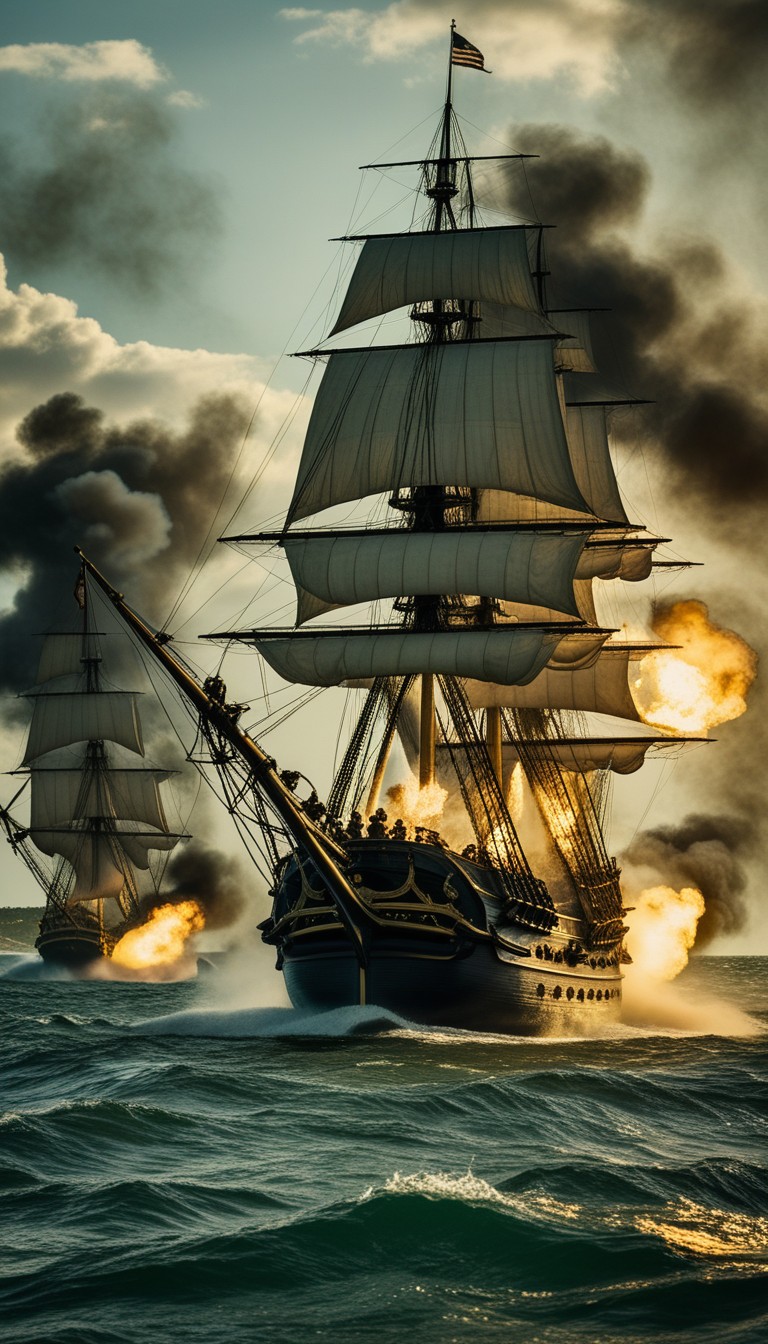
On November 22, 1718, Lieutenant Robert Maynard of the Royal Navy cornered Blackbeard's crew at Ocracoke Inlet. As the battle raged and Blackbeard fell, Caesar attempted to carry out his captain's final order—blow up the powder magazine and take everyone down with the ship. He was stopped just moments before lighting the fuse. Captured alive, Caesar was taken to Williamsburg, tried for piracy, and hanged.
The Chieftain Who Became a Legend
Black Caesar's story is one of the most remarkable in the Golden Age of Piracy. From African royalty to the chains of slavery, from a shipwrecked fugitive to the lieutenant of history's most famous pirate—his life was a relentless refusal to be conquered. Today, Caesar's Creek and Caesar's Rock in the Florida Keys still bear his name, silent monuments to the man who turned the mangroves into his kingdom.
Recommended Reading
As an Amazon Associate, we earn from qualifying purchases.
Swipe to navigate