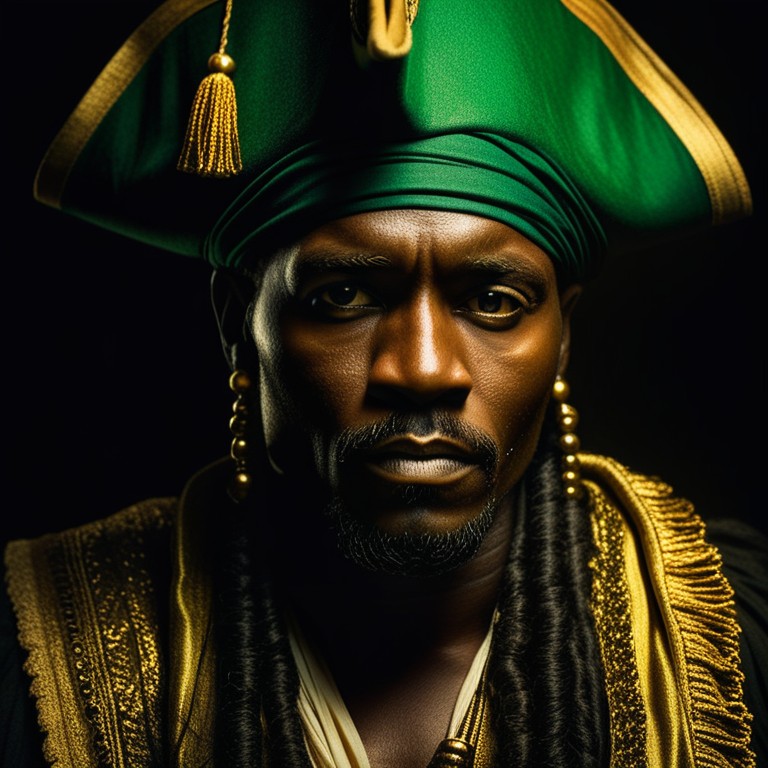
Charles Vane: The Defiant Pirate
Loading story...
c. 1716
Florida Straits
Forged in Lawlessness
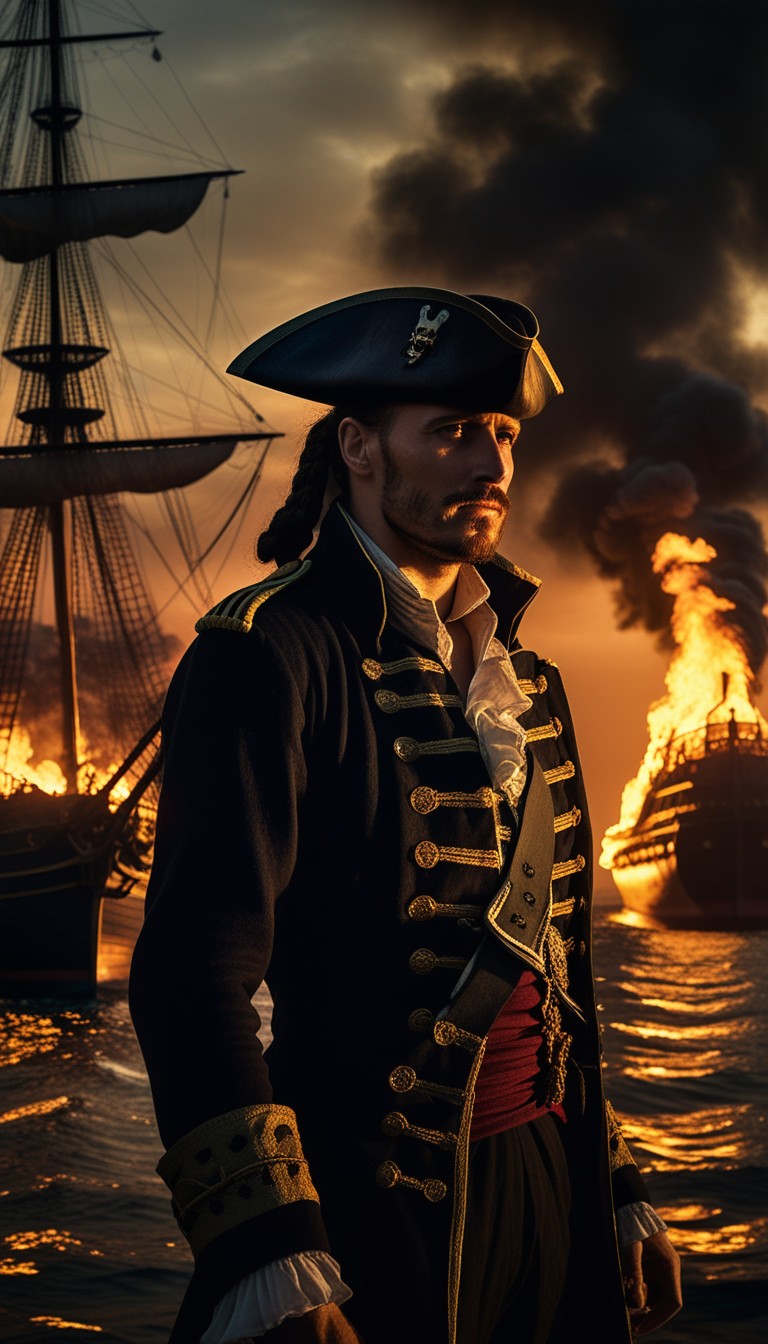
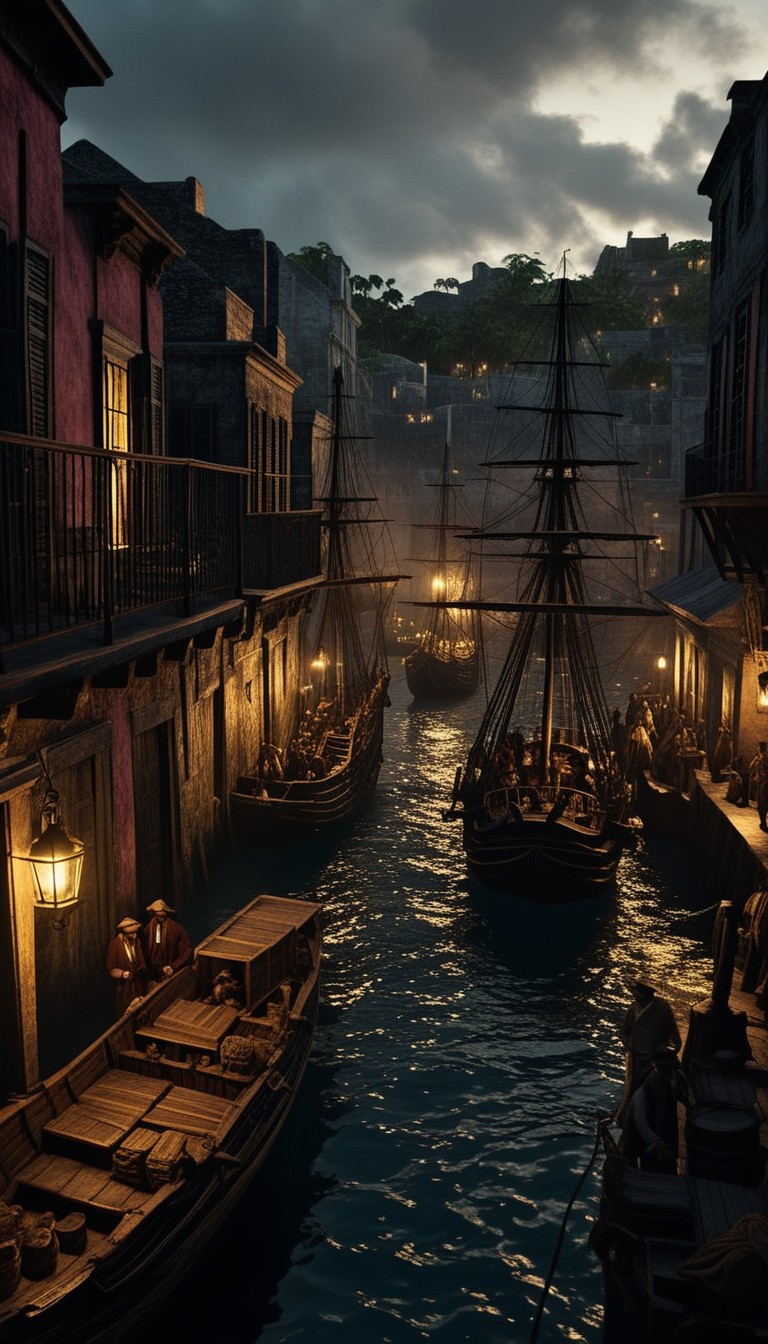
Charles Vane emerged from the rough streets of England's colonial ports, likely beginning his maritime career as a common sailor before turning to piracy around 1716. Little is known of his early life, but by the time he appeared in the historical record, he was already raiding Spanish salvage camps in the Florida Straits—stealing treasure that had been recovered from sunken Spanish galleons. From the start, Vane showed the ruthless ambition that would define his career.
1716-1718
Nassau, Bahamas
The Pirate Republic
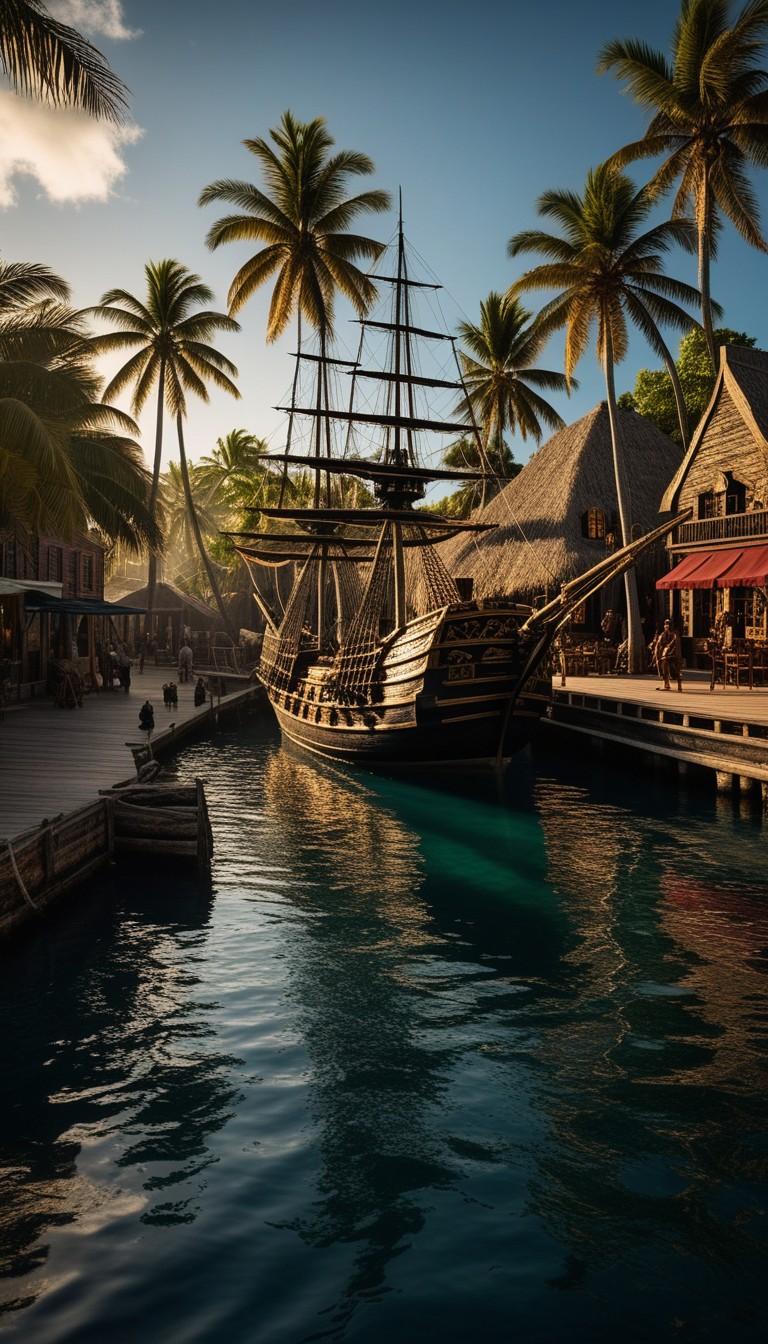
Vane made his base in Nassau, the Bahamas—the infamous pirate republic where hundreds of pirates lived beyond the reach of any law. Nassau was a paradise of cheap rum, stolen gold, and absolute freedom. Vane thrived in this lawless haven, building a reputation as one of the most aggressive and unpredictable captains operating out of the port. He answered to no one and lived by the code of the black flag.
July 1718
Nassau, Bahamas
Defying the King's Pardon
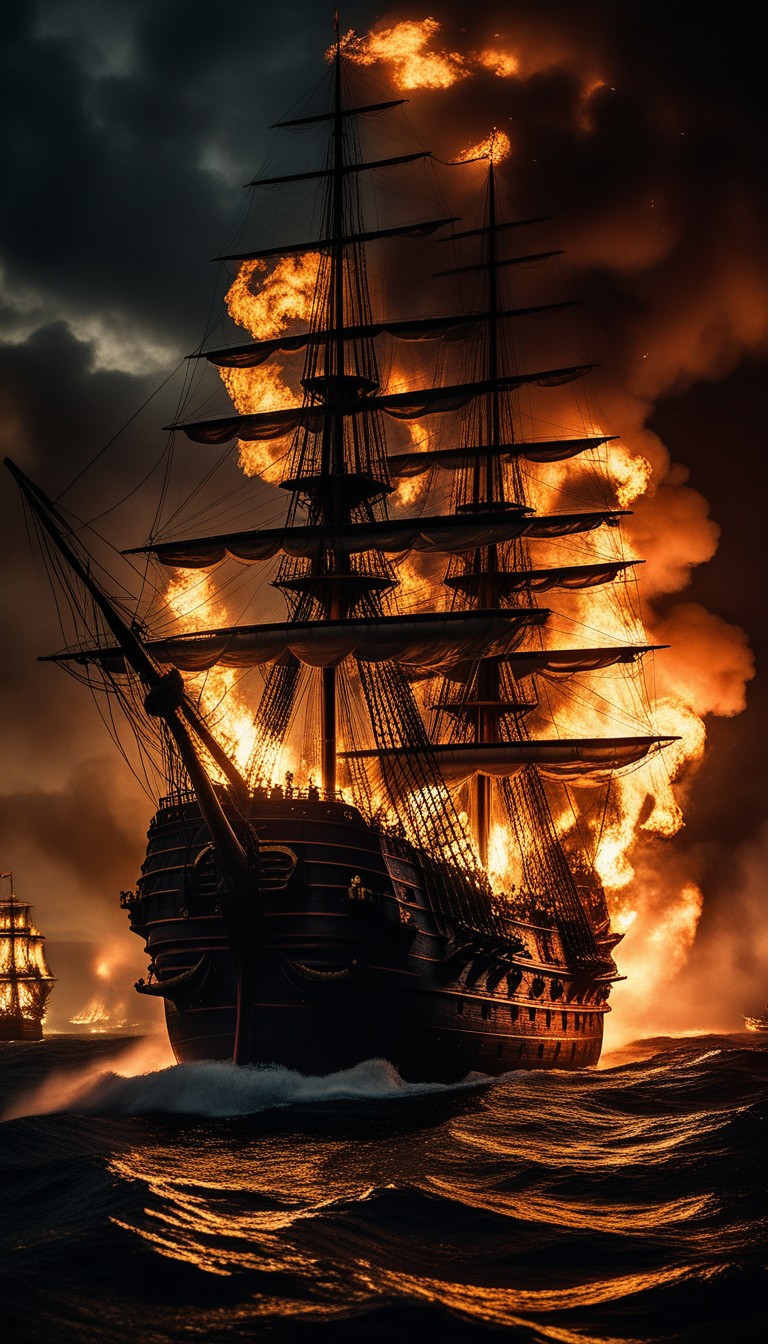
In July 1718, Governor Woodes Rogers arrived in Nassau with Royal Navy warships and a proclamation: any pirate who surrendered would receive a full pardon from King George I. Most pirates accepted. Charles Vane did not. As Rogers's fleet entered the harbor, Vane set a captured French prize ship ablaze and sailed it directly at the Royal Navy vessels, forcing them to scatter. He escaped through the chaos under his black flag, guns firing in defiance.

1718
Caribbean Sea
Terror of the Windward Passage
Free on the open sea, Vane terrorized the shipping lanes between the Carolinas and the Caribbean. He was notorious for his cruelty to captives—torturing prisoners, burning ships, and hanging sailors who resisted. Merchant captains dreaded the sight of his black flag. Colonial governors from New York to Jamaica issued warrants for his capture, but Vane slipped through every net, always one step ahead of the pirate hunters.

October 1718
Ocracoke Inlet, North Carolina
A Meeting of Legends
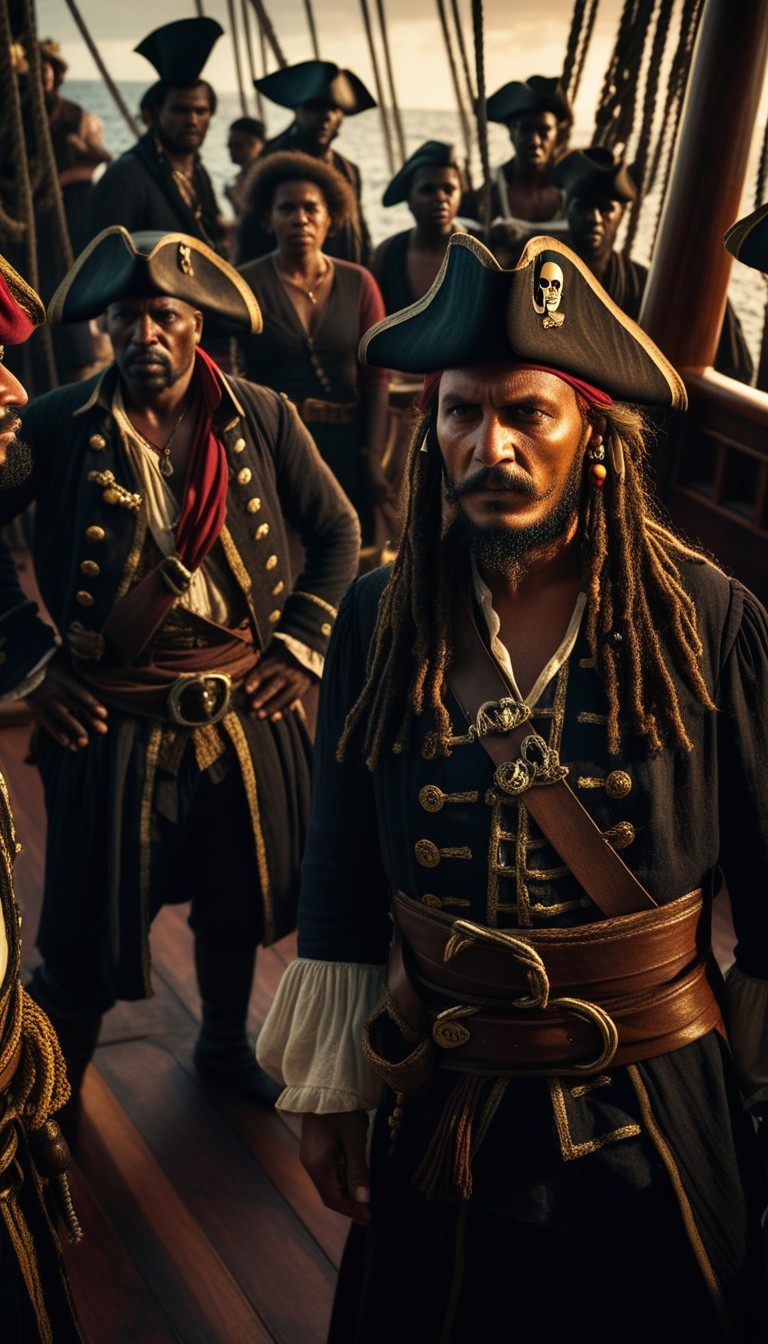
In October 1718, Vane's ship encountered Blackbeard's vessel at Ocracoke Inlet off the coast of North Carolina. The two most defiant pirates of the Golden Age anchored together and threw a legendary party that lasted for days—rum flowing, pistols firing, and music echoing across the water. It was the last great gathering of the pirate age. Weeks later, Blackbeard would be dead.
November 1718
Caribbean Sea
Deposed by His Own Crew
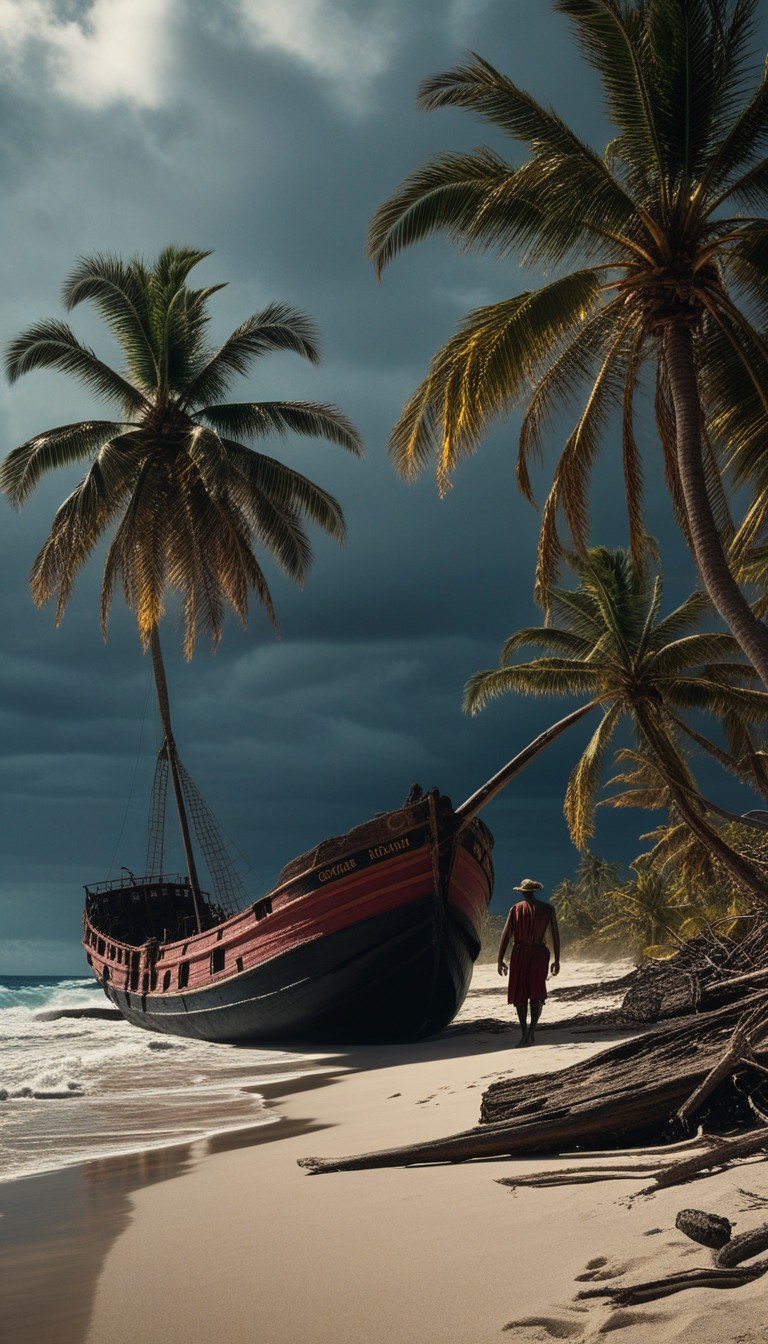
Vane's downfall began when he refused to attack a heavily armed French warship, choosing caution over combat. His crew saw it as cowardice—unforgivable for a pirate captain. Led by his quartermaster "Calico Jack" Rackham, the crew voted to depose Vane. They put him and a handful of loyalists on a small sloop with minimal supplies and sailed away. The most defiant pirate in the Caribbean had been overthrown by democracy.
February 1719
Bay of Honduras
Shipwrecked and Stranded
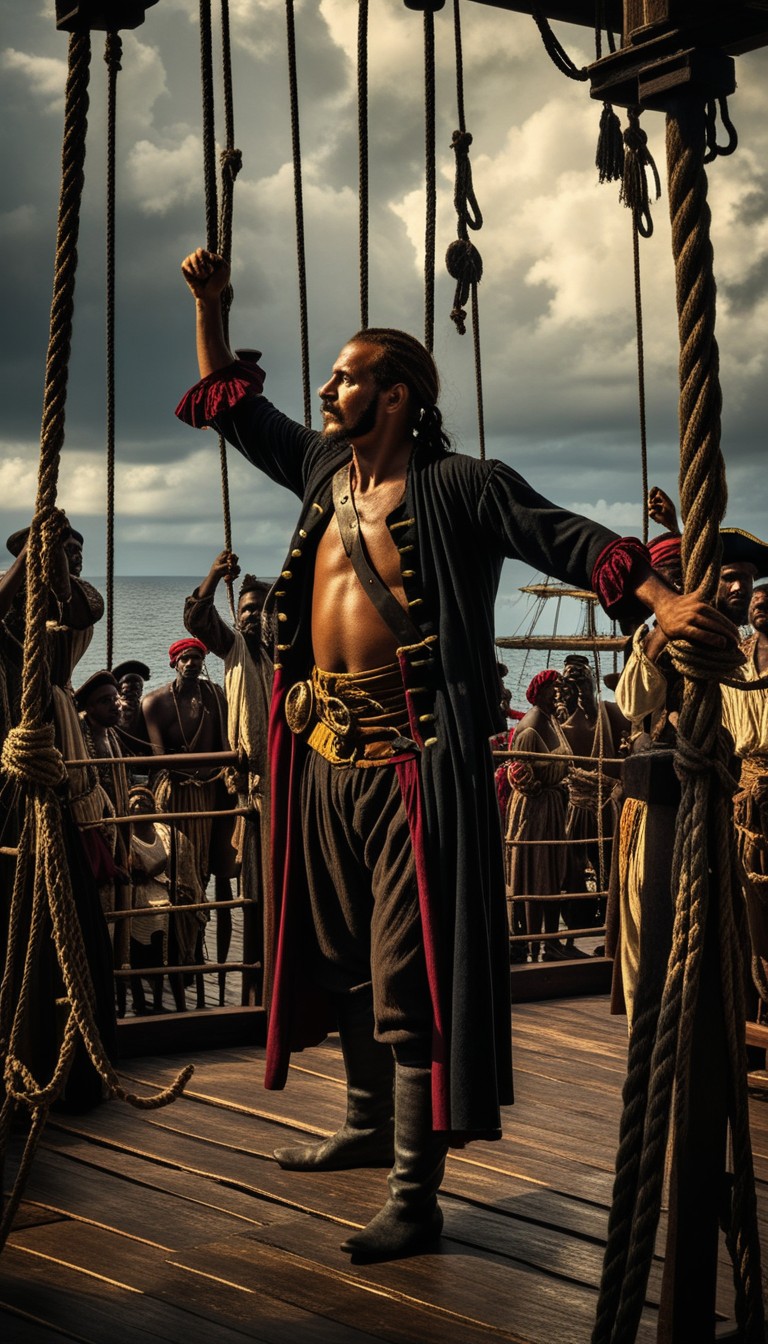
Vane attempted to rebuild with his small sloop, raiding what vessels he could. But in February 1719, a powerful hurricane struck, wrecking his ship on a deserted island in the Bay of Honduras. Stranded and starving, Vane survived for months as a castaway. When a passing ship finally stopped, its captain recognized the notorious pirate and refused to take him aboard, leaving him to his fate.
March 1721
Port Royal, Jamaica
The Gallows of Port Royal
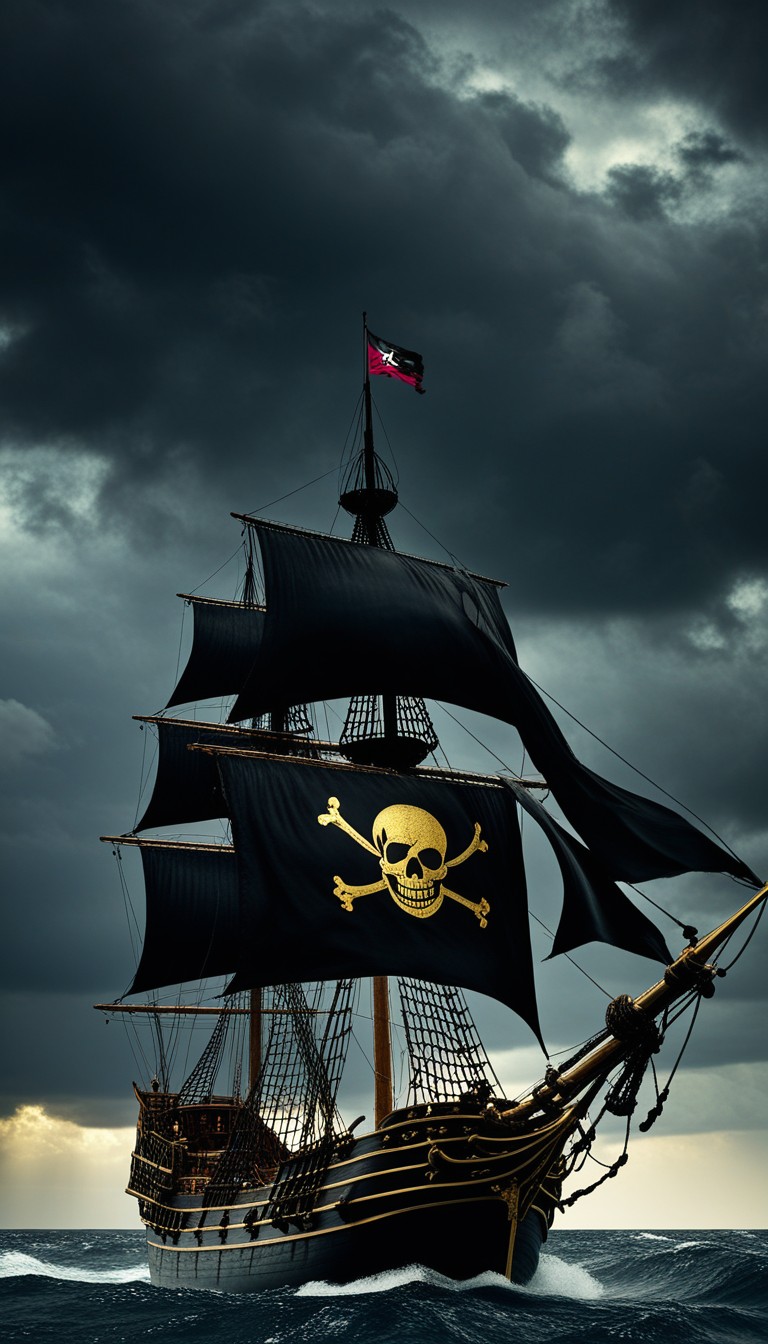
Eventually captured by a passing vessel whose captain turned him in, Vane was taken to Port Royal, Jamaica, in chains. He was tried for piracy in March 1721 and found guilty. Charles Vane was hanged at Gallows Point, and his body was displayed in an iron cage at Gun Cay as a warning to all who would follow the black flag. He never asked for mercy, and he never renounced the pirate's life.
The Pirate Who Never Surrendered
Charles Vane embodied the defiant spirit of the Golden Age of Piracy more than perhaps any other captain. While others accepted pardons and retired to quiet lives, Vane chose the black flag to the bitter end. He was cruel, unpredictable, and utterly fearless—a man who would rather burn than bend. His story is a reminder that the age of piracy was not just about treasure, but about men who would rather die free than live on their knees.
Recommended Reading
As an Amazon Associate, we earn from qualifying purchases.


Swipe to navigate