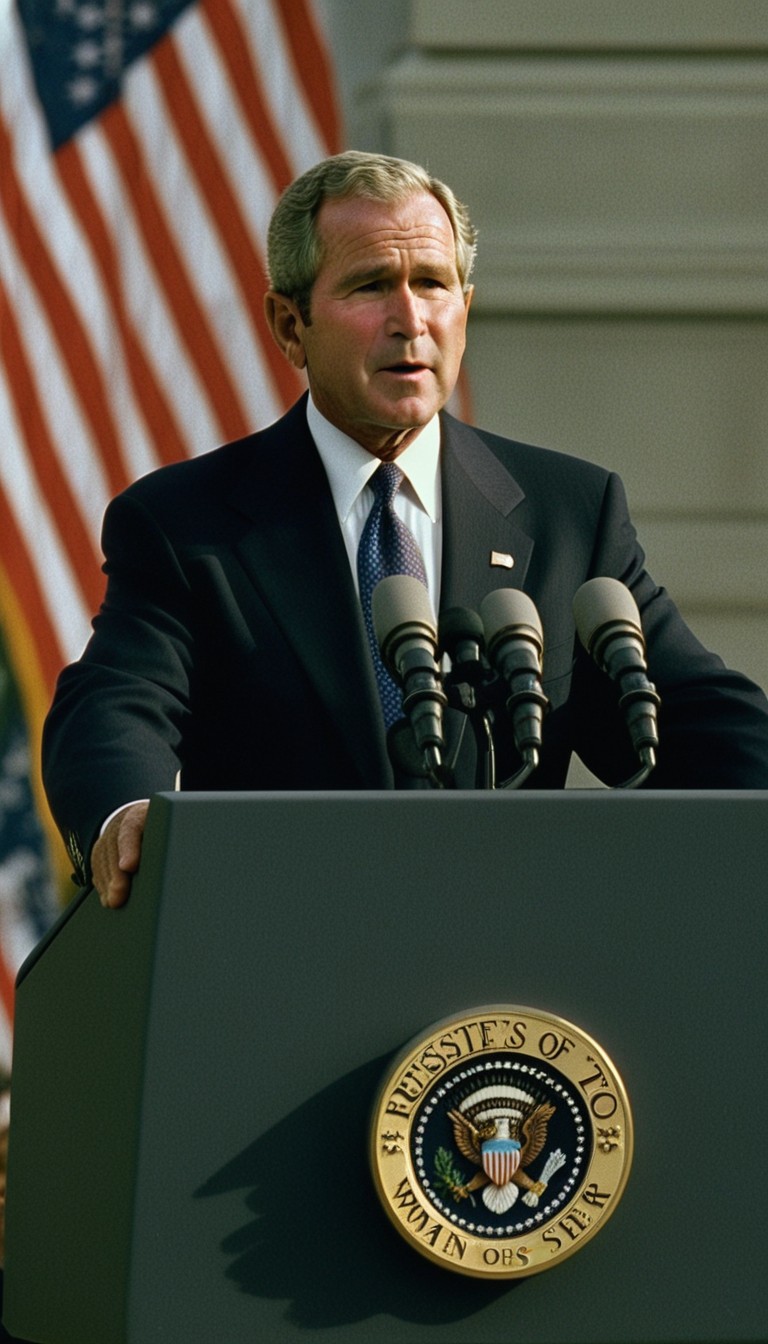
George W. Bush (#43): The War on Terror President
Loading story...
1946-1986
Texas & Connecticut
Growing Up Bush
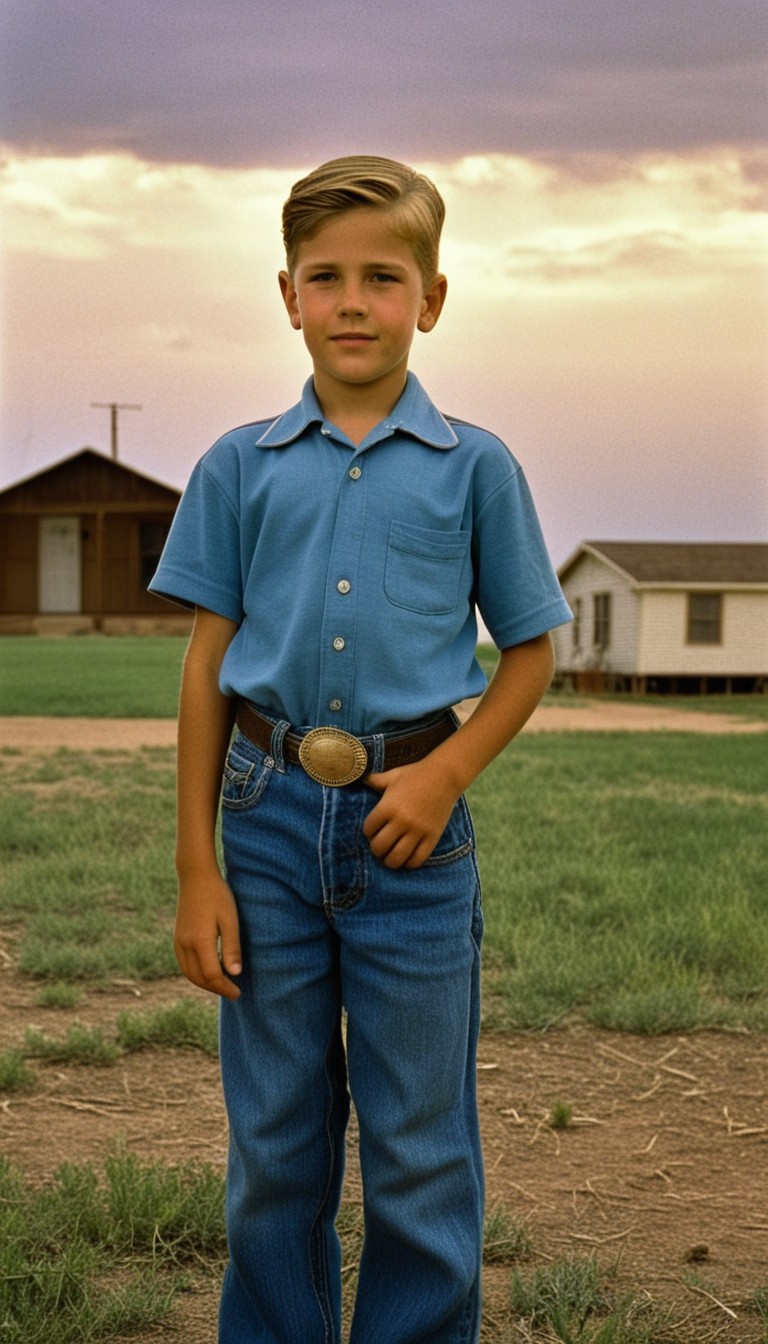
Born in 1946 in New Haven, Connecticut, while his father attended Yale, George Walker Bush grew up in Midland, Texas. He followed his father to Yale and flew fighter jets in the Texas Air National Guard. After struggles with alcohol in his younger years, he quit drinking cold turkey at age 40 after a pivotal birthday weekend. His faith became central to his identity.
1989-2000
Arlington & Austin, Texas
From Baseball to the Governor's Mansion
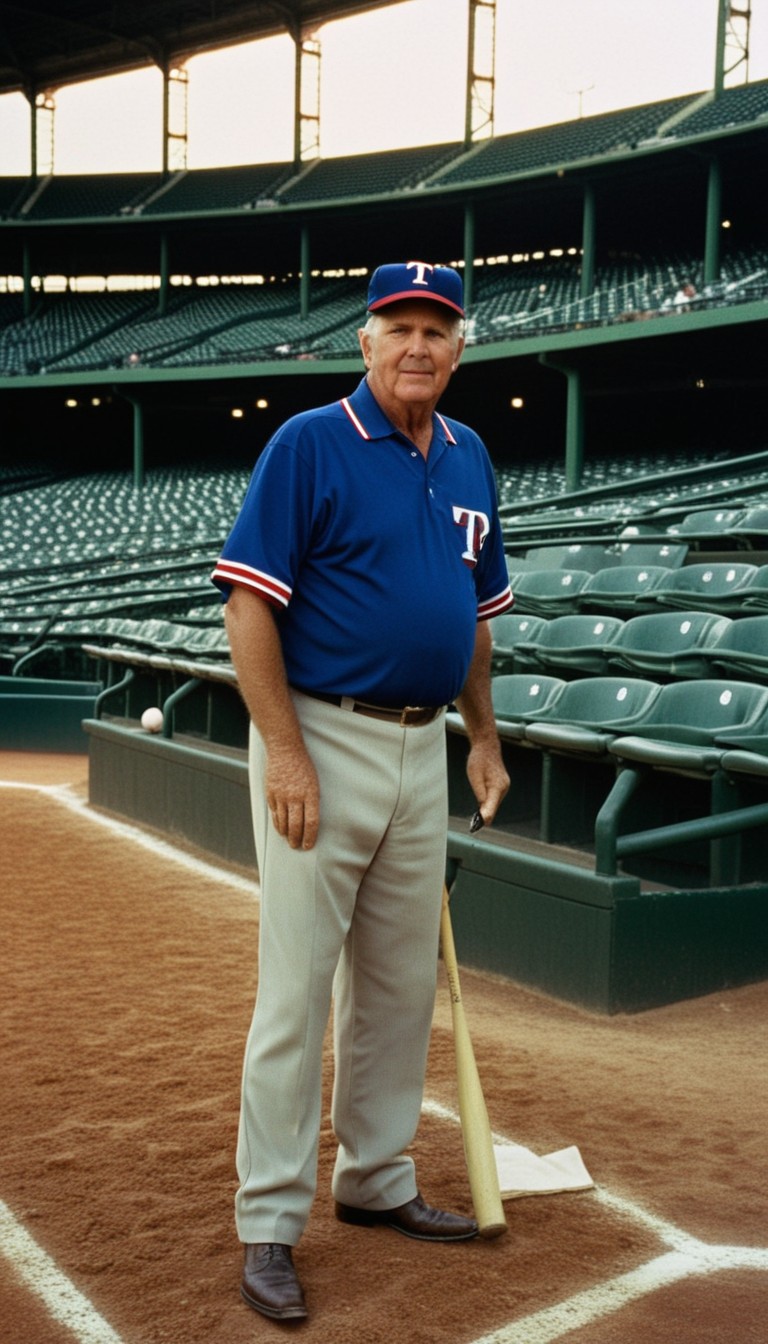
Bush became managing partner of the Texas Rangers baseball team, turning a modest investment into a $15 million profit. He parlayed his sports celebrity into a successful run for Texas governor in 1994, defeating popular incumbent Ann Richards. As governor, he championed education reform and bipartisan cooperation, building a reputation as a "compassionate conservative."
November-December 2000
Florida & Washington, D.C.
The Closest Election
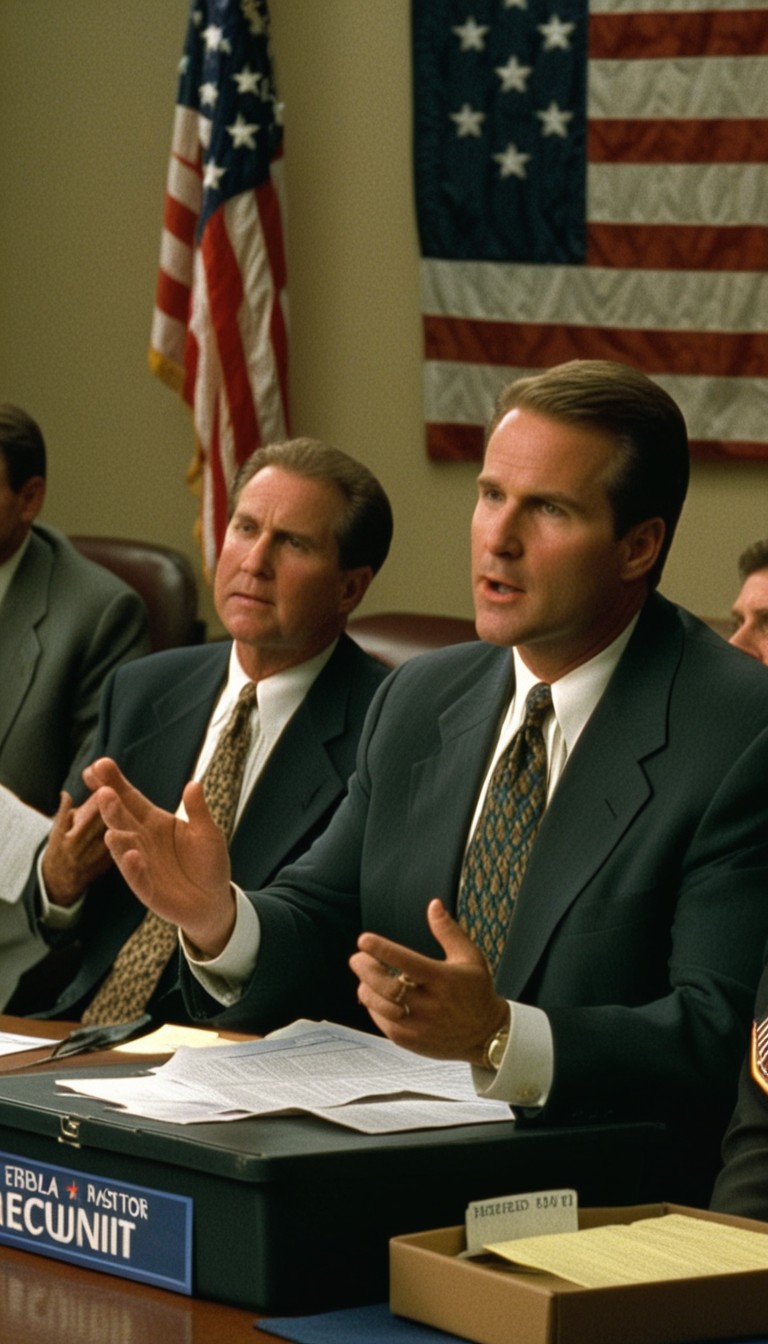
The 2000 presidential election came down to Florida and 537 votes. For 36 days, the nation watched as lawyers fought over hanging chads, butterfly ballots, and recount rules. The Supreme Court's 5-4 decision in Bush v. Gore halted the recount, effectively awarding Bush the presidency. He lost the popular vote to Al Gore but won the Electoral College 271-266.
September 11, 2001
New York City
September 11, 2001
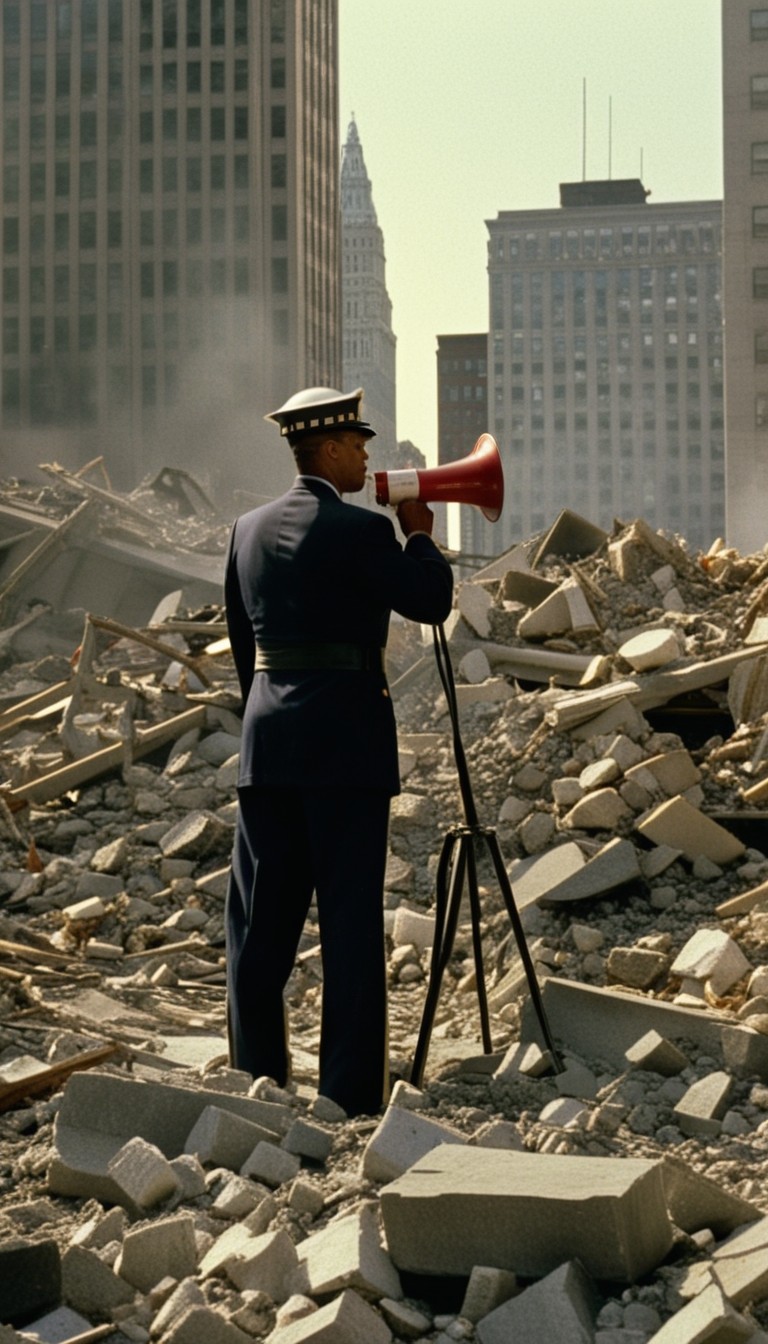
On the morning of September 11, Bush was reading to schoolchildren in Florida when terrorists flew hijacked planes into the World Trade Center and Pentagon, killing nearly 3,000 people. Three days later, standing atop the rubble at Ground Zero with a bullhorn, he told rescue workers: "I can hear you! The rest of the world hears you! And the people who knocked these buildings down will hear all of us soon."
October 2001
Afghanistan
War in Afghanistan
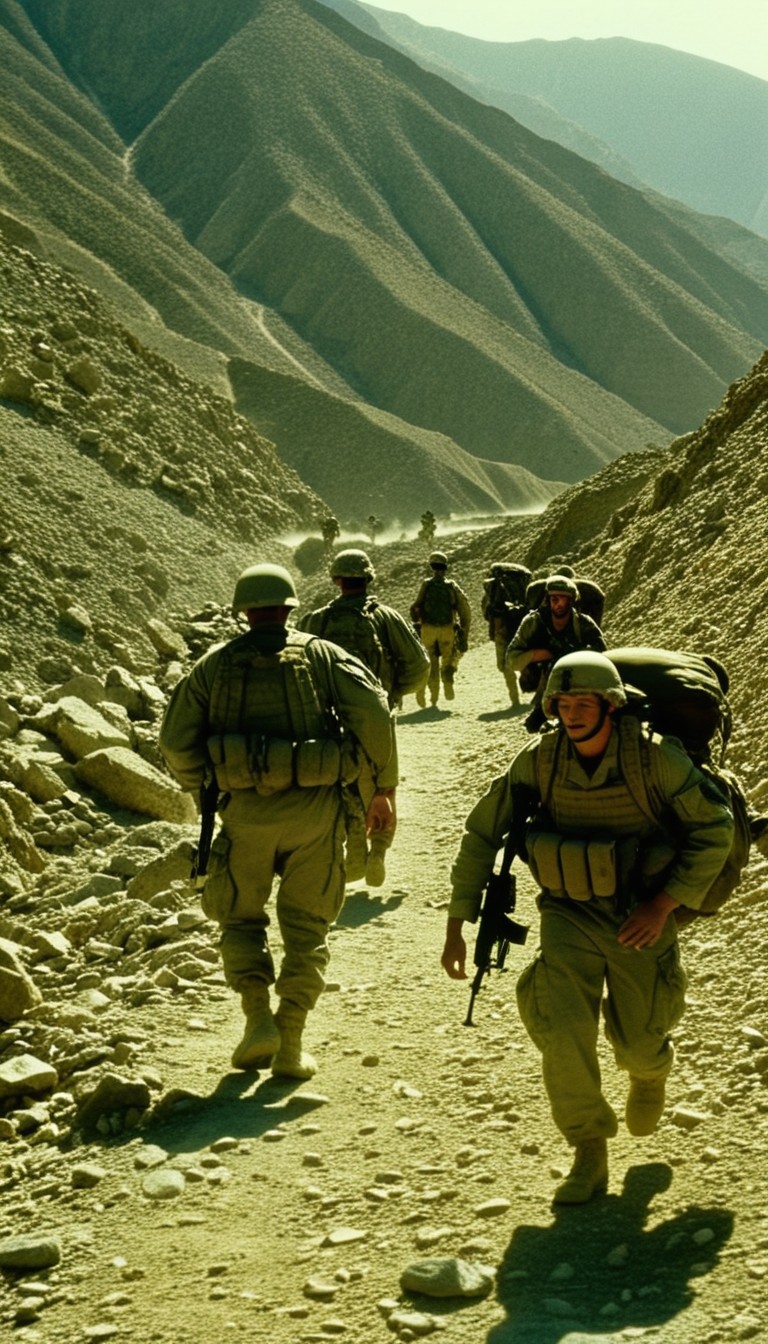
Bush launched Operation Enduring Freedom in October 2001, toppling the Taliban regime that had harbored al-Qaeda. The invasion had near-universal support at home and abroad. The Taliban fell quickly, but Osama bin Laden escaped at Tora Bora. What began as a targeted military operation would become America's longest war, lasting 20 years and costing over 2,400 American lives.
2003-2008
Iraq
The Iraq War
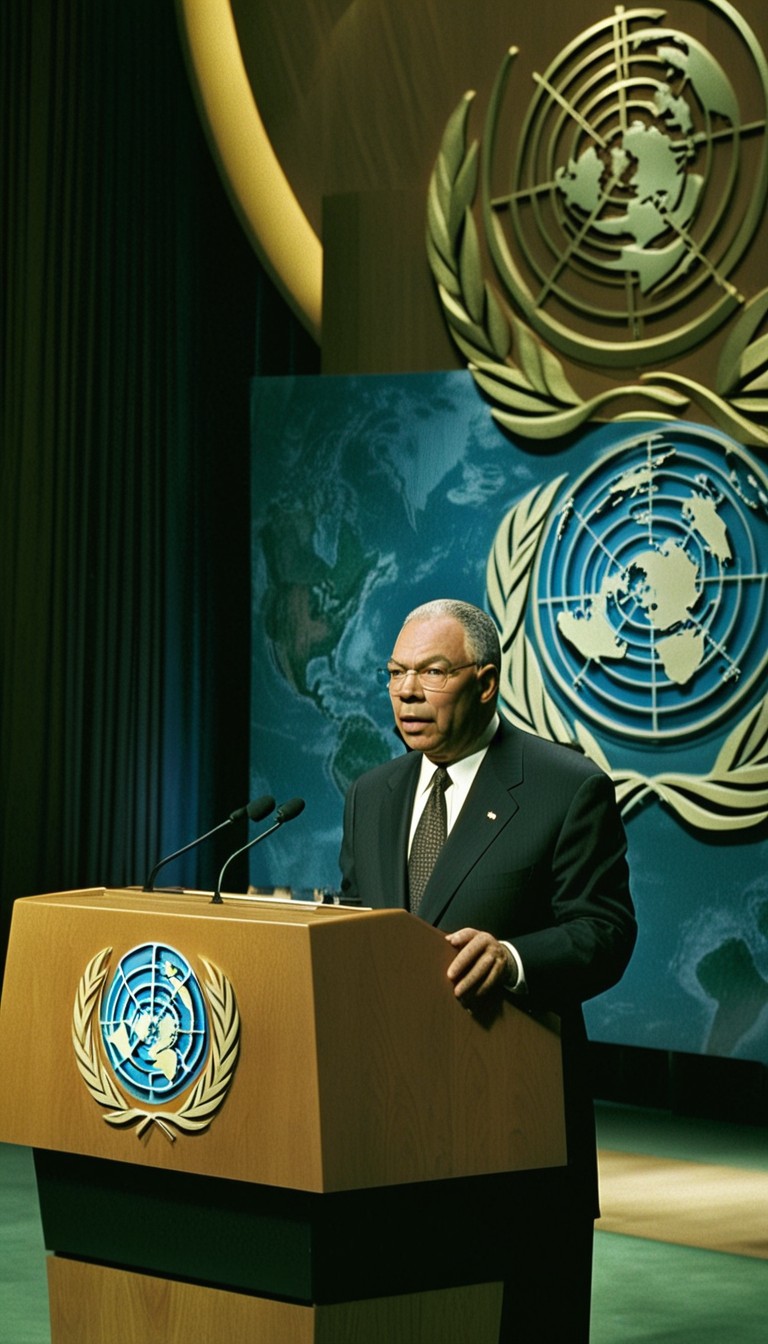
In March 2003, Bush invaded Iraq, claiming Saddam Hussein possessed weapons of mass destruction. The initial military victory was swift, but no WMDs were ever found. The occupation descended into chaos, sectarian violence, and an insurgency that killed over 4,400 Americans and hundreds of thousands of Iraqis. The Iraq War became the most controversial U.S. military action since Vietnam.
2005-2008
New Orleans & Washington, D.C.
Katrina and the Financial Crisis
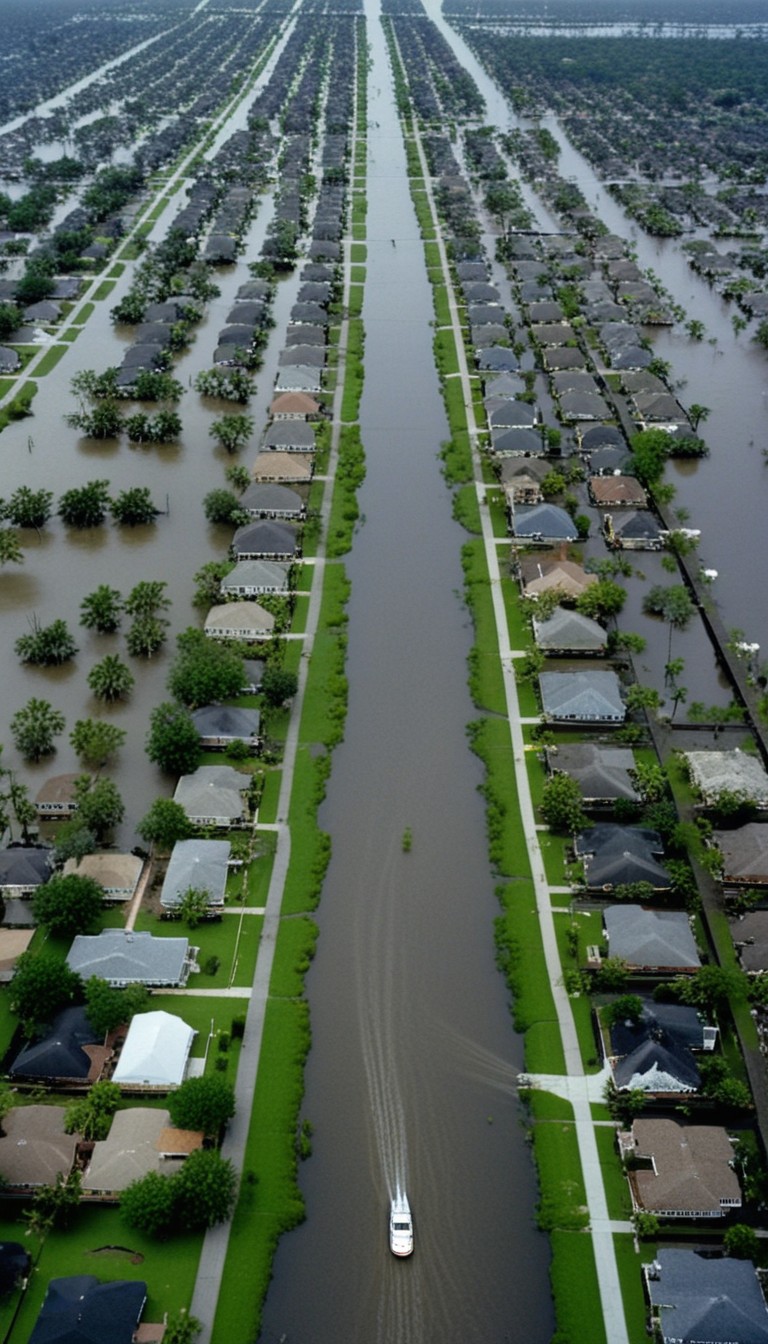
Hurricane Katrina devastated New Orleans in August 2005, and the federal response was widely seen as slow and inadequate. Bush's approval ratings never recovered. In his final year, the 2008 financial crisis--the worst since the Great Depression--struck. Bush approved the $700 billion bank bailout (TARP), an emergency measure that was deeply unpopular but credited with preventing a complete economic collapse.
2009-Present
Dallas, Texas
A Quiet Retirement
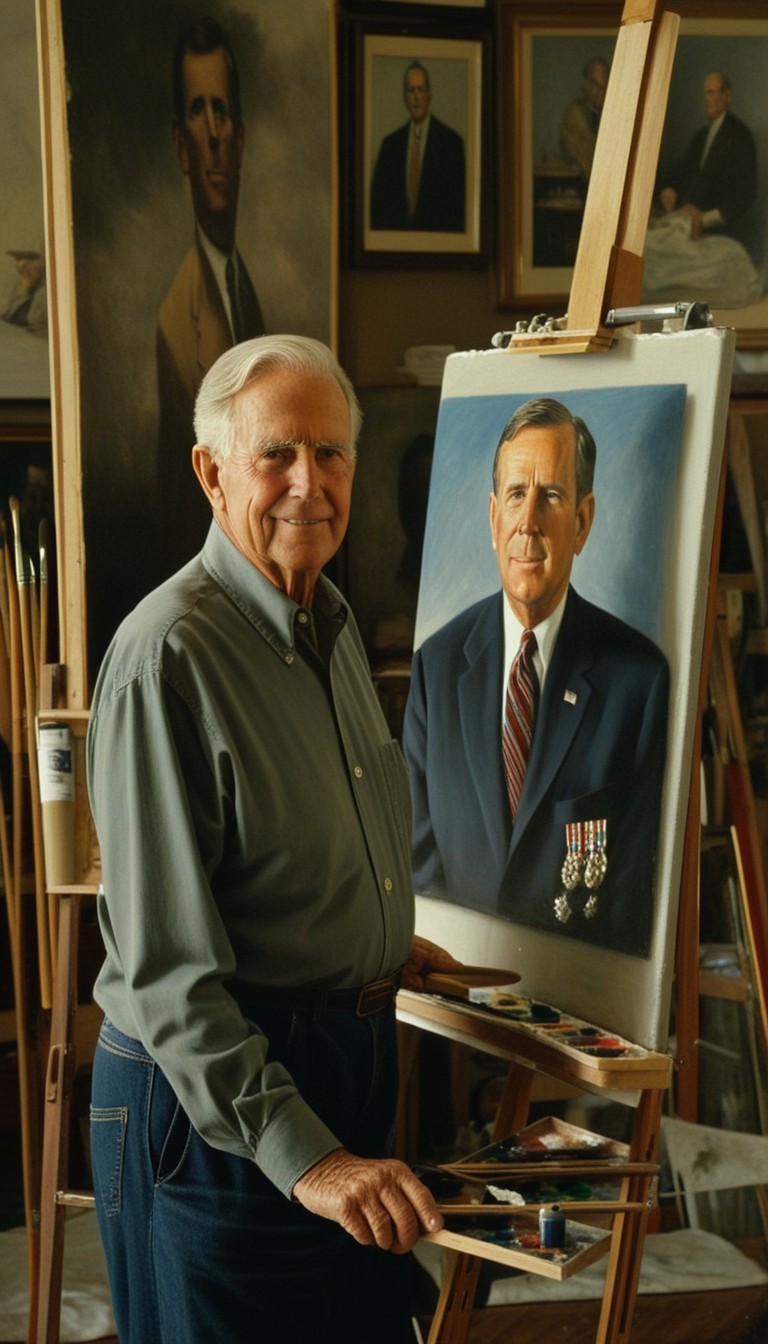
Bush left office with a 22% approval rating but spent his post-presidency in a notably different way. He took up painting, producing surprisingly accomplished portraits of veterans, world leaders, and immigrants. He launched PEPFAR, the President's Emergency Plan for AIDS Relief, which saved an estimated 25 million lives in Africa--widely considered the greatest humanitarian achievement of any modern president.

The War on Terror President
George W. Bush was tested by the defining crisis of the early 21st century and responded with resolve that united a shattered nation. Whether the wars he launched were necessary or wise remains fiercely debated. But his PEPFAR program saved millions of lives, and his grace in defeat--welcoming Obama warmly to the White House--showed that character endures beyond politics.
Recommended Reading
As an Amazon Associate, we earn from qualifying purchases.
Swipe to navigate