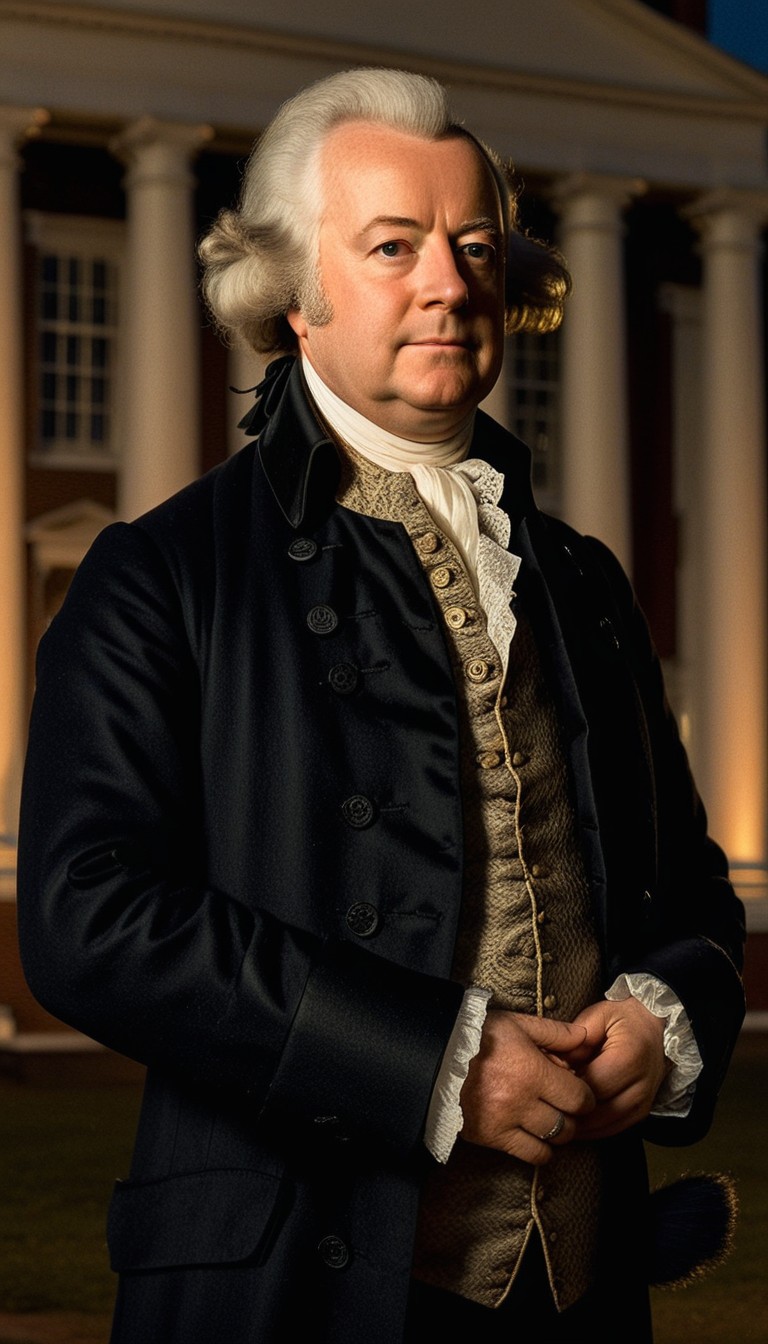
John Adams (#2): Voice of Independence
Loading story...

1735-1758
Braintree, Massachusetts
The Braintree Scholar
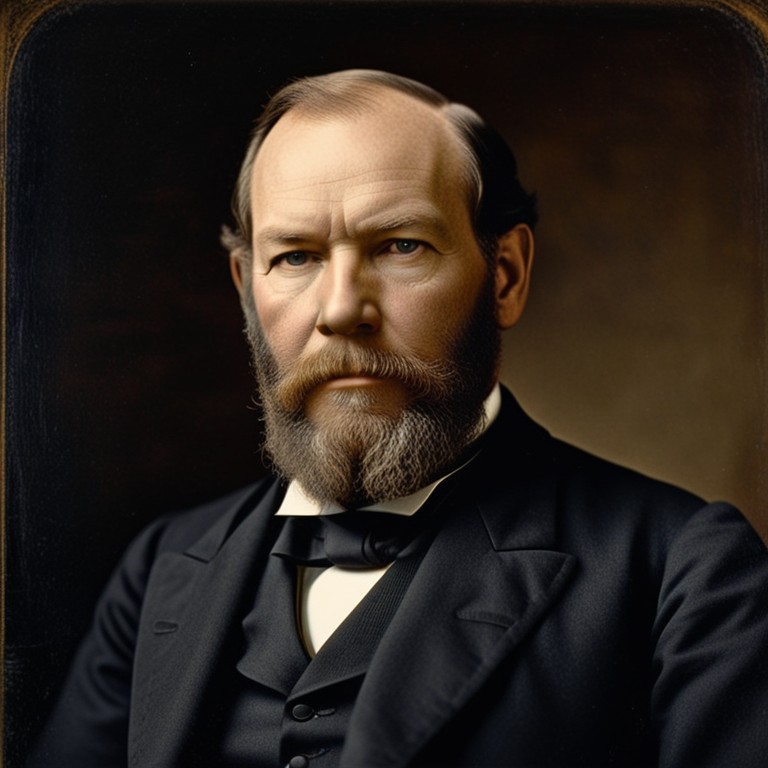
Born in 1735 in Braintree, Massachusetts, John Adams was the son of a farmer and church deacon. His father insisted on education, sending him to Harvard College at age 15. Adams initially considered the ministry but chose law instead, opening a practice in 1758 that would sharpen the argumentative brilliance he became known for.
1770
Boston, Massachusetts
Courage Under Fire
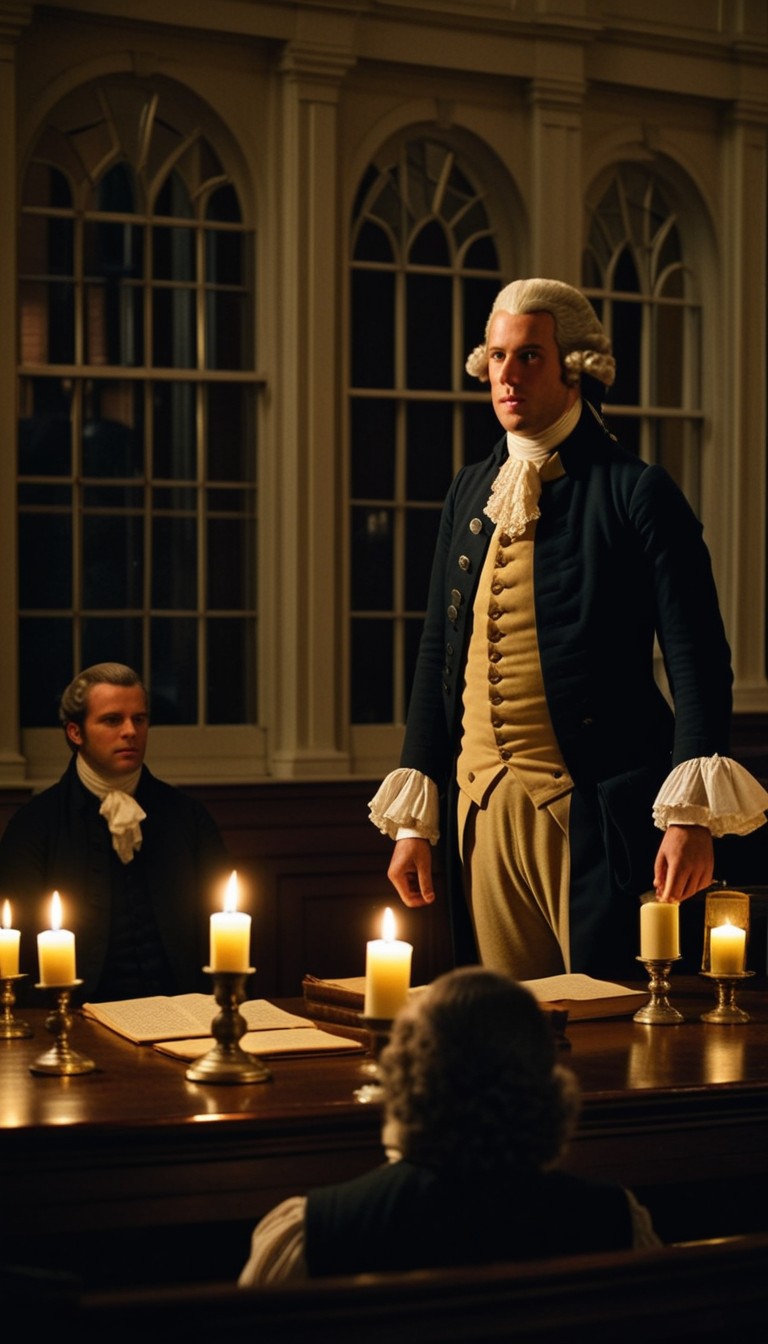
In 1770, Adams made an unpopular but principled decision: he defended the British soldiers accused in the Boston Massacre. Despite public outrage, Adams argued that every person deserved a fair trial. He won acquittals for most of the soldiers, proving that the rule of law mattered more than the passions of the mob.
1774-1776
Philadelphia
The Atlas of Independence
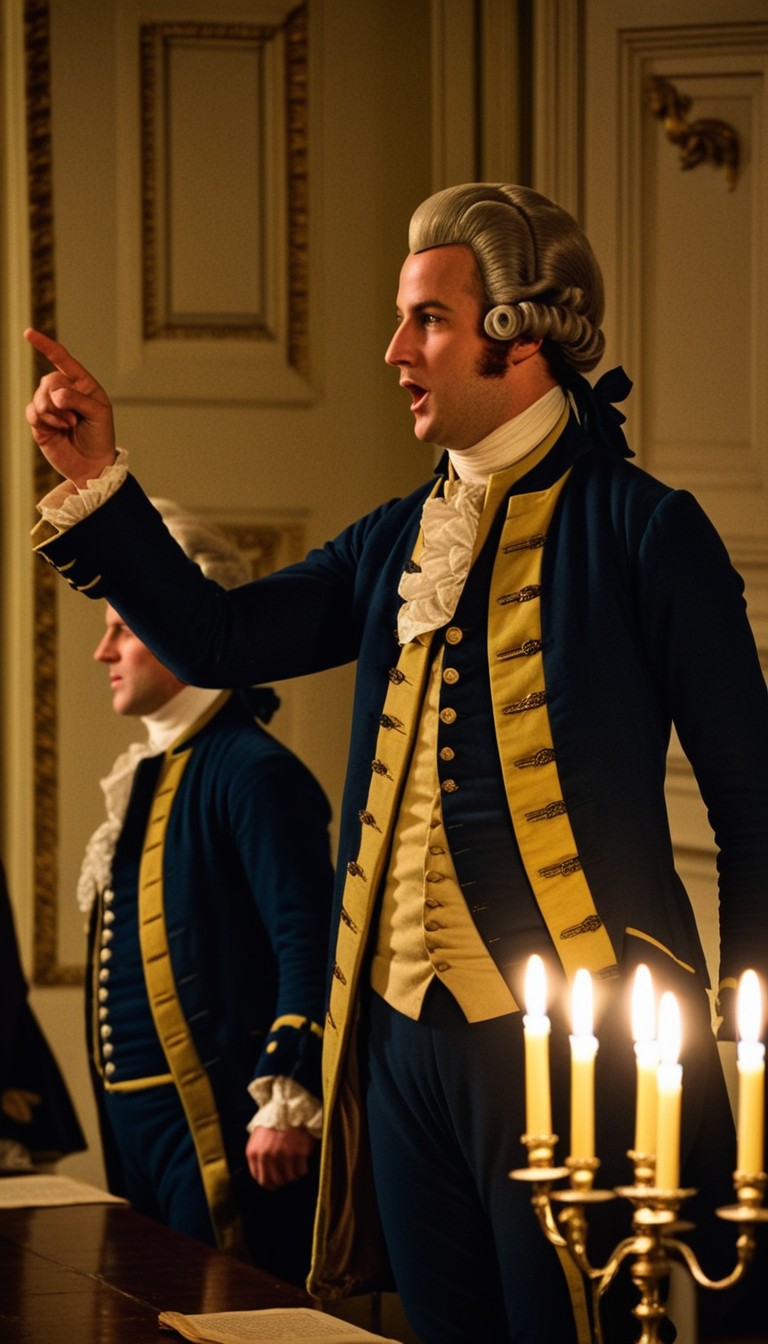
As a delegate to the Continental Congress, Adams became the most forceful advocate for breaking from Britain. Thomas Jefferson called him "the pillar of support on the floor of Congress" and "the colossus of that debate." Adams nominated Washington as commander-in-chief and pushed relentlessly until Congress voted for independence on July 2, 1776.
1778-1788
Paris & London
Diplomat in Europe
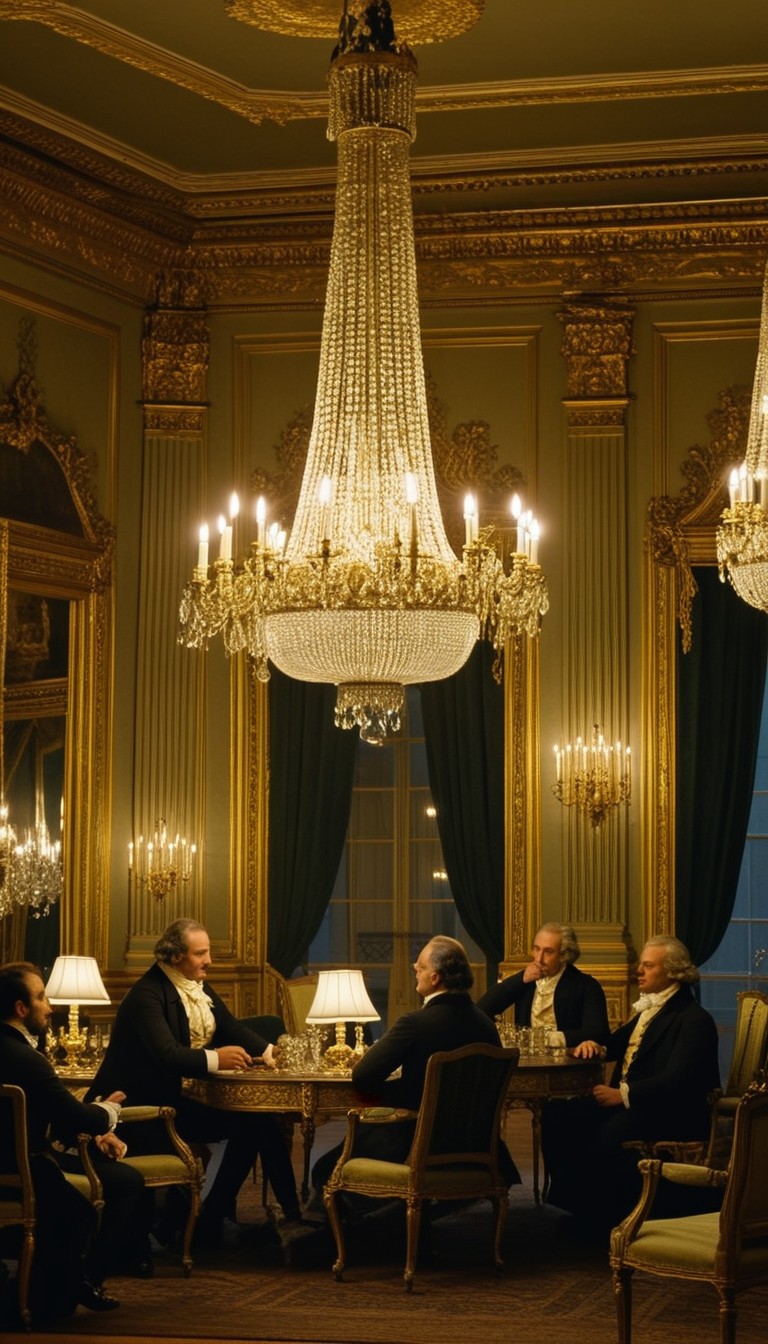
Adams spent nearly a decade in Europe securing the alliances and loans America needed to survive. He negotiated the Treaty of Paris in 1783, officially ending the Revolutionary War and winning British recognition of American independence. He also served as the first American minister to Great Britain, facing King George III himself.
1789-1797
New York & Philadelphia
The First Vice President
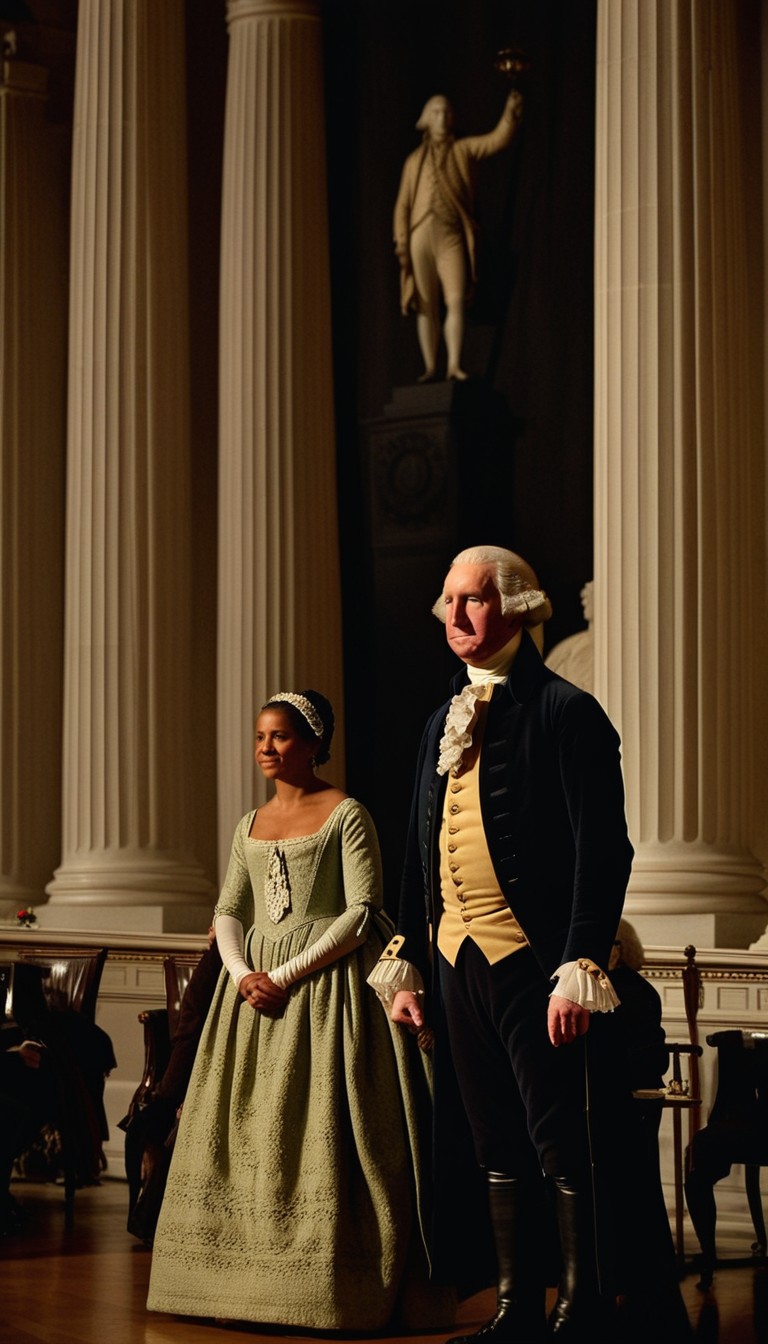
Adams served two terms as Washington's vice president, a role he famously called "the most insignificant office that ever the invention of man contrived." Despite his frustration, Adams presided over the Senate and cast more tie-breaking votes than any vice president in history, helping shape the new government's earliest policies.
1797
Philadelphia
President Adams
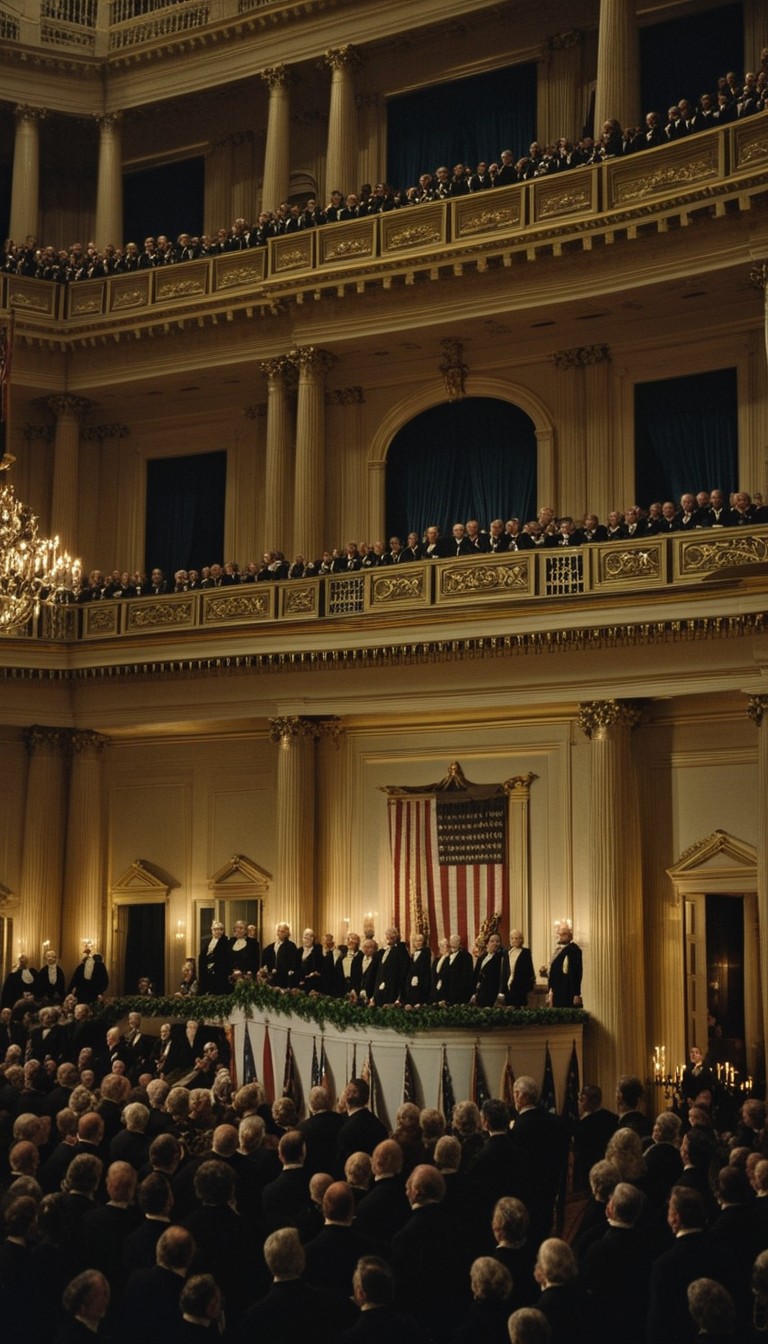
Elected in 1796 in the young nation's first contested presidential election, Adams inherited a government on the brink of war with France. His presidency would be defined by one overriding challenge: keeping America out of a European conflict that could destroy the fragile republic before it had a chance to grow.

1798-1800
Atlantic Ocean
Choosing Peace Over War
When France began seizing American ships, war hawks in Adams's own Federalist Party demanded a full-scale war. Adams resisted. He sent diplomats to negotiate and built up the Navy for defense, but refused to let the country be dragged into a wider conflict. The decision cost him reelection but spared the young nation from a devastating war.
1764-1818
Braintree & Beyond
Abigail and John
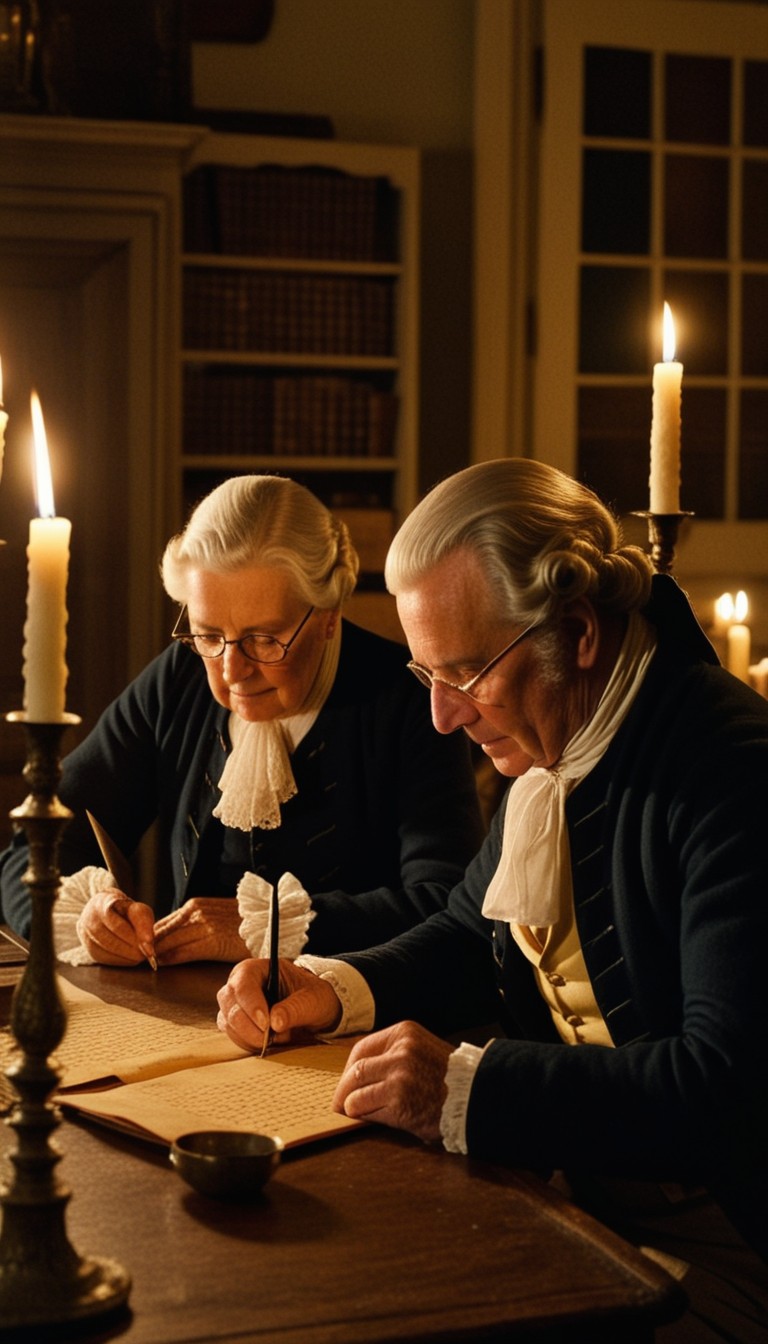
Behind John Adams stood Abigail Adams, his closest advisor and intellectual equal. Their letters, spanning decades of separation during war and diplomacy, reveal a partnership of extraordinary depth. Abigail famously urged him to "remember the ladies" when crafting the new nation's laws. She was America's first true political partner in the White House.

The Forgotten Founder
John Adams died on July 4, 1826, exactly fifty years after the Declaration of Independence. His last words were reportedly "Thomas Jefferson survives," not knowing Jefferson had died hours earlier. Adams gave his life to American independence and proved that principle could triumph over popularity.
Recommended Reading
As an Amazon Associate, we earn from qualifying purchases.
Swipe to navigate