
Andrew Jackson (#7): The People's President
Loading story...

1767-1781
Waxhaws, Carolina
Orphan of the Frontier
Born in 1767 on the border between North and South Carolina, Jackson never knew his father, who died before his birth. During the Revolutionary War, the thirteen-year-old Jackson served as a courier and was captured by the British. When he refused to polish a British officer's boots, the officer slashed his face with a sword, leaving scars he carried for life.

1787-1802
Nashville, Tennessee
Rise in Tennessee
Orphaned by age fourteen, Jackson taught himself law and moved to the Tennessee frontier. He became Nashville's first congressman, then a senator, and then a judge. He married Rachel Donelson in a union that became the subject of vicious political attacks for decades. Jackson built a plantation called the Hermitage, becoming a slaveholder and a man of considerable wealth.

January 1815
New Orleans, Louisiana
The Hero of New Orleans
On January 8, 1815, Jackson's ragtag army of frontiersmen, free Black soldiers, Choctaw warriors, and Jean Lafitte's pirates annihilated a British invasion force at New Orleans. Over 2,000 British fell while Jackson lost only 13 men. Though the Treaty of Ghent had already been signed, the stunning victory made Jackson the most celebrated American since Washington.
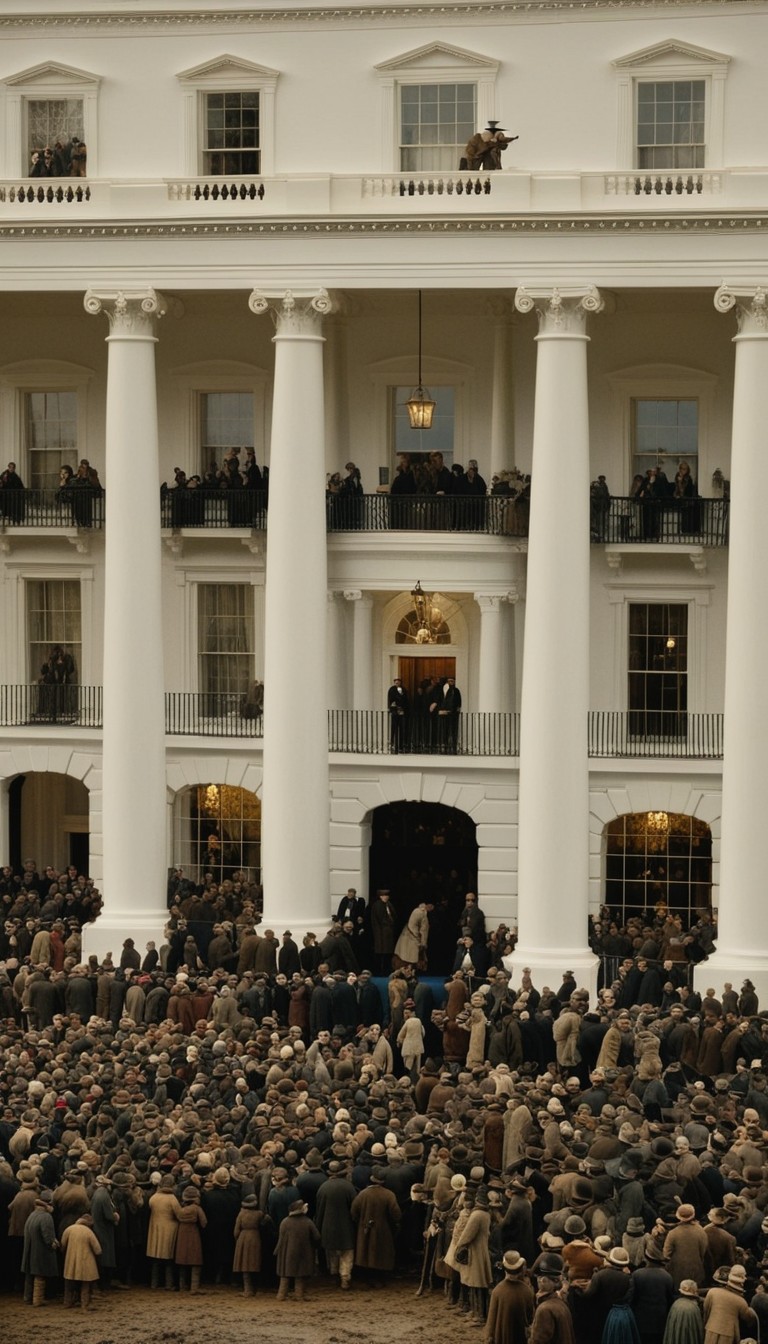
1828-1829
Washington, D.C.
A New Kind of Politics
After the "corrupt bargain" denied him the presidency in 1824, Jackson won in a landslide in 1828. His inauguration was unlike anything Washington had seen: thousands of ordinary citizens flooded the White House, breaking furniture and china in their enthusiasm. Jackson represented a seismic shift in American politics, the rise of mass democracy for white men.
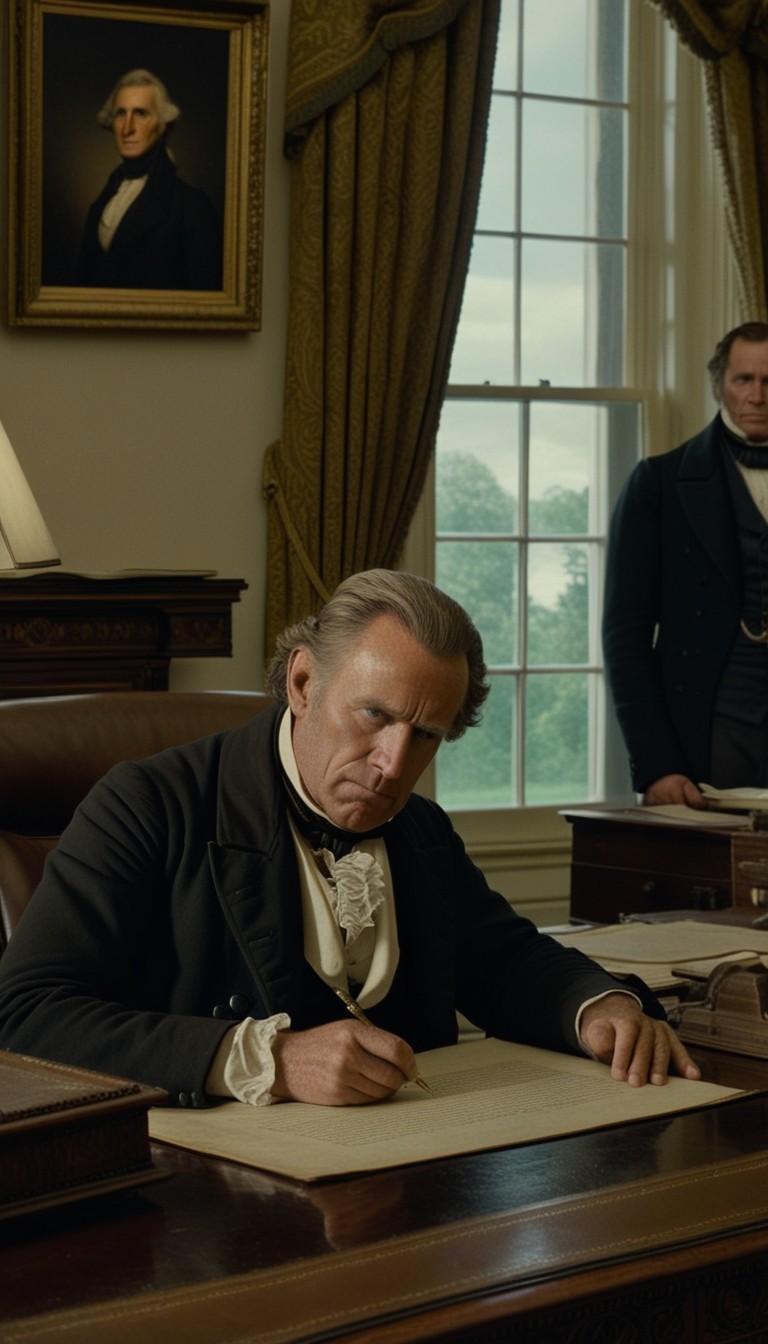
1832-1836
Washington, D.C.
The Bank War
Jackson waged a furious battle against the Second Bank of the United States, which he saw as a corrupt monopoly serving the wealthy at the expense of common people. He vetoed its recharter in 1832 and withdrew federal deposits, redistributing them to state banks. The "Bank War" defined his presidency and established the principle that the president speaks for the people.

1832-1833
Washington, D.C.
The Nullification Crisis
When South Carolina declared it could nullify federal tariff laws and threatened secession, Jackson responded with cold fury. "Our Federal Union: it must be preserved," he toasted. He signed the Force Bill authorizing military action against South Carolina and privately threatened to hang the nullifiers. A compromise tariff defused the crisis, but Jackson had drawn a line: no state could leave the Union.

1830-1838
Southeastern United States
The Trail of Tears
Jackson's darkest legacy was the Indian Removal Act of 1830, which forced tens of thousands of Native Americans from their ancestral homelands in the Southeast. The Cherokee, Creek, Chickasaw, Choctaw, and Seminole nations were marched west on brutal journeys. The Cherokee alone lost roughly 4,000 people on what became known as the Trail of Tears, a catastrophe that haunts American history.
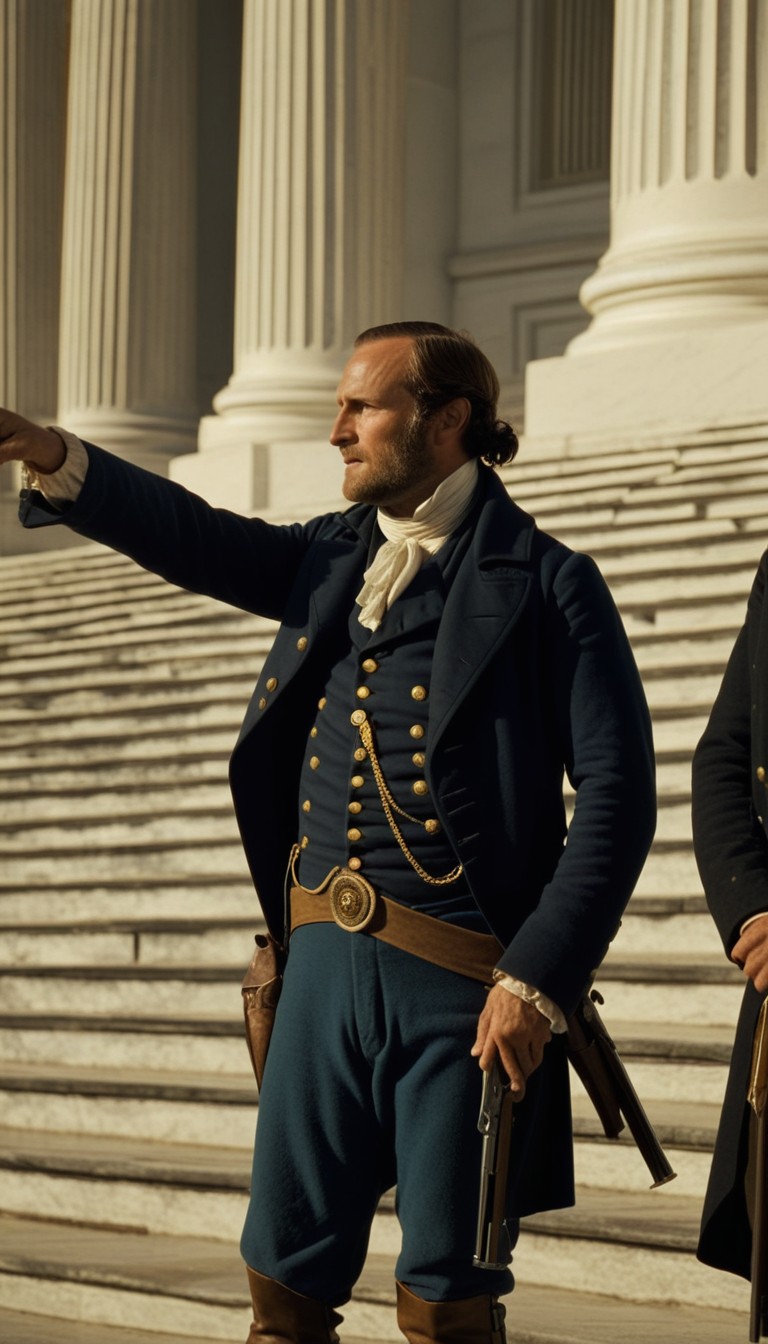
1835
U.S. Capitol
The Indestructible President
Jackson carried two bullets in his body from duels, survived the first assassination attempt on a sitting president when both of the attacker's pistols misfired, and battled chronic illness throughout his presidency. He was a man of iron will and volcanic temper. His enemies called him a tyrant; his supporters called him the champion of the common man.

A Complicated Legacy
Andrew Jackson transformed the American presidency into a powerful institution answering directly to the people. He expanded democracy for white men while perpetuating slavery and devastating Native nations. His presidency remains one of the most consequential and controversial in American history, a reminder that democratic expansion and moral catastrophe can walk hand in hand.
Recommended Reading
As an Amazon Associate, we earn from qualifying purchases.
Swipe to navigate