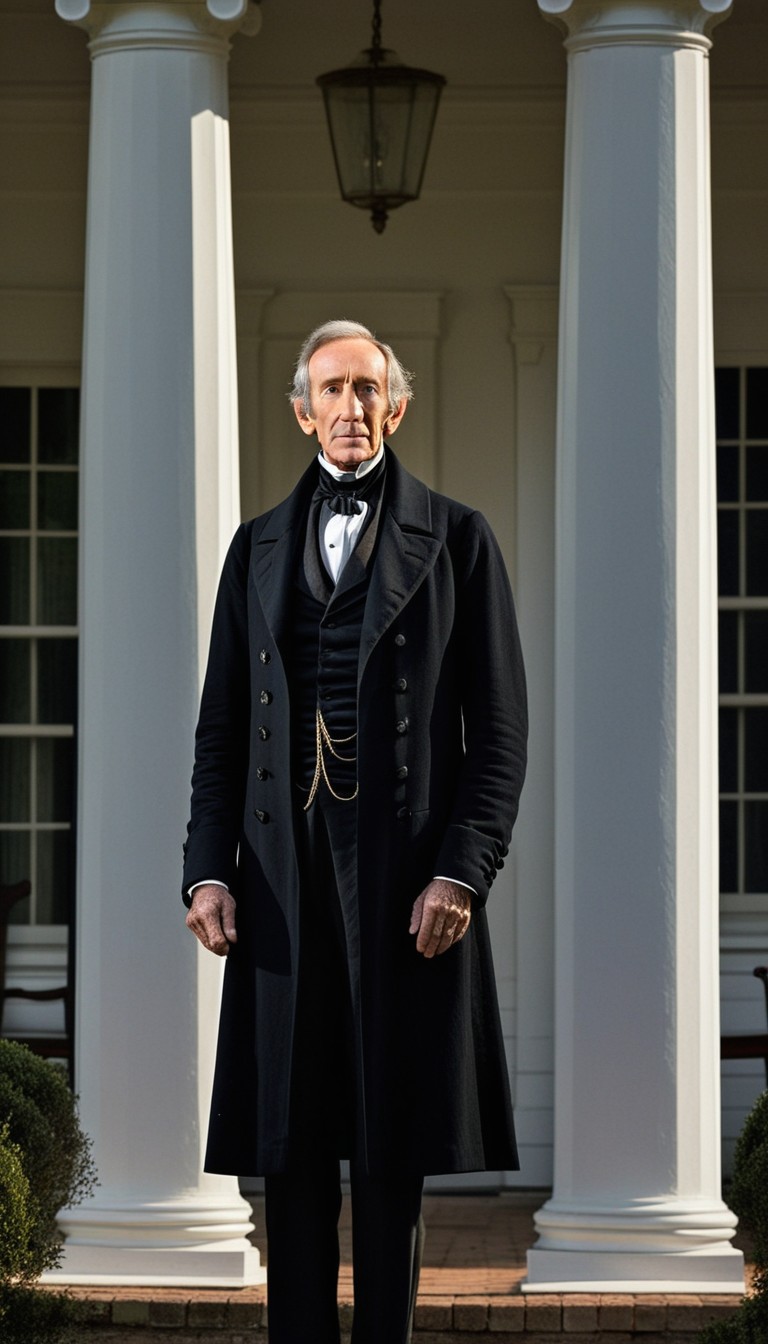
John Tyler (#10): The Accidental President
Loading story...
1790-1811
Charles City County, Virginia
A Virginia Dynasty
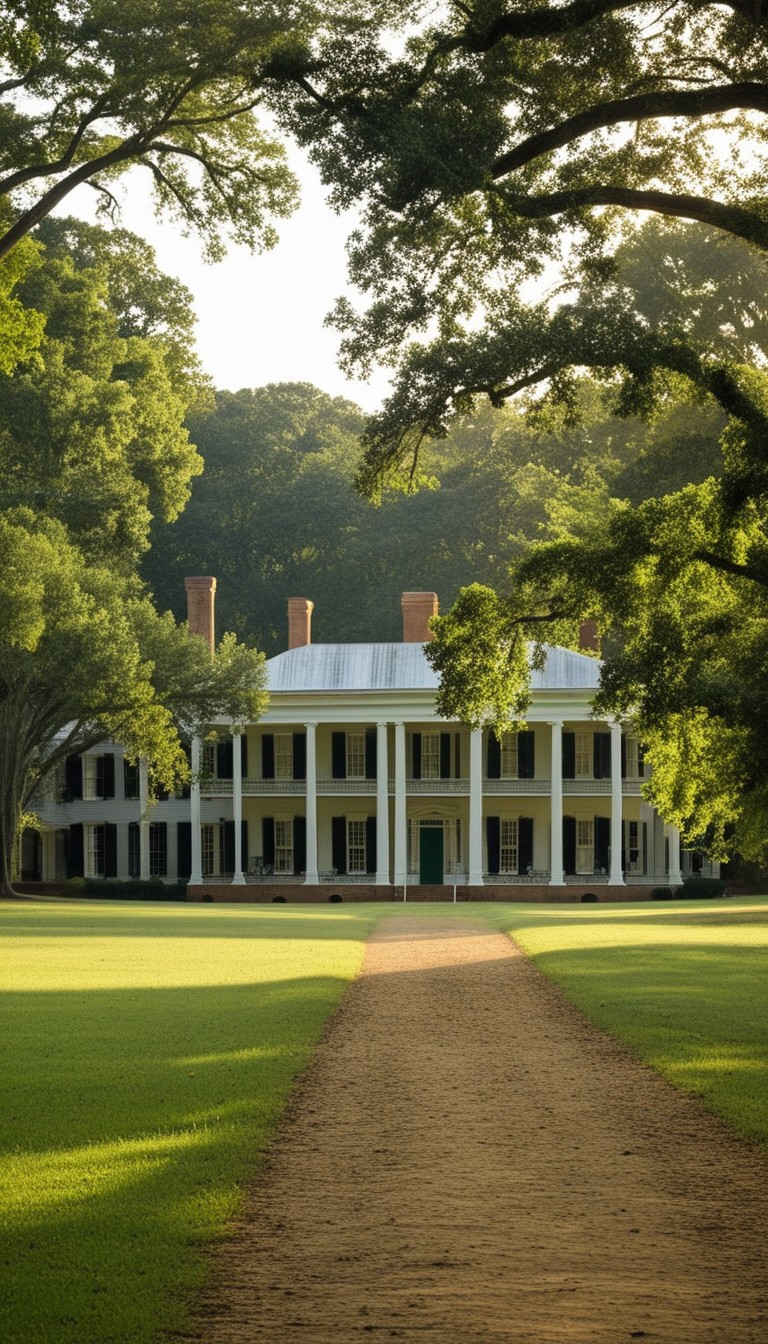
Born in 1790 at Greenway plantation in Charles City County, Virginia, Tyler grew up just miles from where William Henry Harrison was born. His father was a friend of Thomas Jefferson and served as governor of Virginia. Tyler graduated from the College of William & Mary at seventeen and was elected to the Virginia legislature at twenty-one.

1827-1836
Washington, D.C.
Principles Over Party
Tyler rose quickly through Virginia politics to the U.S. Senate, where he earned a reputation as a man of stubborn principle. A states' rights Democrat, he broke with Andrew Jackson over the Bank War and the use of executive power. Virginia's legislature ordered him to change his vote; Tyler resigned his Senate seat rather than compromise his beliefs.
April 1841
Williamsburg, Virginia
The Knock at Dawn
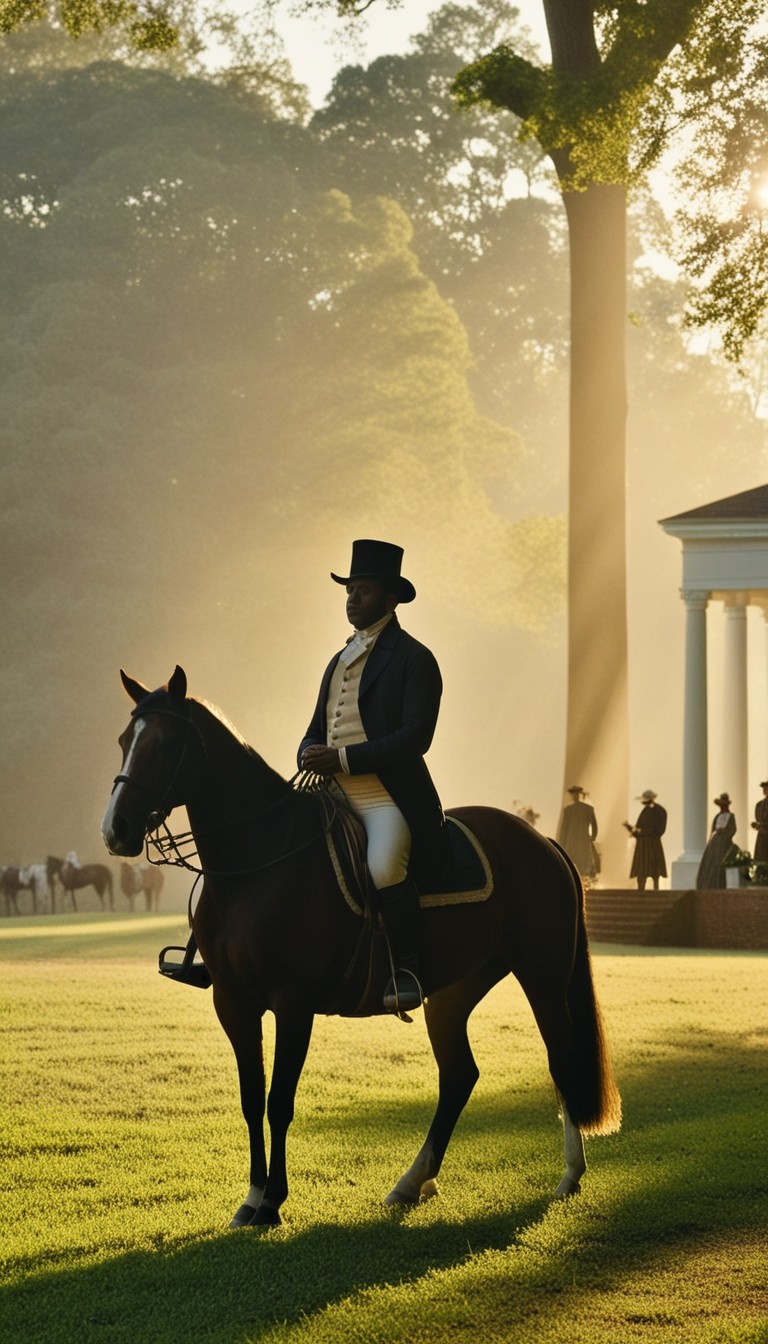
On April 5, 1841, a messenger rode to Tyler's Williamsburg home with stunning news: President Harrison was dead. Tyler rushed to Washington and immediately took the presidential oath, insisting he was the president, not the "acting president." Cabinet members and congressmen objected, but Tyler held firm. His critics called him "His Accidency," but the precedent was set for all time.
1841-1842
Washington, D.C.
A President Without a Party
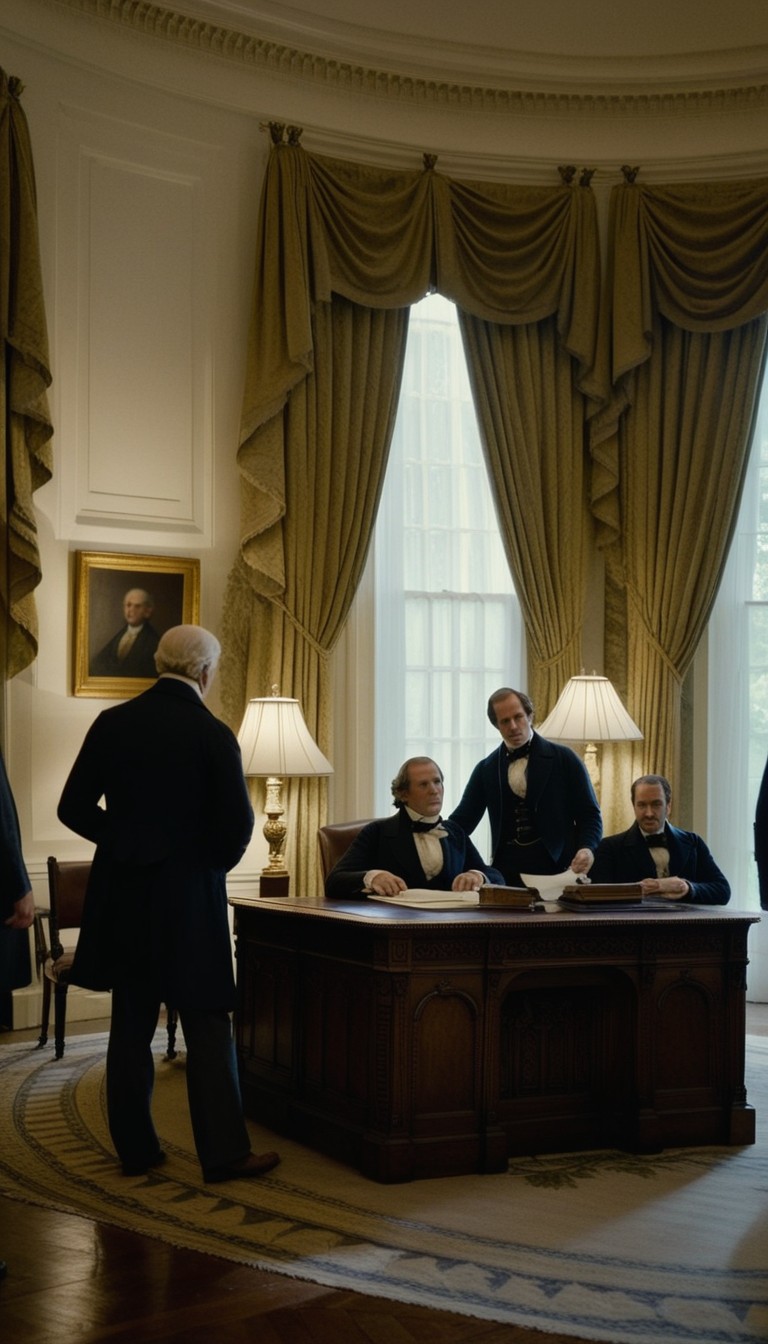
The Whigs had chosen Tyler as vice president to attract Southern votes, assuming Harrison would govern. When Tyler vetoed the Whig banking bill twice, the party was furious. His entire cabinet resigned except Secretary of State Daniel Webster. The Whig Party formally expelled Tyler, making him the first president to govern without the support of any political party.
1842-1844
Washington, D.C.
Diplomatic Achievements
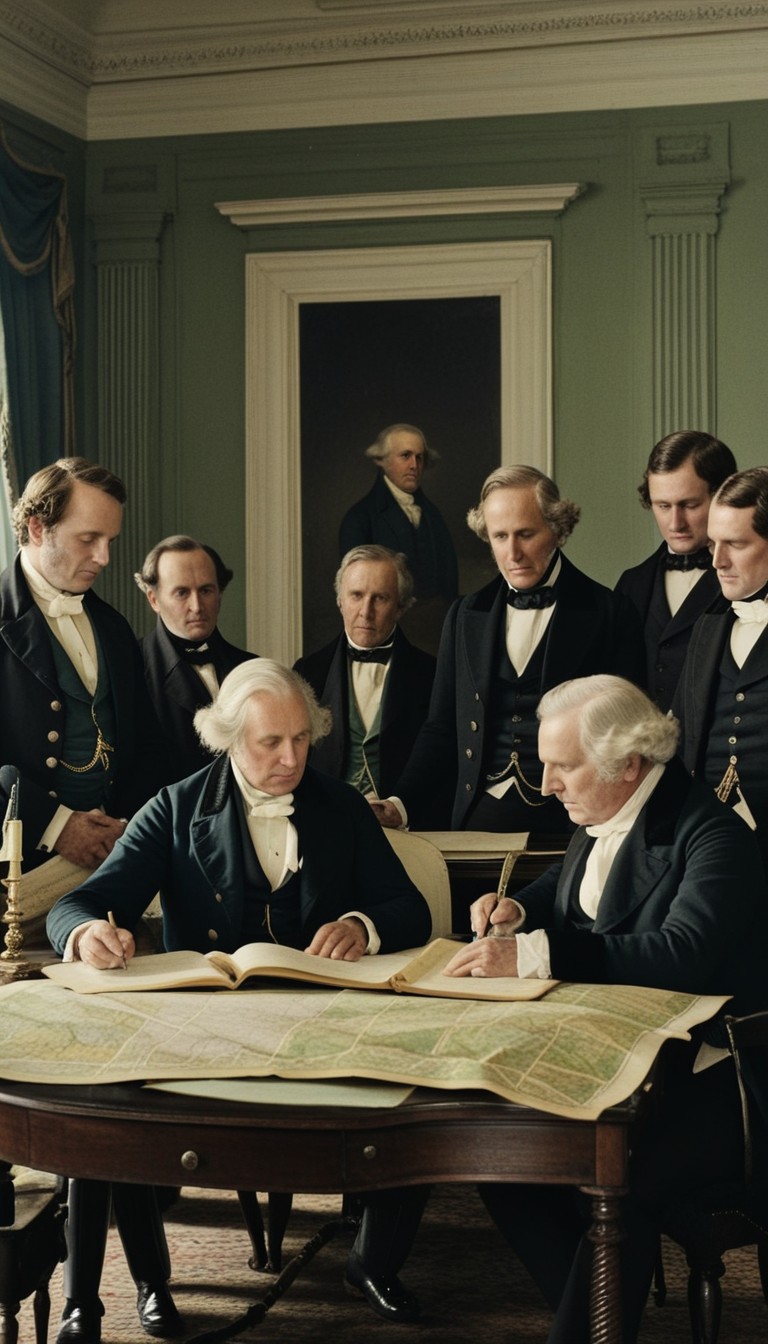
Despite his isolation, Tyler achieved significant diplomatic victories. The Webster-Ashburton Treaty of 1842 settled the disputed boundary between Maine and Canada, averting war with Britain. Tyler also opened trade with China through the Treaty of Wanghia in 1844 and established diplomatic relations that would shape American involvement in Asia for generations.

February 1844
Potomac River
Tragedy on the Potomac
In February 1844, Tyler hosted a diplomatic cruise aboard the USS Princeton. A demonstration of the ship's massive cannon went horribly wrong when it exploded, killing the Secretary of State, the Secretary of the Navy, and several others. Tyler survived only because he was below deck at the time. Among the survivors was Julia Gardiner, who became Tyler's second wife months later.
1844-1845
Washington, D.C.
The Annexation of Texas
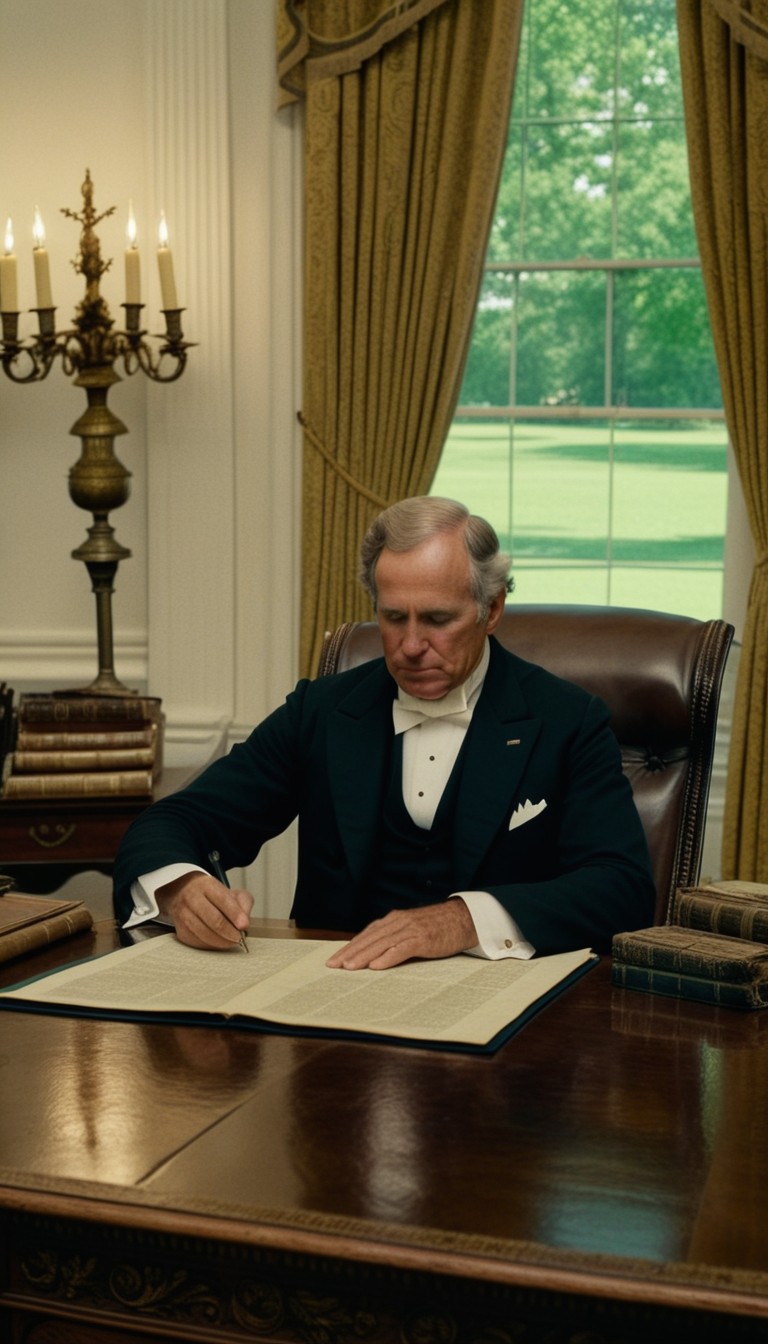
Tyler's greatest ambition was bringing Texas into the Union. When the Senate rejected his annexation treaty, Tyler used an unprecedented maneuver: a joint resolution of Congress requiring only a simple majority. He signed the resolution on March 1, 1845, just three days before leaving office. Texas became the 28th state later that year, fulfilling Tyler's vision of continental expansion.
1861-1862
Richmond, Virginia
A Final Act
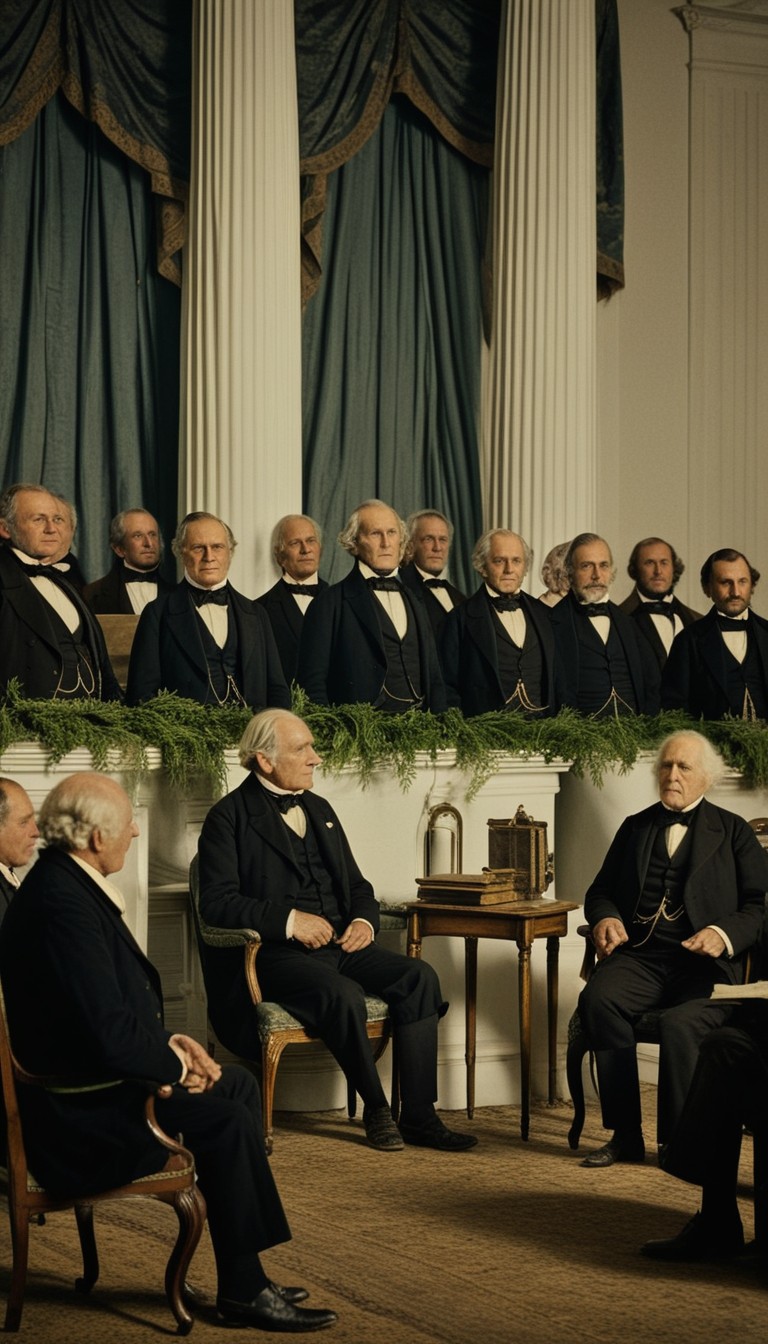
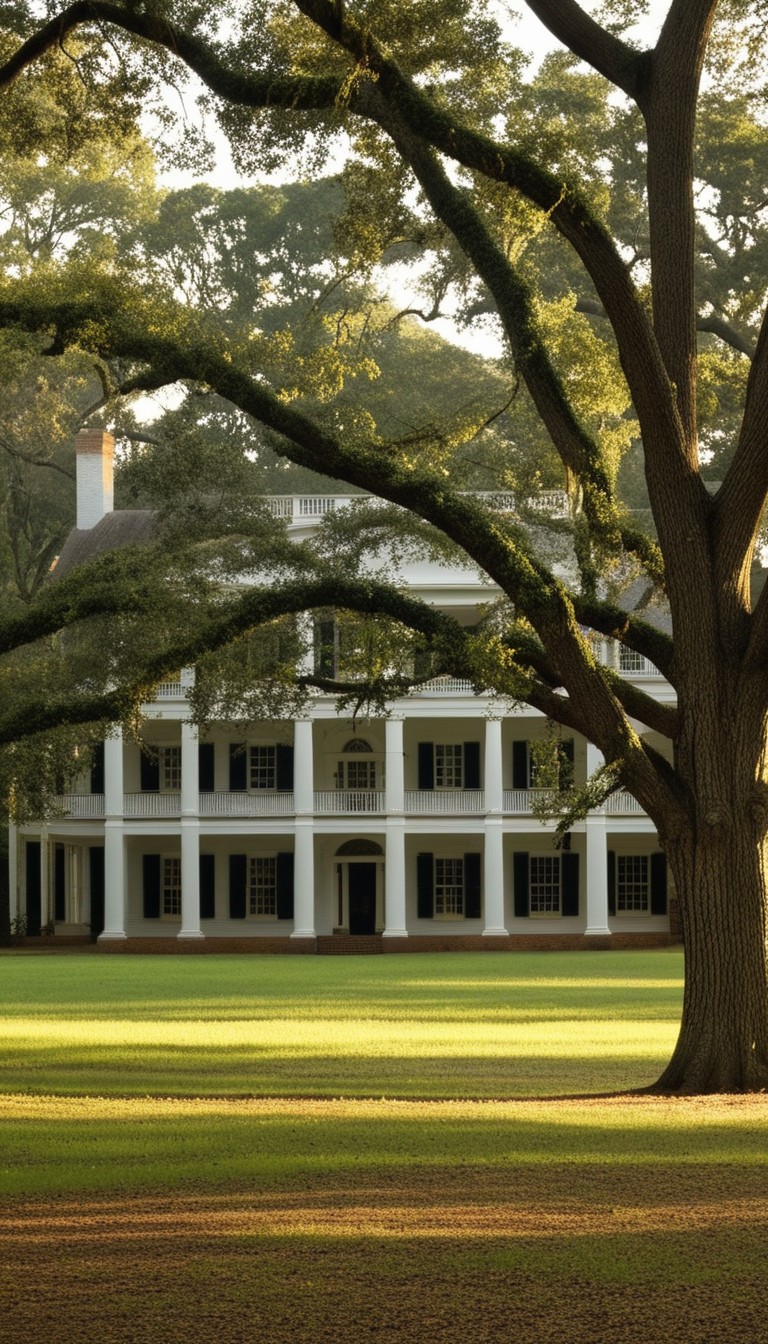
In retirement at his Sherwood Forest plantation, Tyler fathered more children and watched the nation slide toward civil war. In 1861, he chaired a desperate peace convention in Washington to prevent secession. When it failed, Tyler sided with the Confederacy and was elected to the Confederate Congress. He died in 1862, the only president whose death was not officially mourned in Washington.
The Precedent Setter
John Tyler's insistence on claiming the full presidency established the succession precedent that would be invoked seven more times in American history and was finally codified by the 25th Amendment. Though reviled in his time by both parties, Tyler proved that the Constitution's framework for succession was sound and that even an accidental president could leave a lasting mark.
Recommended Reading
As an Amazon Associate, we earn from qualifying purchases.
Swipe to navigate