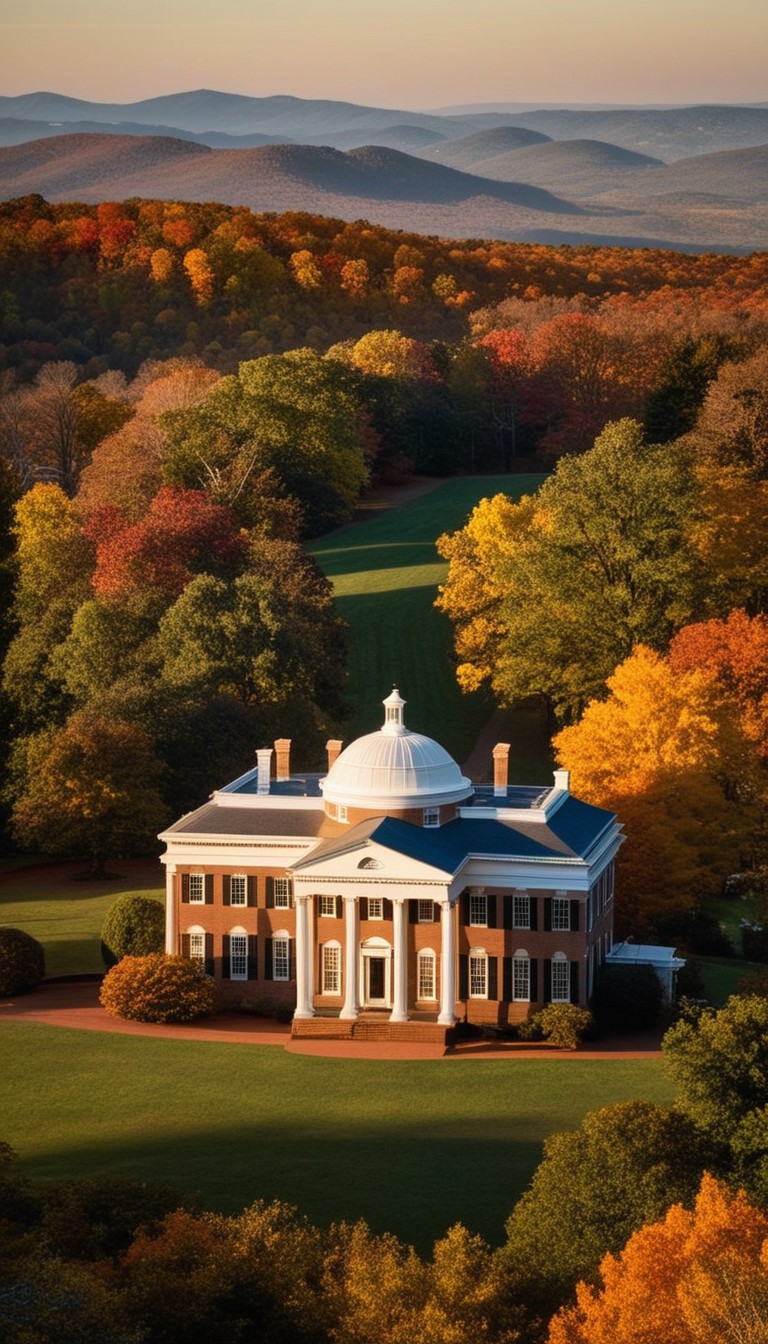
Thomas Jefferson (#3): Architect of Liberty
Loading story...
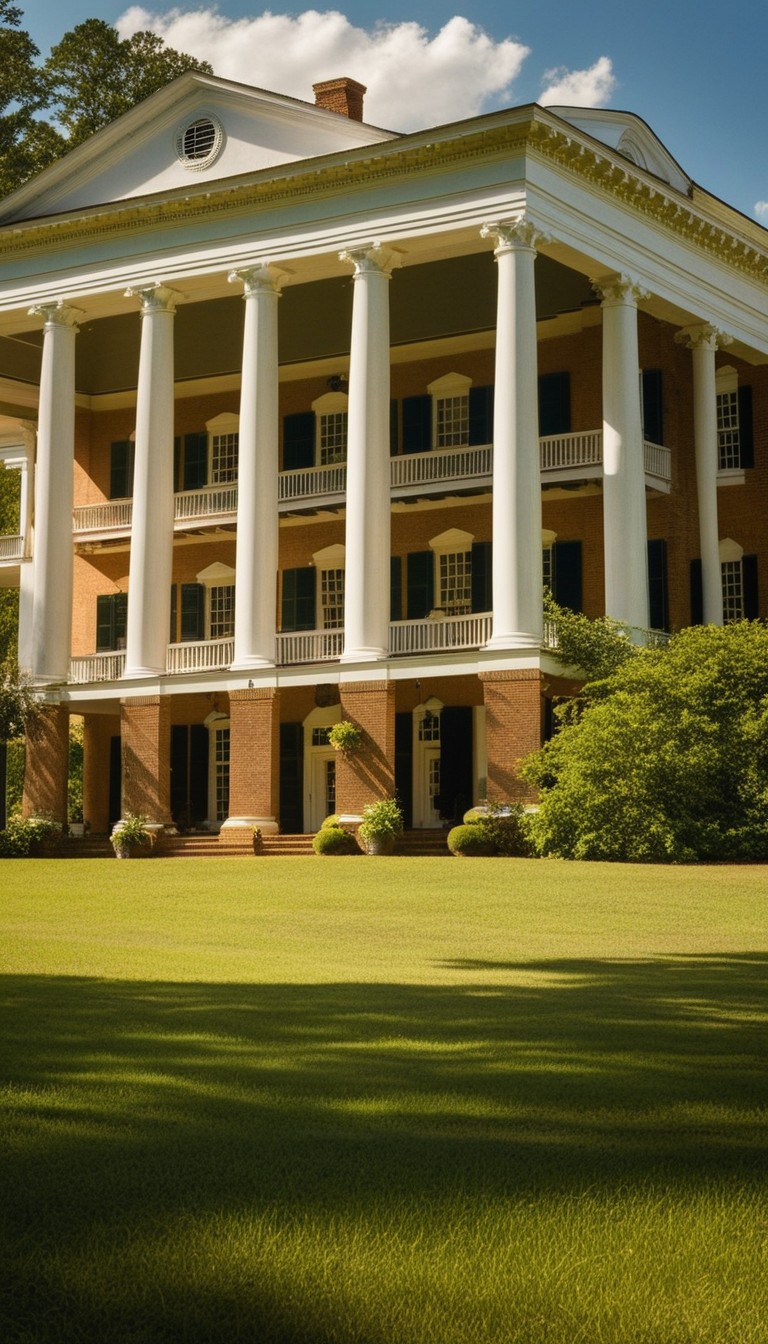
1743-1770s
Shadwell, Virginia
The Virginia Polymath
Born in 1743 to a wealthy Virginia family, Jefferson was a man of astonishing breadth. He spoke six languages, played violin, designed buildings, studied science, and collected one of the largest personal libraries in America. His curiosity knew no bounds, and his intellect would shape a nation.
June 1776
Philadelphia
The Declaration of Independence
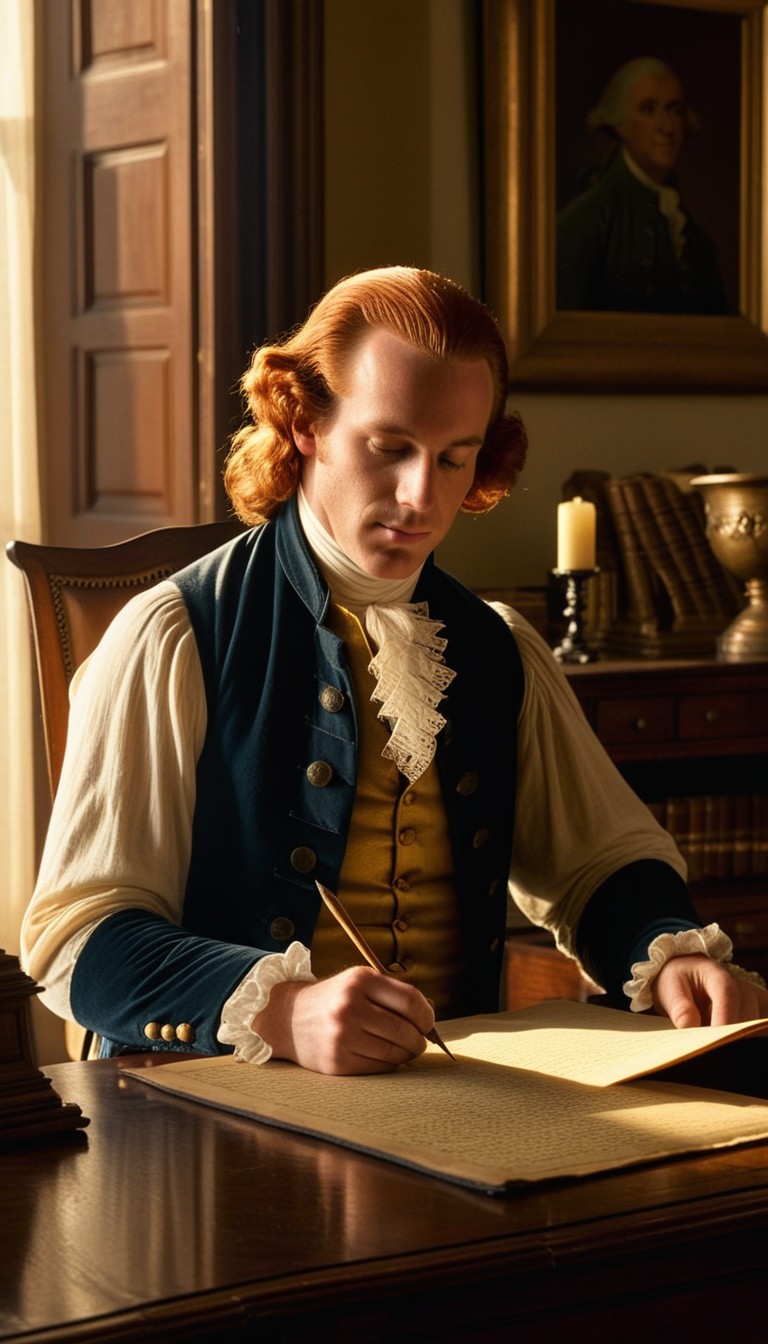
In June 1776, the 33-year-old Jefferson was chosen to draft the Declaration of Independence. Working in a rented Philadelphia room, he penned the immortal words: "We hold these truths to be self-evident, that all men are created equal." In one document, he gave a revolution its philosophy.
1785-1789
Paris, France
Ambassador to France
From 1785 to 1789, Jefferson served as Minister to France. He witnessed the early days of the French Revolution, befriended intellectuals, and deepened his belief in individual liberty. When asked if he replaced Benjamin Franklin, Jefferson replied: "No one can replace him. I am only his successor."
1790-1793
Philadelphia
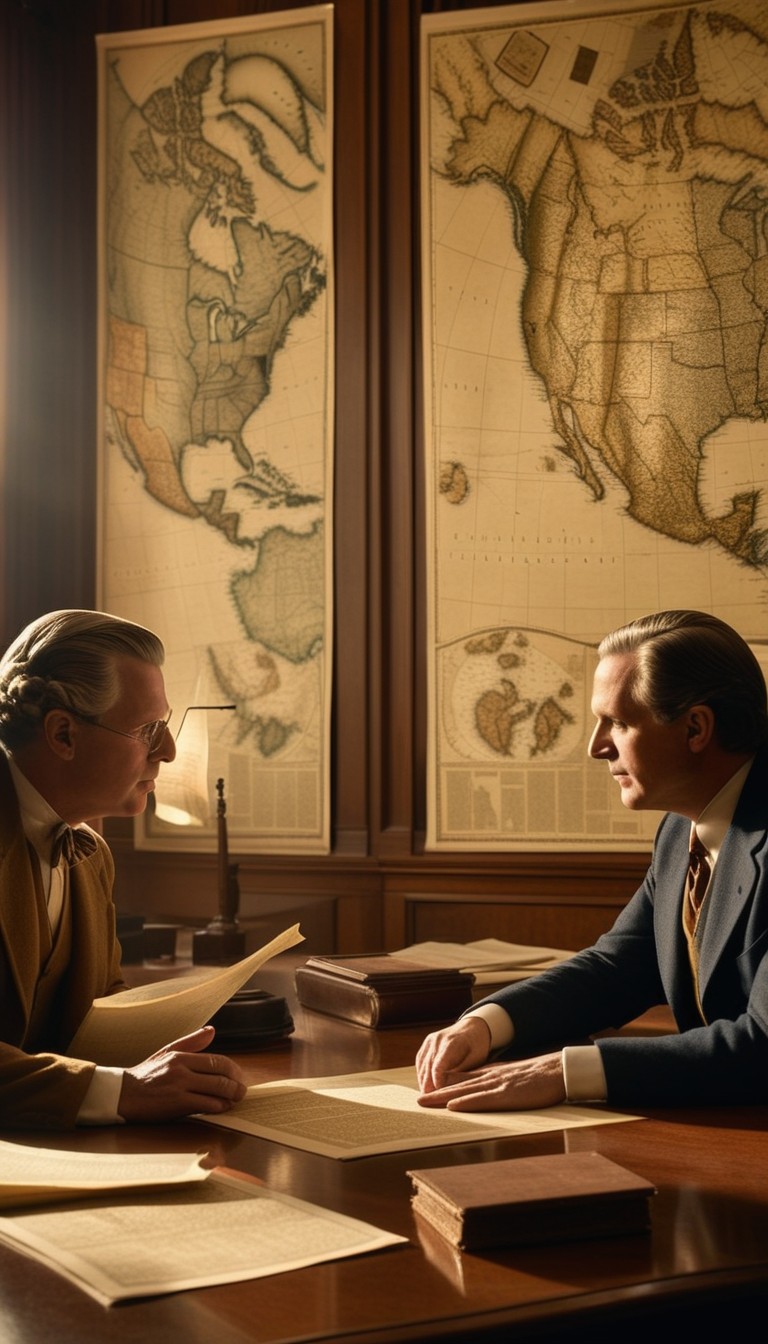
Jefferson vs. Hamilton
As Washington's Secretary of State, Jefferson clashed bitterly with Treasury Secretary Alexander Hamilton. Jefferson championed farmers and limited government; Hamilton wanted banks and centralized power. Their rivalry birthed America's two-party system—a legacy that endures today.
1801
Washington, D.C.
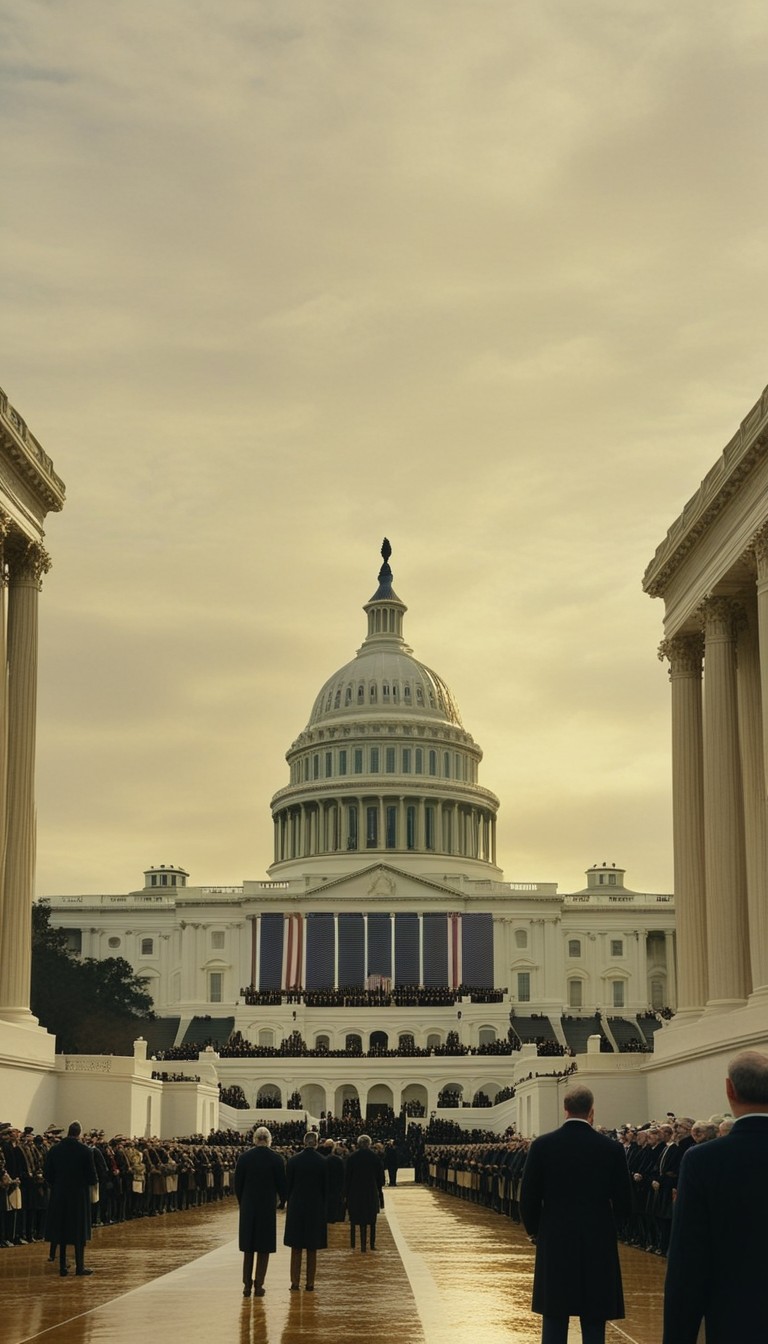
The Revolution of 1800
Jefferson's election in 1800 was the first peaceful transfer of power between opposing parties in modern history. He called it "the revolution of 1800." His inaugural address struck a unifying tone: "We are all Republicans, we are all Federalists." Democracy had survived its first real test.
1803
Louisiana Territory
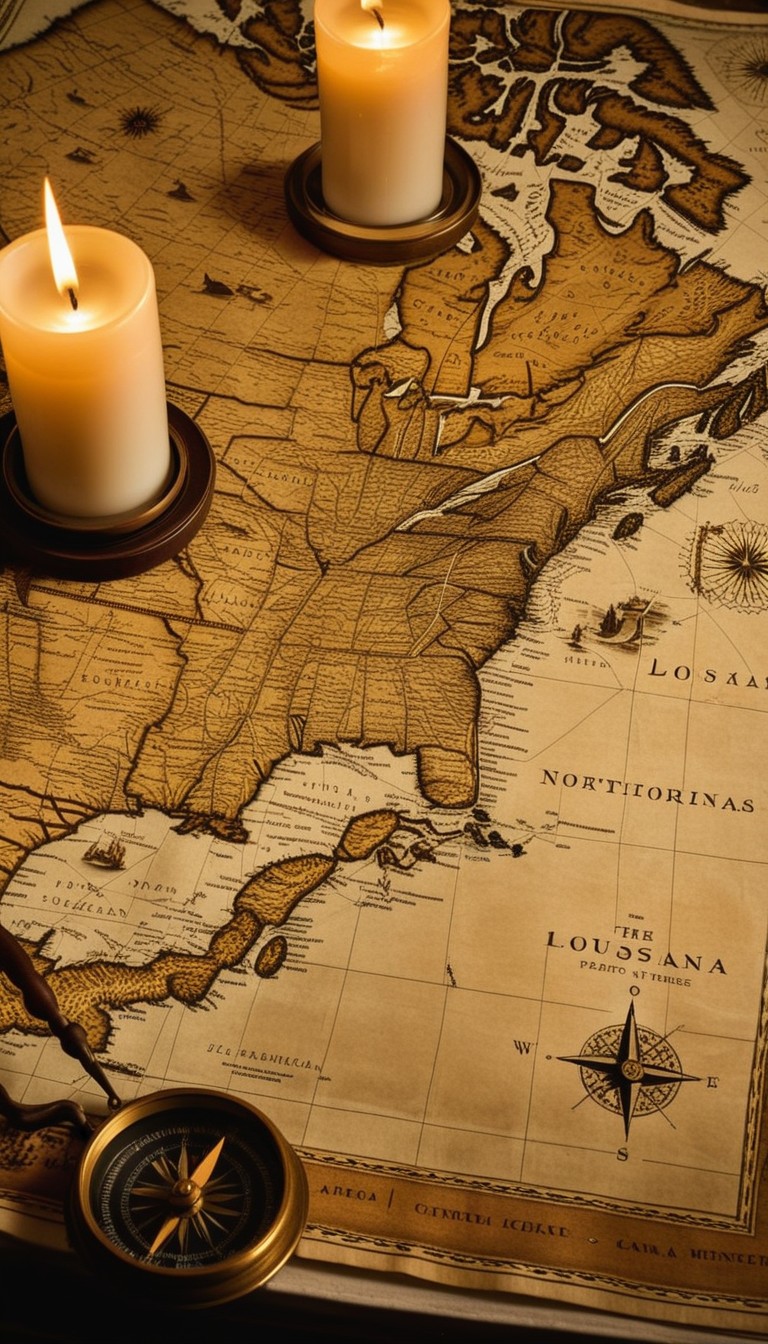
The Louisiana Purchase
In 1803, Jefferson doubled the size of the United States with a single stroke. For just $15 million—about 4 cents per acre—he purchased 828,000 square miles from Napoleon. It was the greatest real estate deal in history, stretching from the Mississippi to the Rockies.

1804-1806
Western United States
Lewis & Clark Expedition
Jefferson sent Meriwether Lewis and William Clark to explore the vast new territory. Their two-year journey to the Pacific Ocean mapped unknown lands, encountered dozens of Native peoples, and opened the West. Jefferson's vision of a continental nation was becoming reality.
1809-1826
Charlottesville, Virginia
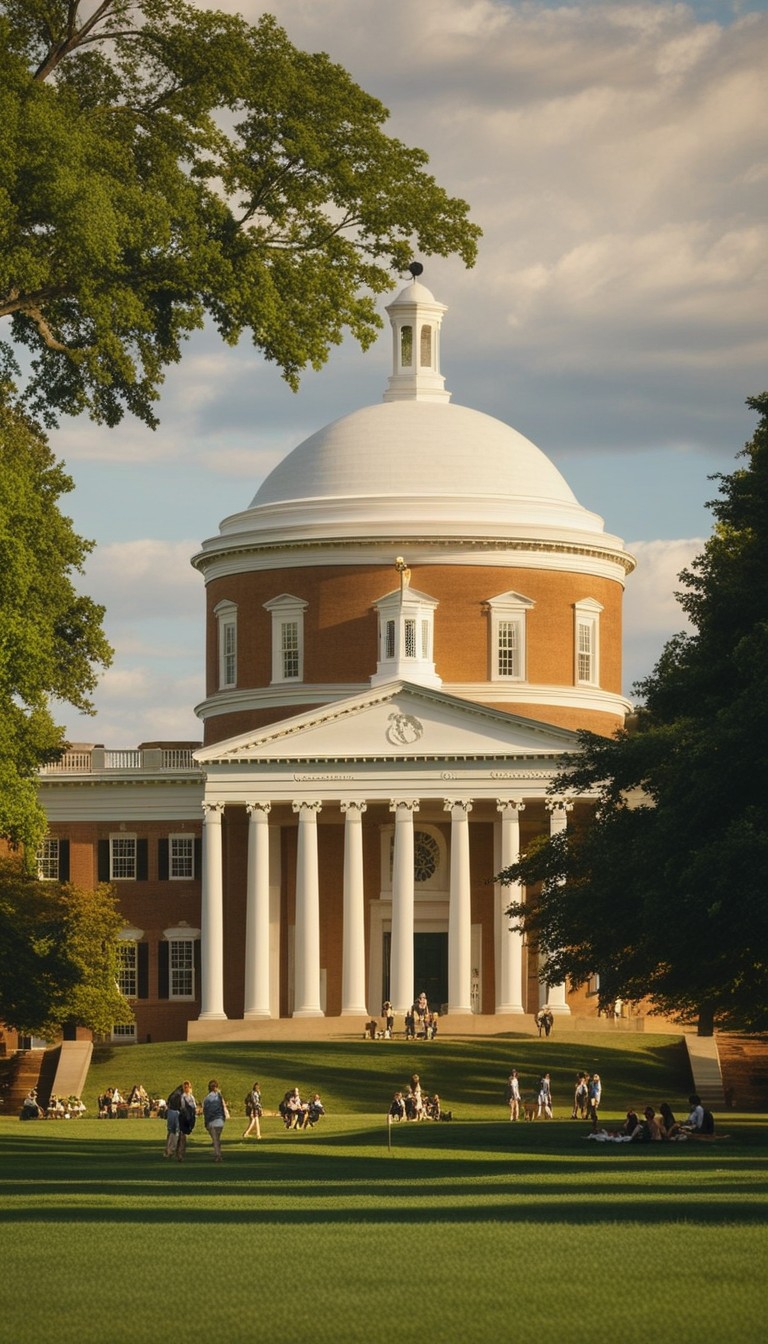
The Sage of Monticello
In retirement, Jefferson founded the University of Virginia—designing its campus, curriculum, and library. He chose his own epitaph: author of the Declaration, the Virginia Statute for Religious Freedom, and father of UVA. He listed no political office. Ideas mattered more to him than power.

The Apostle of Liberty
Jefferson died on July 4, 1826—exactly 50 years after the Declaration of Independence was adopted. His legacy is America's promise itself: that liberty, learning, and self-governance can light the way forward. His contradictions remind us that ideals must be fought for in every generation.
Recommended Reading
As an Amazon Associate, we earn from qualifying purchases.
Swipe to navigate