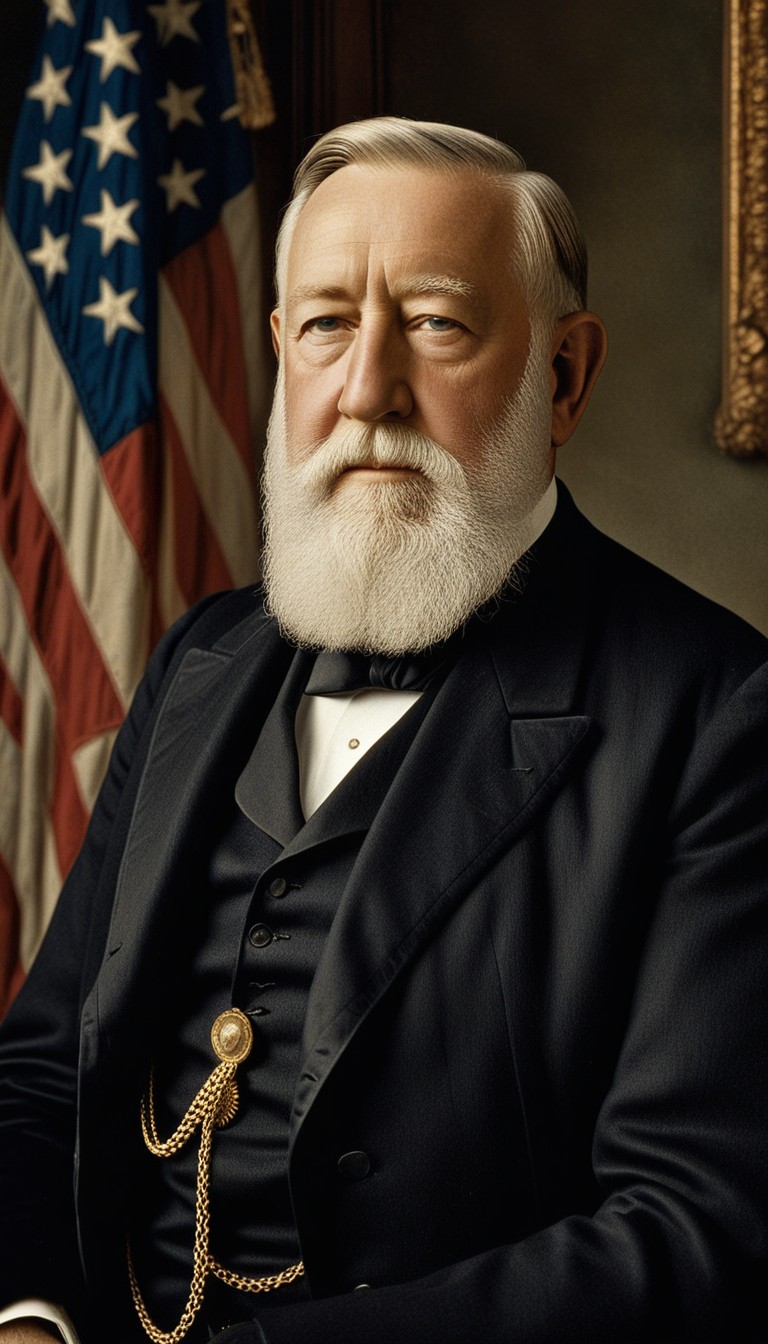
Benjamin Harrison (#23): The Human Iceberg
Loading story...
1833-1860
Ohio & Indianapolis
Born to a Presidential Dynasty
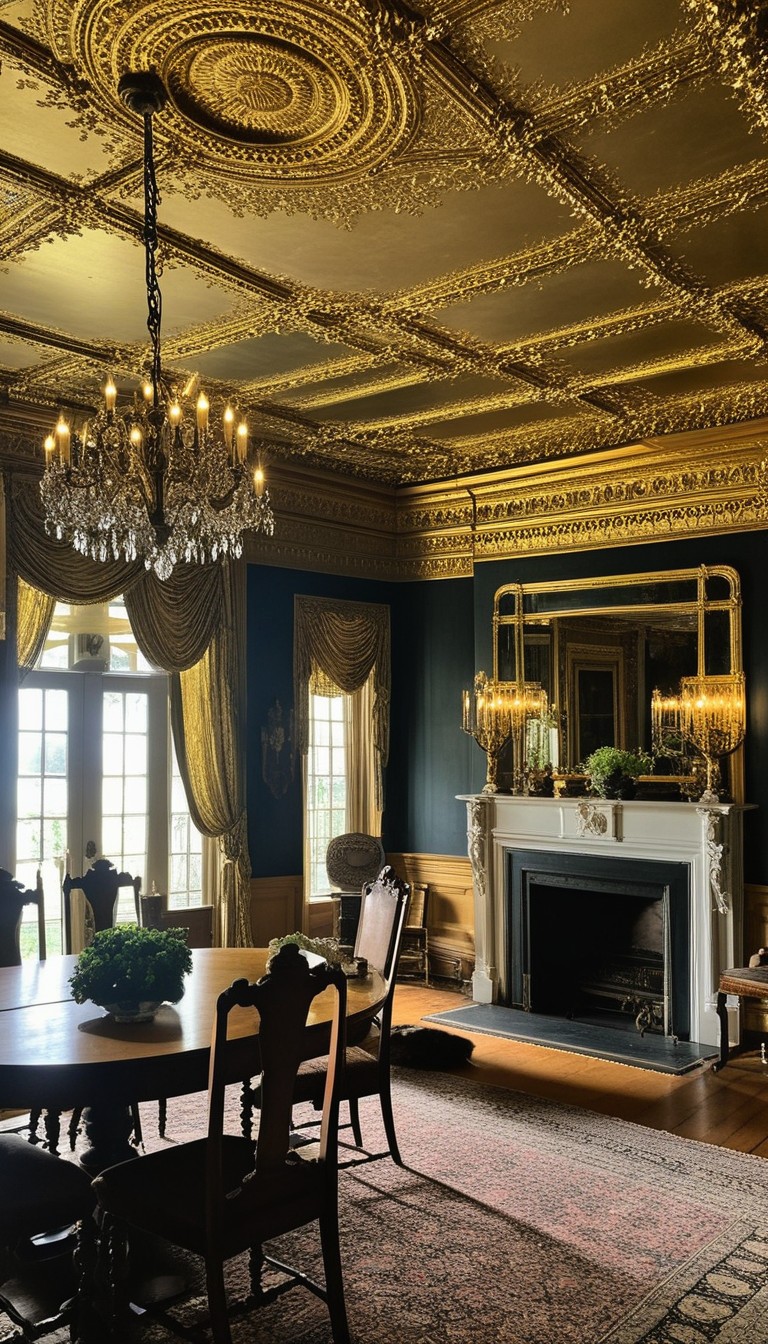
Born on August 20, 1833, at North Bend, Ohio, Benjamin Harrison grew up on the six-hundred-acre farm of his grandfather, President William Henry Harrison. His great-grandfather signed the Declaration of Independence. Despite this pedigree, young Benjamin was reserved and bookish. He attended Miami University in Ohio, studied law, and moved to Indianapolis, where he built a formidable legal career.
1862-1865
Georgia & Tennessee
Colonel Harrison Goes to War
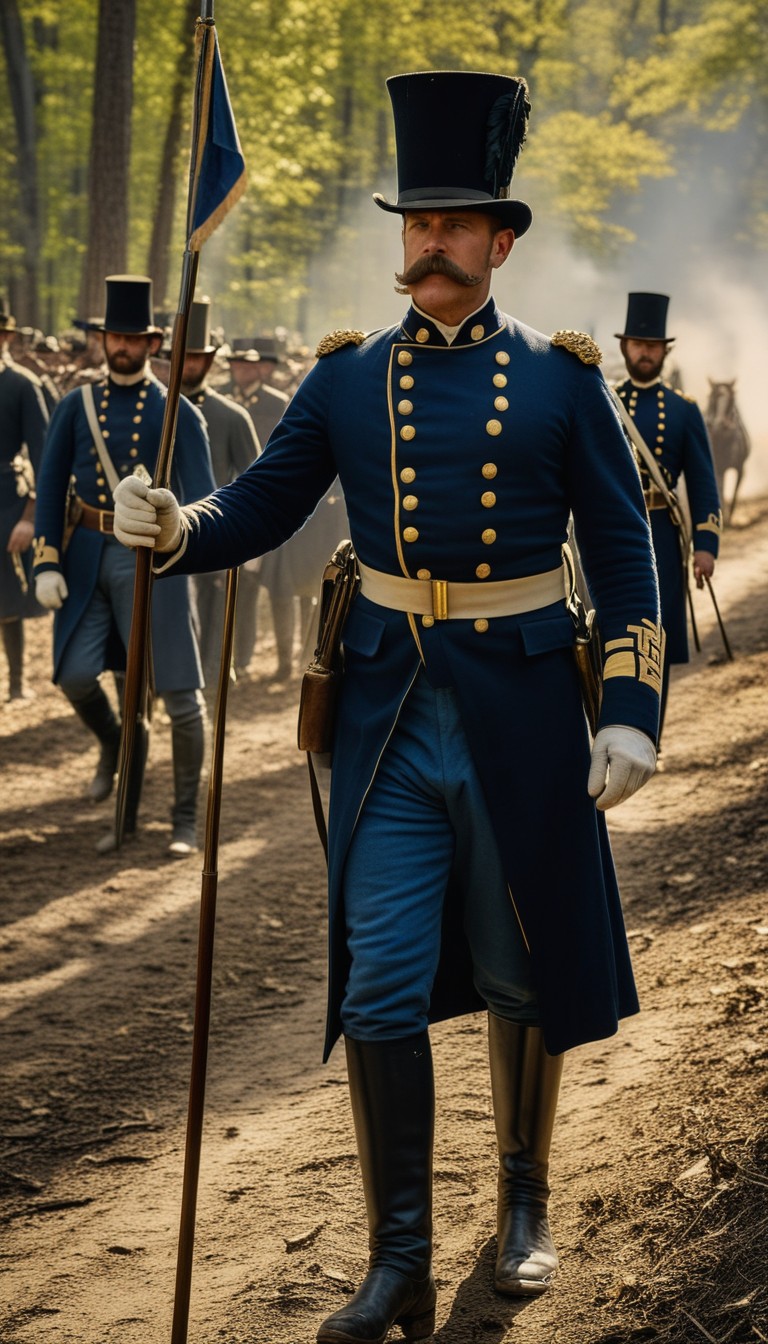
Harrison raised the 70th Indiana Infantry Regiment and led them through some of the Civil War's fiercest fighting. He served under Sherman in the Atlanta Campaign, fighting at Resaca, Peachtree Creek, and Nashville. He was breveted brigadier general for his battlefield leadership. Soldiers respected his courage but found him distant and cold, a pattern that would define his political career.
1865-1888
Indianapolis & Washington, D.C.
Indiana's Finest Lawyer
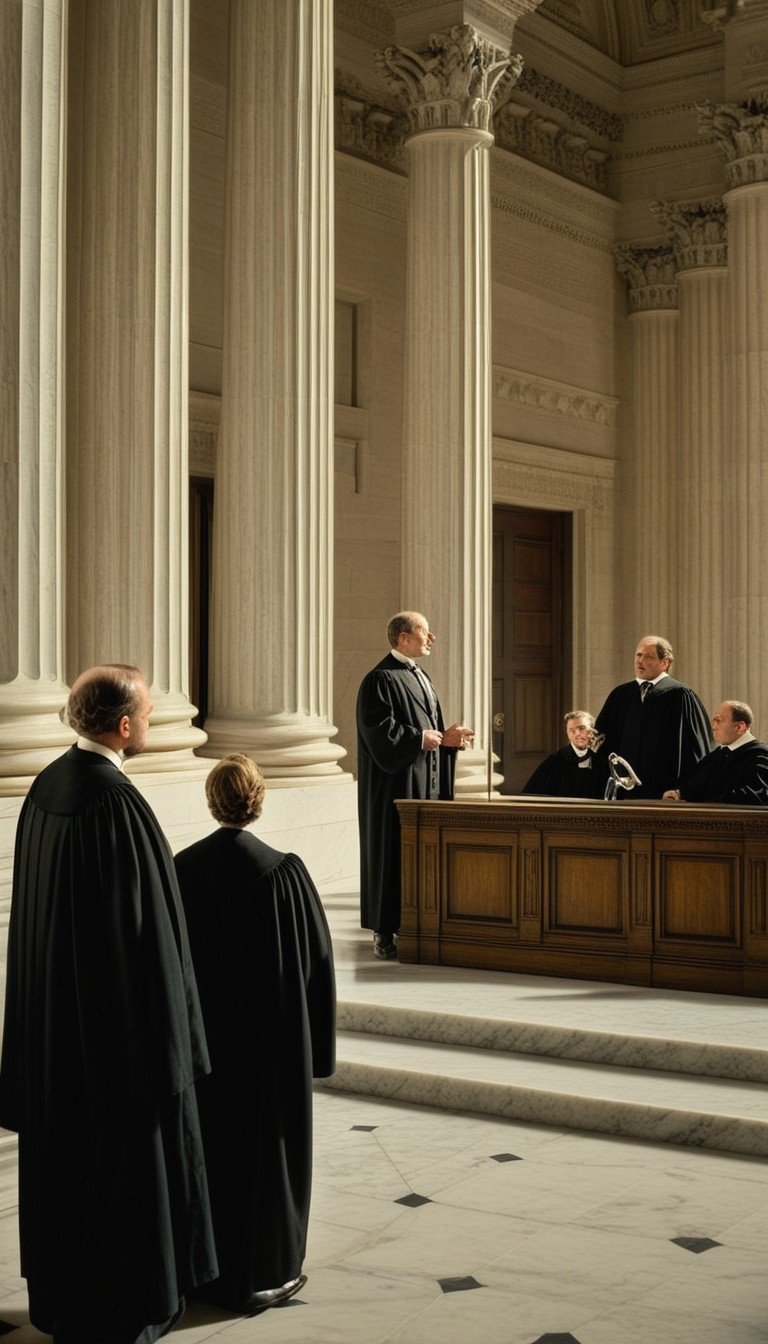
After the war, Harrison became one of the most respected lawyers in America, arguing cases before the U.S. Supreme Court. He served one term as a U.S. senator from Indiana, where he championed veterans' pensions and civil rights for Black Americans. His legal mind was razor-sharp, but his personality was so cold that colleagues called him "the Human Iceberg." One senator said Harrison could make a speech to ten thousand people and leave each one his personal enemy.
1888
Indianapolis, Indiana
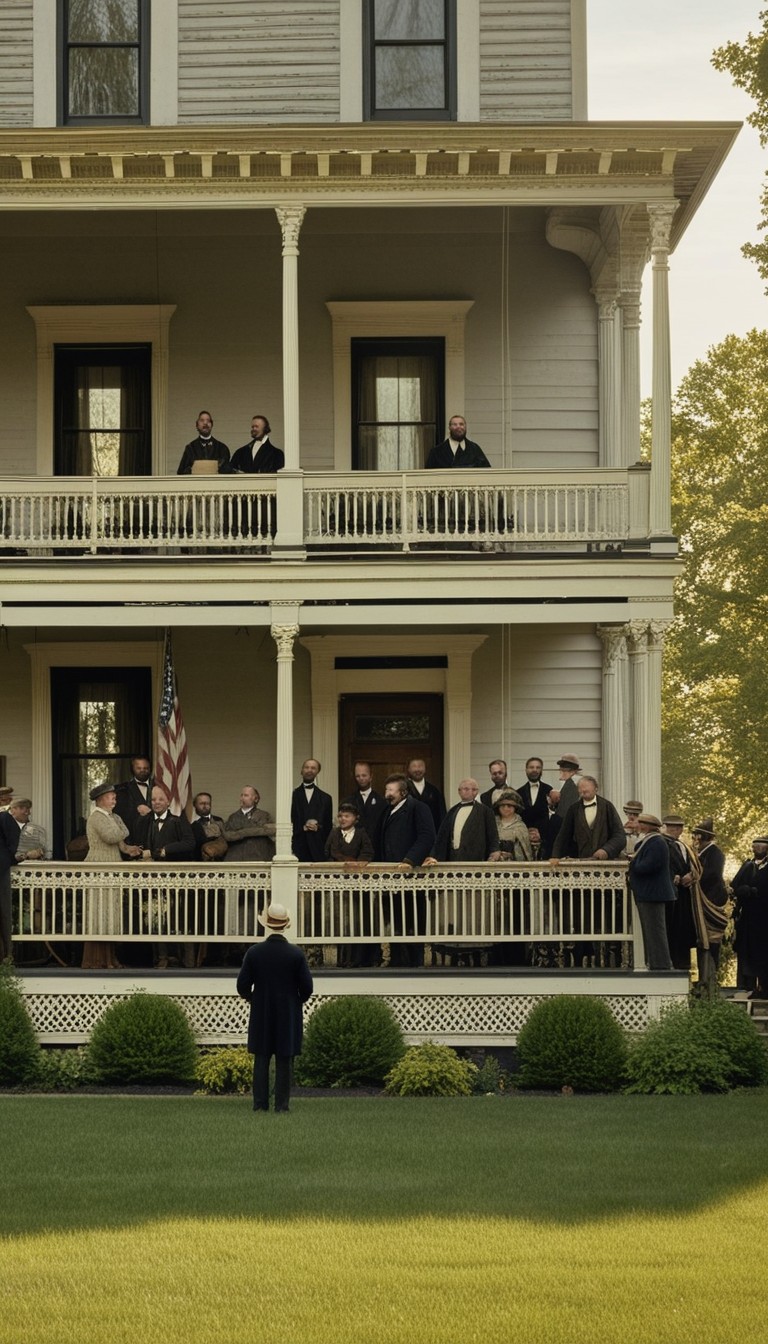
The Front Porch Campaign
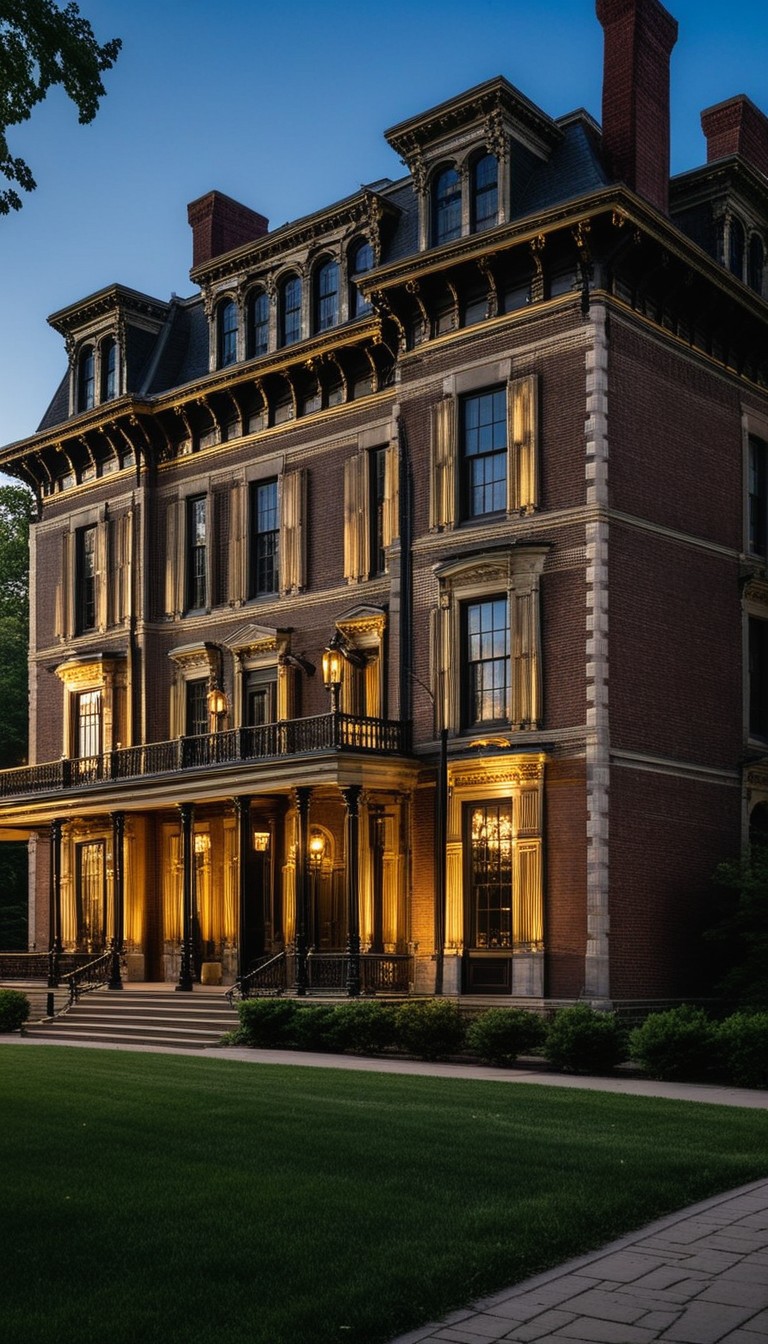
In 1888, Harrison ran against the incumbent Grover Cleveland. He conducted a "front porch campaign" from his Indianapolis home, delivering over eighty speeches to visiting delegations. Though Cleveland won the popular vote by nearly one hundred thousand votes, Harrison carried the Electoral College 233 to 168 by winning key swing states. He entered the White House without a popular mandate.
1889-1890
Washington, D.C.
Six New Stars on the Flag
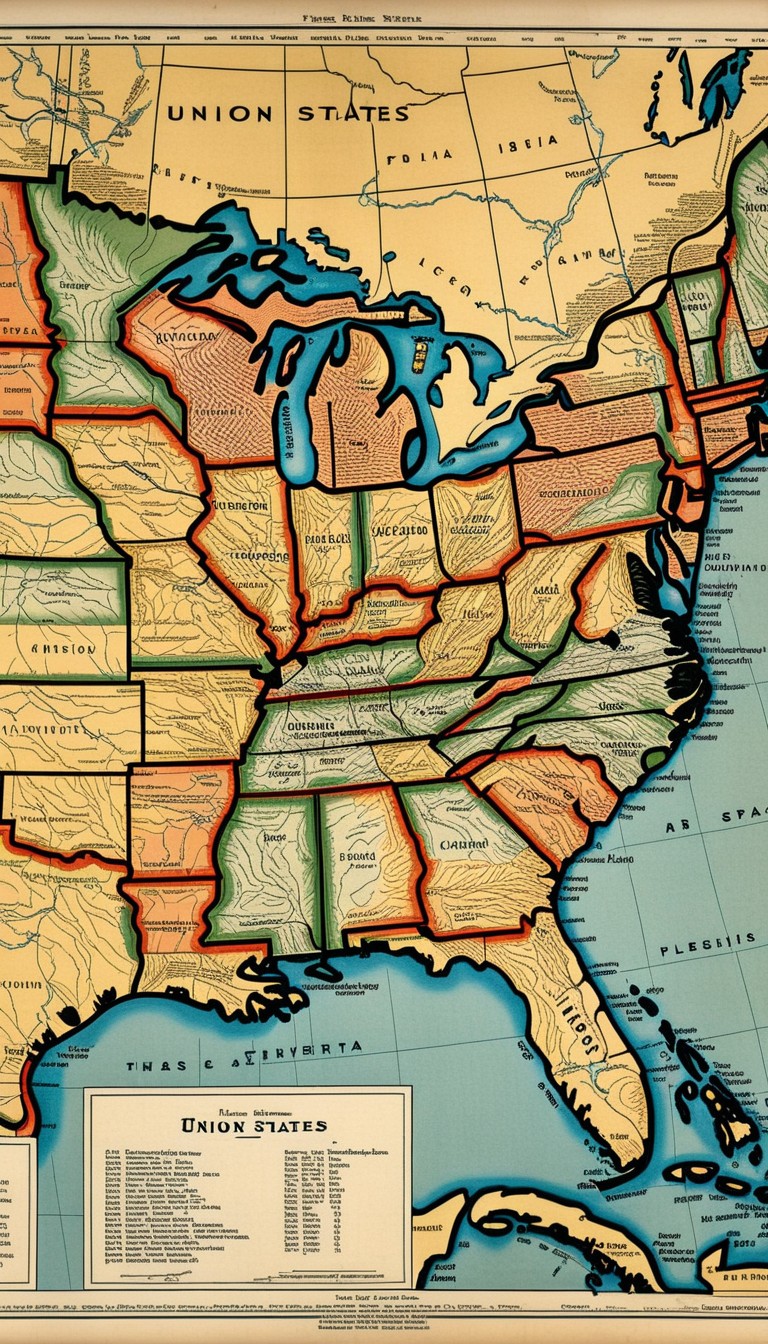
Harrison's presidency saw more states admitted to the Union than any since the original thirteen. In 1889 alone, North Dakota, South Dakota, Montana, and Washington achieved statehood. Idaho and Wyoming followed in 1890. Harrison signed the bills with deliberate ceremony, adding six stars to the American flag. It was the greatest territorial expansion since the Louisiana Purchase era.

1890
Washington, D.C.
Trust-Busting Begins
Harrison signed the Sherman Antitrust Act of 1890, the first federal law to combat monopolies and corporate trusts that were strangling competition. Though the law was weakly enforced initially, it provided the legal framework that Theodore Roosevelt would later use to break up the great trusts. Harrison also signed the McKinley Tariff, which raised import duties to protect American industries but angered consumers with higher prices.
1891
Washington, D.C.
Electricity Comes to the White House
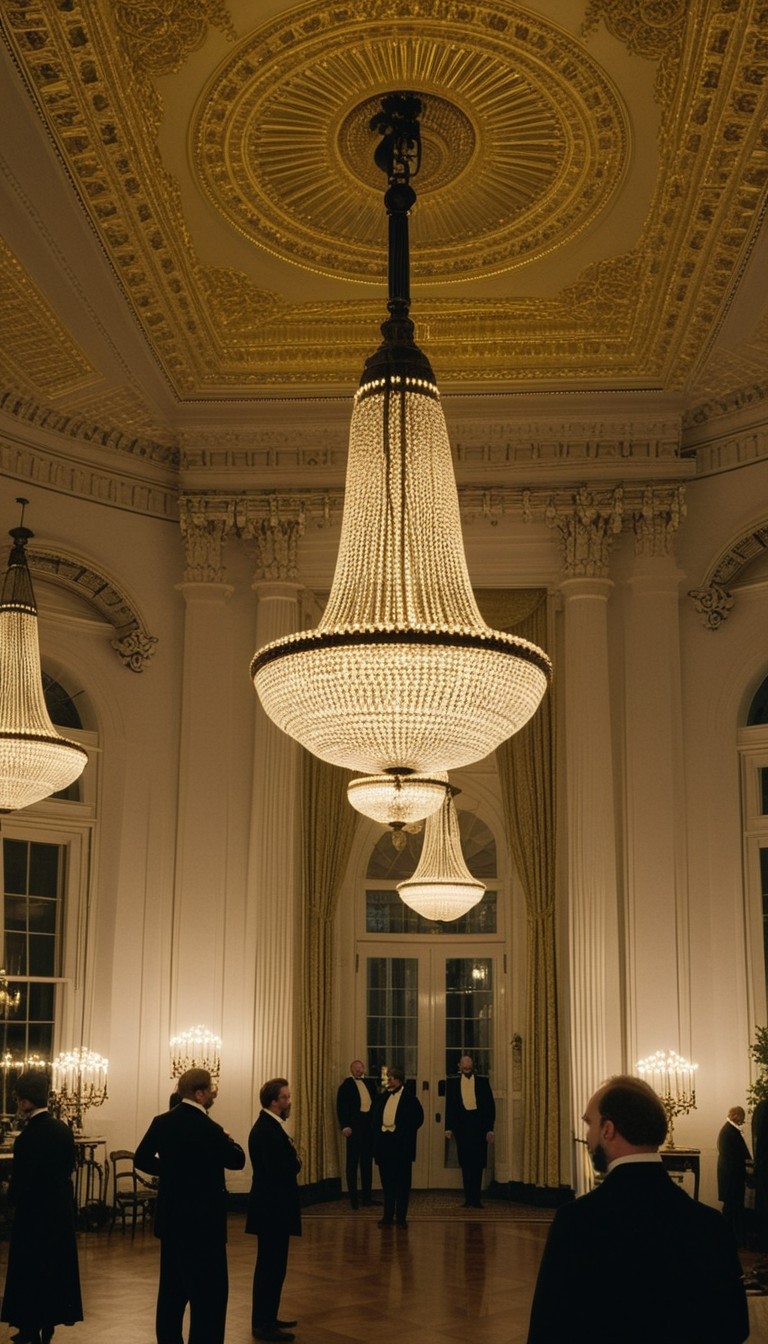
Harrison oversaw the installation of electric lighting in the White House, though the First Family was reportedly so afraid of being electrocuted that they often refused to touch the switches and left the lights burning all night. His was the first billion-dollar peacetime federal budget, prompting criticism of the "Billion Dollar Congress." Harrison defended the spending as investments in the nation's infrastructure and military.
1892-1901
Indianapolis, Indiana
Tragedy and Defeat
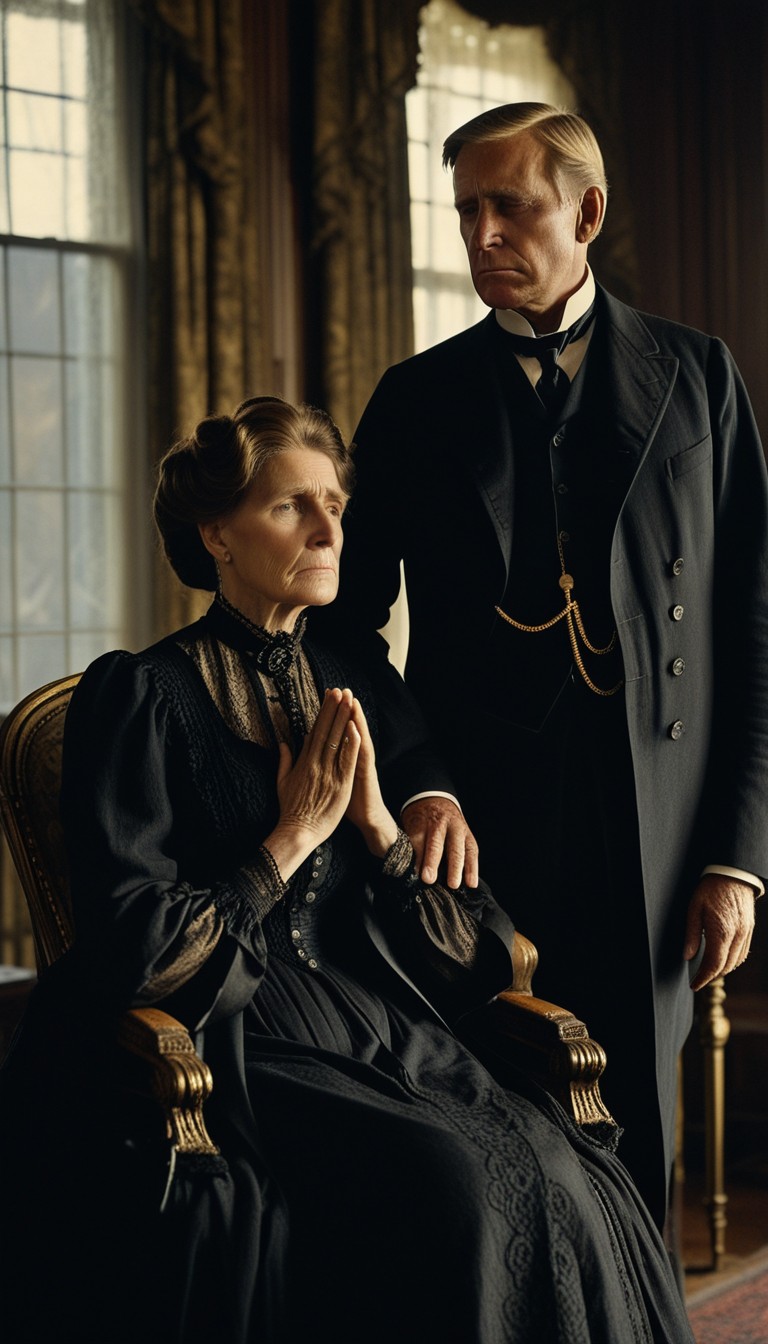
The 1892 campaign was marked by personal tragedy. Harrison's wife Caroline was dying of tuberculosis, and he largely abandoned campaigning to be at her bedside. She died two weeks before the election. Grover Cleveland, to his credit, also refused to campaign out of respect. Harrison lost the rematch decisively. He returned to Indianapolis, later married his late wife's niece, and resumed his law practice until his death in 1901.
Cold Exterior, Lasting Legacy
Benjamin Harrison may have lacked personal warmth, but his presidency was among the most consequential of the Gilded Age. The Sherman Antitrust Act, six new states, a modernized Navy, and the beginning of America's emergence as an industrial world power all trace to his single term. He proved that effectiveness in office does not require charm, and that quiet competence can leave an enduring mark on the nation.
Recommended Reading
As an Amazon Associate, we earn from qualifying purchases.
Swipe to navigate