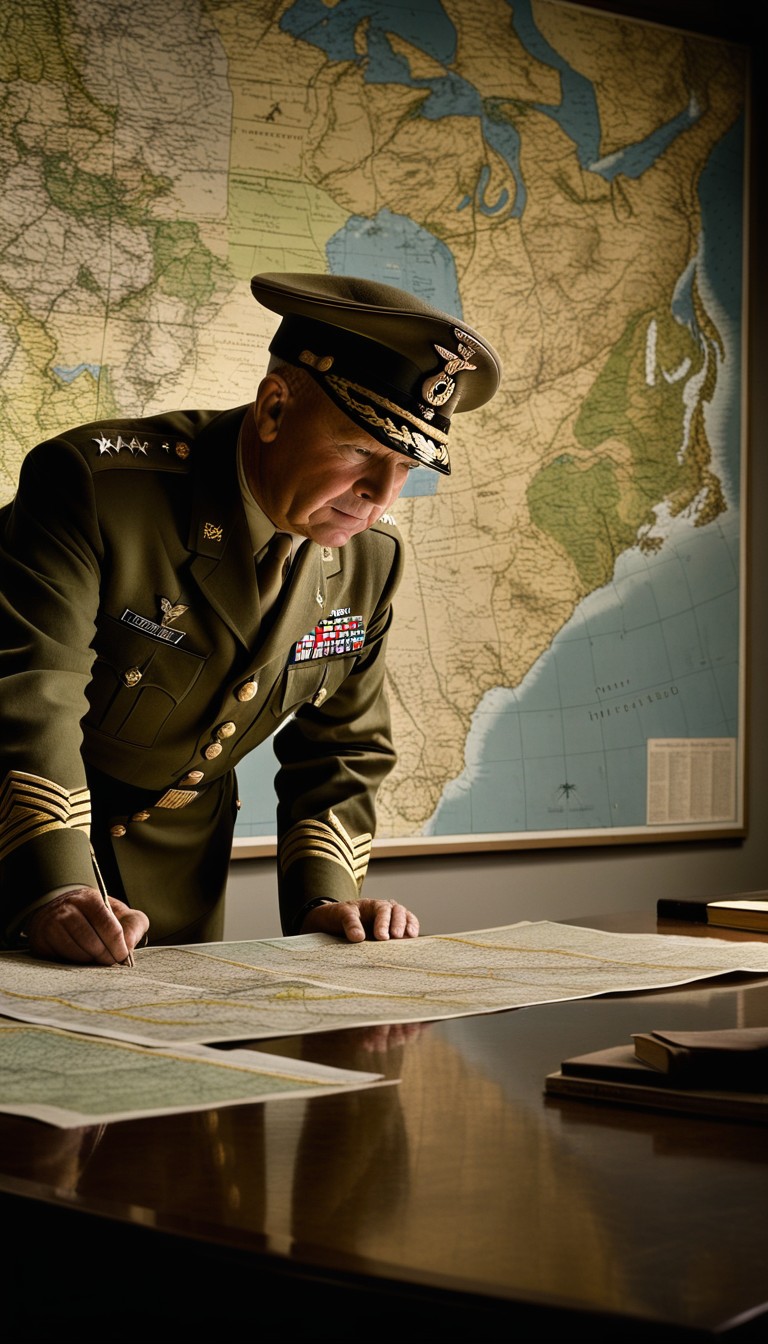
Dwight D. Eisenhower (#34): Supreme Commander
Loading story...
1890-1915
Abilene, Kansas
Kansas Farm Boy
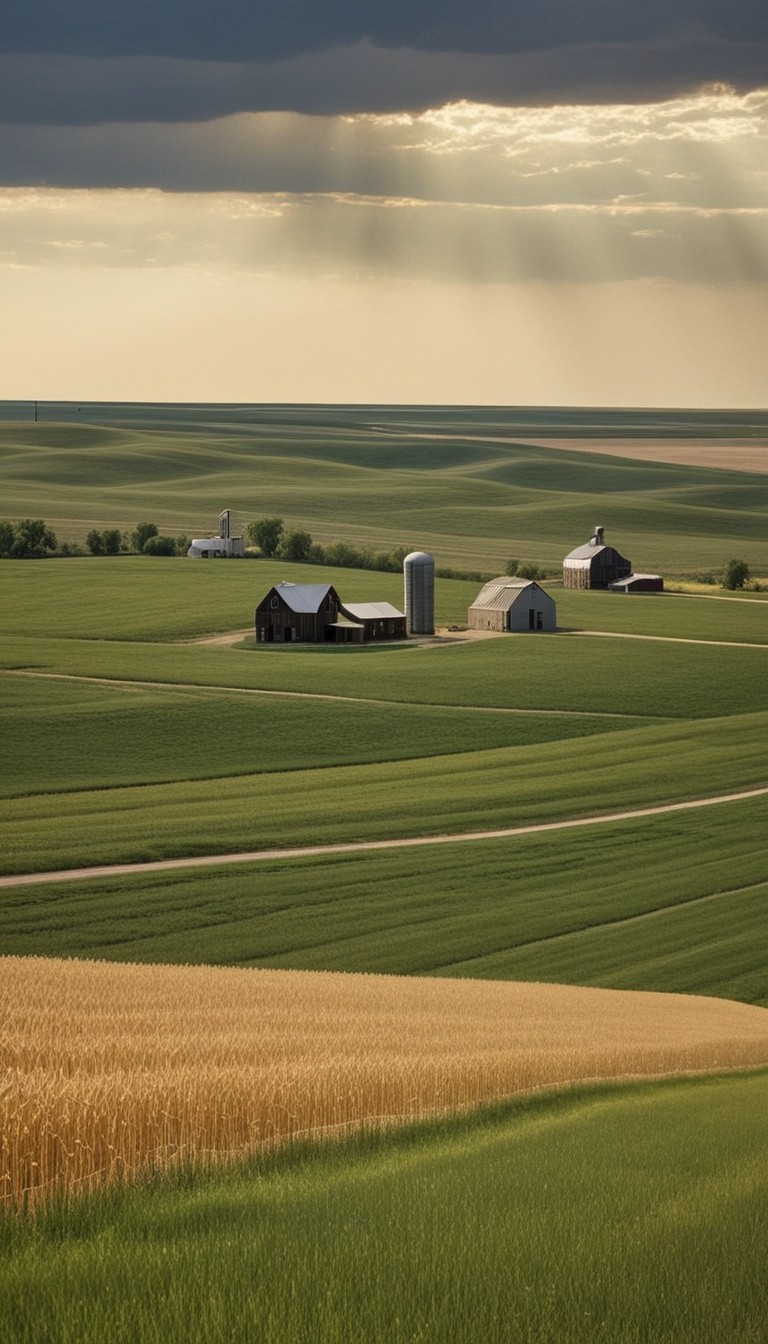
Born in 1890 in Denison, Texas and raised in Abilene, Kansas, Dwight David Eisenhower grew up in a humble, hardworking family. He excelled at sports and earned a free education at West Point. His mother was a pacifist—yet her son would become history's most consequential military commander.
1915-1942
United States
The Rise of a Strategist
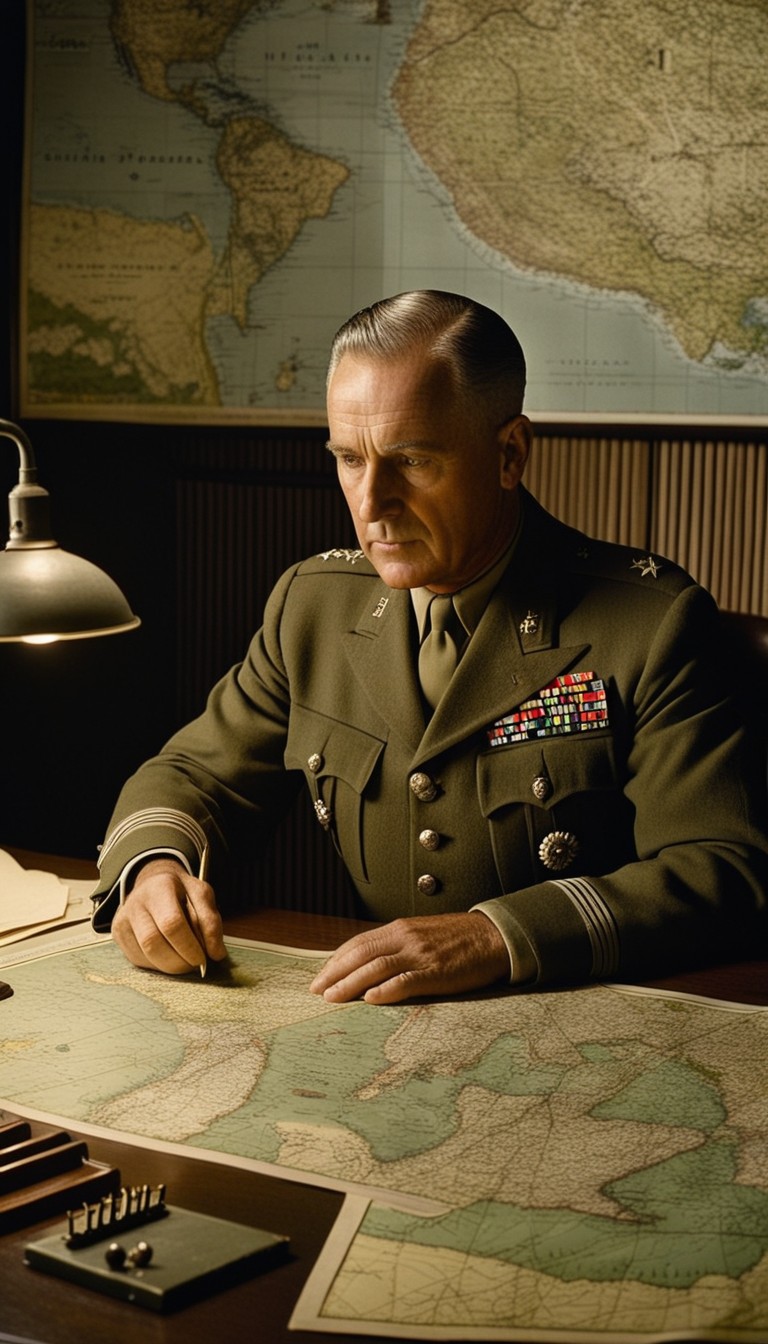
Eisenhower never saw combat in World War I, but he caught the eye of senior officers with his strategic brilliance. He graduated first in his class at the Command and General Staff School. When WWII erupted, General George Marshall tapped him for leadership—bypassing 366 more senior officers.
June 6, 1944
Normandy, France
D-Day: The Longest Day
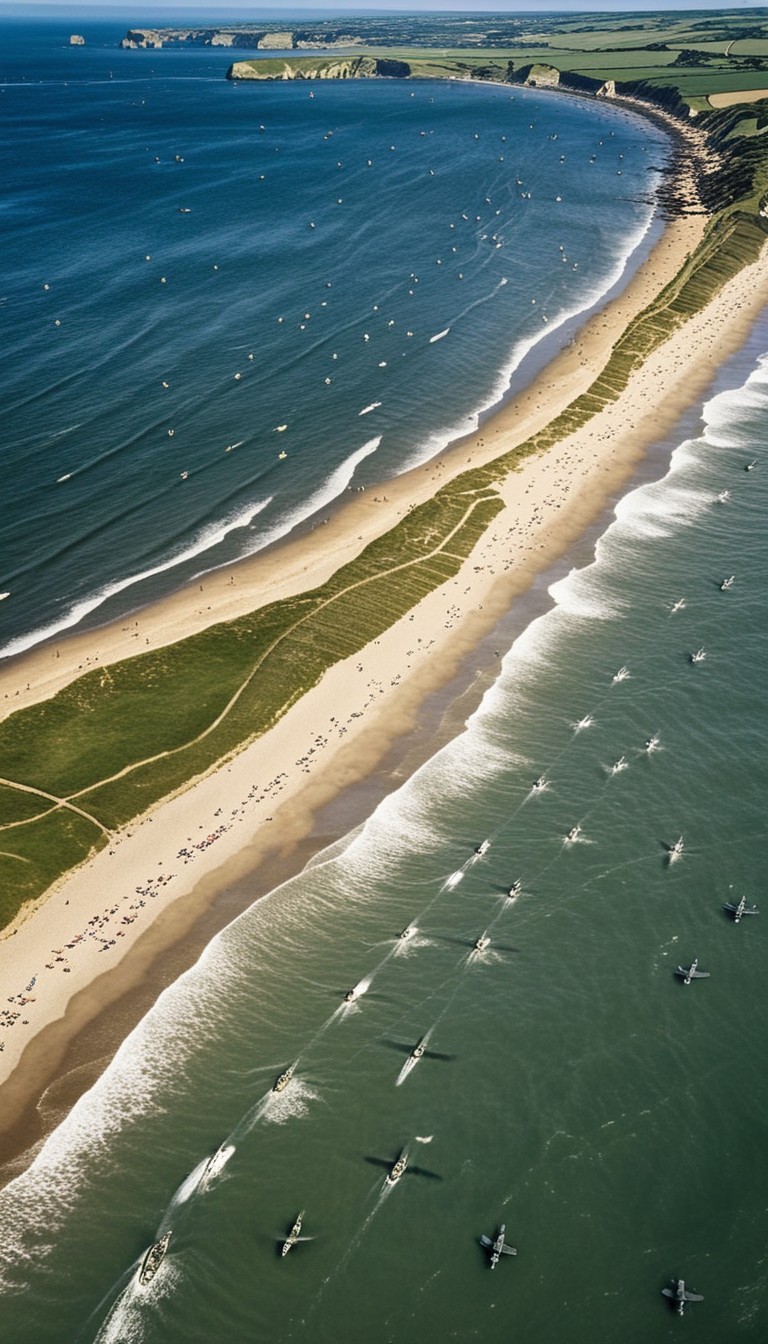
On June 6, 1944, Eisenhower launched Operation Overlord—the largest amphibious invasion in history. Over 156,000 Allied troops stormed the beaches of Normandy. Before giving the order, Ike drafted a note taking full responsibility if the invasion failed. It didn't. D-Day cracked open Fortress Europe.
1944-1945
Europe
Supreme Allied Commander
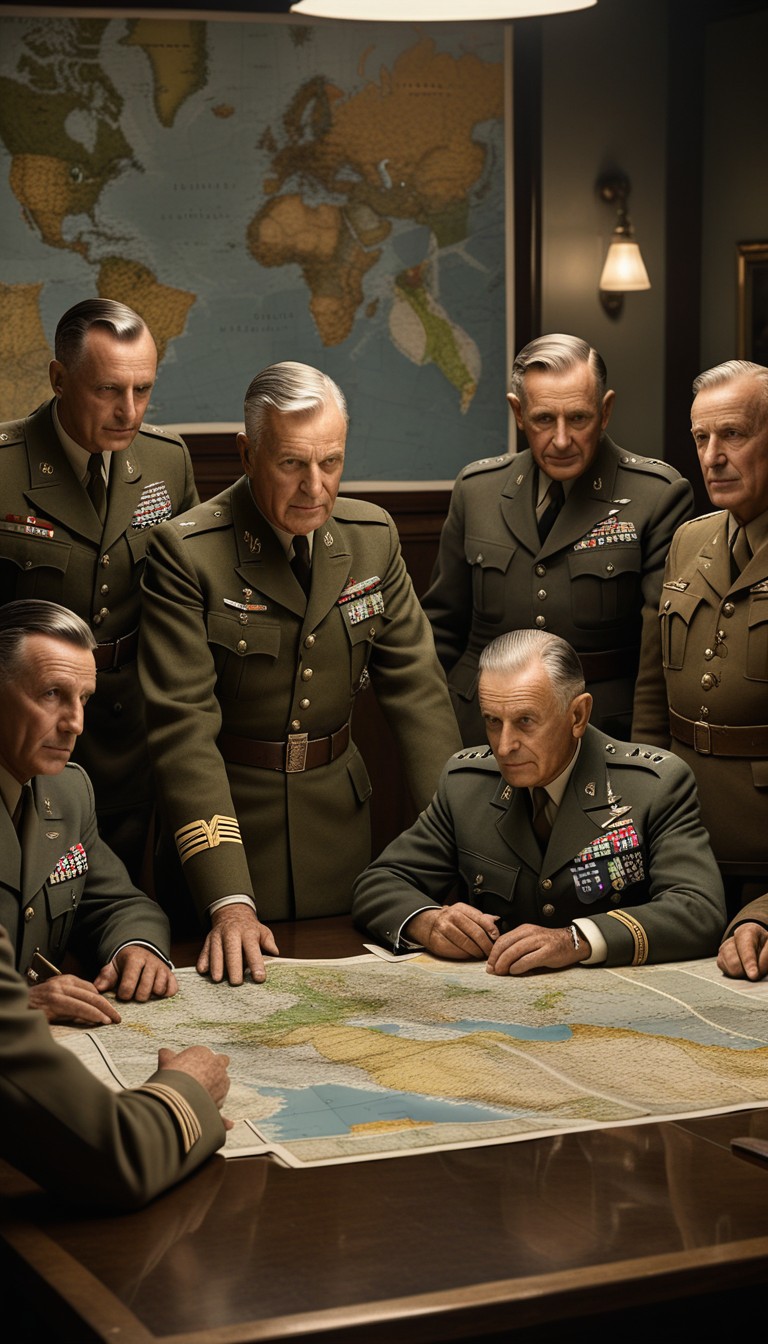
Eisenhower's genius was diplomacy as much as strategy. He managed massive egos—Patton, Montgomery, de Gaulle—and held the Allied coalition together through fierce disagreements. He directed the liberation of France, the Battle of the Bulge, and the final push into Germany. Victory in Europe came on May 8, 1945.
November 1952
United States
"I Like Ike"
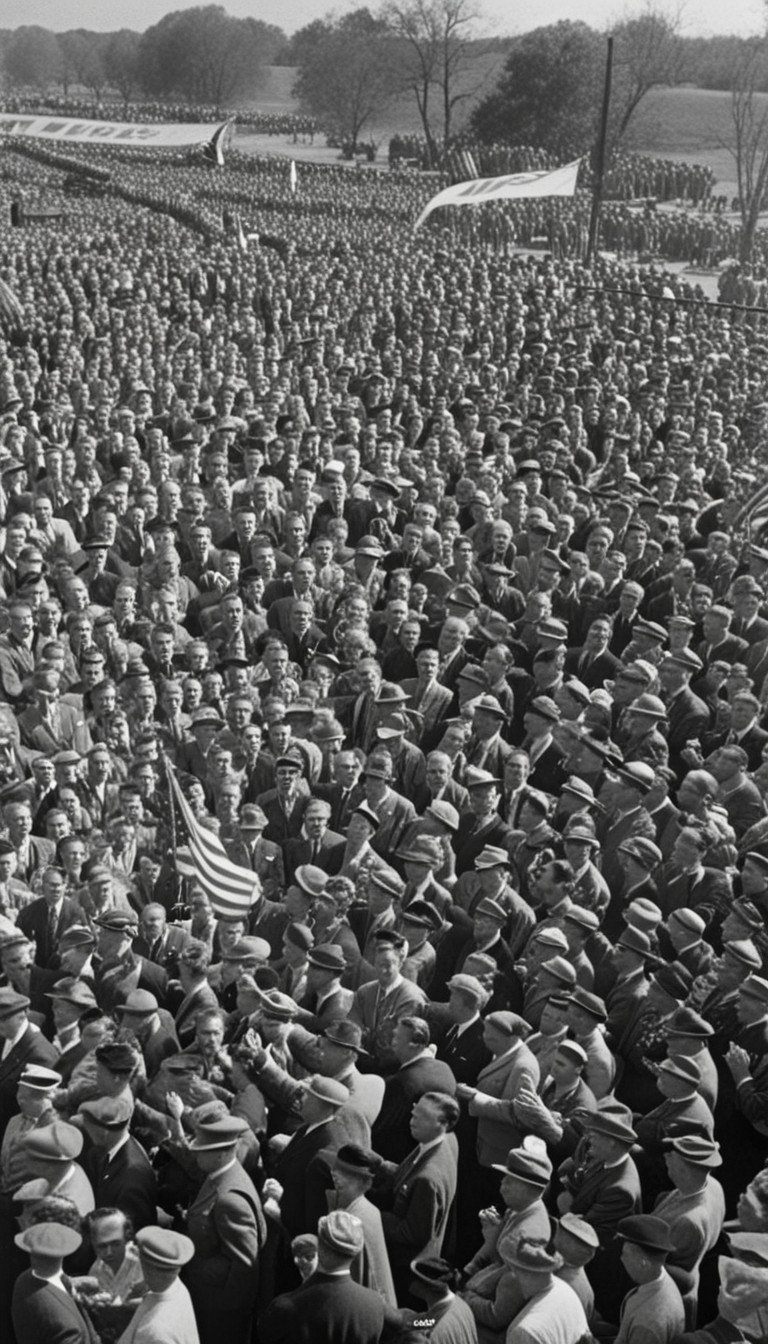
Both parties wanted Eisenhower as their candidate. He chose the Republicans and won in a landslide in 1952 with the catchy slogan "I Like Ike." America's most trusted hero became its 34th president—bringing military discipline and calm authority to the Cold War White House.
1956
United States
The Interstate Highway System
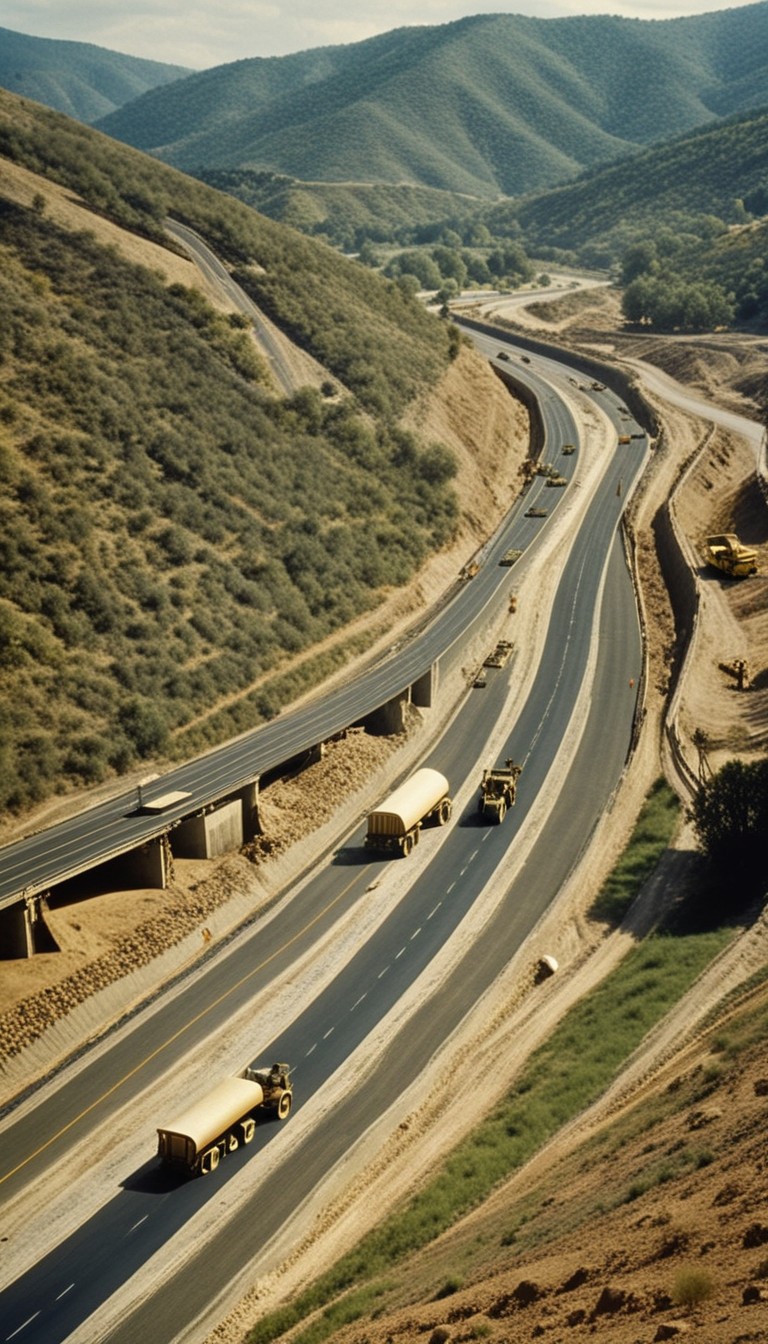
Eisenhower's greatest domestic achievement: the Federal-Aid Highway Act of 1956. Inspired by the German Autobahn he'd seen during the war, he built 41,000 miles of interstate highways. It transformed America—enabling suburbs, road trips, trucking, and the modern economy. It's the largest public works project in history.
1953-1961
Washington, D.C.
Cold War Steady Hand
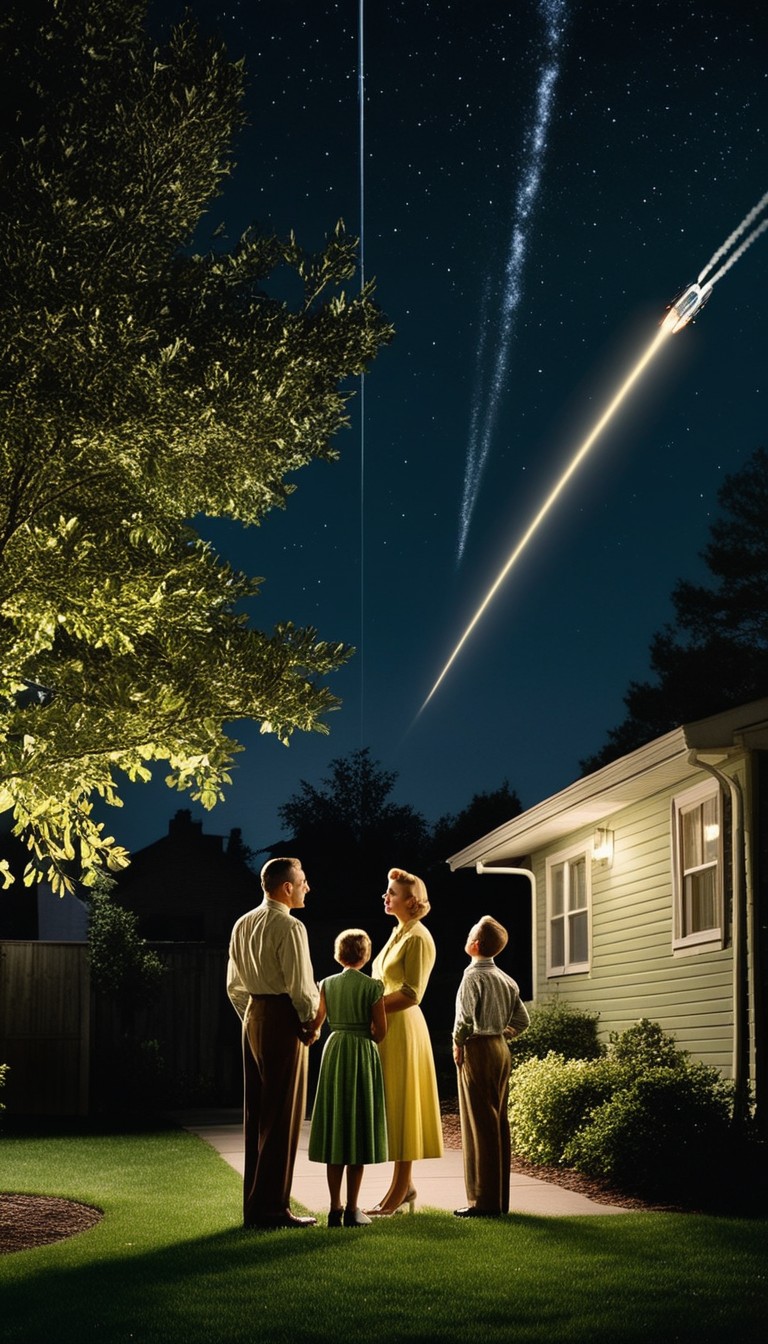
Eisenhower ended the Korean War, resisted pressure to use nuclear weapons, and kept the Cold War from turning hot. He launched NASA after Sputnik, sent troops to Little Rock to enforce school desegregation, and navigated crises from Suez to Berlin. His approach: strength paired with restraint.
January 17, 1961
Washington, D.C.
Beware the Military-Industrial Complex
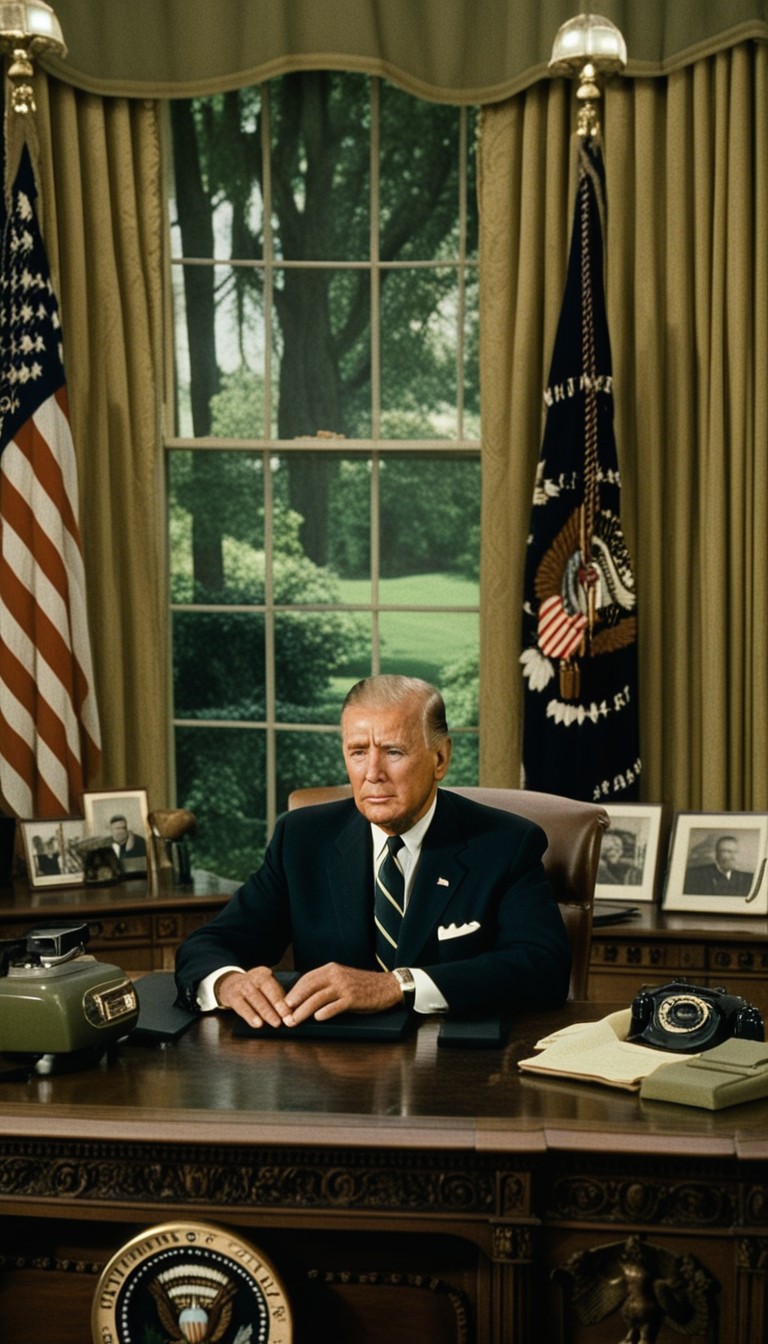
In his 1961 farewell address, the five-star general delivered a stunning warning: beware the "military-industrial complex"—the dangerous alliance of defense contractors and the military. Coming from America's most famous soldier, the warning carried extraordinary weight and remains prophetic today.
The Quiet Strength
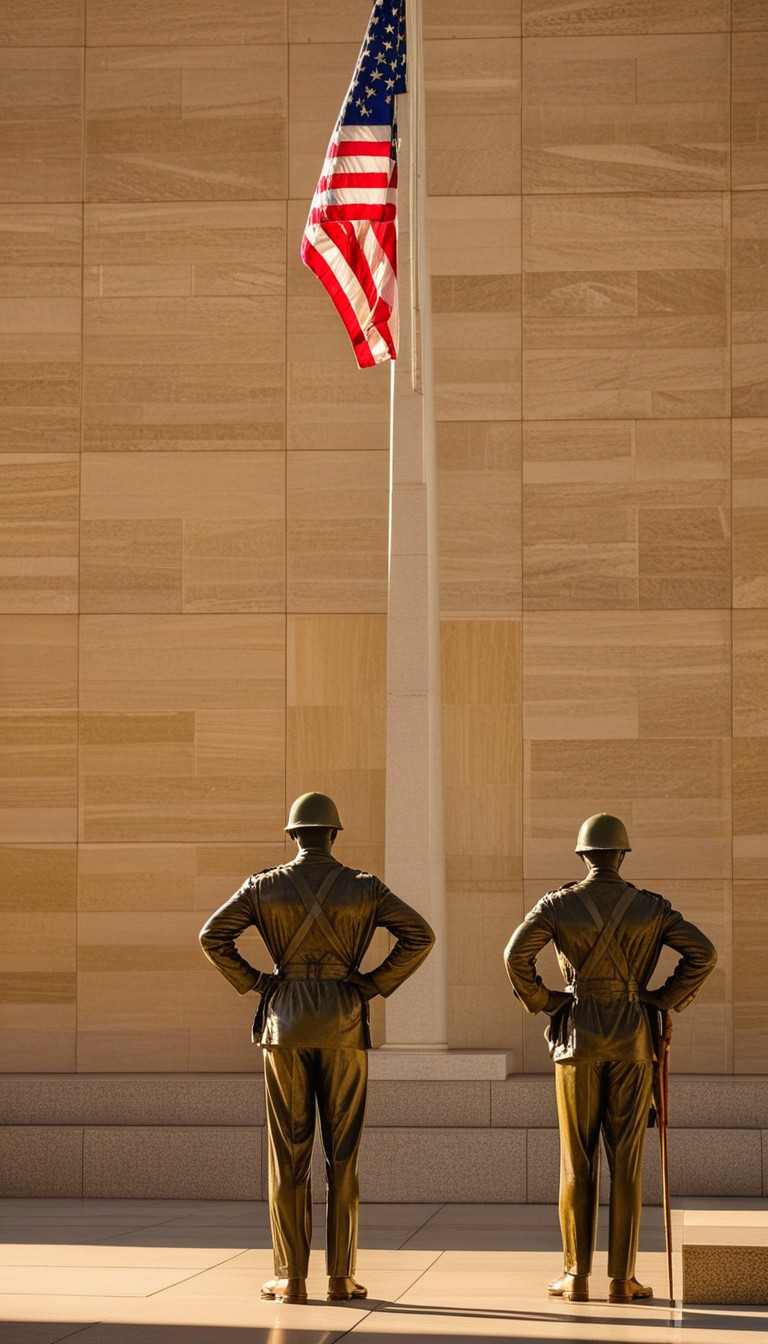
Eisenhower proved that true leadership doesn't require bluster. He won the biggest war, built the biggest highways, and kept the peace through the most dangerous period in human history. His steady hand and strategic mind remind us that the best leaders often make it look easy.
Swipe to navigate