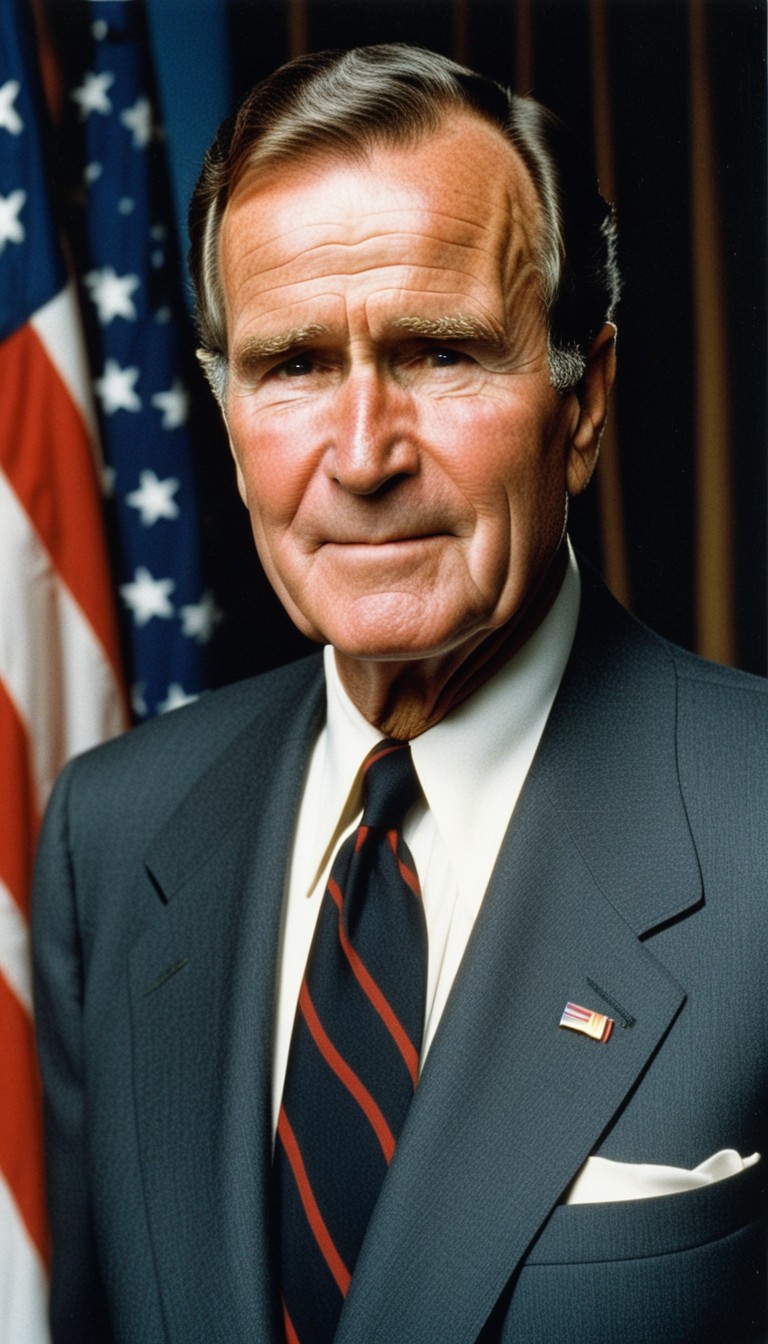
George H.W. Bush (#41): The Last Cold Warrior
Loading story...
1924-1945
Massachusetts & Pacific Theater
The Youngest Pilot in the Navy
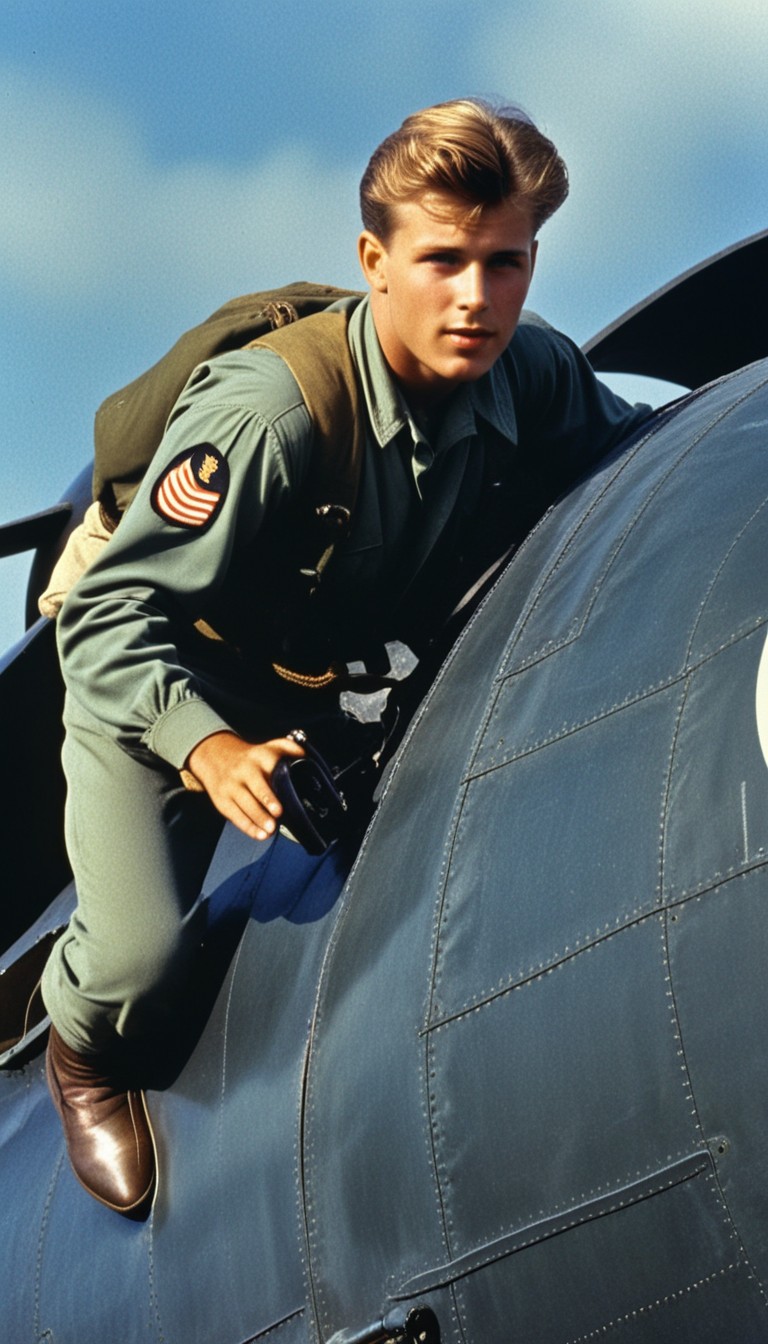
Born in 1924 in Milton, Massachusetts, to a wealthy and prominent family, Bush enlisted in the Navy on his 18th birthday, becoming the youngest pilot in the service. On September 2, 1944, his torpedo bomber was shot down over the Pacific. He completed his bombing run, bailed out, and was rescued by a submarine while Japanese boats closed in. Two of his crewmates perished.
1948-1970
Midland & Houston, Texas
Texas Oilman
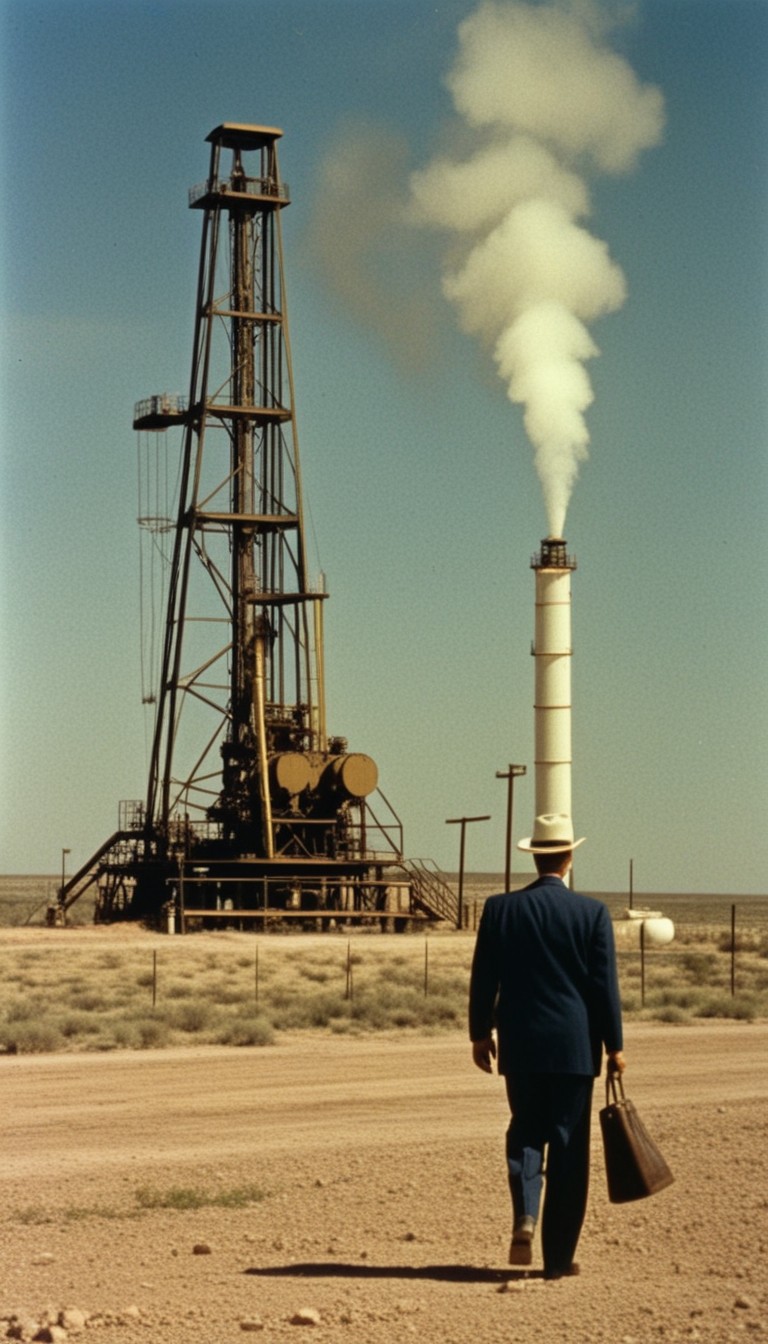
After Yale and Skull and Bones, Bush moved to West Texas to make his fortune in the oil business--a bold departure from his patrician New England roots. He co-founded Zapata Petroleum and built a successful company from scratch. He then pivoted to politics, winning a Houston congressional seat in 1966 and beginning a career that would take him through nearly every major post in government.
1971-1988
New York, Beijing & Washington
The Resume President
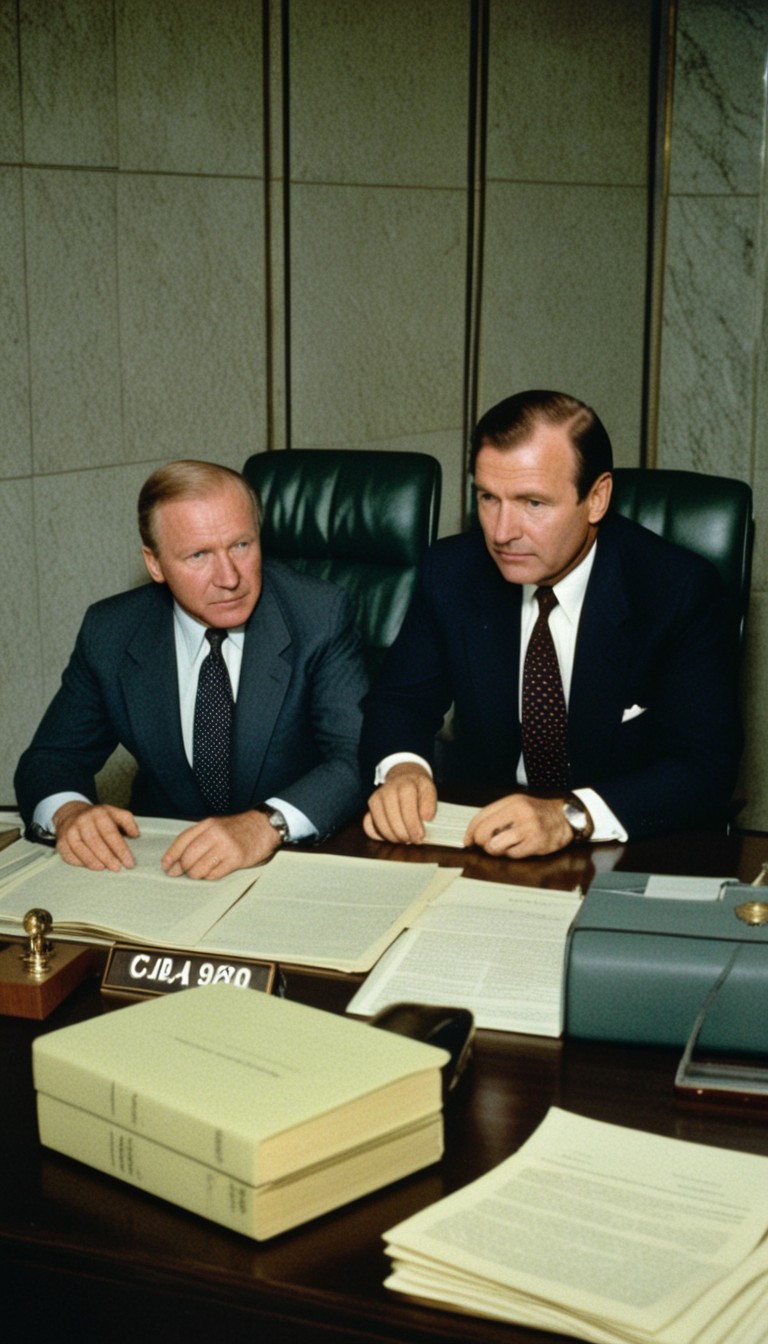
Bush served as U.N. Ambassador, Chief of the U.S. Liaison Office in China, and Director of the CIA--all before becoming Reagan's vice president for eight years. No president since had entered office with such broad experience in diplomacy, intelligence, and governance. Critics called him a "resume candidate." Supporters said he was the most qualified person to ever seek the office.
1989-1991
Washington, D.C. & Europe
The Cold War Ends
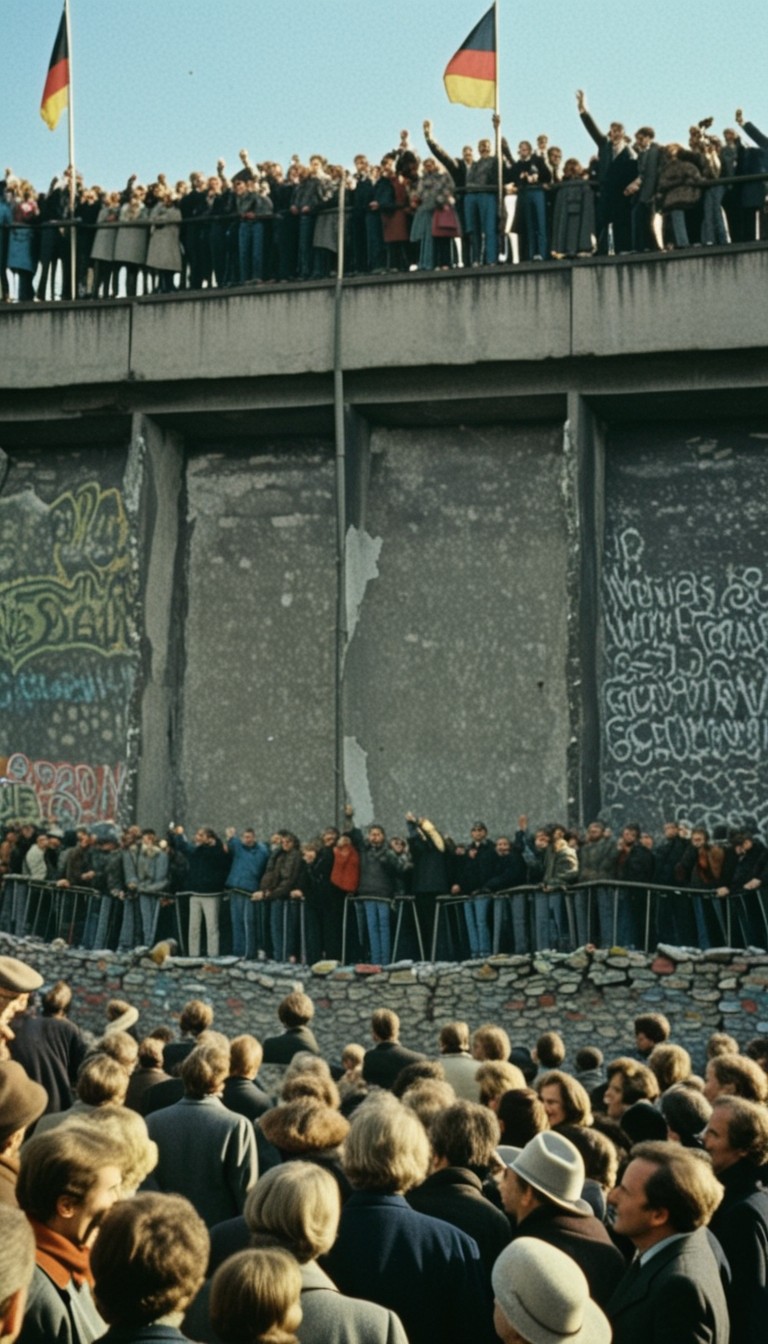
Bush took office just as the communist world was crumbling. When the Berlin Wall fell in November 1989, Bush deliberately avoided gloating, knowing it could provoke a Soviet backlash. He carefully managed German reunification, the peaceful dissolution of the Soviet Union, and the emergence of new democracies in Eastern Europe. It was diplomacy at its finest--quiet, effective, and restrained.
1990-1991
Kuwait & Iraq
Desert Storm
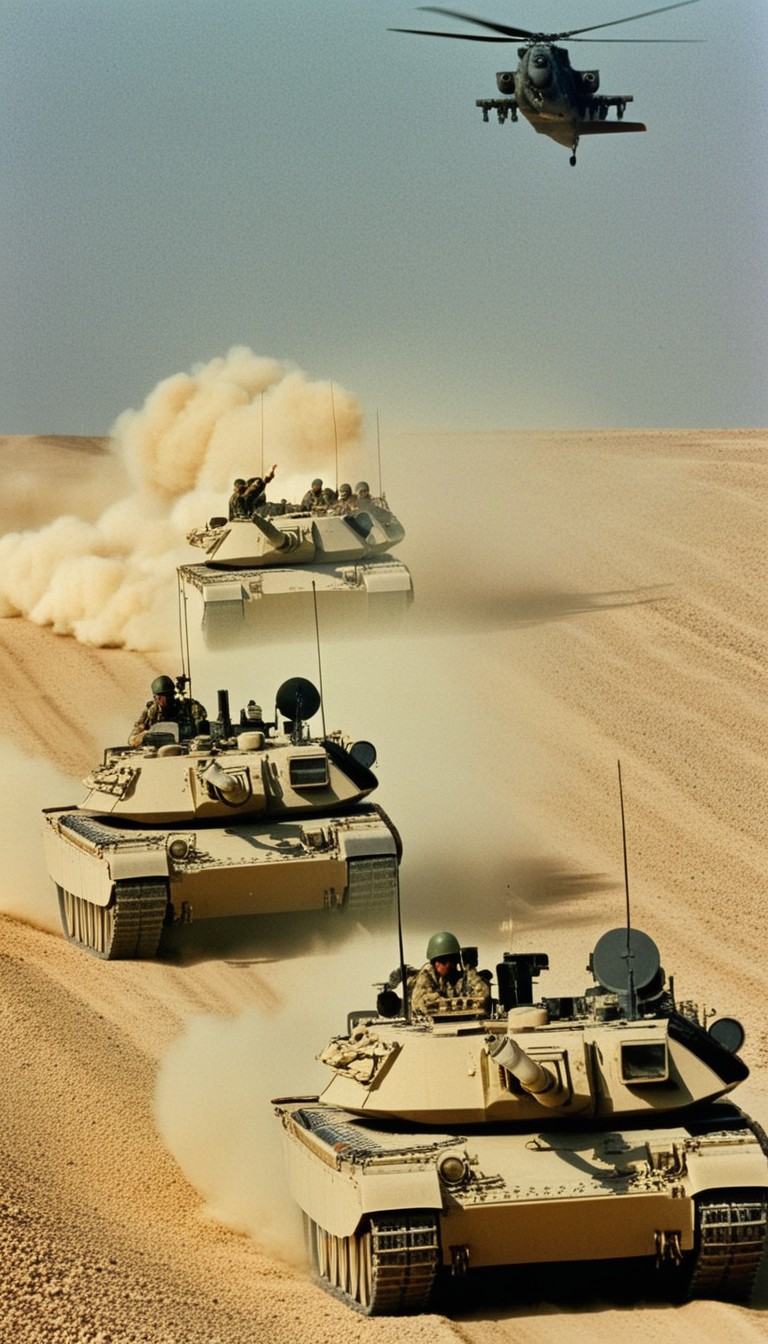
When Saddam Hussein invaded Kuwait in August 1990, Bush assembled a coalition of 35 nations--an extraordinary diplomatic achievement. Operation Desert Storm liberated Kuwait in just 100 hours of ground combat. Bush made the controversial decision to stop short of Baghdad and not topple Saddam, prioritizing coalition unity and avoiding an occupation. The swift victory restored American military confidence.
1988-1990
Washington, D.C.
Read My Lips
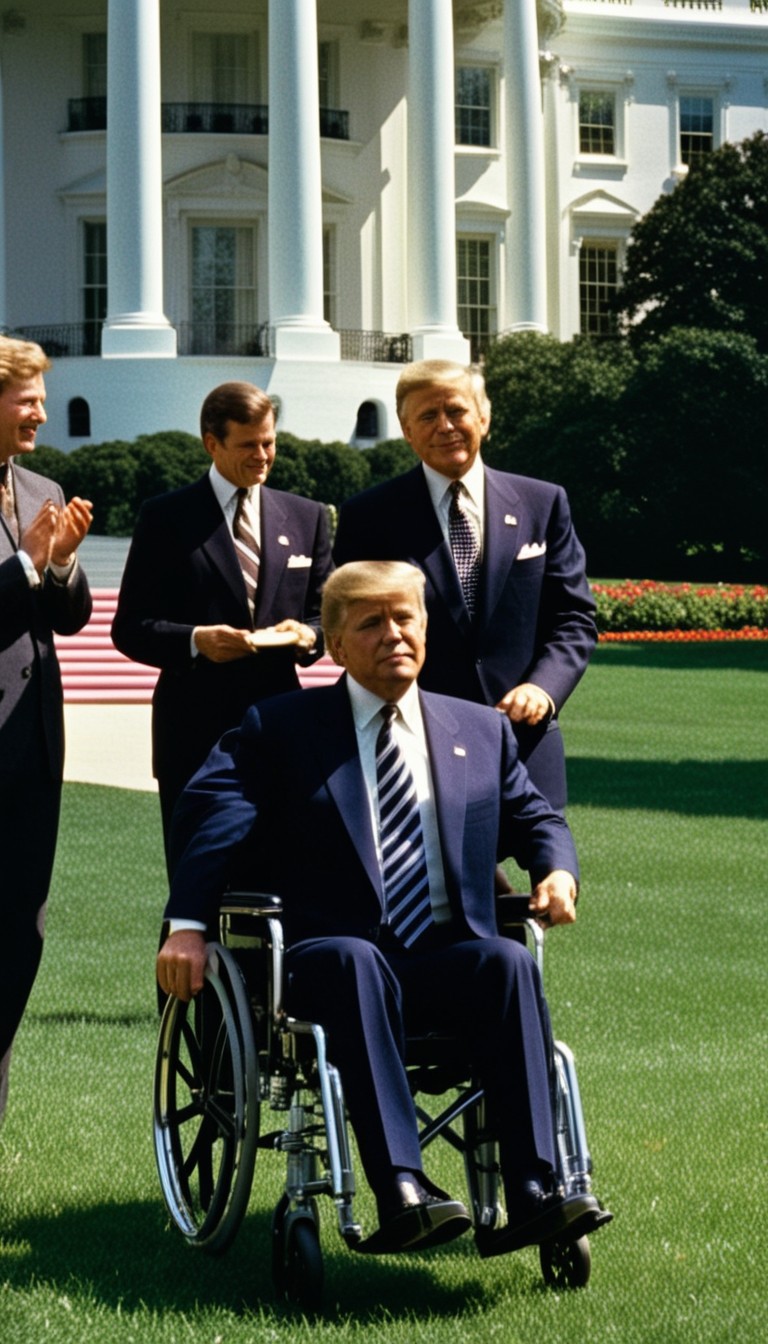
Bush signed the Americans with Disabilities Act, one of the most significant civil rights laws in decades, and the Clean Air Act amendments that reduced acid rain. But his defining domestic moment was breaking his famous 1988 convention pledge: "Read my lips: no new taxes." Facing ballooning deficits, he agreed to a budget deal that raised taxes. It was fiscally responsible--and politically fatal.
November 1992
United States
A Three-Way Race
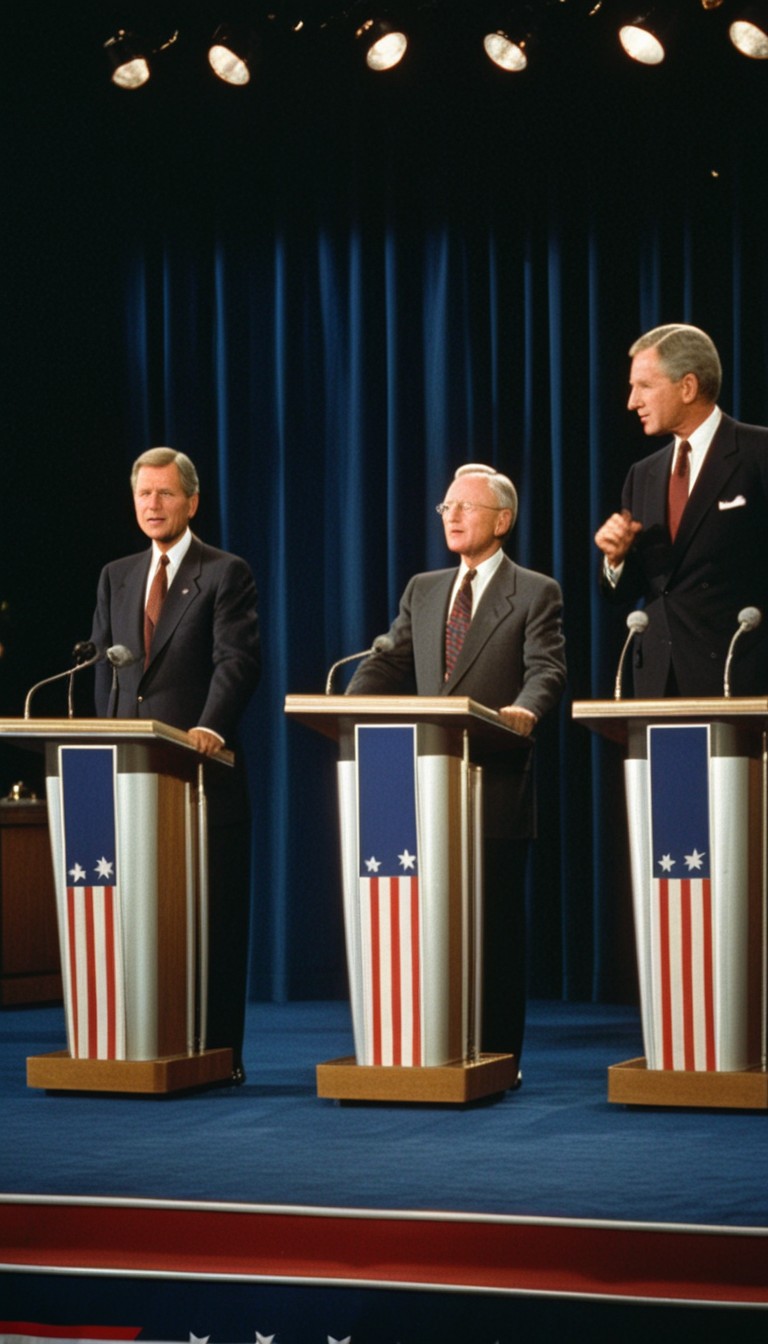
Despite sky-high approval ratings after Desert Storm, Bush watched his support evaporate as a recession took hold. Bill Clinton hammered "It's the economy, stupid," while Ross Perot's independent candidacy split the conservative vote. Bush lost with just 37% of the vote. The man who had navigated the end of the Cold War was undone by a sluggish economy and a broken tax promise.
1993-2018
Houston, Texas
A Life of Service
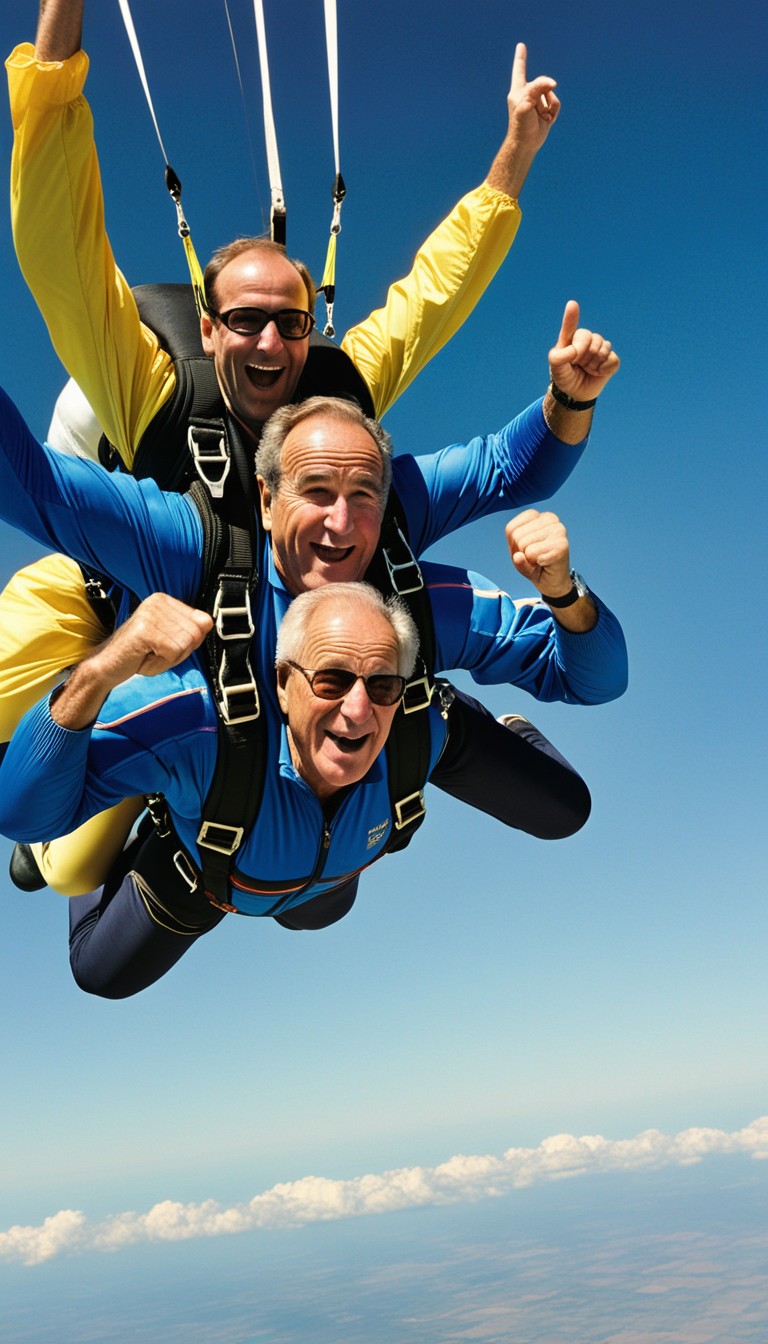
Bush celebrated birthdays by skydiving--at 75, 80, 85, and even 90. He and Bill Clinton, once bitter rivals, became close friends and raised billions for disaster relief together. Bush lived to 94, the longest-lived president at the time of his death in 2018. His handwritten letter to Clinton on Inauguration Day--wishing his successor well--became a symbol of gracious democratic transition.

The Last Cold Warrior
George H.W. Bush guided the world through one of its most dangerous transitions with steady hands and quiet dignity. He valued relationships, wrote thousands of personal letters, and believed that public service was the highest calling. His presidency is a testament to the power of experience, restraint, and putting country above politics.
Recommended Reading
As an Amazon Associate, we earn from qualifying purchases.
Swipe to navigate