The British Empire
Loading story...
1580s-1600s
England
Seeds of Empire
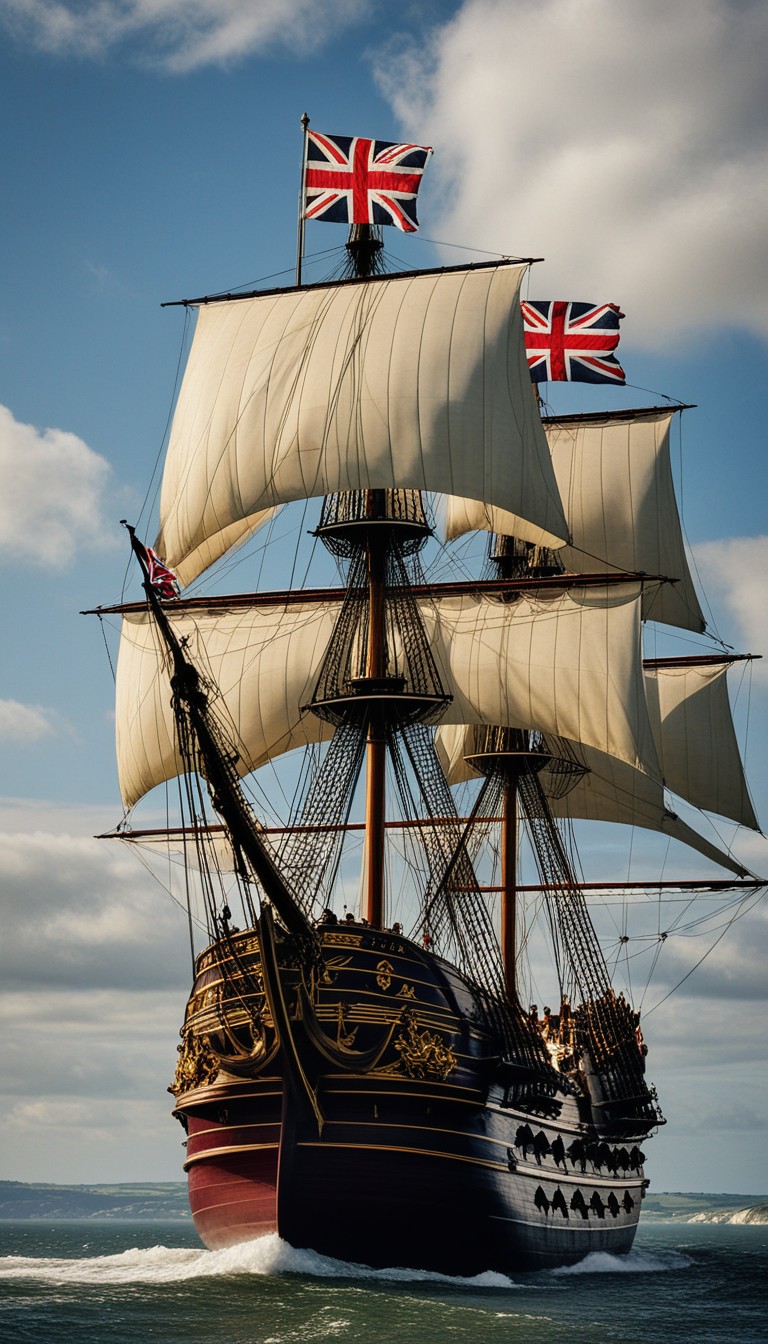
Under Elizabeth I in the late 1500s, English privateers like Francis Drake raided Spanish treasure ships. The defeat of the Spanish Armada in 1588 signaled England's arrival as a naval power. Colonies in Virginia and the Caribbean soon followed.
1600-1858
India
The Company That Built an Empire
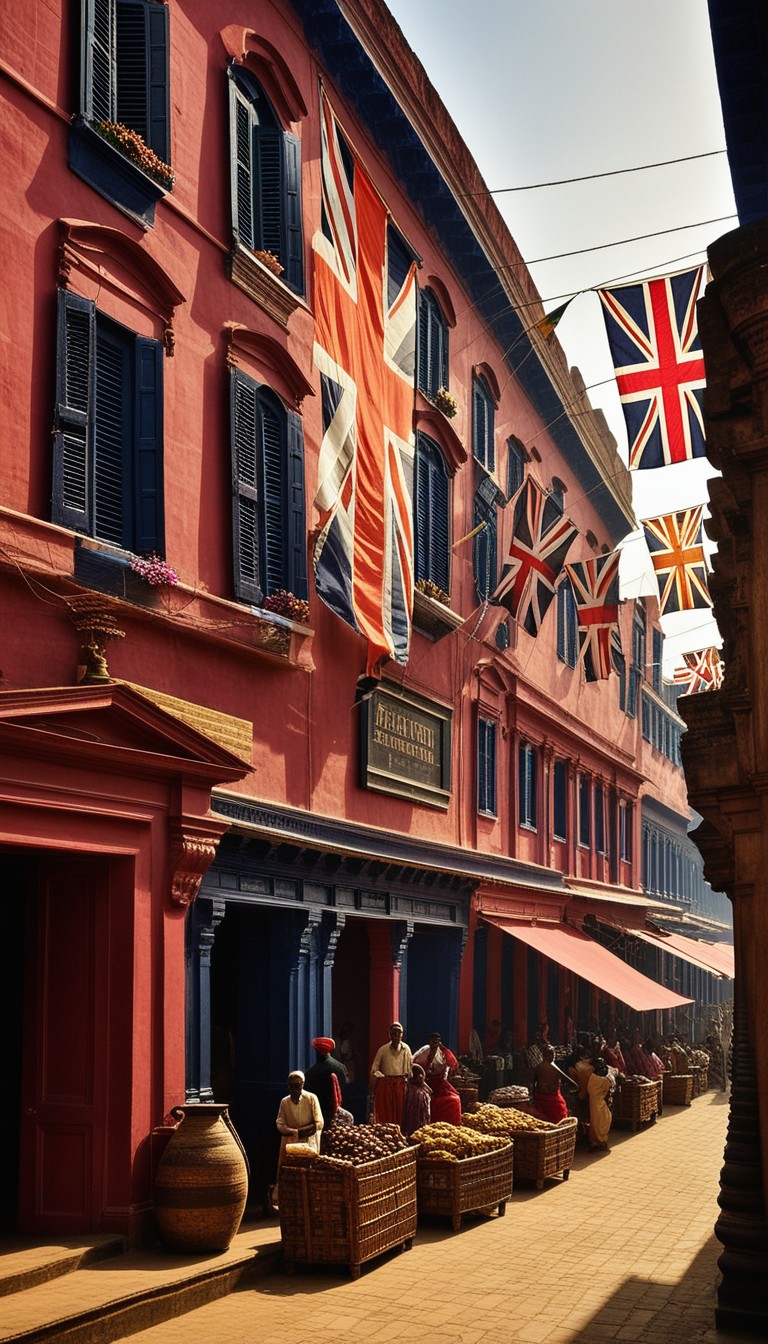
The British East India Company, founded in 1600, started as a trading venture. Over two centuries it became a state within a state—commanding armies, collecting taxes, and ruling vast territories in India. A corporation that conquered a subcontinent.
1776
North America
The One That Got Away
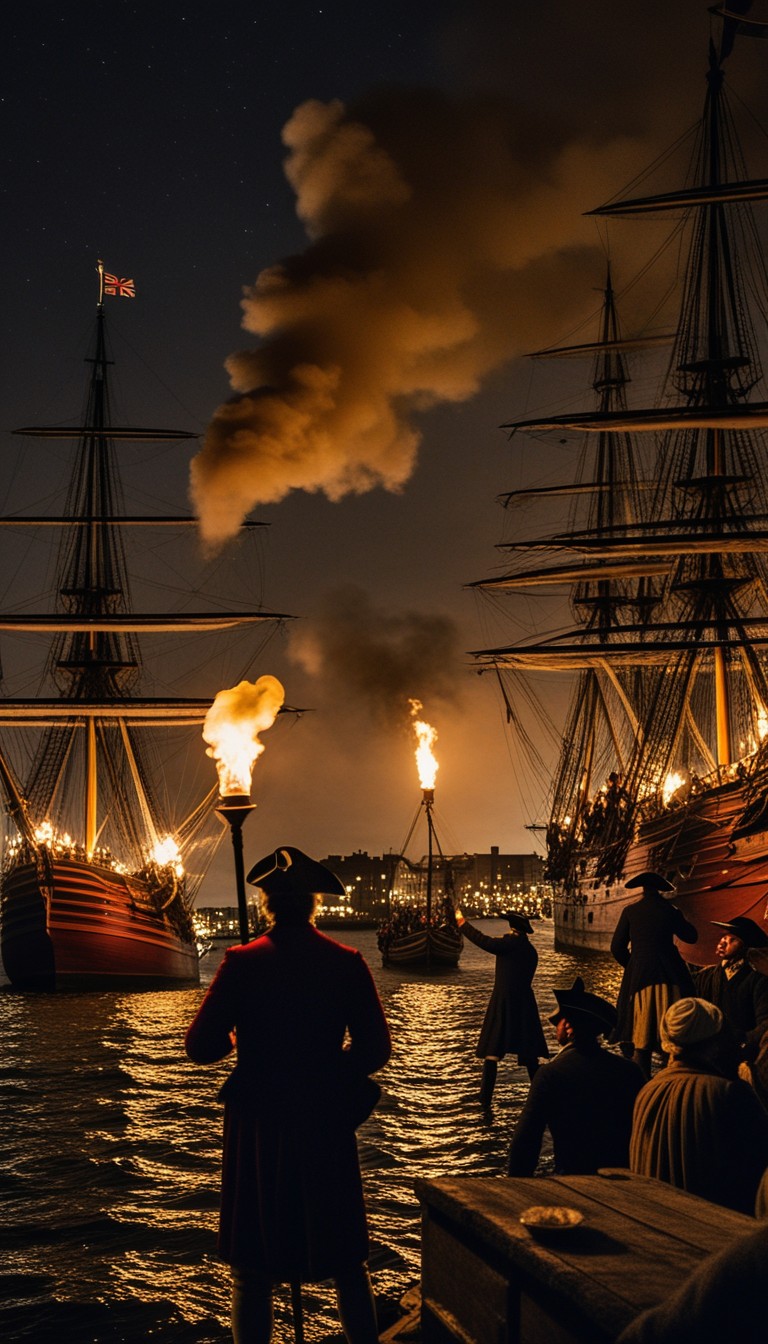
"No taxation without representation!" In 1776, thirteen American colonies declared independence. The loss was humiliating but pivotal—Britain shifted focus to India, Africa, and the Pacific. Losing America taught the empire to govern differently.
1760-1850
England
Workshop of the World
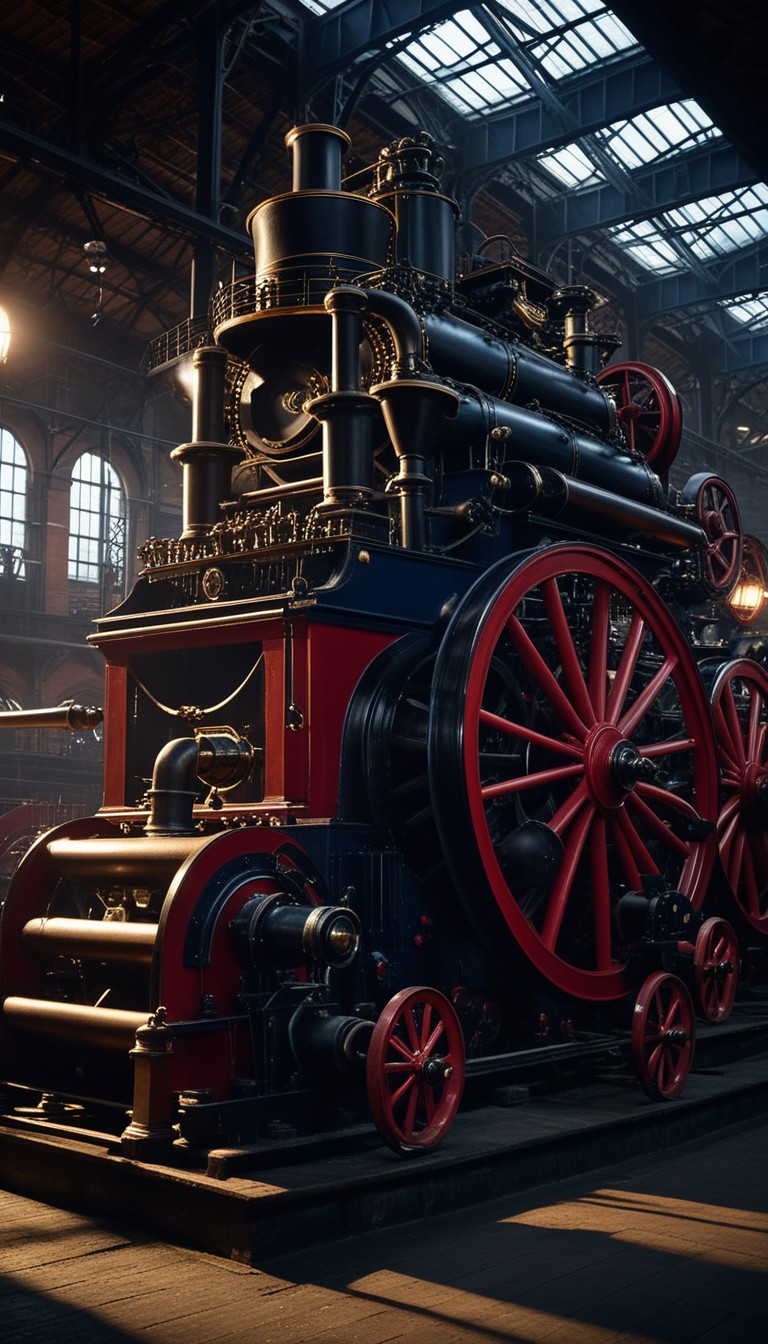
The Industrial Revolution gave Britain an unbeatable advantage. Steam engines, factories, and railways transformed a small island into the world's manufacturing powerhouse. By 1850, Britain produced more than half the world's coal and iron—industrial might fueled imperial expansion.
1805-1900s
Global Oceans
Britannia Rules the Waves
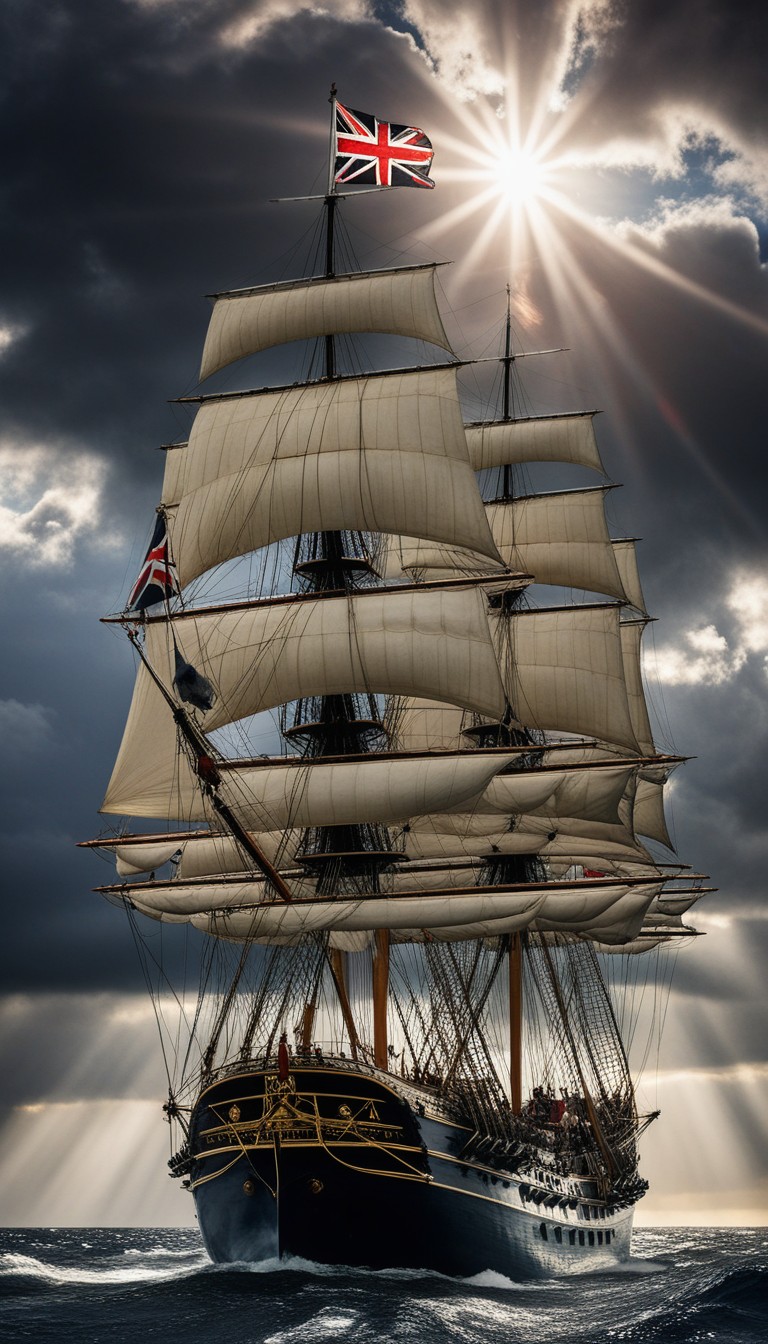
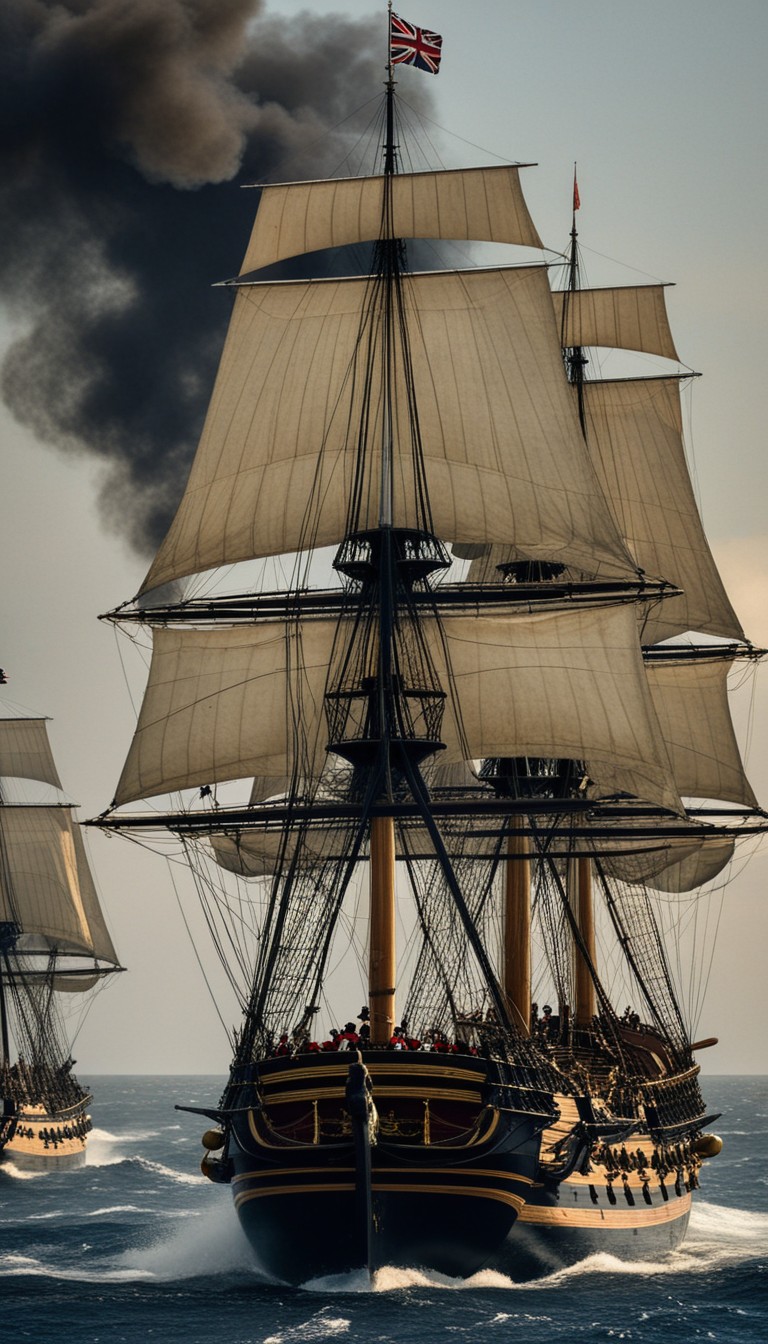
The Royal Navy was the empire's backbone. After Nelson's victory at Trafalgar in 1805, Britain dominated the world's oceans for a century. The navy protected trade routes, enforced the abolition of the slave trade, and projected power to every corner of the globe.
1920
Worldwide
The Sun Never Sets
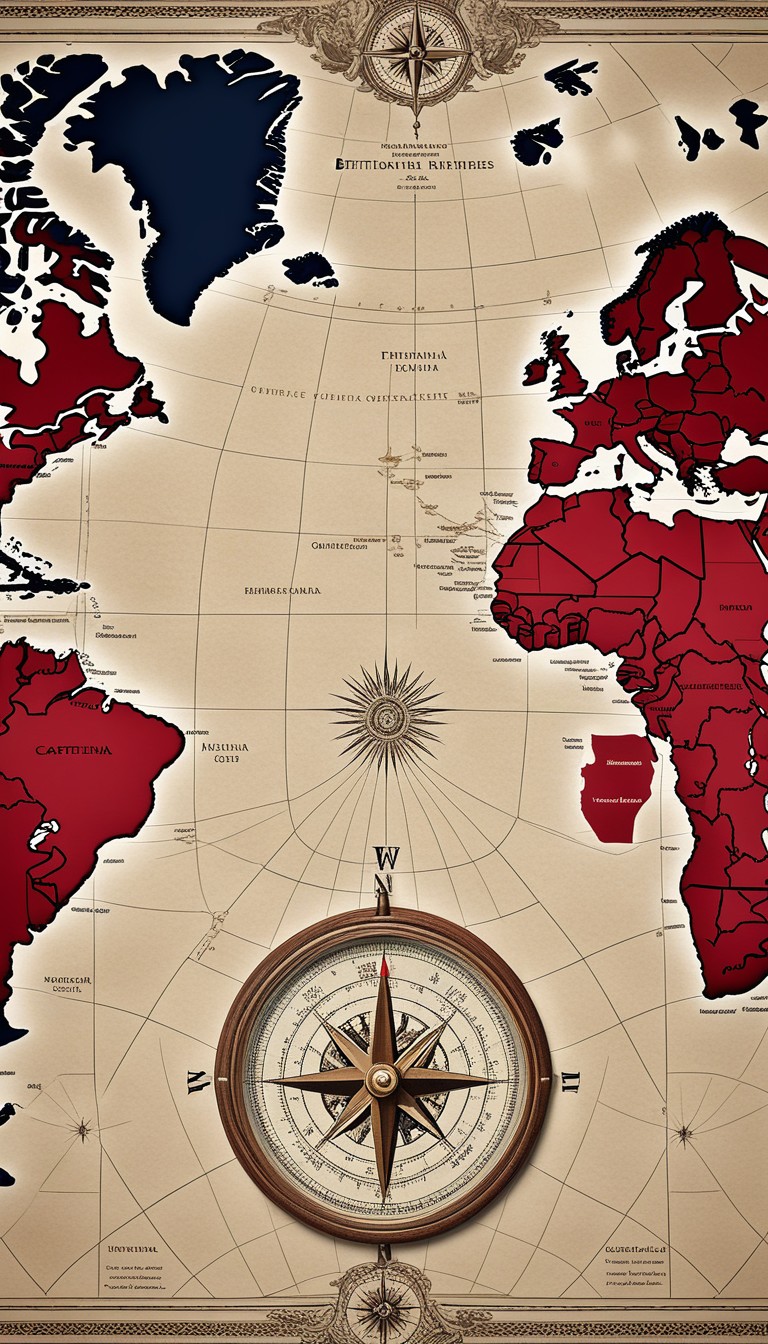
By 1920, the British Empire covered 35.5 million square kilometers—a quarter of the Earth's land. From Canada to Australia, India to Nigeria, the Union Jack flew over 458 million people. It was the largest empire in human history.
1947-1960s
India & Beyond
The Empire Unravels
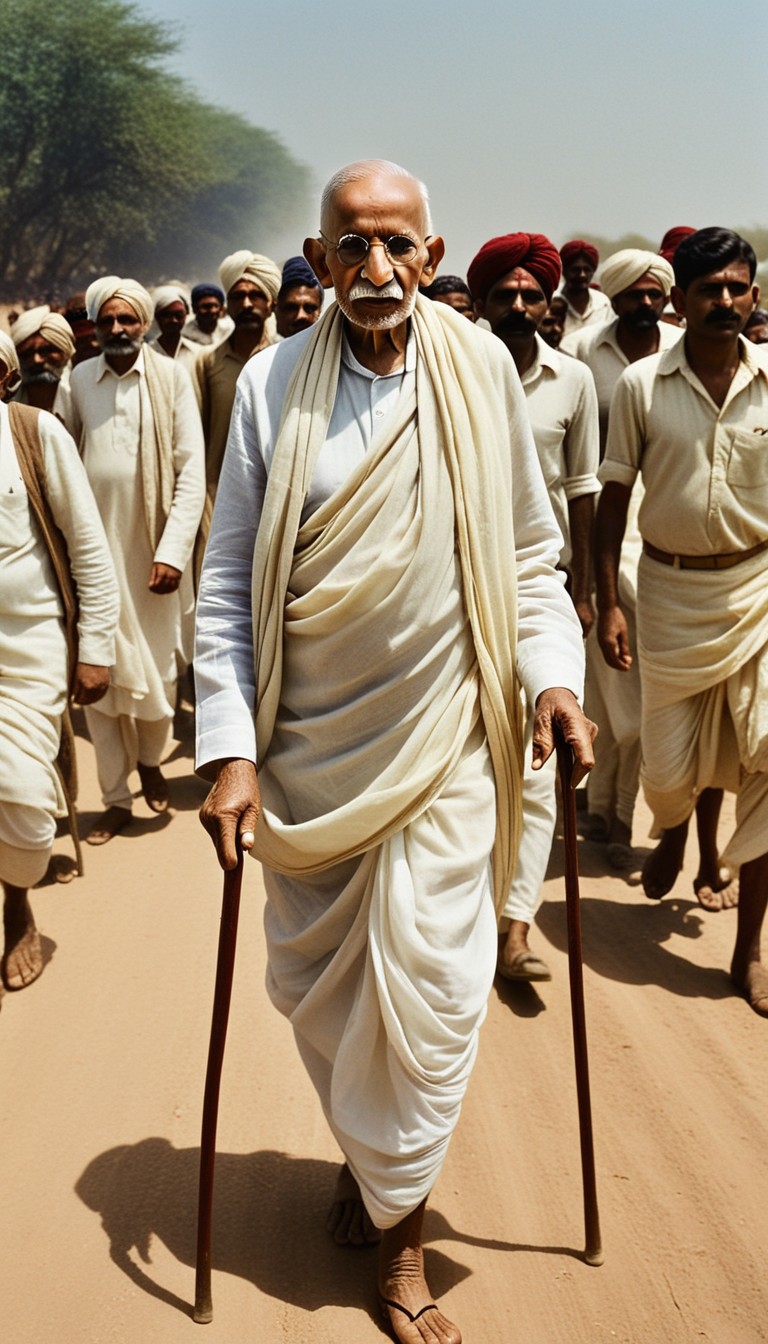
Two World Wars exhausted Britain financially and morally. Independence movements surged. Gandhi's nonviolent resistance in India inspired millions. In 1947, India gained independence—the jewel in the crown was gone. Dozens of colonies followed in the next two decades.
1997
Hong Kong
The Final Chapter
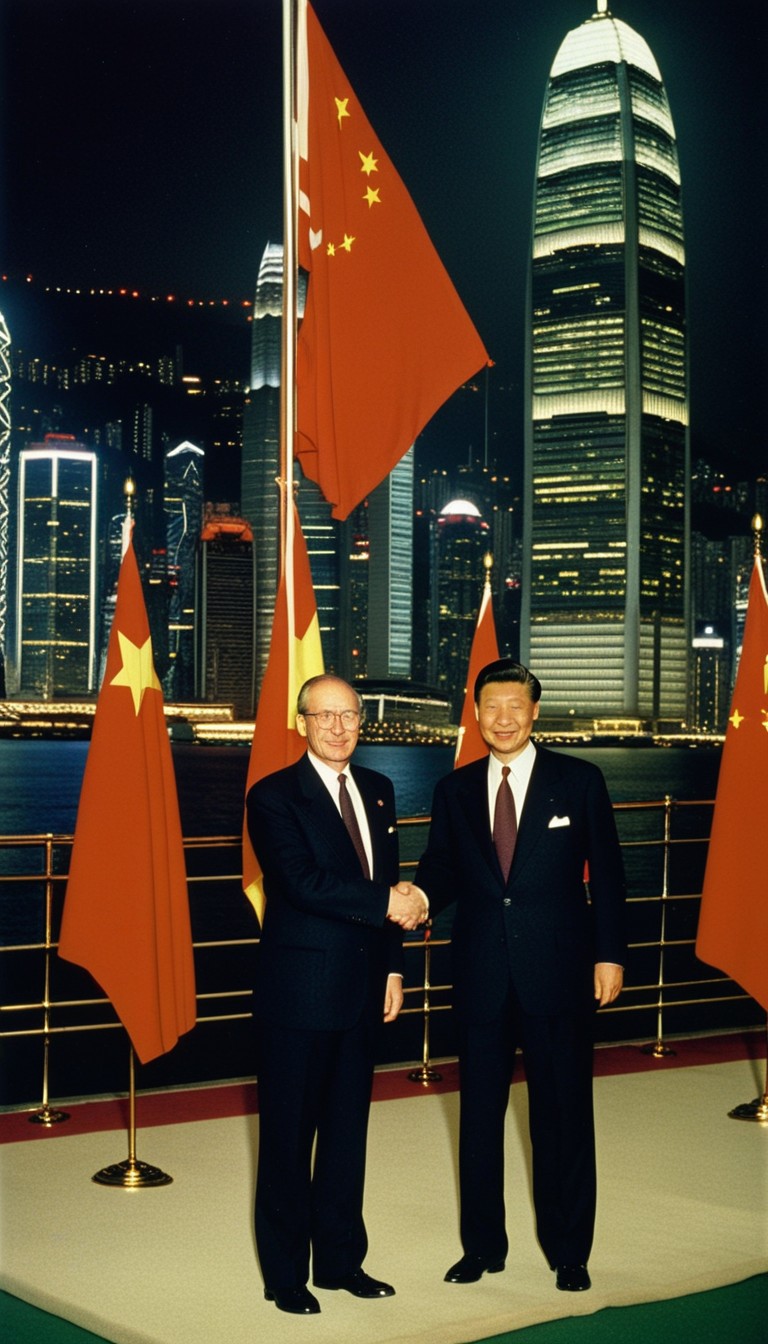
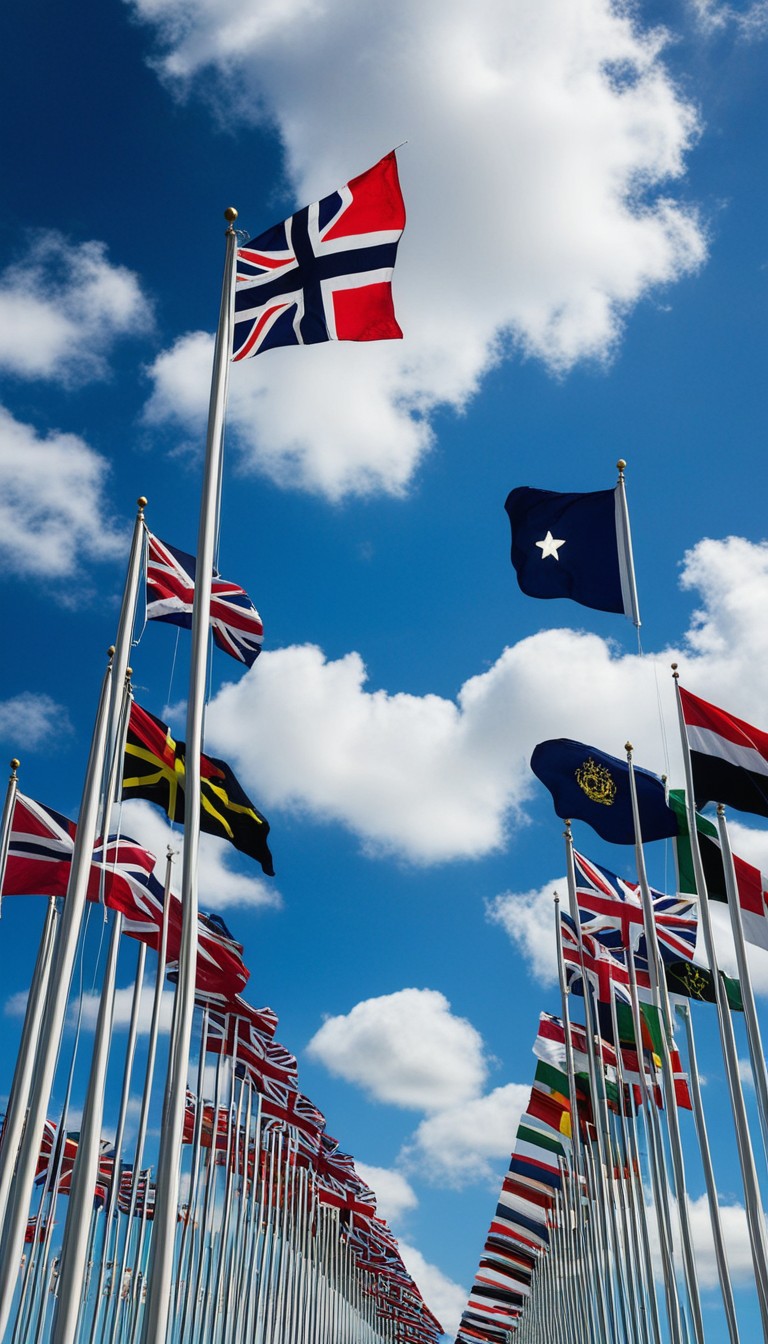
The 1997 handover of Hong Kong to China marked the symbolic end of the British Empire. Today, 56 nations make up the Commonwealth—a voluntary association born from empire. English became the world's lingua franca. For better and worse, the empire reshaped the modern world.
From Empire to Commonwealth
The British Empire shaped borders, languages, legal systems, and cultures across the globe. Its legacy is complex—railways and rule of law alongside exploitation and colonialism. Understanding this history is essential to understanding the modern world.
Recommended Reading
As an Amazon Associate, we earn from qualifying purchases.
Swipe to navigate