The Aztec Empire: Heart of the Sun
Loading story...
c. 1100–1325
Northern and Central Mexico
The Wandering Mexica
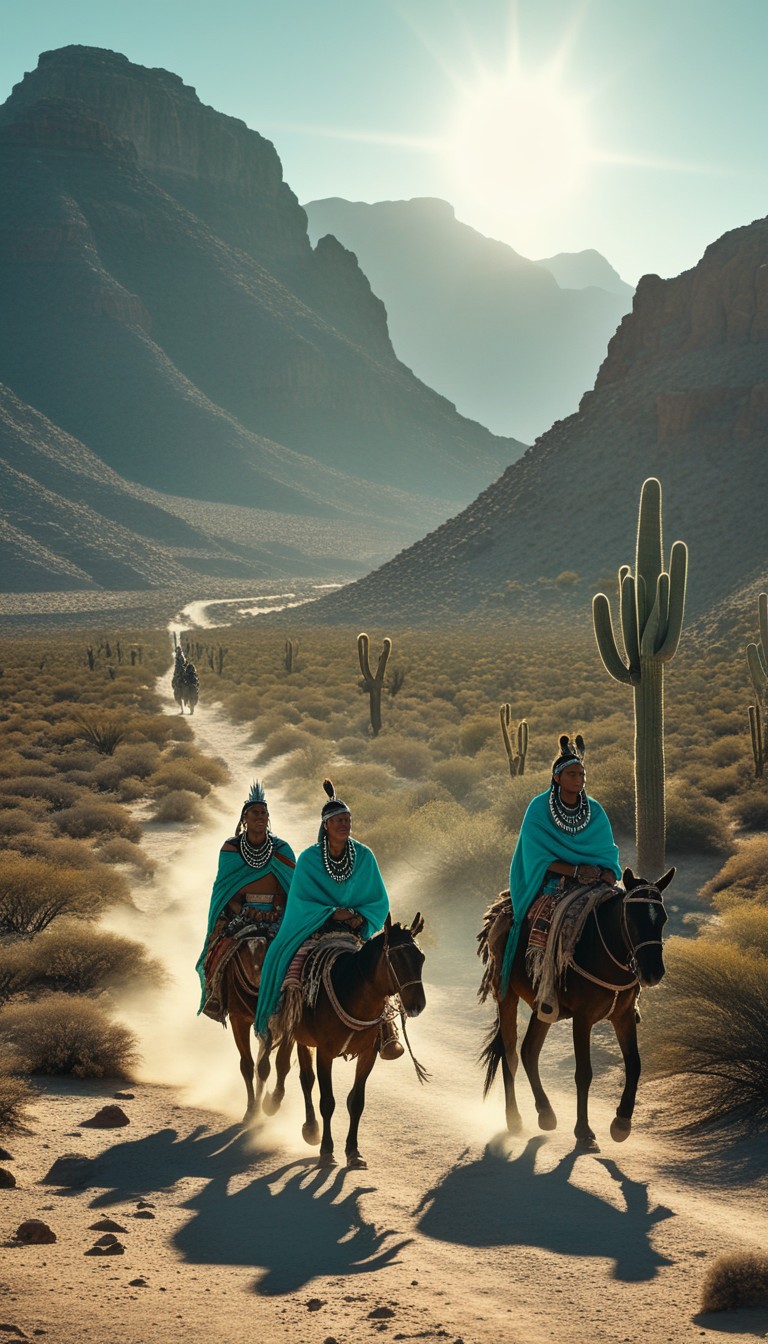
For over two centuries, the Mexica people drifted southward through the harsh landscapes of northern Mexico, guided by the word of their war god Huitzilopochtli. Their priests carried a sacred idol and a divine promise: they would find a new homeland when they witnessed an eagle perched on a cactus, devouring a serpent. Neighboring peoples dismissed them as landless outcasts, driving them from territory after territory. Yet the Mexica endured every hardship, bound together by prophecy and an iron sense of destiny.
1325
Lake Texcoco, Valley of Mexico
The Founding of Tenochtitlan
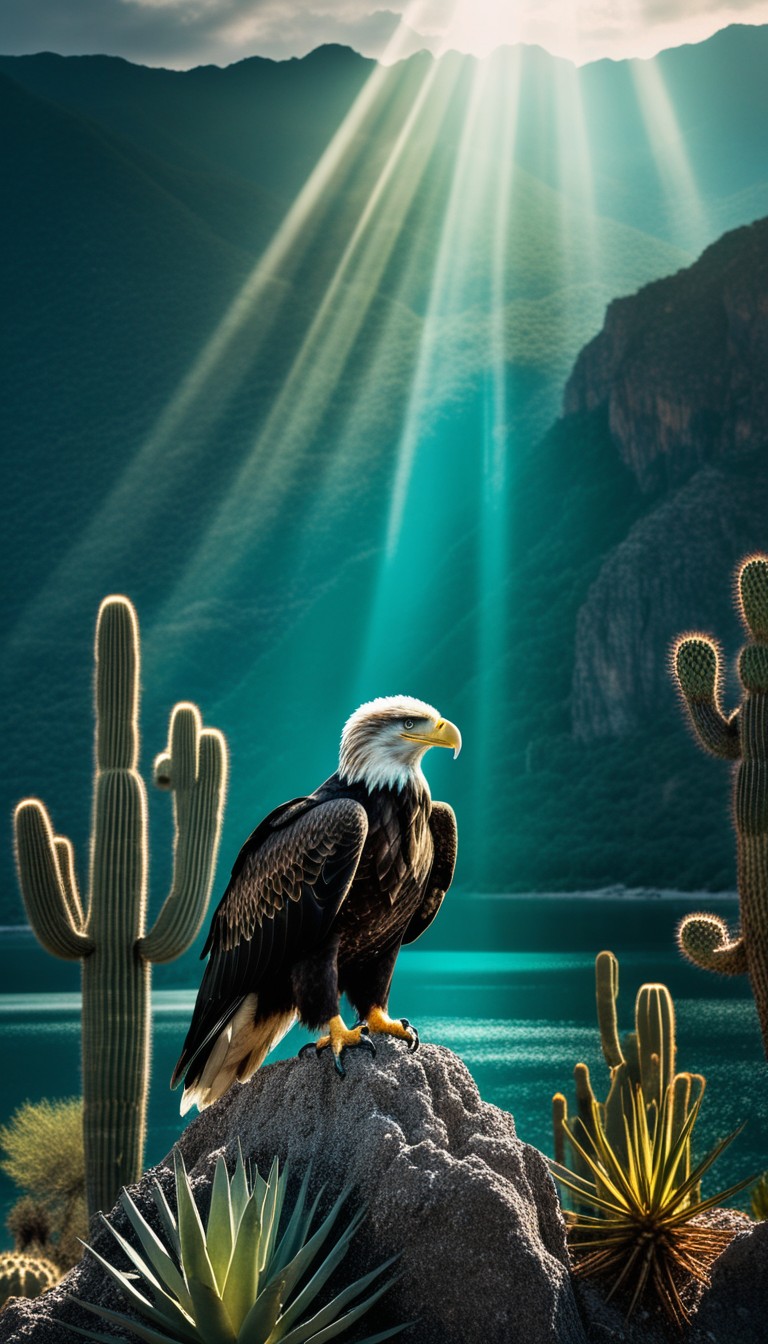
In 1325, Mexica scouts discovered the sign they had long sought—an eagle alighting on a prickly pear cactus atop a small island in the shallow waters of Lake Texcoco. On that marshy ground in the Valley of Mexico, they laid the first stones of Tenochtitlan. The island's isolation was both a challenge and a fortress; the Mexica built causeways, canals, and chinampas—floating garden beds—to sustain a growing population. What began as a desperate refuge would become the beating heart of an empire.
1428
Valley of Mexico
The Triple Alliance
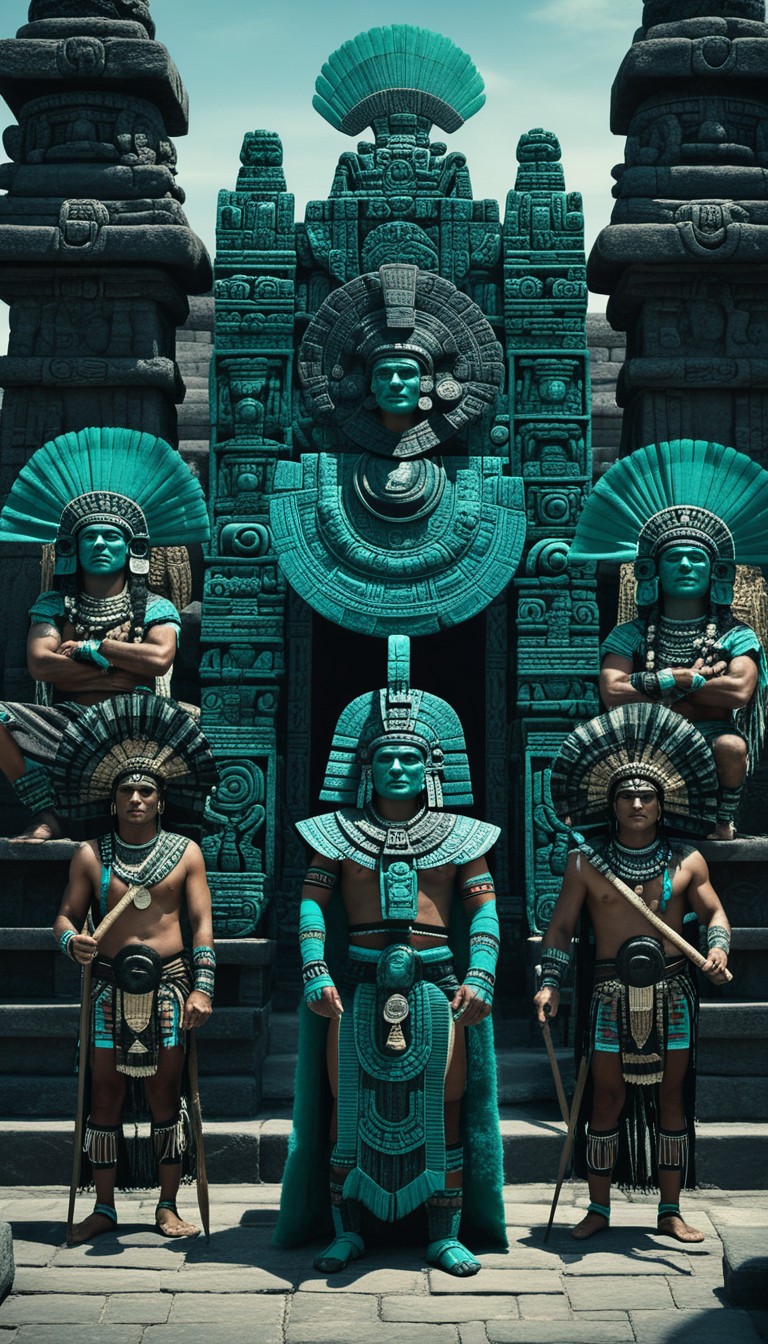
In 1428, the Mexica formed a decisive military alliance with the neighboring city-states of Texcoco and Tlacopan. Together they overthrew the dominant Tepanec power and began a rapid campaign of conquest across Mesoamerica. The Triple Alliance operated as a tribute empire: defeated peoples were not destroyed but incorporated, required to send goods, warriors, and sacrificial captives to Tenochtitlan. Within a generation, the alliance controlled territory stretching from the Gulf Coast to the Pacific, extracting enormous wealth from hundreds of subject towns.
c. 1500
Tenochtitlan, Mexico
A City of Wonders
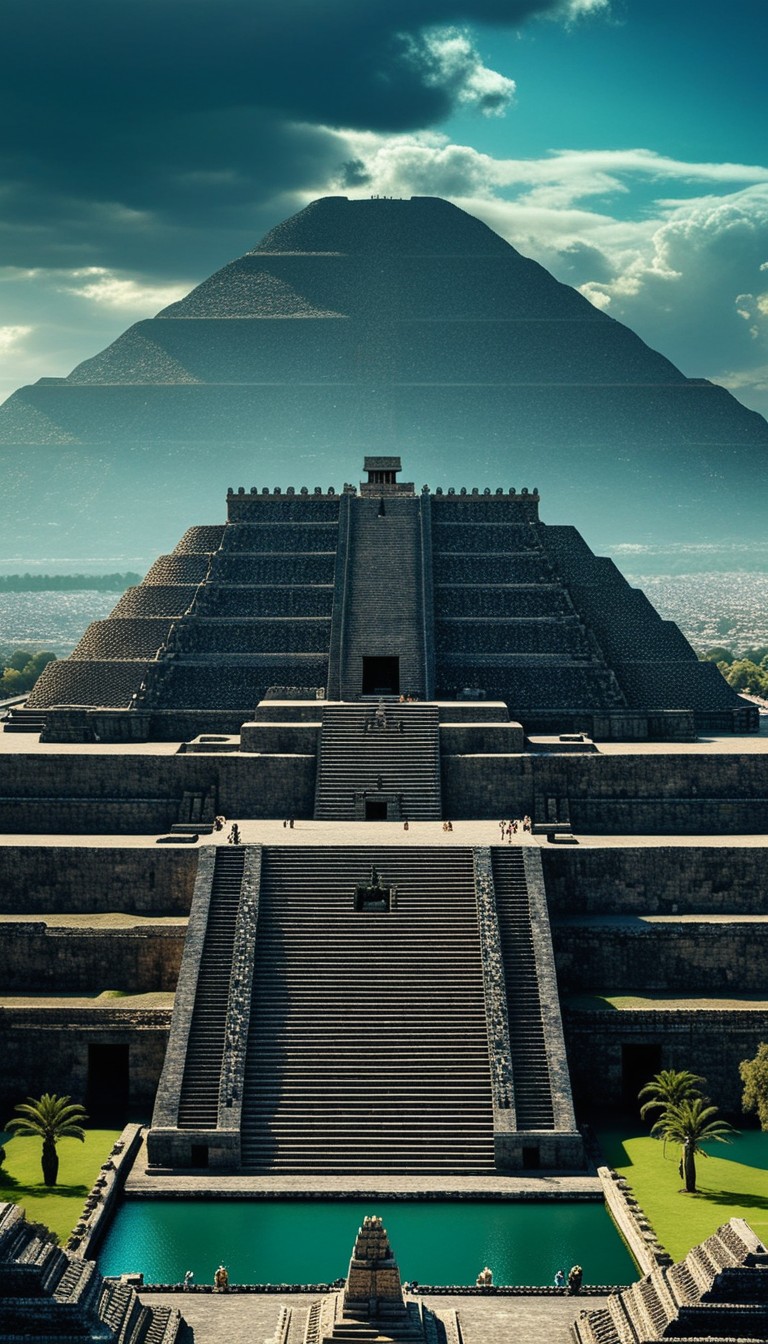
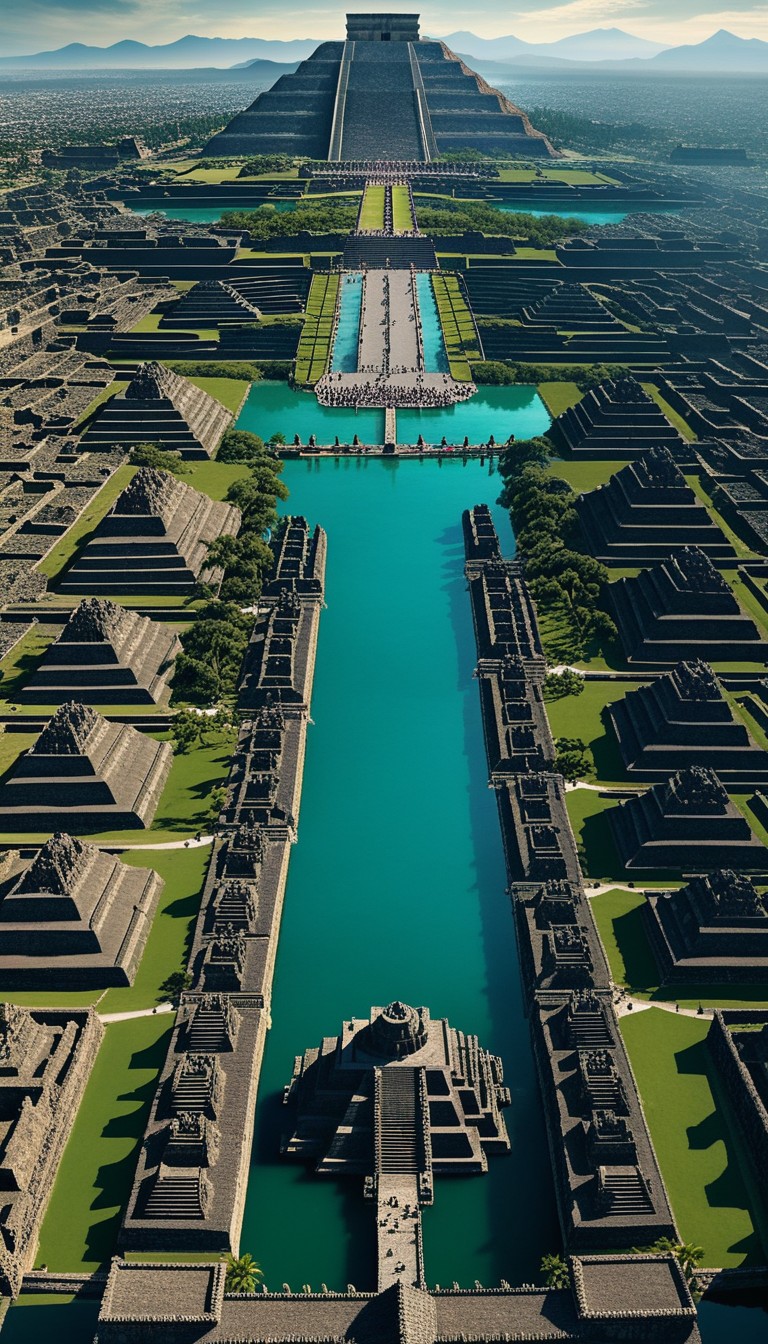
By the early sixteenth century, Tenochtitlan had grown into one of the largest cities on earth, home to an estimated 200,000–300,000 people—dwarfing London and Rome of the same era. Its grand central plaza was dominated by the towering Templo Mayor, a dual pyramid dedicated to Huitzilopochtli and the rain god Tlaloc. Broad causeways connected the island to the mainland, aqueducts carried fresh water across the lake, and a sophisticated market at Tlatelolco drew traders from across the continent. European visitors would later describe the city with stunned disbelief.
c. 1450–1519
Central Mexico
The Flower Wars
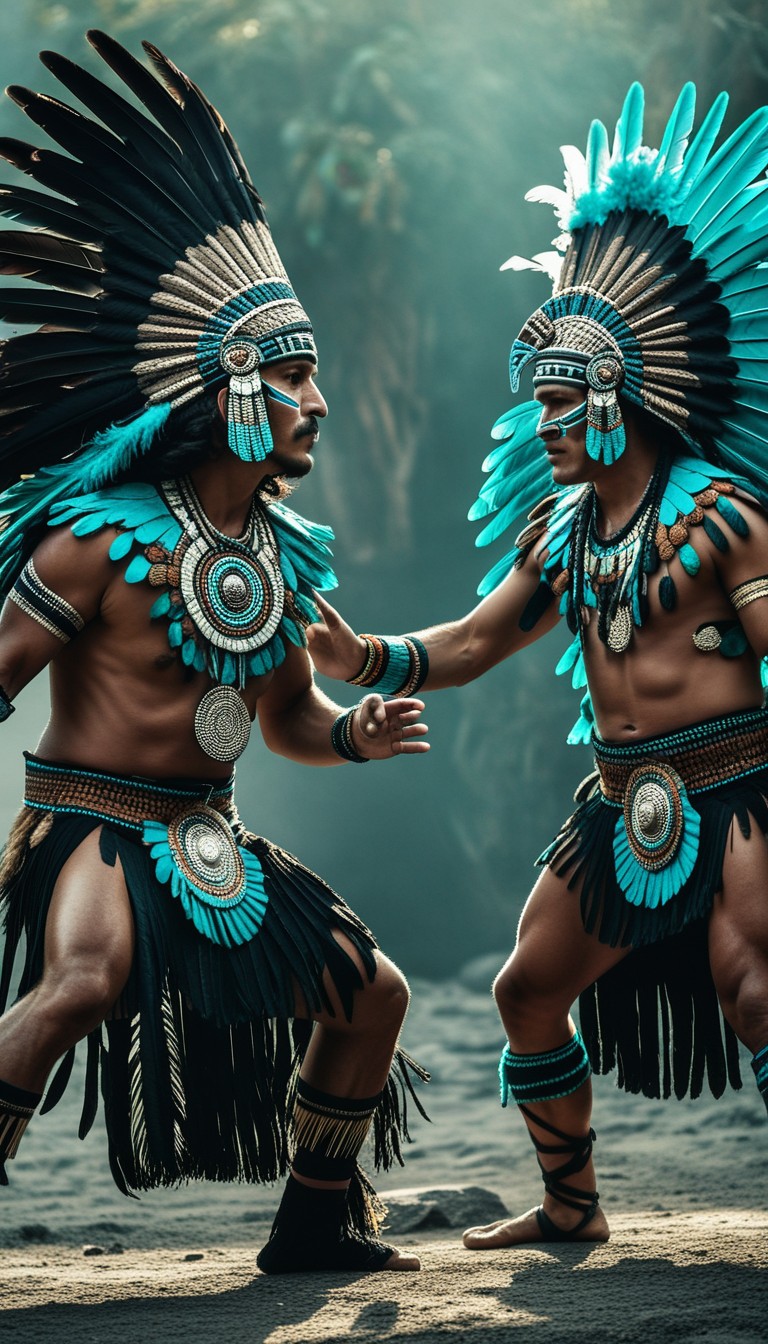
Central to Aztec society was the warrior ideal, and nothing embodied it more than the Flower Wars—ritualized conflicts fought not to conquer territory but to capture enemies for sacrifice. Elite warrior orders such as the Jaguar Knights and Eagle Warriors competed for prestige and the favor of the gods. The cosmology of the Mexica held that the sun itself required human blood to rise each morning; without captives for sacrifice, the fifth and current age of the world would end in catastrophe. This sacred duty made war a permanent, deeply honored institution.
1502–1520
Tenochtitlan, Mexico
Montezuma II at the Peak
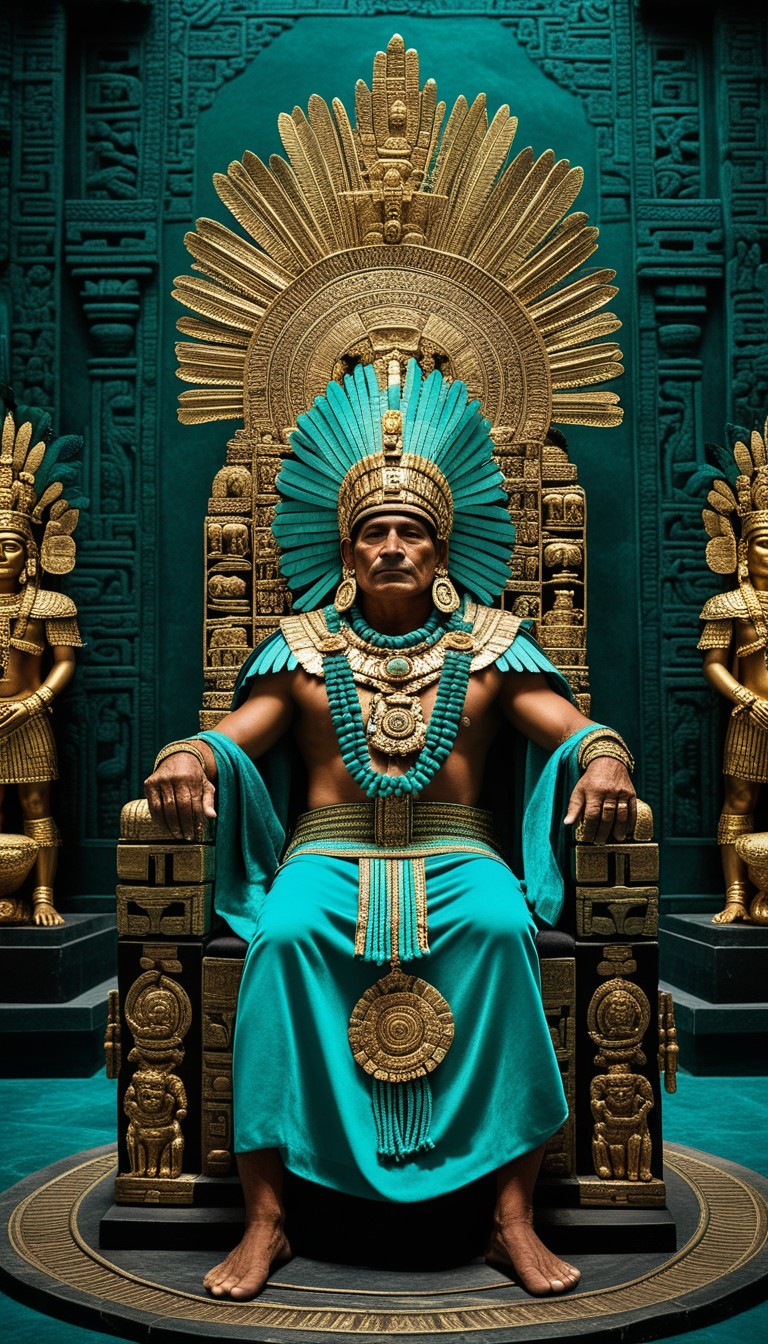
When Montezuma II ascended to the throne in 1502, he inherited an empire of roughly five to six million people and continued to expand it through both military force and shrewd diplomacy. He reformed the court into a highly stratified institution, surrounding himself with elaborate ritual and demanding prostration from even the highest nobles. Tribute flowed into Tenochtitlan in staggering quantities—cacao, cotton, jade, gold, feathers, and thousands of sacrificial victims annually. Yet beneath the splendor, tensions simmered among resentful subject peoples who would one day prove fatal to the empire.
1519
Gulf Coast to Tenochtitlan, Mexico
The Arrival of Cortés
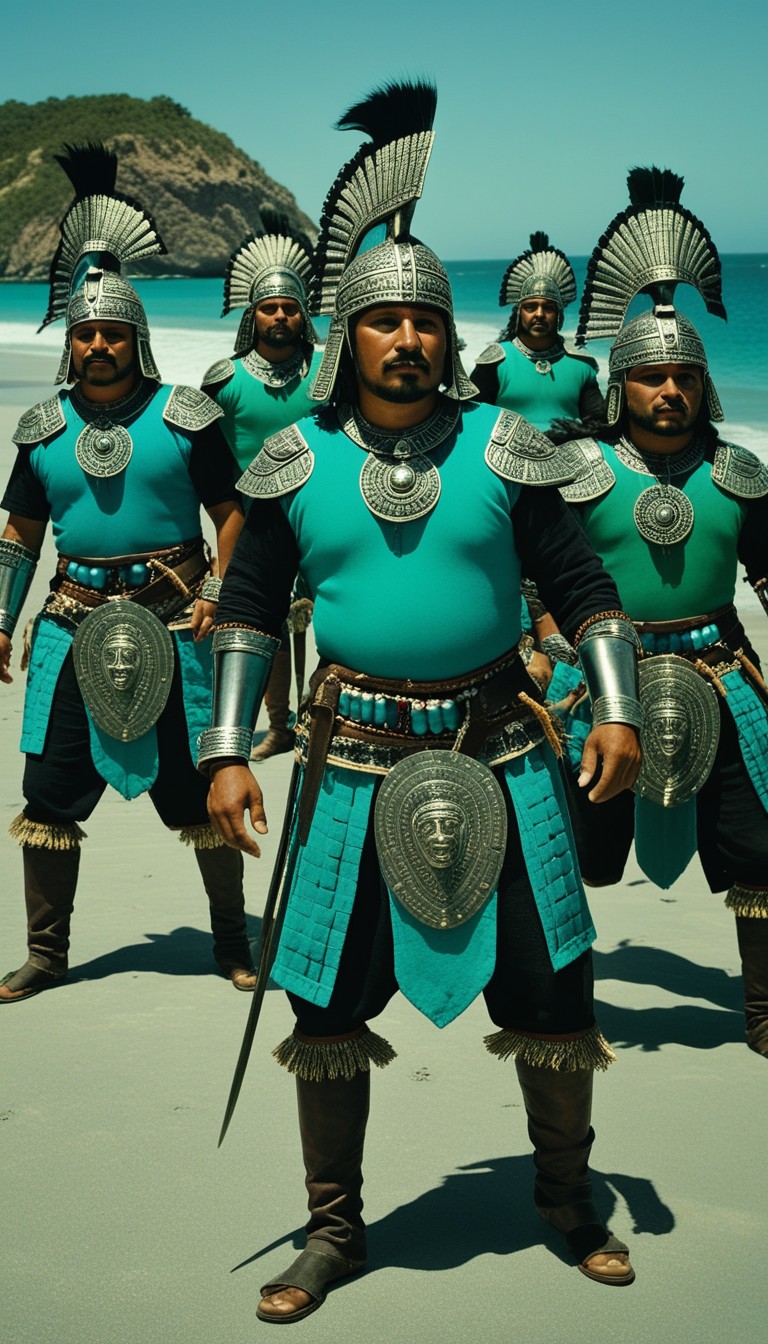
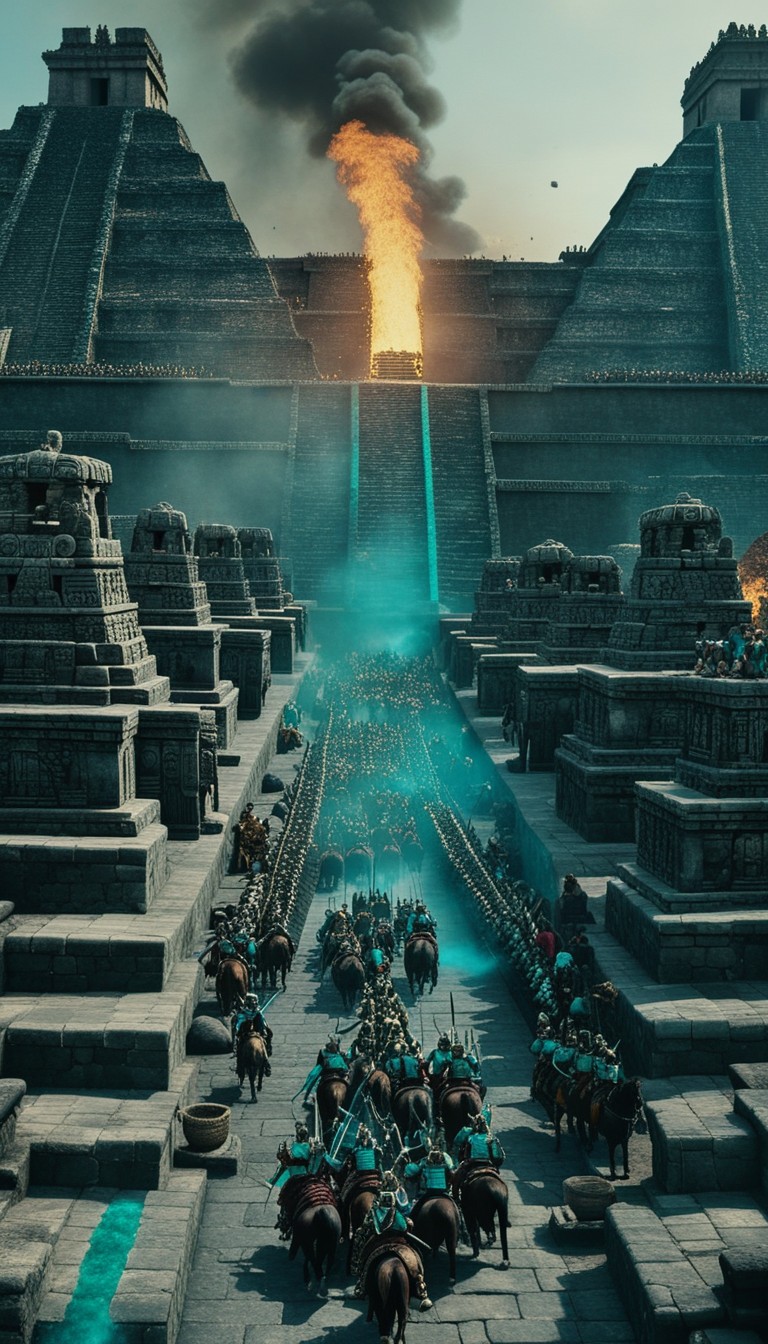
In 1519, Hernán Cortés landed on the Gulf Coast of Mexico with roughly 500 soldiers, horses, and steel weapons—none of which the Mexica had ever seen. A prophecy foretold the return of the feathered serpent god Quetzalcoatl from the east in a One Reed year—and 1519 was precisely such a year by the Aztec calendar. Montezuma, uncertain whether Cortés was man or deity, received him with lavish gifts and allowed him entry into Tenochtitlan. Cortés quickly exploited this hospitality, taking Montezuma hostage and forging alliances with the Tlaxcalans and other peoples who despised Aztec rule.
1521
Tenochtitlan, Mexico
The Fall of Tenochtitlan
After the violent episode known as the Noche Triste, when the Mexica drove the Spanish from the city in June 1520, Cortés regrouped and returned with a massive allied indigenous army. A devastating smallpox epidemic—an invisible weapon the Europeans had unknowingly carried—swept through Tenochtitlan, killing Montezuma's successor and tens of thousands of defenders. After an eighty-day siege that reduced much of the city to rubble, the last Aztec emperor Cuauhtémoc surrendered on August 13, 1521. The greatest city in the Americas fell silent.
A Legacy Carved in Stone and Sky
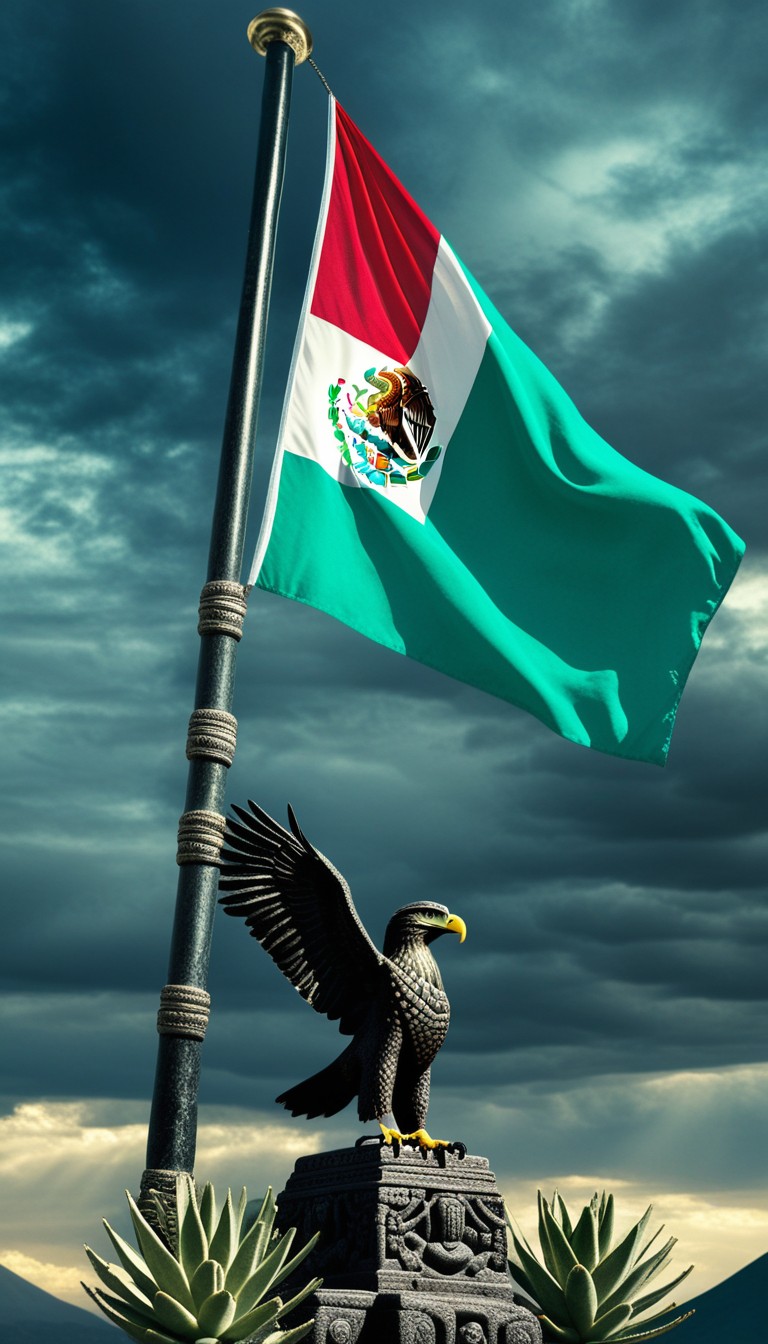
The Spanish built Mexico City directly atop the ruins of Tenochtitlan, yet they could not bury the Aztec legacy. The founding symbol of the Mexica—the eagle, the cactus, and the serpent—lives on at the center of the Mexican flag, recognized by the world. The Nahuatl language, Aztec foods like chocolate, tomatoes, and chili, and the ruins of the Templo Mayor discovered beneath downtown Mexico City all testify to a civilization of extraordinary ambition and ingenuity. The Mexica may have lost their empire, but the heart of the sun still beats in Mexico today.
Recommended Reading
As an Amazon Associate, we earn from qualifying purchases.

Swipe to navigate