Calvin Coolidge (#30): Silent Cal and the Roaring Twenties
Loading story...

1872-1906
Vermont & Massachusetts
The Quiet Vermonter
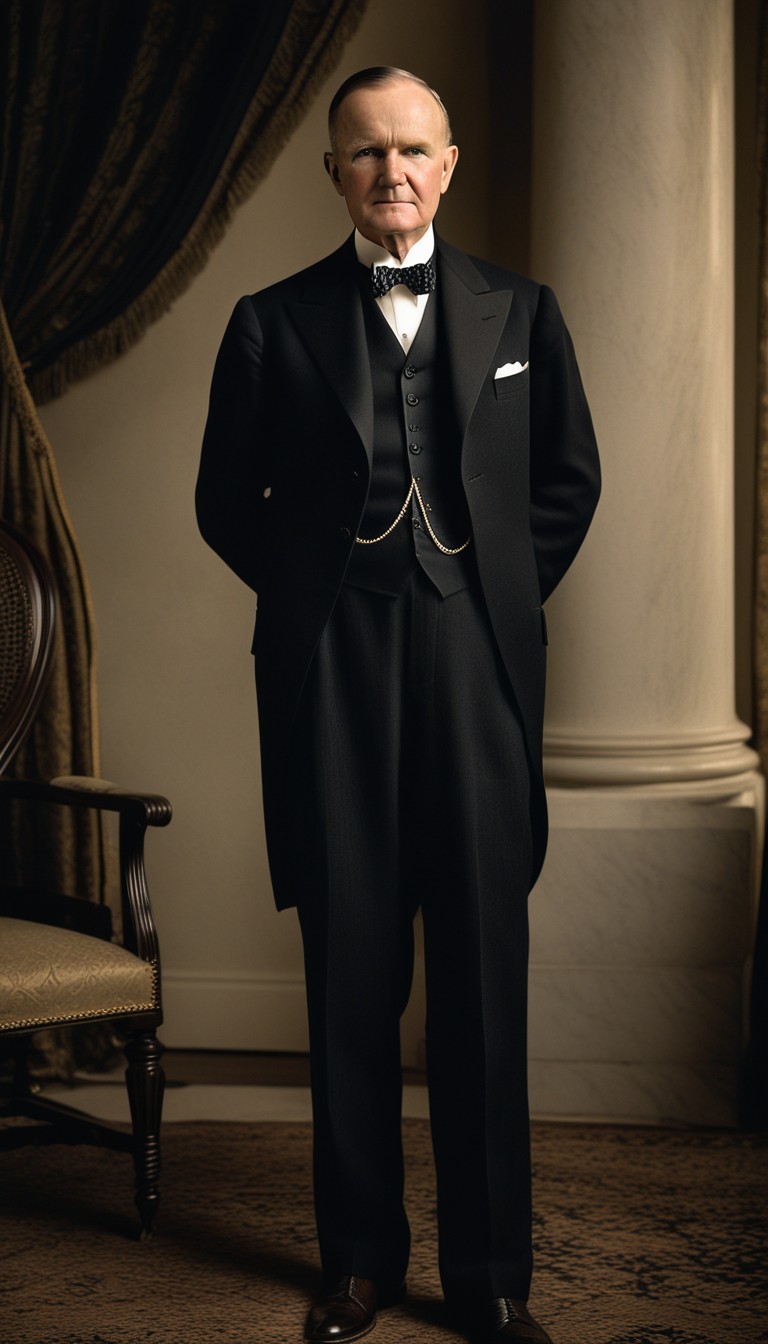
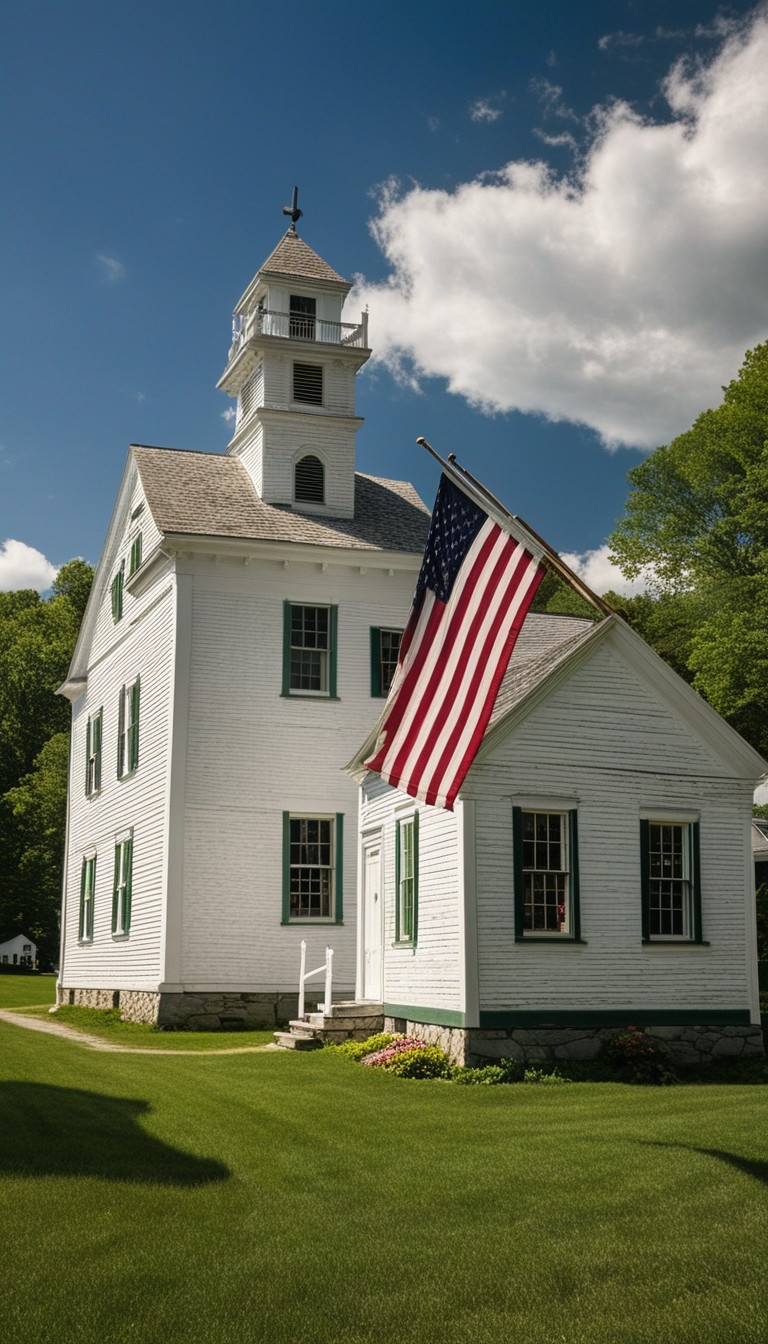
Born on July 4, 1872, in Plymouth Notch, Vermont, John Calvin Coolidge grew up in a tiny farming community without electricity or running water. His father was a storekeeper and local official. Young Calvin was painfully shy, a trait he carried his entire life. He attended Amherst College, studied law, and settled in Northampton, Massachusetts, where he climbed the political ladder with methodical patience.
1919
Boston, Massachusetts
The Boston Police Strike
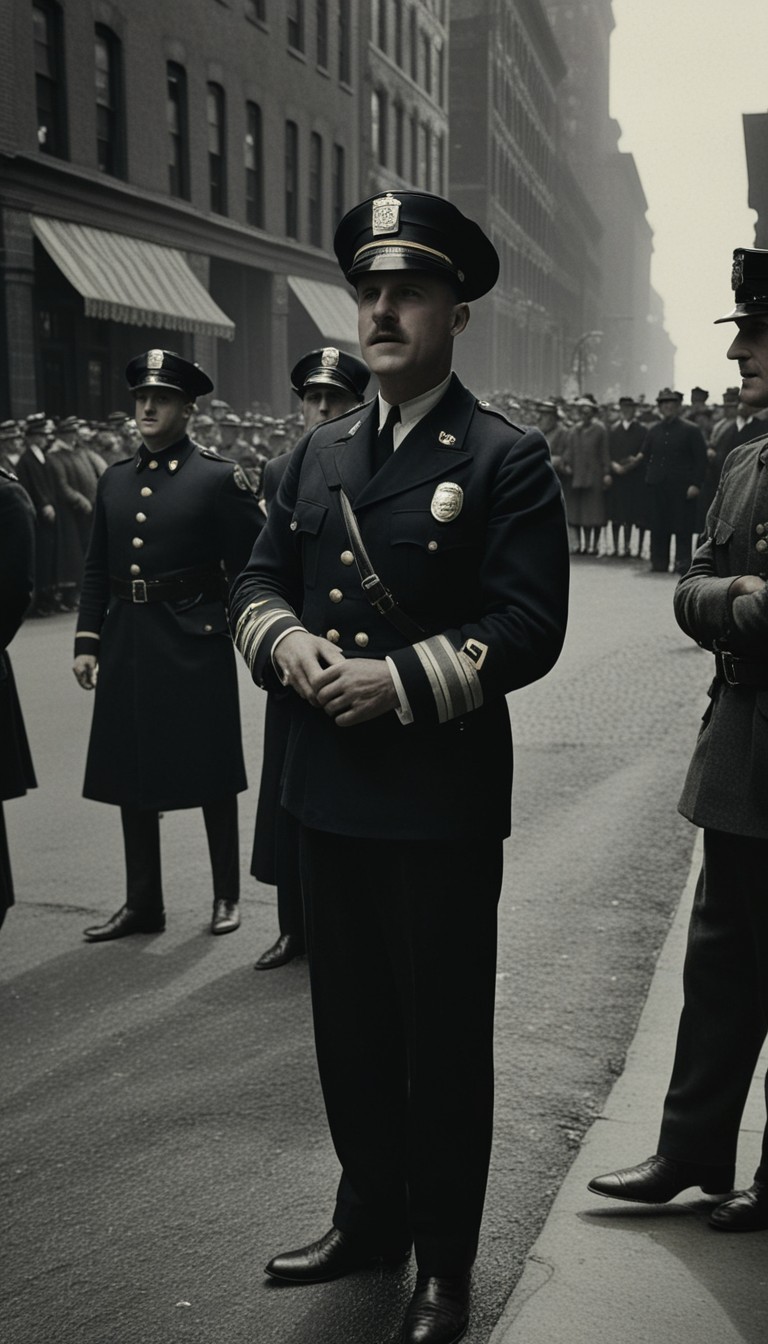
Coolidge served as city councilman, state legislator, mayor of Northampton, state senator, and lieutenant governor before becoming governor of Massachusetts in 1919. That September, Boston's police force went on strike. Coolidge called in the National Guard and declared: "There is no right to strike against the public safety by anybody, anywhere, any time." The statement made him a national hero overnight.
August 3, 1923
Plymouth Notch, Vermont
Sworn In by Kerosene Light
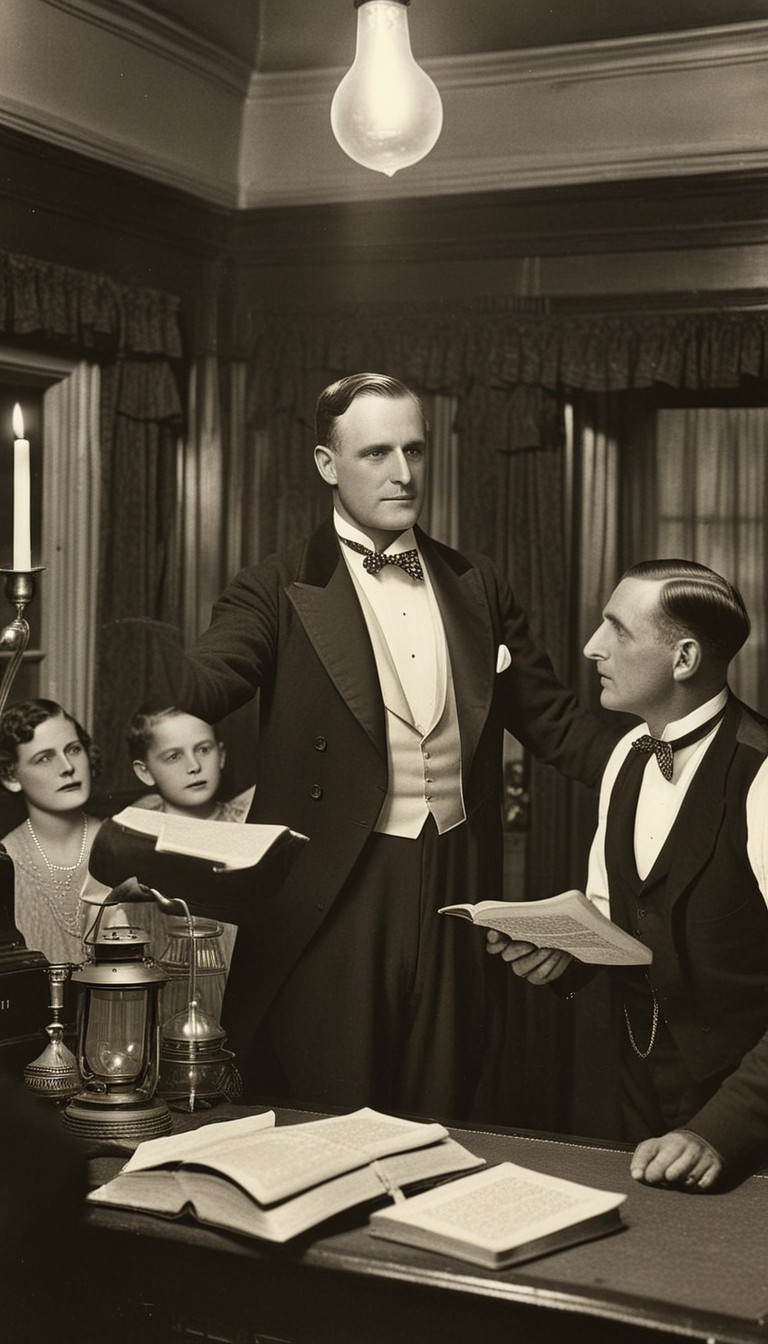
On August 2, 1923, Coolidge was vacationing at his father's Vermont farmhouse when word arrived that President Harding had died. At 2:47 a.m., by the light of a kerosene lamp, Coolidge's father, a notary public, administered the presidential oath of office to his son. It was the most dramatic and intimate swearing-in in presidential history. Coolidge then went back to bed.
1923-1924
Washington, D.C.
Restoring Trust
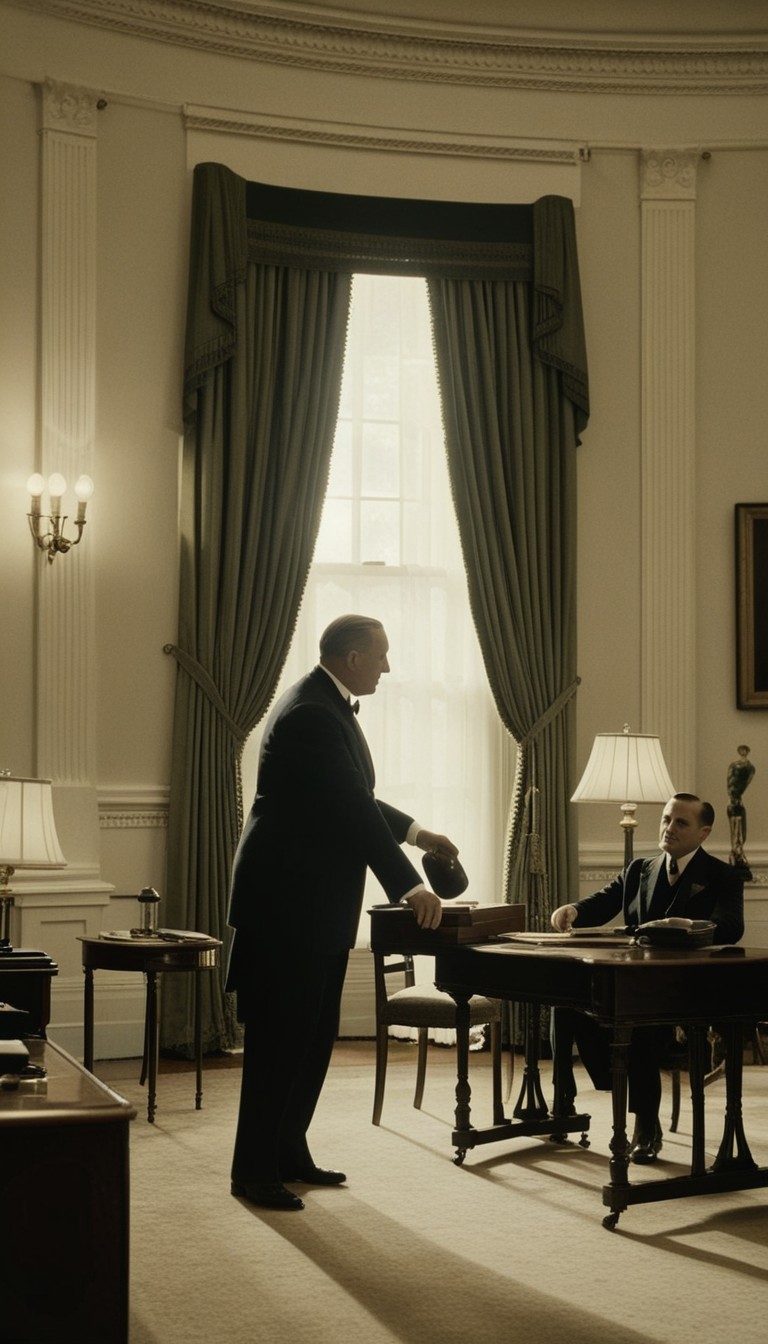
Coolidge inherited the wreckage of the Harding scandals and handled the crisis with quiet competence. He appointed special prosecutors to investigate Teapot Dome, forced the resignation of corrupt officials, and restored public confidence through his personal integrity and transparency. His reputation for honesty and frugality was exactly what the country needed. He won the 1924 election in his own right by a comfortable margin.
1924-1928
United States
Coolidge Prosperity
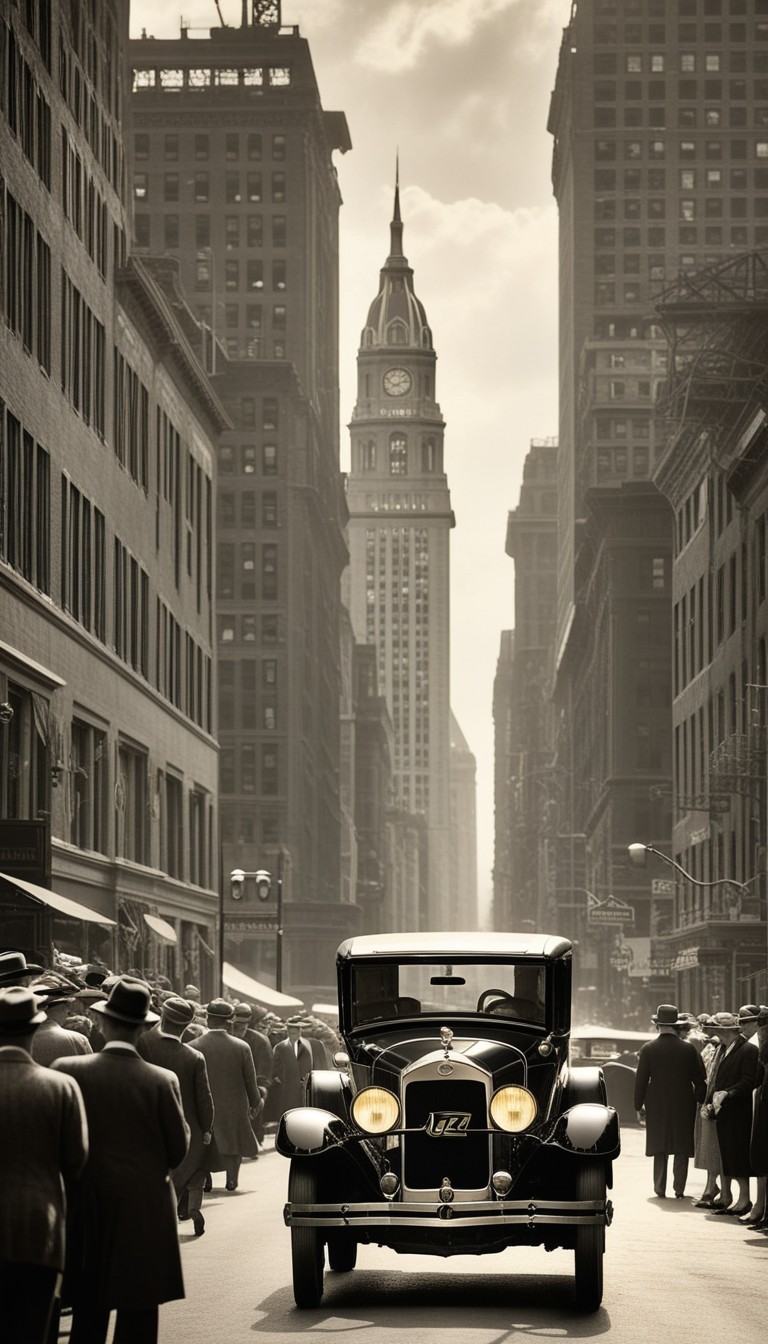
The Coolidge years saw extraordinary economic growth. The stock market soared, automobiles transformed American life, radios brought entertainment into every home, and consumer culture exploded. Coolidge cut taxes dramatically, reduced the national debt by a third, and maintained budget surpluses every year. "The chief business of the American people is business," he famously declared. Unemployment dropped below four percent.
1923-1929
Washington, D.C.
Silent Cal
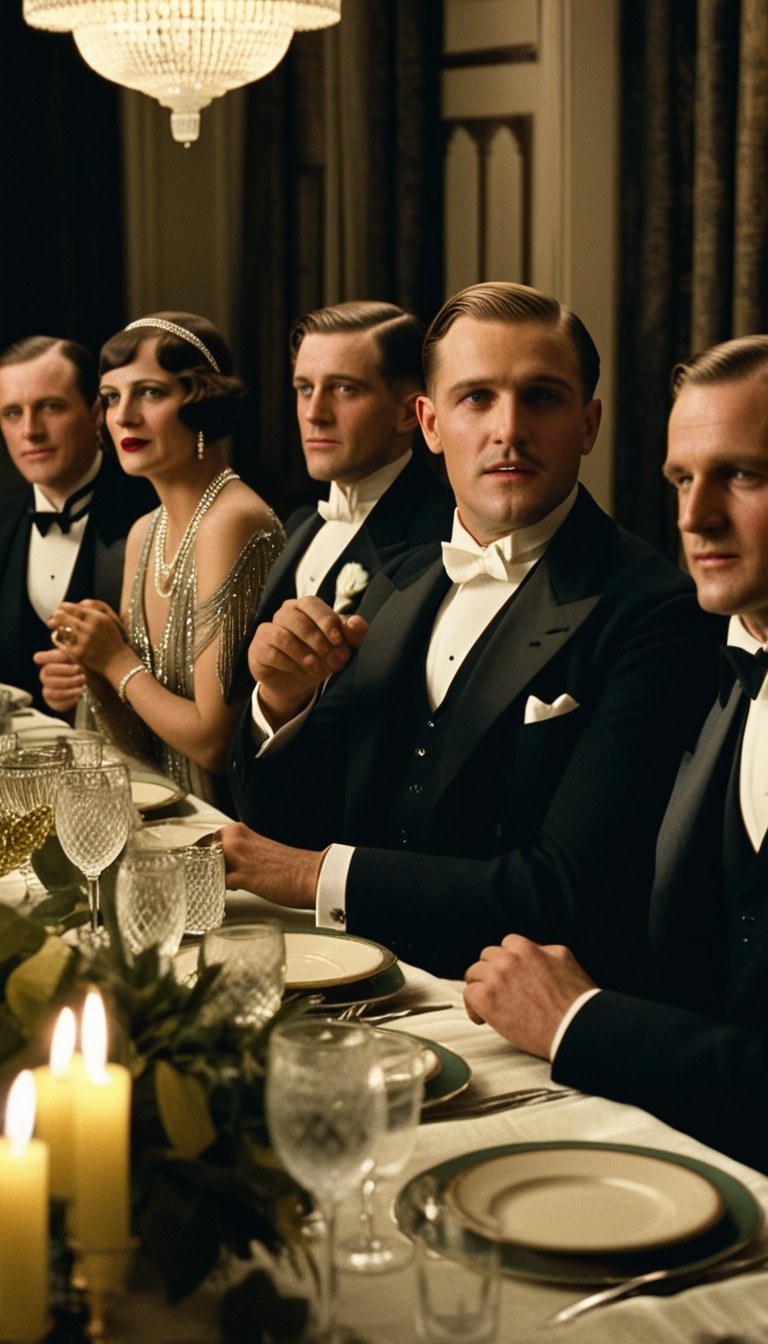
Coolidge's legendary silence became the stuff of American folklore. A dinner guest once told him she had bet she could get more than two words out of him. Coolidge replied: "You lose." He slept eleven hours a night and napped every afternoon. He once explained: "I have never been hurt by what I have not said." His dry wit and minimal style masked a sharp political mind and genuine devotion to duty.
1924
Washington, D.C.
A Father's Grief
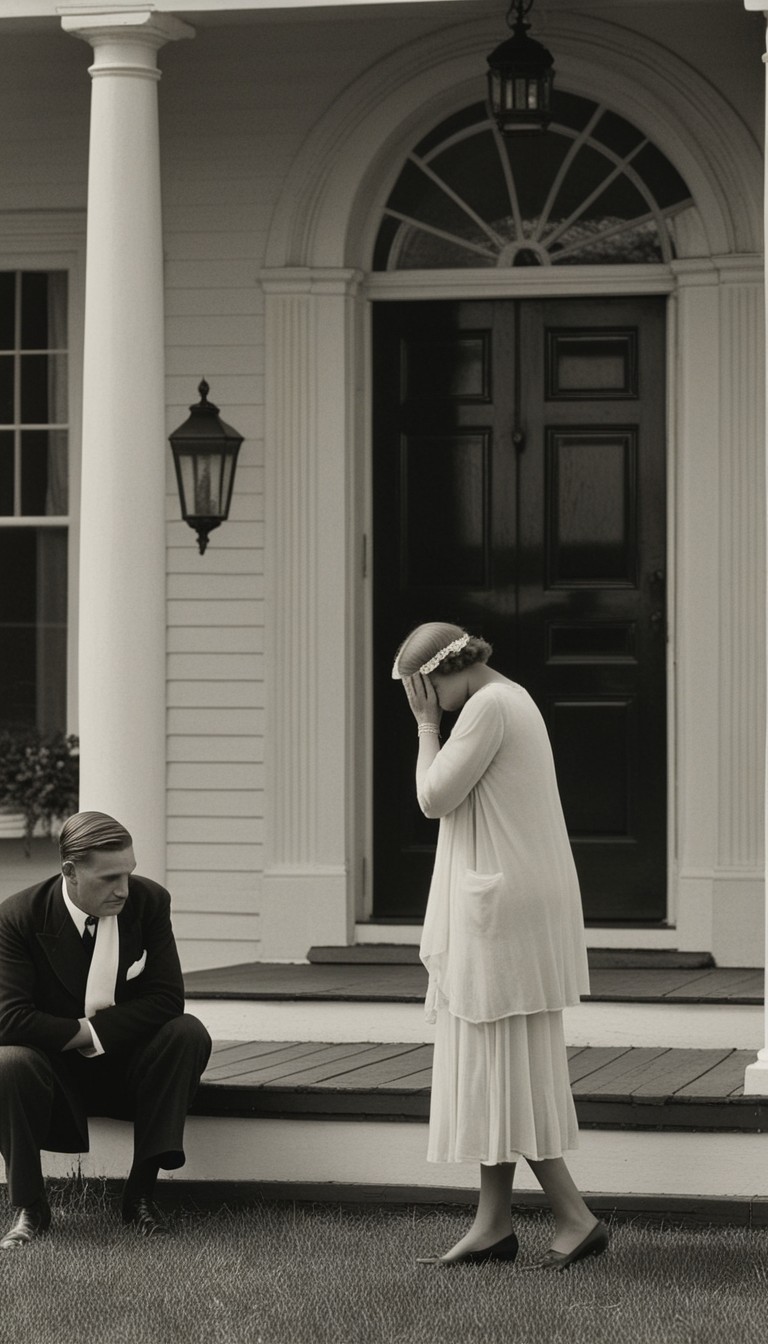
In June 1924, Coolidge's sixteen-year-old son Calvin Jr. developed a blister while playing tennis on the White House courts. The blister became infected, and blood poisoning killed the boy within a week. Coolidge was devastated. "When he went, the power and the glory of the presidency went with him," he later wrote. Many historians believe the tragedy drained Coolidge of the will to govern aggressively.
1927-1933
Northampton, Massachusetts
I Do Not Choose to Run
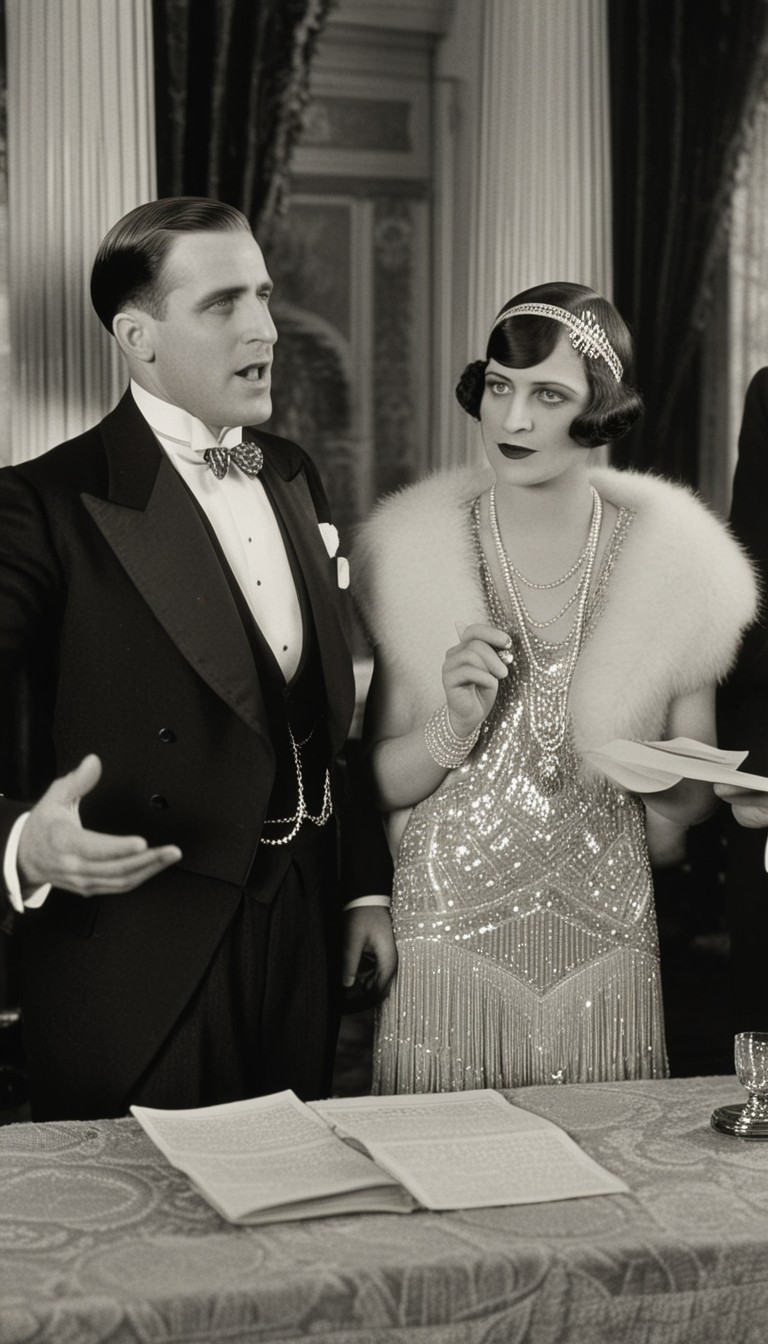
In August 1927, Coolidge stunned the nation by handing reporters slips of paper reading: "I do not choose to run for President in nineteen twenty-eight." He never fully explained the decision. He left office in March 1929, months before the stock market crashed and the Great Depression began. Critics would argue his laissez-faire policies helped create the conditions for the disaster. Coolidge died quietly at his Northampton home on January 5, 1933.
The Virtue of Restraint
Calvin Coolidge remains one of the most debated presidents in American history. Admirers see a principled leader who cut government, reduced debt, and let prosperity flourish. Critics argue his inaction on speculation, inequality, and banking regulation set the stage for catastrophe. Either way, Silent Cal demonstrated that leadership does not always require grand gestures, and that sometimes the most powerful statement is the one left unsaid.
Recommended Reading
As an Amazon Associate, we earn from qualifying purchases.
Swipe to navigate