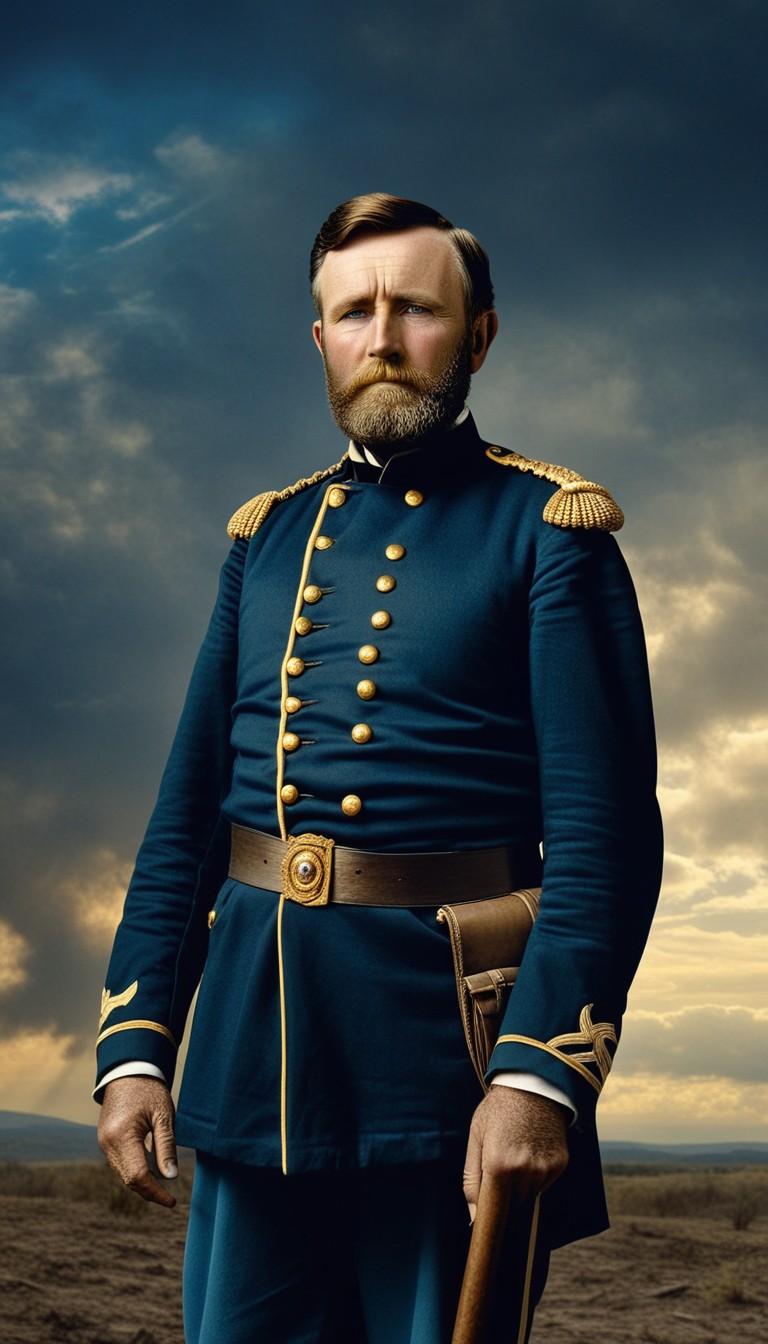
Ulysses S. Grant (#18): From Battlefield to White House
Loading story...
1822-1848
Ohio & West Point
The Reluctant Soldier
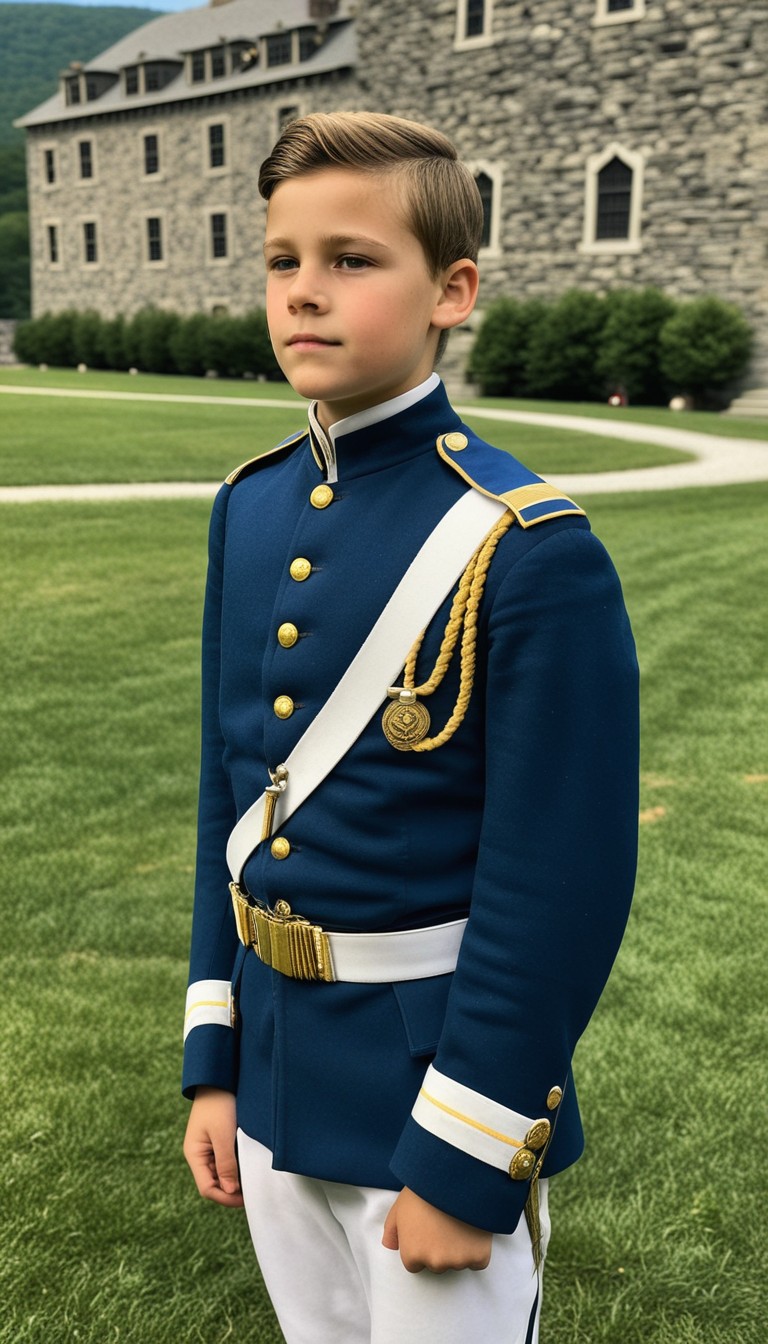
Born Hiram Ulysses Grant on April 27, 1822, in Point Pleasant, Ohio, he gained the name "Ulysses S." through a clerical error at West Point. A gifted horseman but indifferent student, he graduated in the middle of his class in 1843. He served with distinction in the Mexican-American War but hated the conflict, calling it "one of the most unjust ever waged."
1854-1861
Galena, Illinois
Rock Bottom
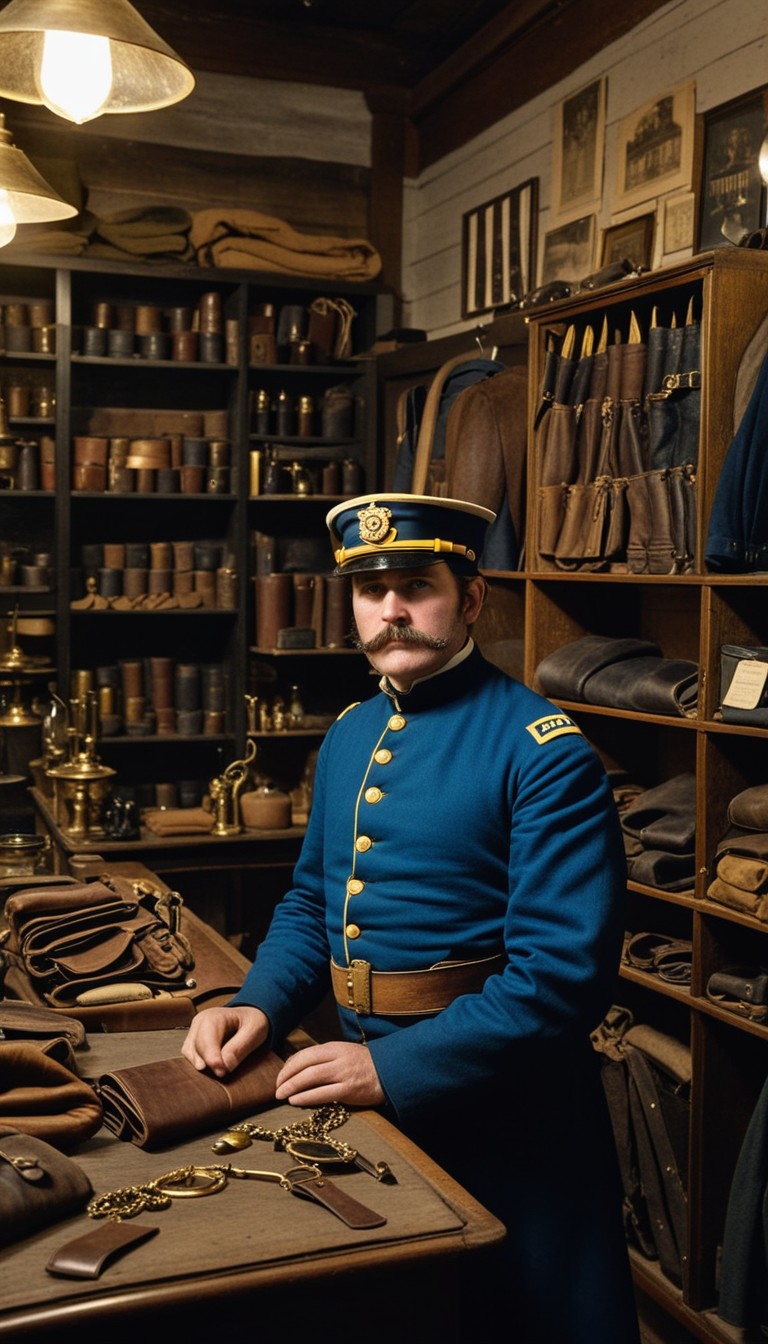
After the Mexican War, Grant was posted to remote California, separated from his wife and children. Loneliness and drinking led to his resignation from the Army in 1854. He failed at farming, failed at real estate, and ended up clerking in his father's leather goods store in Galena, Illinois. At thirty-eight, Ulysses Grant seemed destined for obscurity.
1862
Tennessee
Unconditional Surrender
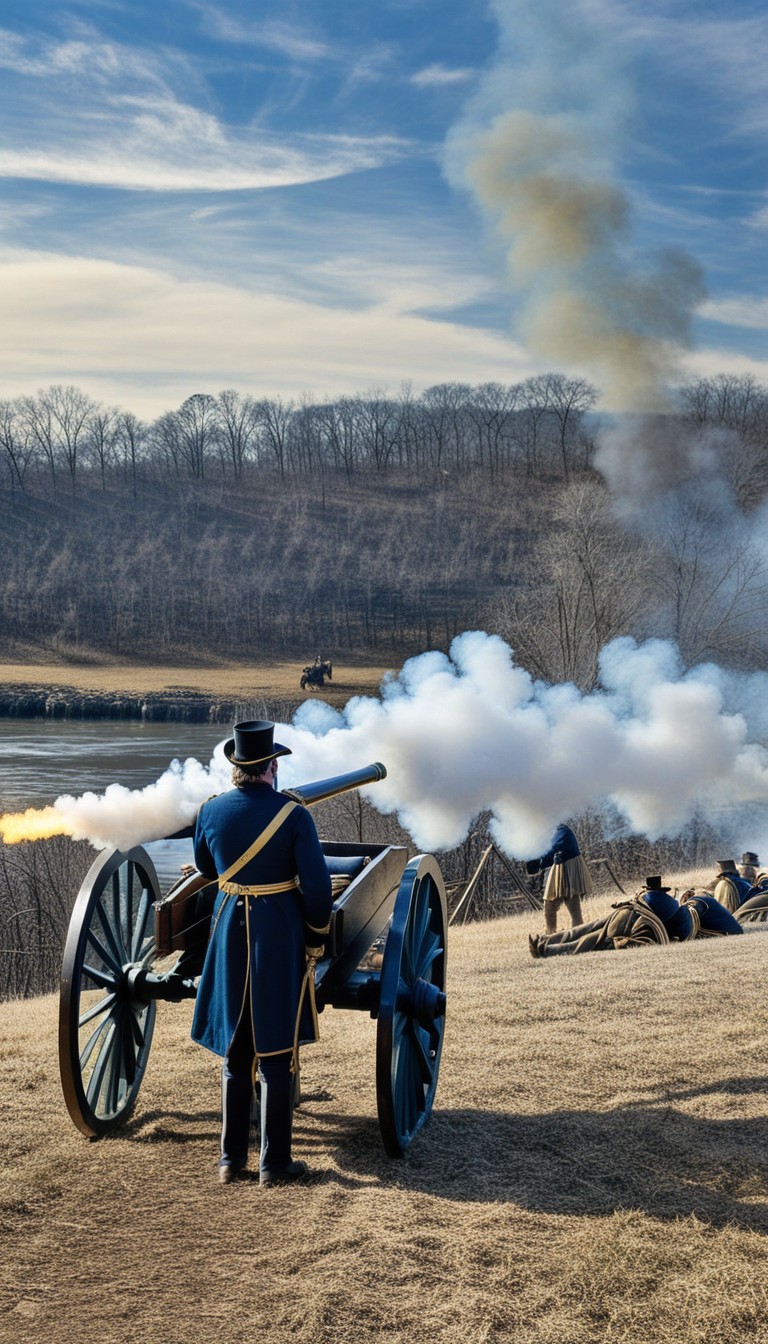
When the Civil War erupted, Grant volunteered and quickly proved his genius for command. In February 1862, he captured Fort Henry and Fort Donelson in Tennessee, demanding "unconditional surrender" from the Confederate garrison. The victories were the Union's first major wins, and "Unconditional Surrender Grant" became a household name overnight.
1863
Vicksburg, Mississippi
The Vicksburg Campaign
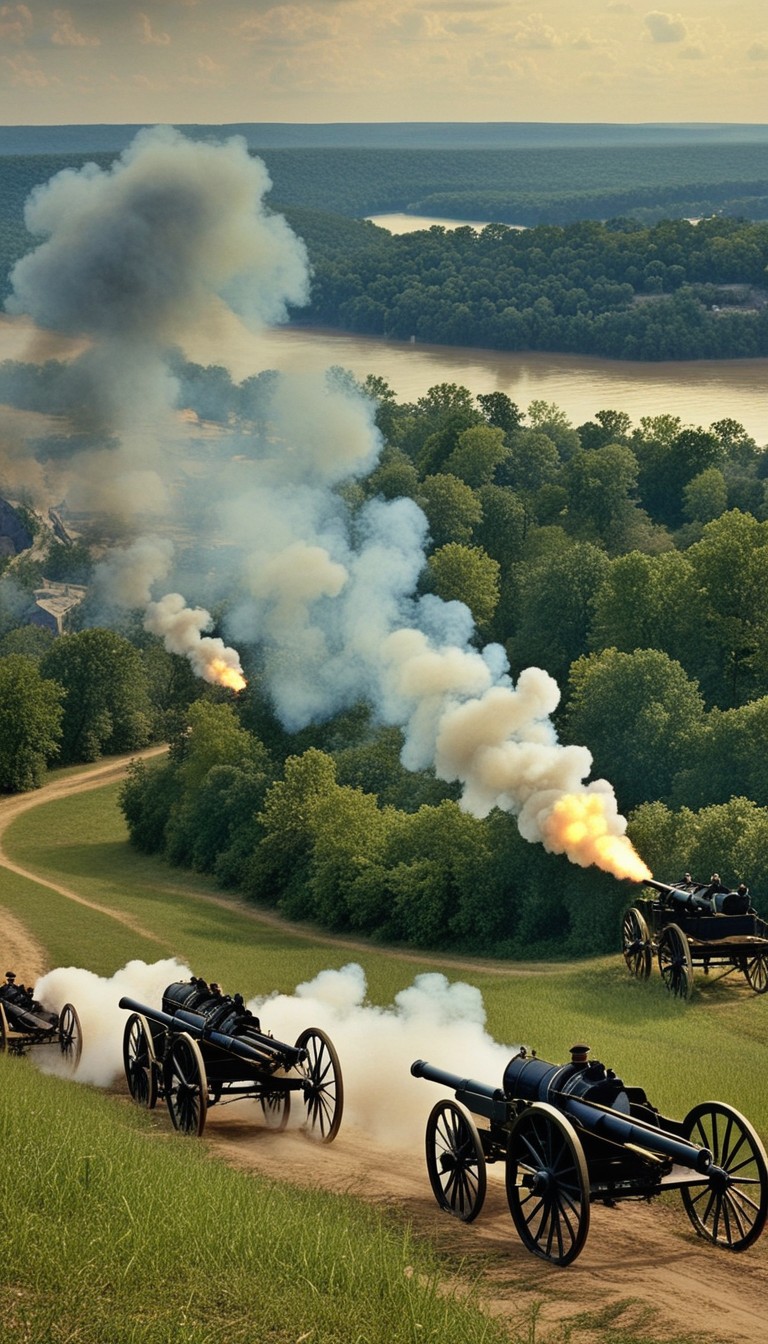
Grant's masterpiece was the Vicksburg Campaign. After months of failed attempts, he marched his army down the west bank of the Mississippi, crossed below the fortress city, and won five battles in seventeen days. Vicksburg surrendered on July 4, 1863, giving the Union control of the Mississippi and splitting the Confederacy in two. Lincoln declared: "Grant is my man."
1864-1865
Virginia
Victory and Generous Peace
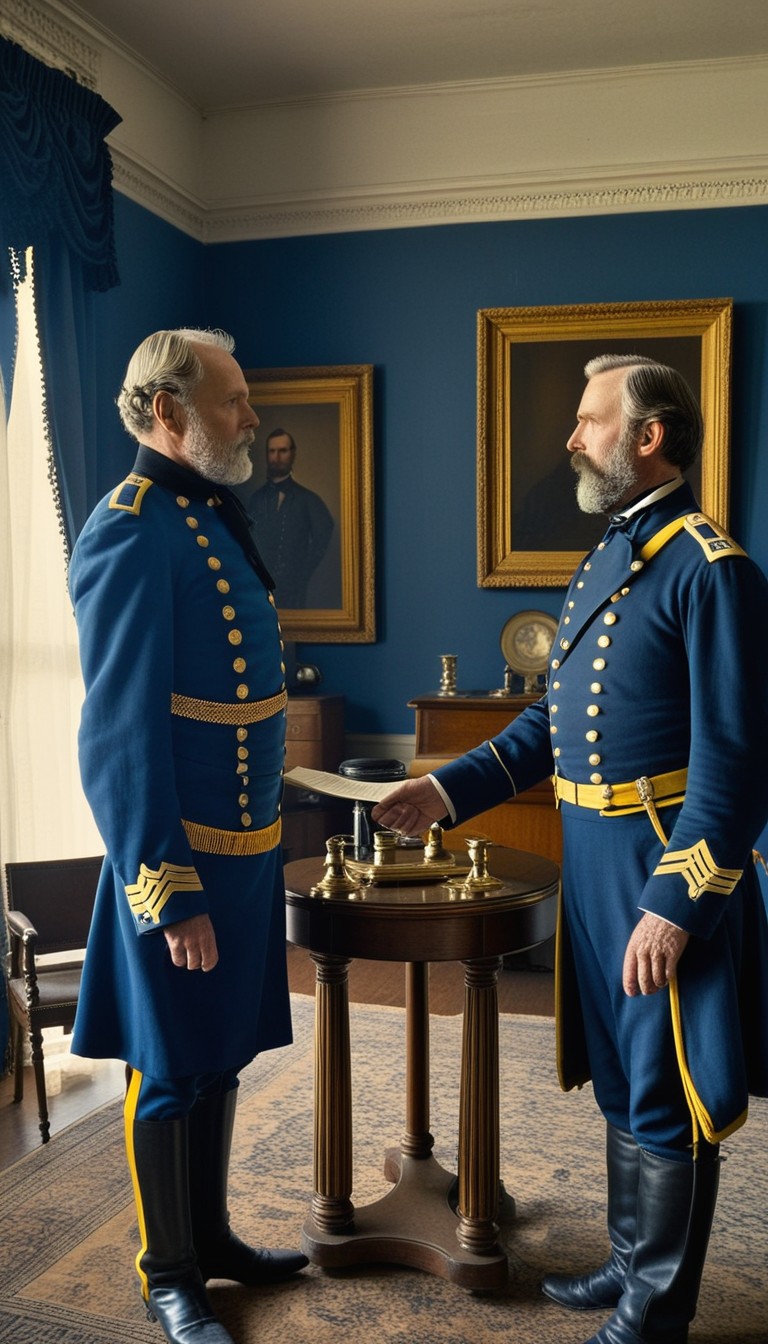
Promoted to commanding general of all Union armies, Grant devised the strategy that won the war: relentless, coordinated pressure on all fronts. On April 9, 1865, Robert E. Lee surrendered at Appomattox Court House. Grant offered generous terms, allowing Confederate soldiers to keep their horses and go home. "The war is over," he said. "The rebels are our countrymen again."
1869-1871
Washington, D.C.
The Eighteenth President
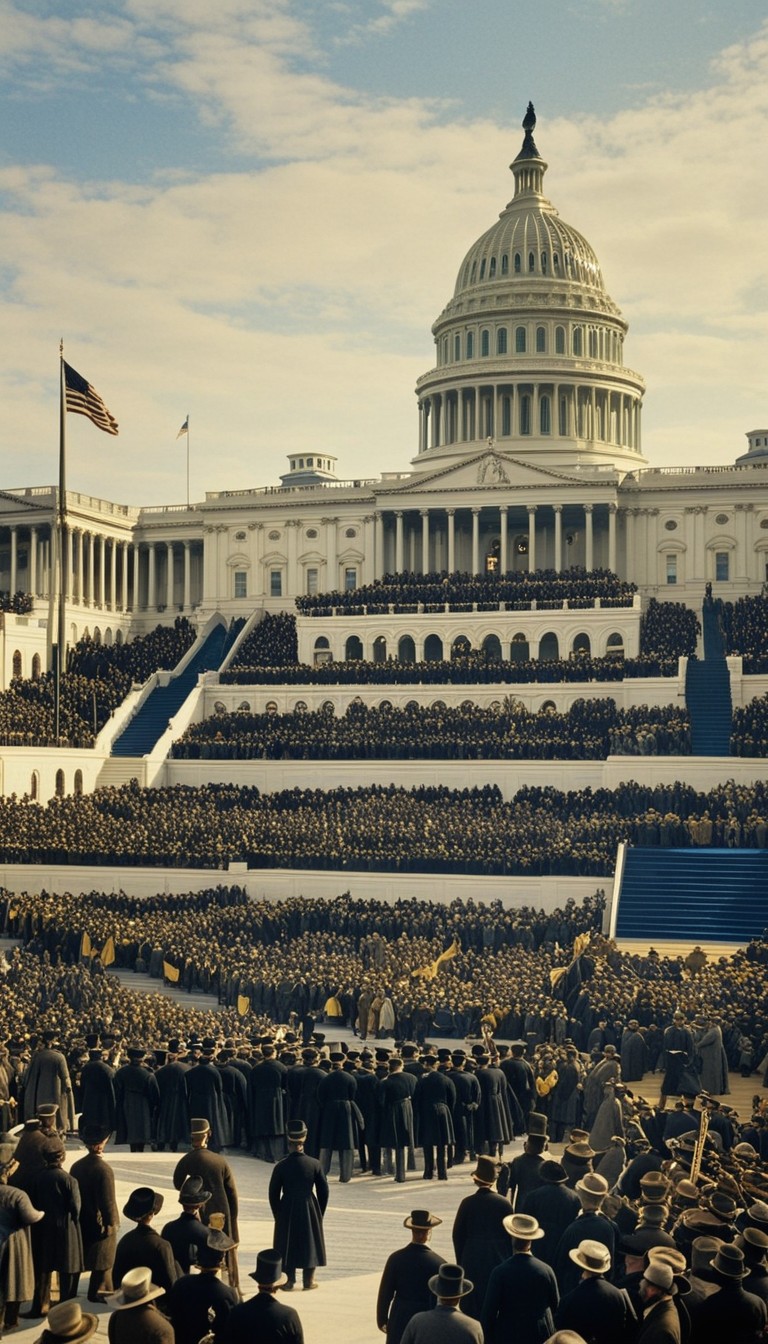
Elected president in 1868 with the slogan "Let Us Have Peace," Grant brought the same determination to the White House that he had shown on the battlefield. He championed the Fifteenth Amendment guaranteeing Black men the right to vote, signed the Civil Rights Act of 1871, and deployed federal troops to crush the Ku Klux Klan across the South.
1872-1877
Washington, D.C.
Scandals and Setbacks
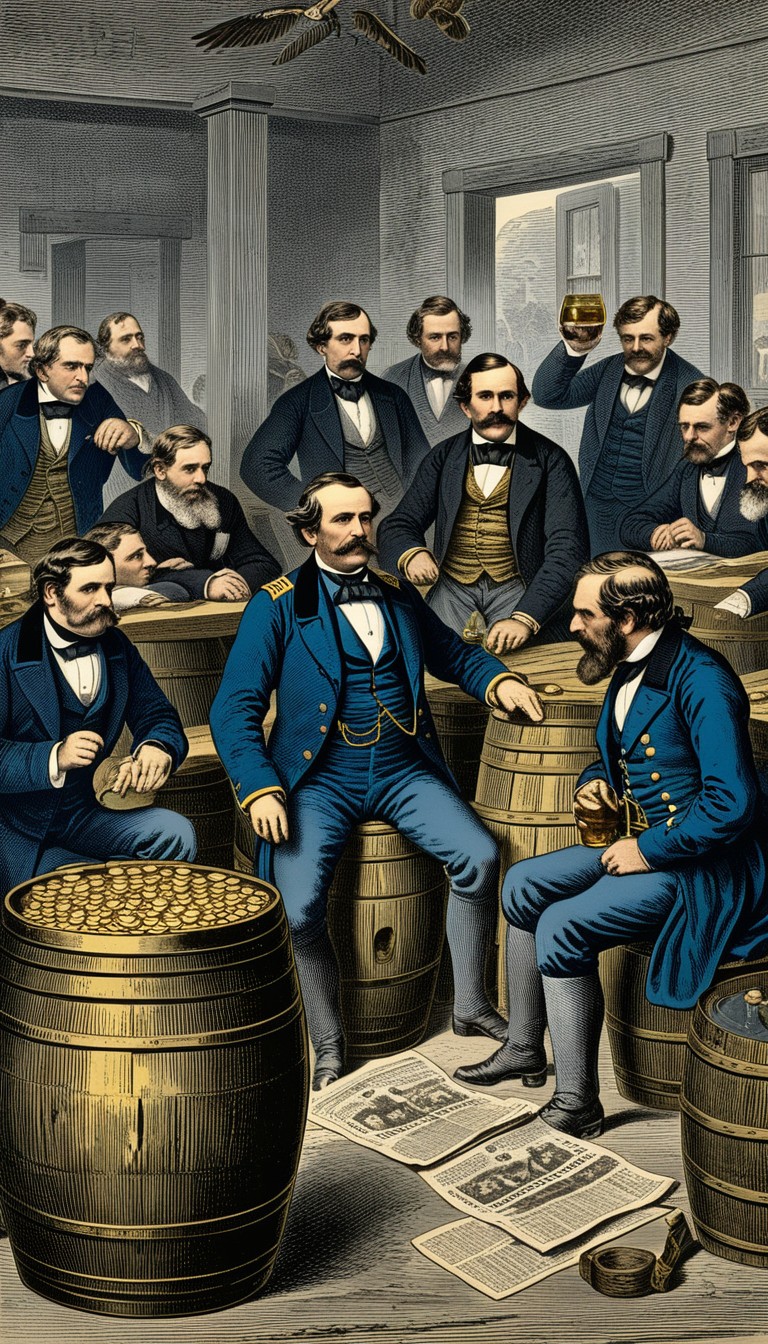
Grant's trusting nature proved a liability. His administration was rocked by scandals, including the Credit Mobilier affair, the Whiskey Ring tax fraud, and corruption by his Secretary of War. Though Grant himself was never found personally corrupt, his loyalty to dishonest friends tarnished his presidency. The Panic of 1873 brought economic depression, further dimming his second term.
1884-1885
Mount McGregor, New York
A Final Act of Courage
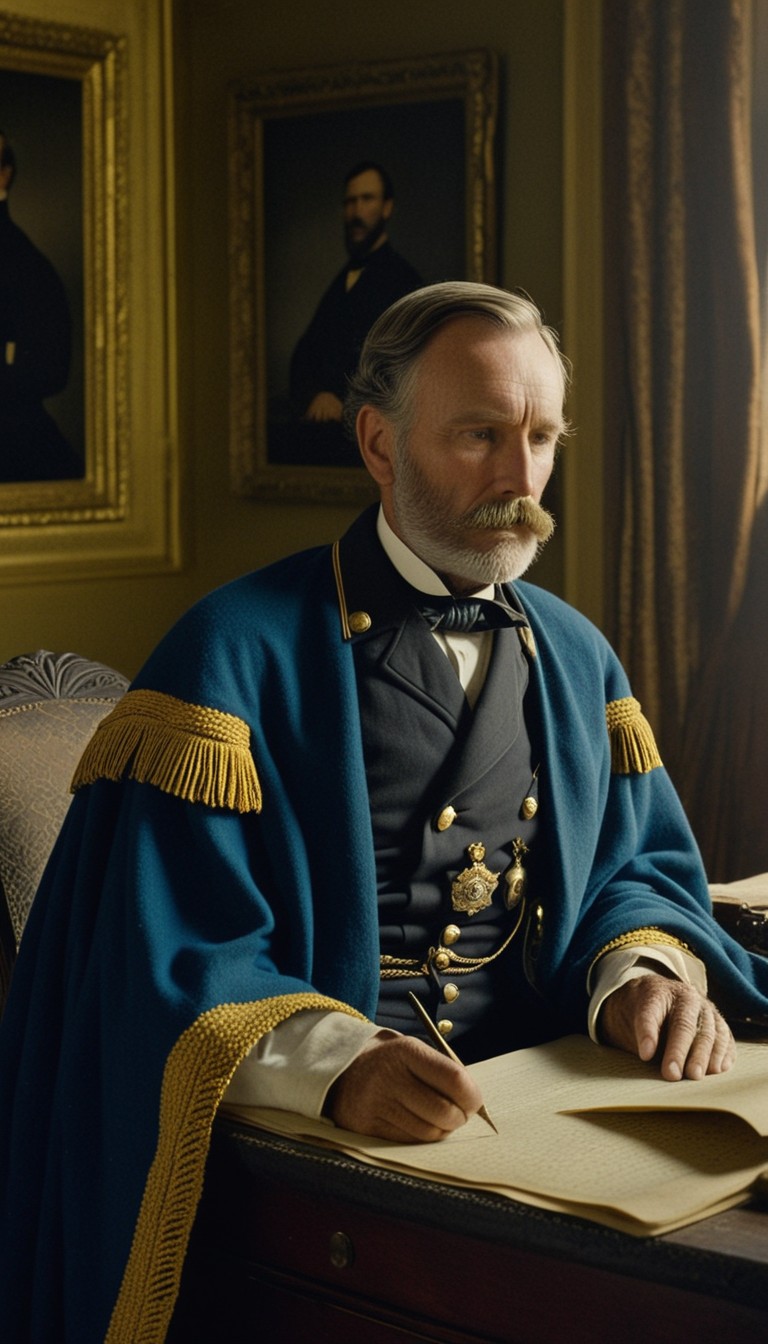
After leaving office, Grant was swindled out of his fortune by a crooked business partner. Diagnosed with terminal throat cancer, he raced to finish his memoirs to provide for his family. Writing through agonizing pain, often producing ten thousand words a day, he completed the manuscript just days before his death on July 23, 1885. The memoirs earned his family nearly half a million dollars and are considered among the finest ever written.
The Quiet Man Who Saved a Nation
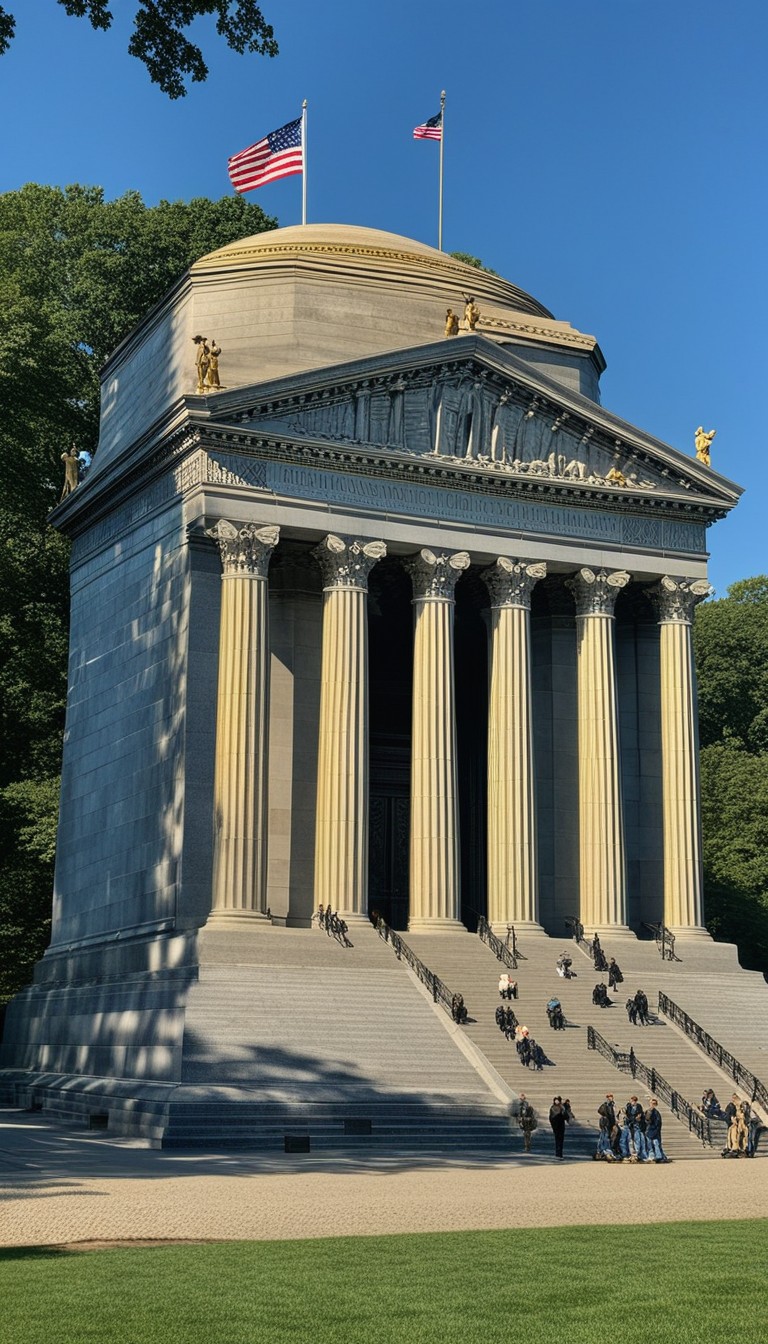
Ulysses S. Grant's life arc is among the most dramatic in American history: from failure to supreme command, from the White House to financial ruin, from deathbed to literary immortality. Modern historians have increasingly recognized his presidency for its courageous defense of civil rights during Reconstruction, restoring Grant to his rightful place among consequential American leaders.
Recommended Reading
As an Amazon Associate, we earn from qualifying purchases.
Swipe to navigate