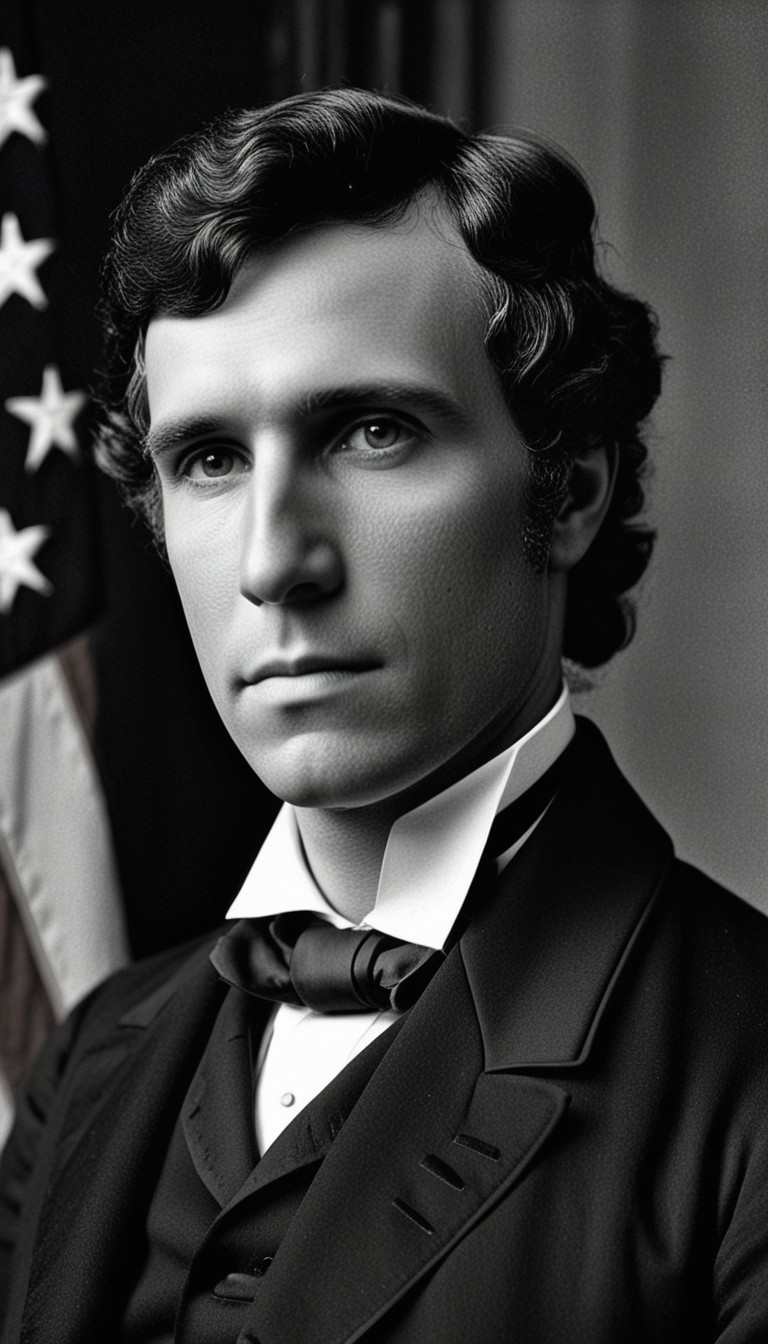
Franklin Pierce (#14): The Handsome Failure
Loading story...
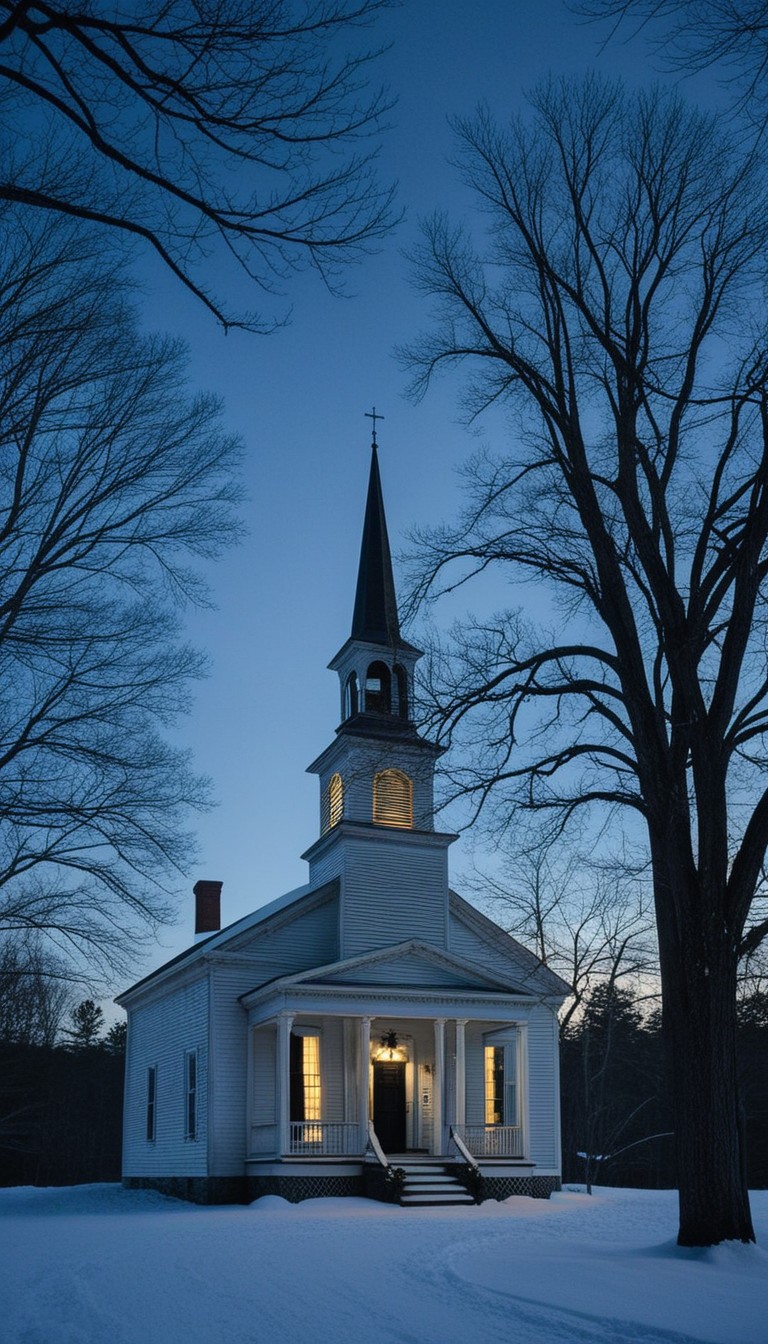
1804-1824
Hillsborough, New Hampshire
The Governor's Son
Born in 1804 in Hillsborough, New Hampshire, Pierce grew up in privilege as the son of Benjamin Pierce, a Revolutionary War veteran who served two terms as governor. Handsome, sociable, and naturally charming, young Franklin breezed through Bowdoin College, where his classmates included Nathaniel Hawthorne, who became his lifelong friend.
1829-1842
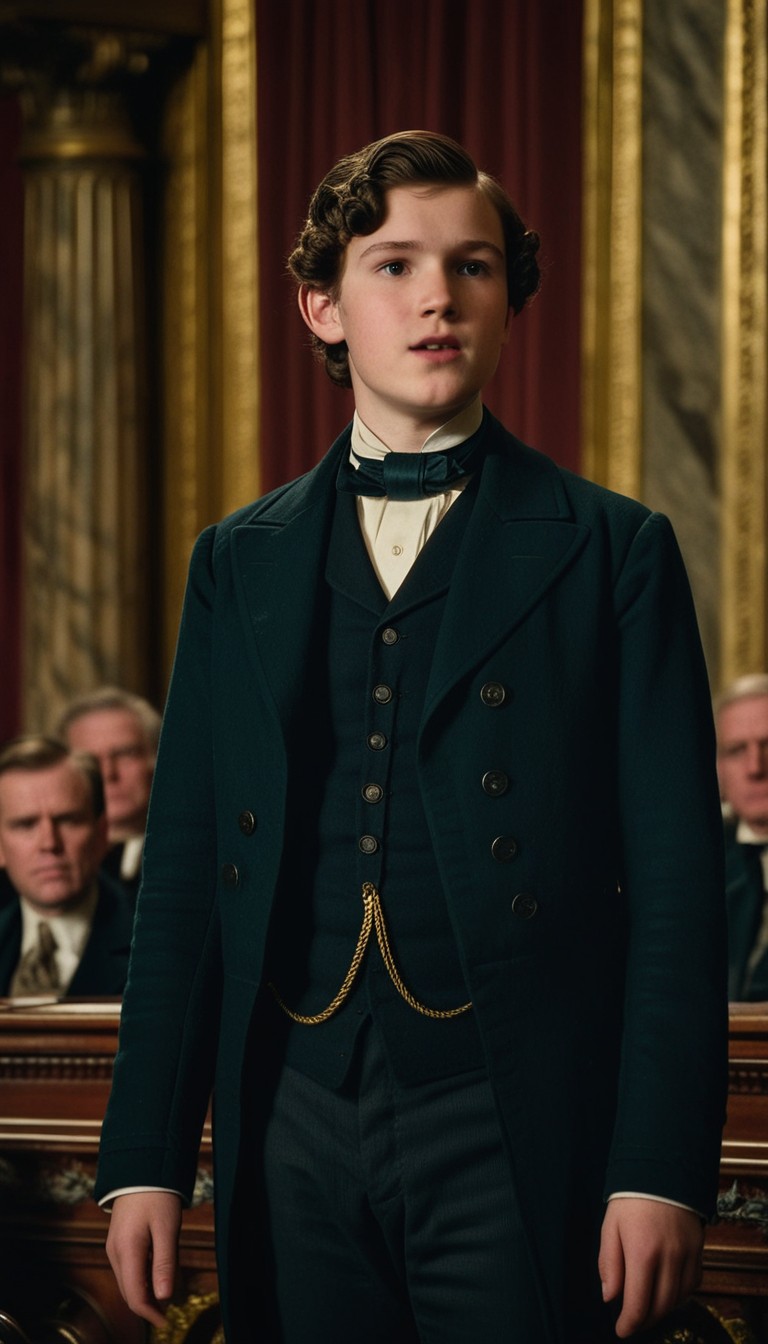
Washington, D.C.
The Youngest Senator
Pierce entered politics at twenty-four and was elected to the U.S. Senate at just thirty-two, one of the youngest senators in American history. He was a loyal Jacksonian Democrat, a skillful debater, and immensely popular. But his wife Jane despised Washington and his drinking was becoming a problem. In 1842, he resigned from the Senate and returned to New Hampshire to practice law.

1847-1848
Mexico
Soldier in Mexico
When the Mexican-American War broke out, Pierce volunteered and was made a brigadier general. His service was marked by bad luck: he was thrown from his horse and injured at the Battle of Contreras, fainted from the pain, and was mocked for it. Despite his critics, Pierce served honorably through the capture of Mexico City and returned home a war veteran.
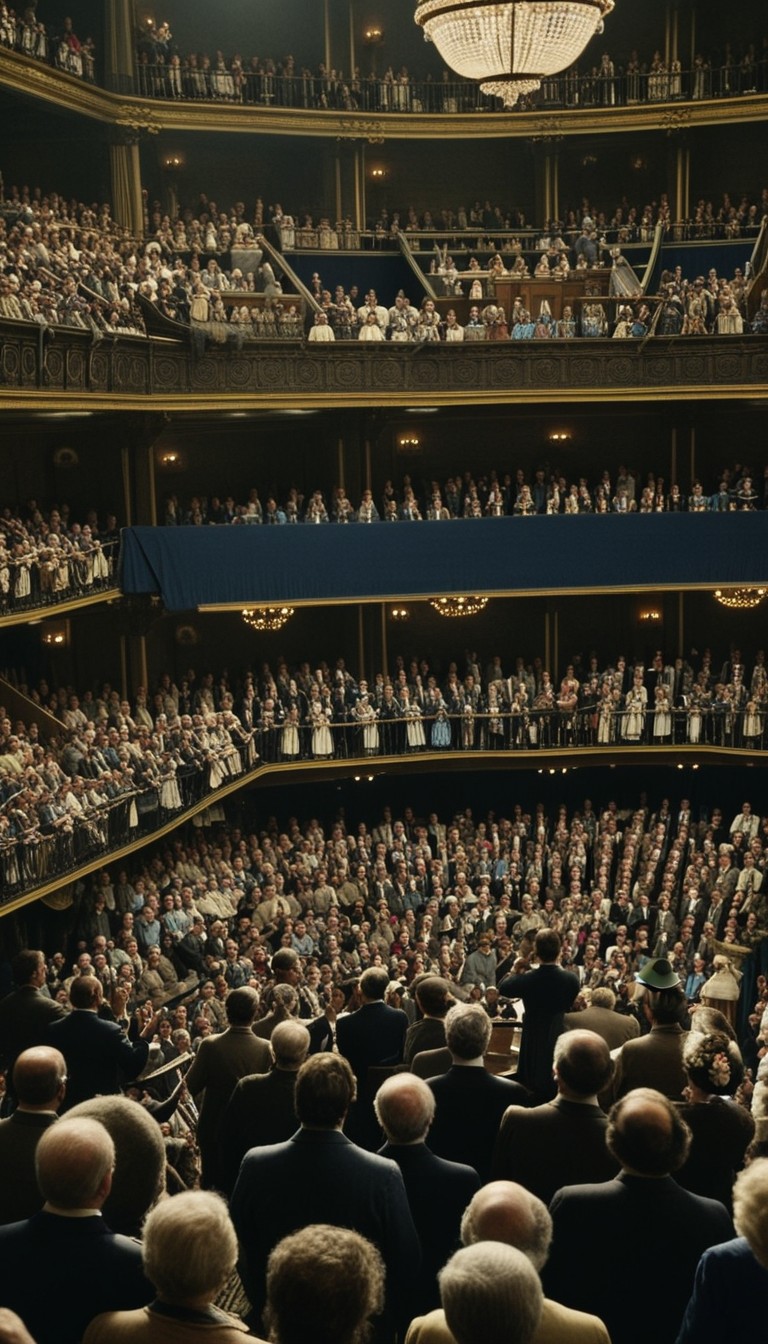
1852
Baltimore, Maryland
The Dark Horse
At the 1852 Democratic Convention, the party deadlocked through forty-eight ballots before turning to Pierce as a compromise. He was young, Northern, had a war record, and was sympathetic to the South on slavery. He won the general election in a landslide. But before he could take office, tragedy struck with devastating force.

January 1853
Andover, Massachusetts
A Father's Grief
Two months before his inauguration, Pierce and his family were in a train that derailed near Andover, Massachusetts. Pierce and Jane survived, but their eleven-year-old son Bennie was killed before their eyes, nearly decapitated by the wreckage. It was the third child the Pierces had lost. Jane believed God had taken Bennie to free her husband from distraction. Pierce entered the White House shattered.
1854
Washington, D.C.
The Kansas-Nebraska Disaster
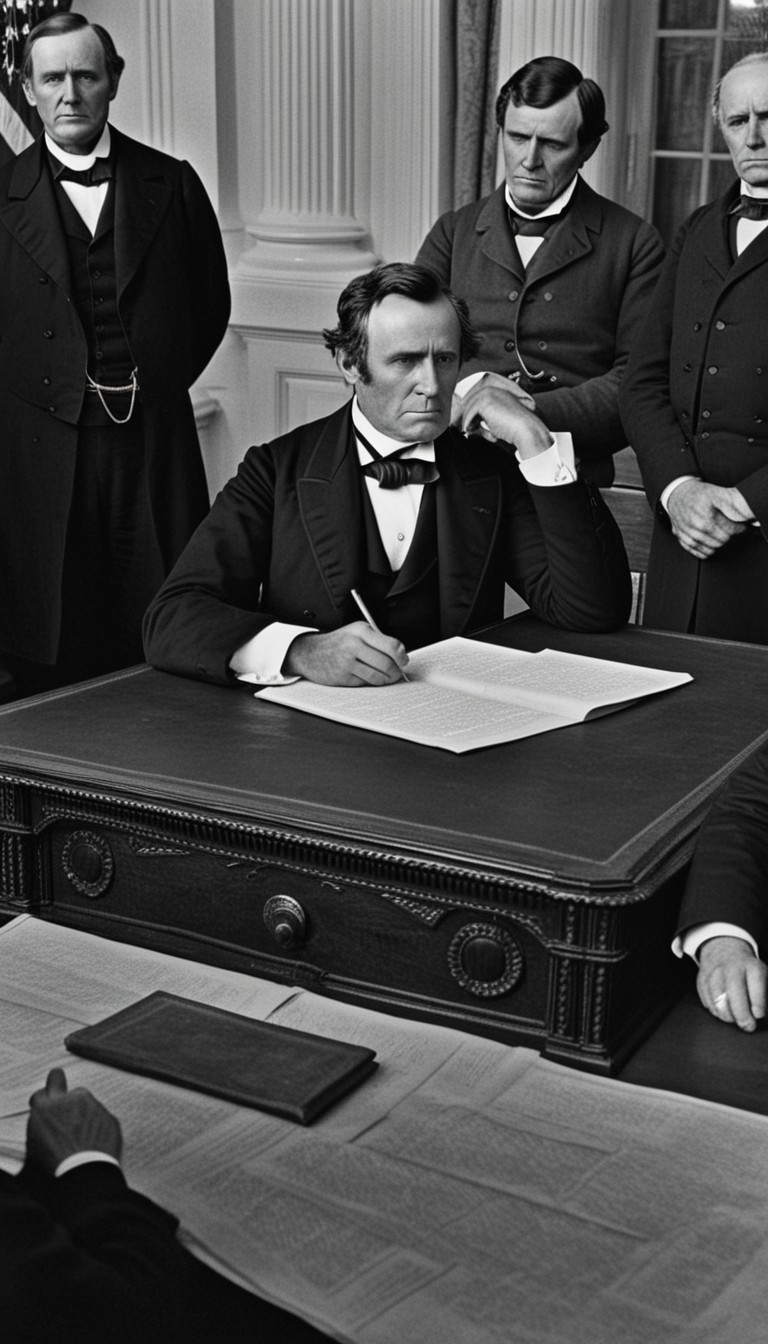
Pierce's most consequential act was signing the Kansas-Nebraska Act of 1854, which repealed the Missouri Compromise and allowed settlers in the new territories to vote on whether to allow slavery. The act tore the nation apart. It destroyed the Whig Party, gave birth to the Republican Party, and turned Kansas into a bleeding battleground where proslavery and antislavery settlers murdered each other.
1854-1856
Kansas Territory
Bleeding Kansas
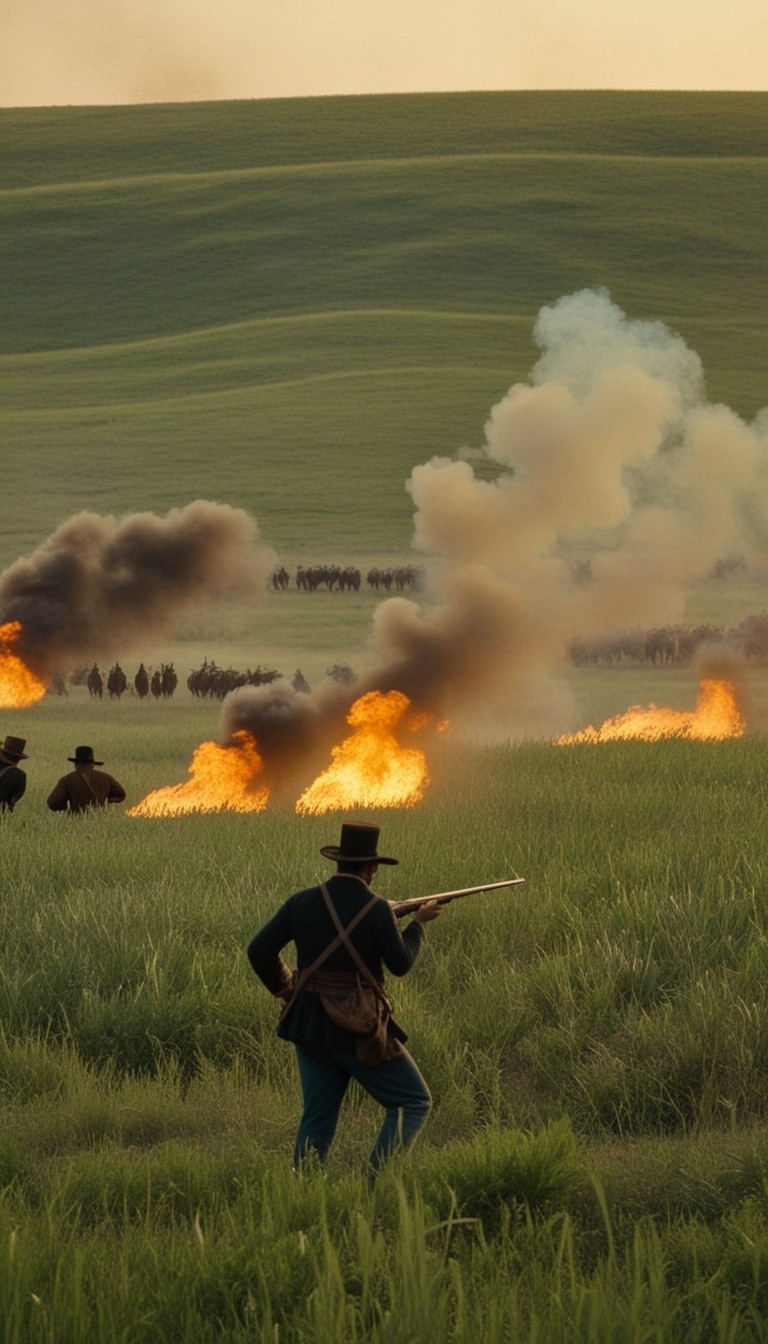
Kansas descended into guerrilla war as proslavery "Border Ruffians" from Missouri crossed into the territory to rig elections, and antislavery Free-Staters fought back. Pierce sided with the proslavery government, further alienating the North. The violence produced radical abolitionists like John Brown and made the word "Kansas" synonymous with the approaching civil war.
1856
Washington, D.C.
Rejected by His Own Party
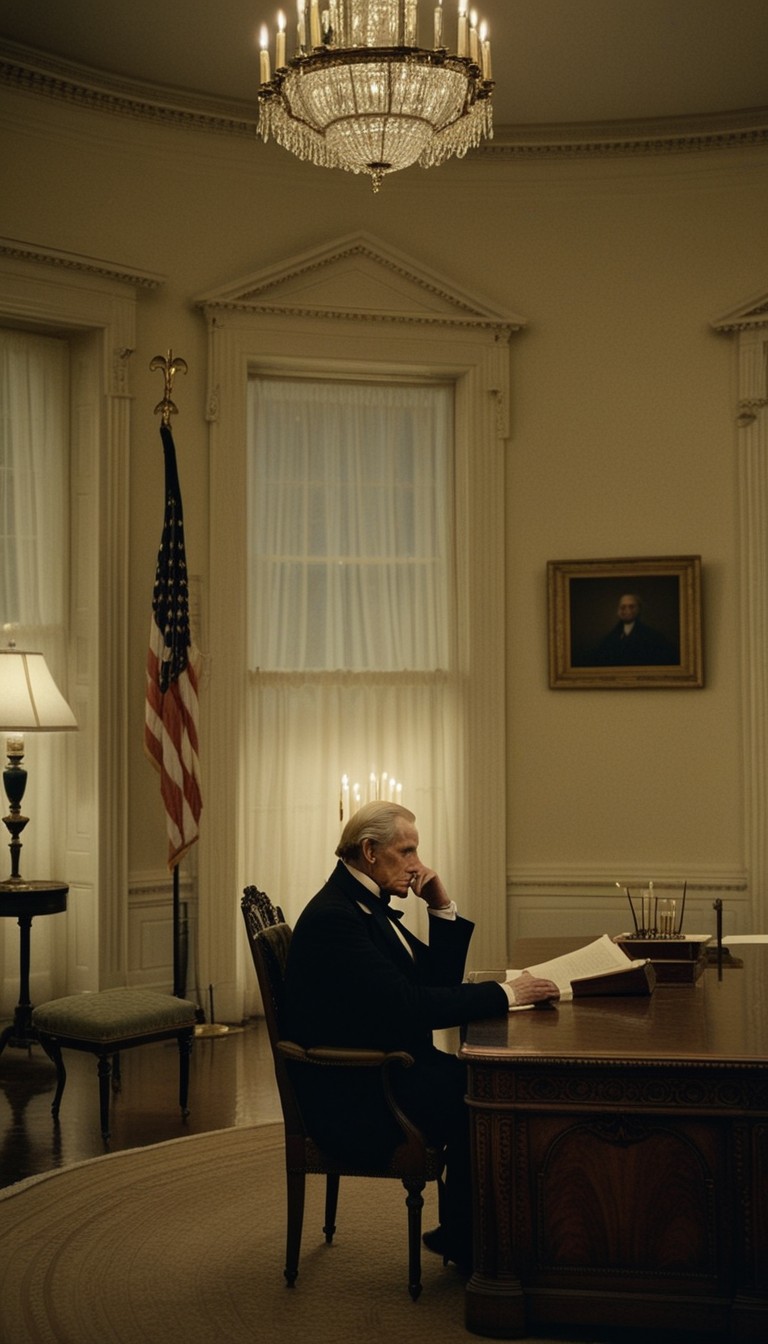
Pierce became the only elected president to be denied renomination by his own party. The Democrats chose James Buchanan instead. Pierce left Washington despised by the North for enabling slavery's expansion and untrusted by the South for being a Northern man. He spent his remaining years drinking heavily, supporting the Confederacy from afar, and mourning the son he could not save.
A Presidency of Sorrow
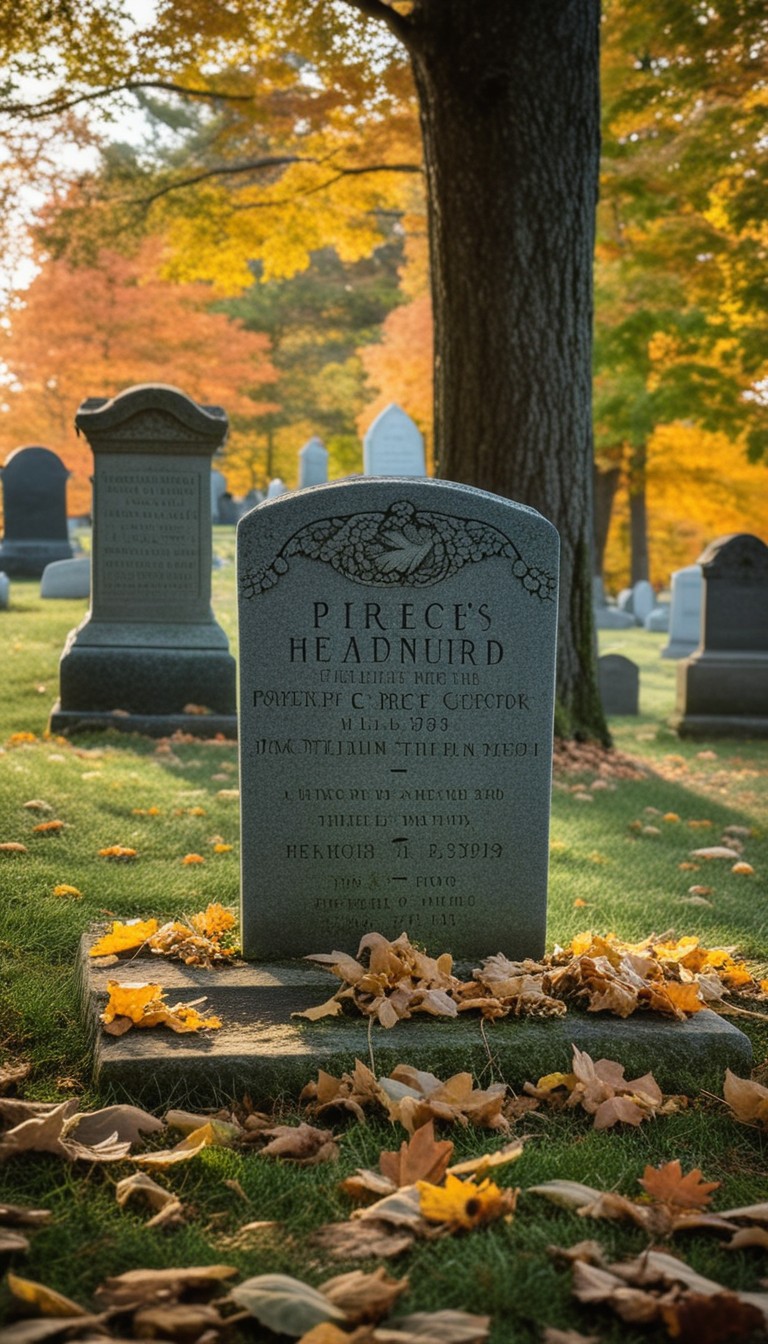
Franklin Pierce died in 1869 in Concord, New Hampshire, largely forgotten and unmourned. His presidency is a cautionary tale about the limits of charm and compromise when facing a moral crisis. He entered office a broken man and left it having broken the nation's ability to contain the slavery question. The Civil War he helped make inevitable began just four years after he left office.
Recommended Reading
As an Amazon Associate, we earn from qualifying purchases.
Swipe to navigate