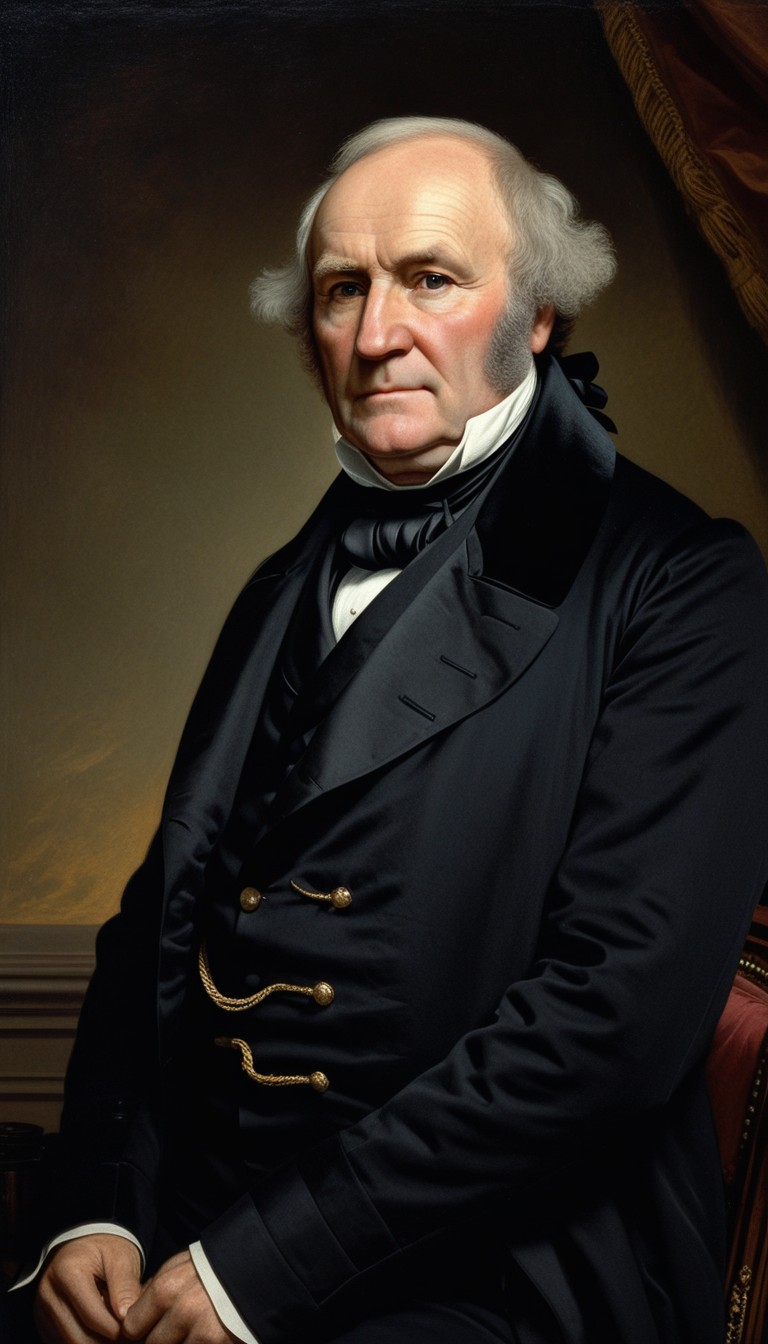
Martin Van Buren (#8): The Little Magician
Loading story...

1782-1803
Kinderhook, New York
The Boy from Kinderhook
Born in 1782 in the tiny Dutch-speaking village of Kinderhook, New York, Martin Van Buren grew up in his father's tavern, where he learned politics by eavesdropping on the lawyers and politicians who gathered there. He had no formal education beyond age fourteen but studied law as an apprentice and was admitted to the bar at twenty-one.
1812-1828
Albany, New York
The Machine Builder
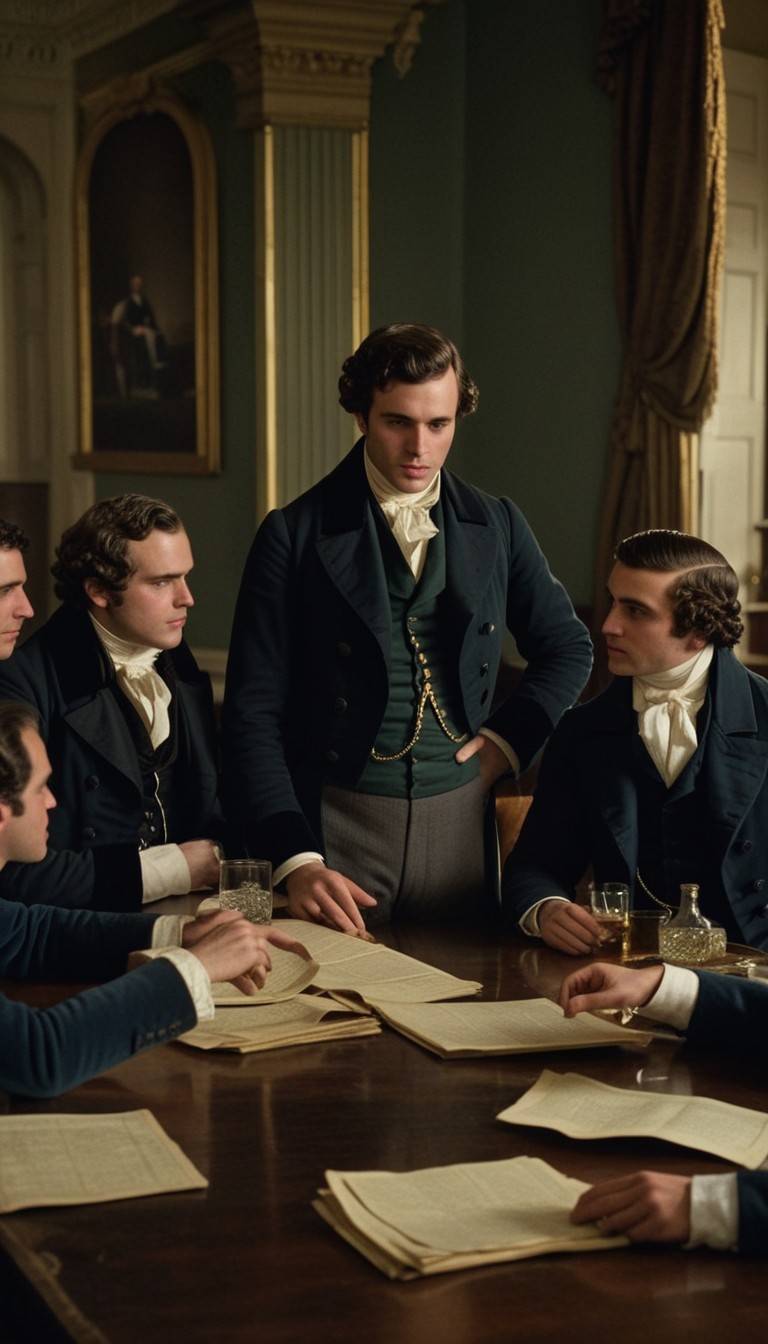
Van Buren created the Albany Regency, the first true political machine in American history. He understood that organized parties with discipline, loyalty, and patronage were essential to democratic governance. His innovations, including party conventions, coordinated messaging, and systematic voter outreach, laid the foundation for the modern American party system.
1829-1836
Washington, D.C.
Jackson's Right Hand
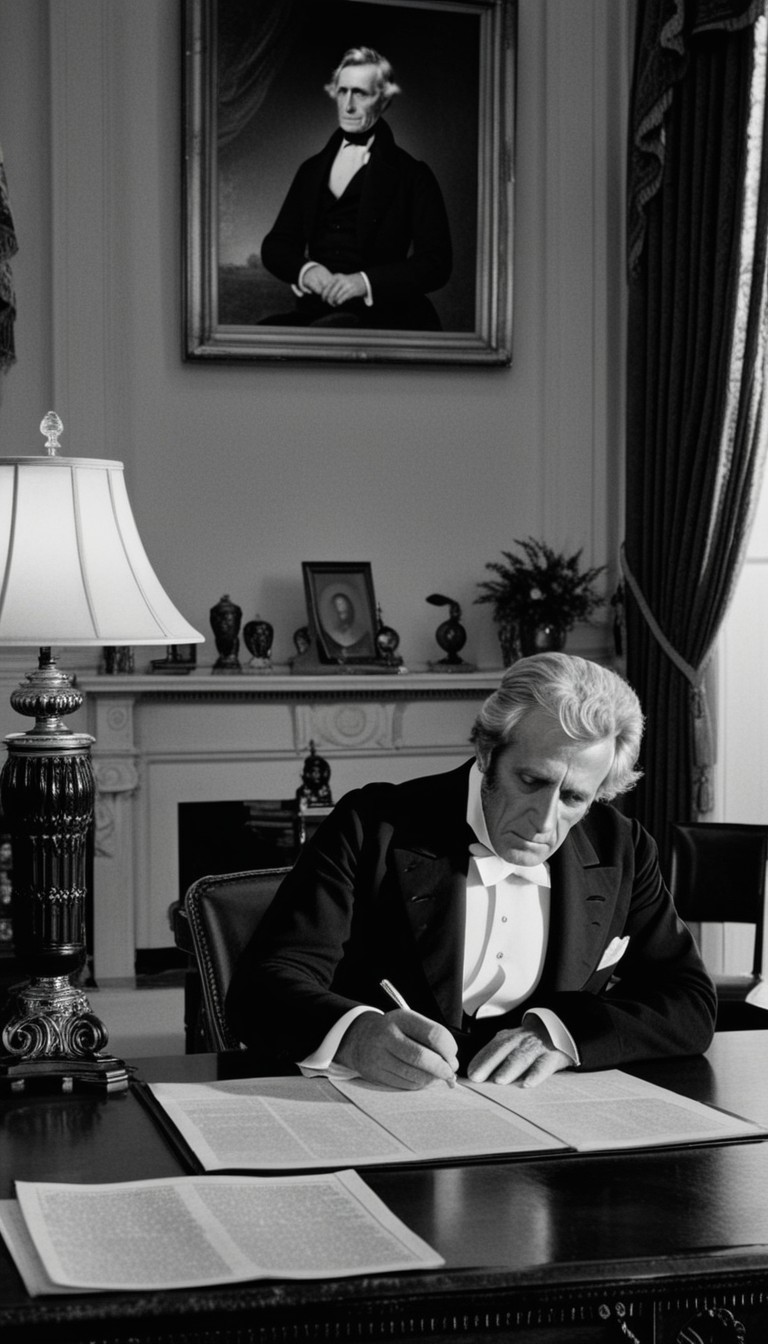
As Jackson's Secretary of State, Van Buren became the president's most trusted advisor. He skillfully navigated the Peggy Eaton affair, a social scandal that tore apart Jackson's cabinet, by resigning his own post and giving Jackson the cover to reorganize his administration. Jackson rewarded Van Buren with the vice presidency in 1832.
1837
Washington, D.C.
A Historic Presidency
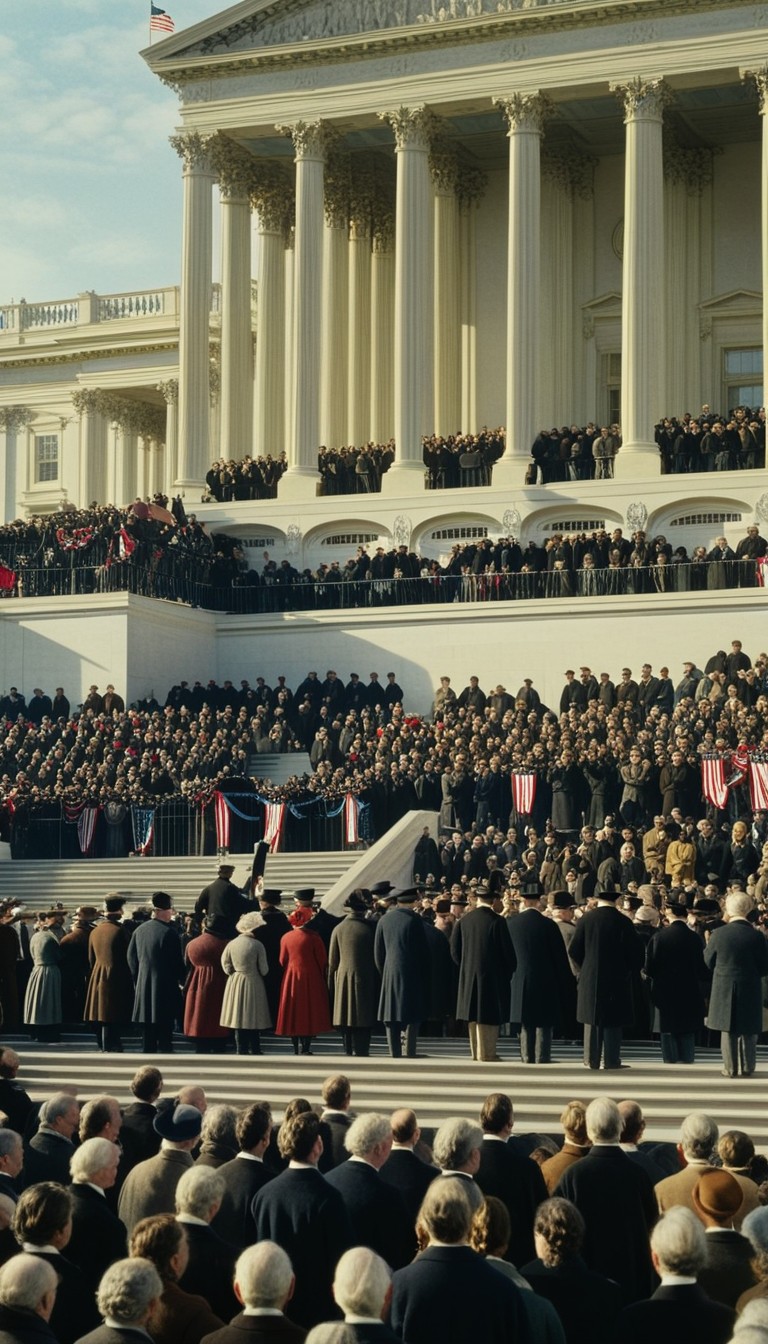
Elected in 1836, Van Buren made history as the first president born after American independence, the first of Dutch descent, and the first to rise from working-class origins without military glory or elite family connections. He was proof that in America, political skill alone could take you to the highest office in the land.
1837-1840
United States
The Panic of 1837
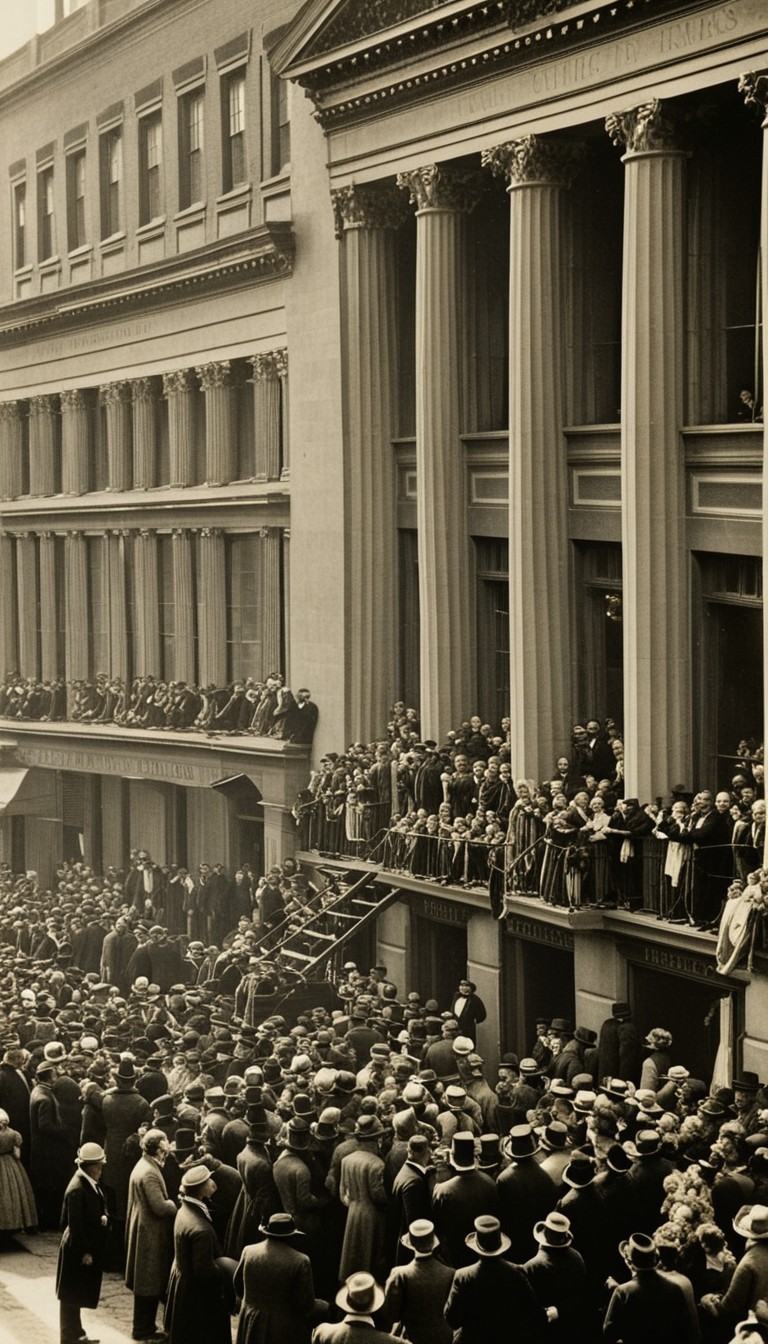
Just weeks after Van Buren took office, the economy collapsed in the Panic of 1837. Banks failed, businesses closed, and unemployment soared. The crisis was largely the result of Jackson's destruction of the national bank and reckless land speculation, but Van Buren bore the political cost. Critics called him "Martin Van Ruin" as the depression dragged on for years.
1837-1840
Washington, D.C.
The Independent Treasury
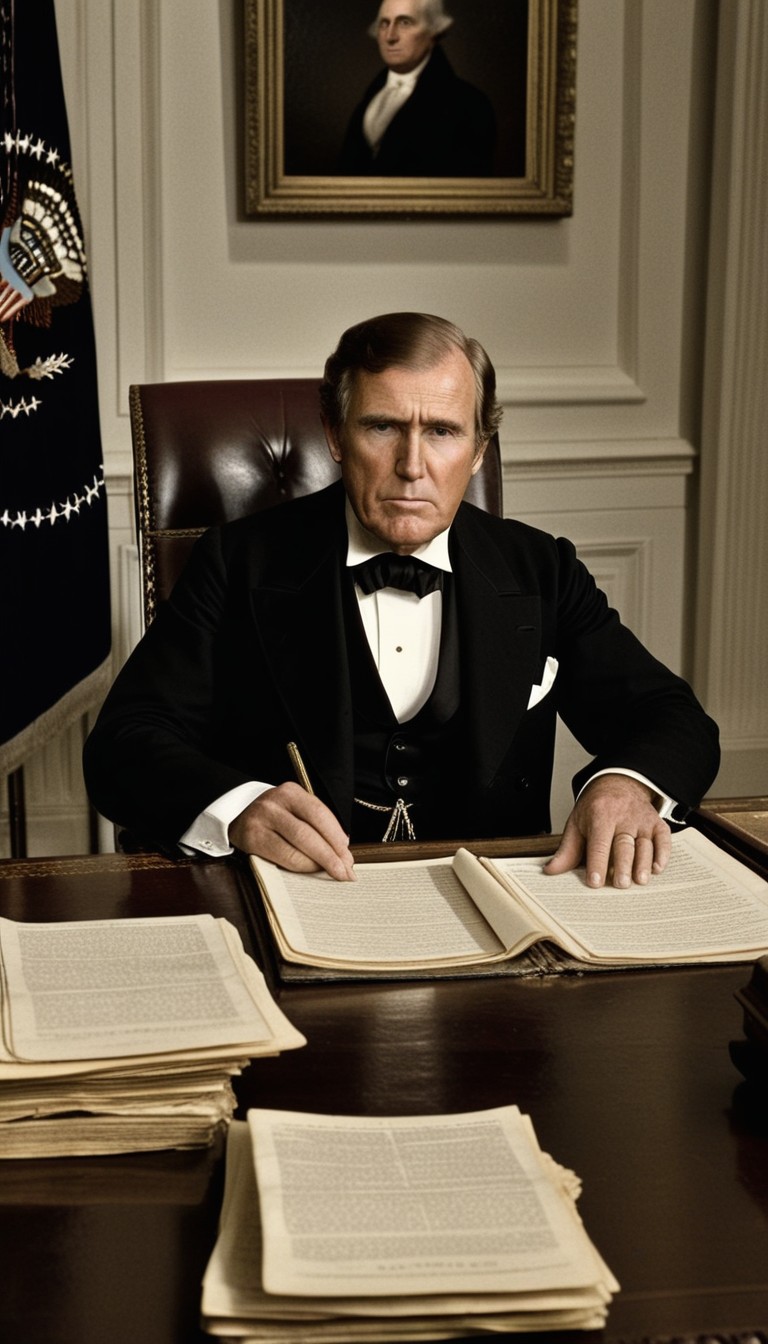
Van Buren's response to the panic was the Independent Treasury, which would separate government funds from private banks entirely. It was a principled but politically costly position. He refused to use federal power to provide direct relief, believing the government should manage its own finances without entanglement with the banking system. Congress finally passed the measure in 1840.
1837-1840
U.S.-Canadian Border
Walking the Diplomatic Tightrope
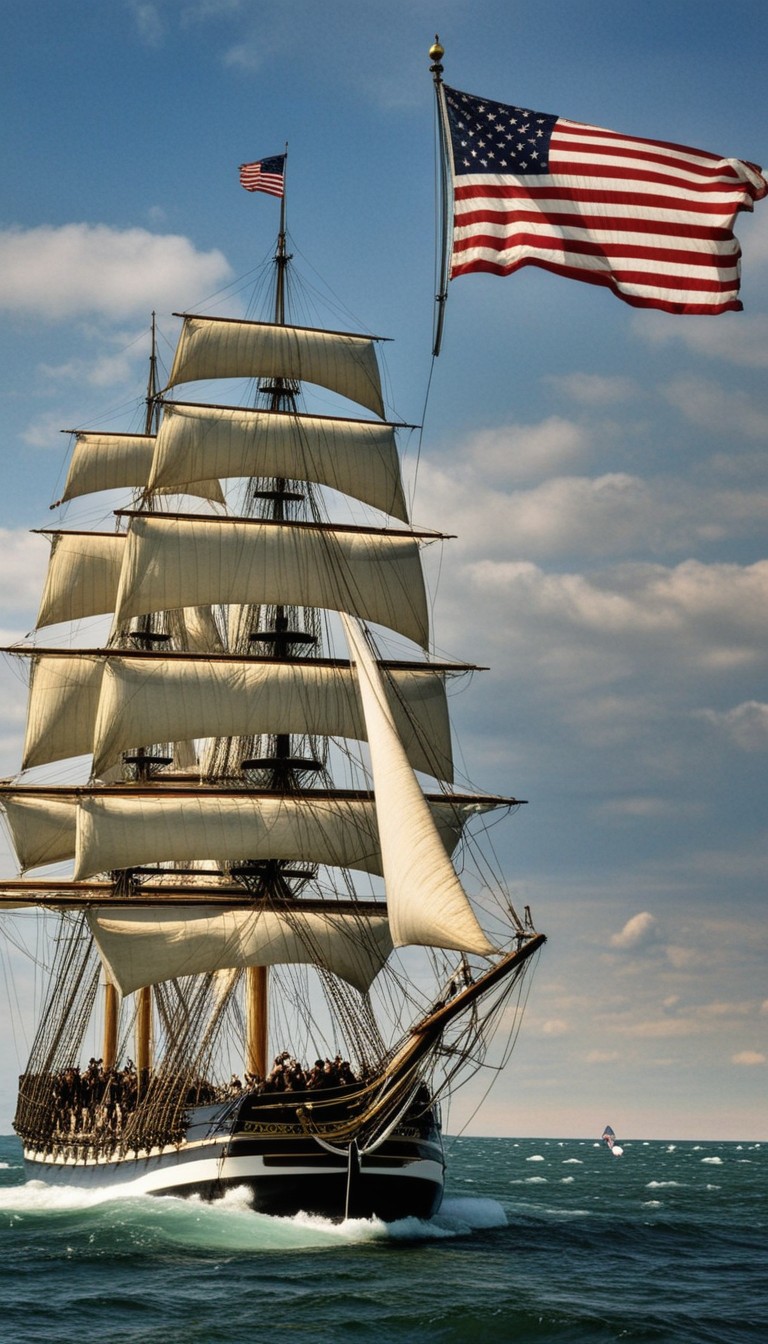
Van Buren skillfully avoided war on multiple fronts. When Canadian rebels used an American steamship called the Caroline and British forces destroyed it in American waters, war fever erupted. Van Buren kept a cool head and negotiated a peaceful resolution. He also resisted pressure to annex the Republic of Texas, knowing it would inflame the slavery debate.
1840
United States
Defeated by Image
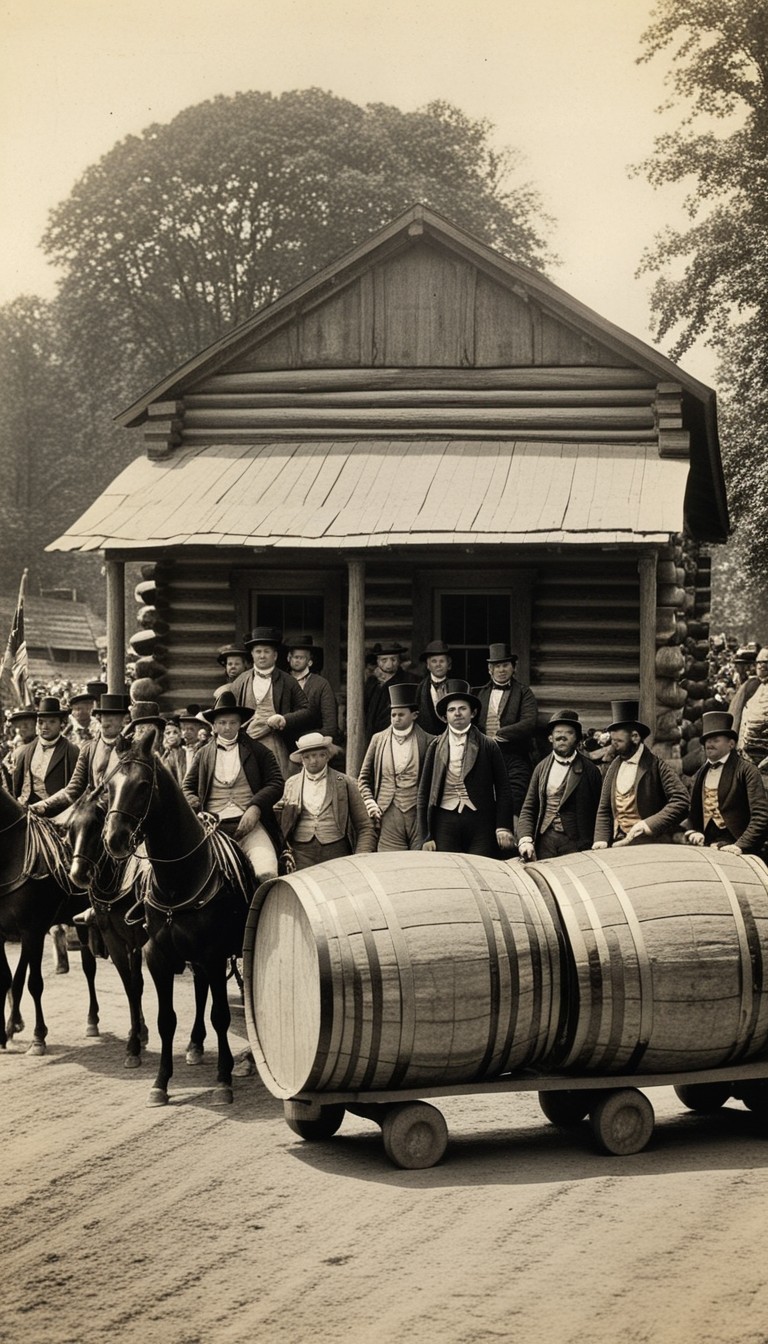
In 1840, the Whig Party ran William Henry Harrison with the famous "Log Cabin and Hard Cider" campaign, portraying the frontier general as a man of the people and Van Buren as an out-of-touch aristocrat who drank champagne and ate off gold plates. It was one of America's first modern media campaigns, and it worked. Van Buren lost in a landslide.
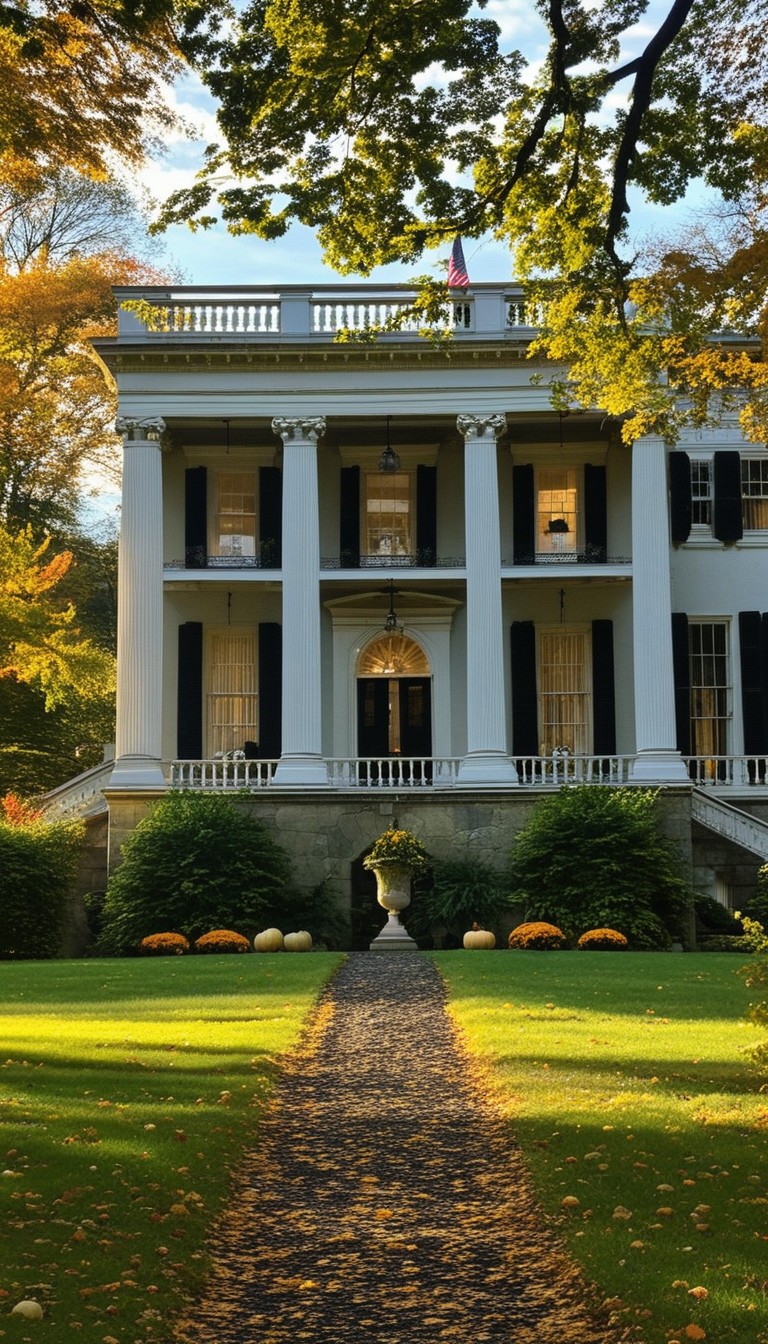
The Architect of Party Politics
Martin Van Buren invented the modern political party and proved that brains and organization could outmatch wealth and pedigree. Though his presidency was overshadowed by economic crisis, his contributions to American democracy were foundational. He returned to Kinderhook, ran for president twice more, and died in 1862, having watched the nation he helped build tear itself apart.
Recommended Reading
As an Amazon Associate, we earn from qualifying purchases.
Swipe to navigate