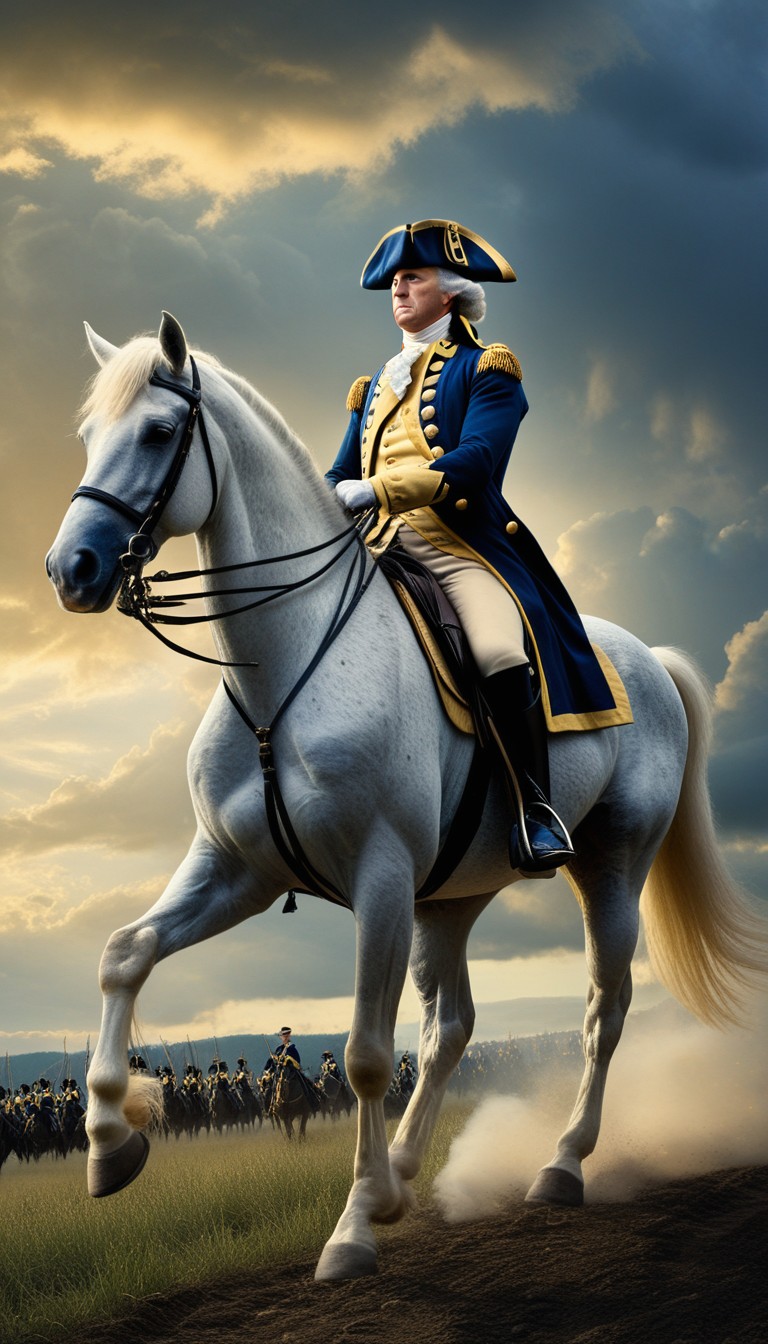
George Washington (#1): Father of a Nation
Loading story...

1732-1752
Virginia Colony
The Virginia Planter
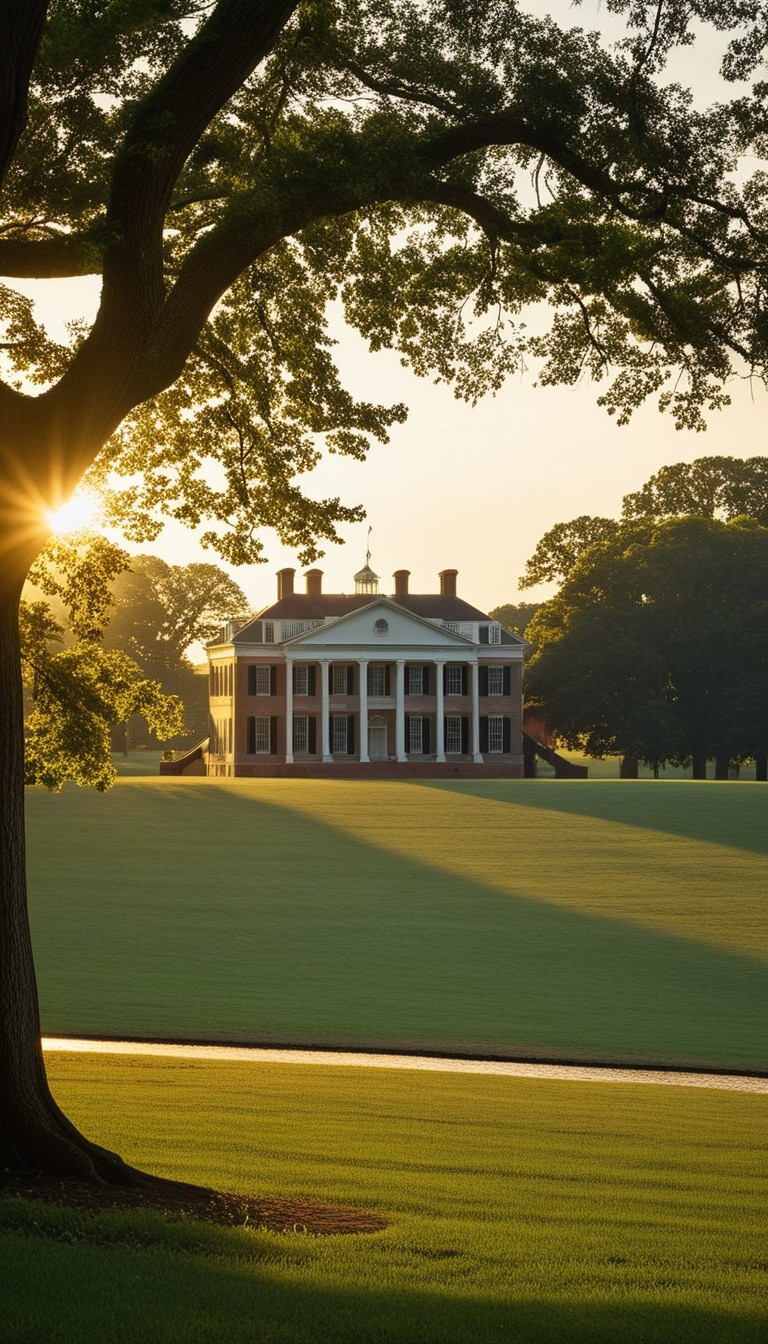
Born in 1732 to a prosperous Virginia family, young George Washington learned surveying, horsemanship, and the ways of the frontier. By age 20, he had trekked through wilderness, survived smallpox, and inherited Mount Vernon—a plantation that would remain his beloved home for life.
1754-1758
Ohio Valley
Baptism of Fire
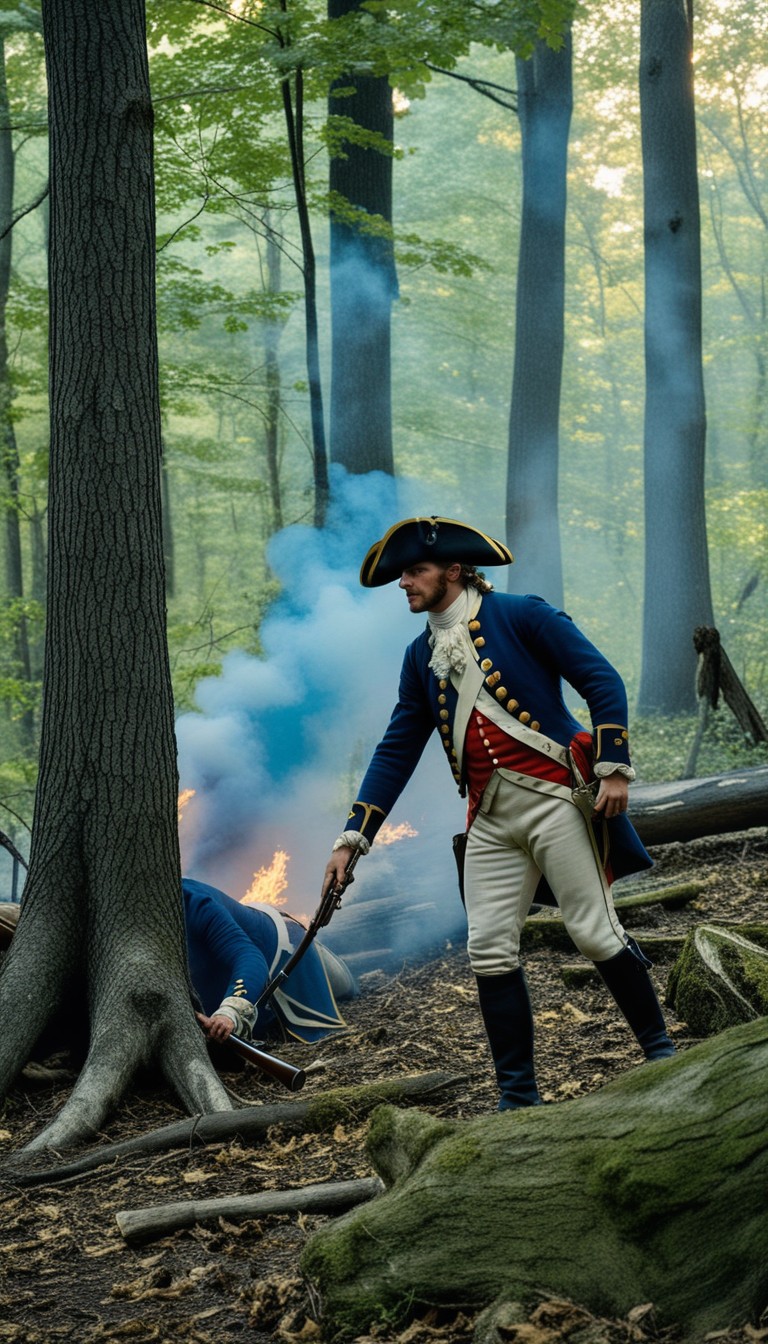
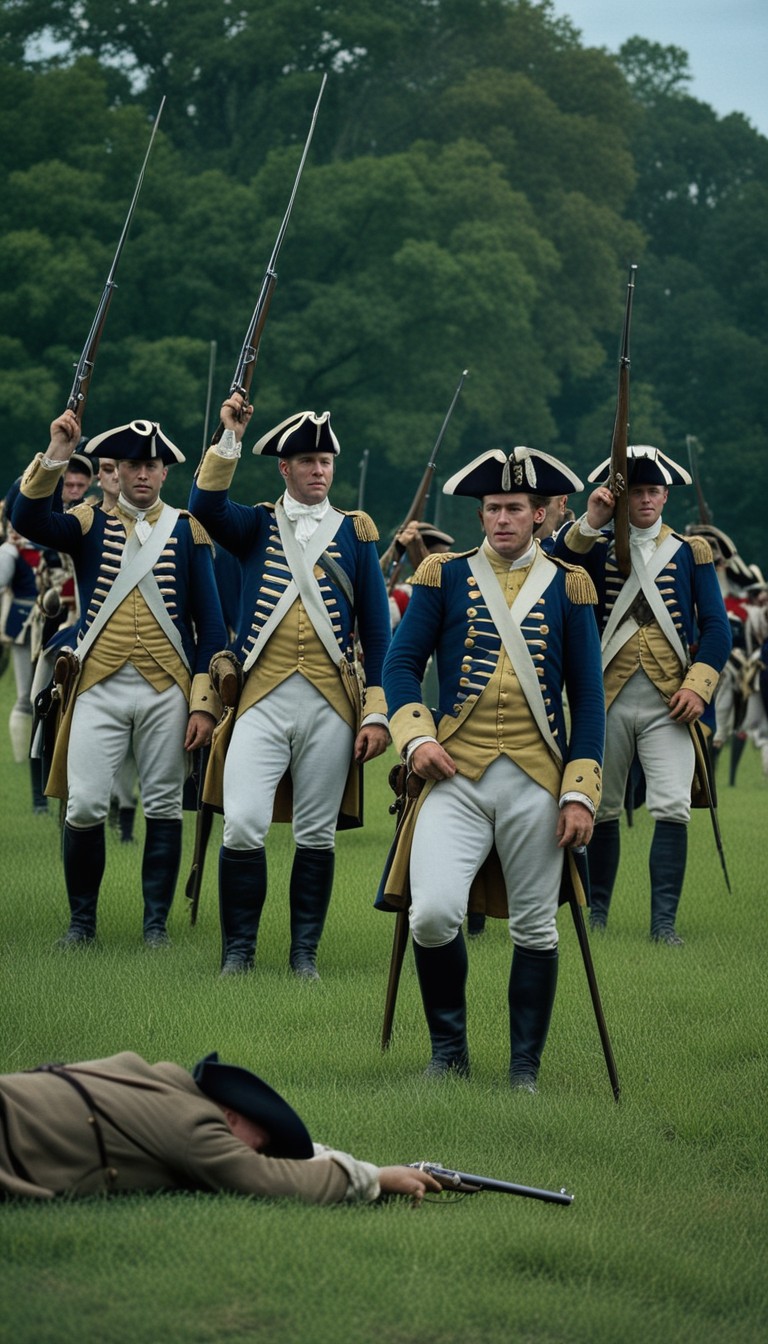
At just 22, Washington led Virginia militia into the Ohio Valley during the French and Indian War. He survived two horses shot from under him and four bullet holes through his coat. The experience taught him the brutal realities of war—and the failings of British command.
1775
Philadelphia
Commander of the Revolution
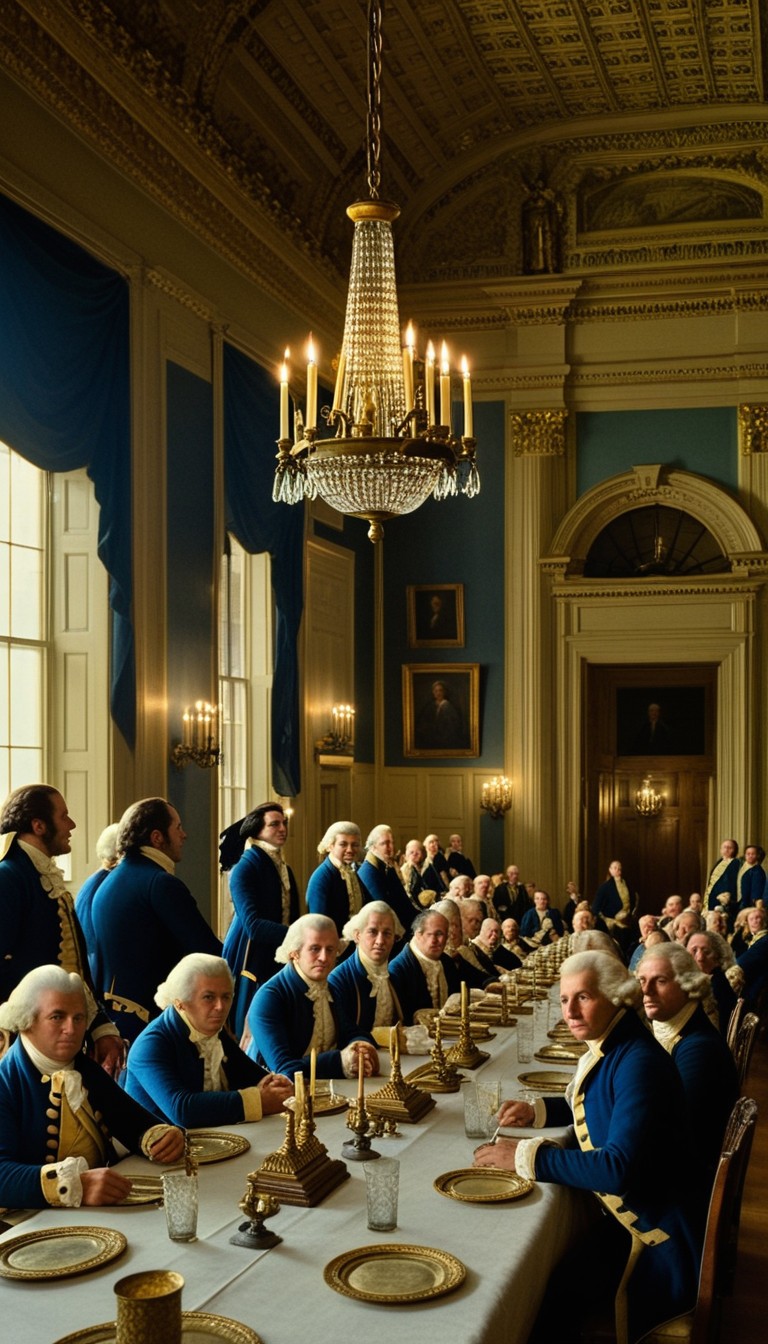
In June 1775, the Continental Congress chose Washington to lead the Continental Army. He accepted no salary, asking only that his expenses be paid. He inherited an underfed, poorly armed militia and faced the world's most powerful military—but he had something the British didn't: a cause worth dying for.

December 25, 1776
Delaware River
Crossing the Delaware
On Christmas night 1776, with the revolution near collapse, Washington led 2,400 men across the ice-choked Delaware River. They marched nine miles through sleet to surprise Hessian mercenaries at Trenton. The daring victory saved the revolution and proved Washington's genius: strike when no one expects it.
Winter 1777-1778
Valley Forge, Pennsylvania
The Crucible of Valley Forge
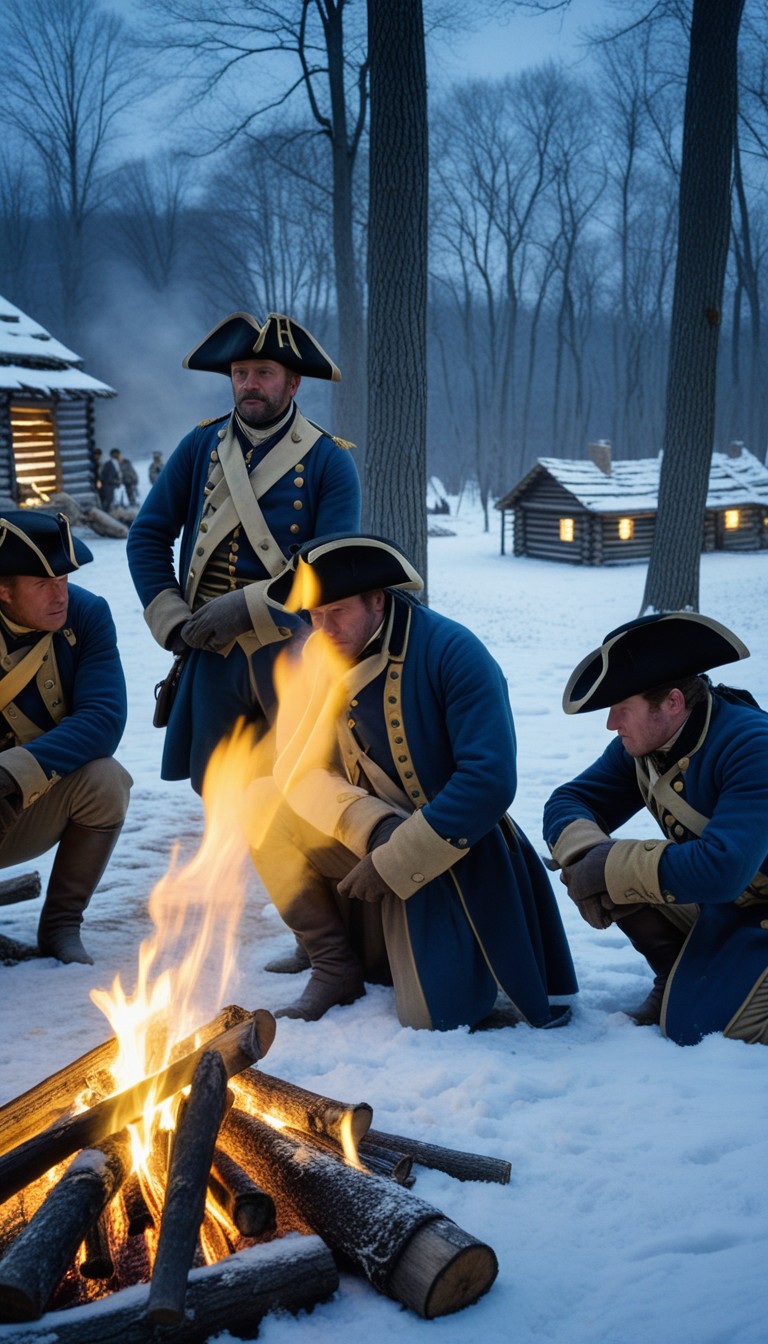
The winter of 1777-78 nearly destroyed the Continental Army. At Valley Forge, 12,000 soldiers endured freezing cold, disease, and starvation. Over 2,000 died. But Washington stayed with his men, and Baron von Steuben drilled them into a professional fighting force. They emerged hardened and ready.
October 1781
Yorktown, Virginia
Victory at Yorktown
In October 1781, Washington trapped British General Cornwallis at Yorktown with help from the French fleet and army. After weeks of siege, Cornwallis surrendered 8,000 troops. The British band reportedly played "The World Turned Upside Down." American independence was won.
1787
Philadelphia
Forging the Constitution
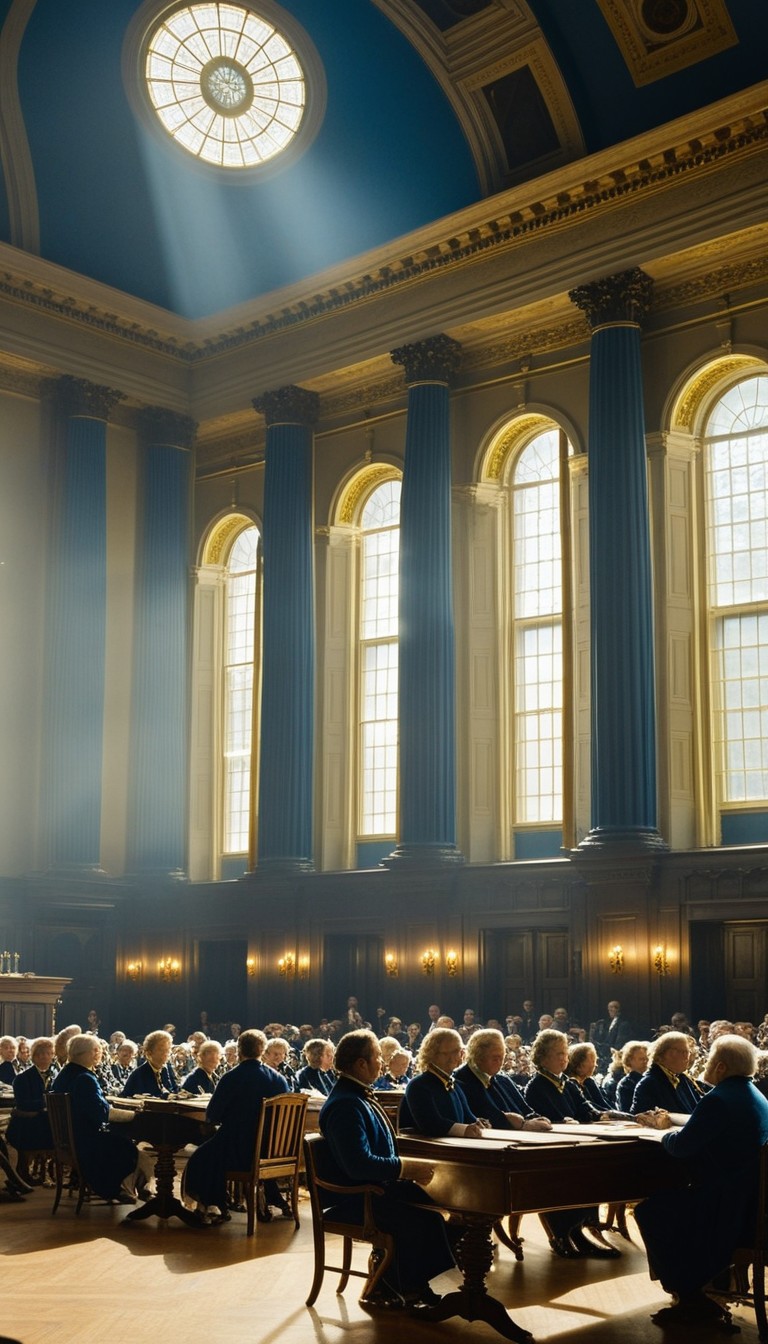
After the war, Washington could have seized power—King George III said that would make him "the greatest man in the world." Instead, he went home. But when the young nation faltered under the Articles of Confederation, Washington presided over the Constitutional Convention in 1787, lending his credibility to the new framework of government.
1789-1797
New York & Philadelphia
The First President
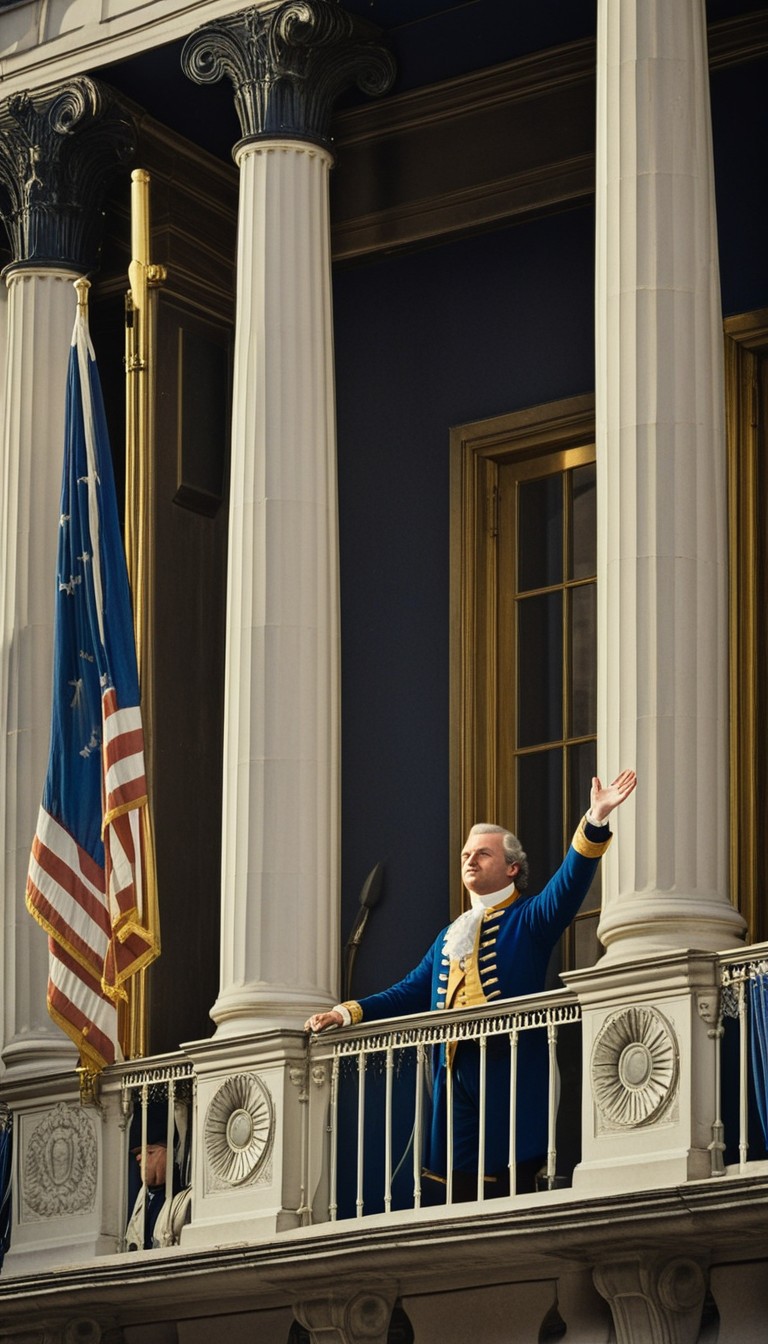
Unanimously elected in 1789, Washington invented the presidency. Every decision set a precedent: how to be addressed, how to use the cabinet, how to balance power. Most critically, he voluntarily stepped down after two terms, establishing the tradition of peaceful transfer of power that defines American democracy.
The Indispensable Man
Washington proved that power could be held with dignity and surrendered with grace. He set the standard for the American presidency and earned the title "Father of His Country." His greatest act wasn't taking power—it was giving it up.
Recommended Reading
As an Amazon Associate, we earn from qualifying purchases.
Swipe to navigate