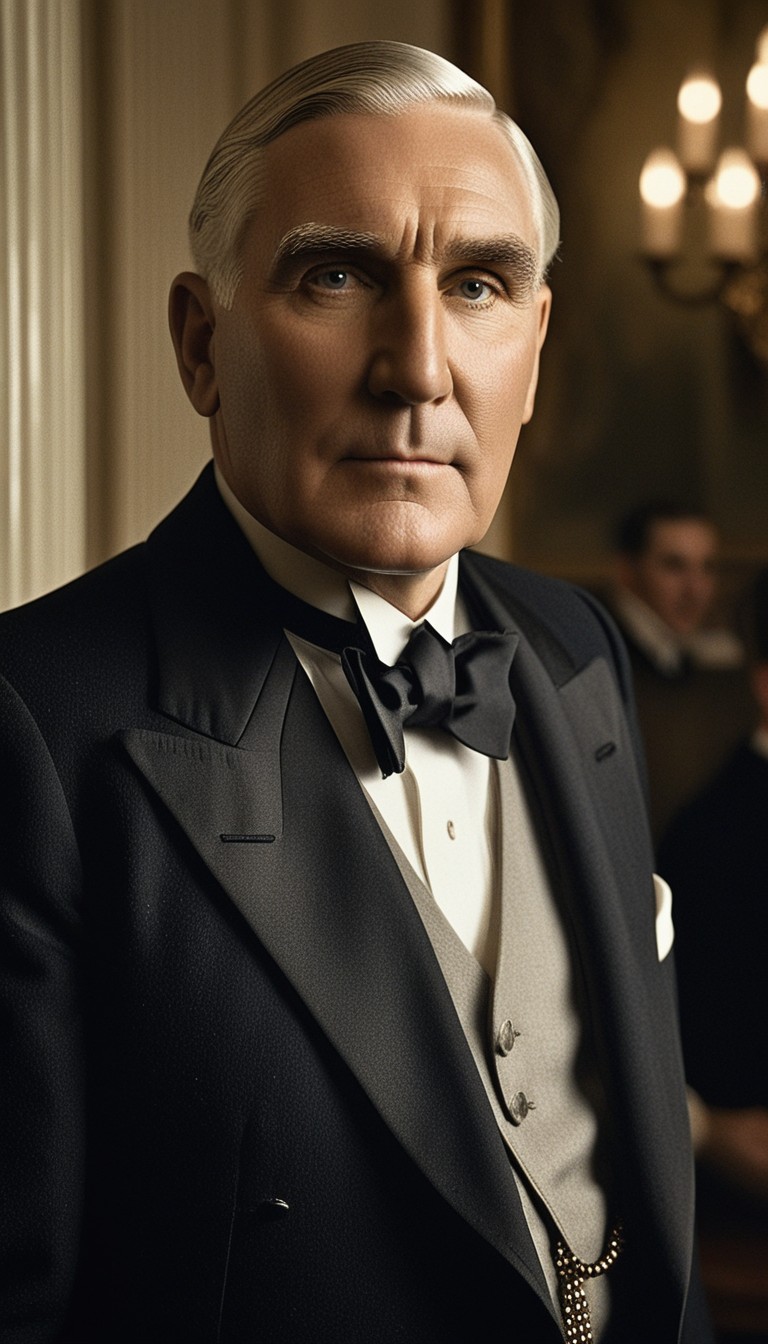
Warren G. Harding (#29): The Scandal-Ridden President
Loading story...
1865-1899
Marion, Ohio
The Small-Town Editor
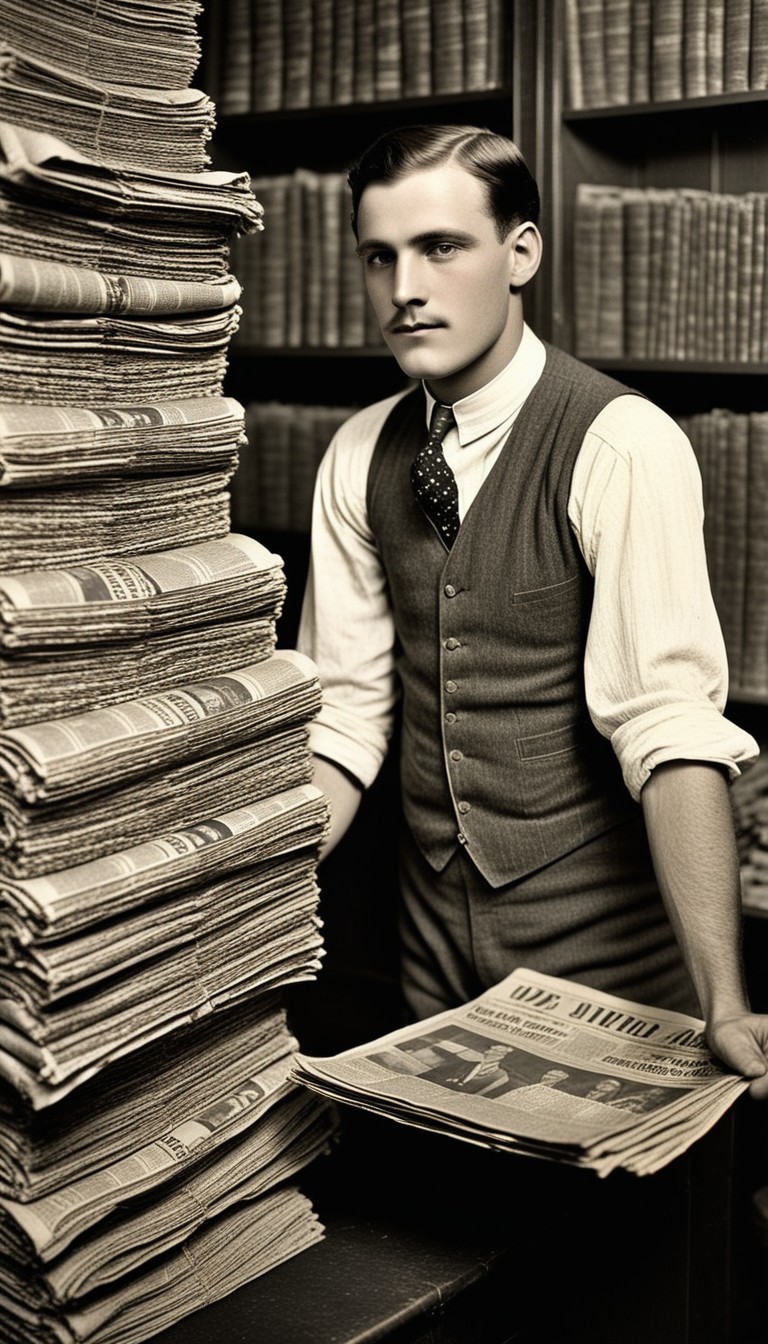
Born on November 2, 1865, in Corsica (now Blooming Grove), Ohio, Warren Gamaliel Harding tried teaching, selling insurance, and studying law before finding his calling in newspapers. At nineteen, he borrowed $300 to buy the struggling Marion Star. He turned it into a thriving paper, becoming one of the most popular men in town. His genial nature and gift for backslapping made him a natural politician.
1899-1920
Ohio & Washington, D.C.
The Amiable Politician
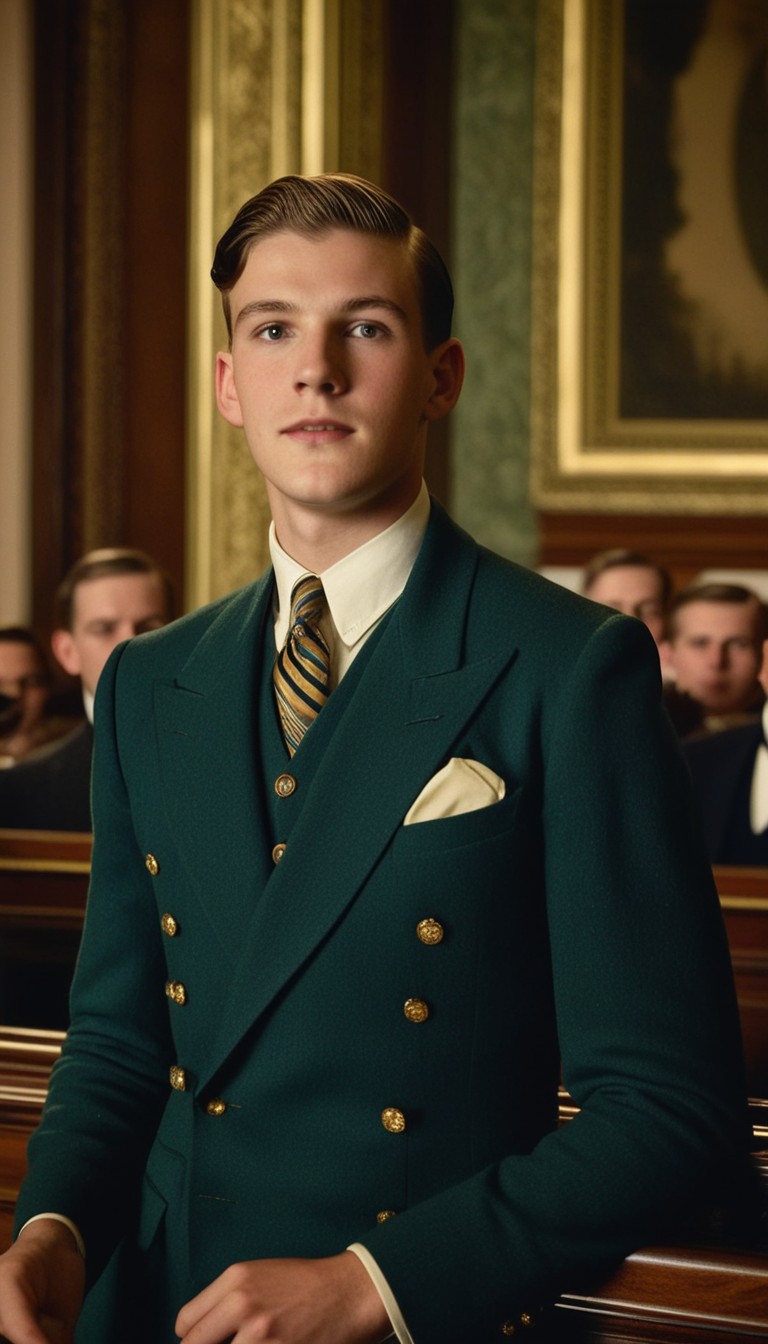
Harding served in the Ohio state senate and as lieutenant governor before being elected to the U.S. Senate in 1914. He was not a distinguished legislator, missing hundreds of roll-call votes and avoiding controversial positions. But he was immensely likable, an excellent public speaker, and a loyal party man. Ohio political boss Harry Daugherty saw presidential material and began grooming him for higher office.
1920
Chicago, Illinois
The Smoke-Filled Room
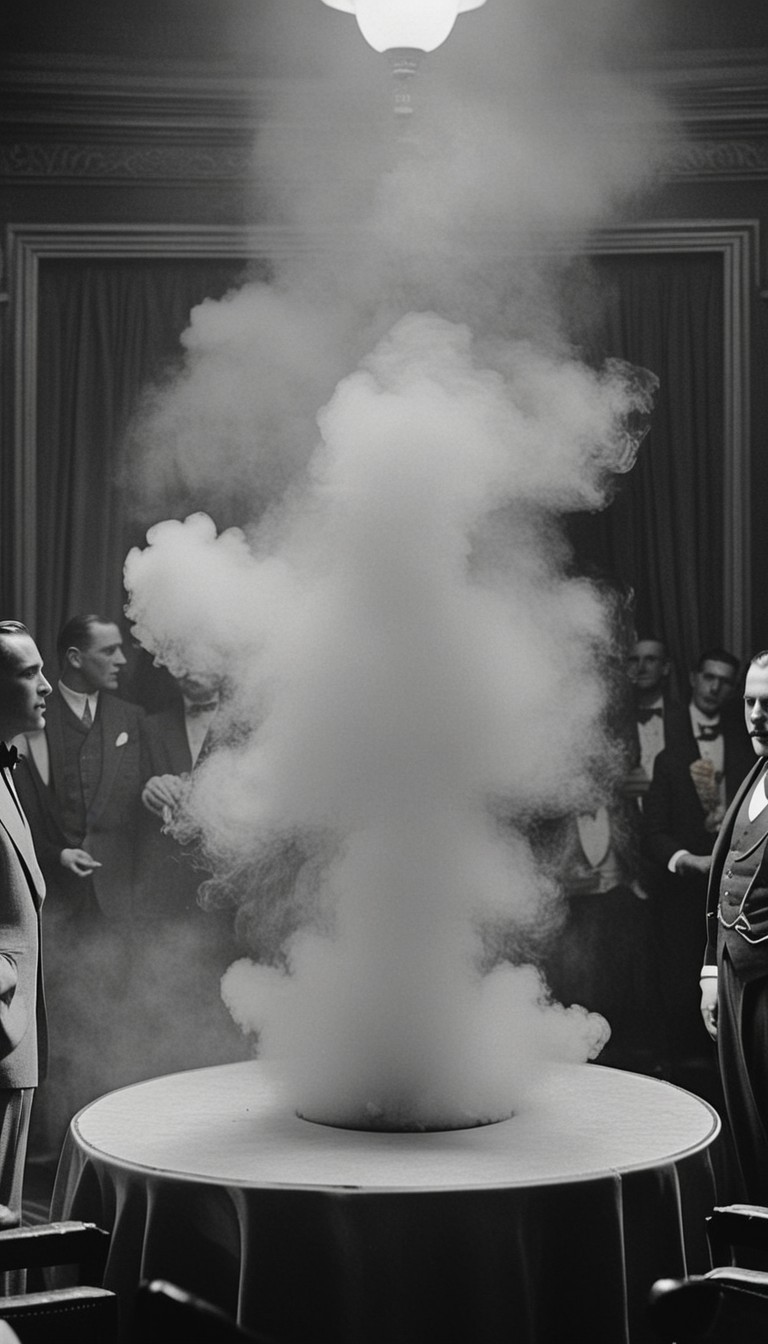
At the deadlocked 1920 Republican convention, party leaders famously gathered in a "smoke-filled room" at the Blackstone Hotel in Chicago and chose Harding as their compromise candidate. He was not anyone's first choice. Harding himself admitted: "I am not fit for this office and should never have been here." He ran on a promise of "a return to normalcy" after the turmoil of war and Wilson's idealism.
November 1920
Marion, Ohio
A Landslide Victory
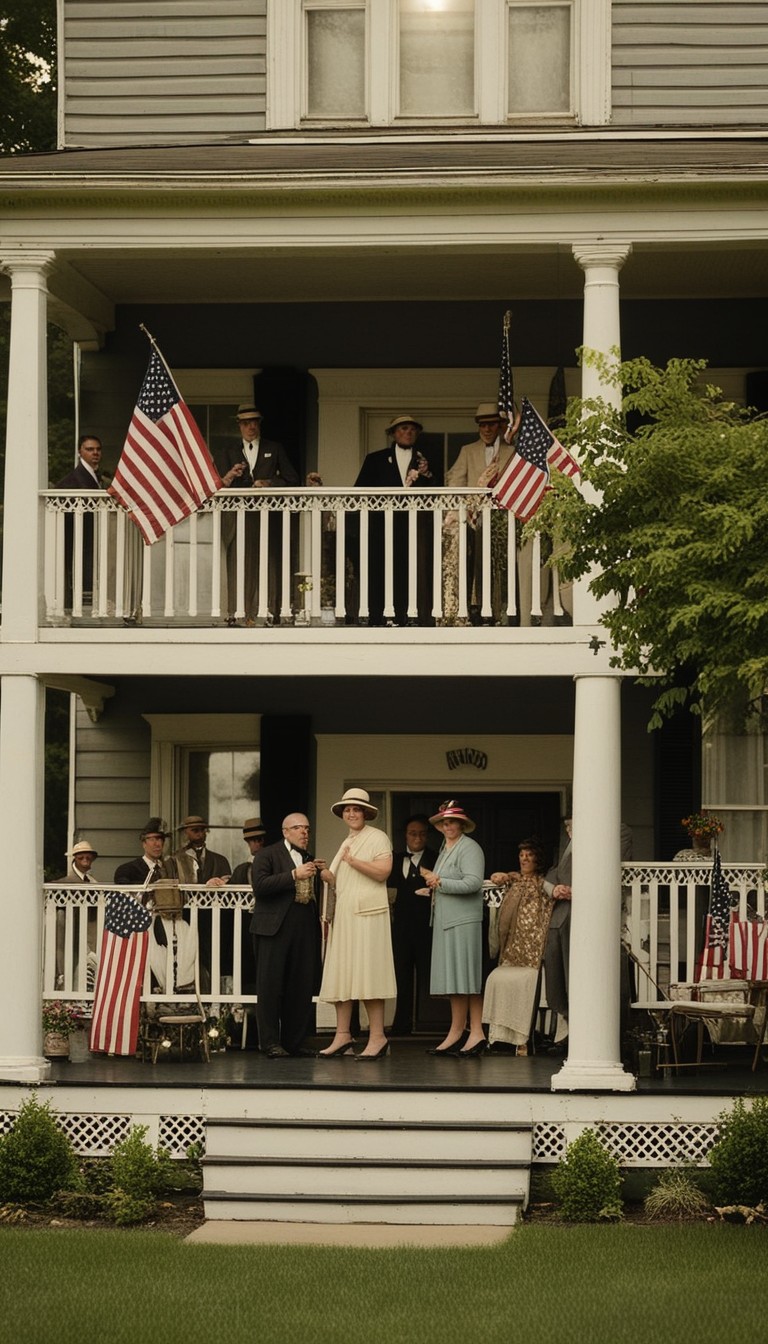
Harding conducted a front porch campaign from Marion, projecting calm and stability. He won in a historic landslide, capturing over sixty percent of the popular vote, the largest margin to that point in American history. Women voted in a presidential election for the first time, thanks to the Nineteenth Amendment. Harding's victory reflected a nation exhausted by war and craving a return to simpler times.
1921
Washington, D.C.
The Best and the Worst
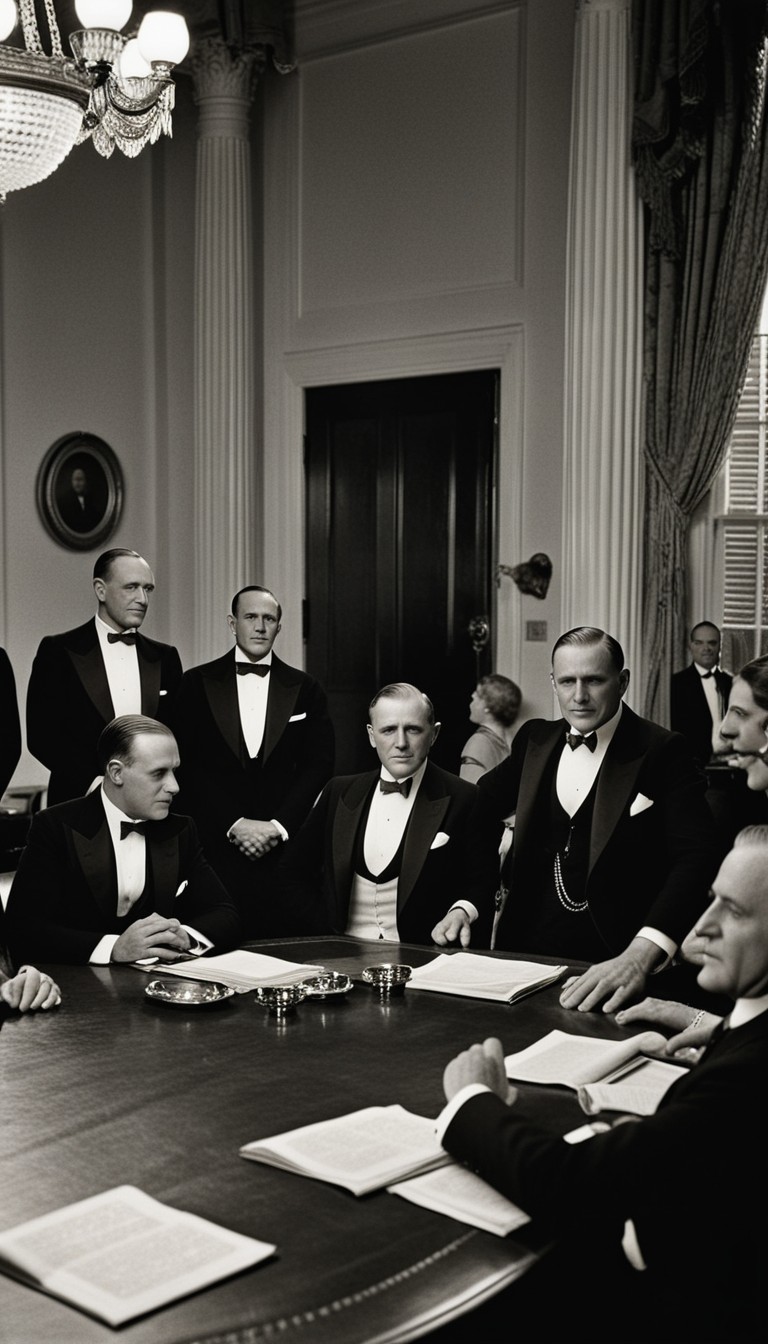
Harding's cabinet was a study in contrasts. He appointed brilliant men like Secretary of State Charles Evans Hughes, Secretary of Commerce Herbert Hoover, and Treasury Secretary Andrew Mellon. But he also installed cronies from the "Ohio Gang," including Harry Daugherty as Attorney General and Albert Fall as Secretary of the Interior. These friends would betray his trust spectacularly.
1921-1923
Wyoming & Washington, D.C.
Teapot Dome and Betrayal
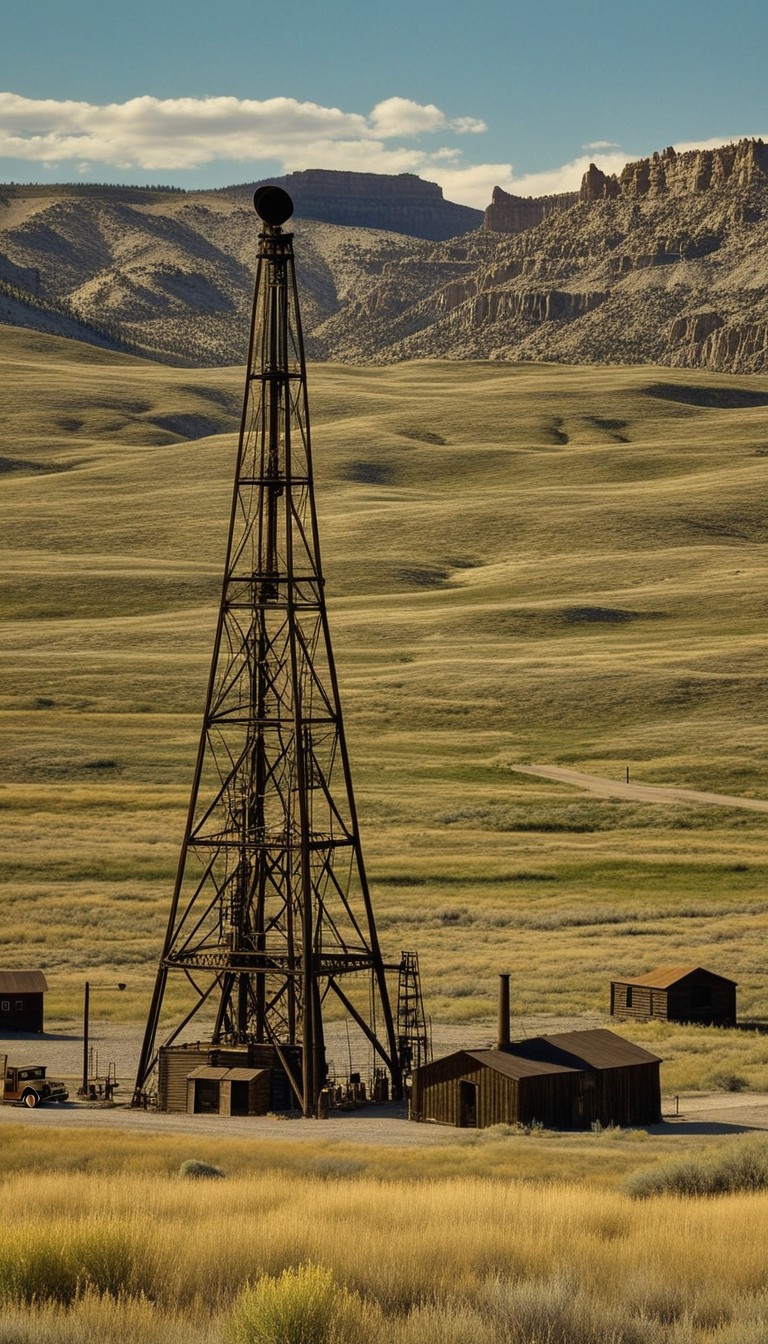
The Teapot Dome scandal became the defining symbol of Harding's presidency. Secretary of the Interior Albert Fall secretly leased government oil reserves at Teapot Dome, Wyoming, and Elk Hills, California, to private companies in exchange for bribes totaling over $400,000. Fall became the first cabinet member in American history sent to prison. Other members of the Ohio Gang were caught embezzling, taking bribes, and selling government appointments.
Summer 1923
Alaska & West Coast
The Voyage of Understanding
As rumors of scandal grew, a tormented Harding asked Herbert Hoover: "If you knew of a great scandal in our administration, would you for the good of the country expose it publicly or bury it?" Harding embarked on a cross-country "Voyage of Understanding" tour in the summer of 1923, traveling to Alaska. He appeared increasingly anxious and exhausted, telling journalists he was betrayed by his friends.
August 2, 1923
San Francisco, California
Death in San Francisco
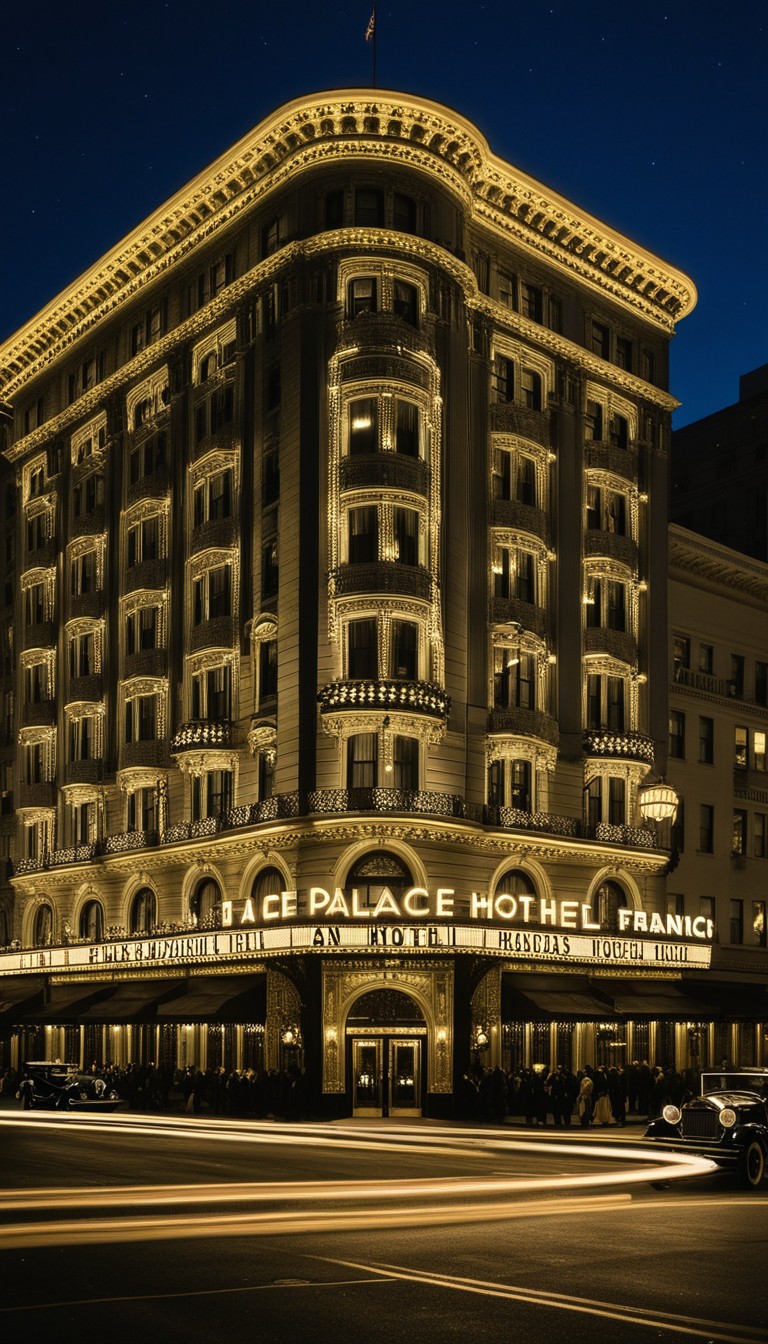
On August 2, 1923, Harding died suddenly at the Palace Hotel in San Francisco, likely from a heart attack or stroke. He was fifty-seven. The nation mourned deeply, with millions lining the route of his funeral train. But as the full extent of the scandals emerged in the following months, public sympathy turned to disgust. Harding's reputation collapsed, and he has consistently ranked among the worst presidents in American history.
A Cautionary Tale
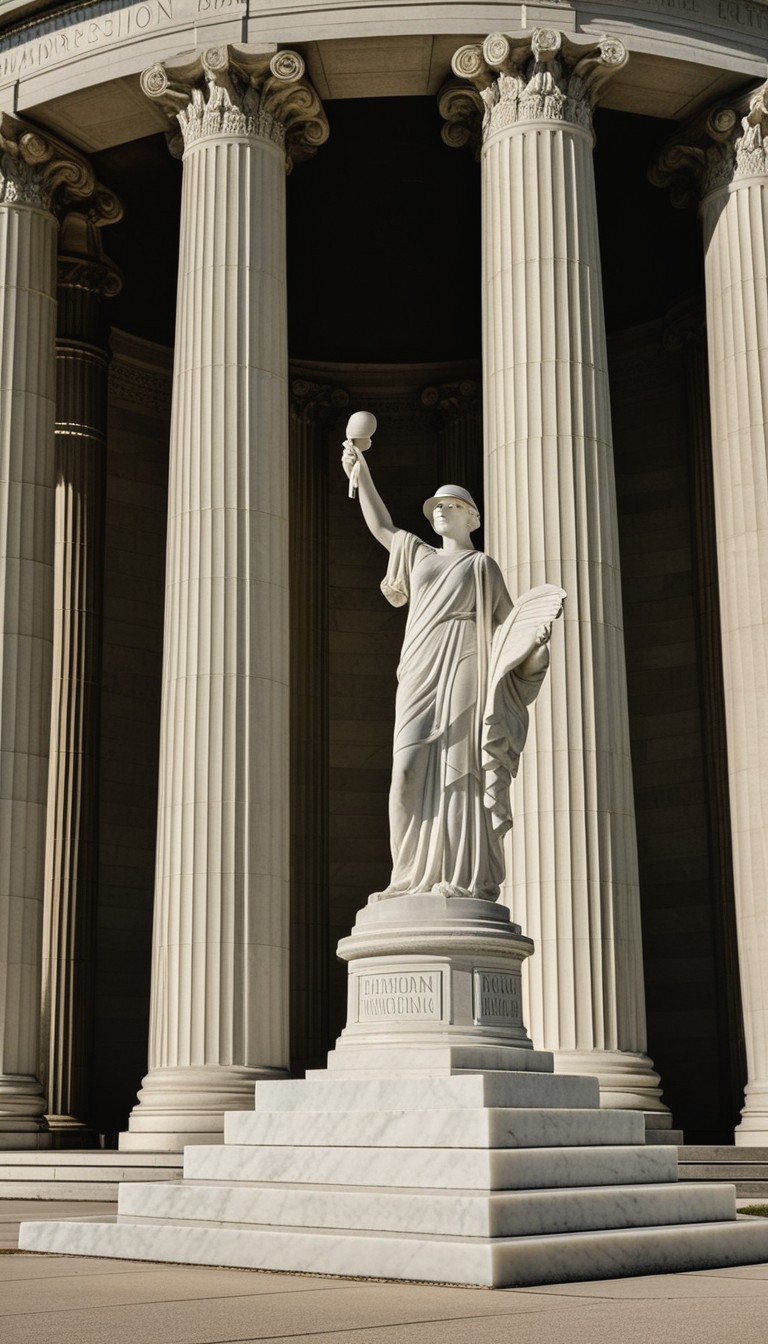
Warren Harding's presidency is a cautionary tale about the dangers of cronyism and the cost of trusting the wrong people. He was not personally corrupt, but his inability to say no to dishonest friends brought disgrace to the office. His story reminds us that character in leadership means not just personal virtue, but the wisdom to choose trustworthy people and the courage to hold them accountable.
Recommended Reading
As an Amazon Associate, we earn from qualifying purchases.
Swipe to navigate