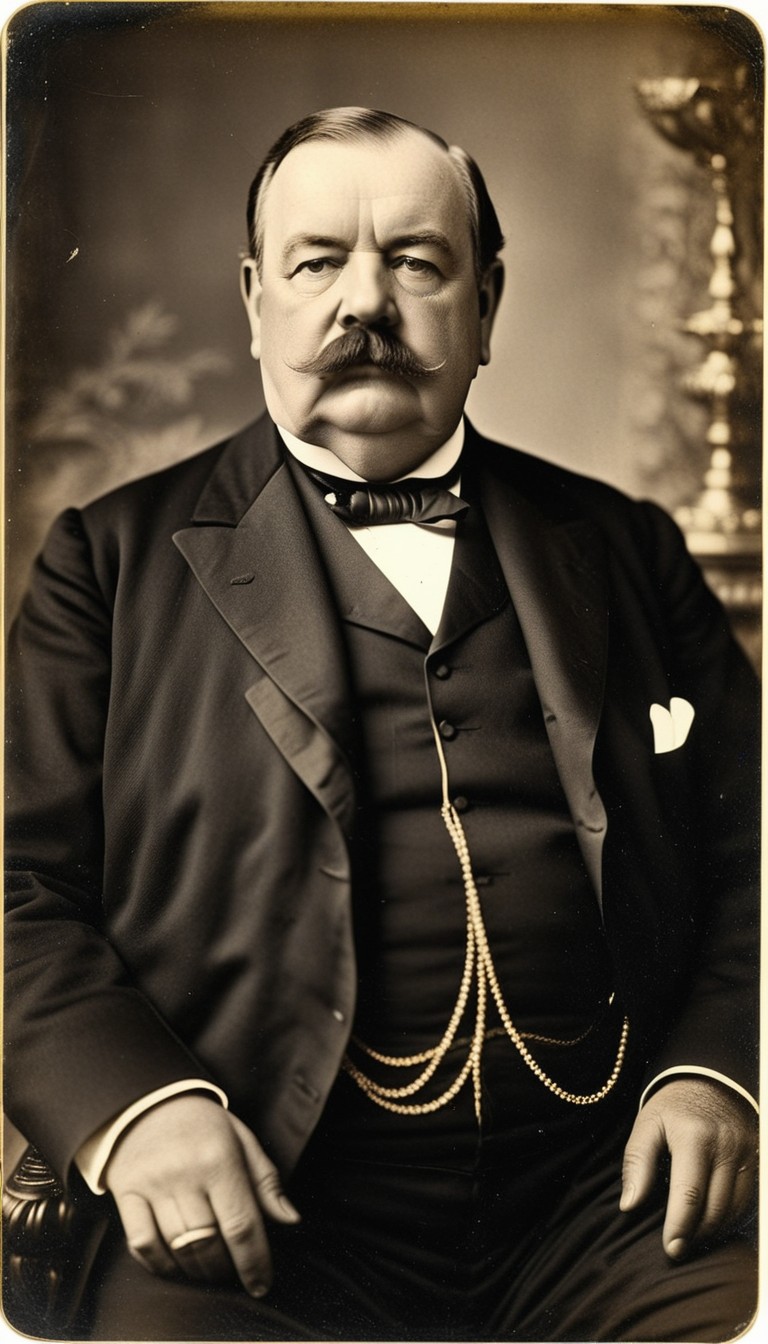
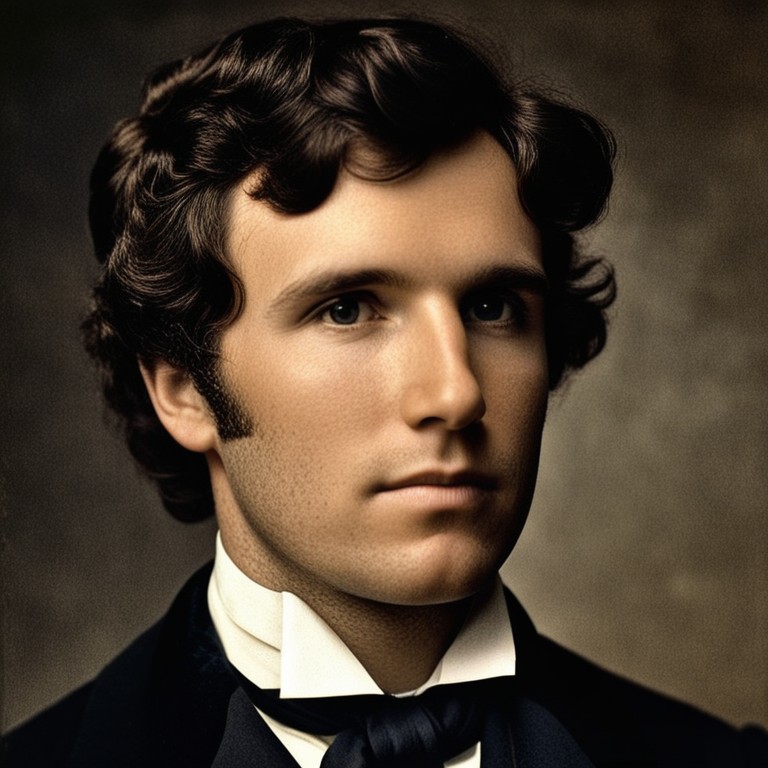
Grover Cleveland (#22 & #24): The Comeback President
Loading story...
1837-1859
New Jersey & Buffalo, New York
The Minister's Son
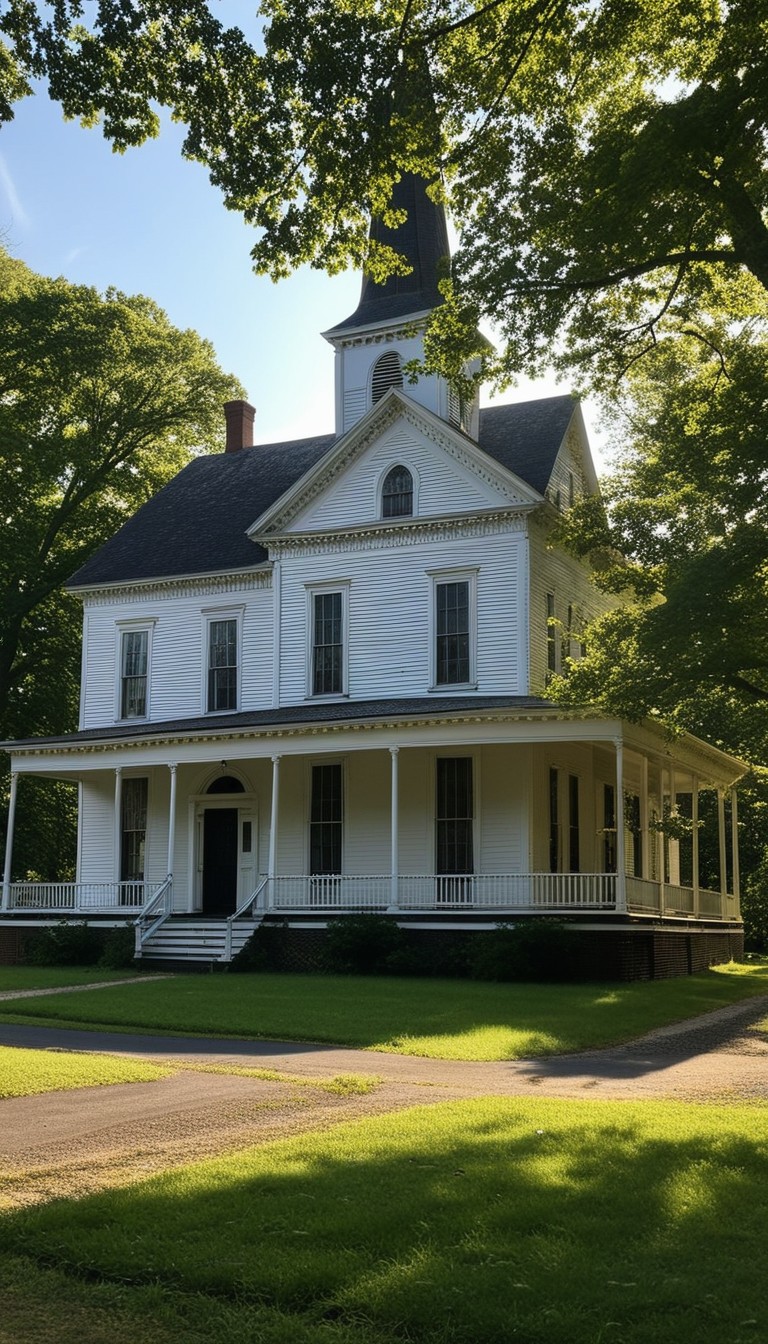
Born Stephen Grover Cleveland on March 18, 1837, in Caldwell, New Jersey, he was the fifth of nine children of a Presbyterian minister. When his father died, sixteen-year-old Grover abandoned his plans for college to support his family. He studied law in Buffalo, New York, and was admitted to the bar in 1859. He built a reputation as hardworking, honest, and utterly blunt.
1881-1884
Buffalo & Albany, New York
The Veto Mayor and Reform Governor
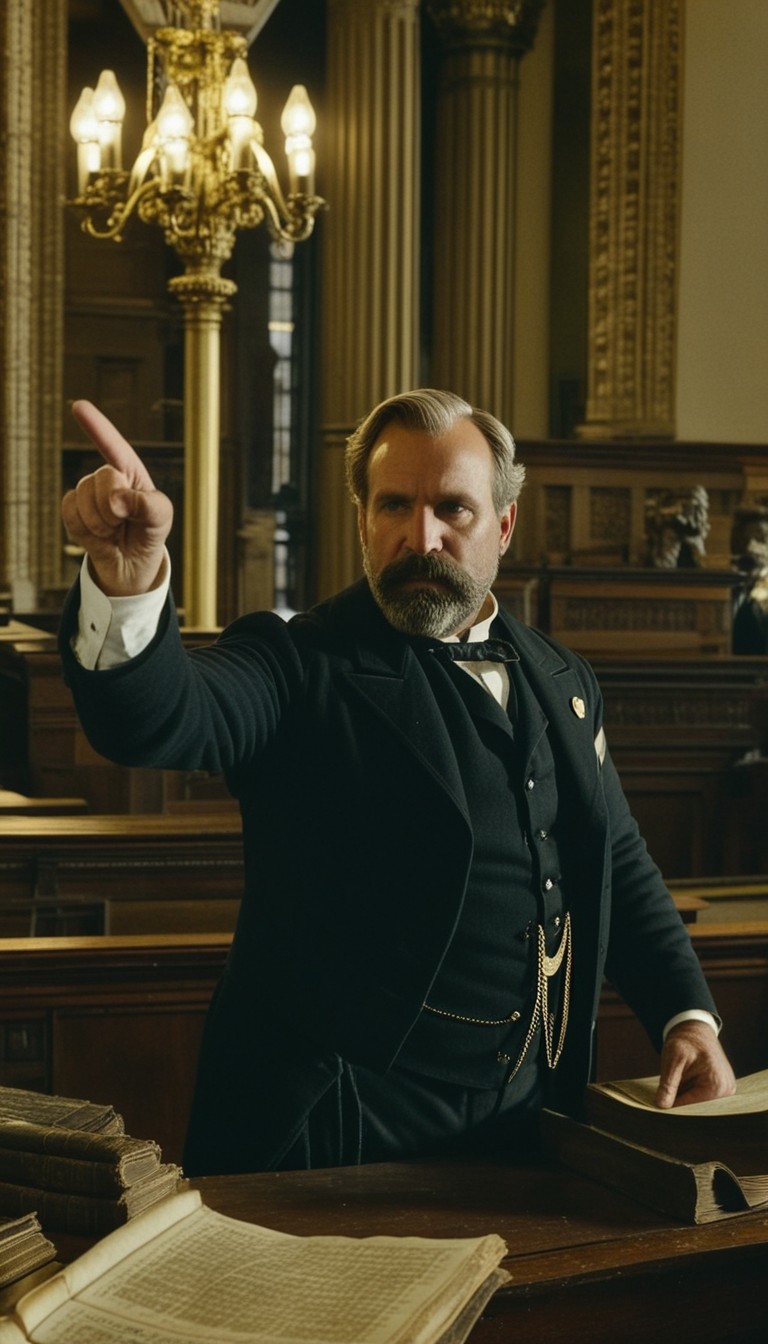
Cleveland's political rise was meteoric. Elected mayor of Buffalo in 1881, he earned the nickname "the Veto Mayor" for blocking corrupt contracts. Just a year later, he won the New York governorship by the largest margin in state history. He battled Tammany Hall's corrupt Democratic machine and vetoed wasteful spending bills. Within three years, he went from local lawyer to presidential nominee.
1884
United States
The Dirtiest Campaign in History
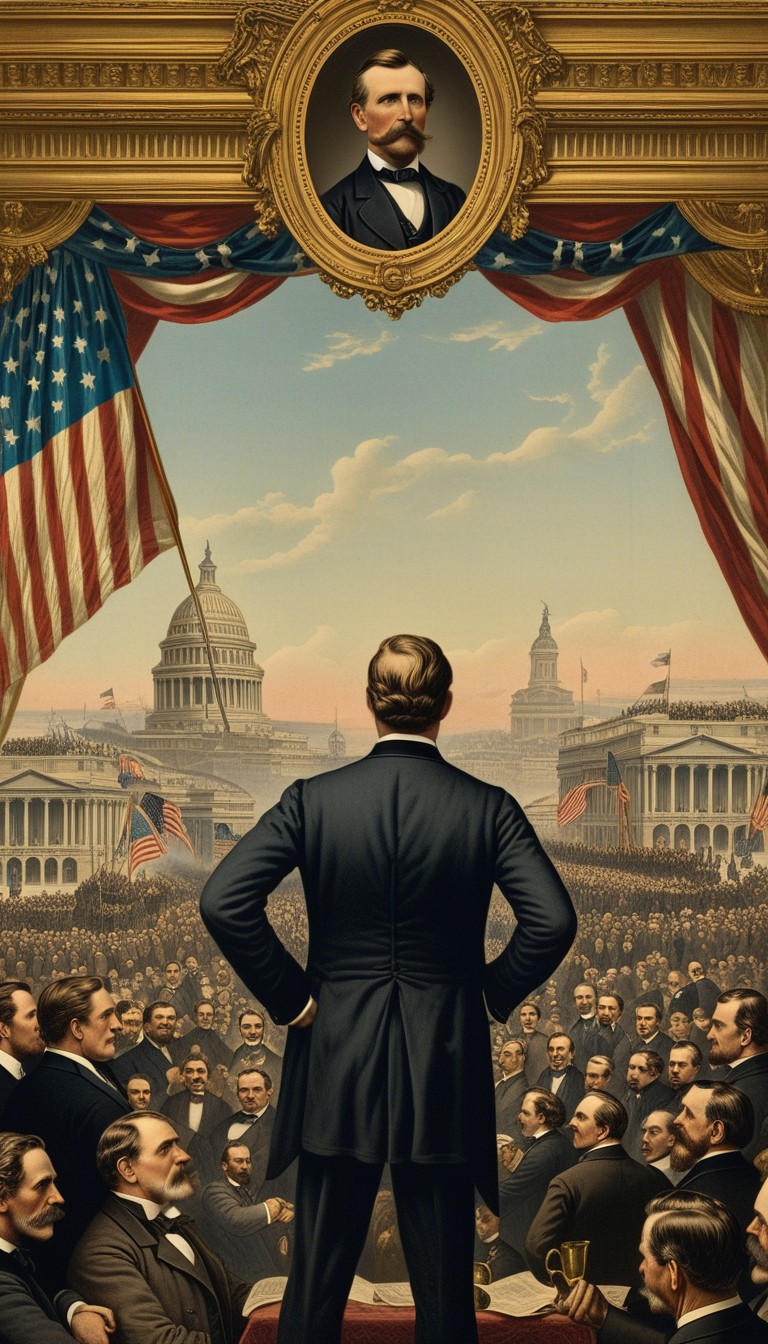
The 1884 presidential race was extraordinarily nasty. Republicans chanted "Ma, Ma, where's my Pa?" after it was revealed Cleveland had fathered a child out of wedlock. Rather than deny it, Cleveland told supporters: "Tell the truth." Democrats countered that Republican James Blaine was deeply corrupt. Cleveland won one of the closest elections in history, becoming the first Democrat elected since before the Civil War.
1885-1889
Washington, D.C.
The Veto President
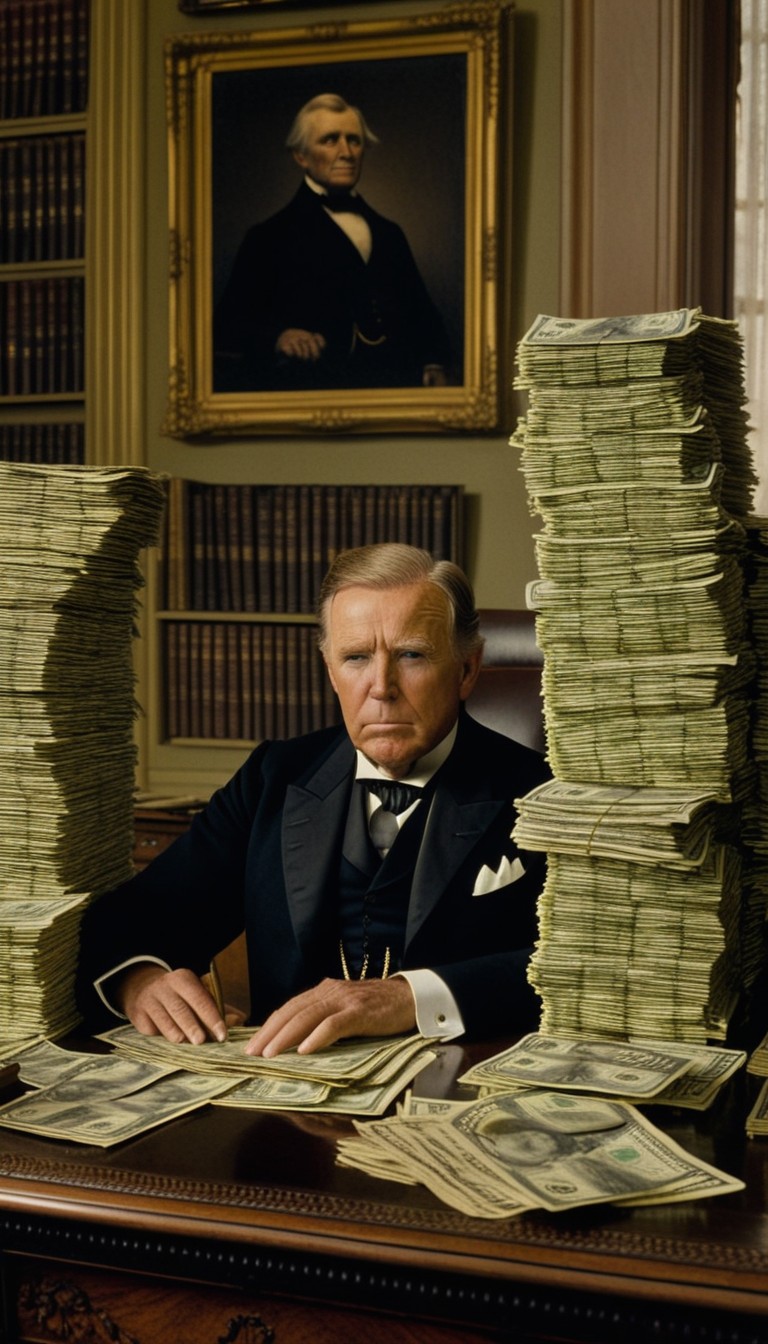
Cleveland wielded the veto pen with unprecedented ferocity. He vetoed 414 bills in his first term alone, more than double all previous presidents combined. He blocked hundreds of fraudulent Civil War pension claims, vetoed pork-barrel spending, and fought to lower tariffs. His motto was simple: "A public office is a public trust." He governed as though popularity was irrelevant.
1886
Washington, D.C.
A White House Wedding
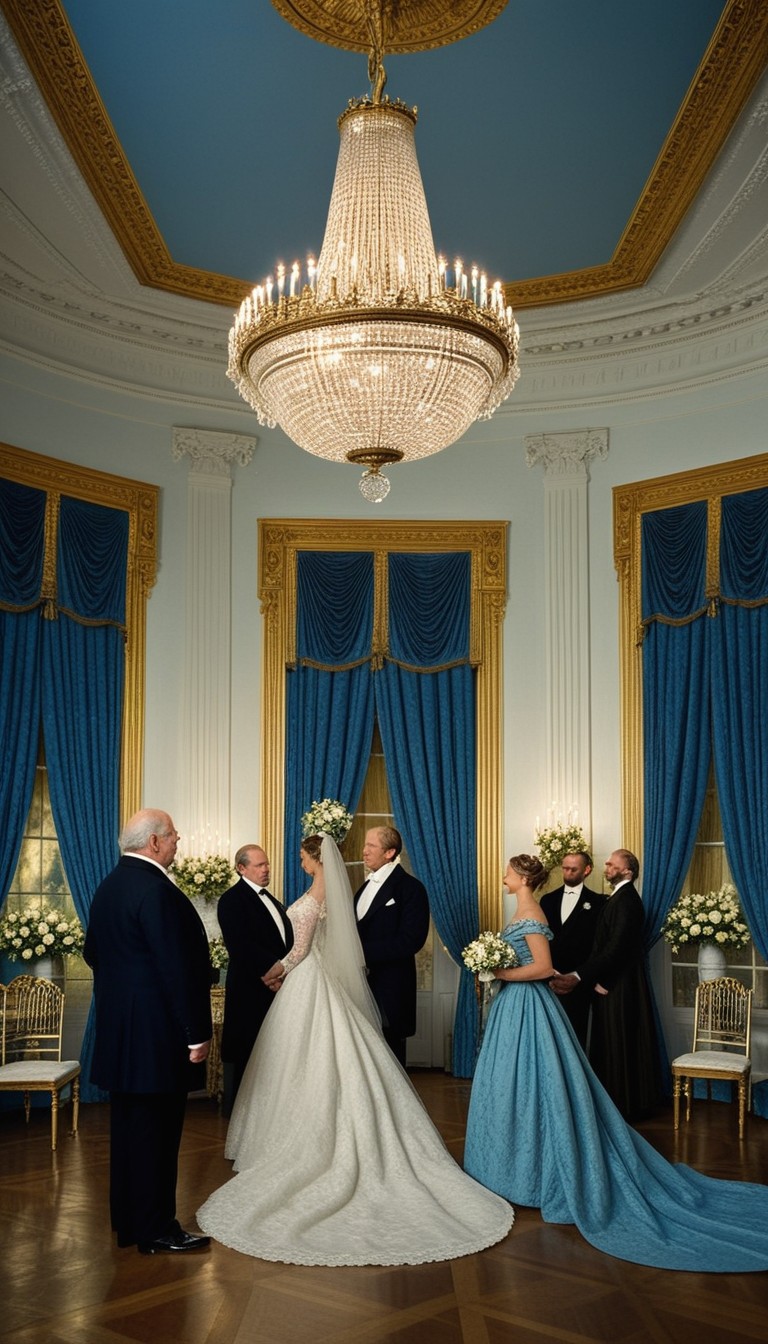
On June 2, 1886, the forty-nine-year-old president married twenty-one-year-old Frances Folsom in the White House, the only presidential wedding ever held there. Frances was the daughter of Cleveland's late law partner and his former ward. She became the youngest First Lady in history and one of the most beloved, charming the press and public alike.
1888-1893
New York & Washington, D.C.
Defeat and Return
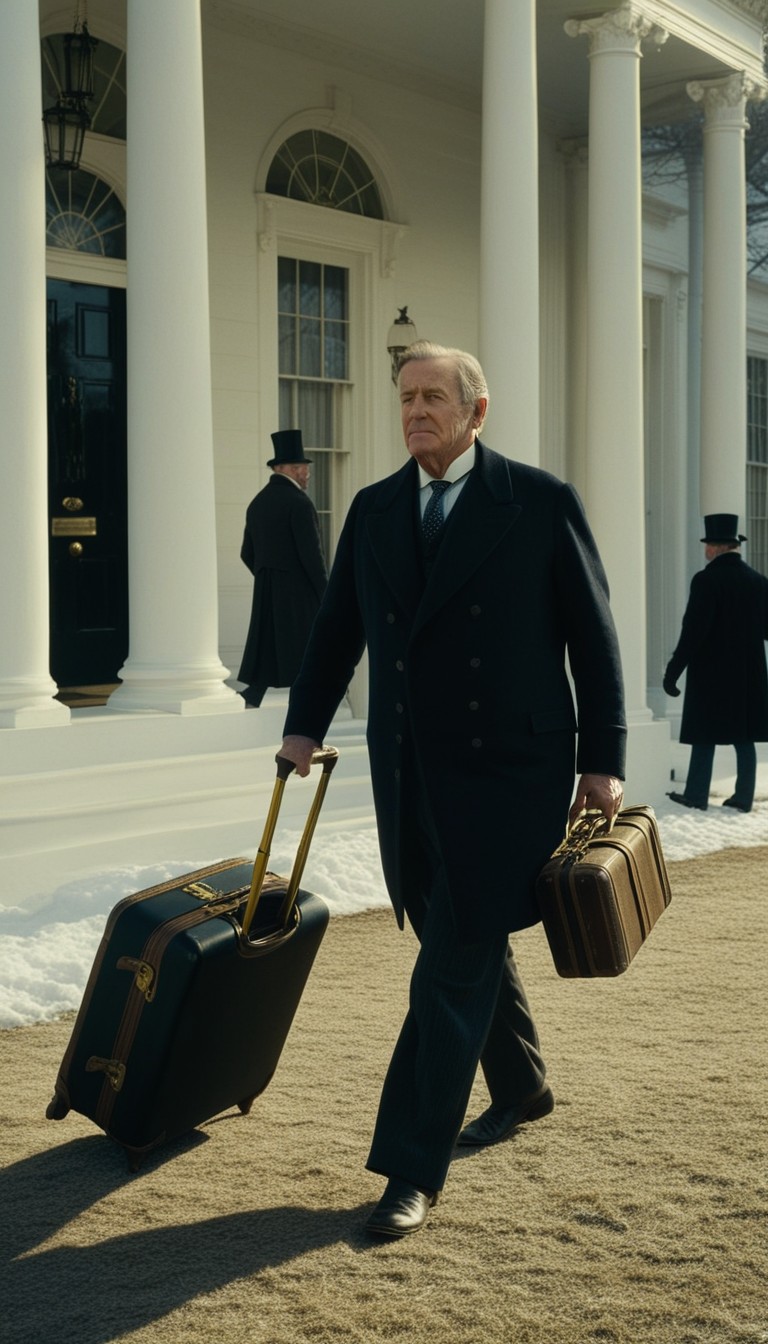
Cleveland won the popular vote in 1888 but lost the Electoral College to Benjamin Harrison. As the Clevelands left the White House, Frances told the staff: "Take good care of the furniture. We're coming back in four years." She was right. In 1892, Cleveland defeated Harrison in a rematch, becoming the only president to serve two non-consecutive terms.
1893-1896
United States
The Panic of 1893
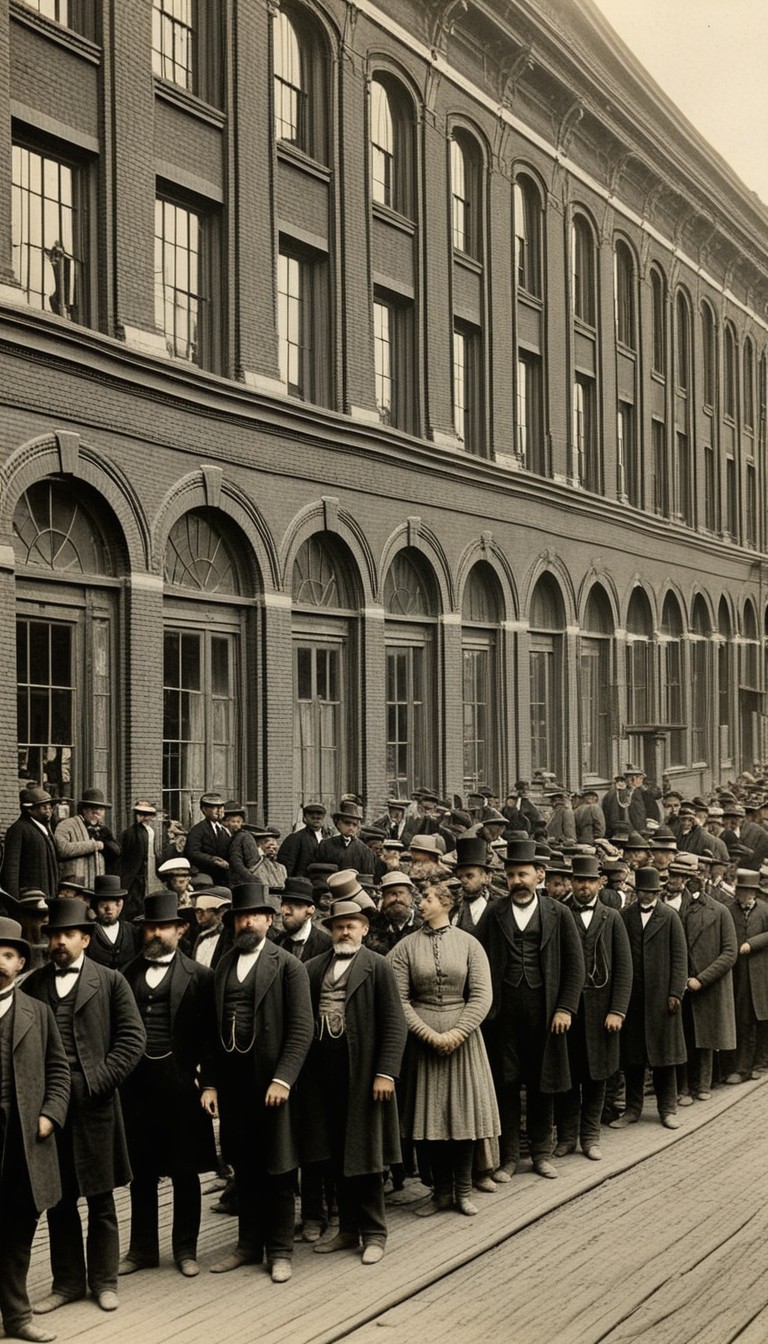
Cleveland's second term was devastated by the worst economic depression the nation had yet seen. Banks failed, railroads went bankrupt, and unemployment soared to twenty percent. Cleveland repealed the Sherman Silver Purchase Act to stabilize the currency but alienated his own party. When Pullman railroad workers struck in 1894, he sent federal troops to break the strike, further dividing Democrats.
1897-1908
Princeton, New Jersey
A Secret Surgery and Quiet Retirement
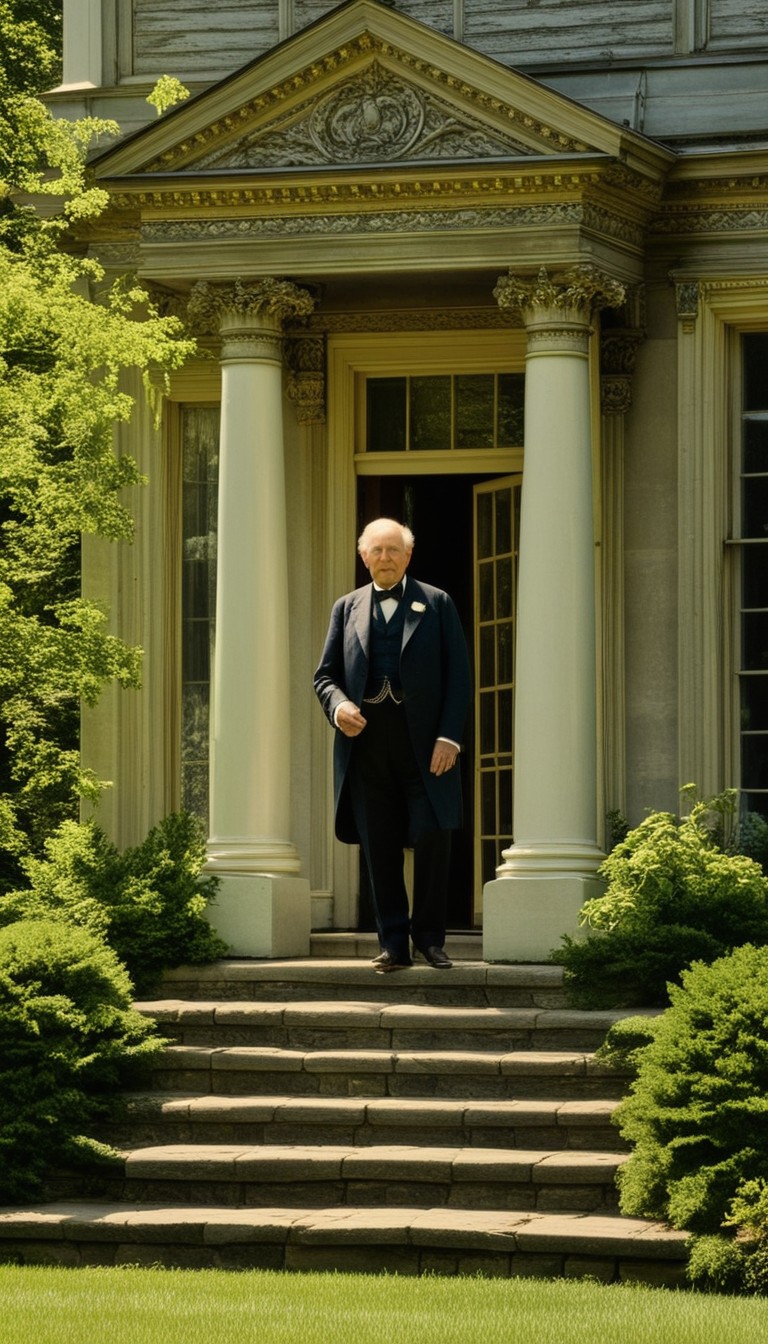
In 1893, Cleveland secretly had a cancerous tumor removed from his jaw aboard a yacht to avoid panicking financial markets. The surgery was concealed for twenty-four years. He left office deeply unpopular, rejected by his own party. He retired to Princeton, New Jersey, where he lectured at the university and slowly regained public respect. He died on June 24, 1908, his last words: "I have tried so hard to do right."
Stubborn Honesty in a Gilded Age
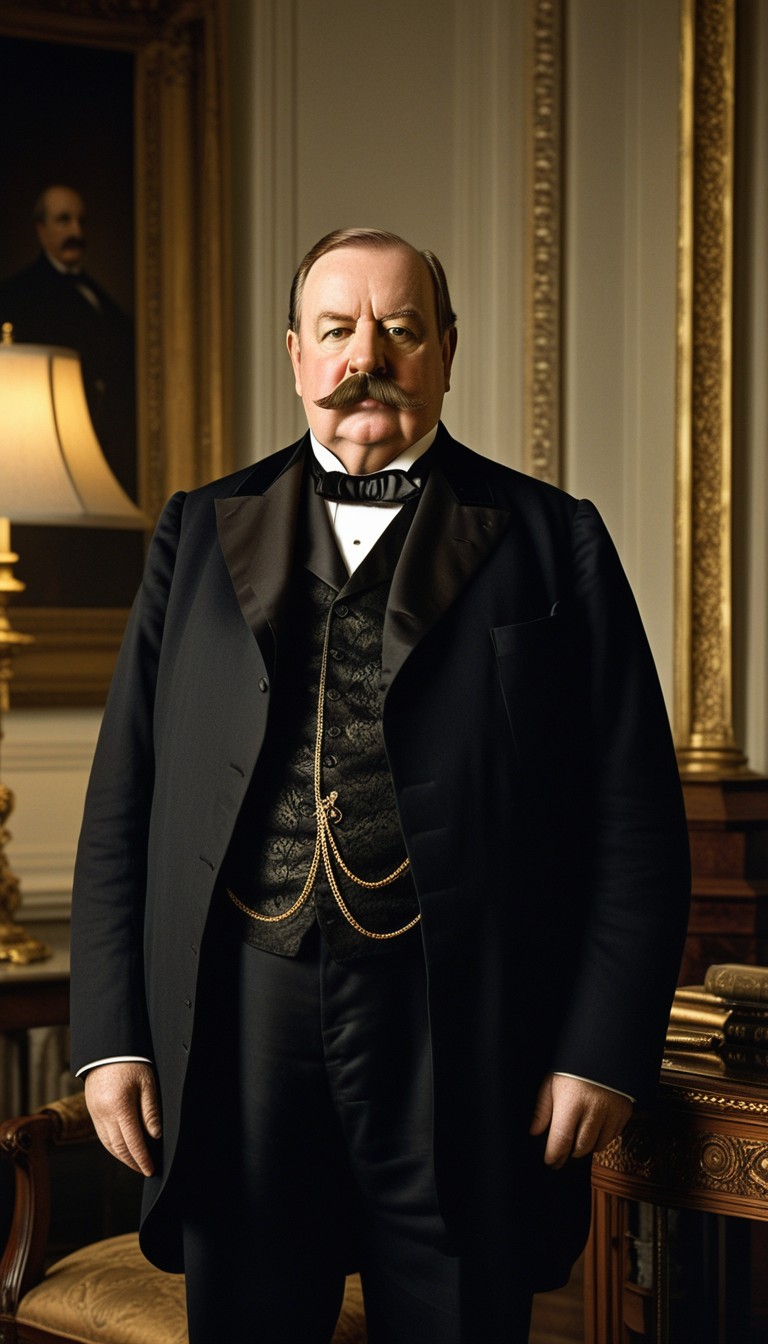
Grover Cleveland governed by conviction in an era defined by corruption and excess. His blunt honesty, relentless vetoes, and refusal to play political games made him both admired and reviled. The only president to serve split terms, Cleveland proved that integrity and popularity rarely walk hand in hand, and that doing right often comes at the highest political cost.
Recommended Reading
As an Amazon Associate, we earn from qualifying purchases.
Swipe to navigate