
Andrew Johnson (#17): Reconstruction's Struggle
Loading story...

1808-1827
North Carolina & Tennessee
The Tailor's Apprentice
Born on December 29, 1808, in Raleigh, North Carolina, Andrew Johnson grew up in crushing poverty. His father died when he was three, and he never attended a single day of school. Apprenticed to a tailor at age ten, he ran away at fifteen and set up his own shop in Greeneville, Tennessee. His wife, Eliza, taught him to read and write.
1829-1861
Tennessee & Washington, D.C.
Champion of the Common Man
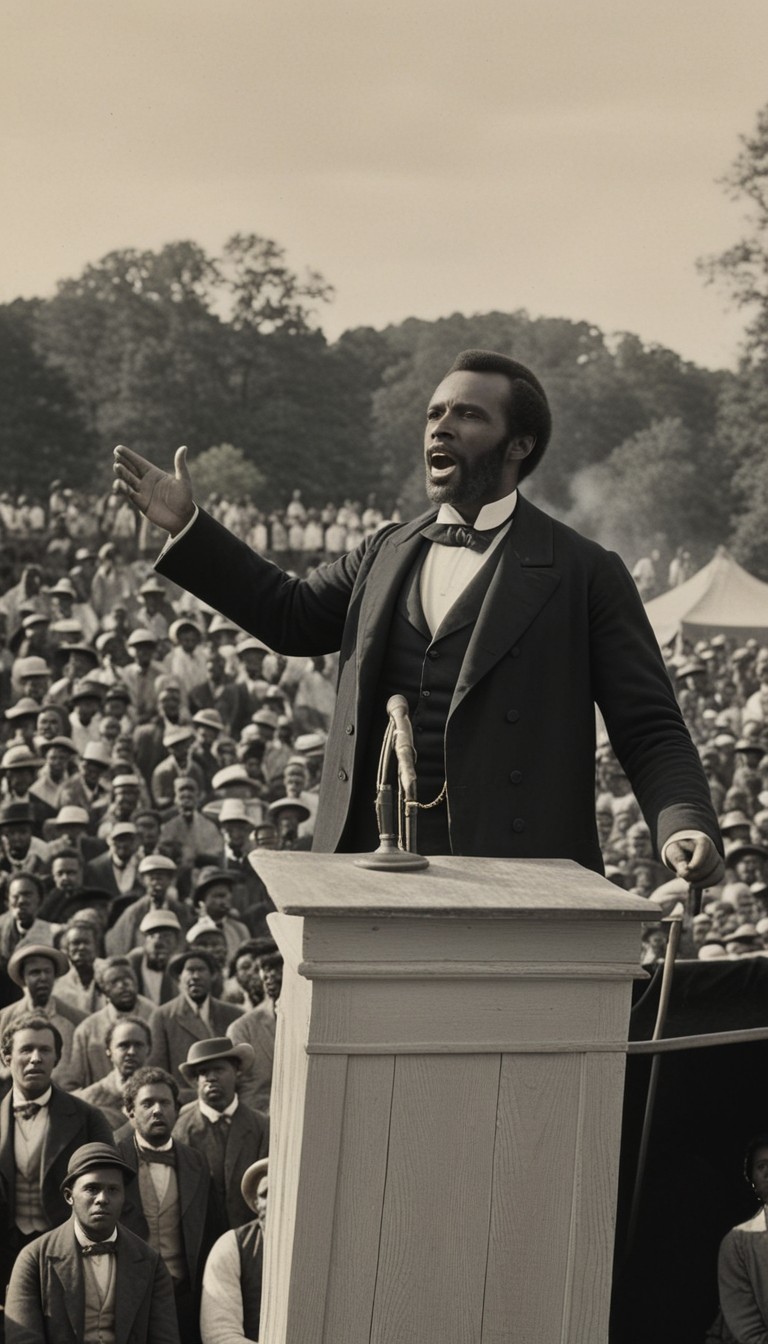
Johnson entered politics as a Jacksonian Democrat, winning election as alderman, mayor, state legislator, congressman, governor, and finally U.S. senator from Tennessee. He championed the working class, pushed for the Homestead Act to give free land to settlers, and railed against the planter aristocracy despite being a slaveholder himself.
1861
Washington, D.C.
The Lone Southern Unionist
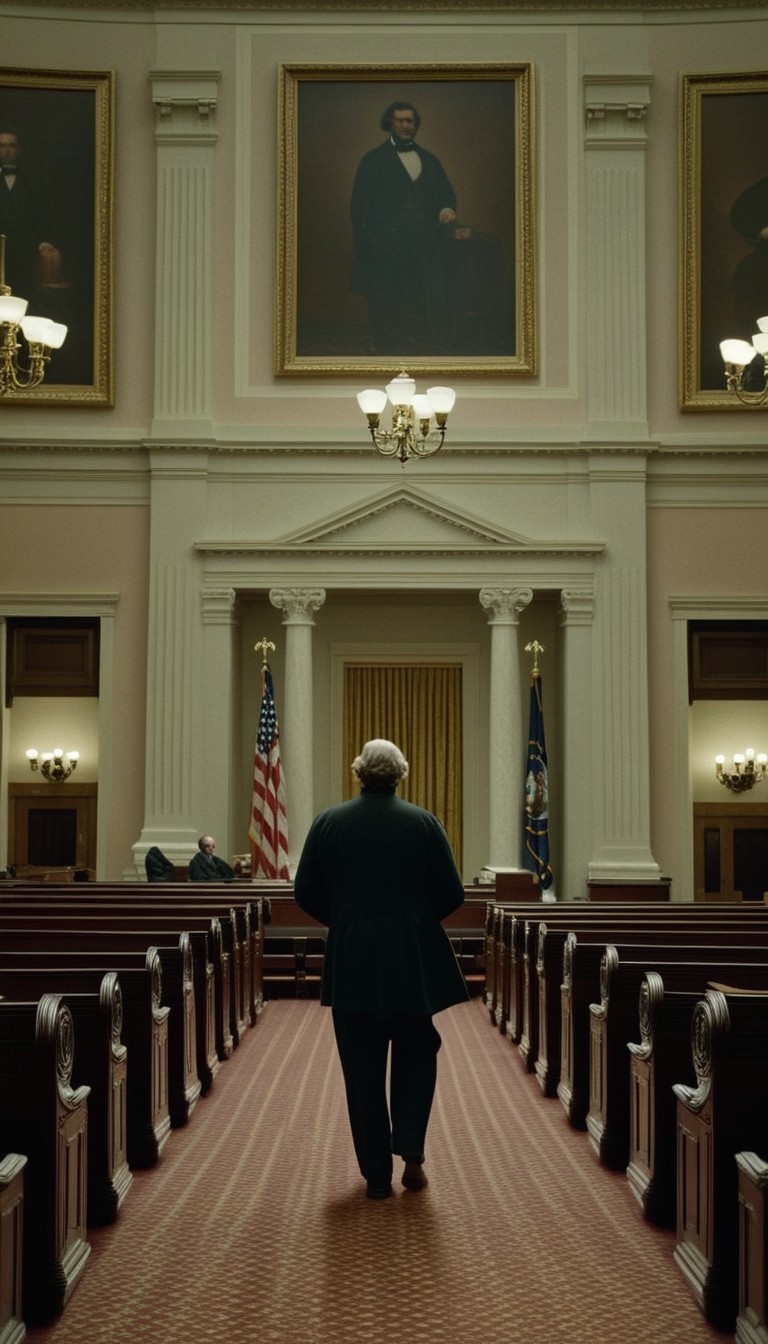
When Tennessee and ten other Southern states seceded in 1861, Andrew Johnson was the only sitting U.S. senator from a Confederate state who refused to resign his seat. His defiant stand for the Union made him a hero in the North and a traitor in the eyes of his Southern neighbors, who burned him in effigy.
1862-1864
Nashville, Tennessee
Military Governor of Tennessee
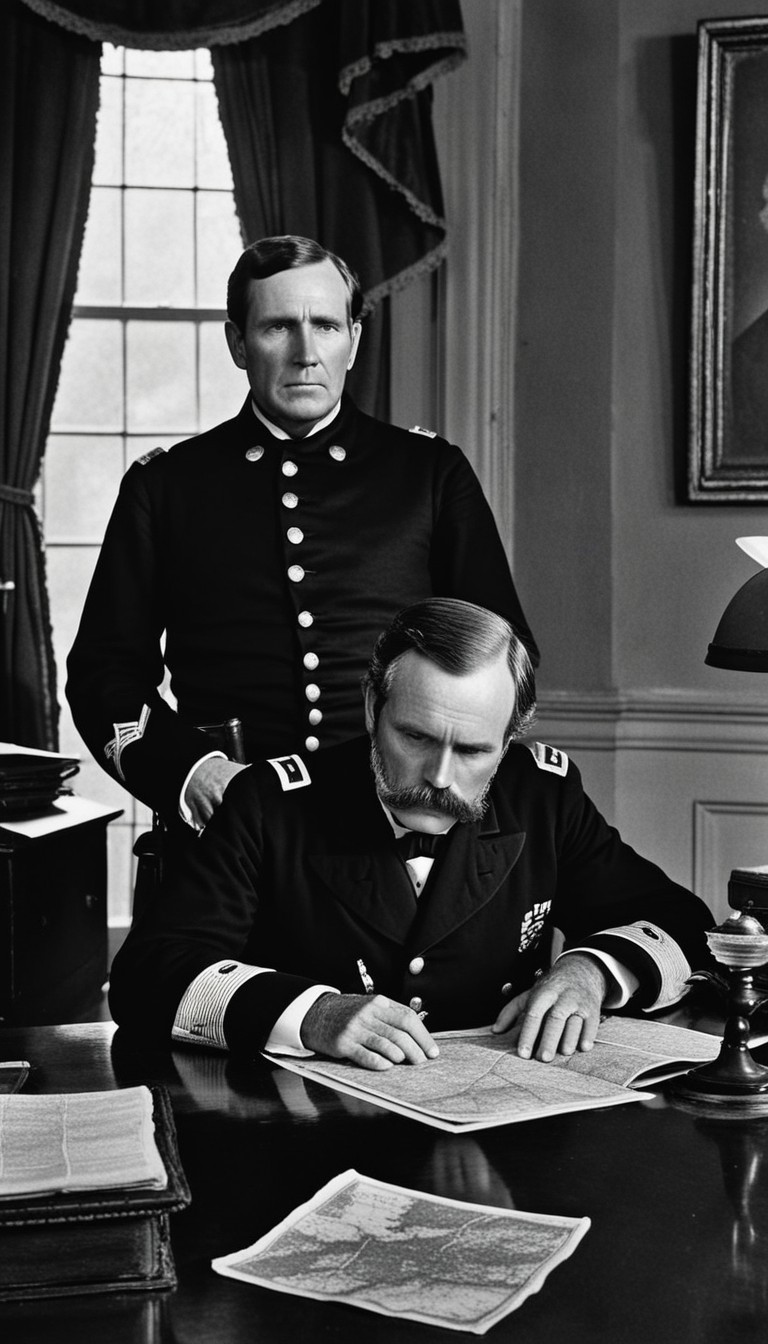
Lincoln appointed Johnson military governor of Tennessee in 1862, tasking him with restoring order in the occupied state. It was a dangerous assignment. Confederate guerrillas threatened his life constantly. Johnson ruled with an iron fist, jailing Confederate sympathizers and demanding loyalty oaths, proving himself a forceful wartime leader.
April 1865
Washington, D.C.
An Accidental President
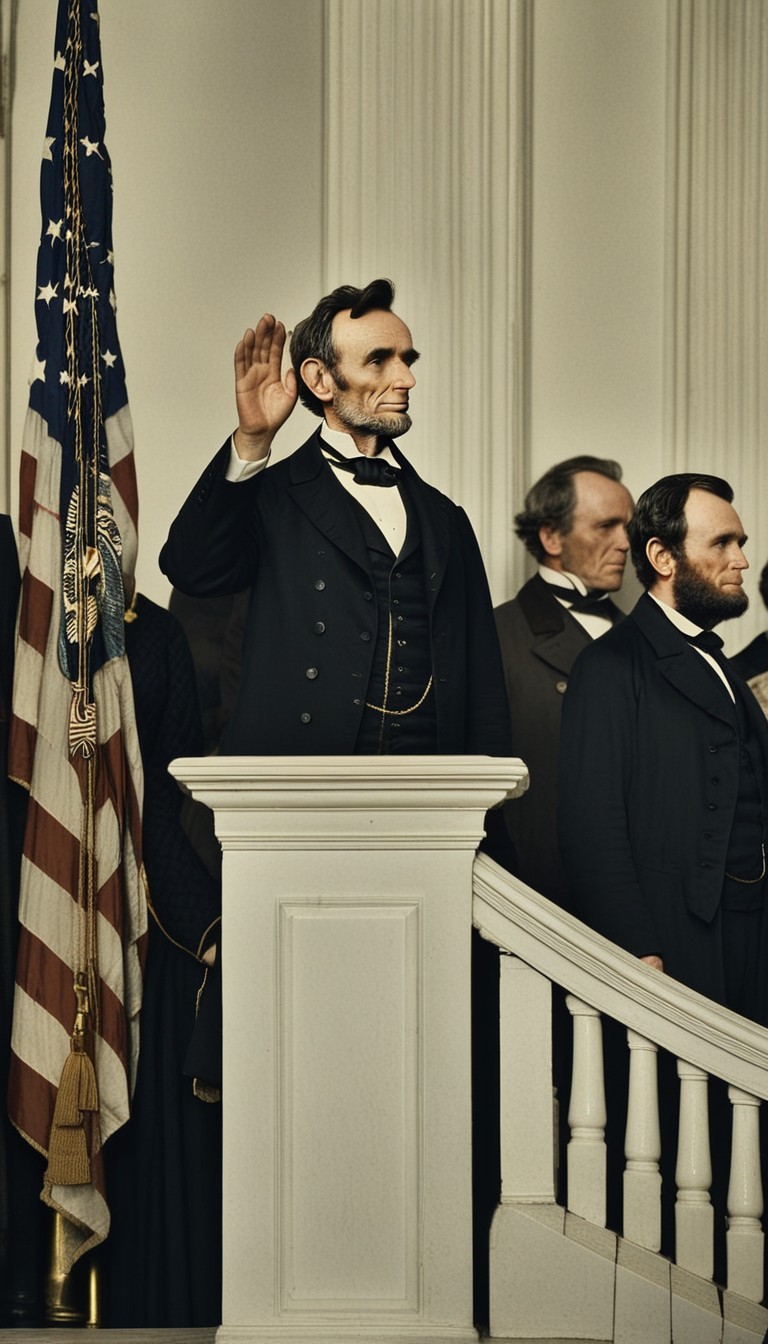
Lincoln chose Johnson as his 1864 running mate on a unity ticket. Six weeks after the inauguration, Lincoln was assassinated. On April 15, 1865, Johnson took the oath of office in a Washington boarding house. He inherited a nation torn apart, with no mandate and no political allies in either party to help him navigate the most difficult period in American history.

1865-1866
Washington, D.C.
A Lenient Reconstruction
Johnson moved quickly to restore Southern states with minimal conditions, pardoning thousands of former Confederates and allowing states to pass "Black Codes" that severely restricted the rights of freed people. He vetoed the Civil Rights Act of 1866 and the Freedmen's Bureau extension, putting him on a collision course with the Republican-controlled Congress.
1868
Washington, D.C.
Impeached by One Vote
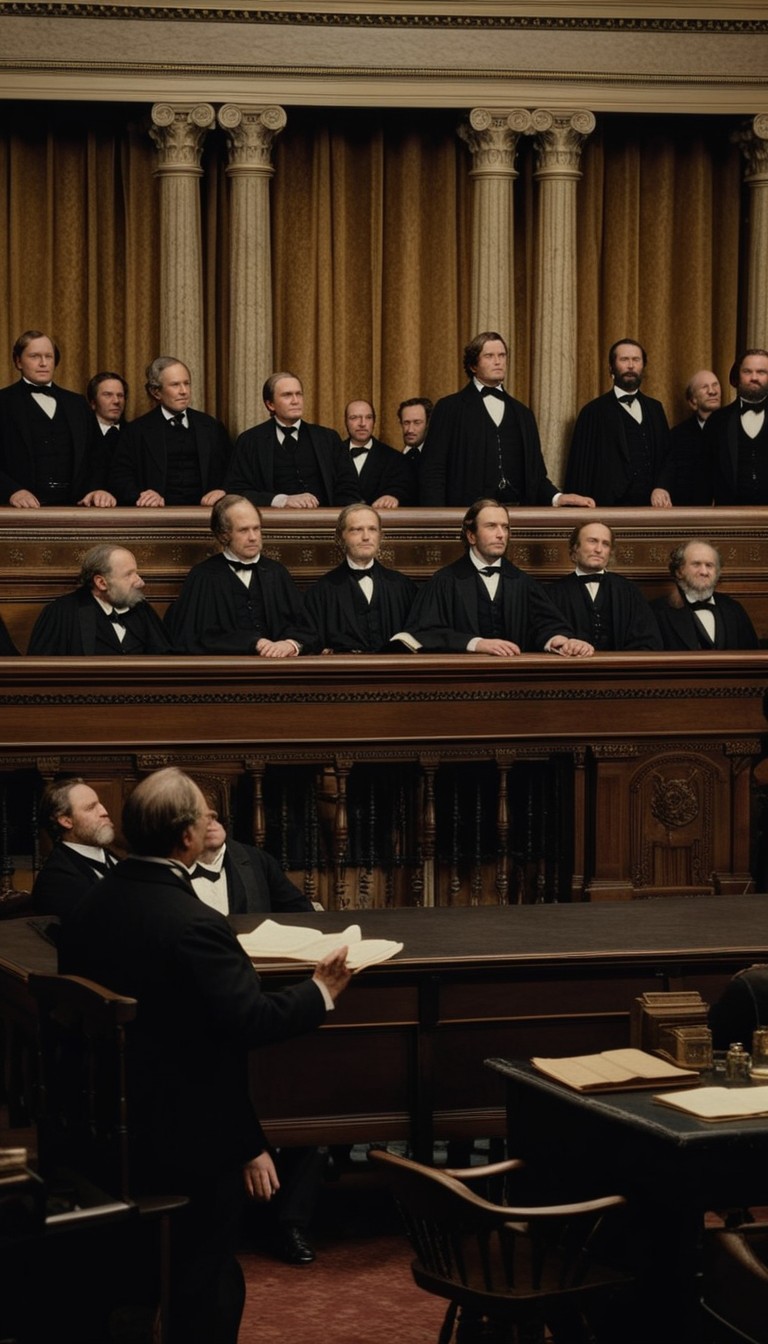
Congress passed the Tenure of Office Act to prevent Johnson from firing Lincoln's cabinet members. When Johnson dismissed Secretary of War Edwin Stanton anyway, the House impeached him in February 1868. The Senate trial gripped the nation. On May 16, Johnson was acquitted by a single vote, with seven Republican senators breaking ranks to save the presidency from congressional domination.
1867-1875
Alaska & Tennessee
Seward's Folly and Final Years
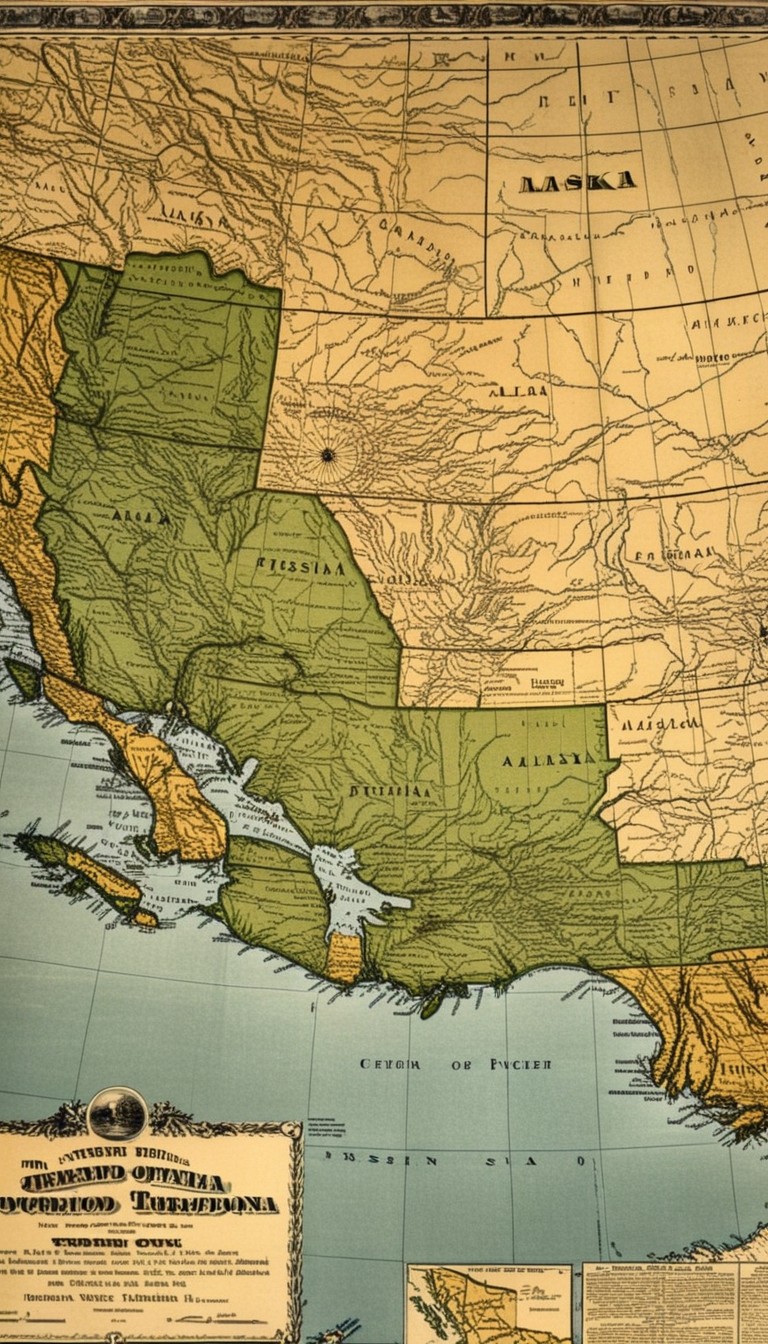
Despite the turmoil, Johnson's administration achieved one lasting triumph: the purchase of Alaska from Russia in 1867 for $7.2 million, mocked at the time as "Seward's Folly." After leaving office, Johnson returned to Tennessee and in 1875 won election to the Senate, the only former president to do so. He died just months later at age sixty-six.
A Presidency Defined by Conflict
Andrew Johnson's story is one of extraordinary self-invention and stubborn defiance. He rose from abject poverty to the highest office, yet his refusal to protect the rights of freed people during Reconstruction remains his most damaging legacy. His impeachment set precedents that echo through American politics to this day.
Recommended Reading
As an Amazon Associate, we earn from qualifying purchases.

Swipe to navigate