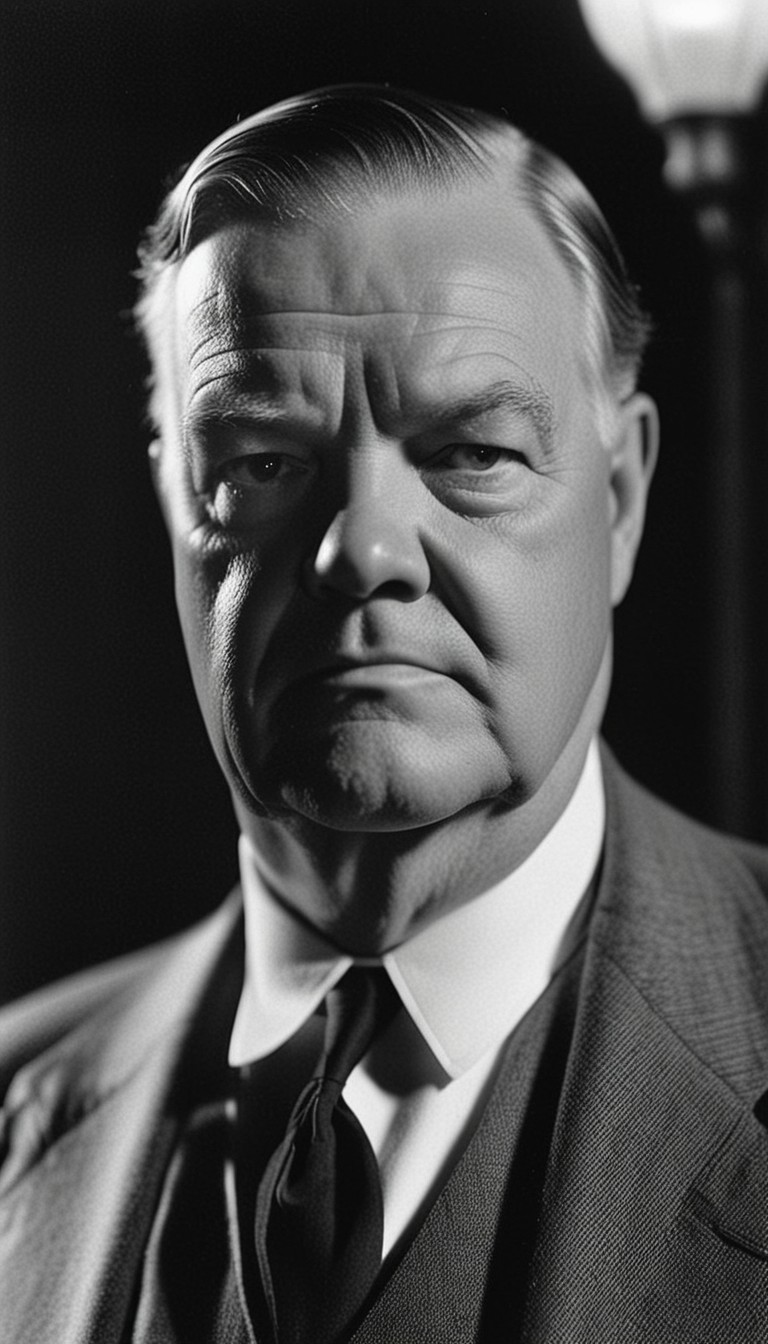
Herbert Hoover (#31): The Great Humanitarian's Great Failure
Loading story...

1874-1914
Iowa, Oregon & Worldwide
The Orphan from Iowa
Born on August 10, 1874, in a two-room cottage in West Branch, Iowa, Herbert Clark Hoover was orphaned by age nine. Raised by Quaker relatives in Oregon, he was shy, serious, and driven. He worked his way through Stanford University's inaugural class, graduating as a mining engineer in 1895. Within two decades, he had built a global mining empire and amassed a fortune, working on every continent except Antarctica.

1914-1921
Belgium & Europe
The Great Humanitarian
When World War I began, Hoover organized the Commission for Relief in Belgium, feeding ten million people in German-occupied territory. After America entered the war, he became U.S. Food Administrator, persuading Americans to voluntarily conserve food. "Hooverize" entered the language as a verb meaning to economize. After the war, he led famine relief across Europe and Russia, saving an estimated hundreds of millions of lives.
1921-1928
Washington, D.C.
Secretary of Everything
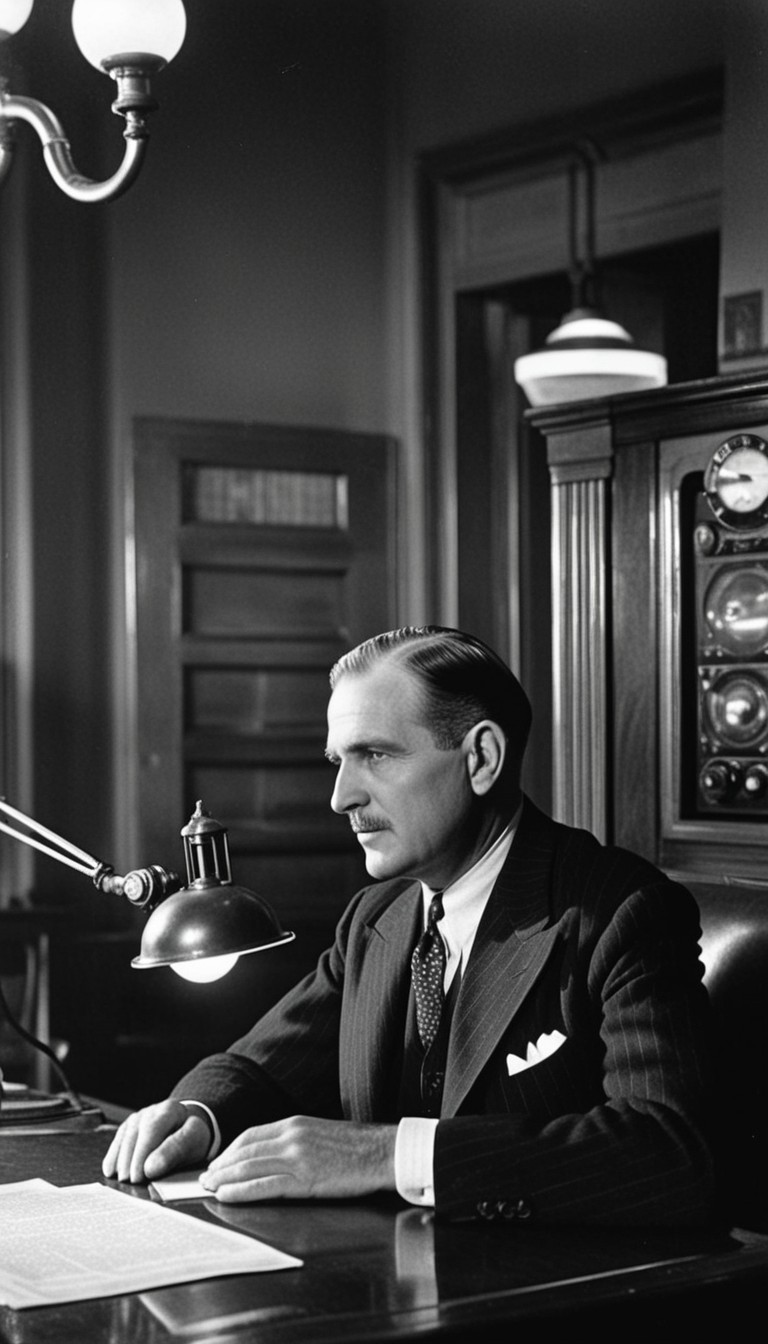
As Secretary of Commerce under Harding and Coolidge, Hoover transformed a sleepy department into a powerhouse of American innovation. He standardized everything from tire sizes to brick dimensions, promoted aviation and radio, coordinated the response to the Great Mississippi Flood of 1927, and championed the construction of what would become Hoover Dam. He was called "Secretary of Commerce and Under-Secretary of all other departments."
1928-1929
United States
A Chicken in Every Pot
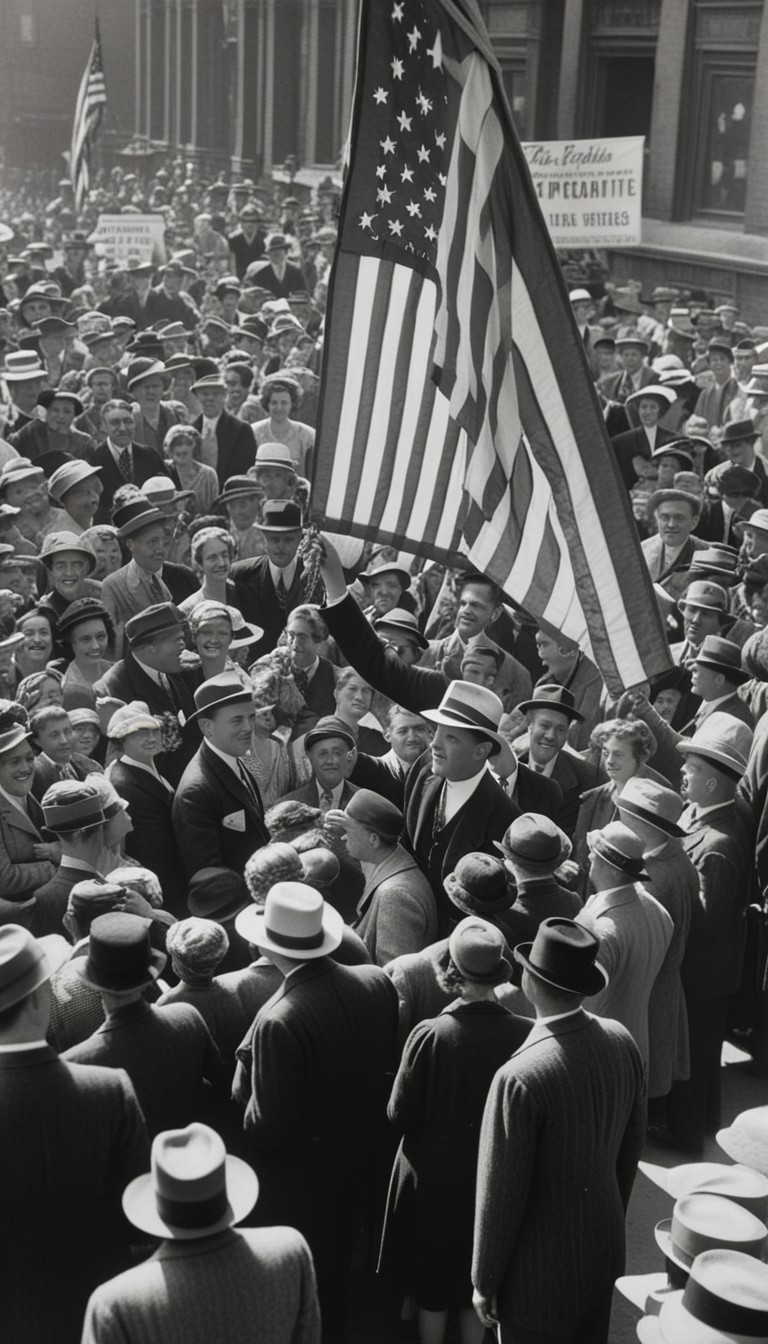
Hoover won the 1928 election by a massive margin, promising continued prosperity. "We in America today are nearer to the final triumph over poverty than ever before," he declared. He was the first president born west of the Mississippi and the first Quaker in the White House. Seven months after his inauguration, the stock market crashed. Everything changed.
1929-1932
United States
The Great Crash
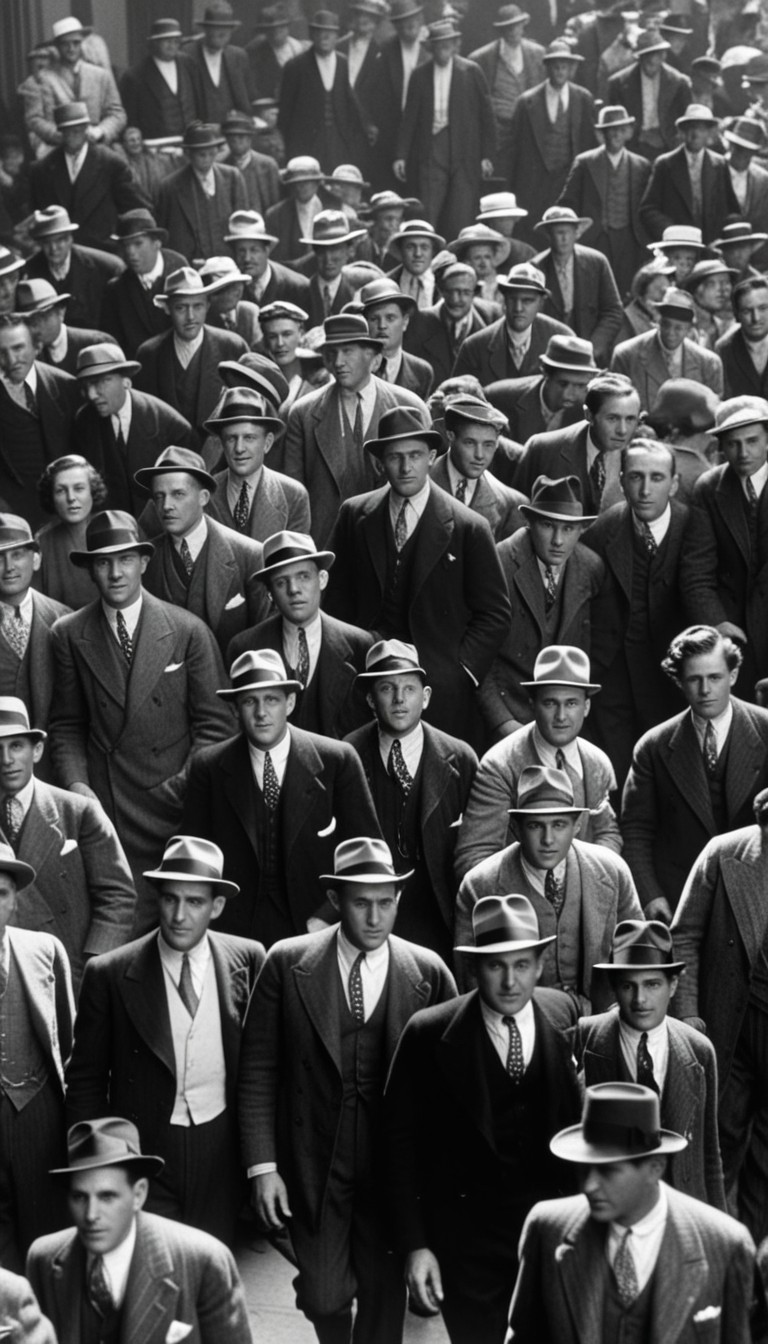
On October 29, 1929, "Black Tuesday," the stock market collapsed, wiping out billions in wealth. Banks failed by the thousands. Unemployment soared from three percent to twenty-five percent. Industrial production fell by half. Hoover was not passive, as myth suggests. He cut taxes, increased public works spending, created the Reconstruction Finance Corporation, and urged businesses not to cut wages. But his efforts were too small and too late.
1930-1932
United States
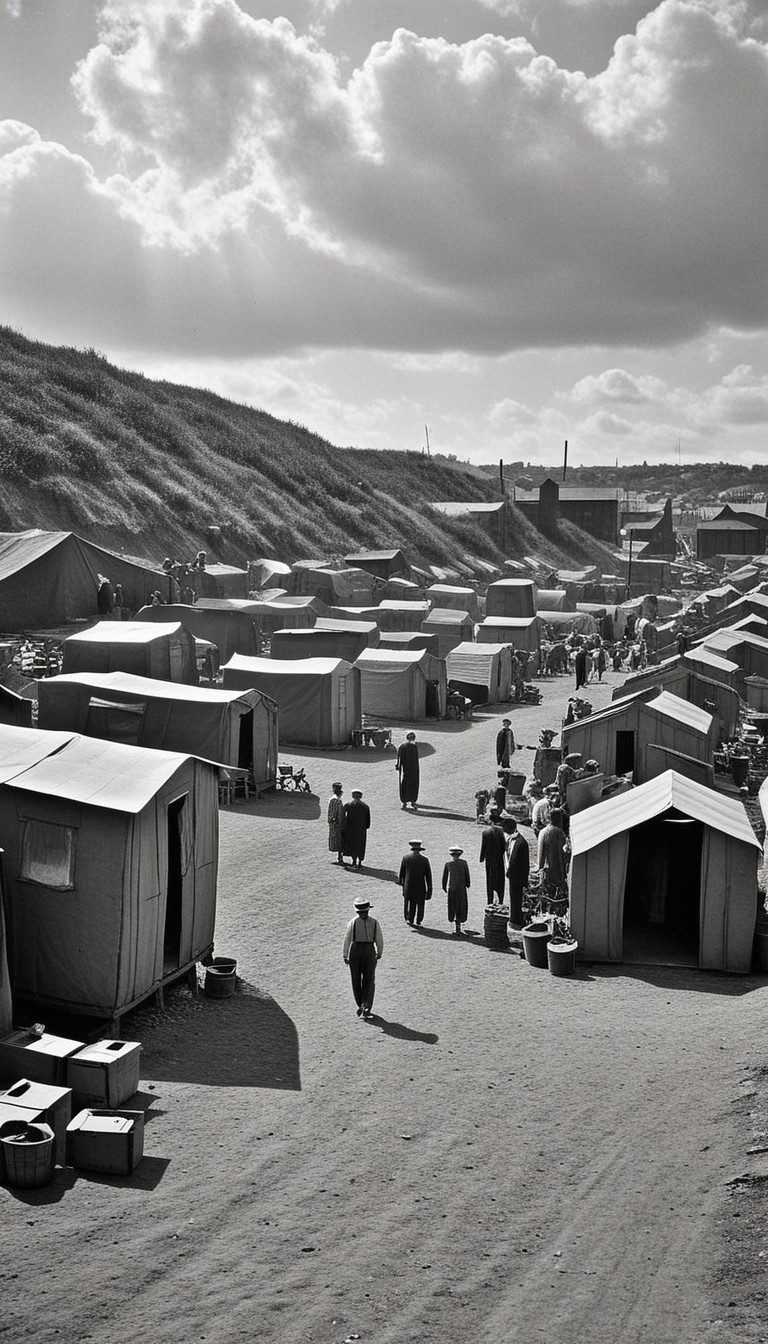
Hoovervilles and Despair
As the Depression deepened, Hoover became the target of national rage. Shantytowns of the homeless were called "Hoovervilles." Empty pockets turned inside out were "Hoover flags." Newspapers used as blankets were "Hoover blankets." Hoover's belief in voluntary cooperation and rugged individualism could not meet the scale of the crisis. He opposed direct federal relief to individuals, fearing it would destroy American self-reliance.
July 1932
Washington, D.C.
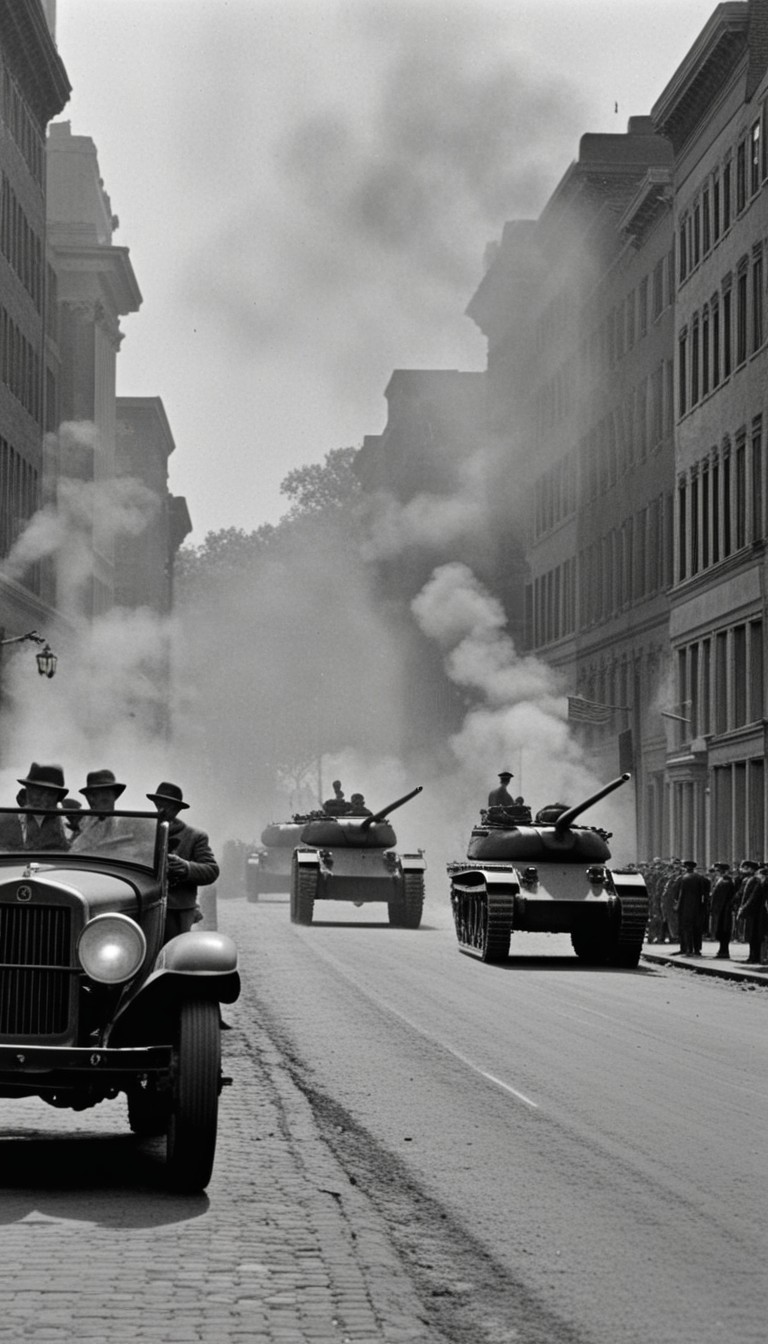
The Bonus Army Disaster
In the summer of 1932, twenty thousand World War I veterans marched on Washington demanding early payment of their service bonuses. When Hoover ordered the Army to clear the camps, General Douglas MacArthur exceeded his orders, using tanks, cavalry, and tear gas to drive out the veterans and burn their shelters. The images of soldiers attacking veterans shocked the nation and sealed Hoover's political fate.
1933-1964
New York & United States
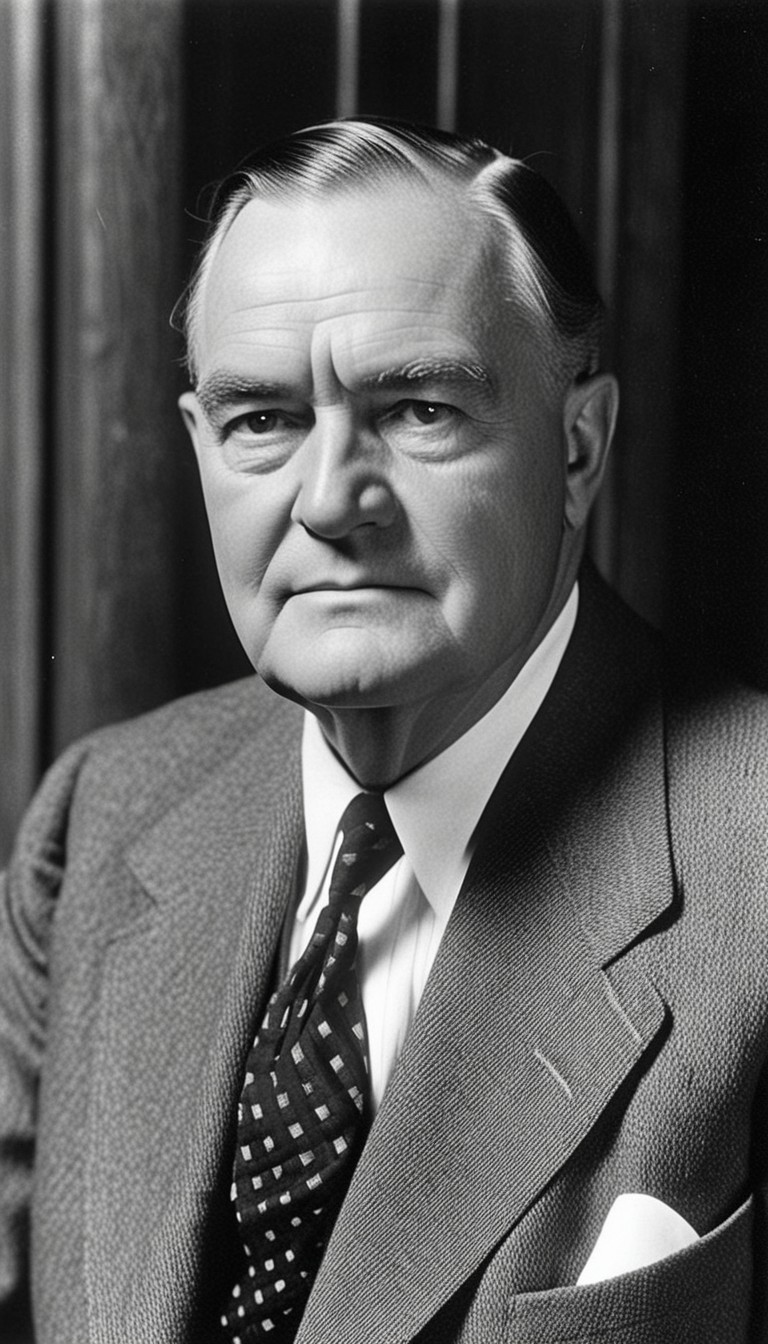
The Longest Retirement
Hoover lost the 1932 election to Franklin Roosevelt in a historic landslide. He spent the next thirty-one years as the longest-living former president, writing books, heading humanitarian commissions, and reorganizing the executive branch under Truman and Eisenhower. He gradually rehabilitated his reputation, reminding Americans of his lifetime of public service. Hoover died on October 20, 1964, at age ninety, having outlived his failures.

Tragedy of the Right Man at the Wrong Time
Herbert Hoover's story is one of the great tragedies of the American presidency. A self-made orphan who fed the world became the scapegoat for the world's worst economic disaster. His brilliance, competence, and humanitarian instincts were not enough to overcome the Depression or his own ideological rigidity. Hoover reminds us that even the most qualified leader can be undone by events beyond their control and beliefs that cannot bend.
Recommended Reading
As an Amazon Associate, we earn from qualifying purchases.
Swipe to navigate