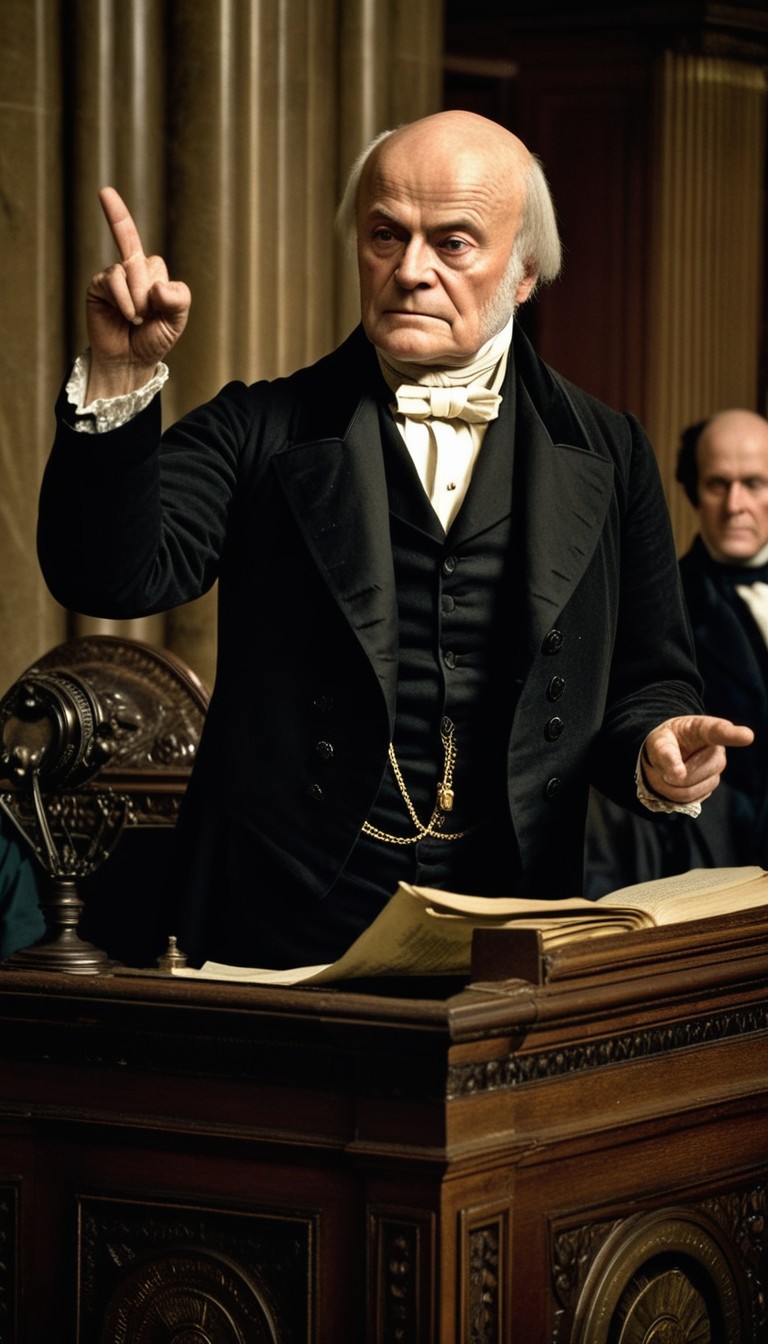
John Quincy Adams (#6): The Scholar President
Loading story...

1767-1778
Braintree, Massachusetts
Born to Revolution
Born in 1767 in Braintree, Massachusetts, John Quincy Adams grew up in the crucible of revolution. At age seven, he stood with his mother Abigail on Penn Hill and watched the Battle of Bunker Hill unfold across the harbor. At ten, he accompanied his father John Adams to Europe, beginning a diplomatic education no school could match.

1781-1787
St. Petersburg & Leiden
The Boy Diplomat
At just fourteen, Adams traveled to St. Petersburg as secretary to the American minister to Russia. He learned French, Dutch, and German, studied at the University of Leiden, and returned to America fluent in European politics. By the time he graduated from Harvard in 1787, he had already seen more of the world than most diplomats twice his age.
1794-1824
Europe & Washington
Master Diplomat
Adams served as minister to the Netherlands, Prussia, Russia, and Great Britain. His crowning diplomatic achievement was negotiating the Treaty of Ghent in 1814, ending the War of 1812. As Secretary of State under Monroe, he authored the Monroe Doctrine and negotiated the Adams-Onis Treaty, acquiring Florida and extending American claims to the Pacific.
1824-1825
Washington, D.C.
The Corrupt Bargain
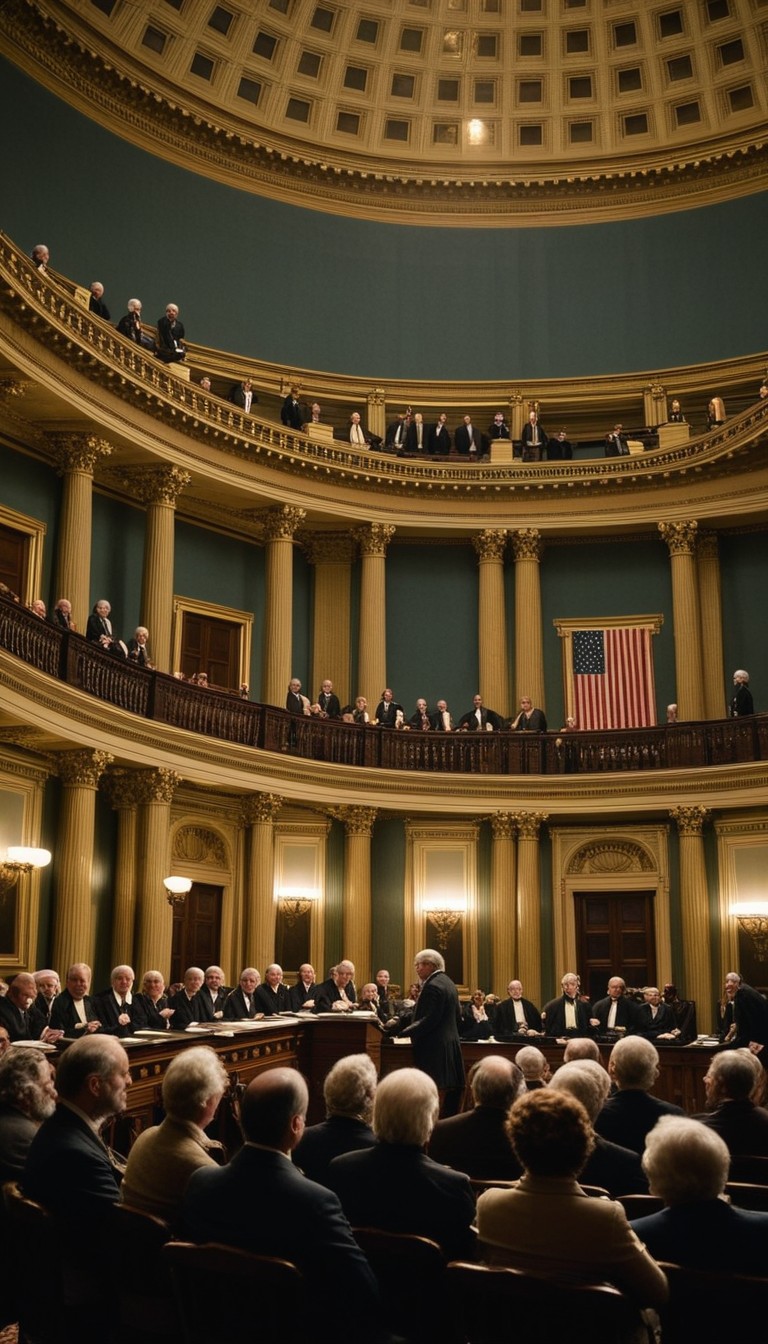
The 1824 election was a four-way race. Andrew Jackson won the popular vote, but no candidate secured an Electoral College majority. The decision went to the House of Representatives, where Speaker Henry Clay threw his support to Adams. When Adams then named Clay Secretary of State, Jackson's supporters cried "corrupt bargain," poisoning Adams's presidency from day one.
1825-1829
Washington, D.C.
A Visionary Presidency
Adams proposed a breathtaking vision for America: a national university, astronomical observatories, a network of roads and canals, and scientific expeditions. He was a century ahead of his time. But a hostile Congress, still furious over the "corrupt bargain," blocked nearly every initiative. His presidency was one of the most frustrated in American history.
1831-1848
Washington, D.C.
Old Man Eloquent
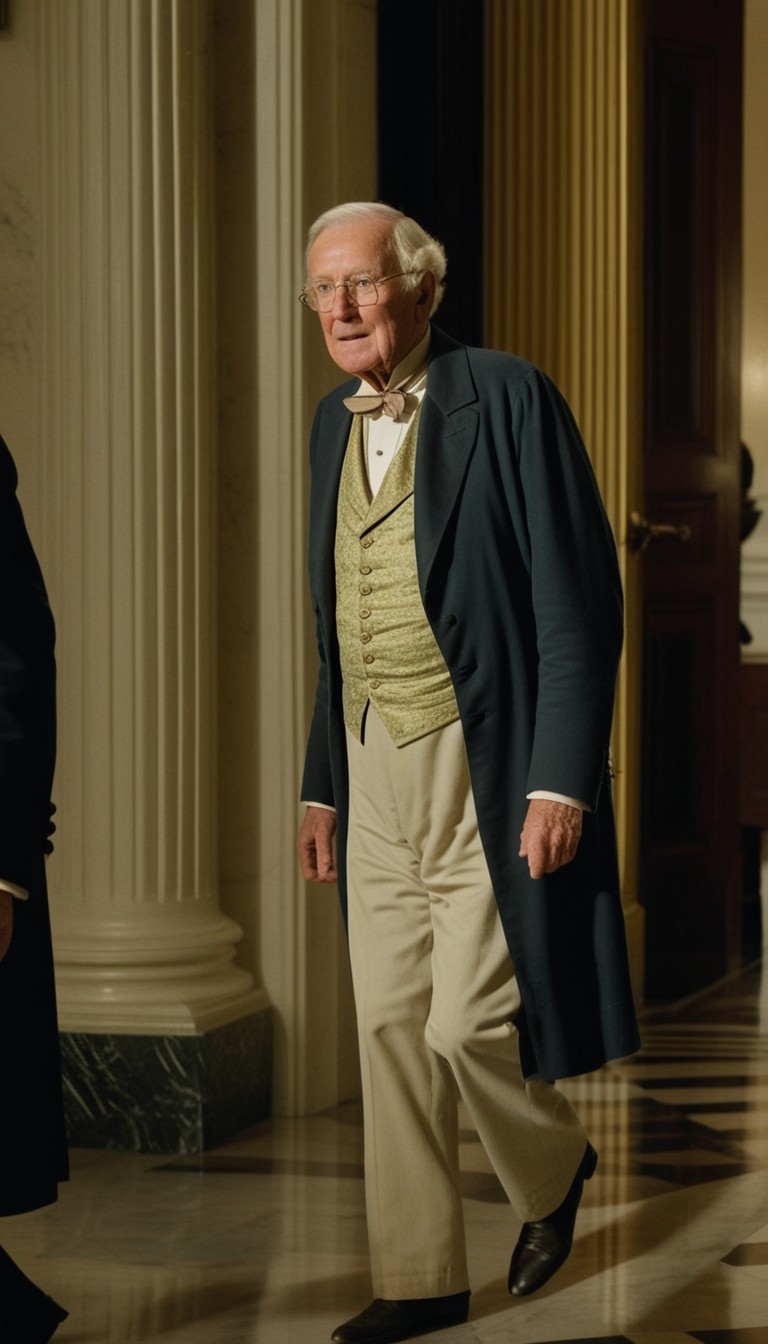
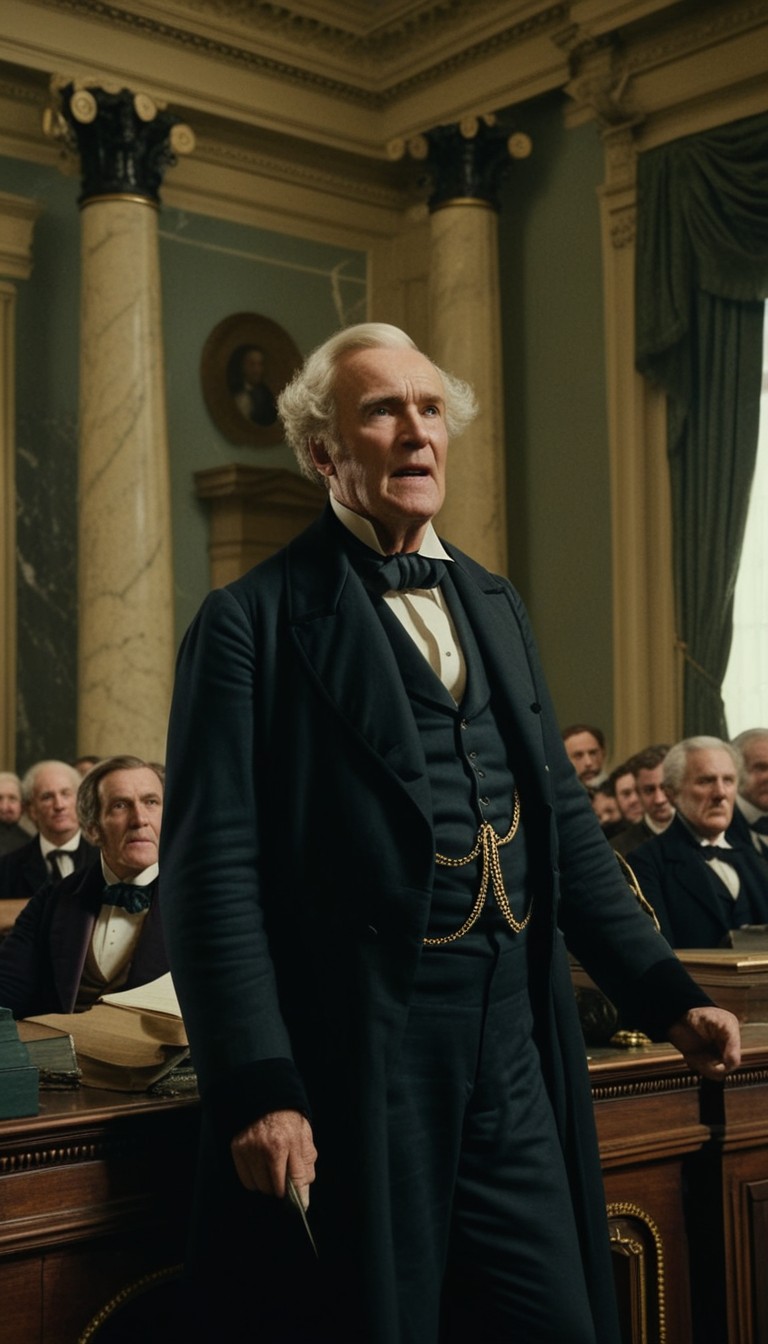
After losing the 1828 election to Jackson, Adams did something no former president had done: he returned to Washington as a member of the House of Representatives. Far from a step down, Adams considered it his highest honor. He served for seventeen years, earning the nickname "Old Man Eloquent" for his passionate speeches on the House floor.
1836-1844
U.S. House of Representatives
The Fight Against the Gag Rule
Southern congressmen passed a "gag rule" automatically tabling any petition related to slavery. Adams waged an eight-year war against it, arguing it violated the First Amendment right to petition. He was censured, threatened, and mocked, but he never relented. In 1844, the gag rule was finally repealed, a victory for free speech and the antislavery cause.
1841
Supreme Court, Washington, D.C.
The Amistad Case
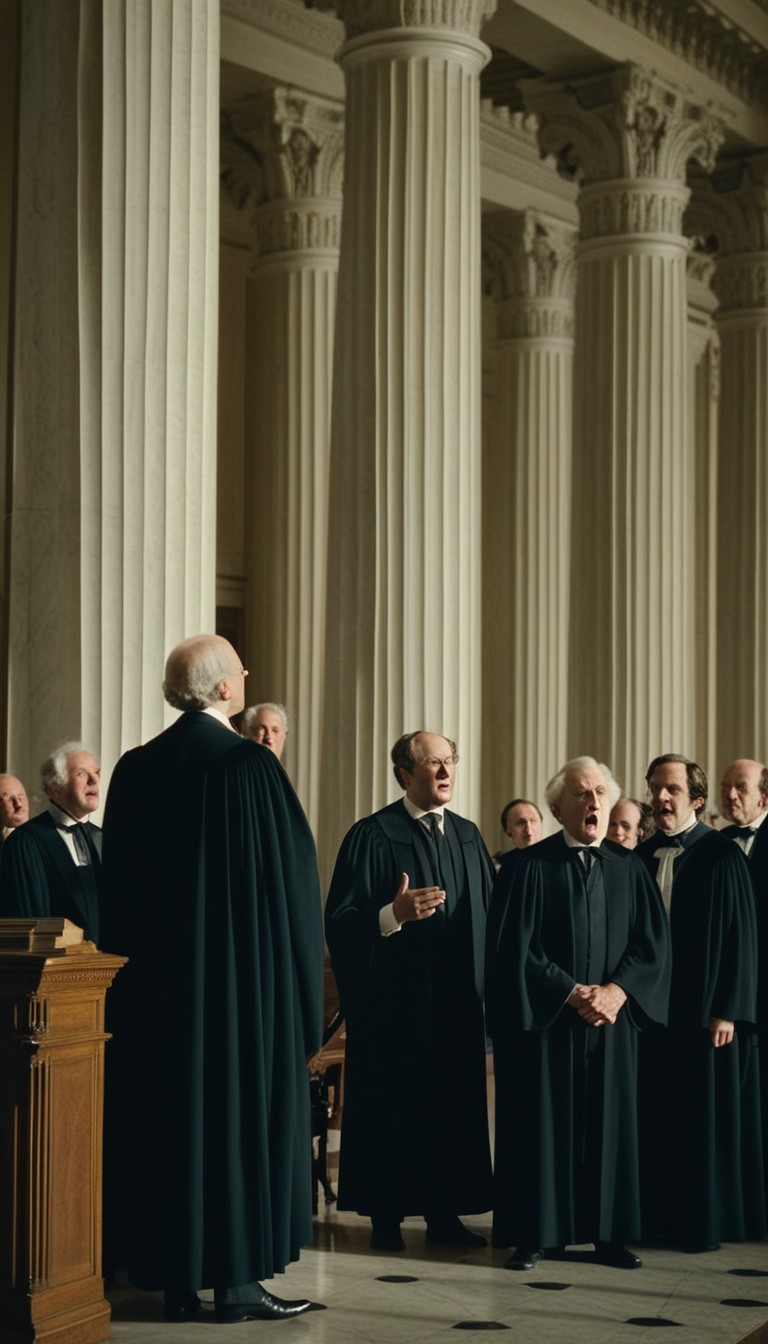
In 1841, the 73-year-old Adams argued before the Supreme Court on behalf of enslaved Africans who had seized the ship Amistad. Speaking for over eight hours across two days, Adams invoked the Declaration of Independence and won their freedom. It was one of the most dramatic courtroom moments in American history and cemented his legacy as a champion of human rights.
A Life of Service
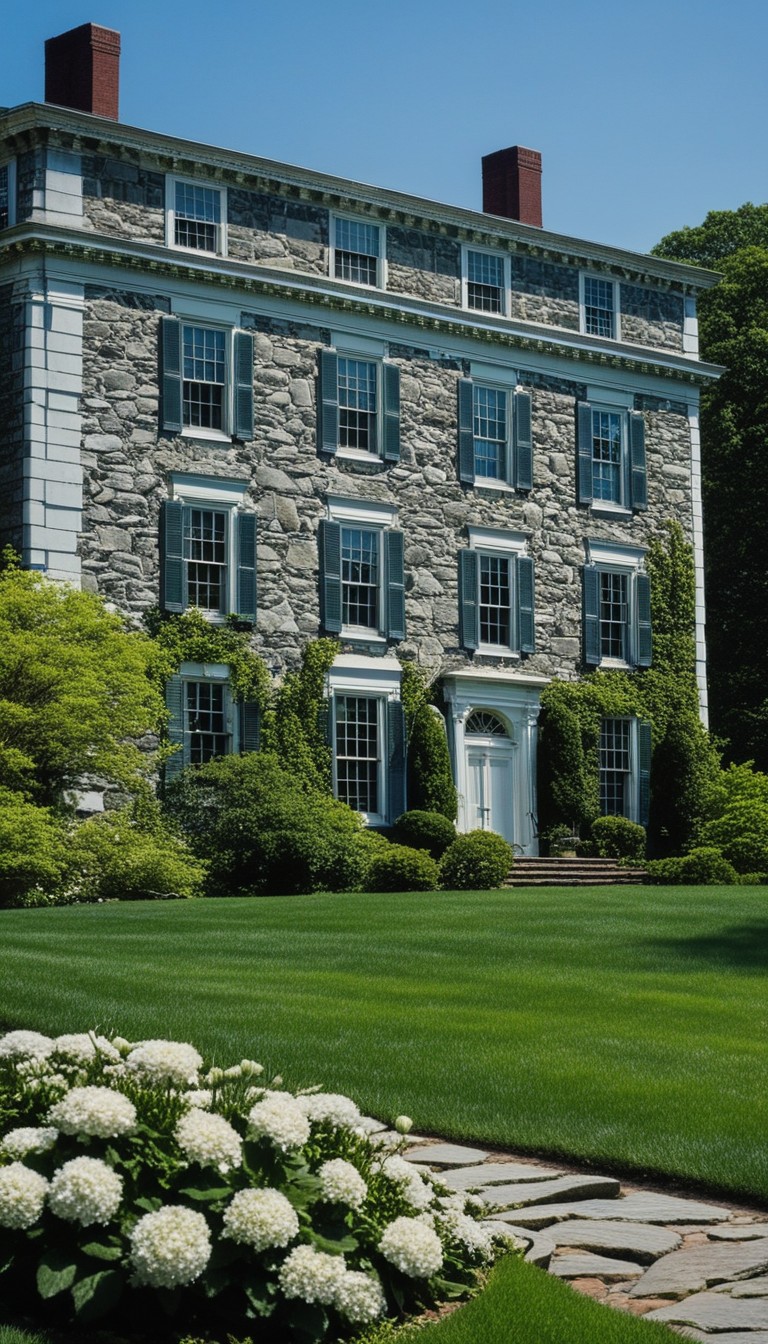
John Quincy Adams collapsed on the floor of the House of Representatives on February 21, 1848, and died two days later in the Speaker's Room. He had served his country for over sixty years as diplomat, senator, president, and congressman. His greatest legacy was not the presidency, but his tireless fight for the right of every American to be heard.
Recommended Reading
As an Amazon Associate, we earn from qualifying purchases.
Swipe to navigate