The Inca Empire: Children of the Sun
Loading story...
c. 1200 AD
Cusco Valley, Peru
Origins in the Cusco Valley
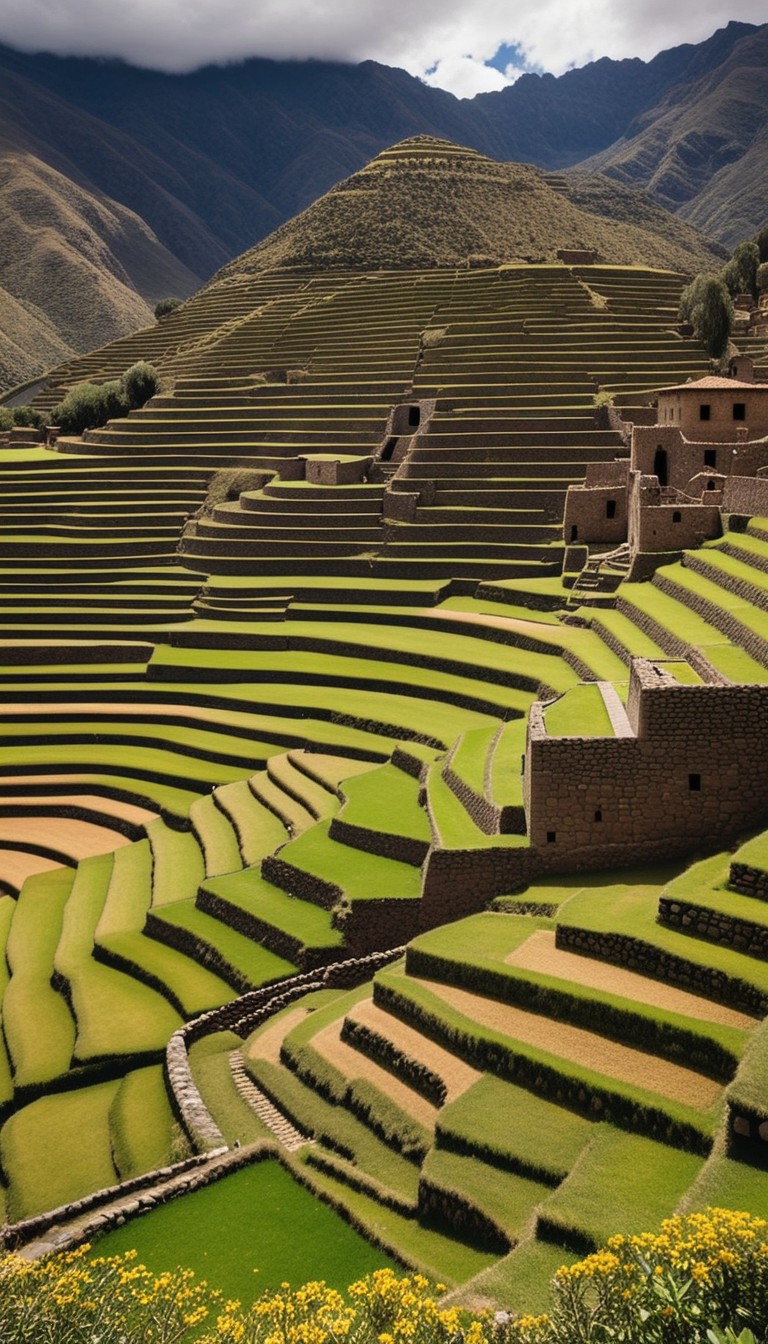
Around 1200 AD, a small tribe called the Inca settled in the fertile Cusco Valley high in the Andes Mountains of present-day Peru. According to their own legends, the sun god Inti sent his son Manco Cápac and daughter Mama Ocllo to the earth to teach humans civilized ways. They founded Cusco—meaning "navel of the world"—as the sacred center of a civilization destined for greatness. For generations the Inca remained a modest regional power, one tribe among many competing for land in the Andes.
1438–1471
Andes, South America
Pachacuti Transforms a Kingdom
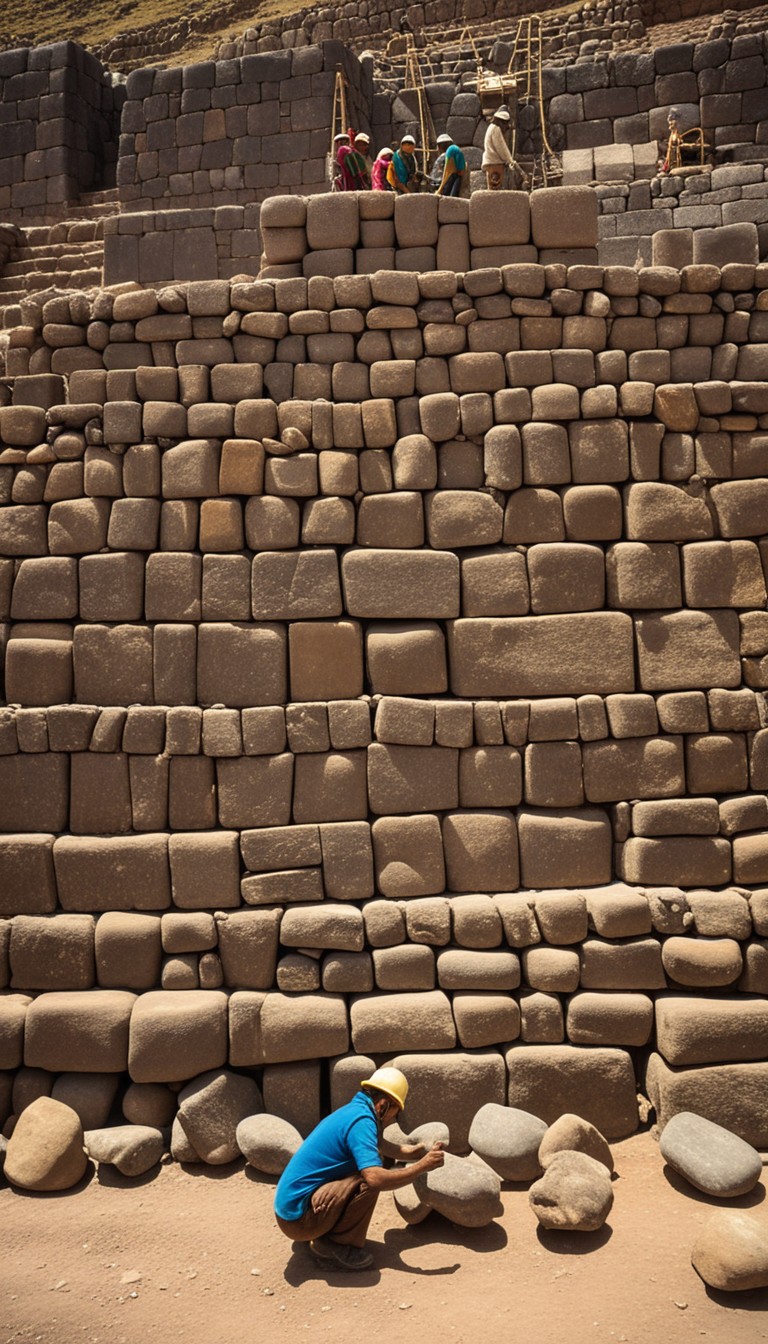
Everything changed in 1438 when a prince named Cusi Yupanqui defeated a rival tribe threatening Cusco. After the victory he deposed his own father, took the name Pachacuti—meaning "Transformer of the Earth"—and became the ninth Sapa Inca. He was one of history's great conquerors. Within decades, Pachacuti expanded Inca territory from a small kingdom into a vast empire stretching across the Andes, absorbing dozens of peoples through a combination of military conquest, diplomatic marriage, and strategic generosity. He also rebuilt Cusco as a grand imperial capital worthy of the Children of the Sun.
1400s–1500s
Throughout the Inca Empire
Roads, Runners, and Quipu
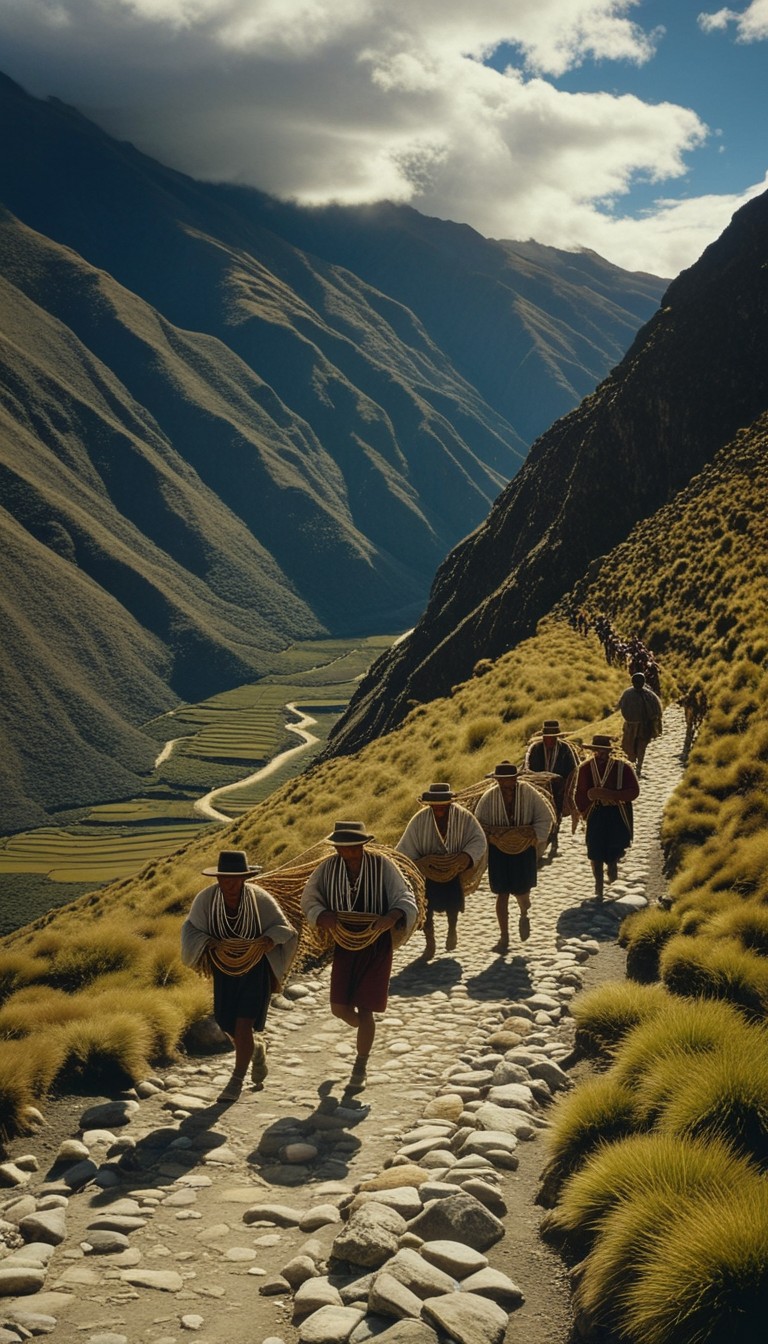
To hold together an empire spanning 4,000 miles without wheeled vehicles or horses, the Inca built the most sophisticated road system in the pre-Columbian Americas—over 25,000 miles of paved roads snaking through mountain passes, across desert coasts, and over rope bridges spanning gorges. Relay runners called chasquis carried messages at speeds up to 150 miles per day. Information was recorded not in writing but in quipu—bundles of knotted colored strings that encoded census data, tribute records, and historical accounts. These innovations bound a vast and diverse empire together.
c. 1450
Machu Picchu, Peru
Machu Picchu: City in the Clouds
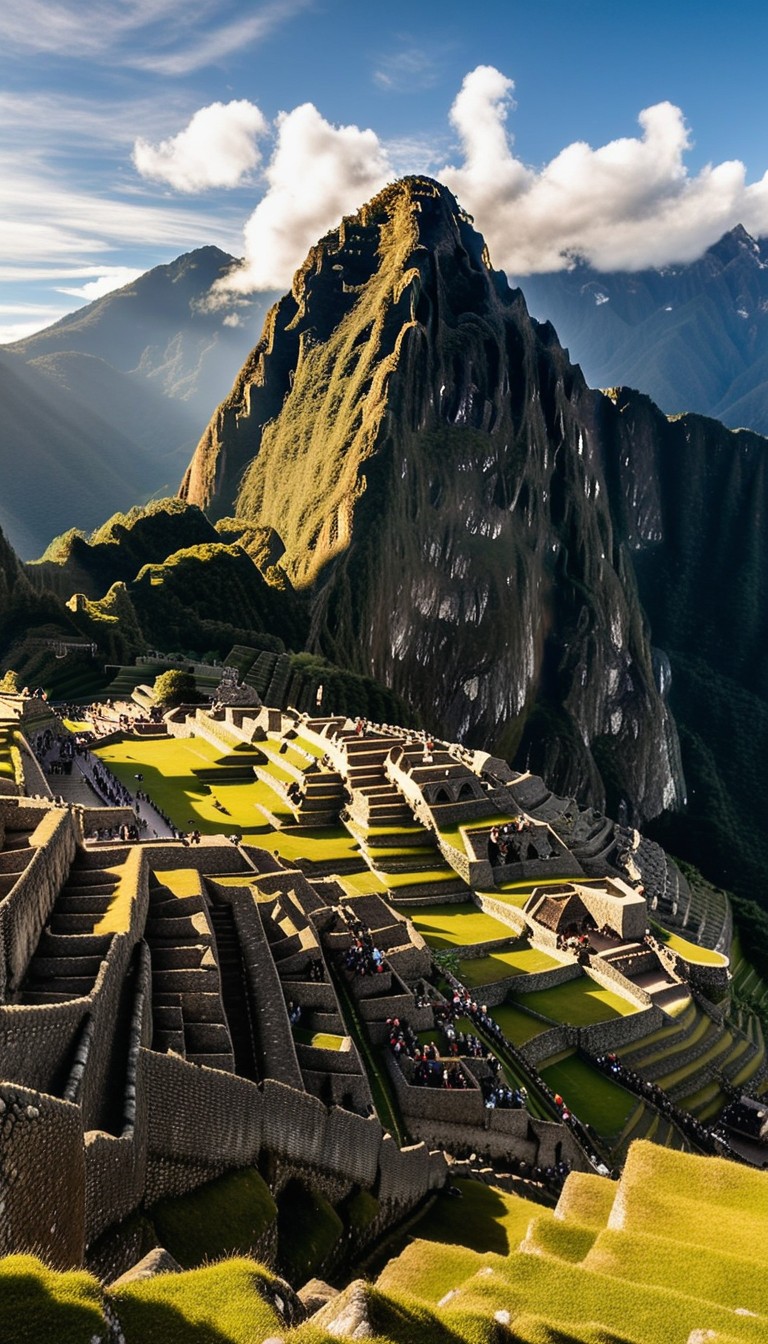
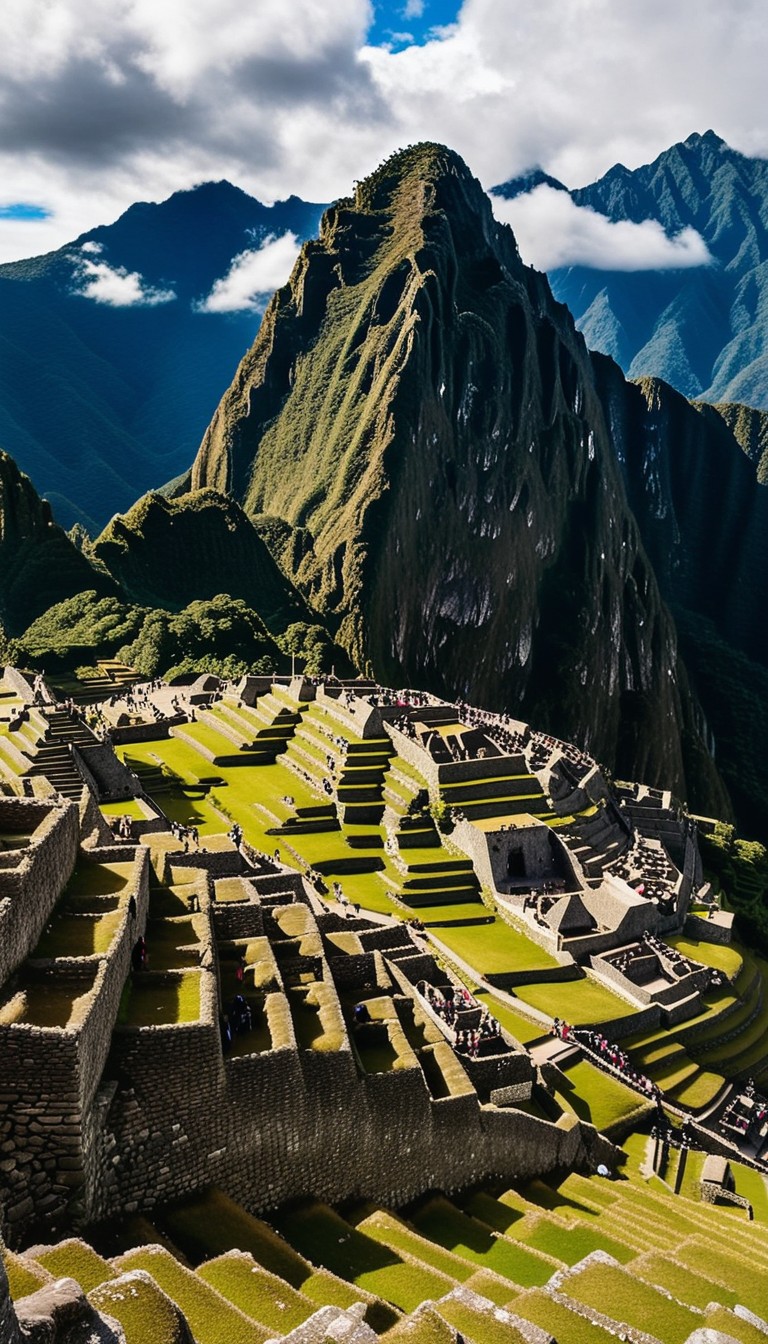
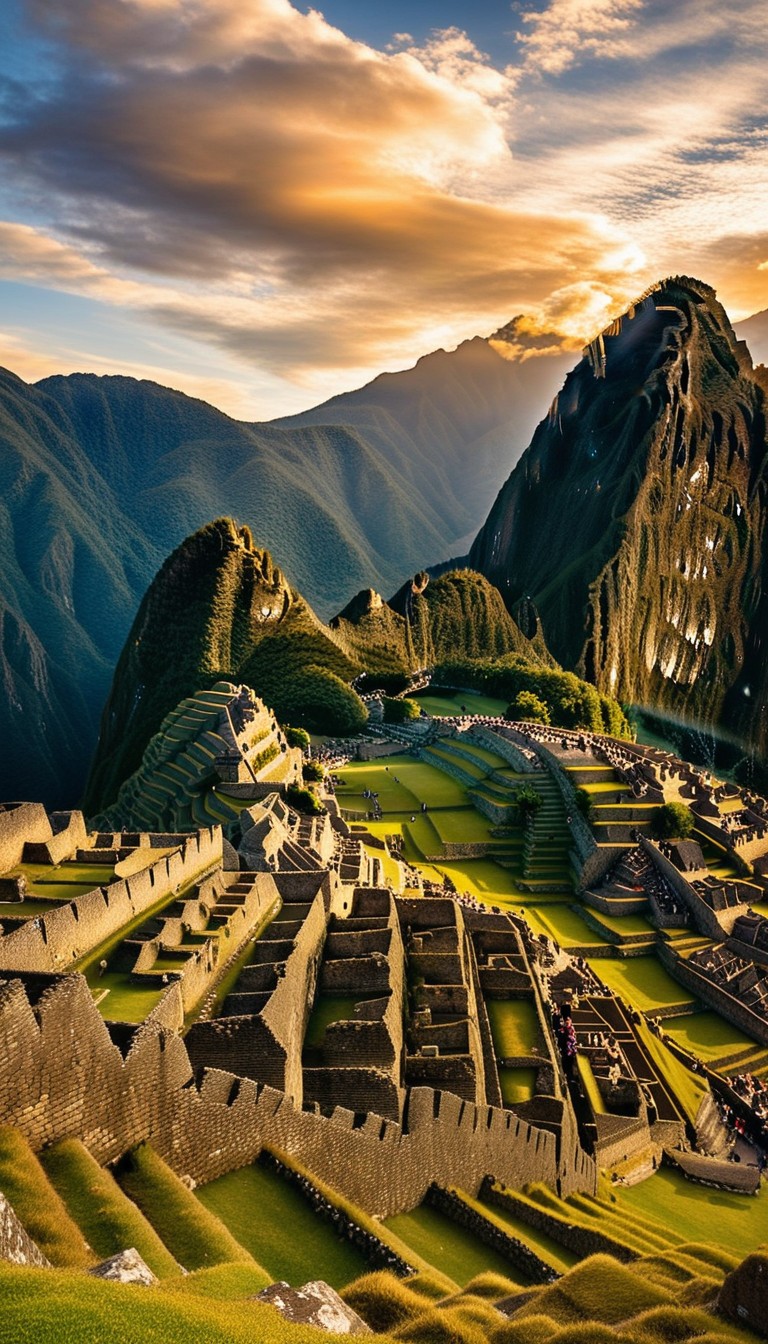
Among Pachacuti's greatest achievements was a royal estate built on a dramatic ridge 7,970 feet above sea level—today called Machu Picchu. Constructed around 1450, its precisely fitted stone walls were built without mortar, each block cut so perfectly that a knife blade cannot slip between them. The site contained temples, terraced farms, and residences for hundreds of people, all connected to Cusco by the Inca road system. When the Spanish conquered the empire, Machu Picchu was never found. It remained hidden from the outside world until 1911, when Hiram Bingham brought it to international attention.
1400s–1500s
Cusco, Peru
Society, Religion, and the Sun God
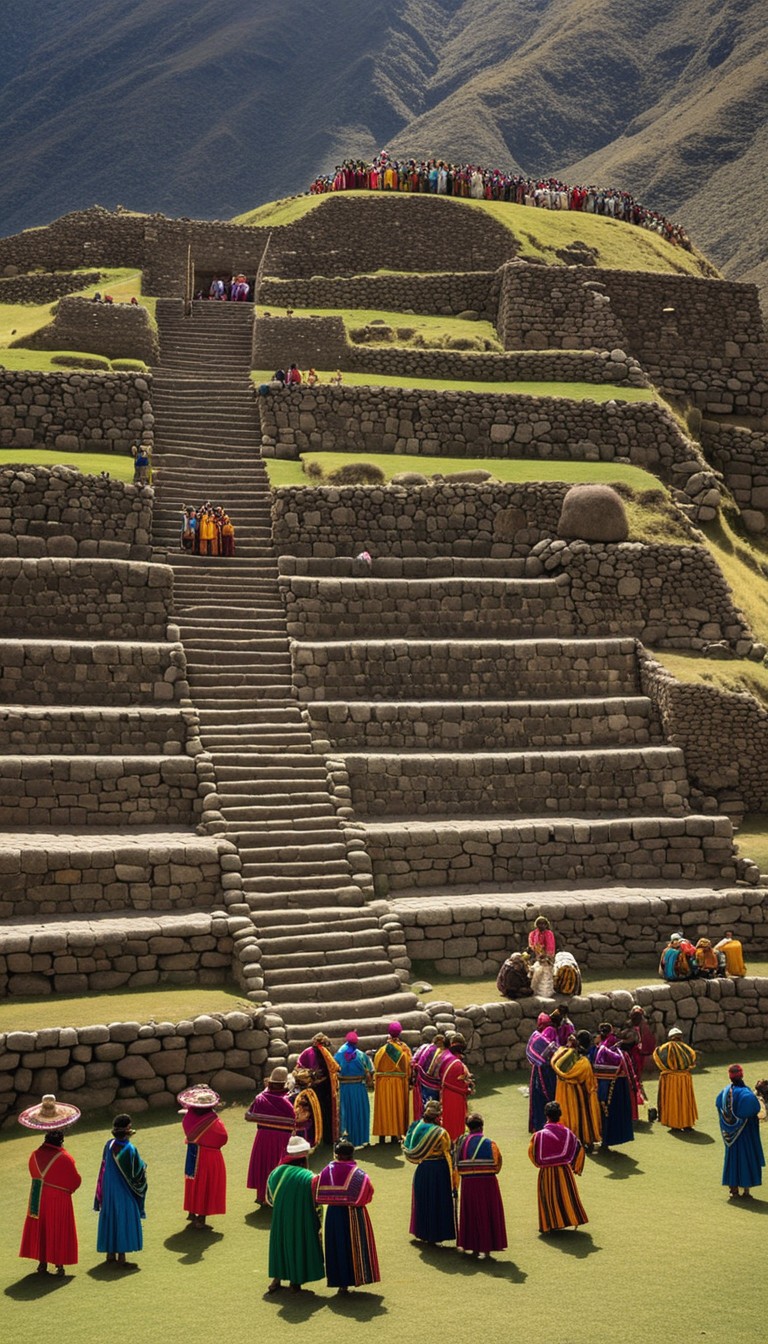
Inca society was highly organized. At the top sat the Sapa Inca, considered a living god and direct descendant of the sun. Below him were nobles, priests, craftsmen, and farmers. Every subject owed labor to the state—a tax called mit'a—building roads, farming state lands, or serving in the army. In return the state fed and equipped them. Religion centered on Inti, the sun god, whose great temple in Cusco, the Coricancha, was sheathed in gold. The Inca also revered the earth goddess Pachamama and kept elaborate calendars for agricultural and religious ceremonies.
c. 1500–1527
Western South America
The Empire at Its Peak
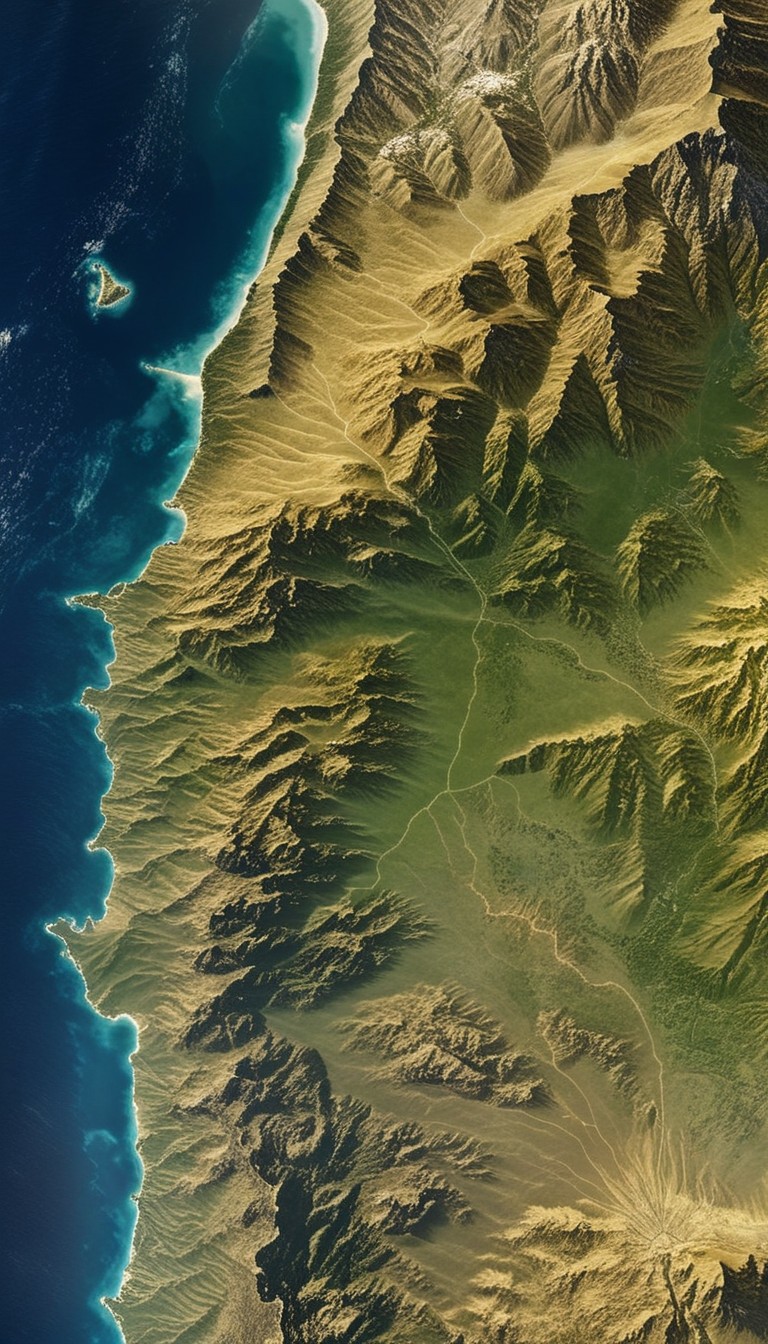
By the early 1500s, under Sapa Inca Huayna Capac, the Inca Empire—known as Tawantinsuyu, meaning "Four Quarters of the World"—stretched from present-day Colombia in the north to central Chile in the south, encompassing modern Ecuador, Peru, Bolivia, and parts of Argentina. It was home to an estimated 12 million people speaking dozens of languages. The empire was divided into four administrative regions, each governed by a royal governor. No empire in the Americas had ever been so large, so connected, or so efficiently administered.
1532
Northern Peru
Pizarro Arrives
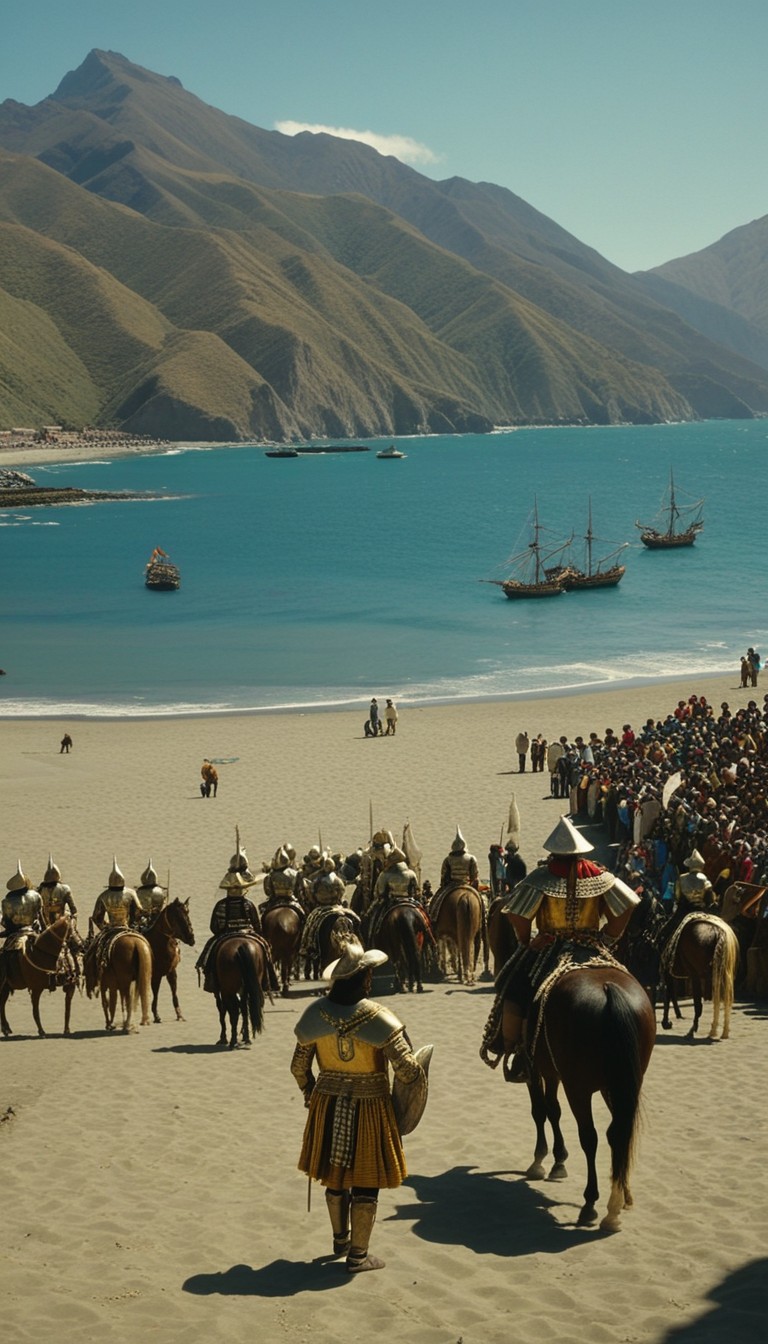
In 1527, Huayna Capac died of a mysterious epidemic—likely smallpox carried ahead of the Spanish—plunging the empire into a brutal civil war between his sons Huáscar and Atahualpa. Atahualpa won in 1532, but the empire was weakened and divided. That same year, the Spanish conquistador Francisco Pizarro landed on the Peruvian coast with just 168 soldiers, 37 horses, and a handful of cannons. Word of the strange bearded men reached Atahualpa. Curious and confident in his million-strong empire, he agreed to meet them.
1532–1572
Cajamarca and Cusco, Peru
The Fall of the Empire
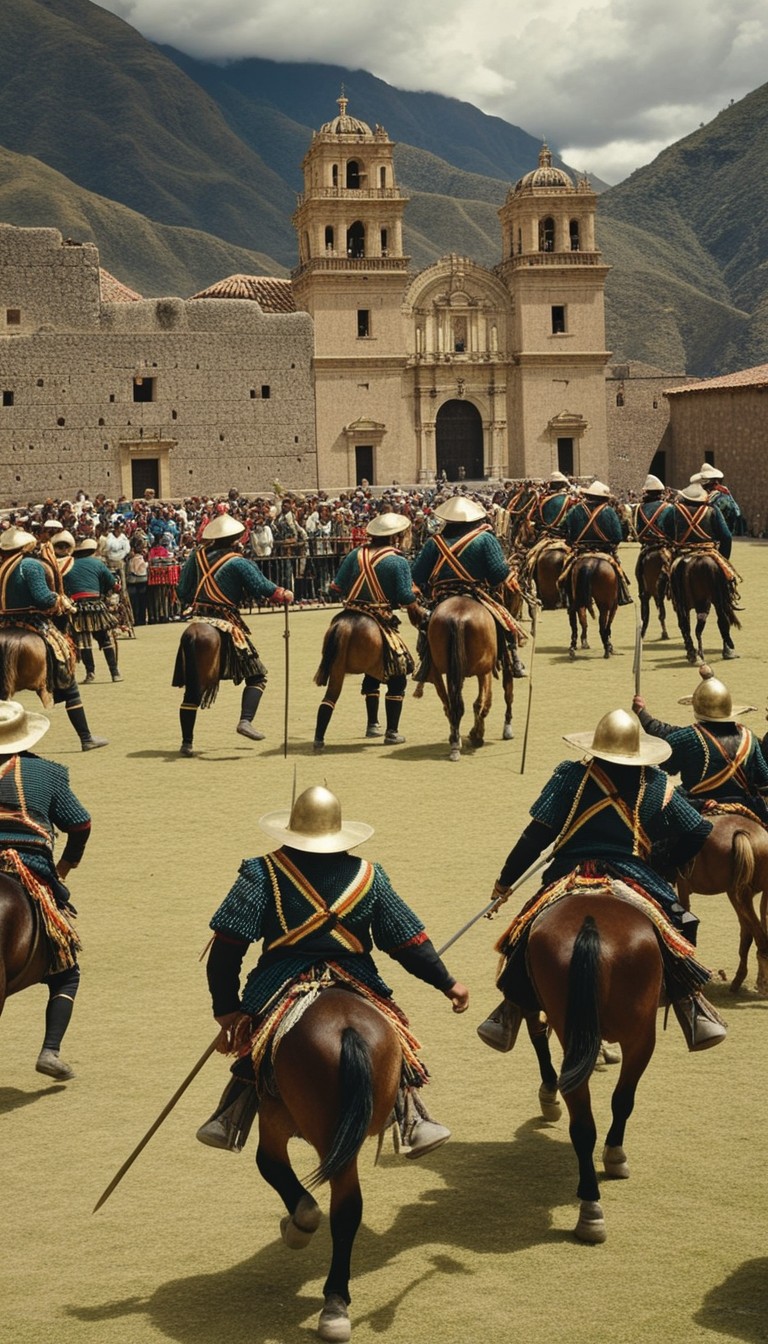
At the city of Cajamarca, Pizarro's men hid in buildings surrounding the central plaza. When Atahualpa arrived with thousands of unarmed attendants, the Spanish launched a surprise attack. Within hours they had captured the Sapa Inca. Atahualpa offered to fill a room with gold and silver for his ransom—a room 22 feet long and 17 feet wide, filled to a man's height with gold. The Inca fulfilled the ransom. Pizarro executed Atahualpa anyway. Without their divine ruler, the Inca political system collapsed. By 1572, the last Inca stronghold fell and Spanish colonial rule was complete.
Children of the Sun
The Inca Empire endured for less than a century at its height, yet its achievements rank among the greatest of any civilization. Their roads, architecture, agricultural terracing, and administrative systems were extraordinary feats of human ingenuity—accomplished without iron tools, the wheel, or written language. Though the Spanish conquest shattered the political empire, the Inca people survived. Their descendants still live throughout the Andes today, and Quechua—the Inca language—is spoken by millions. Machu Picchu still stands on its cloud-wrapped ridge, a testament to the Children of the Sun.
Recommended Reading
As an Amazon Associate, we earn from qualifying purchases.
Swipe to navigate