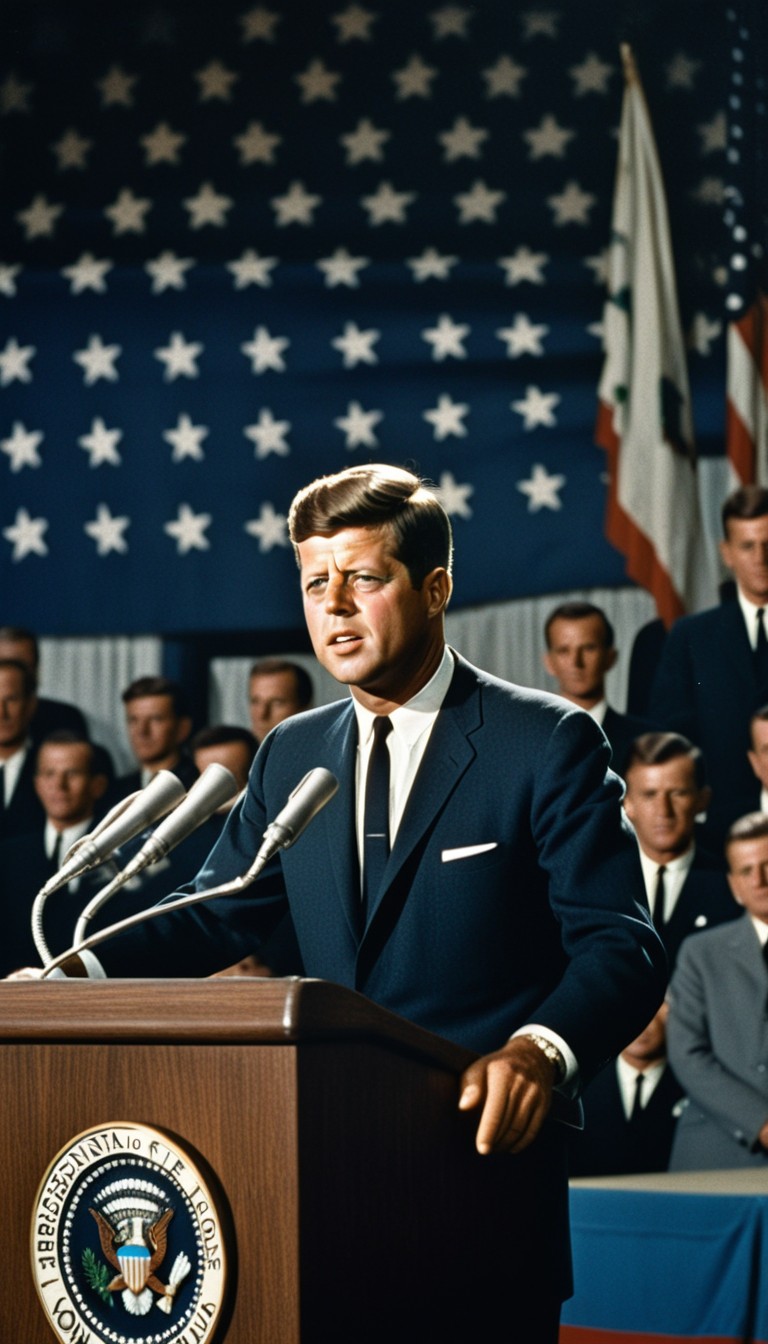
John F. Kennedy (#35): A New Frontier
Loading story...
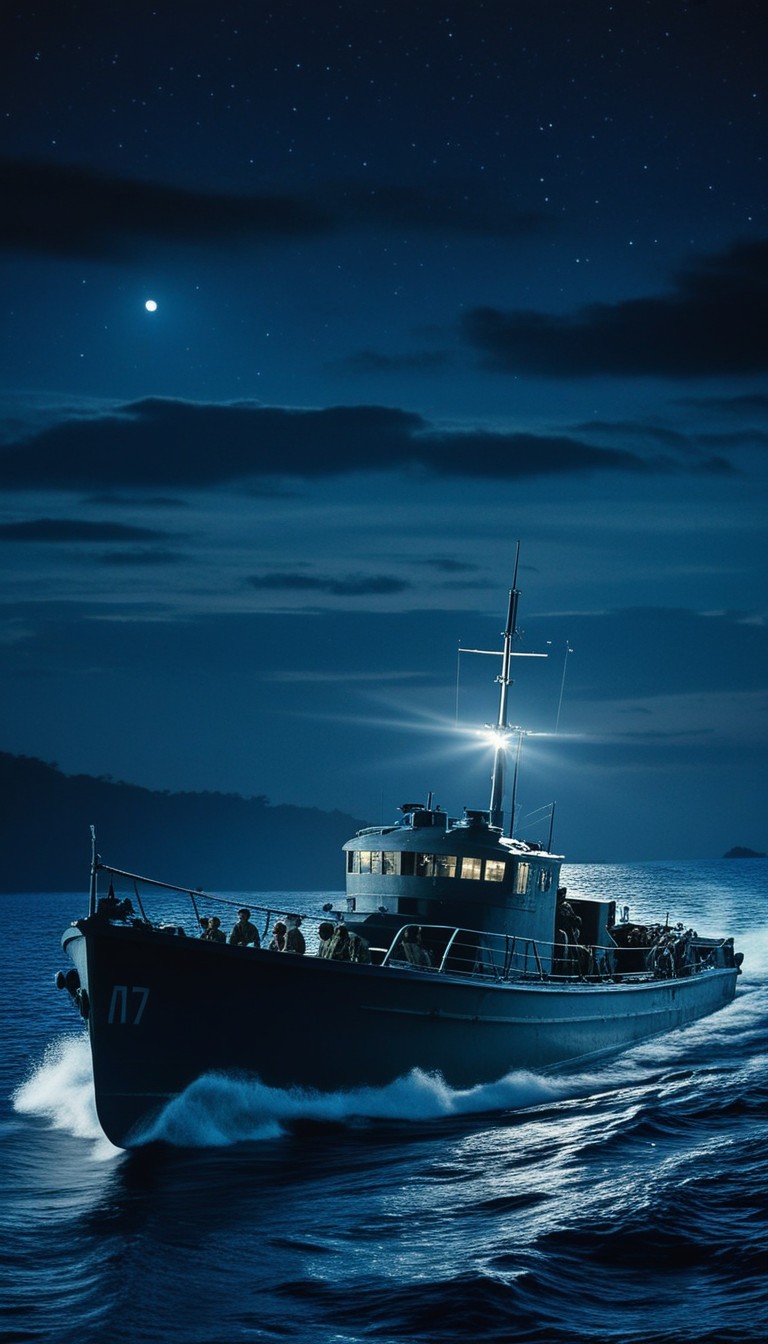
August 1943
Solomon Islands, Pacific
PT-109 Hero
In August 1943, a Japanese destroyer sliced through Kennedy's patrol torpedo boat in the Solomon Islands. Despite a severe back injury, the 26-year-old lieutenant towed a wounded crewman by clenching a life jacket strap in his teeth and swimming four hours to safety. His heroism earned him the Navy and Marine Corps Medal.
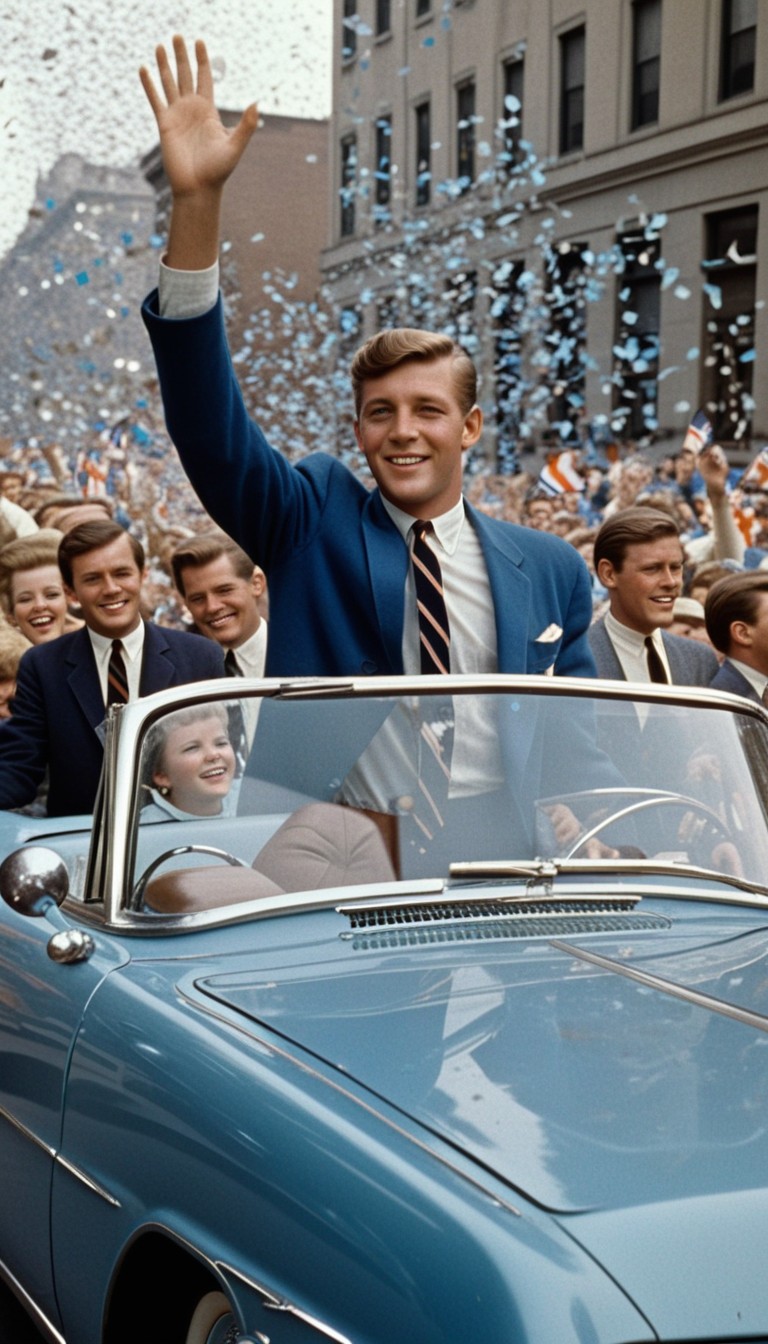
November 1960
United States
The Youngest Elected President
At 43, Kennedy became the youngest person elected president and the first Catholic. He defeated Richard Nixon in one of the closest elections in history, powered by his telegenic performance in the first-ever televised presidential debates. A new era of media-savvy politics had begun.
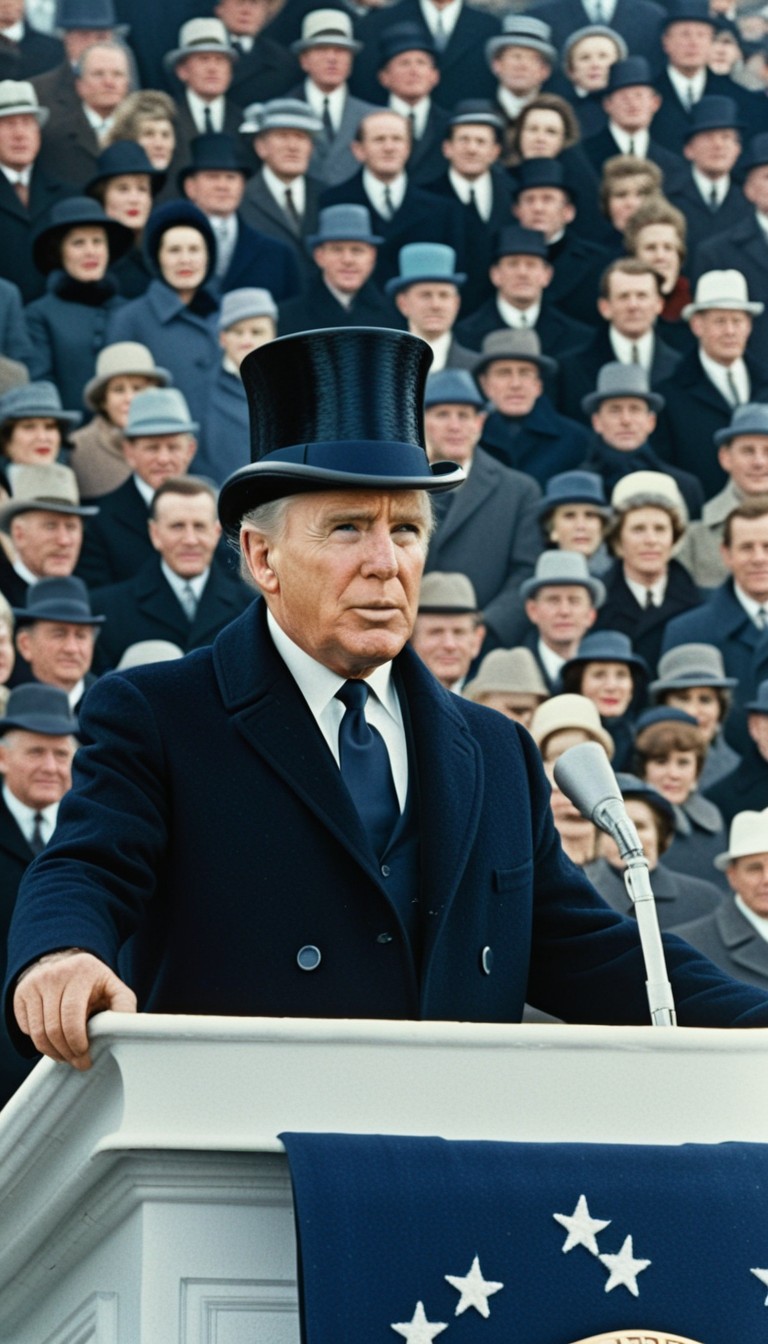
January 20, 1961
Washington, D.C.
"Ask Not What Your Country Can Do for You"
On January 20, 1961, Kennedy delivered one of history's most memorable inaugural addresses. In the biting cold, without an overcoat, he challenged Americans: "Ask not what your country can do for you—ask what you can do for your country." He launched the Peace Corps and inspired a generation to public service.
October 1962
Washington, D.C. & Cuba
Cuban Missile Crisis
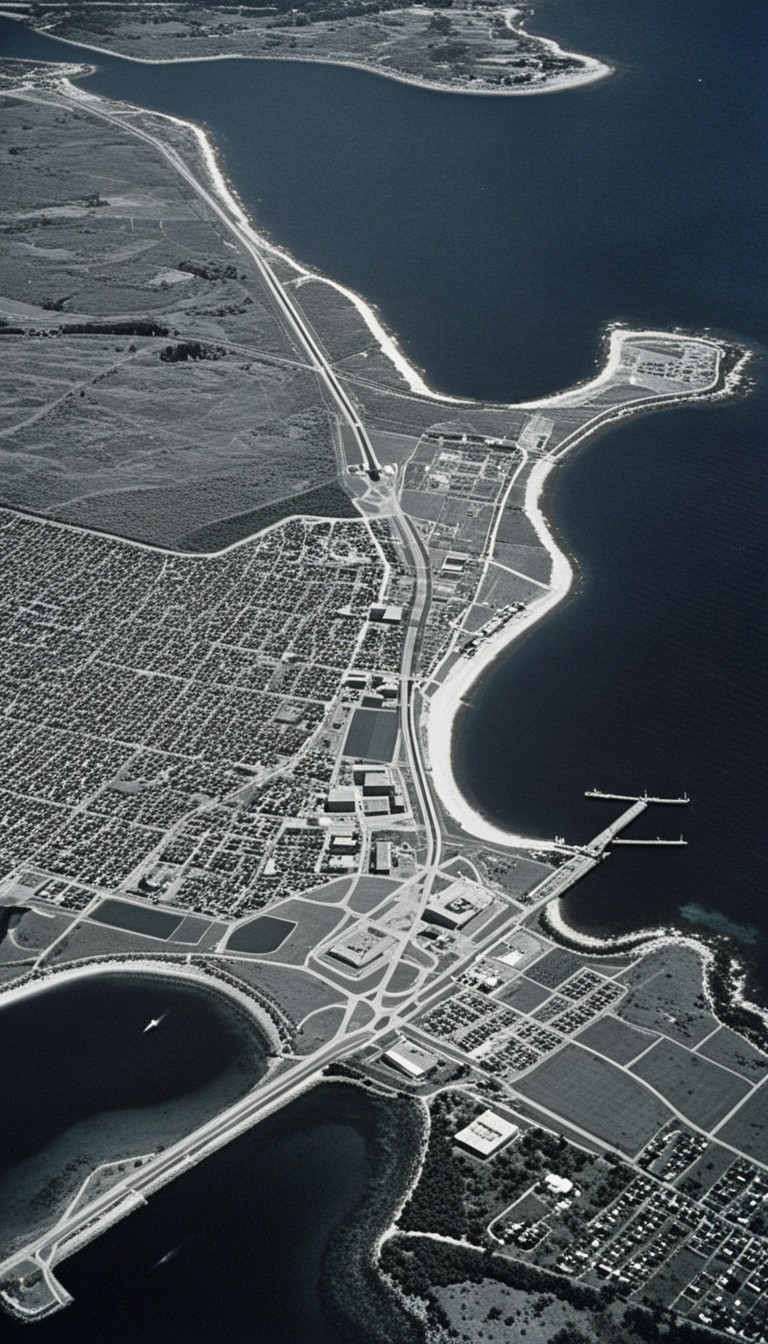
In October 1962, U-2 spy planes discovered Soviet nuclear missiles in Cuba—90 miles from Florida. For 13 terrifying days, the world stood on the brink of nuclear annihilation. Kennedy imposed a naval blockade and negotiated behind the scenes. Khrushchev backed down. It was the closest humanity has ever come to nuclear war.
May 25, 1961
United States
The Space Race
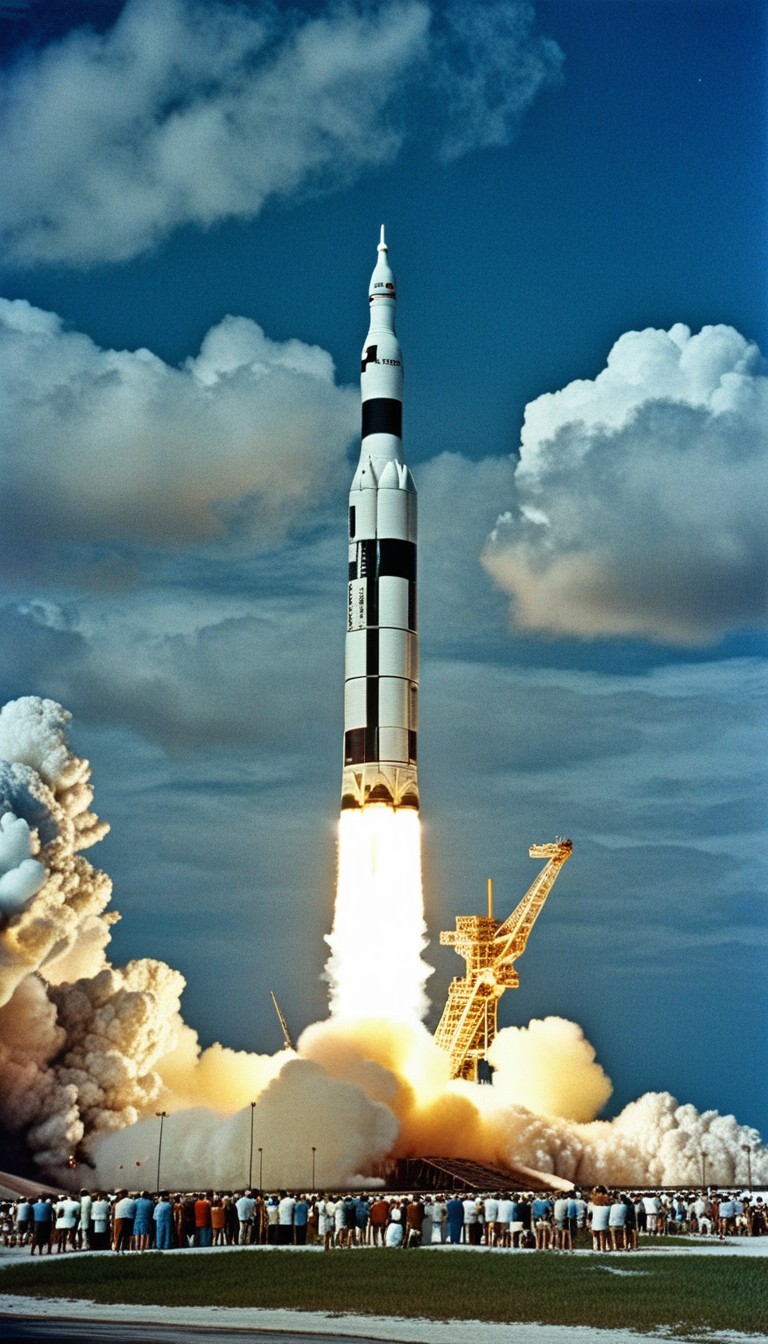
Kennedy set the boldest goal of the 20th century: land a man on the moon before 1970. "We choose to go to the Moon," he declared at Rice University, "not because it is easy, but because it is hard." His vision mobilized 400,000 workers and ultimately put Neil Armstrong's boots on lunar soil in 1969.
1961-1963
United States
Civil Rights Champion
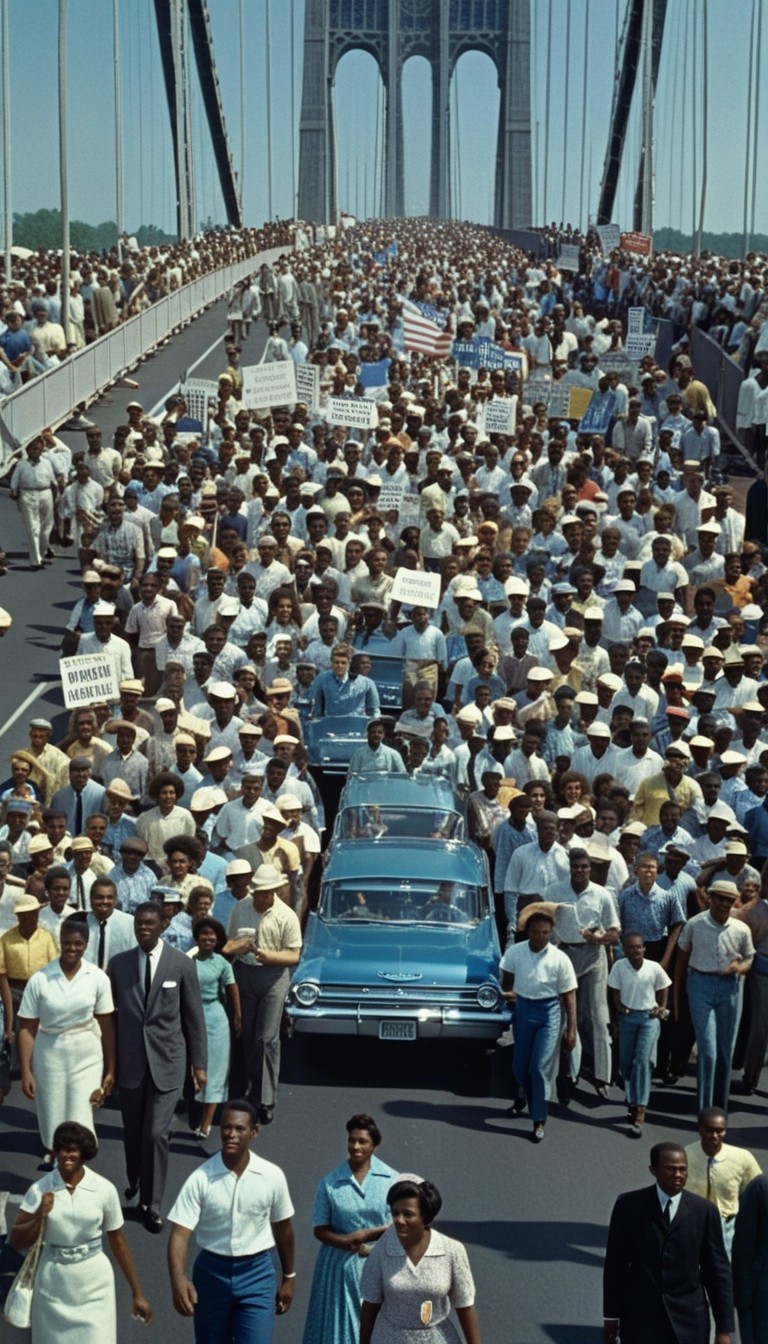
Kennedy initially moved cautiously on civil rights, but events forced his hand. He sent federal troops to integrate the University of Mississippi, faced down Governor George Wallace in Alabama, and in June 1963 called civil rights "a moral issue." He proposed the landmark Civil Rights Act that would pass after his death.
November 22, 1963
Dallas, Texas
Dallas: November 22, 1963
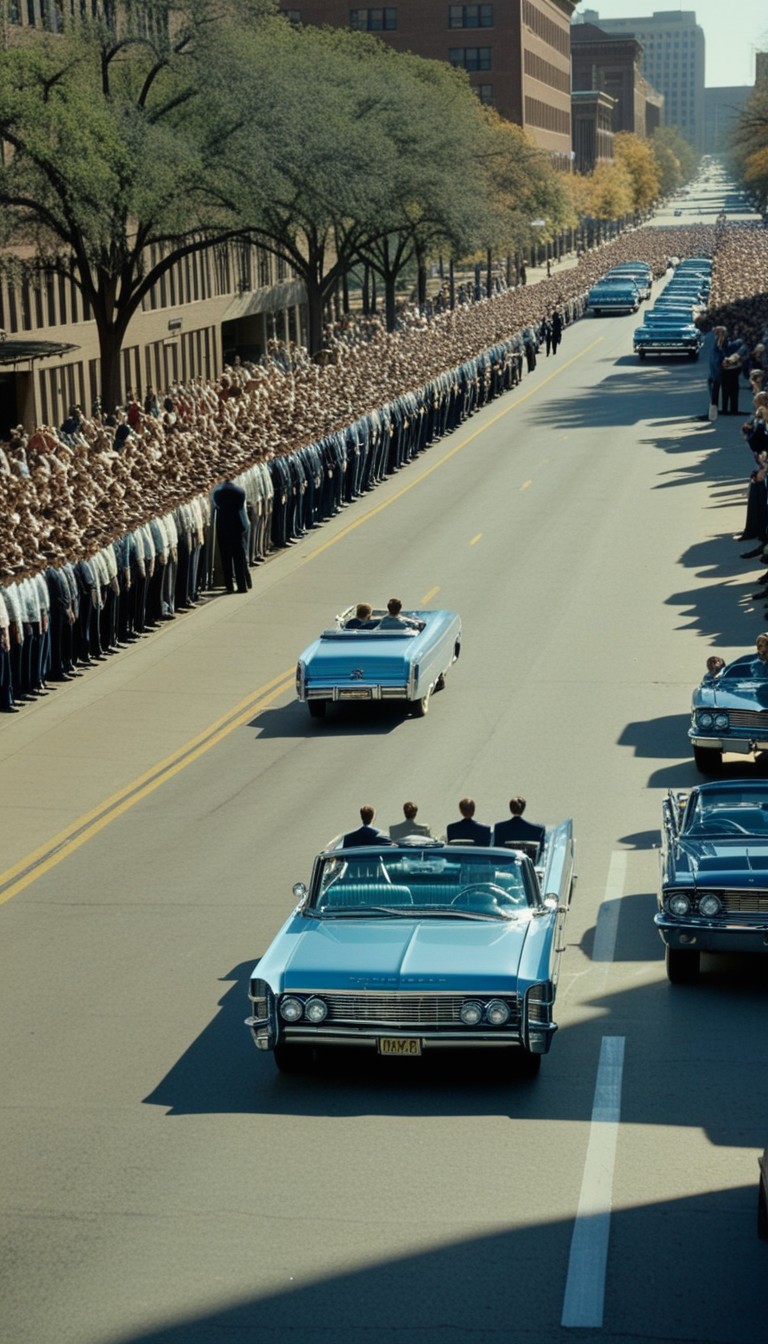
On a sunny Friday in Dallas, shots rang out as Kennedy's motorcade passed through Dealey Plaza. The president was struck twice and died at Parkland Memorial Hospital. He was 46 years old. Walter Cronkite broke the news to a stunned nation. The world wept. An era of innocence was shattered.
November 25, 1963
Arlington, Virginia
An Eternal Flame
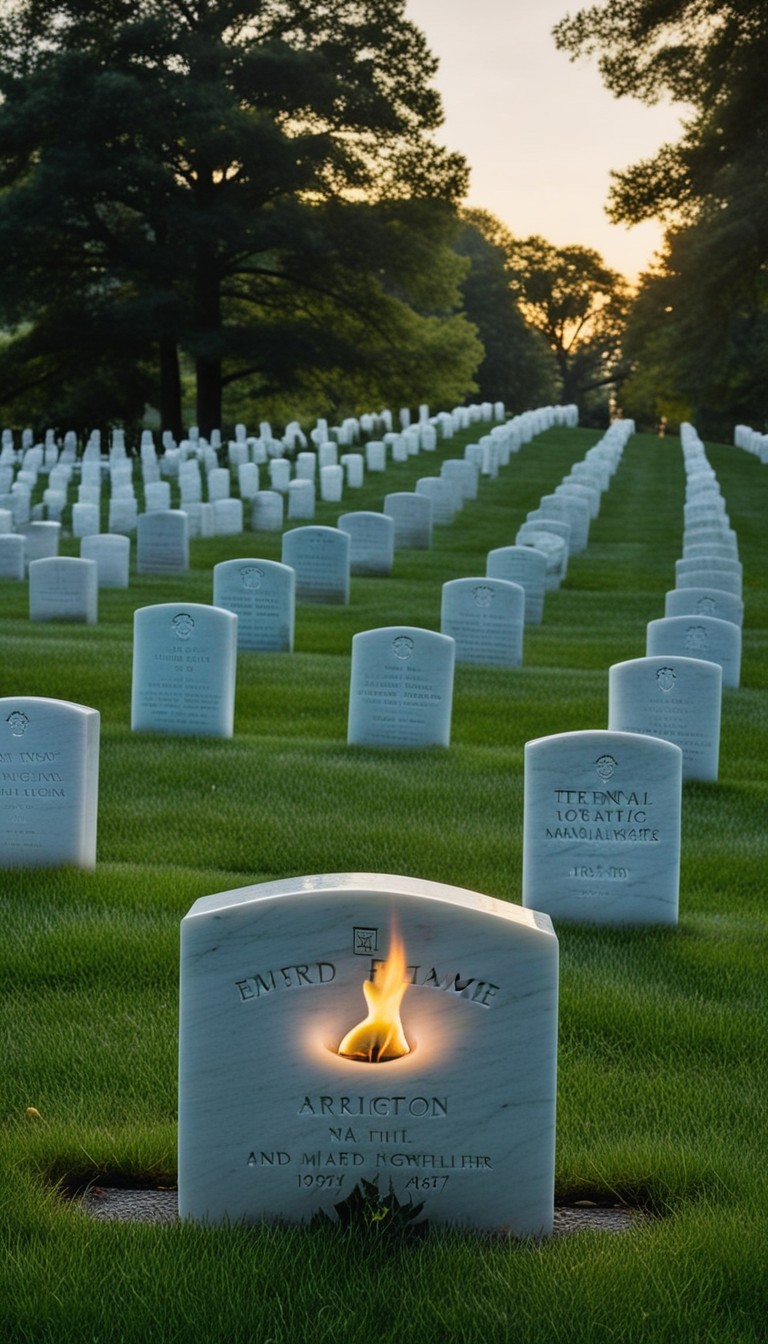
Kennedy was buried at Arlington National Cemetery, where an eternal flame marks his grave. His brief presidency—just 1,036 days—left an outsized legacy: the Peace Corps, the space program, the Nuclear Test Ban Treaty, and a vision of America at its most aspirational. Jackie lit the flame. It has never gone out.
The Torch Has Been Passed
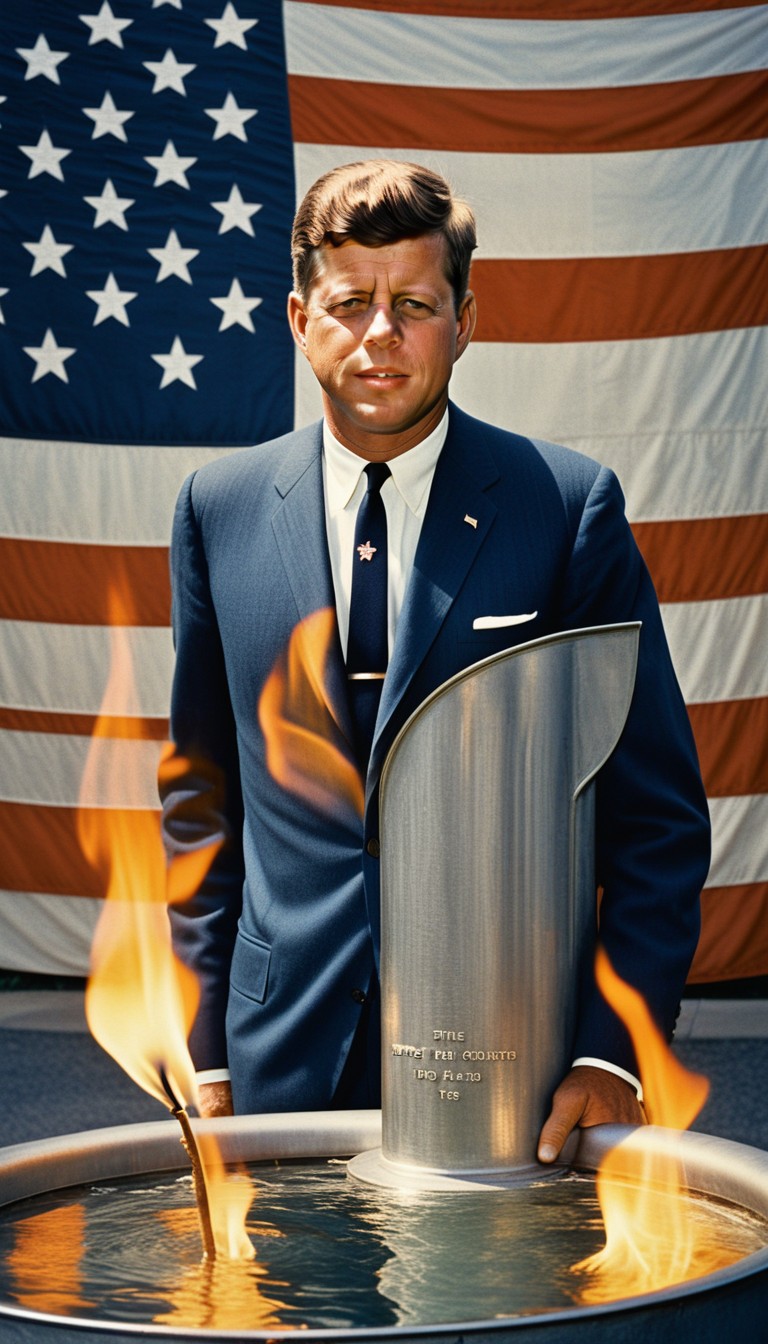
Kennedy showed that leadership is about inspiration as much as policy. He challenged Americans to dream bigger, serve others, and reach for the stars—literally. Though his life was cut tragically short, his call to action echoes across generations: "One person can make a difference, and everyone should try."
Recommended Reading
An Unfinished Life: John F. Kennedy
Robert Dallek · 4.5 ★
Profiles in Courage
John F. Kennedy · 4.5 ★
As an Amazon Associate, we earn from qualifying purchases.
Swipe to navigate