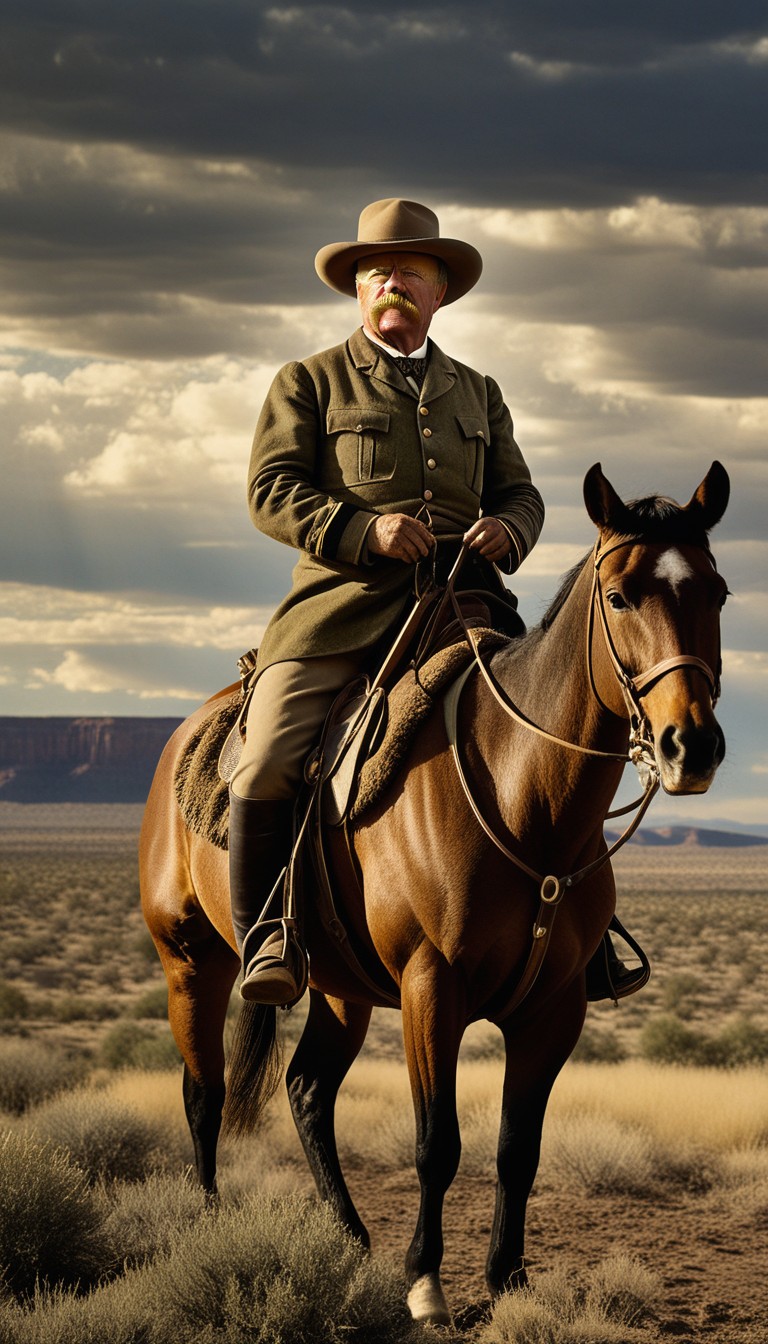
Theodore Roosevelt (#26): The Bull Moose
Loading story...
1858-1880
New York City
The Boy Who Refused to Be Weak
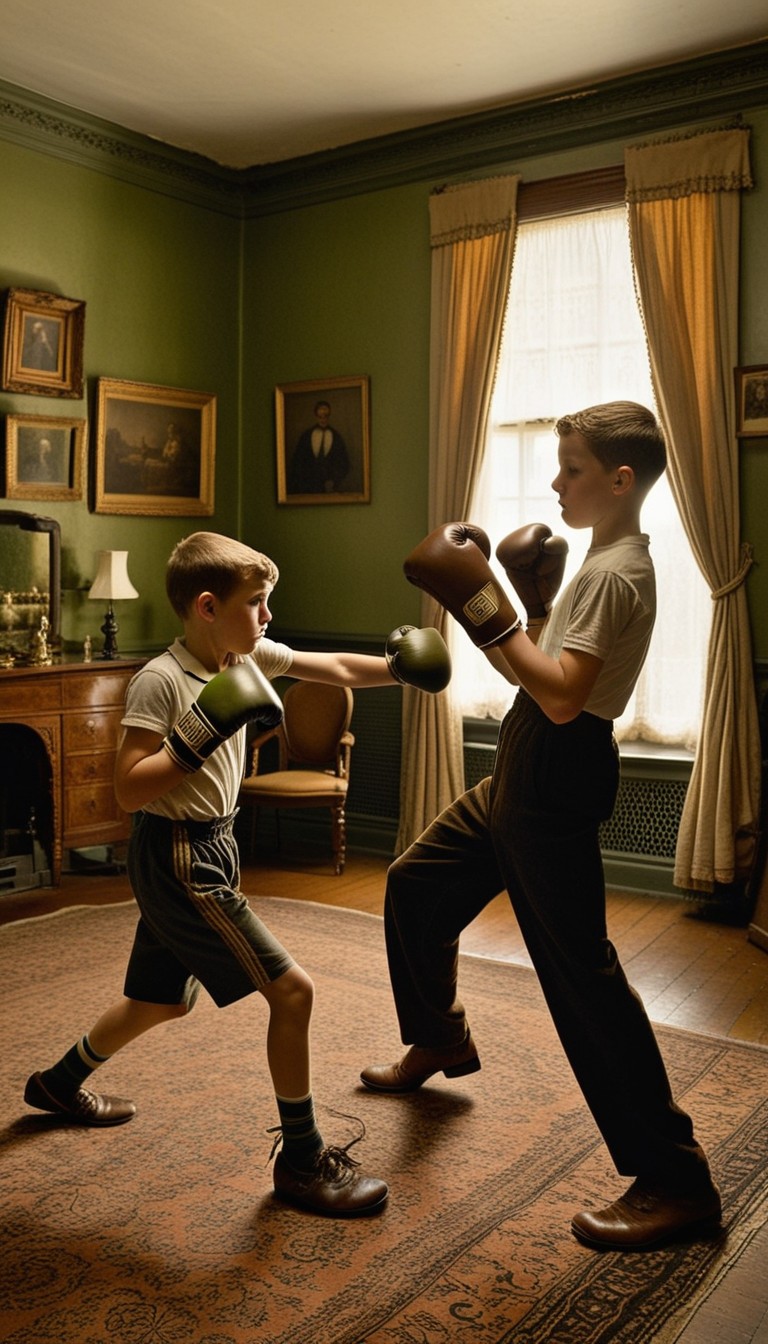
Born in 1858 to a wealthy New York family, young "Teedie" suffered from severe asthma. His father told him: "You have the mind but not the body. You must make your body." Roosevelt threw himself into boxing, hiking, and horseback riding, building an iron constitution through sheer willpower.
1884-1886
Dakota Territory
Cowboy in the Badlands
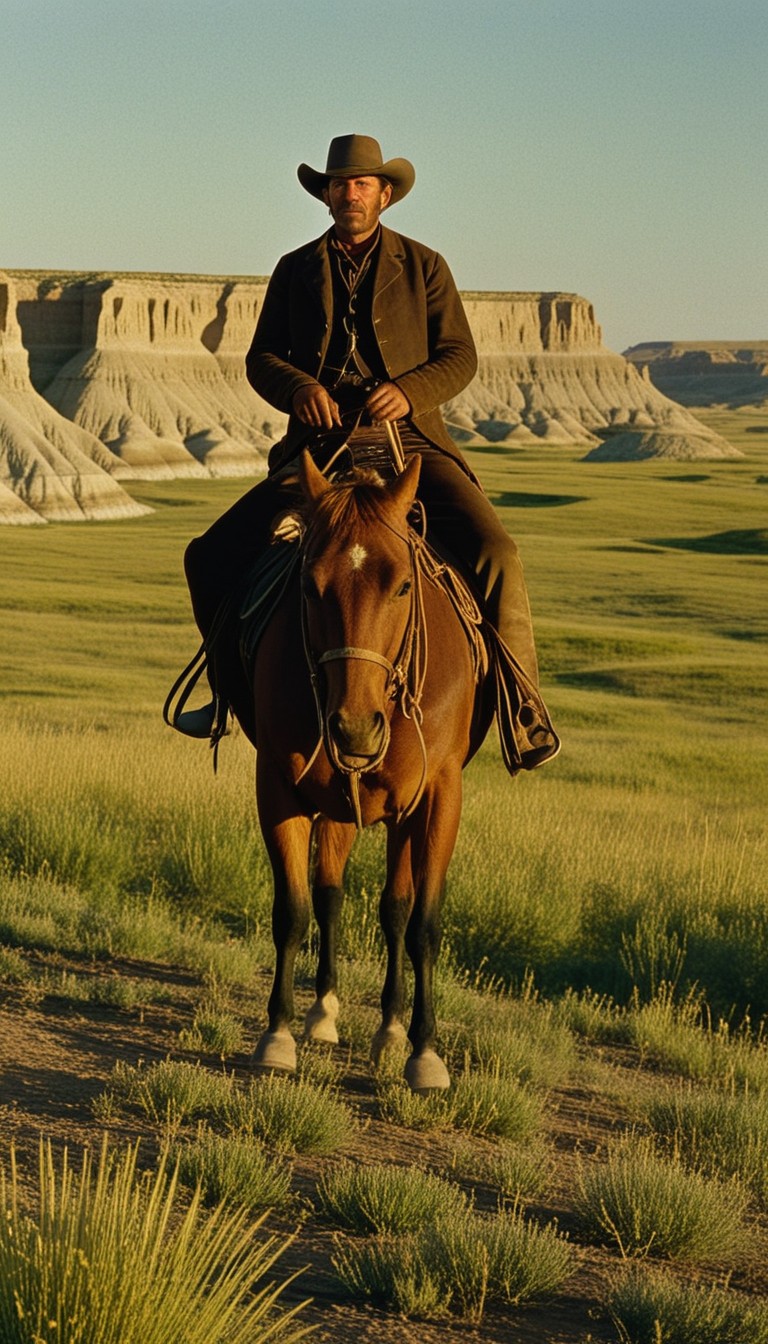
After his wife and mother died on the same day in 1884, a devastated Roosevelt fled to the Dakota Badlands. He became a cattle rancher, hunted grizzlies, and captured outlaws. The frontier forged him into the rugged, fearless leader who would captivate America.
July 1, 1898
San Juan Hill, Cuba
Charge of the Rough Riders
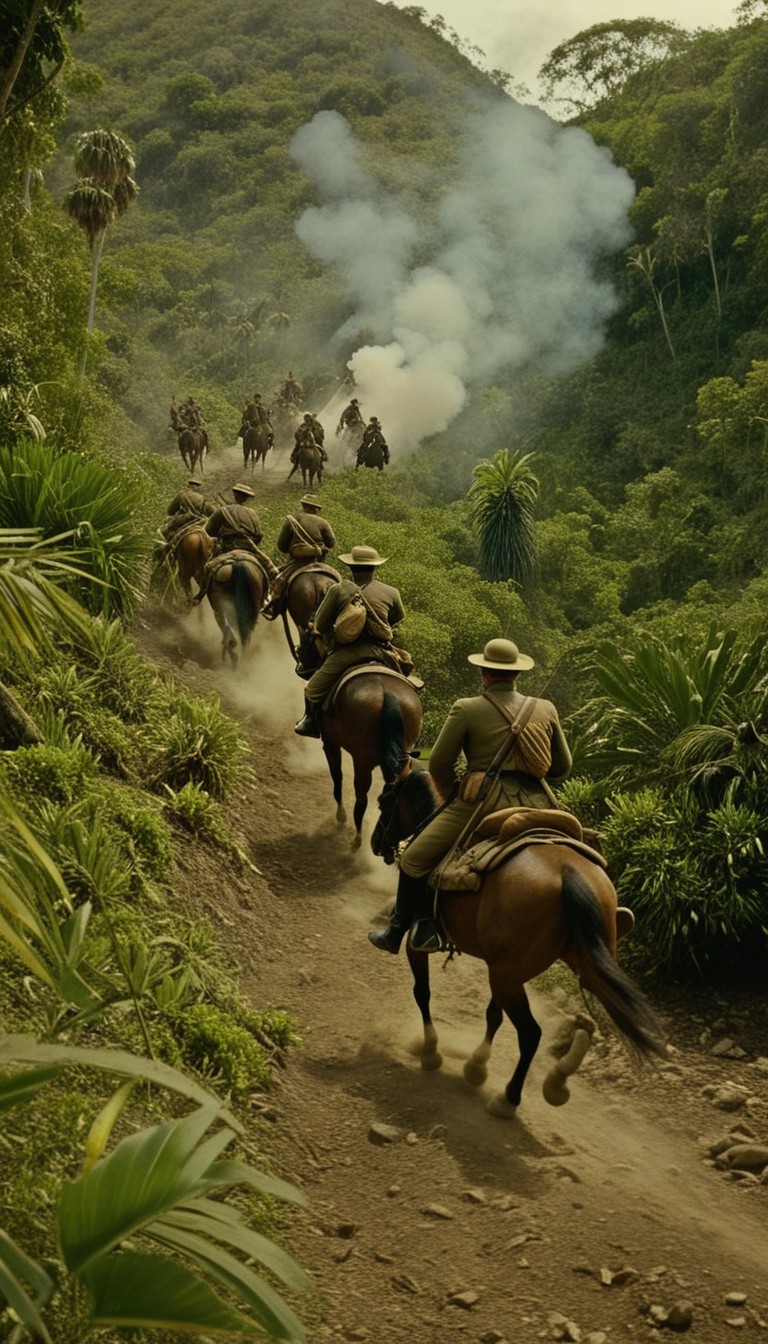
When the Spanish-American War erupted in 1898, Roosevelt resigned as Assistant Secretary of the Navy to lead the Rough Riders—a volunteer cavalry of cowboys, college athletes, and Native Americans. His famous charge up San Juan Hill in Cuba made him a national hero overnight.
September 14, 1901
Buffalo, New York
The Youngest President
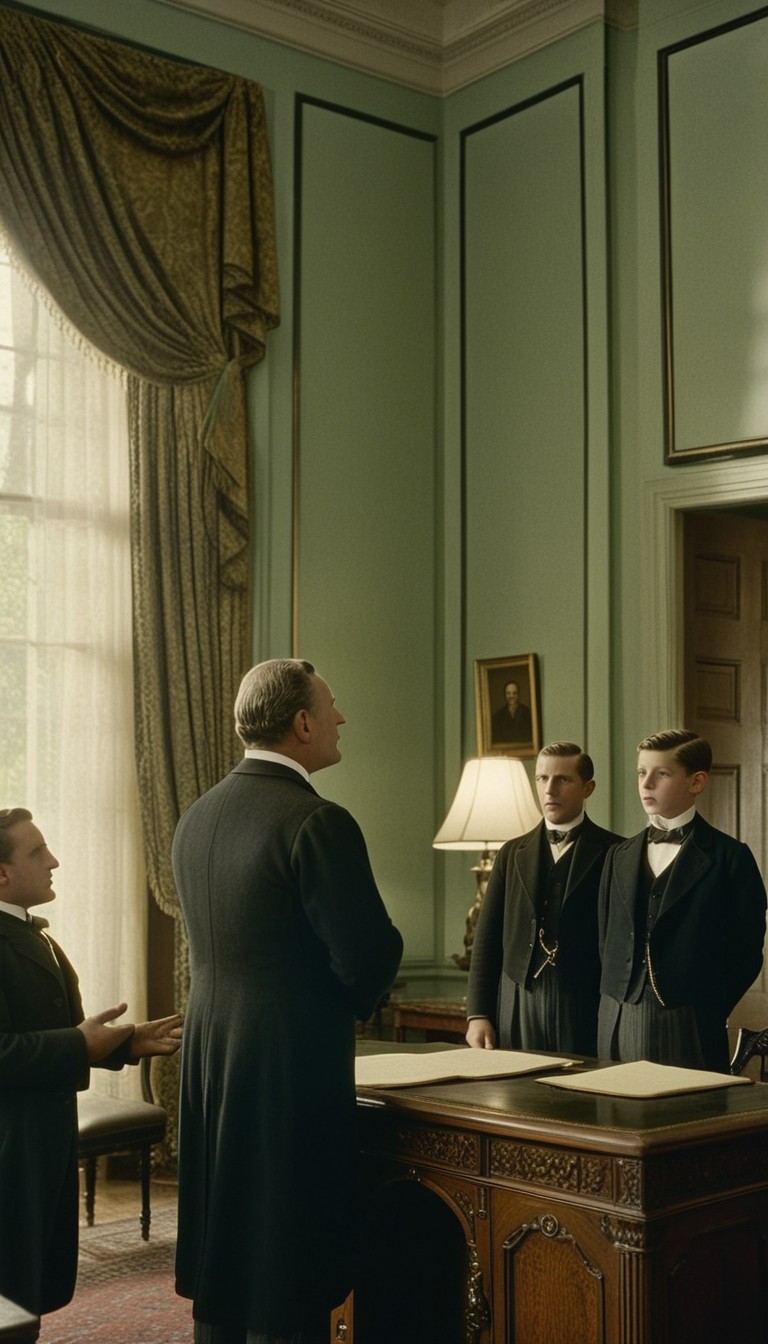
After McKinley's assassination in 1901, Roosevelt became president at 42—the youngest ever. Republican bosses had made him vice president to sideline him. One party leader moaned: "That damned cowboy is President of the United States!" TR had other plans.
1901-1909
Washington, D.C.
Trust Buster
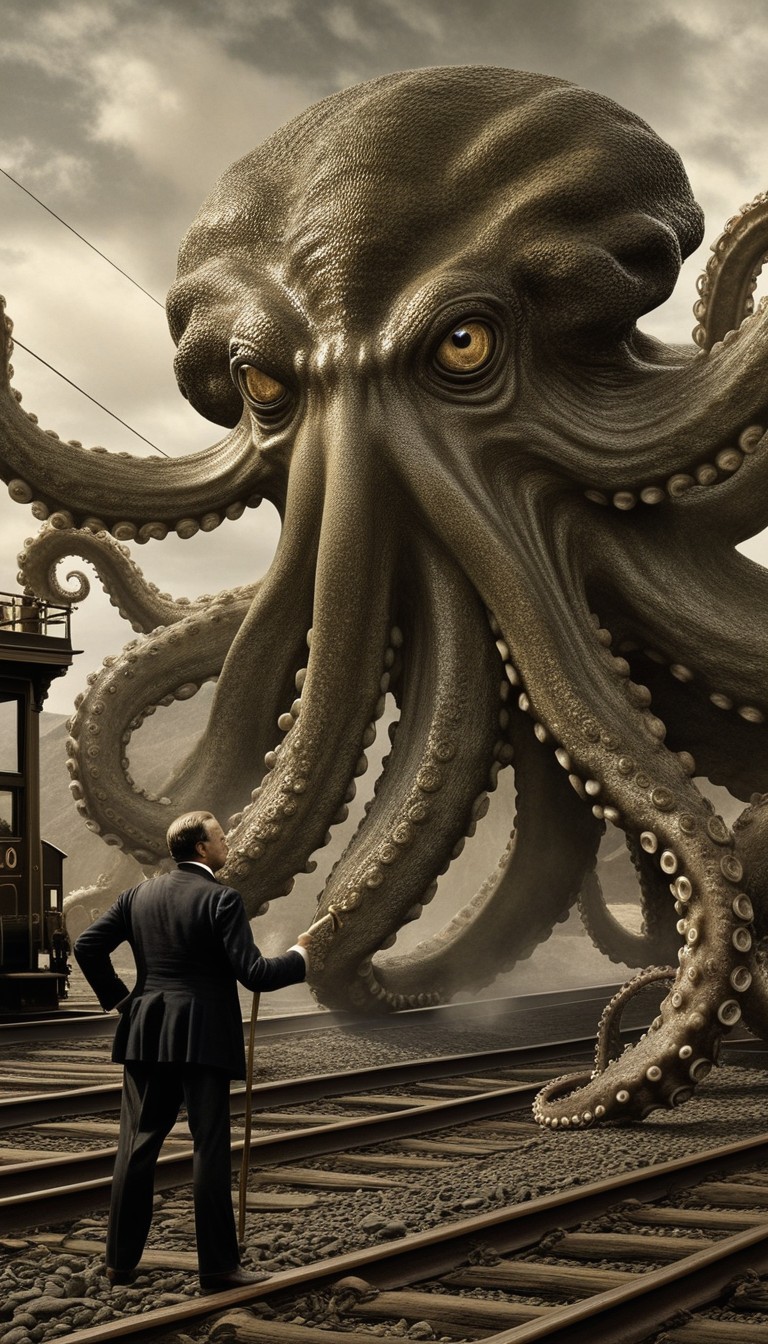
Roosevelt took on the giant monopolies that controlled oil, railroads, and steel. He sued 44 corporations under the Sherman Antitrust Act, breaking up J.P. Morgan's railroad trust and reining in Standard Oil. He believed in capitalism—but not when it crushed ordinary Americans.
1904-1914
Panama
The Panama Canal
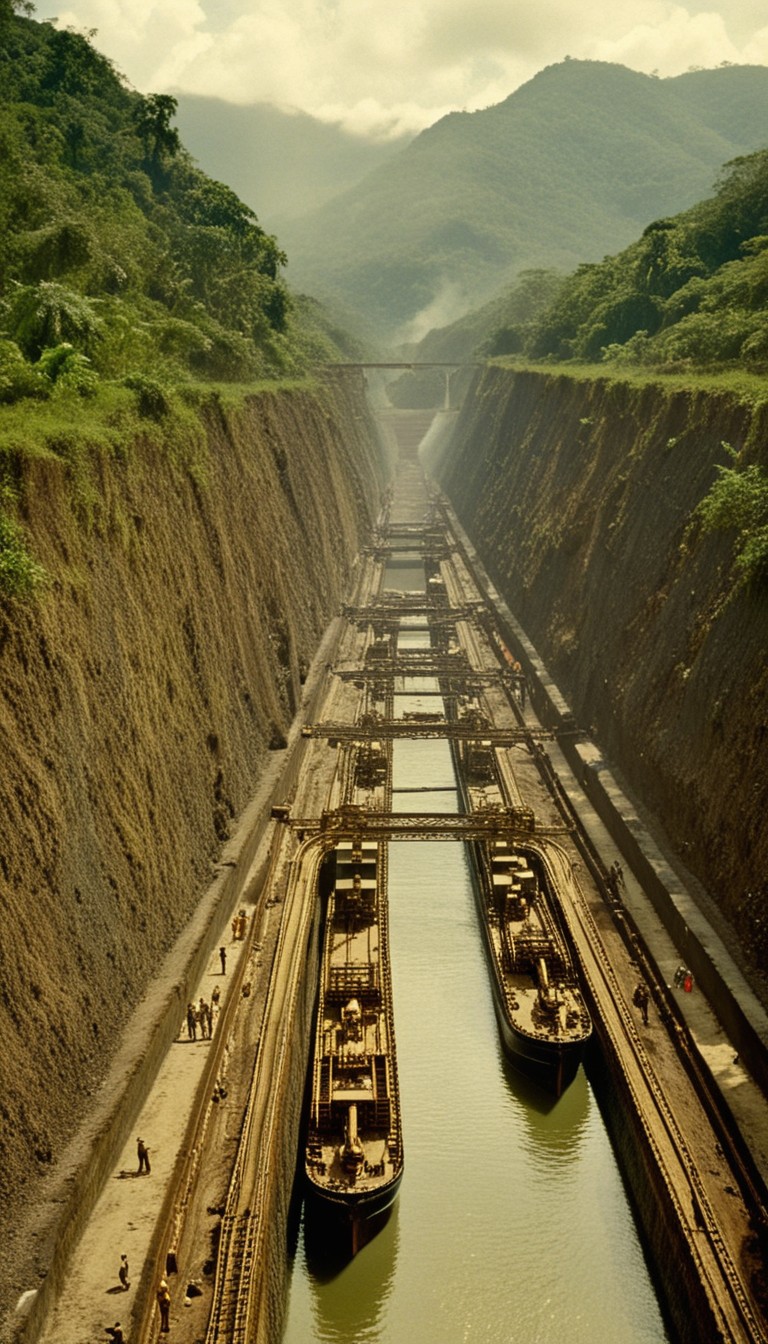
Where the French had failed, Roosevelt succeeded. He championed the Panama Canal, a 50-mile waterway connecting the Atlantic and Pacific Oceans. It took 10 years, 75,000 workers, and overcame tropical disease and landslides. The canal transformed global trade and projected American power worldwide.
1901-1909
United States
America's Conservationist
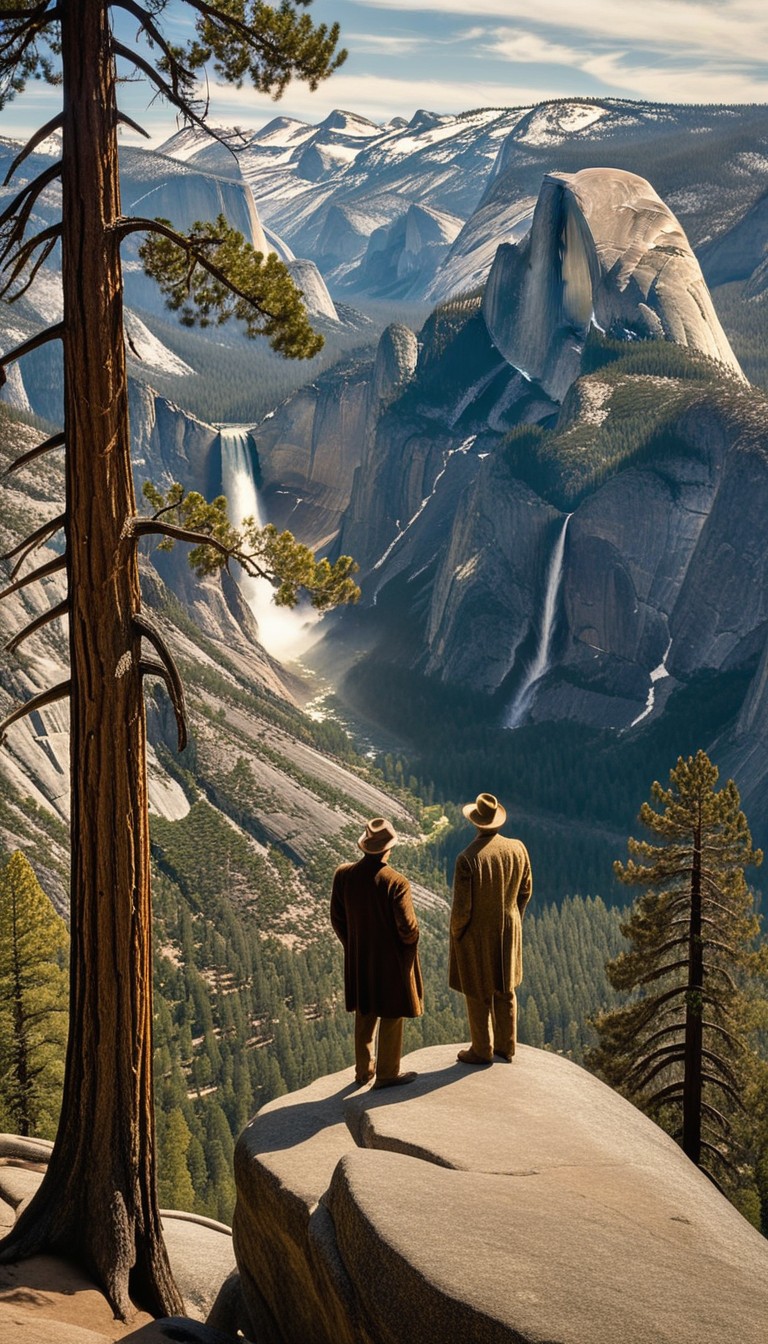
Roosevelt created 5 national parks, 18 national monuments, and 150 national forests—protecting 230 million acres of public land. He camped with John Muir in Yosemite and declared: "The nation behaves well if it treats its natural resources as assets which it must turn over to the next generation increased, and not impaired, in value."
October 14, 1912
Milwaukee, Wisconsin
The Bull Moose
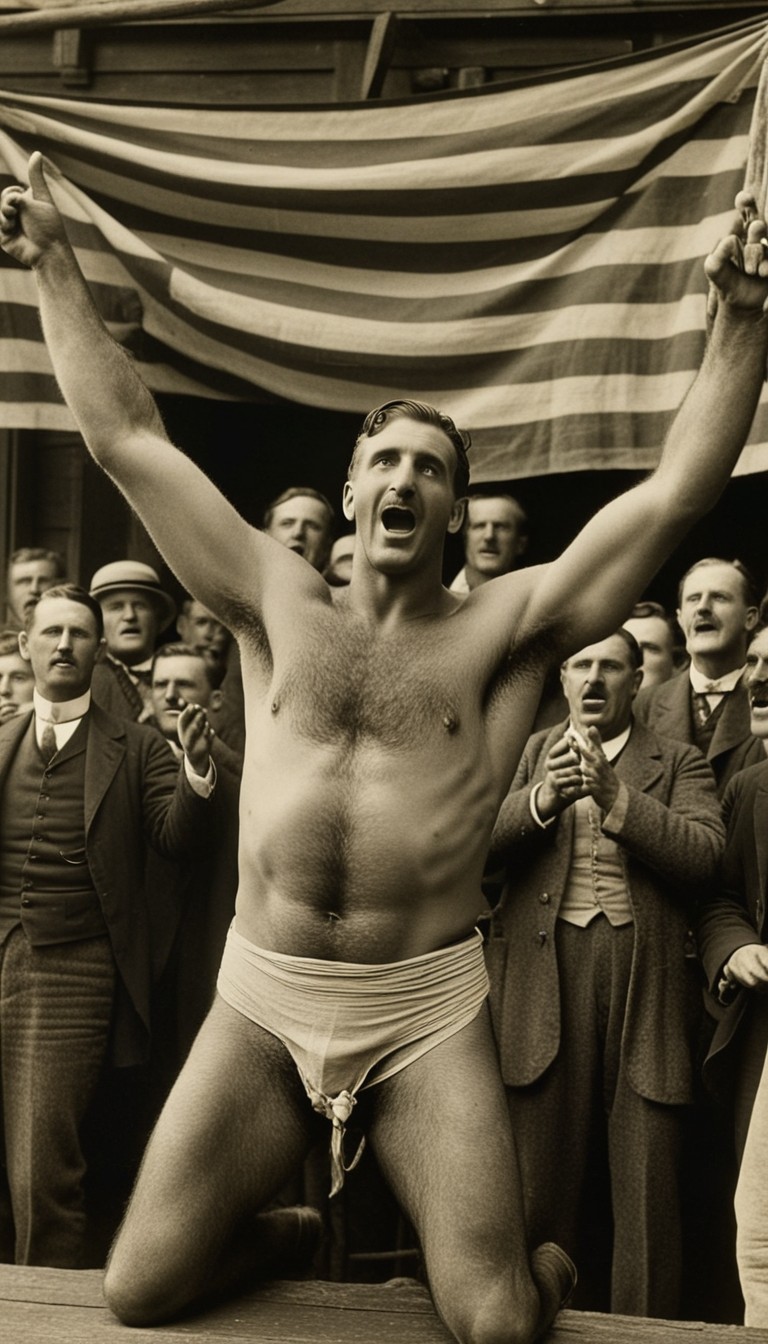
In 1912, Roosevelt ran for president again on the Progressive "Bull Moose" ticket. During a campaign speech in Milwaukee, he was shot in the chest. The bullet was slowed by his folded speech and eyeglass case. He declared: "It takes more than that to kill a Bull Moose!" and spoke for 90 minutes before going to the hospital.
The Strenuous Life
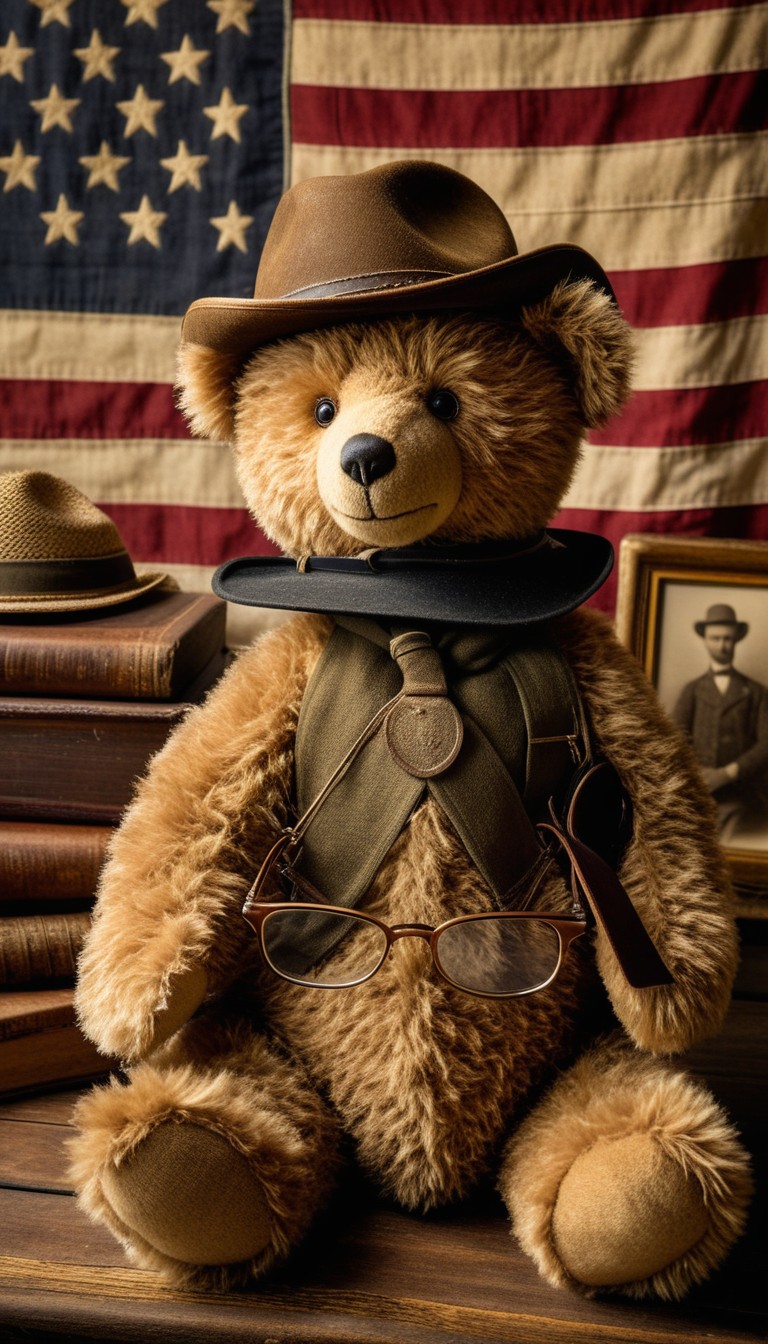
Theodore Roosevelt believed in living boldly. He busted trusts, dug canals, preserved wilderness, and inspired a teddy bear. He expanded the presidency from a caretaker role into a platform for change. His motto says it all: "Do what you can, with what you have, where you are."
Recommended Reading
As an Amazon Associate, we earn from qualifying purchases.
Swipe to navigate