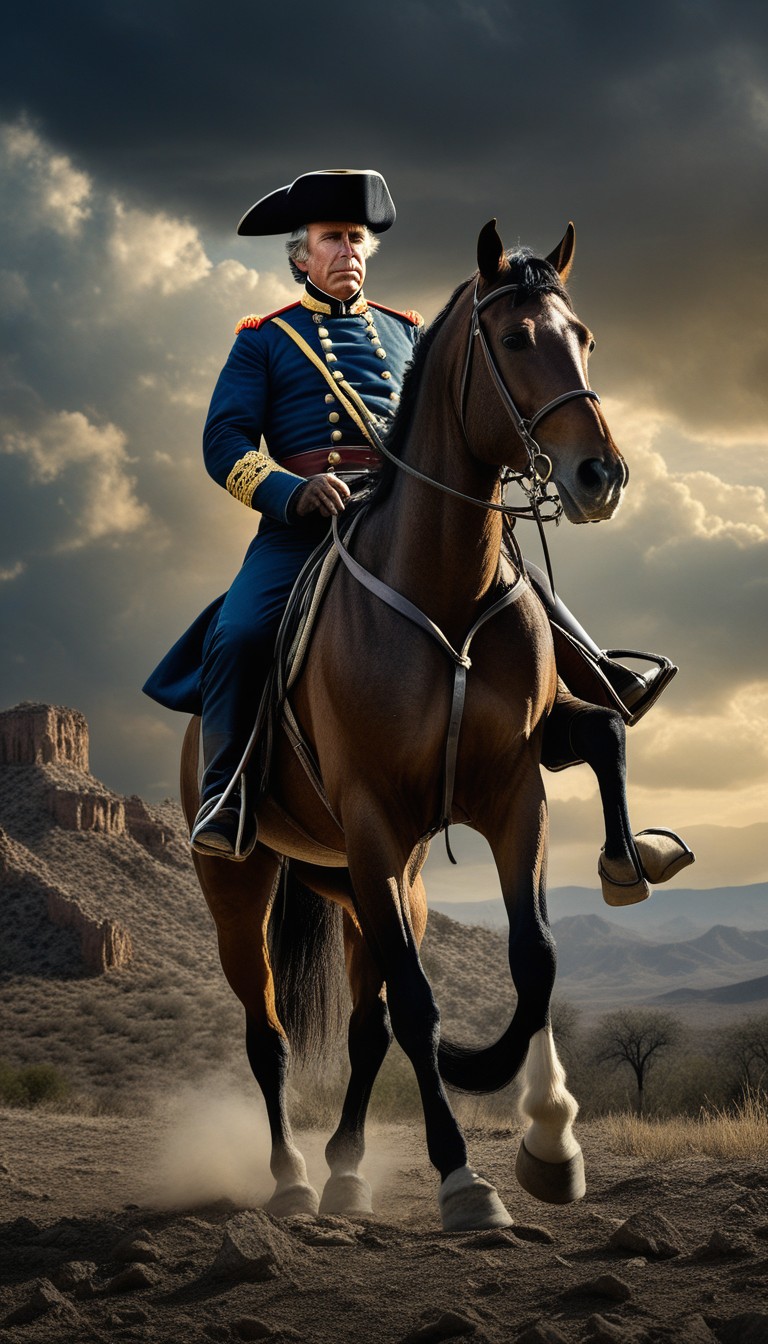
Zachary Taylor (#12): Old Rough and Ready
Loading story...
1784-1808
Kentucky Frontier
Frontier Childhood
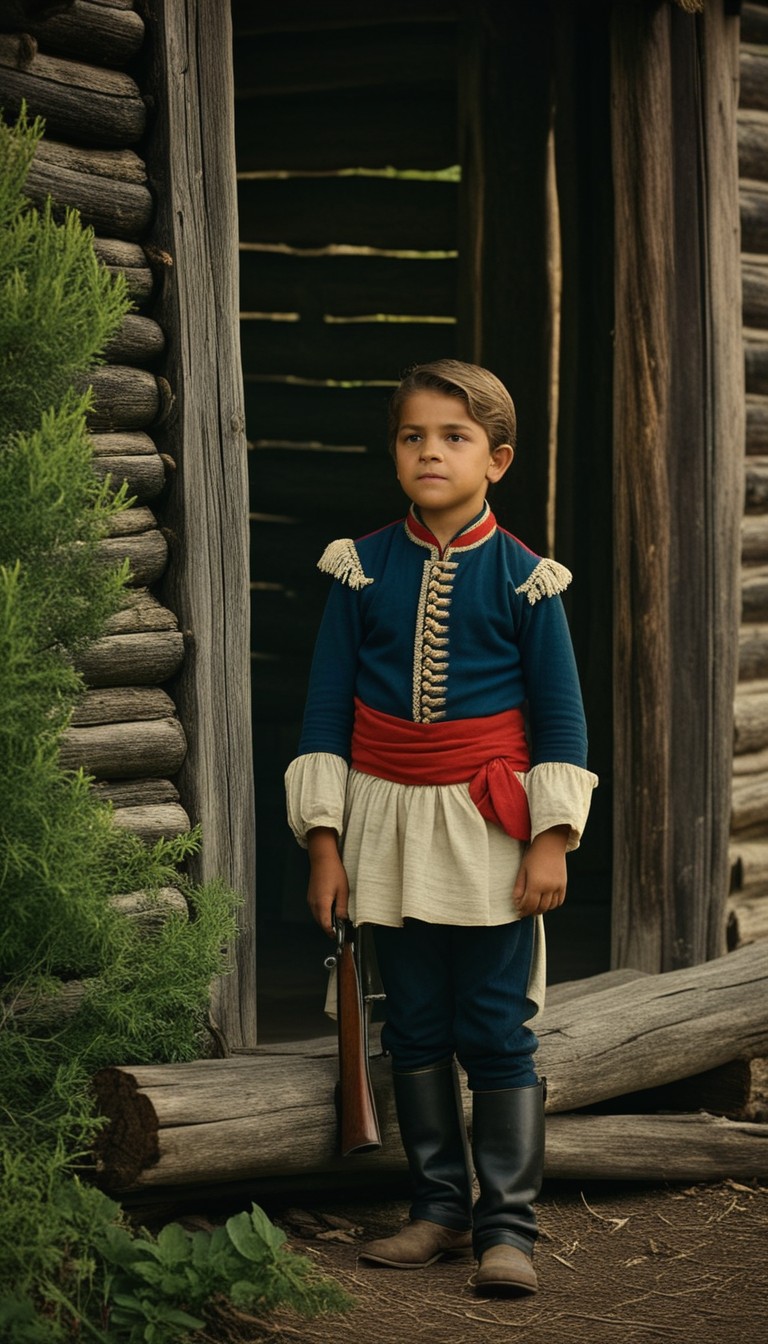
Born in 1784 in Orange County, Virginia, Taylor was taken to the Kentucky frontier as an infant. He grew up near Louisville in a log cabin, receiving only a basic education. His father was a Revolutionary War veteran, and young Zachary was drawn to military life. In 1808, he received a commission as a first lieutenant in the U.S. Army, beginning a career that would span four decades.
1812-1845
American Frontier
Forged in Battle
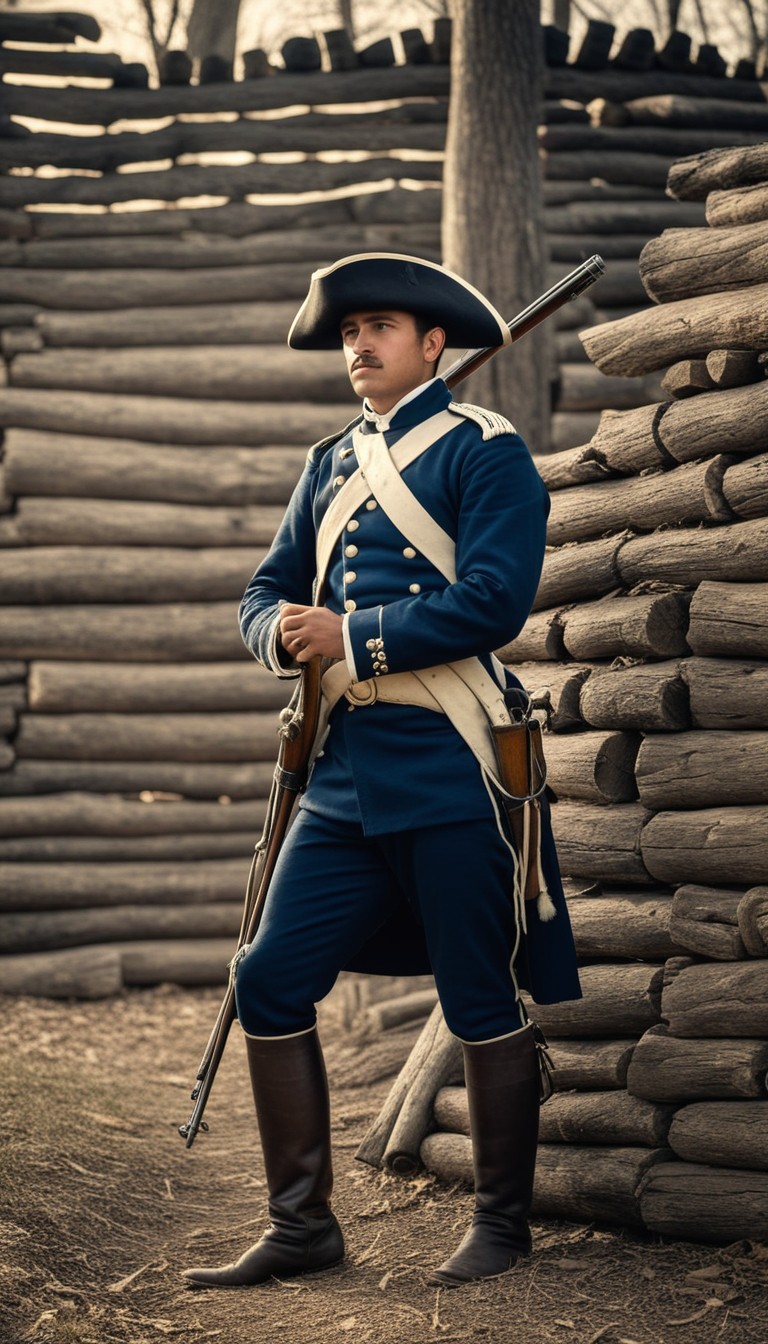
Taylor earned his first recognition defending Fort Harrison in Indiana Territory during the War of 1812, repelling a Native American attack with just fifty men. Over the next three decades, he served in frontier outposts across the West, fighting in the Black Hawk War and the brutal Second Seminole War in Florida, where he earned the nickname "Old Rough and Ready" for his plain dress and frontline leadership.
1846
Northern Mexico
Glory in Mexico
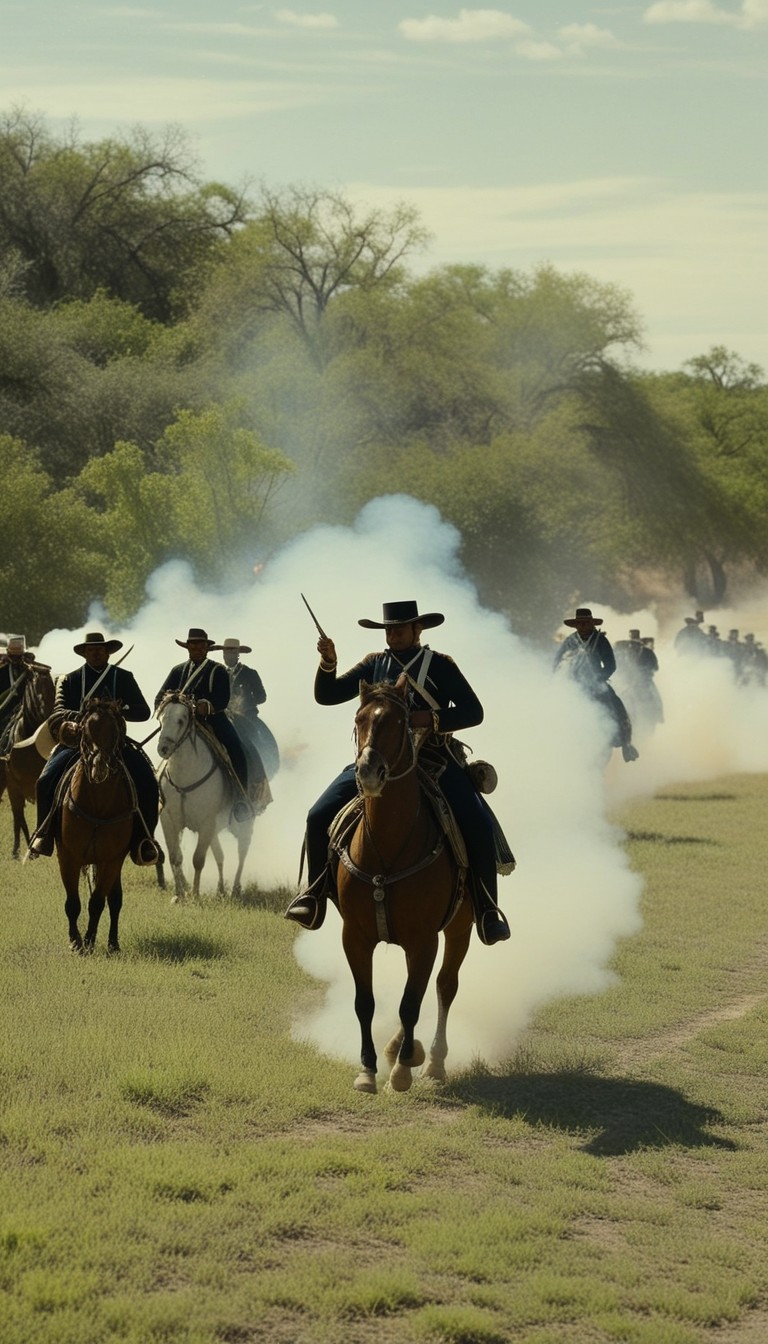
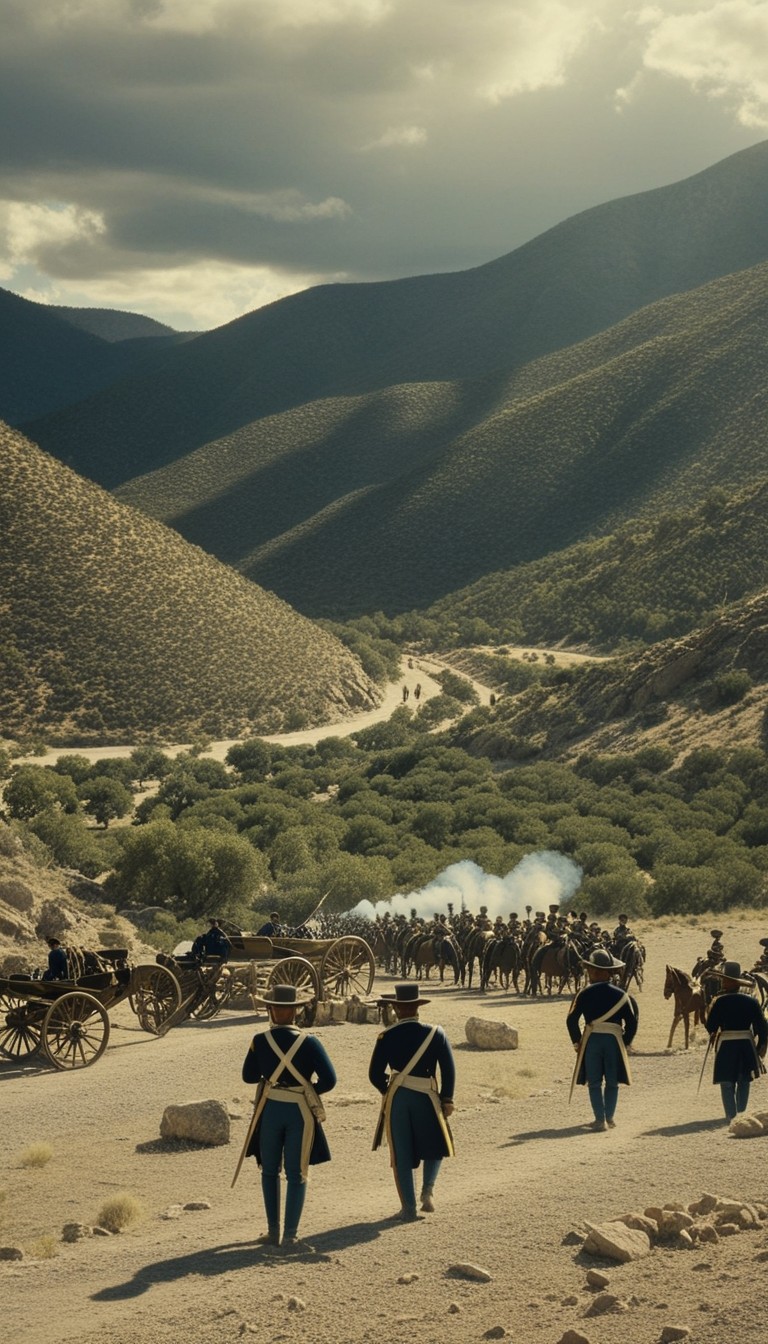
When the Mexican-American War erupted in 1846, Taylor commanded American forces on the Rio Grande. He won stunning victories at Palo Alto and Resaca de la Palma, then captured the fortified city of Monterrey. Each victory made headlines back home, and Taylor became the most famous man in America. President Polk, jealous of Taylor's popularity, tried to sideline him.
February 1847
Buena Vista, Mexico
The Miracle at Buena Vista
In February 1847, Taylor faced Mexican General Santa Anna's army of 20,000 with only 5,000 men at Buena Vista. When asked to surrender, Taylor reportedly replied, "Tell him to go to hell." Over two days of fierce fighting, Taylor's outnumbered forces held their ground and forced Santa Anna to retreat. The victory made Taylor unstoppable as a presidential candidate.
1848
United States
The Reluctant Candidate
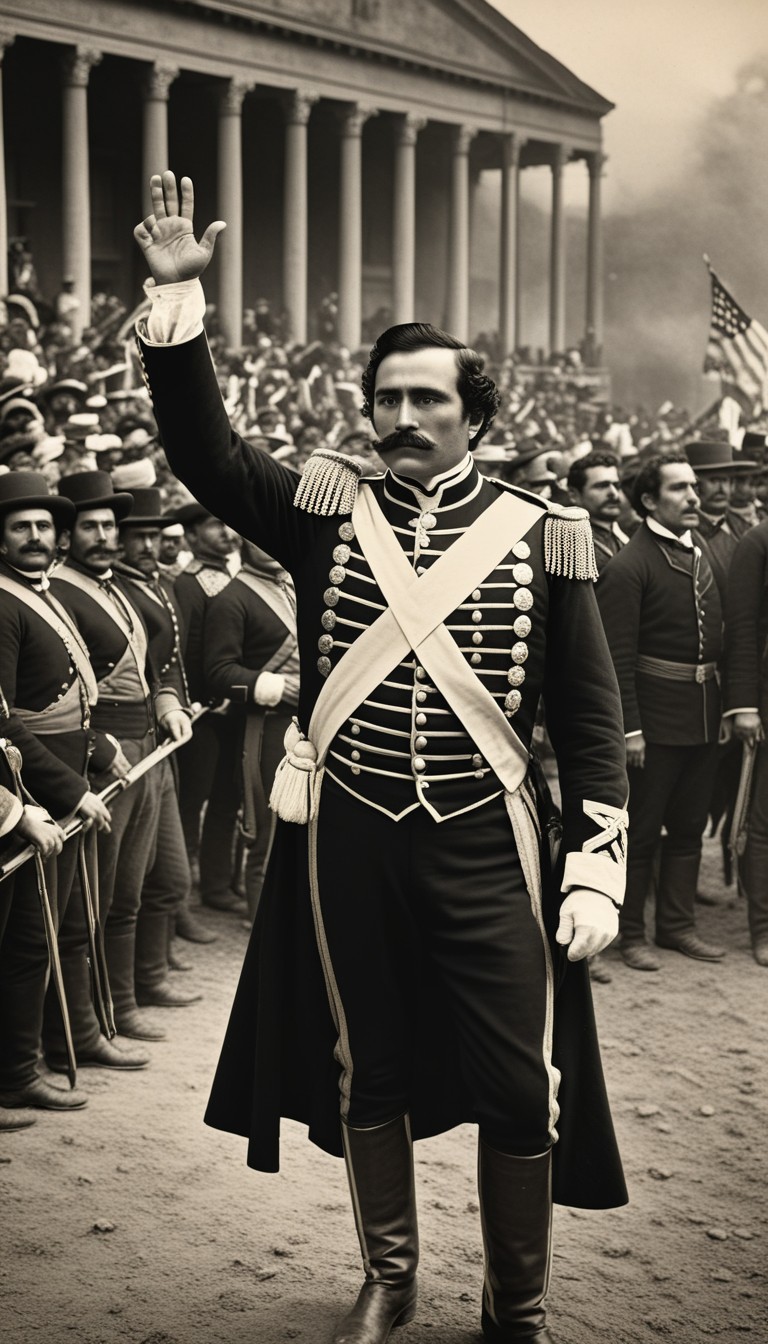
Taylor had never voted in an election, had no political party affiliation, and had never expressed a political opinion in public. But the Whigs needed a hero, and Taylor was irresistible. He won the 1848 election as a Whig despite owning over a hundred enslaved people on his Louisiana plantation, making him the last slaveholder to be elected president.
1849-1850
Washington, D.C.
A Unionist Slaveholder
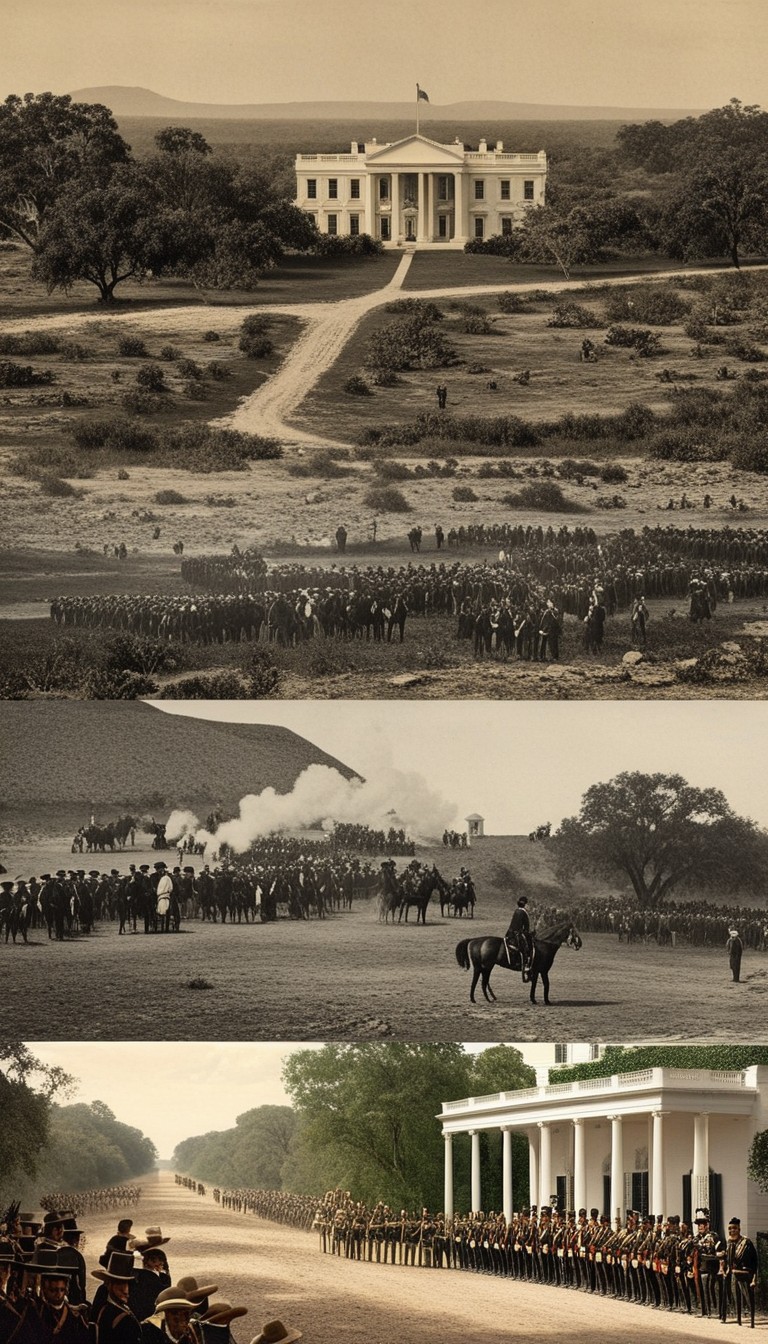
Despite being a slaveholder, Taylor shocked the South by opposing the expansion of slavery into the new territories won from Mexico. He urged California and New Mexico to apply for statehood immediately, bypassing the territorial stage where slavery could take root. When Southern leaders threatened secession, Taylor reportedly said he would personally lead the Army to hang traitors.
1850
U.S. Senate
The Crisis of 1850
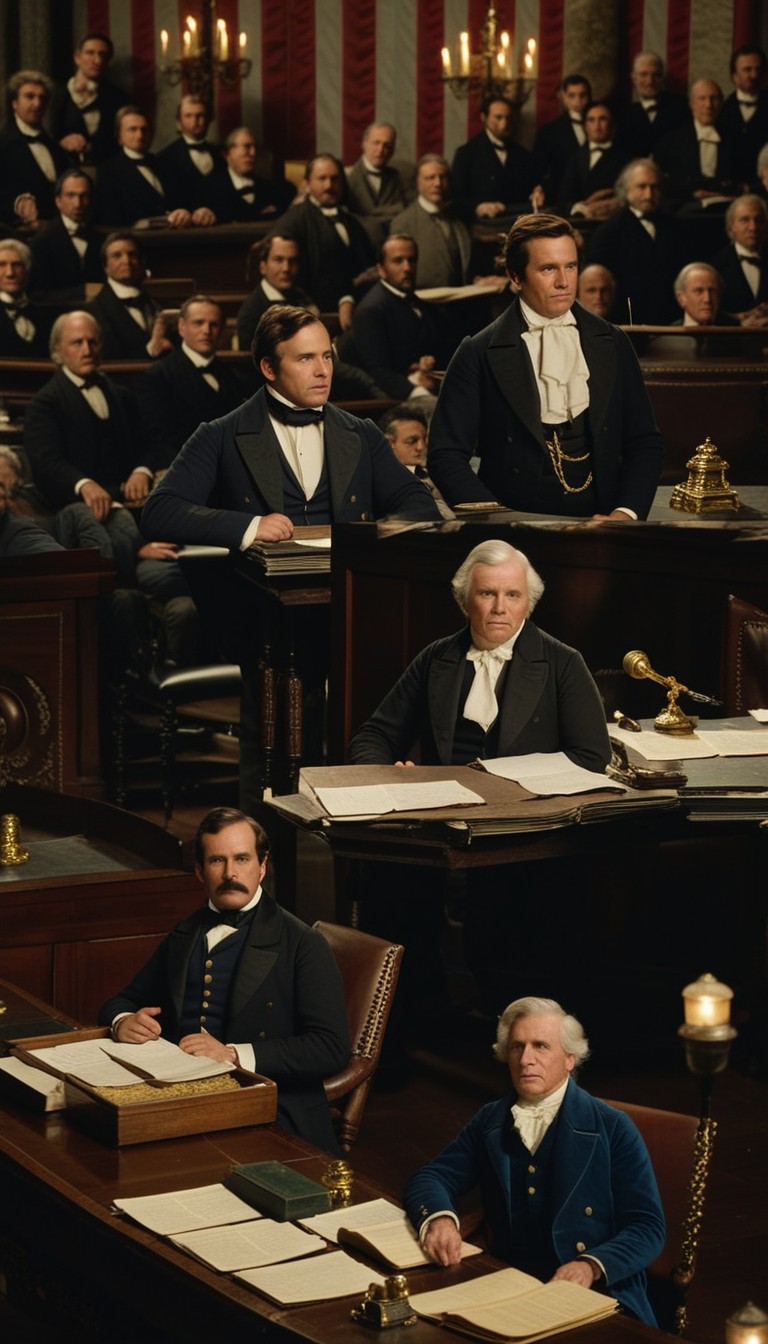
Henry Clay proposed a grand compromise to settle the slavery question, but Taylor opposed it, believing each issue should be addressed separately and that California should be admitted as a free state immediately. Taylor's stubbornness put him at odds with Congress and even his own party. The impasse seemed unbreakable until fate intervened in the most unexpected way.
July 1850
Washington, D.C.
Death in the White House
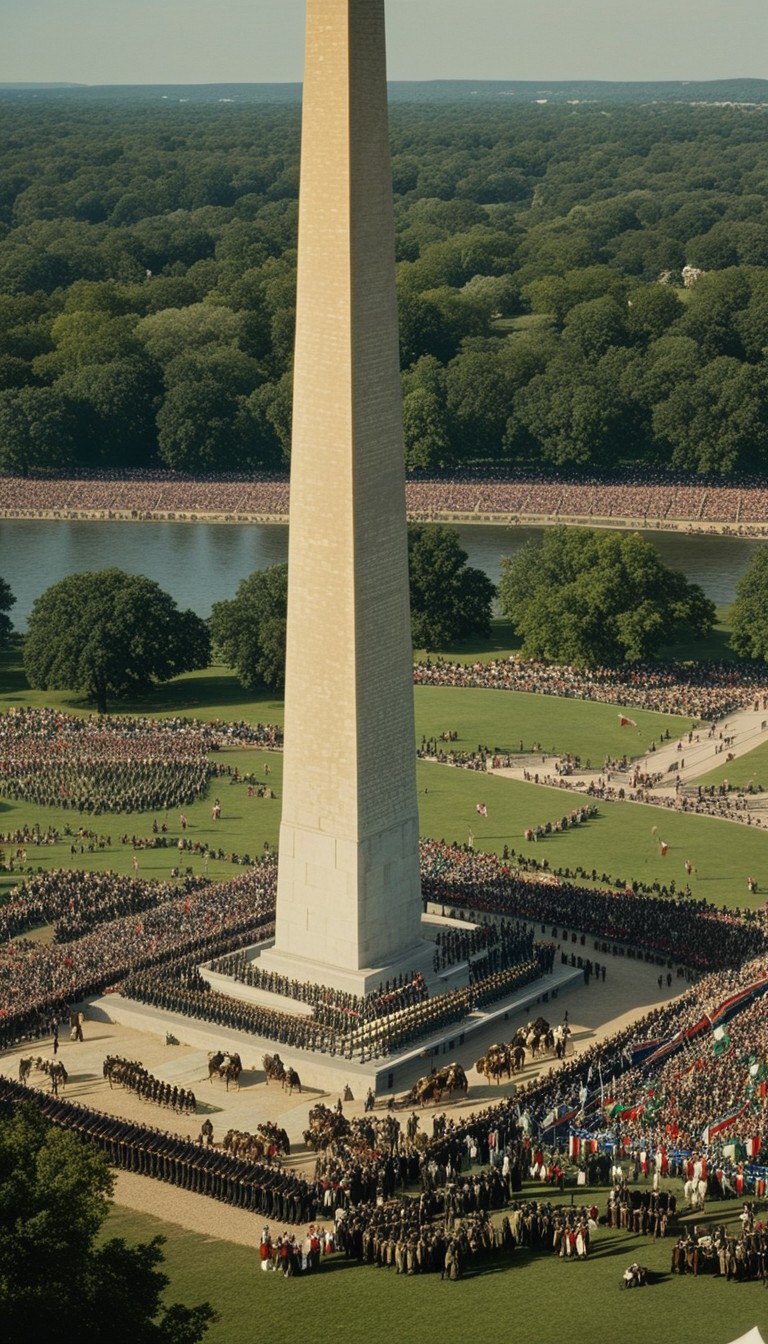
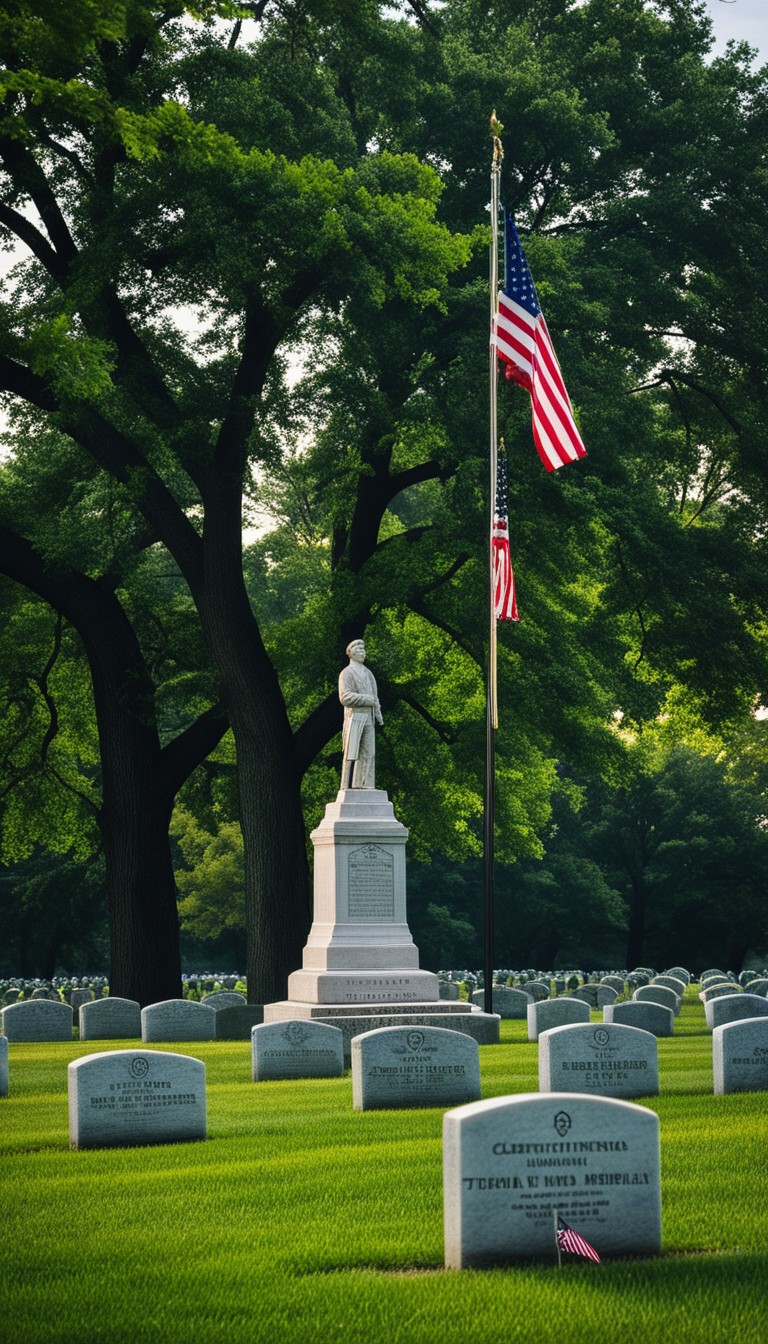
On July 4, 1850, Taylor attended a ceremony at the unfinished Washington Monument in sweltering heat. He consumed large quantities of raw fruit and iced milk, fell violently ill with what was likely acute gastroenteritis, and died five days later on July 9. He was the second president to die in office. Conspiracy theories about poisoning persisted for over a century, but his body was exhumed in 1991 and no evidence of foul play was found.
What Might Have Been
Zachary Taylor's death changed history. His successor, Millard Fillmore, signed the Compromise of 1850, which Taylor had opposed. Whether Taylor could have prevented the Civil War is unknowable, but his willingness to face down secessionists as a Southern slaveholder suggests a road not taken. Old Rough and Ready proved that courage on the battlefield does not always translate to time in office.
Recommended Reading
As an Amazon Associate, we earn from qualifying purchases.
Swipe to navigate