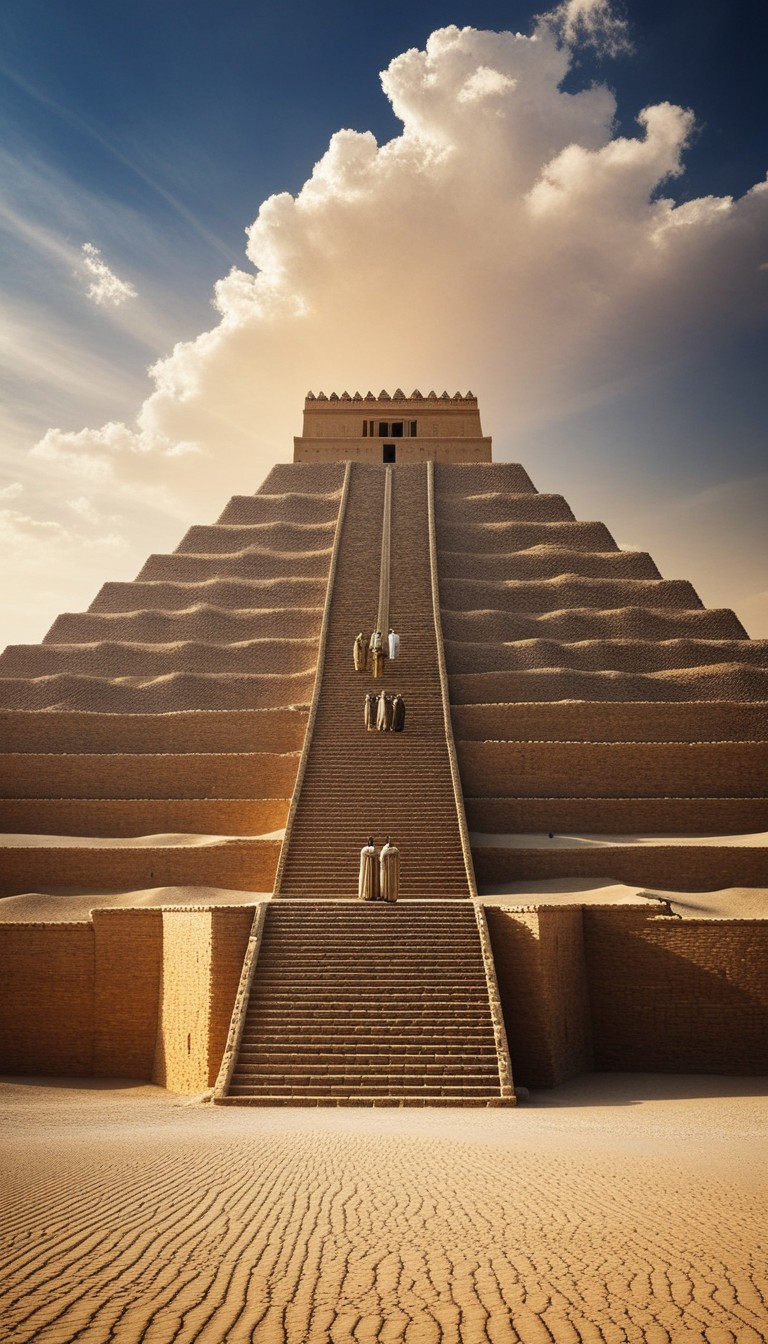
Mesopotamia: Cradle of Civilization

Loading story...
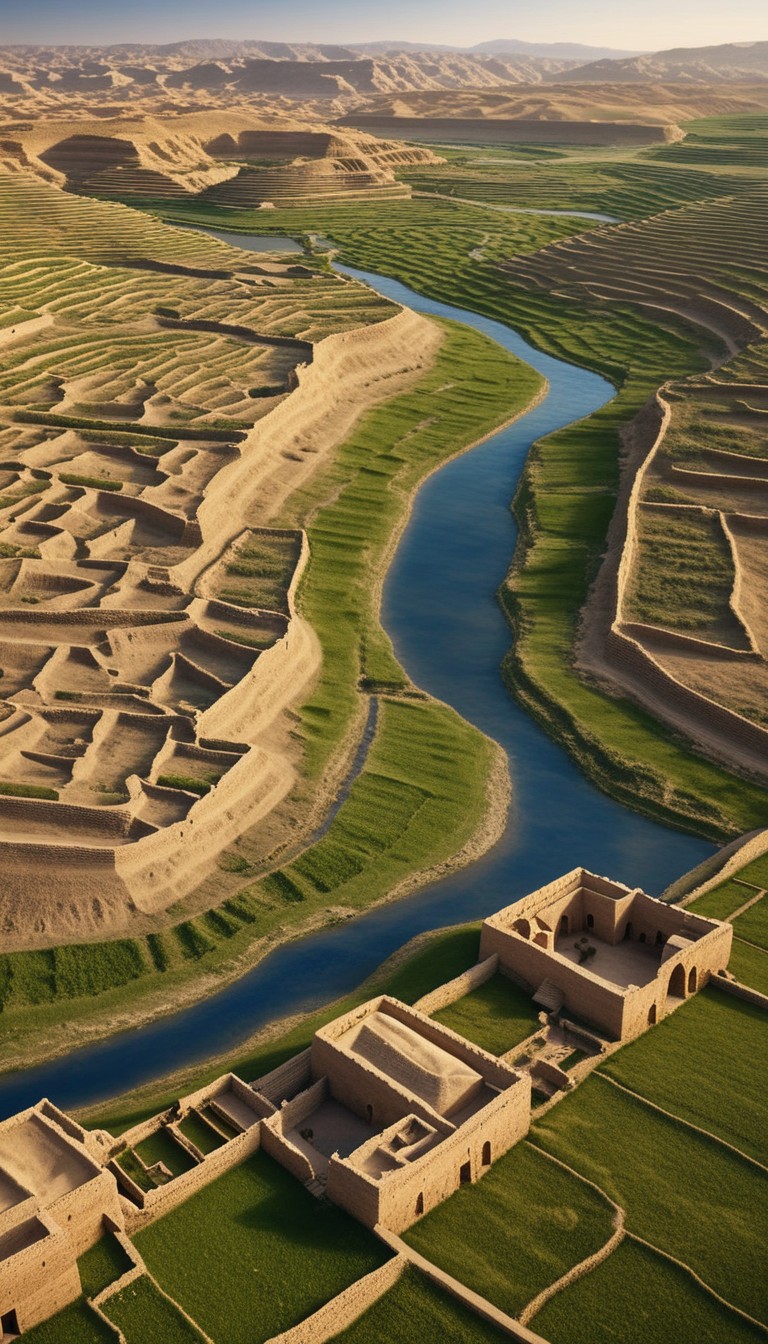
Ancient river valley between the Tigris and Euphrates with early settlements
c. 4000 BCE Mesopotamia (modern Iraq)

The Fertile Crescent

Between the Tigris and Euphrates rivers in what is now Iraq, the ancient world's first cities took root around 4000 BCE. Floodwaters deposited rich silt across the plain, making this "land between two rivers"—Mesopotamia in Greek—extraordinarily fertile. Hunter-gatherers became farmers, farmers became villagers, and villages swelled into the world's earliest urban centers. For the first time in human history, people lived in organized cities, traded goods, kept records, and built institutions. Civilization had begun.
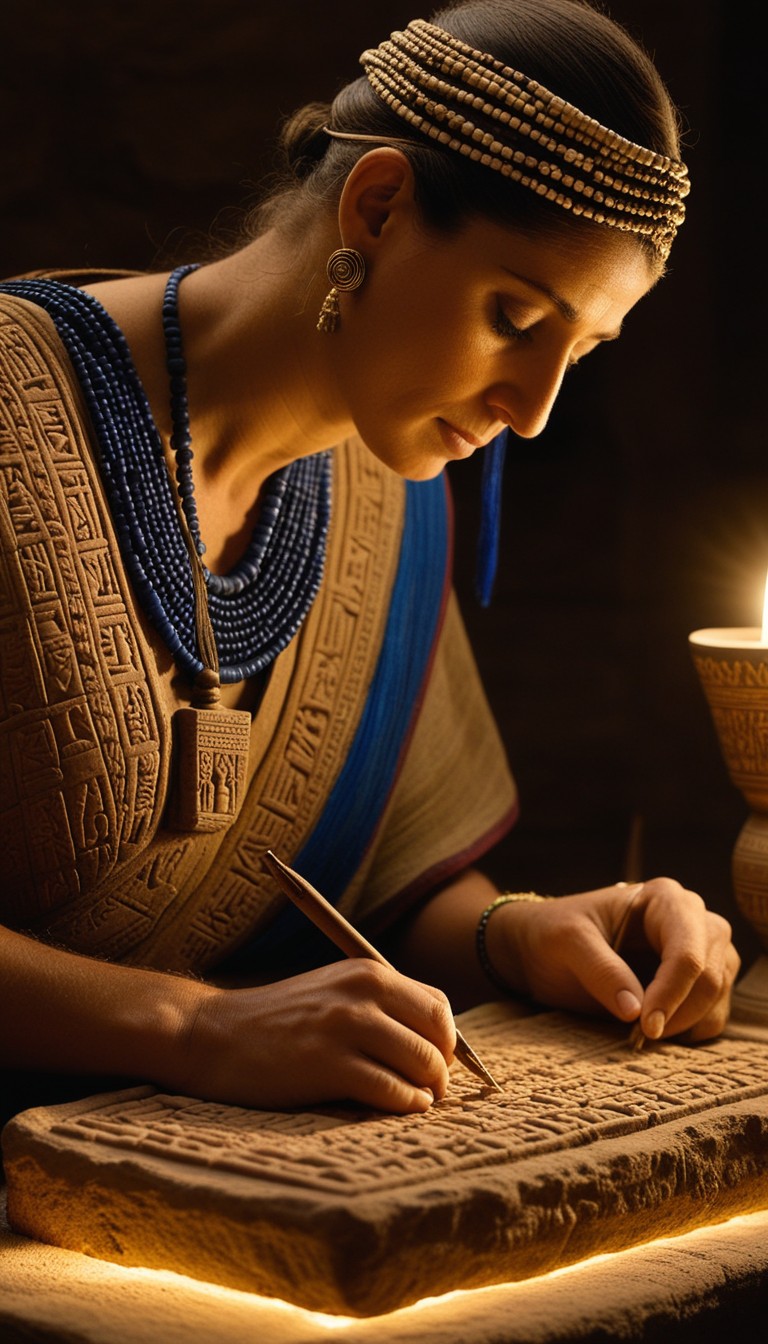
A Sumerian scribe pressing a reed stylus into a clay tablet covered in cuneiform symbols
c. 3200–2300 BCE Sumer, southern Mesopotamia

Sumer and the Birth of Writing

The Sumerians of southern Mesopotamia gave humanity one of its most transformative gifts: writing. Around 3200 BCE, they developed cuneiform—wedge-shaped marks pressed into clay tablets with a reed stylus. What began as simple accounting records for grain and livestock evolved into literature, law, and history. The Epic of Gilgamesh, written in cuneiform, is the world's oldest surviving work of literature. The Sumerians also invented the wheel, the plow, and a base-60 number system still used today in our hours, minutes, and seconds.
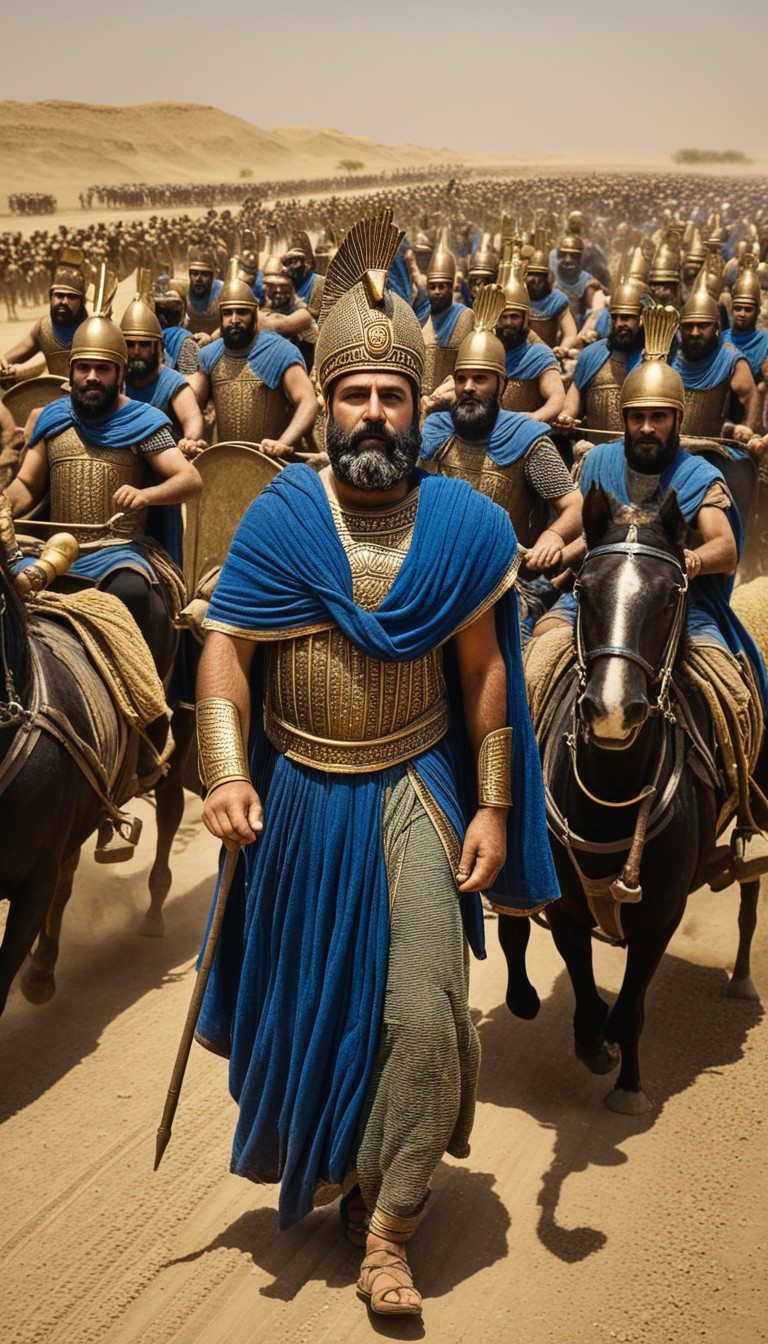
Sargon of Akkad leading his army across Mesopotamia, the first empire builder
c. 2334–2154 BCE Akkad, central Mesopotamia

Sargon and the Akkadian Empire

Around 2334 BCE, a man named Sargon rose from humble origins—legend says he was a gardener's son abandoned in a basket on the river—to conquer all of Mesopotamia and beyond. As Sargon the Great of Akkad, he created history's first true empire, uniting the Sumerian city-states under a single ruler and extending his domain from the Persian Gulf to the Mediterranean. He standardized weights, measures, and trade routes across his realm. Though his Akkadian Empire collapsed within two centuries, Sargon's model of centralized imperial rule would inspire conquerors for millennia.
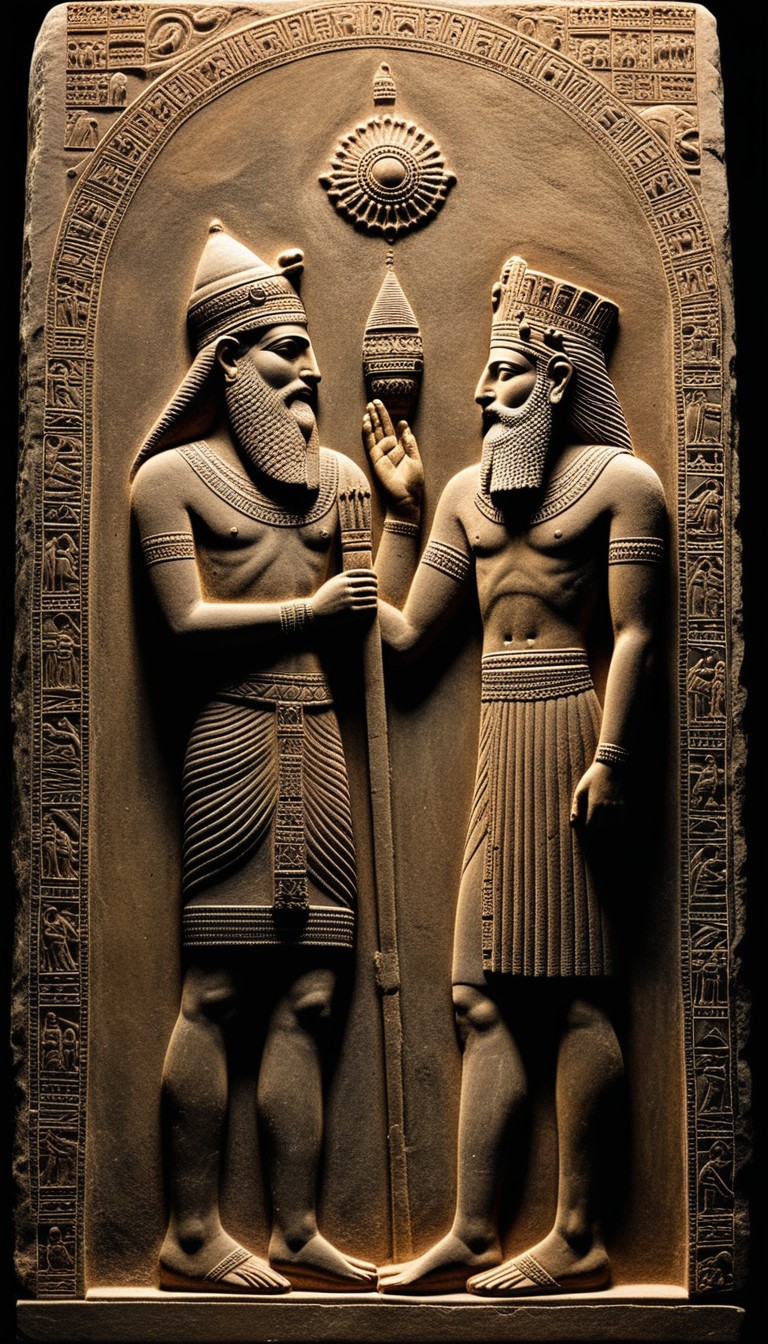
The stele of Hammurabi showing the king receiving laws from the sun god Shamash
c. 1792–1750 BCE Babylon, central Mesopotamia

Hammurabi's Code of Laws

When Hammurabi of Babylon came to power around 1792 BCE, he assembled something unprecedented: a written code of 282 laws carved onto a great black stone pillar for all to read. "An eye for an eye, a tooth for a tooth" comes from this code. Hammurabi's laws governed commerce, wages, property, marriage, and criminal justice—establishing the radical principle that a king's subjects deserved consistent, knowable rules. The stele depicting Hammurabi receiving the laws from the sun god Shamash still stands today in the Louvre, nearly 4,000 years after it was carved.
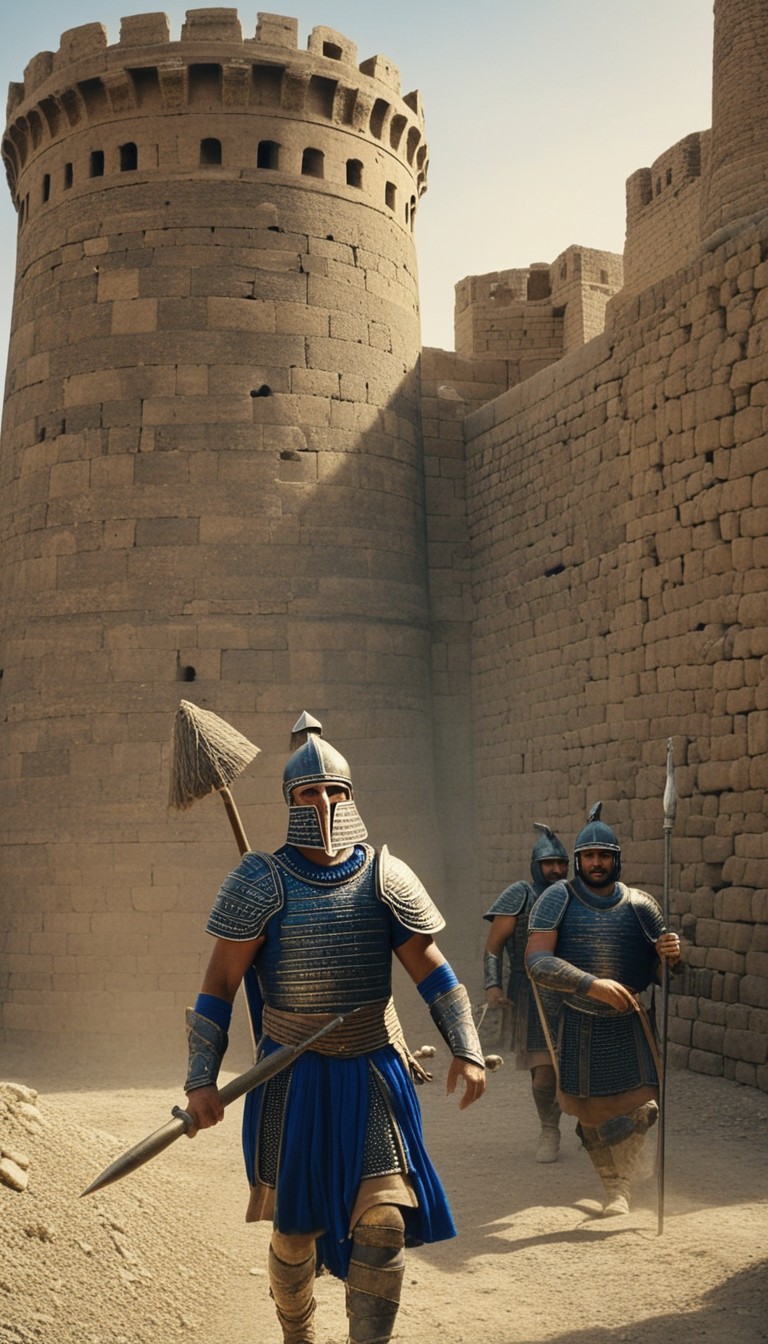
Assyrian soldiers in iron armor besieging a walled city with battering rams and siege towers
c. 900–612 BCE Assyria, northern Mesopotamia

The Assyrian War Machine

Rising from the upper Tigris region, the Assyrians built the ancient world's most feared military machine. Armed with iron weapons when their enemies still used bronze, and pioneering siege warfare with battering rams and mobile towers, the Assyrian Empire at its peak stretched from Egypt to Persia. Their kings—Tiglath-Pileser, Sargon II, Sennacherib—ruled through calculated terror, deporting conquered peoples by the hundreds of thousands to break resistance. Yet Assyrian kings also built magnificent libraries: King Ashurbanipal assembled over 30,000 clay tablets at Nineveh, preserving ancient Sumerian knowledge for posterity.
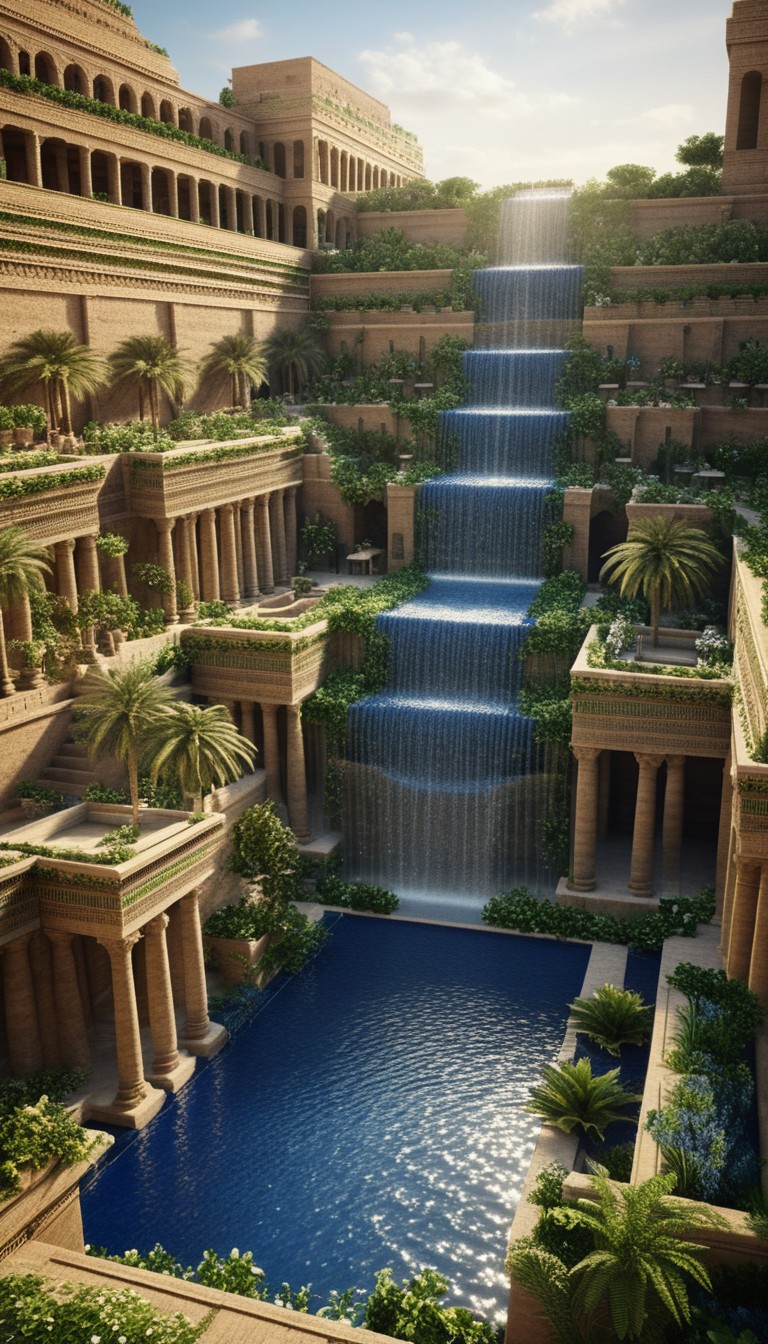
The Hanging Gardens of Babylon rising in terraced tiers above the great city
c. 605–562 BCE Babylon, central Mesopotamia

Nebuchadnezzar and the Glory of Babylon
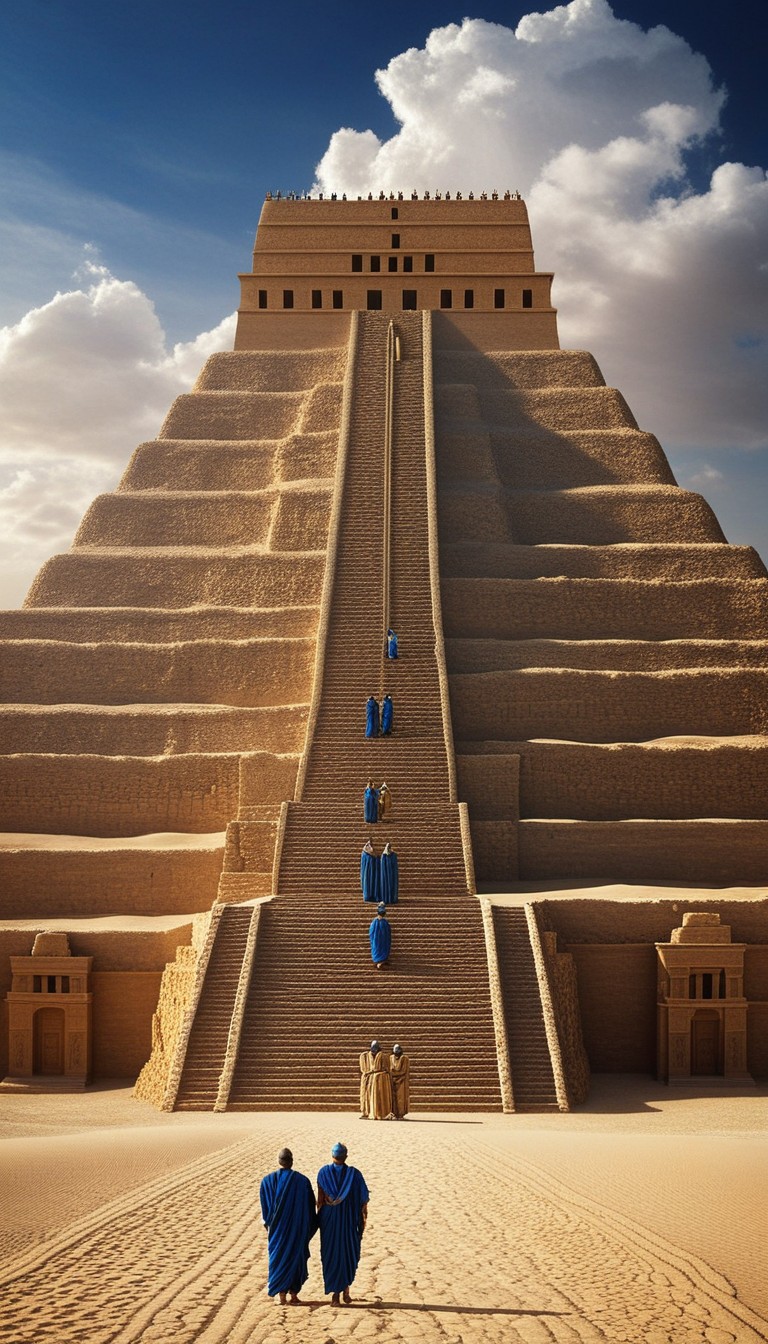
After Assyria's fall in 612 BCE, Babylon rose again under Nebuchadnezzar II to become the greatest city on earth. With a population of over 200,000, Babylon dazzled visitors with its massive walls—wide enough for chariots to race atop them—its magnificent Ishtar Gate glazed in brilliant blue, and the legendary Hanging Gardens, said to be a mountainous paradise of terraced plants rising above the flat plain, built by Nebuchadnezzar for his homesick wife. Nebuchadnezzar conquered Jerusalem, destroyed Solomon's Temple, and brought the Jewish people into the Babylonian Captivity, events that shaped the Bible and world religion forever.
A great ziggurat rising in stepped tiers against a desert sky, priests ascending to the summit temple
c. 3000–500 BCE Throughout Mesopotamia

Ziggurats and the Gods of Mesopotamia
At the heart of every Mesopotamian city stood a ziggurat—a massive stepped pyramid of mud brick rising like an artificial mountain toward the heavens. These were not tombs but temples, home to the city's patron deity. Priests and priestesses administered the god's estates, controlled grain stores, and conducted rituals that were believed to maintain the order of the cosmos. The Mesopotamians worshipped a vast pantheon including Enlil (lord of wind and storms), Ishtar (goddess of love and war), Marduk (patron of Babylon), and Ea (god of wisdom and water). Their myths of creation and the great flood found echoes in cultures across the ancient world.
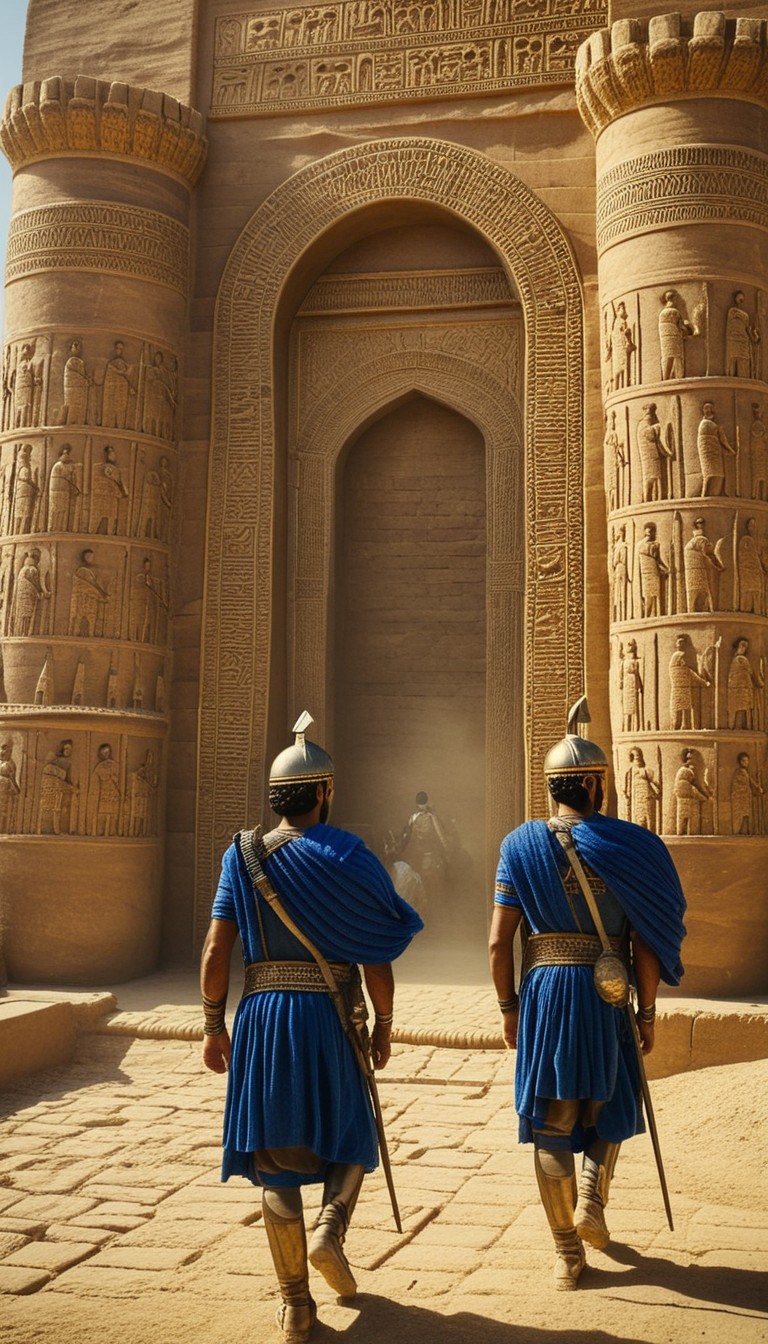
Persian soldiers under Cyrus the Great entering the gates of Babylon without resistance
539 BCE Babylon, Mesopotamia

Fall to Persia

In 539 BCE, Cyrus the Great of Persia marched his army toward Babylon. What happened next stunned the ancient world: the great city surrendered without a fight. The Babylonian king Nabonidus had alienated his own priests and people, and Cyrus was welcomed as a liberator. He freed the Jewish captives, allowing them to return to Jerusalem—an act celebrated in the Hebrew Bible. Mesopotamia became a Persian province, then fell to Alexander the Great in 331 BCE. The old cuneiform writing faded, cities were abandoned to the desert, and the rivers quietly reclaimed the land. But the inventions born here—writing, law, cities, mathematics—had already changed the world forever.
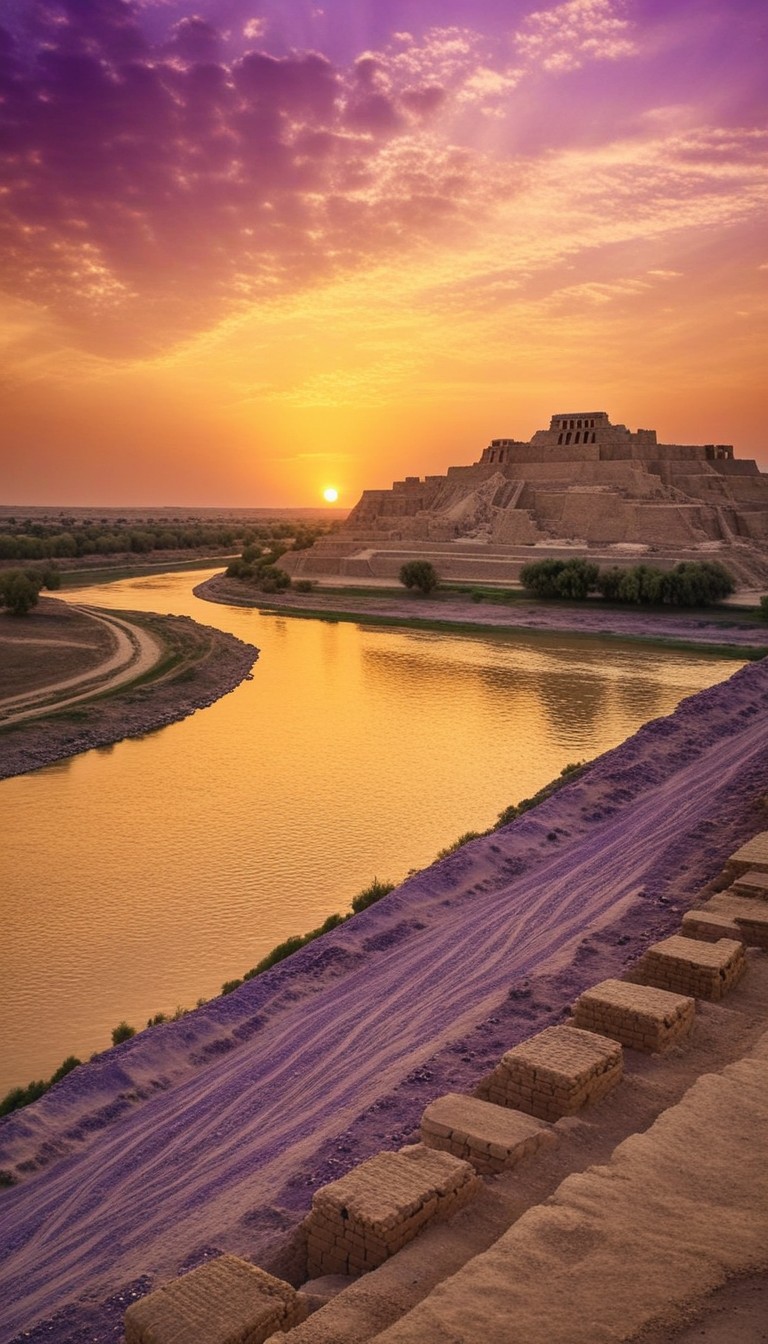
Sunset over the Tigris River with the ruins of an ancient ziggurat silhouetted against the sky

Inventions That Shaped the World

Mesopotamia's legacy is woven into the fabric of modern life. Every time you check the time (60 minutes, 60 seconds—a Sumerian invention), read a story, follow a law, or live in a city, you are inheriting something built between those two ancient rivers. Writing, the wheel, mathematics, codified law, urban planning, organized religion, and literature—all have their roots in the fertile crescent. The empires rose and fell, the mud-brick cities crumbled back to dust, and the rivers shifted their courses. But the ideas born in Mesopotamia proved more durable than any palace or ziggurat, reaching across four thousand years to shape the world we live in today.

Recommended Reading

As an Amazon Associate, we earn from qualifying purchases.
Swipe to navigate