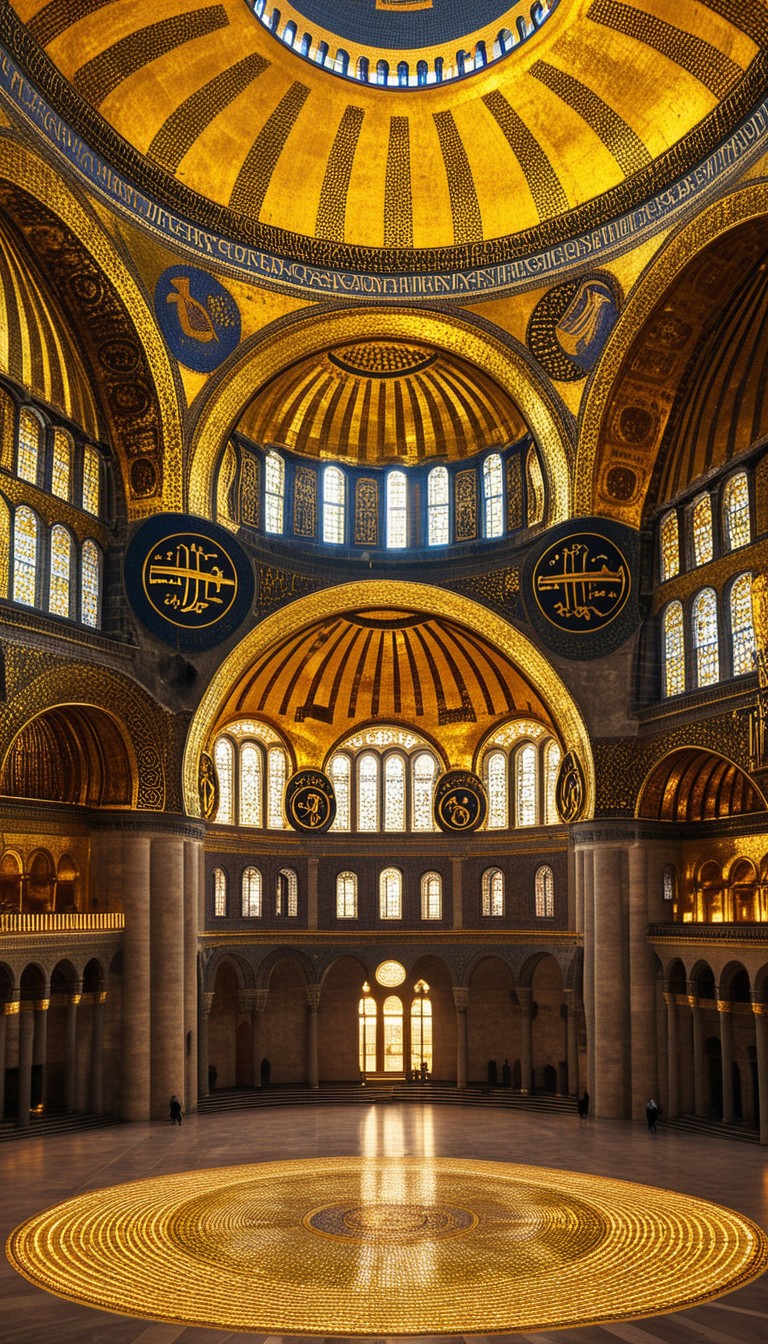
The Byzantine Empire: Rome's Eastern Legacy
Loading story...
330 AD
Constantinople
A New Rome Is Born
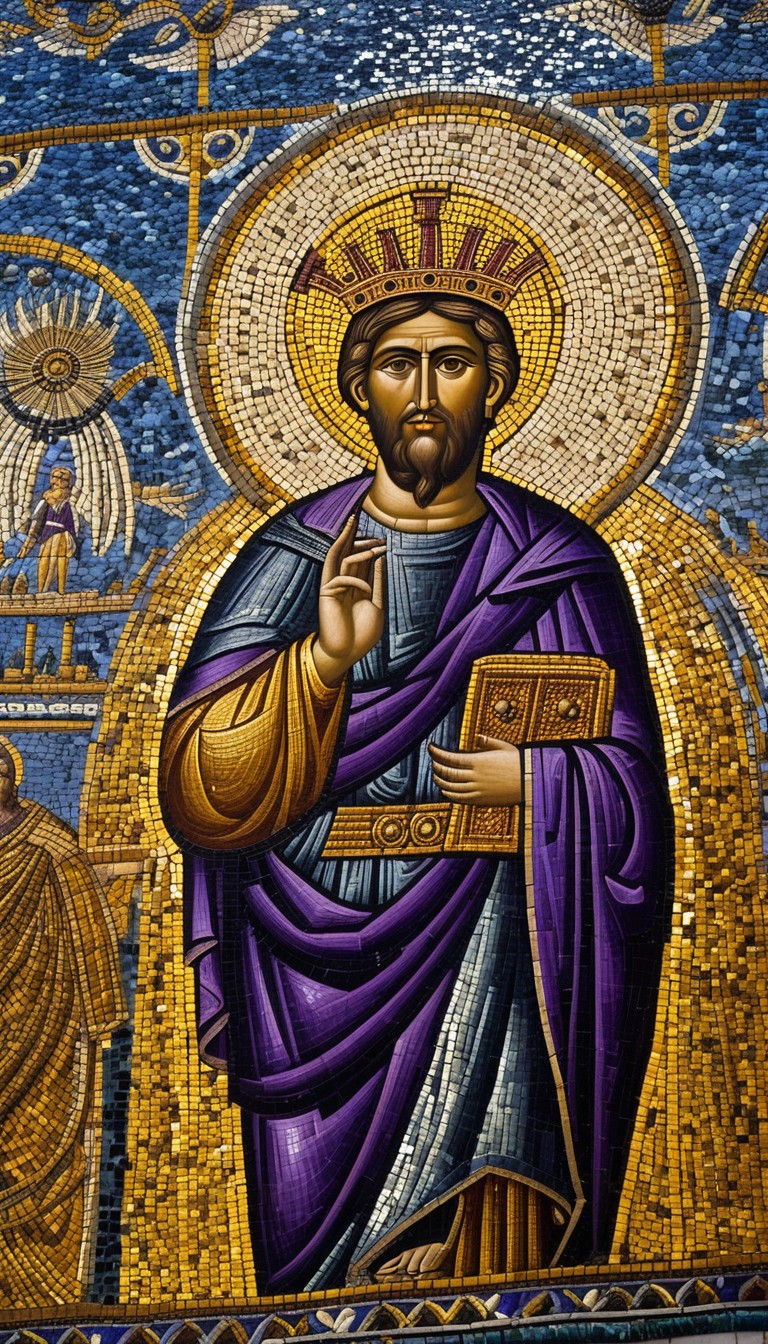
In 330 AD, Emperor Constantine the Great dedicated a magnificent new capital on the strategic straits of the Bosphorus, where Europe and Asia meet. Built on the ancient Greek city of Byzantium, Constantinople was designed to be a Christian Rome—adorned with palaces, forums, and grand churches. Its position between two seas made it nearly impregnable and perfectly placed to control trade between the Mediterranean and the Black Sea. Constantine could not have known that this act of foundation would sustain Roman civilization for over eleven centuries.
476 AD
Constantinople
Rome Falls, the East Endures
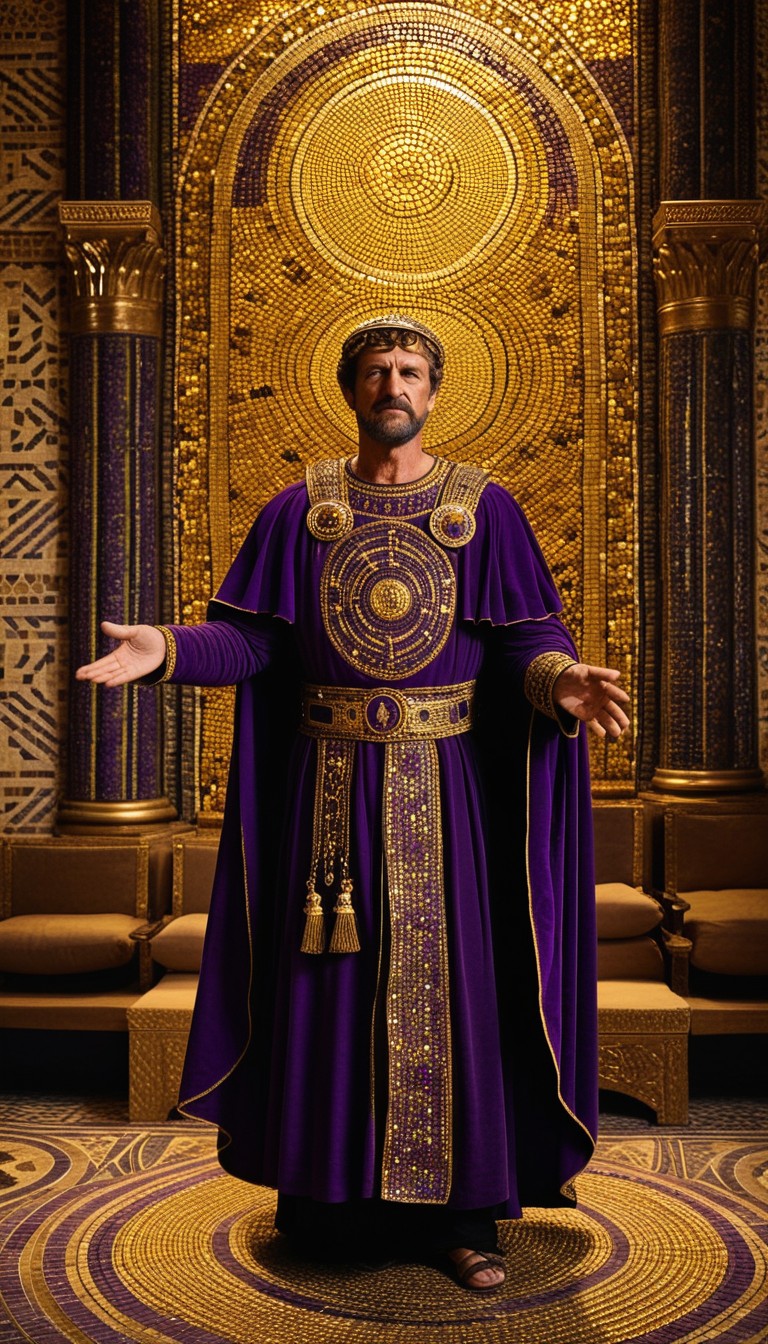
In 476 AD, the Germanic chieftain Odoacer deposed Romulus Augustulus, the last emperor of the Western Roman Empire, effectively ending Rome's rule in the west. Yet in Constantinople, the Eastern Empire carried on without interruption, its government, laws, and culture intact. The Byzantines never considered themselves a new empire—they called themselves Romans and their emperor the rightful heir to Augustus. While western Europe fragmented into warring kingdoms, the East remained a beacon of order, literacy, and Roman tradition.
527–565 AD
Constantinople
Justinian and Theodora: The Golden Age
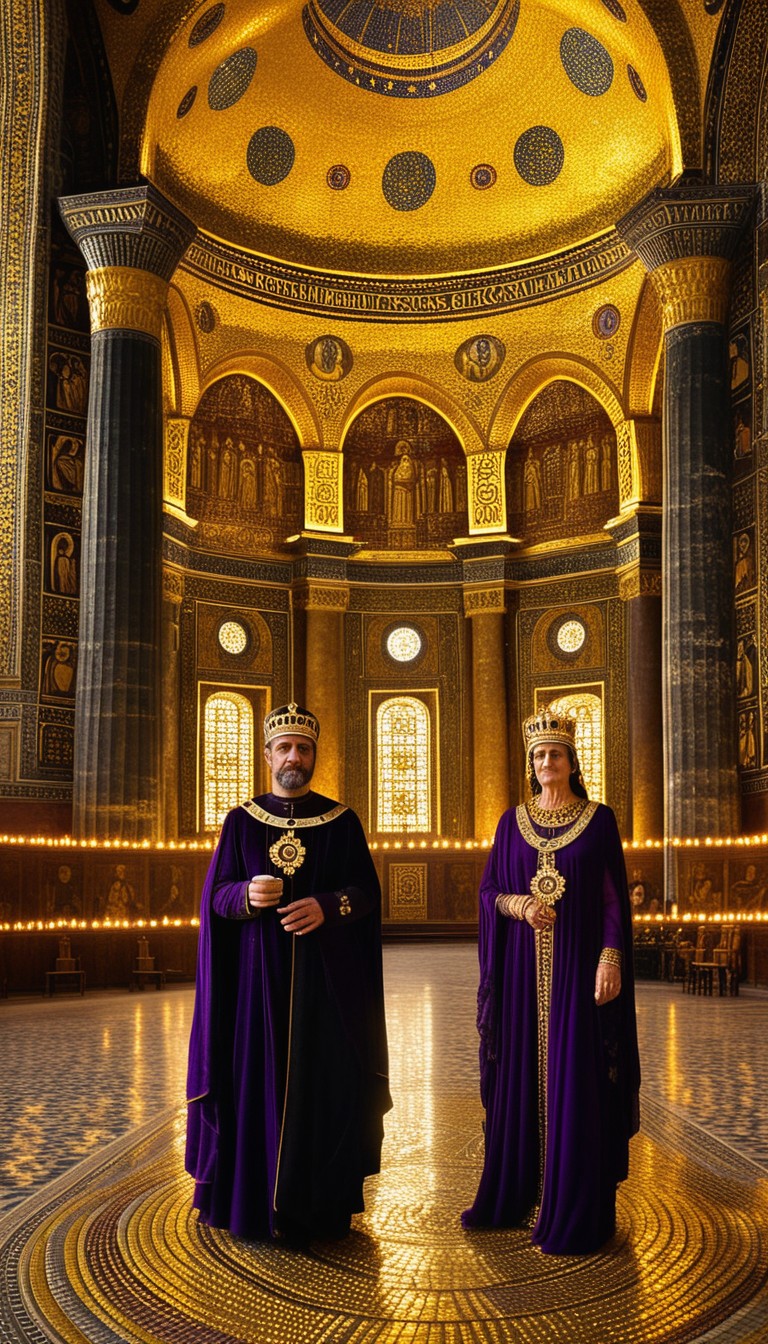
Emperor Justinian I and his brilliant wife Theodora ruled from 527 to 565 AD, steering the empire through its most ambitious era. Justinian launched sweeping military campaigns that temporarily reclaimed North Africa, Italy, and southern Spain from Germanic kingdoms, briefly reuniting much of the old Roman world. Theodora, a former actress of low birth, proved to be Justinian's equal in political cunning and moral courage—famously refusing to flee during the deadly Nika riots of 532, telling her husband that "the purple makes a fine burial shroud." Their crowning achievement was the Hagia Sophia, a cathedral of breathtaking scale and beauty that redefined what architecture could be.
534 AD
Constantinople
Justinian's Code: The Law That Shaped the World
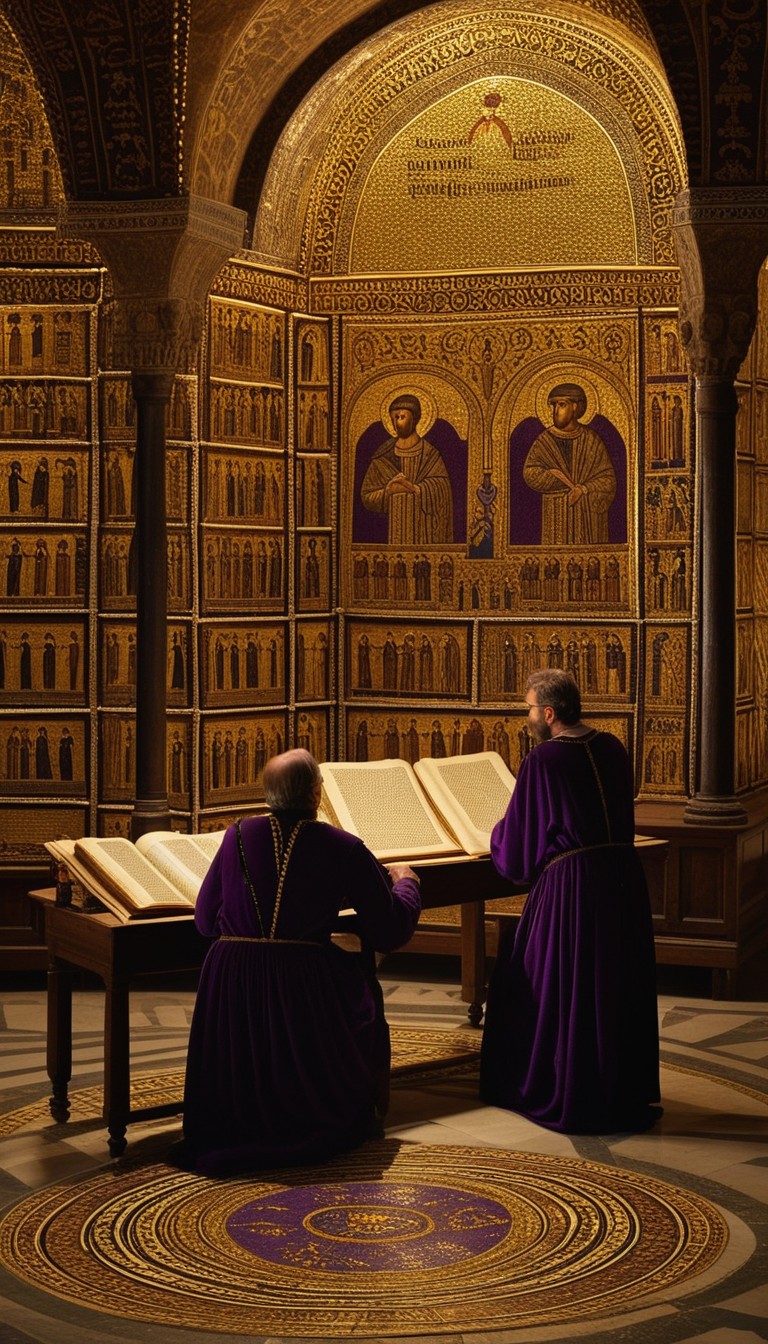
In 534 AD, Justinian completed one of history's most consequential legal projects: the Corpus Juris Civilis, a systematic compilation of all Roman law stretching back centuries. A team of legal scholars under the jurist Tribonian gathered and reconciled thousands of contradictory edicts, rulings, and statutes into a coherent whole. This code did not merely organize the Byzantine legal system—it became the foundation upon which the legal traditions of nearly every Western nation would eventually be built. From the civil codes of France and Spain to the legal systems of Louisiana and Quebec, Justinian's work still shapes how the modern world governs itself.
c. 672 AD
Constantinople
Greek Fire: The Empire's Secret Weapon
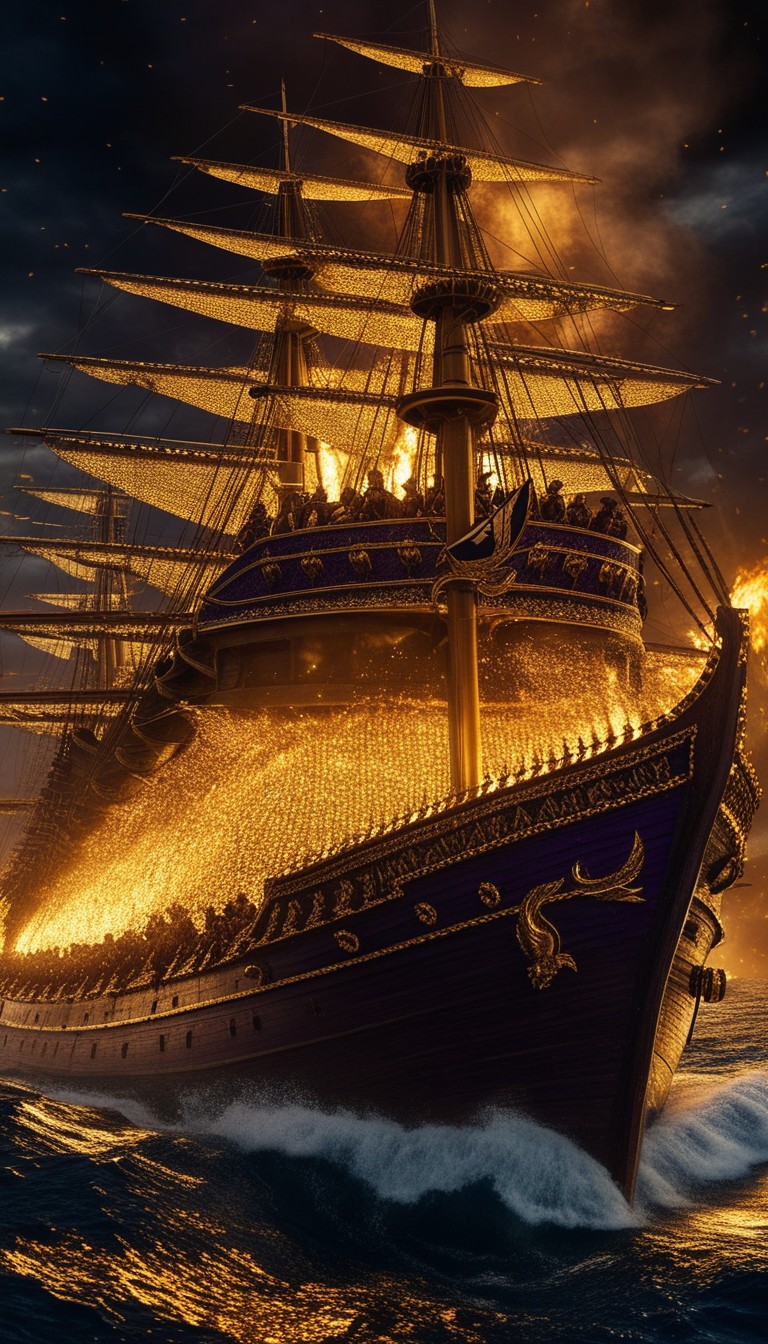
Around 672 AD, the Byzantine navy deployed a terrifying new weapon against the Arab fleets besieging Constantinople: Greek Fire, a liquid incendiary that burned fiercely on water and could not be extinguished by ordinary means. Projected through bronze tubes mounted on warships, it turned the sea itself into an inferno. The formula was a closely guarded state secret, passed down only among a handful of trusted families, and its exact composition remains unknown to this day. Greek Fire saved Constantinople on multiple occasions and gave the Byzantines a decisive naval advantage for centuries, standing as one of history's most consequential military innovations.
726–843 AD
Constantinople
Iconoclasm: The War Over Images
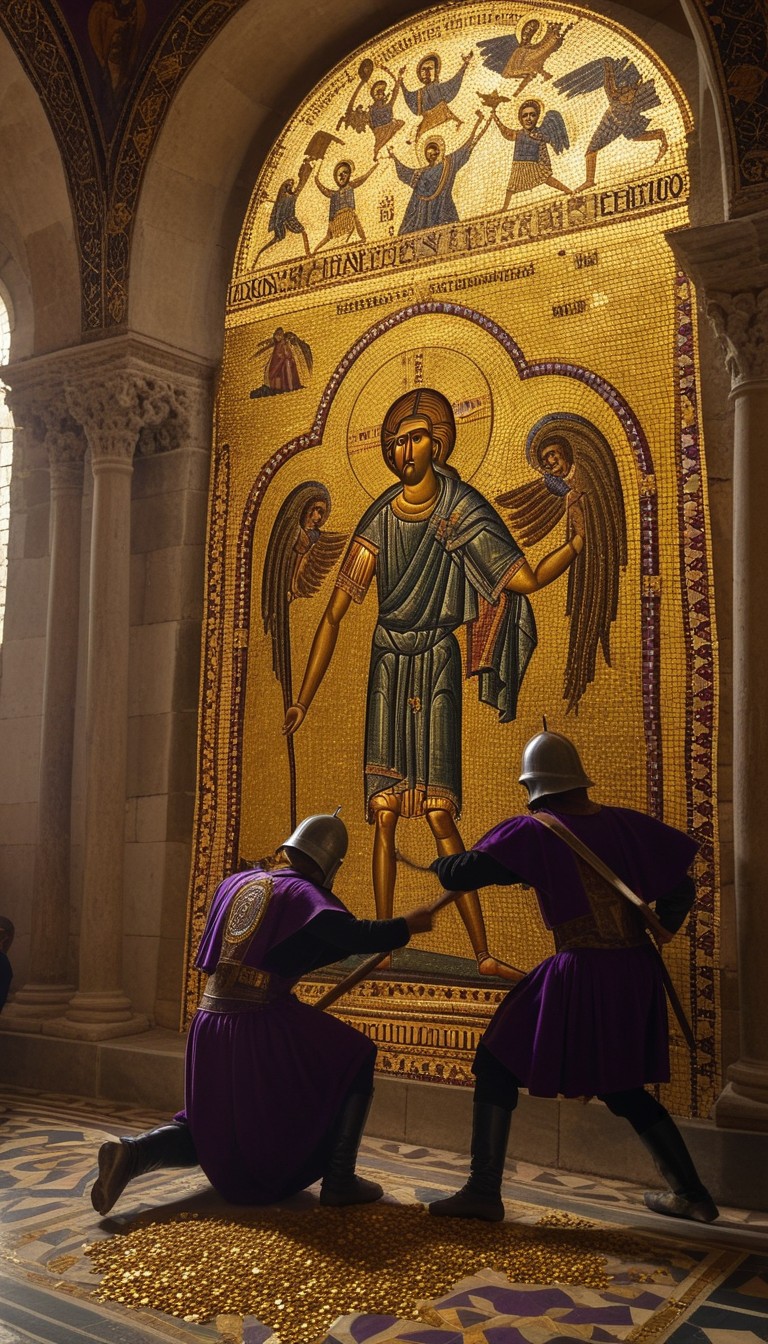
In 726 AD, Emperor Leo III ordered the destruction of religious images throughout the empire, igniting one of the most bitter controversies in Christian history. Iconoclasts—"image breakers"—argued that the veneration of icons was idolatry forbidden by scripture; their opponents, the iconodules, believed sacred images were essential to worship and the faith. The debate tore apart families, monasteries, and the imperial court, with persecutions, torture, and exile inflicted on both sides at different times. The controversy raged on and off for over a century until the Second Council of Nicaea in 787 and a final resolution in 843 restored icon veneration—an outcome that permanently deepened the rift between the Eastern and Western churches.
1054 AD
Constantinople
The Great Schism: Christianity Divides
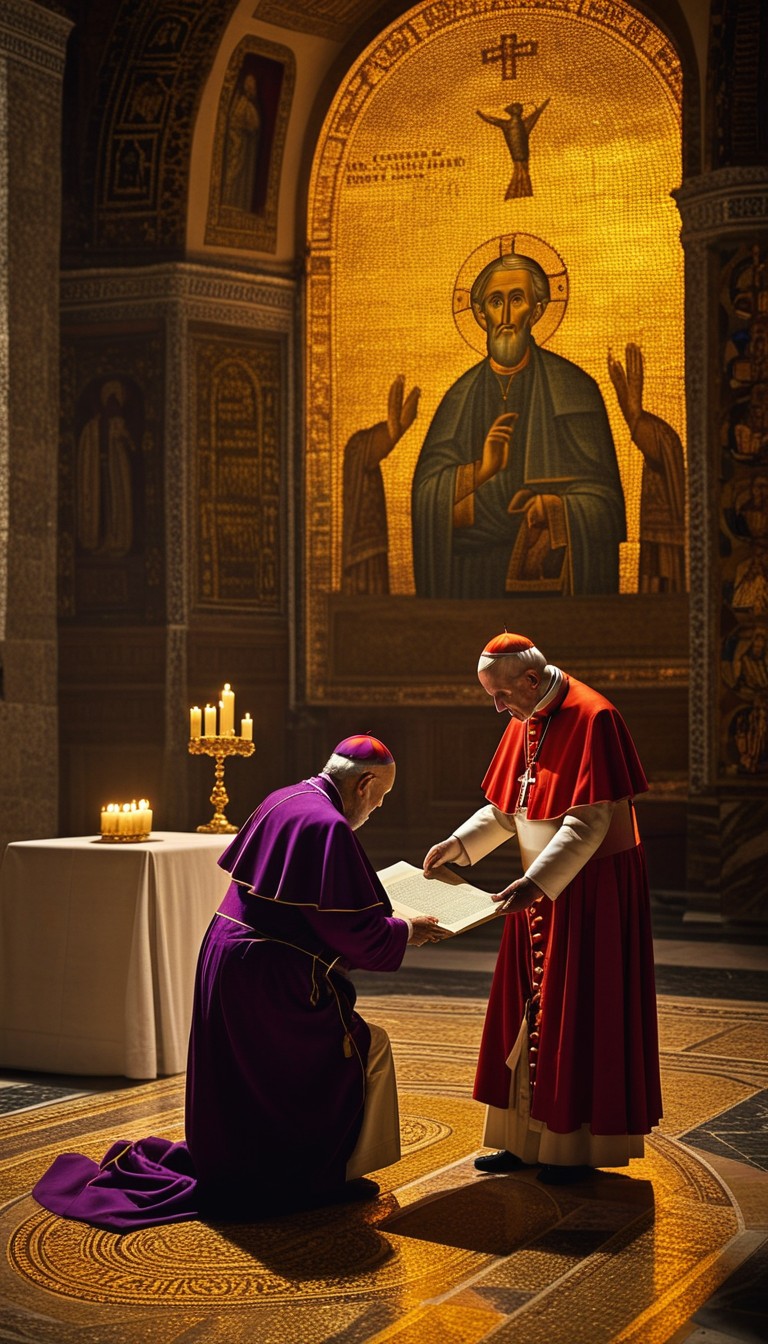
On July 16, 1054, a papal legate named Cardinal Humbert strode into the Hagia Sophia during a service and placed a bull of excommunication on the altar, formally severing the Roman Catholic Church from the Eastern Orthodox Church. The split had been building for centuries over questions of papal authority, the wording of the Nicene Creed, clerical celibacy, and liturgical differences. The Patriarch of Constantinople responded by excommunicating the papal delegation in turn. This Great Schism created the enduring division between Western Catholicism and Eastern Orthodoxy that persists to this day, shaping the religious and cultural identities of hundreds of millions of people across Europe and beyond.
May 1453
Constantinople
The Fall of Constantinople
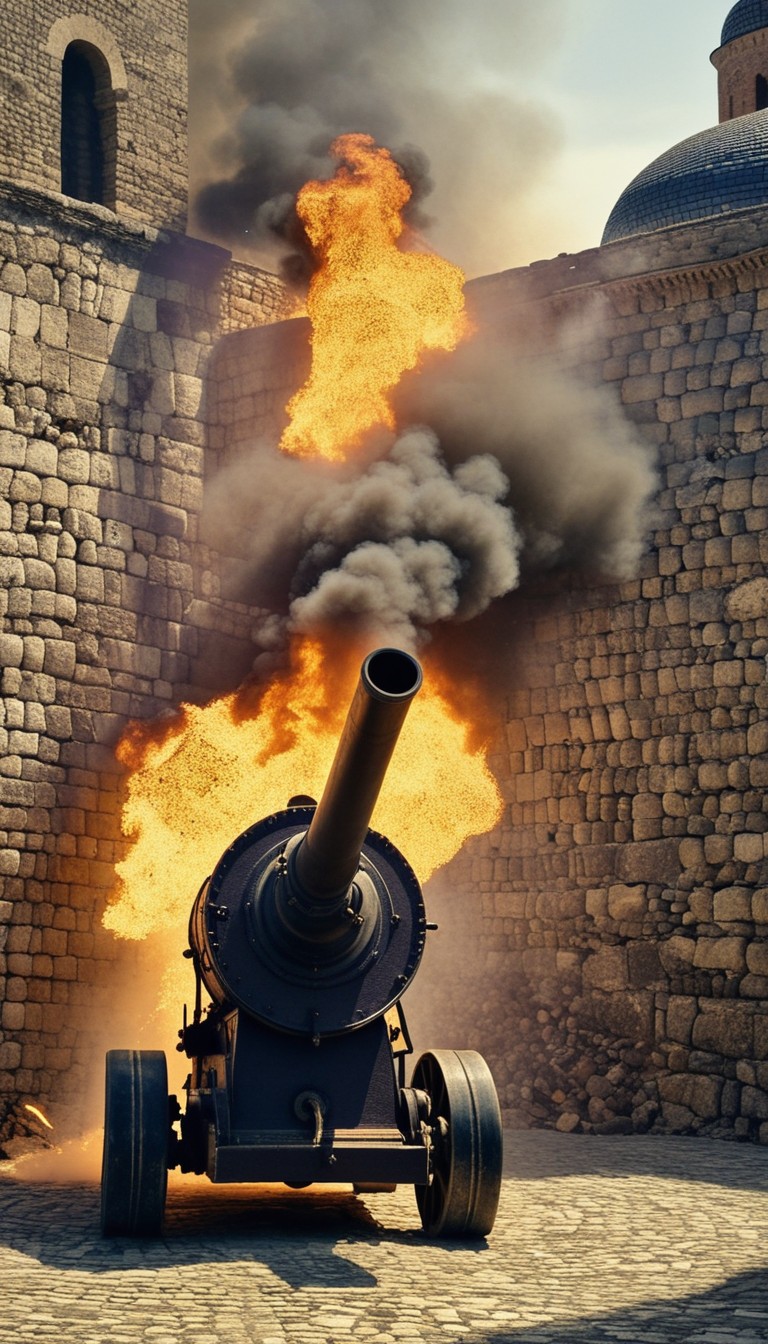
On May 29, 1453, Sultan Mehmed II led an Ottoman army of some 80,000 soldiers against Constantinople's 7,000 defenders. After 53 days of siege, massive bronze cannons—some of the largest ever cast—finally breached the ancient Theodosian Walls that had protected the city for over a thousand years. The last Byzantine emperor, Constantine XI Palaiologos, died fighting in the final breach, reportedly tearing off his imperial insignia to die as a common soldier. The conquest sent shockwaves across Europe, accelerated the migration of Greek scholars westward that helped ignite the Renaissance, and marked the definitive end of the ancient world.
A Thousand Years of Civilization
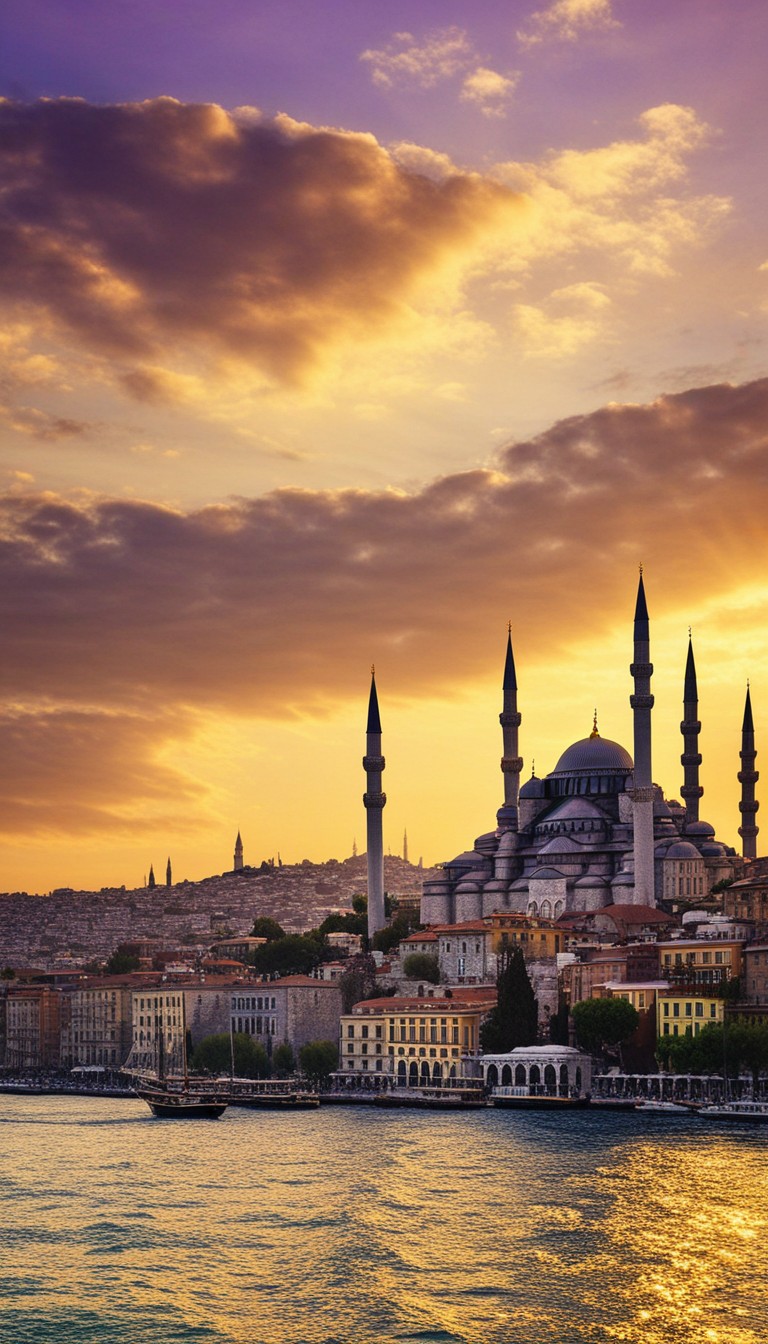
The Byzantine Empire endured for 1,123 years—longer than any other political entity in European history. It preserved the learning of ancient Greece and Rome through the darkest centuries, gave the world a codified legal tradition, sparked the Renaissance, and carried the Christian faith across eastern Europe and Russia. Constantinople, the city Constantine built to outlast Rome itself, ultimately did just that—its culture, law, and faith living on long after its walls finally fell. The Byzantine legacy is woven into the fabric of the modern world, often unseen but impossible to remove.
Recommended Reading
As an Amazon Associate, we earn from qualifying purchases.
Swipe to navigate