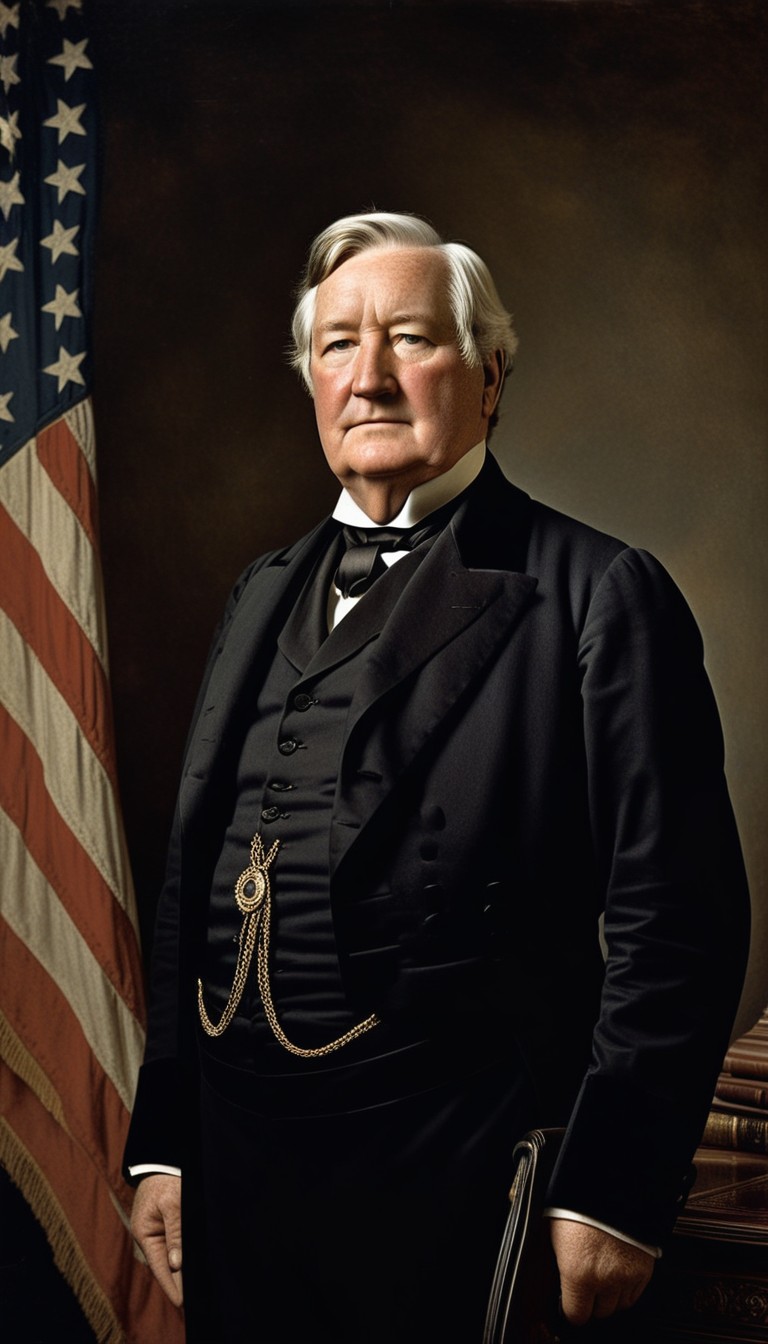
Millard Fillmore (#13): The Compromise President
Loading story...
1800-1823
Cayuga County, New York
Born in a Log Cabin
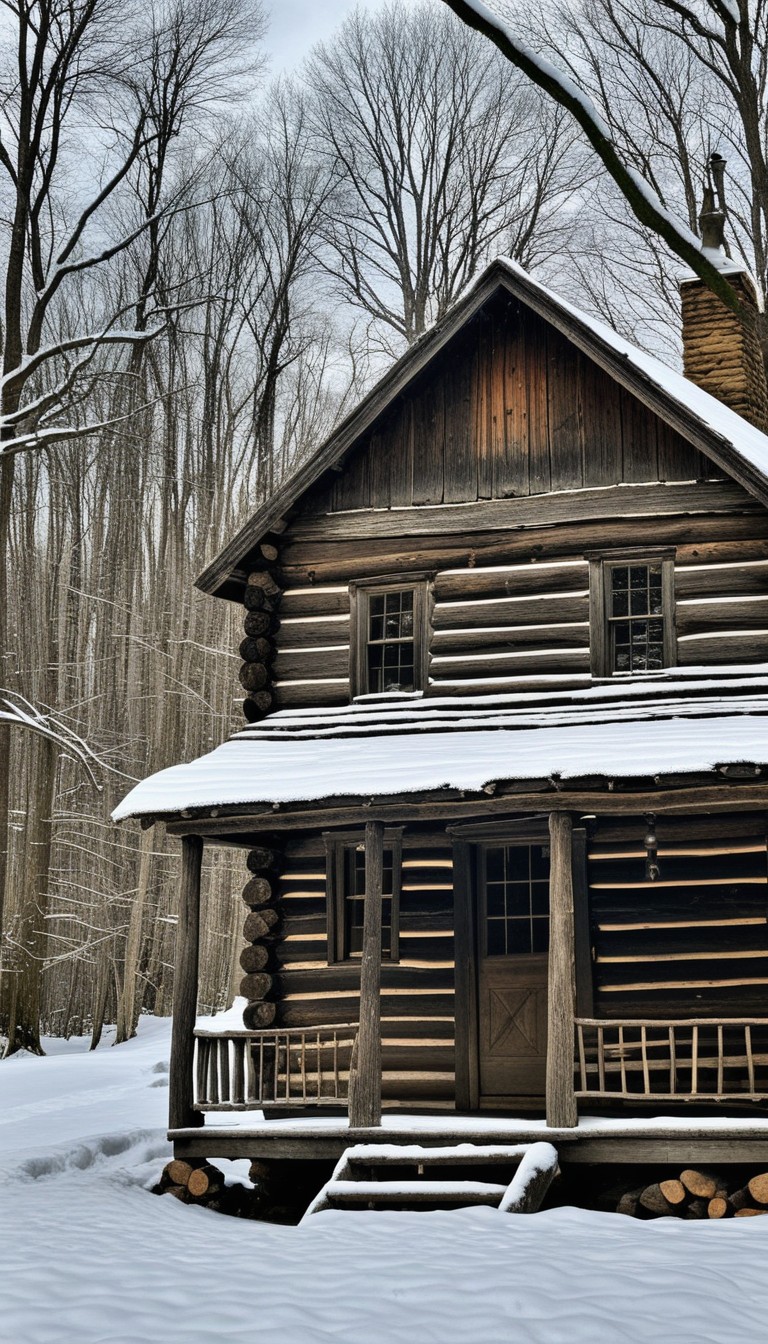
Born in 1800 in a log cabin in the remote Finger Lakes region of New York, Fillmore grew up in genuine poverty. His father was a tenant farmer, and young Millard was apprenticed to a cloth maker at fourteen. He barely had access to books and did not see a dictionary until age nineteen. Through relentless self-education, he taught himself enough to study law.

1823-1830
Buffalo, New York
The Self-Made Lawyer
Fillmore broke his apprenticeship, borrowed money to attend a small academy, and fell in love with his teacher, Abigail Powers. He studied law under a local judge, was admitted to the bar in 1823, and built a successful practice in Buffalo. He and Abigail married in 1826, forming a partnership that valued education and books above all else.
1829-1848
Washington, D.C.
Rise Through Politics
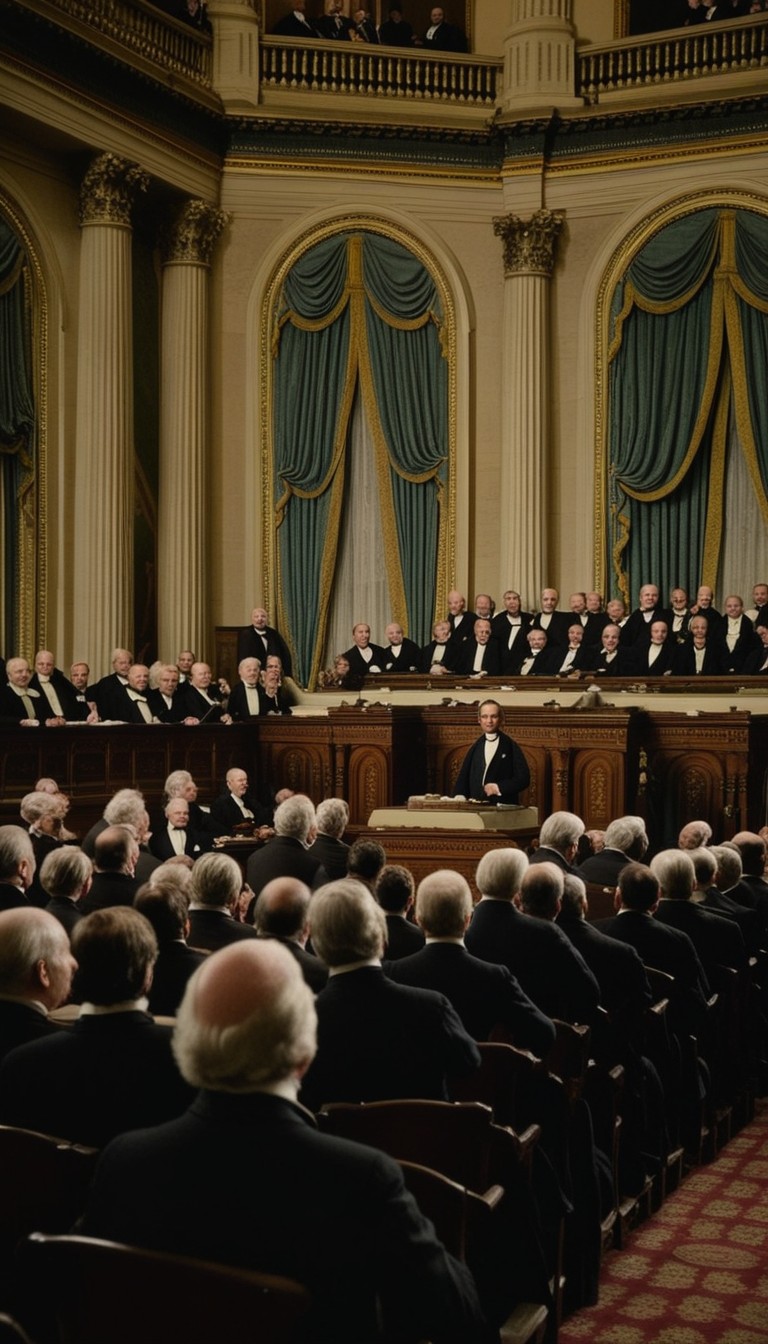
Fillmore entered politics through the Anti-Masonic Party and then joined the Whigs. He served four terms in Congress, where he chaired the powerful Ways and Means Committee and helped craft the Tariff of 1842. He ran for governor of New York in 1844 and lost, but his reputation as a capable, moderate politician from a key state made him attractive as a vice-presidential candidate.
July 1850
Washington, D.C.
The Accidental President
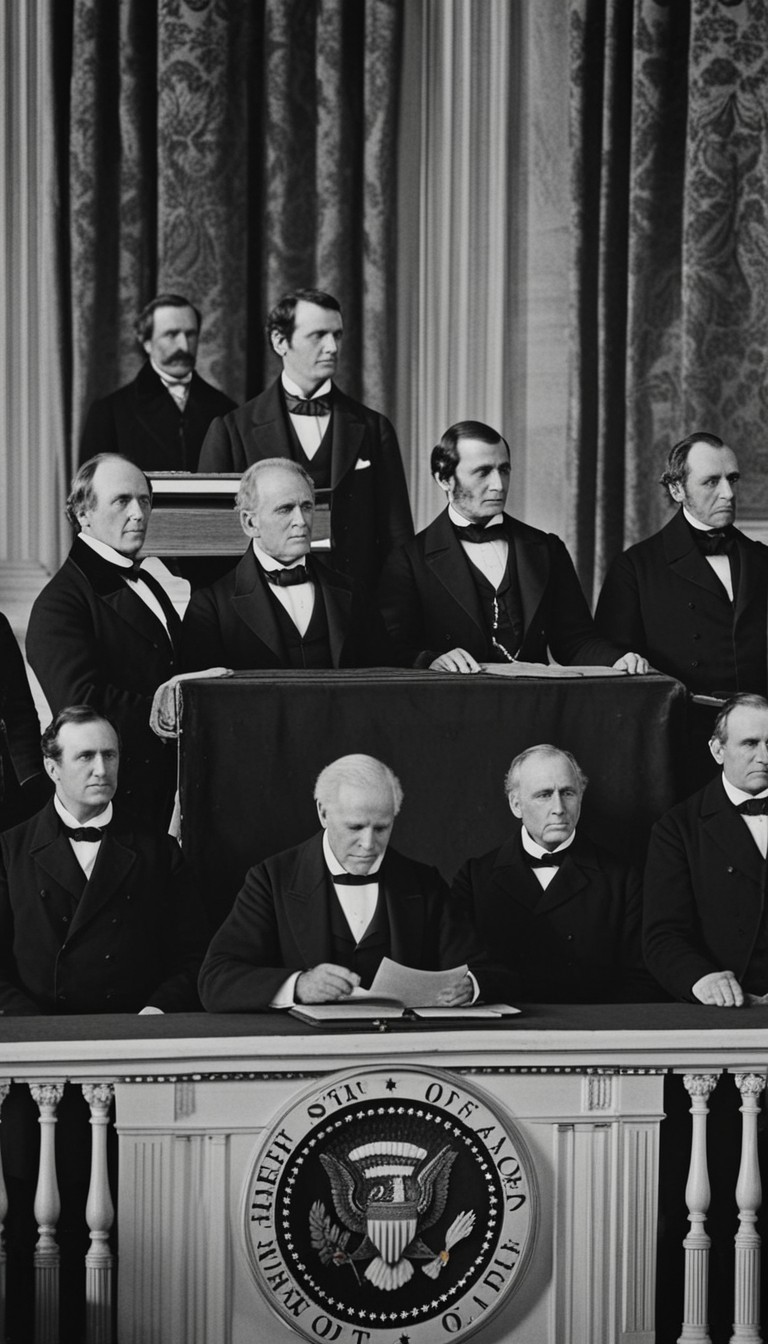
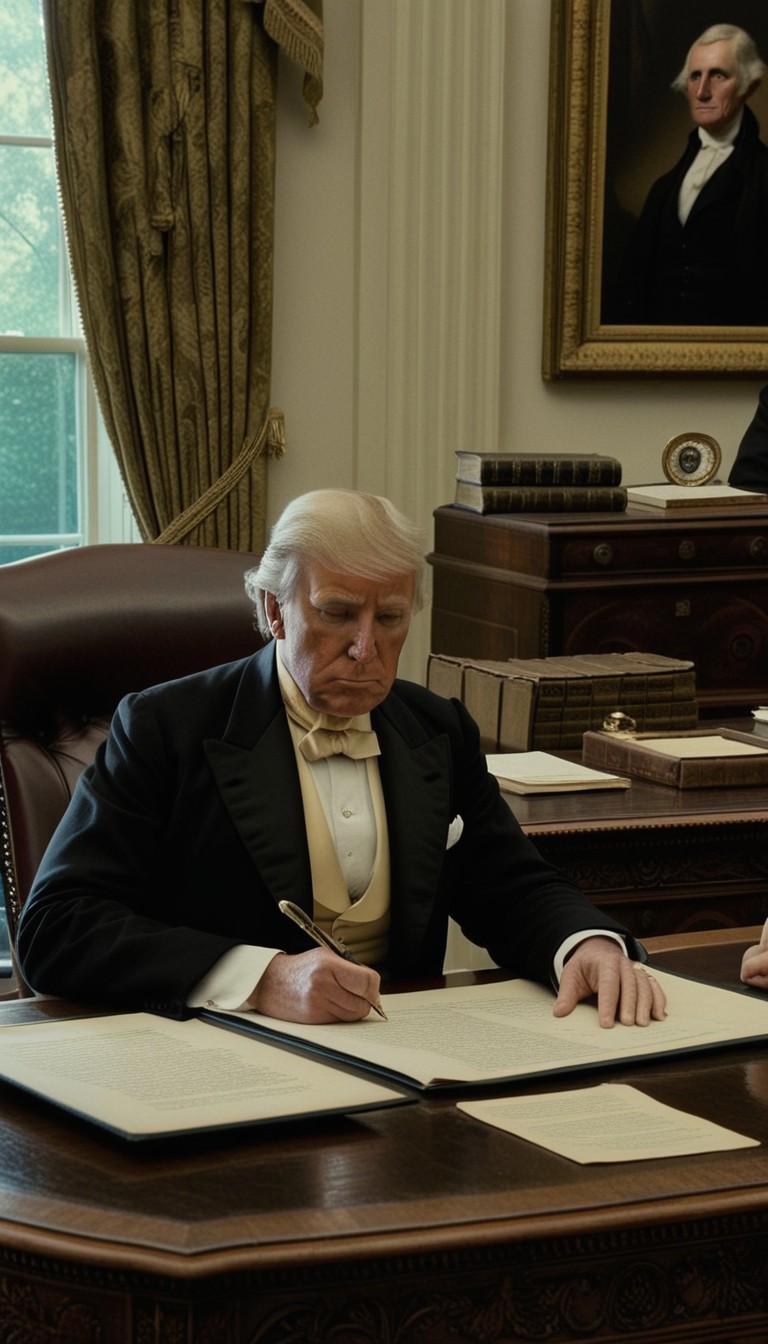
When Zachary Taylor died on July 9, 1850, Fillmore became the second vice president elevated to the presidency by death. He immediately reversed Taylor's position on the Compromise of 1850, accepting his entire cabinet's resignations and signaling that he would sign Henry Clay's grand bargain. Within two months, the course of the nation had fundamentally shifted.
September 1850
Washington, D.C.
The Compromise of 1850
Fillmore signed all five bills of the Compromise of 1850: California entered as a free state, the slave trade was abolished in Washington D.C., the territories of New Mexico and Utah were organized with popular sovereignty on slavery, and the Fugitive Slave Act required Northerners to return escaped enslaved people. Fillmore believed he had saved the Union. He had also lit a fuse.
1850-1852
Northern United States
The Fugitive Slave Act
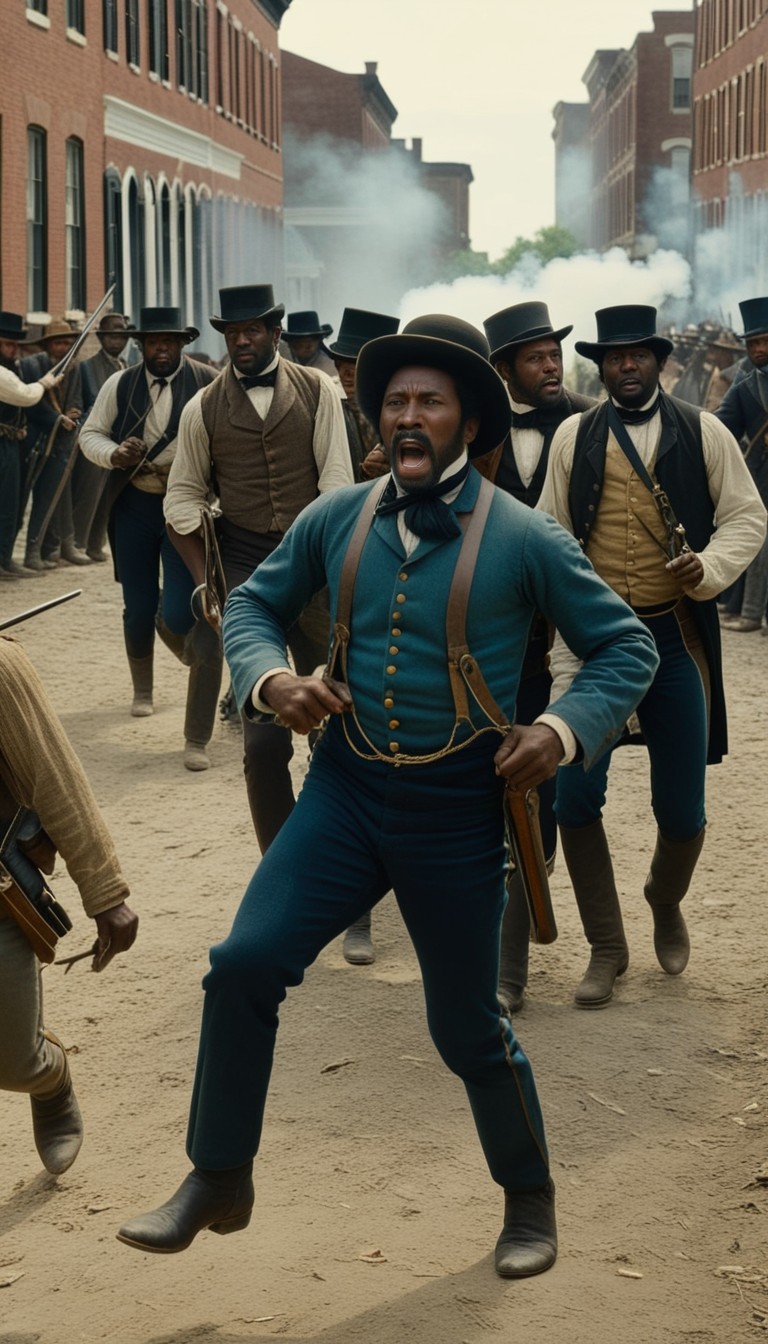
The Fugitive Slave Act enraged the North. Federal marshals dragged free Black people and escaped enslaved individuals back to bondage. Northern states passed "personal liberty laws" to resist. Harriet Beecher Stowe wrote Uncle Tom's Cabin in response. Fillmore enforced the law vigorously, believing constitutional obligations required it, but the moral cost was catastrophic for his legacy.
1852-1853
Pacific Ocean
Opening Japan
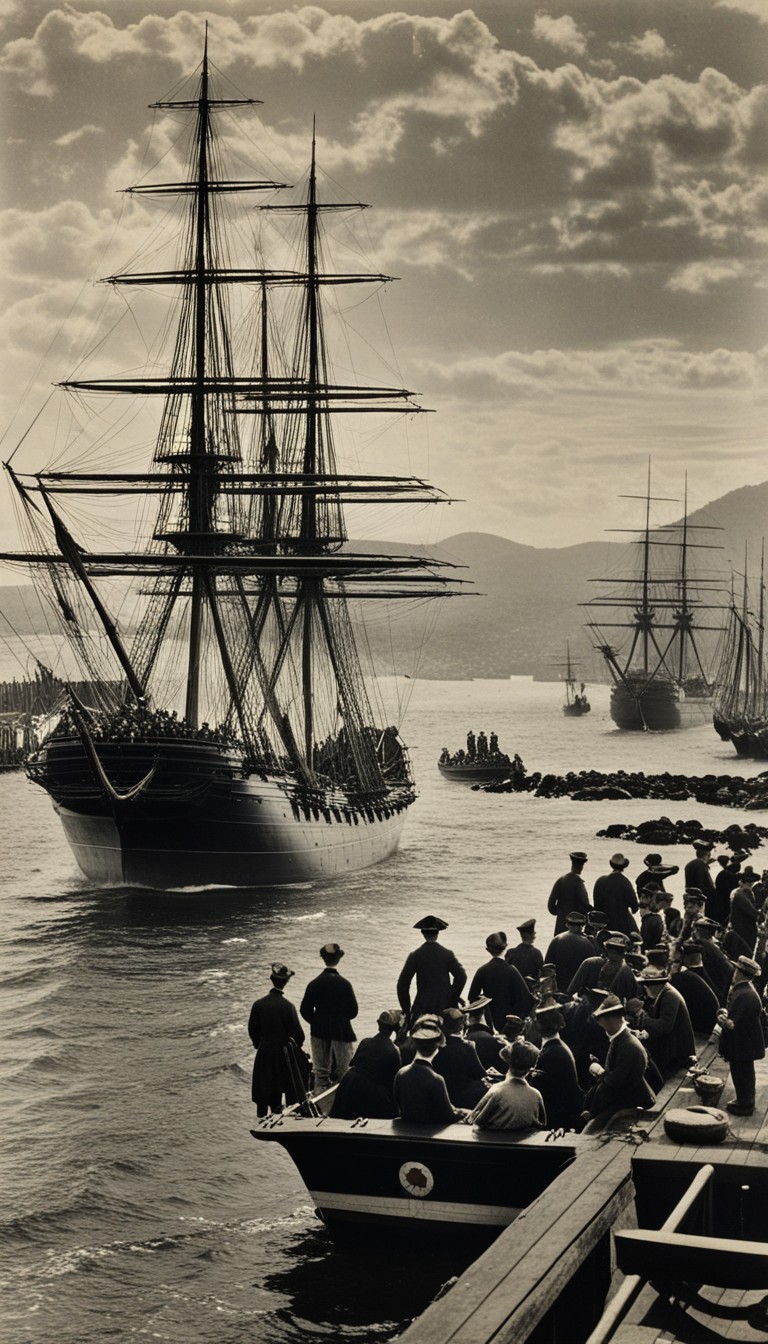
Fillmore's most forward-looking achievement was sending Commodore Matthew Perry to Japan with a letter requesting trade relations. Perry's expedition in 1853 would end over two centuries of Japanese isolation and begin a new era of American influence in the Pacific. Fillmore envisioned America as a global trading power, not just a continental one.
1856
United States
The Know-Nothing Candidate
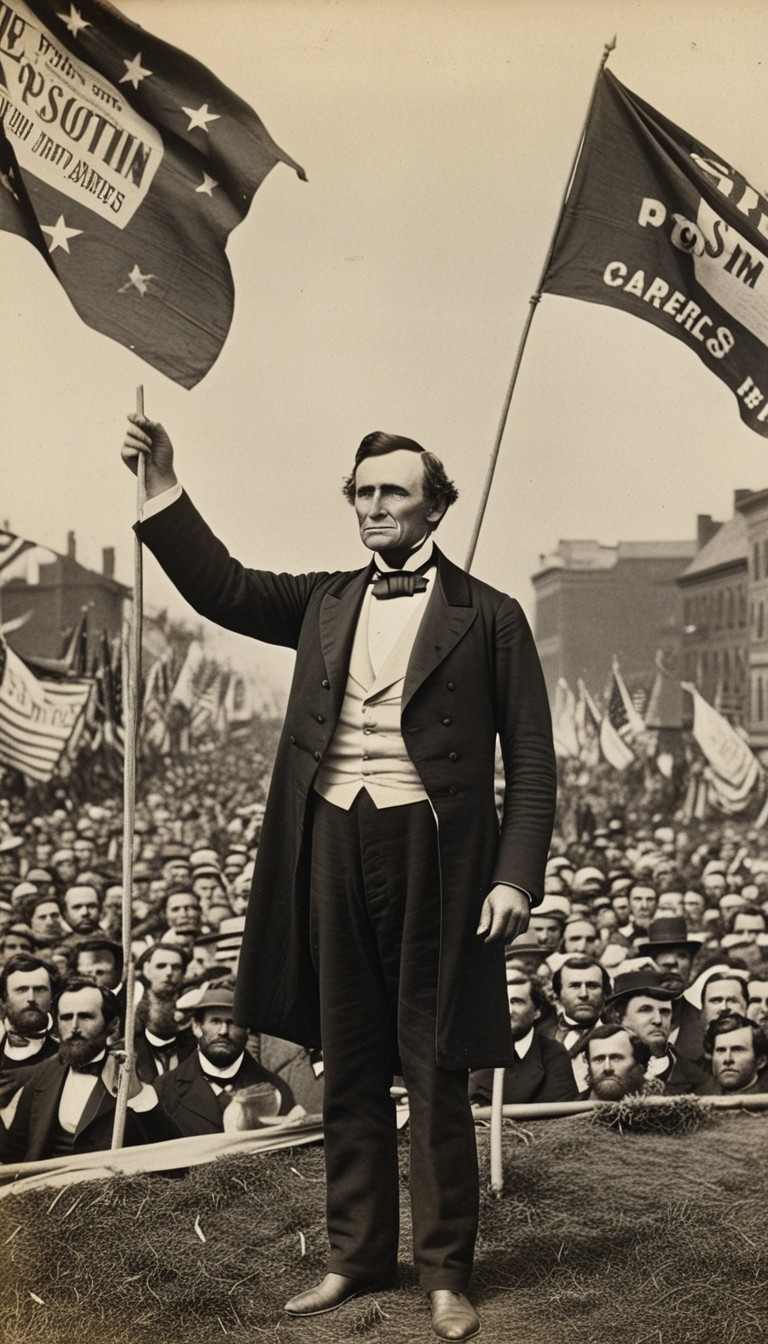
Denied renomination by the Whigs in 1852, Fillmore ran for president again in 1856 as the candidate of the nativist Know-Nothing Party, which opposed immigration and Catholicism. He won only Maryland, carrying just eight electoral votes. It was a sad coda to his political career, associating the former president with bigotry and fear rather than the compromise he had championed.
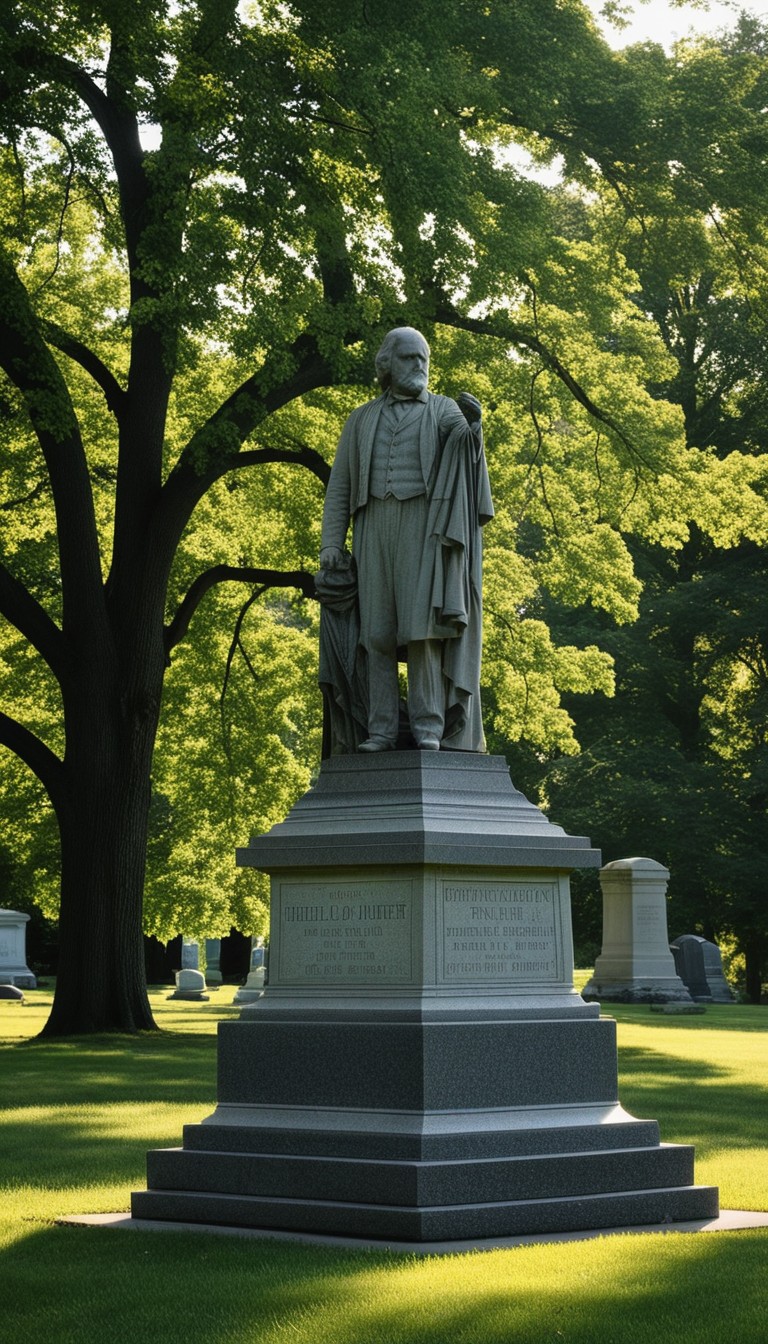
A Cautionary Tale
Millard Fillmore's story is one of remarkable self-improvement and tragic political choices. He rose from the deepest poverty to the presidency through talent and determination, but his enforcement of the Fugitive Slave Act and his later association with nativism tarnished his legacy. He died in 1874 in Buffalo, largely forgotten by the nation he once led.
Recommended Reading
As an Amazon Associate, we earn from qualifying purchases.
Swipe to navigate