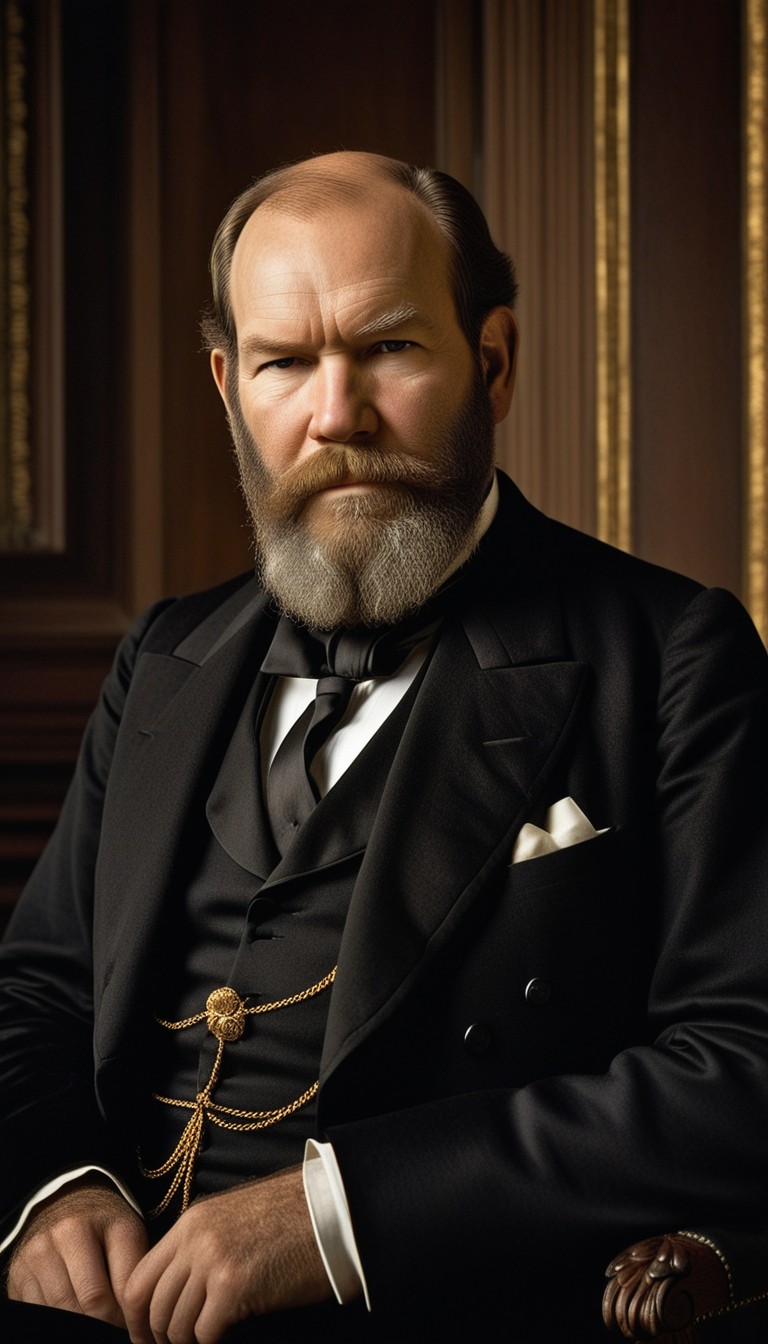
James A. Garfield (#20): The Preacher President
Loading story...
1831-1849
Orange Township, Ohio
The Last Log Cabin President
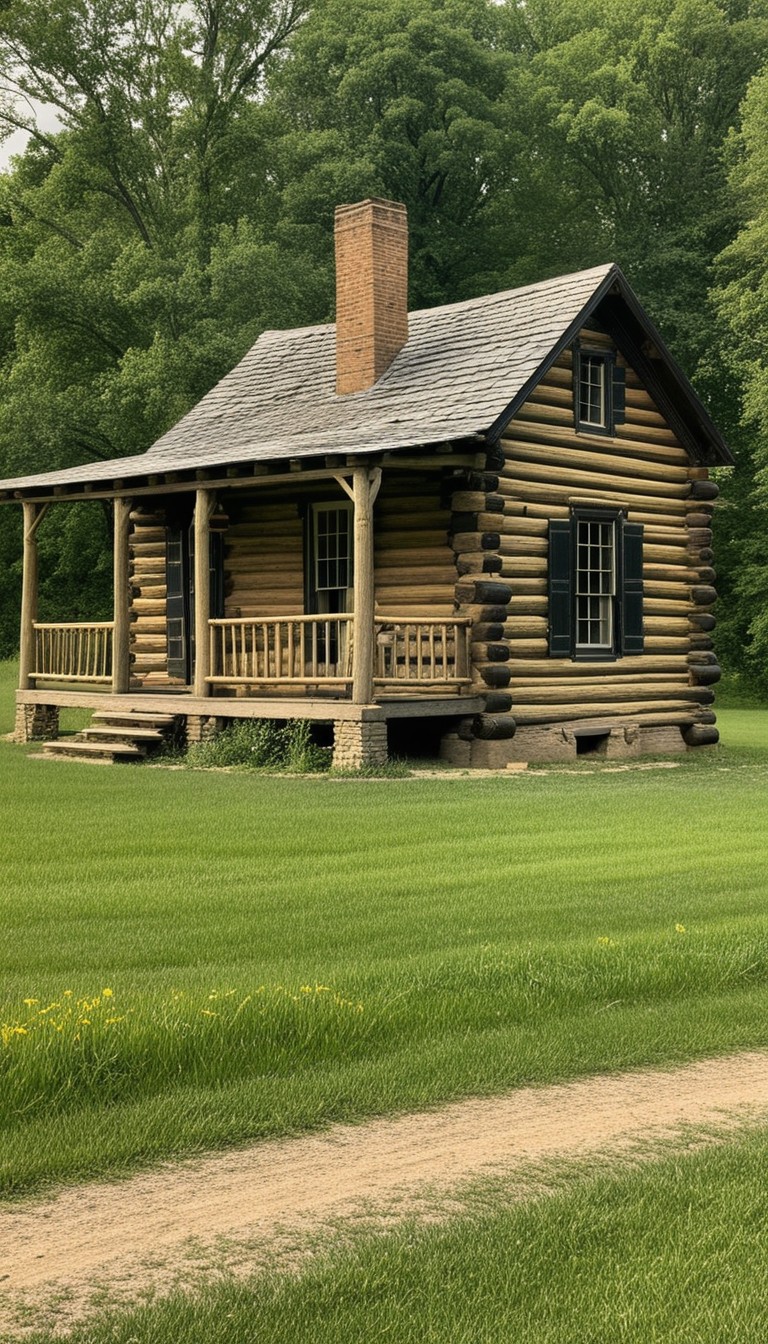
Born on November 19, 1831, in a log cabin in Orange Township, Ohio, James Garfield was the last president born in such humble circumstances. His father died when he was eighteen months old, leaving his mother to raise four children in poverty. Young James dreamed of going to sea, but after a brief stint working on a canal boat, he turned to education instead.

1851-1861
Ohio & Massachusetts
Scholar and Preacher
Garfield worked his way through school as a janitor and carpenter, eventually attending Williams College in Massachusetts. He became a classics professor and at just twenty-six was named president of the Western Reserve Eclectic Institute in Hiram, Ohio. He was also an ordained minister in the Disciples of Christ church. His intellectual gifts were extraordinary: he could simultaneously write in Latin with his left hand and Greek with his right.
1861-1863
Kentucky & Tennessee
The Scholar Turns Soldier
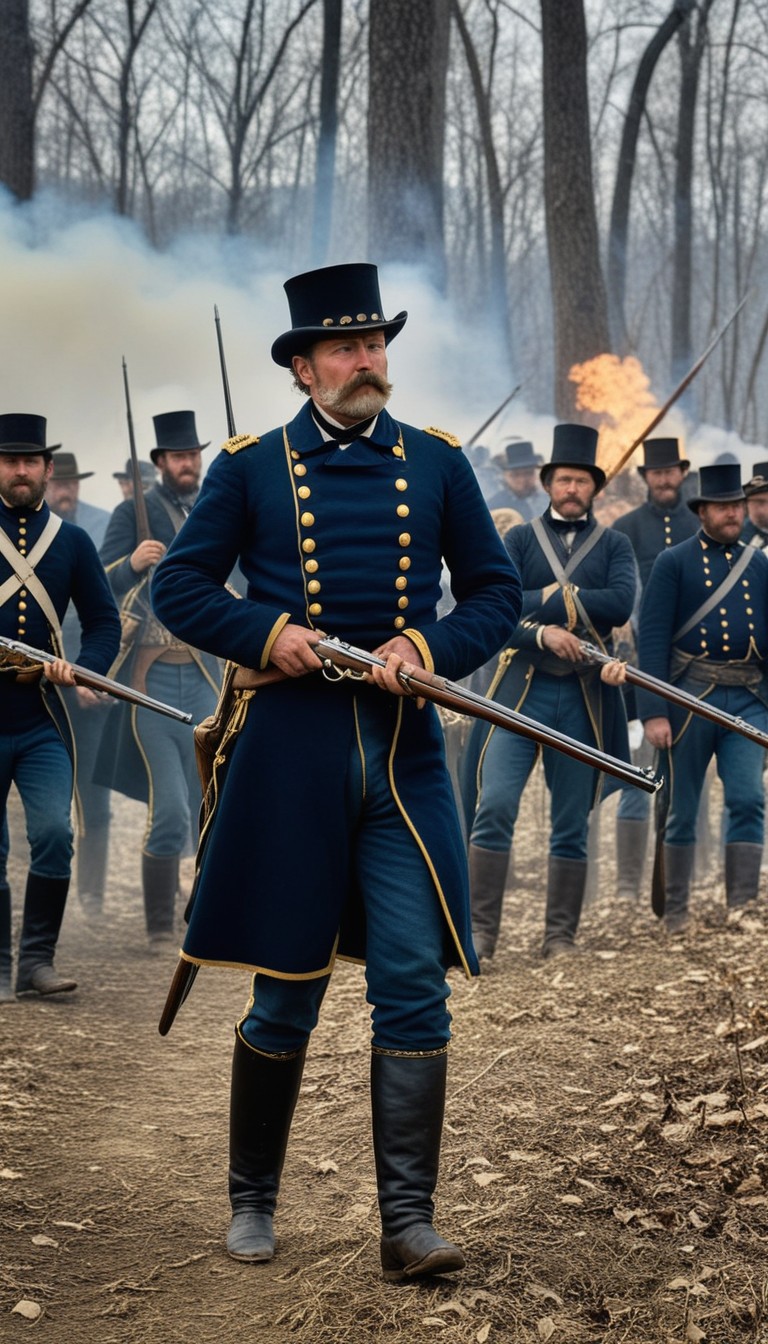
When the Civil War broke out, Garfield organized a volunteer regiment and led them to victory at the Battle of Middle Creek in Kentucky in January 1862, driving Confederate forces from eastern Kentucky. He fought at Shiloh and Chickamauga, rising to major general at age thirty-one. Lincoln personally asked him to resign his commission to serve in Congress, where his intellect was needed more.
1863-1880
Washington, D.C.
Seventeen Years in Congress
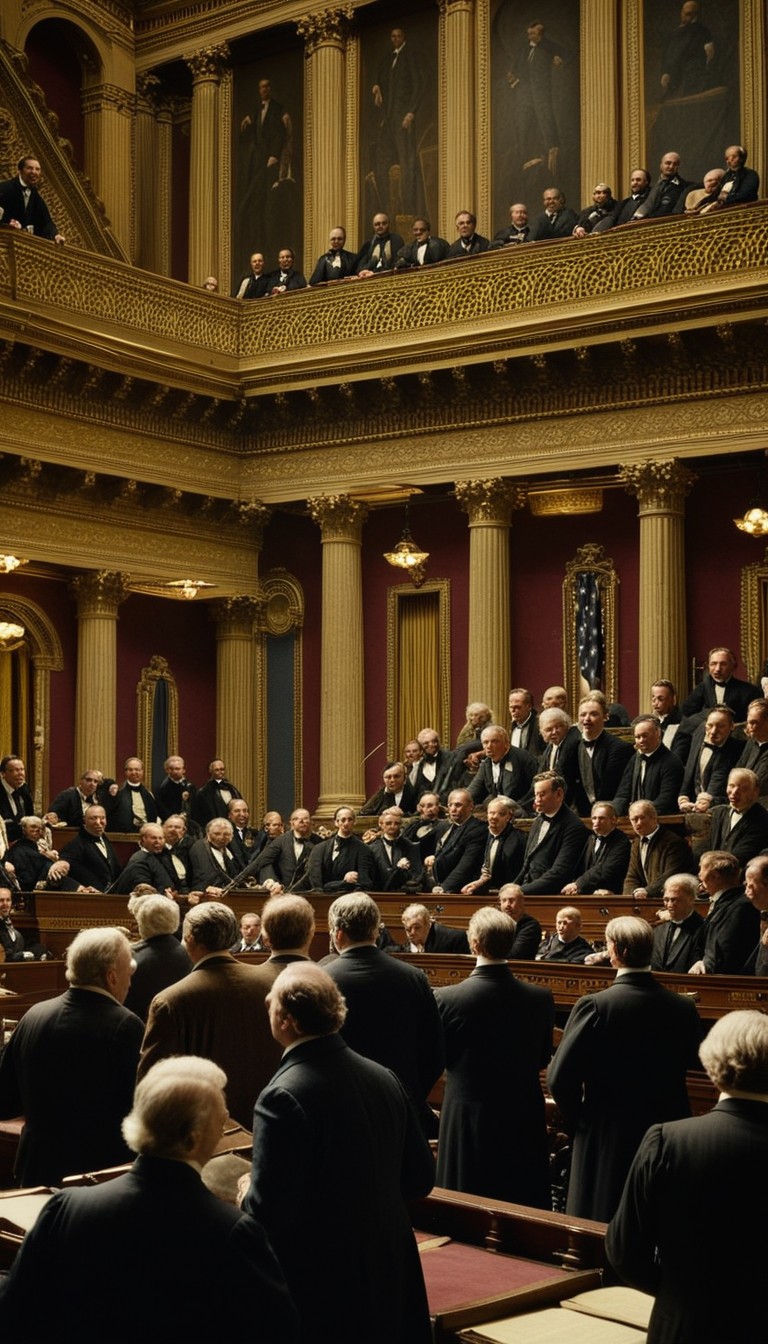
Garfield served nine terms in the House of Representatives, becoming one of the most influential members of Congress. He championed civil rights, sound money, and education. As a member of the Electoral Commission, he helped resolve the disputed 1876 election. By 1880, he was the Republican leader in the House and a respected voice on fiscal policy.
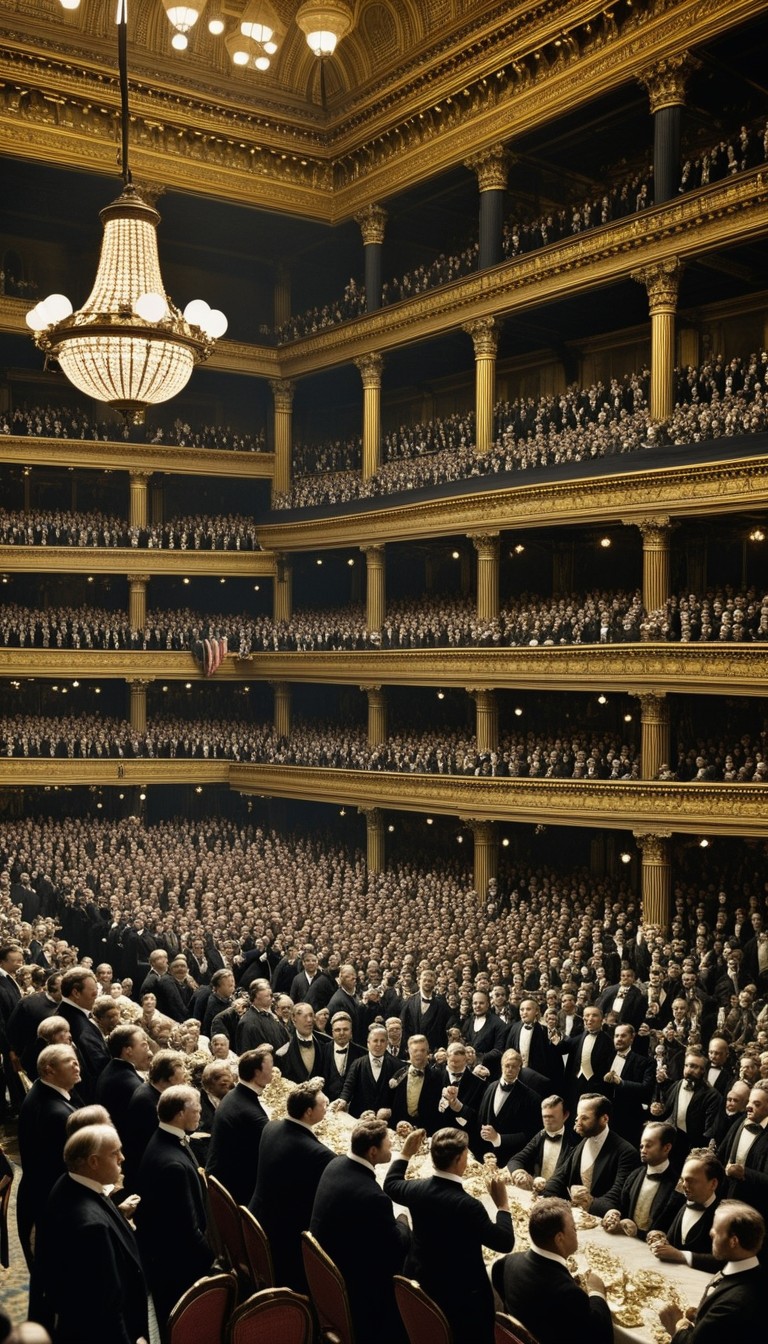
1880
Chicago, Illinois
The Dark Horse Nominee
Garfield went to the 1880 Republican convention to nominate his friend John Sherman. After thirty-five ballots deadlocked between three candidates, delegates turned to Garfield himself as a compromise choice on the thirty-sixth ballot. He had not sought the nomination and was genuinely stunned. He won the general election by fewer than ten thousand popular votes out of nine million cast.
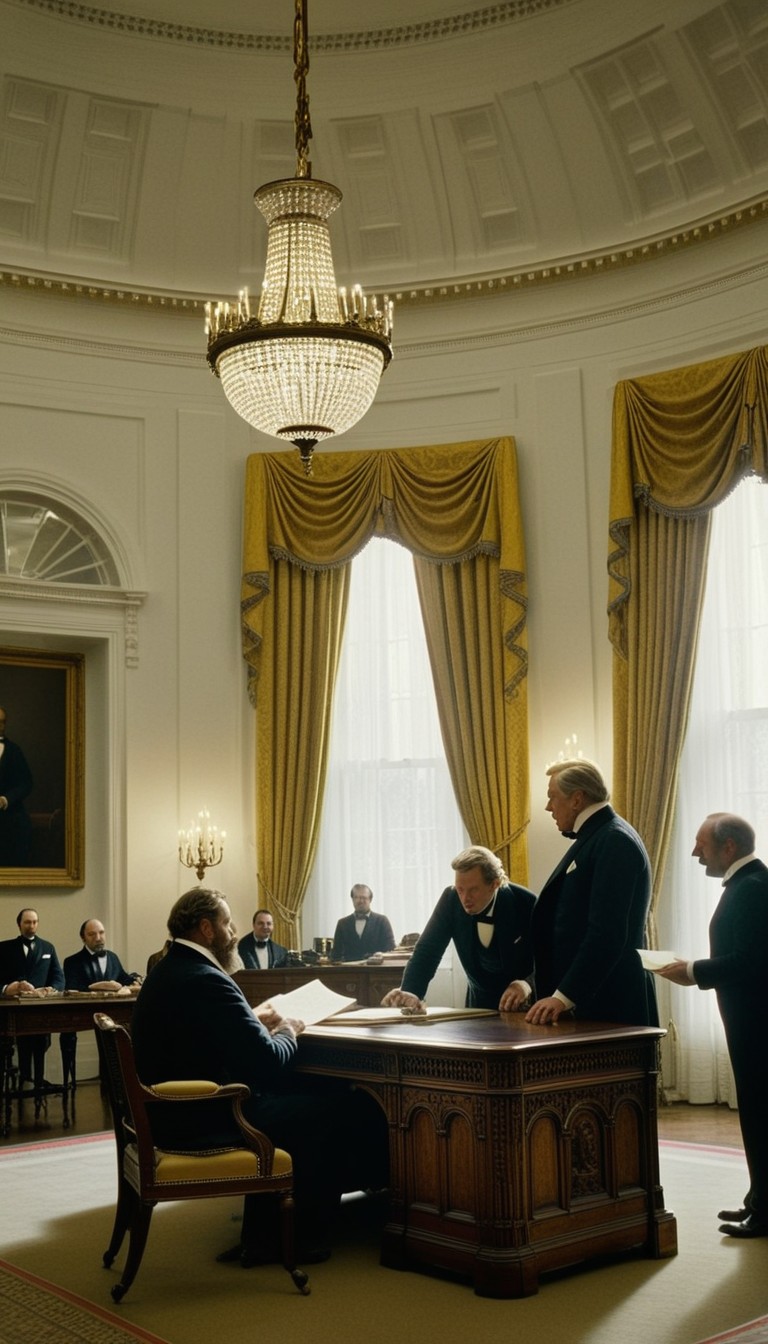
1881
Washington, D.C.
Battling the Spoils System
From his first day in office, Garfield was besieged by office seekers demanding patronage jobs. He wrote in exasperation: "My God! What is there in this place that a man should ever want to get into it?" He clashed with powerful Senator Roscoe Conkling over control of the New York Custom House, asserting presidential authority over appointments and striking a blow against the corrupt spoils system.
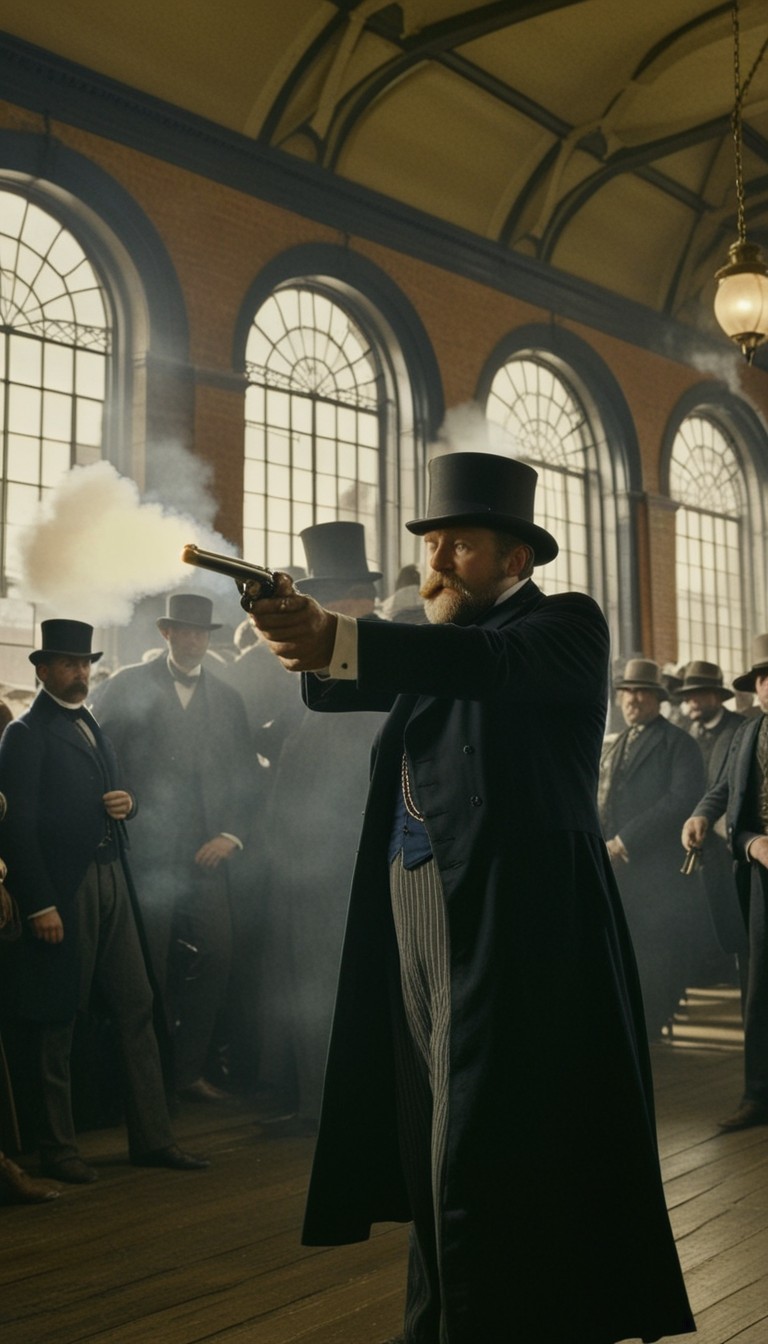
July 2, 1881
Washington, D.C.
Shot by a Disappointed Office Seeker
On July 2, 1881, just four months into his presidency, Charles Guiteau shot Garfield at the Baltimore and Potomac Railroad Station. Guiteau, a deranged lawyer who believed he was owed a diplomatic post, shouted: "I am a Stalwart of the Stalwarts! Arthur is president now!" Garfield survived the initial shooting but doctors made things worse, probing the wound with unsterilized fingers and instruments.
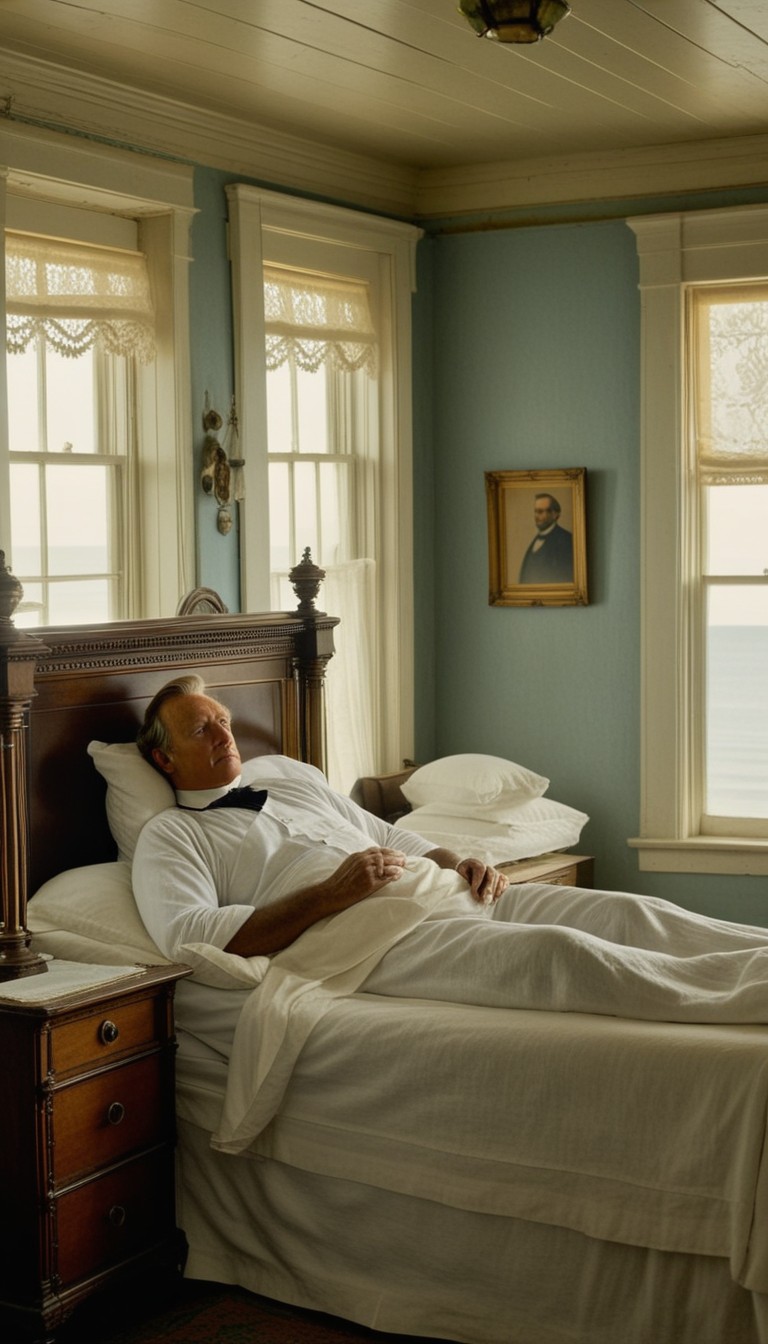
September 19, 1881
Elberon, New Jersey
Eighty Days of Suffering
Garfield lingered for eighty agonizing days as infection ravaged his body. Alexander Graham Bell invented a metal detector to find the bullet, but the device was foiled by the bed's metal springs. The president was moved to a seaside cottage in Elberon, New Jersey, where railroad workers laid tracks overnight so his train could reach the door. He died on September 19, 1881, at age forty-nine. The nation mourned deeply.
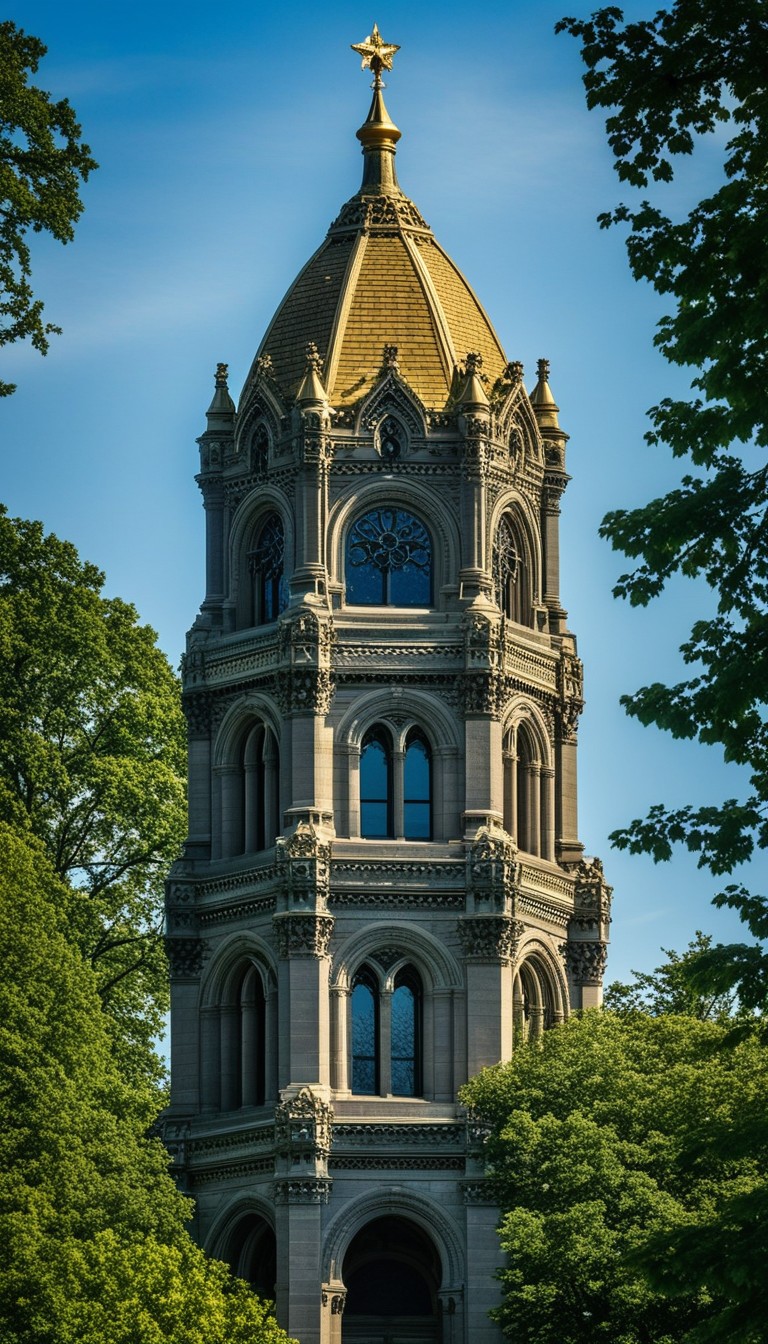
A Death That Changed a Nation
James Garfield's assassination by a frustrated office seeker horrified the nation and gave irresistible momentum to civil service reform. Within two years, Congress passed the Pendleton Civil Service Reform Act, replacing the corrupt spoils system with merit-based hiring. Garfield's brief presidency and tragic death accomplished what years of debate could not: it transformed how America governs itself.
Recommended Reading
As an Amazon Associate, we earn from qualifying purchases.
Swipe to navigate