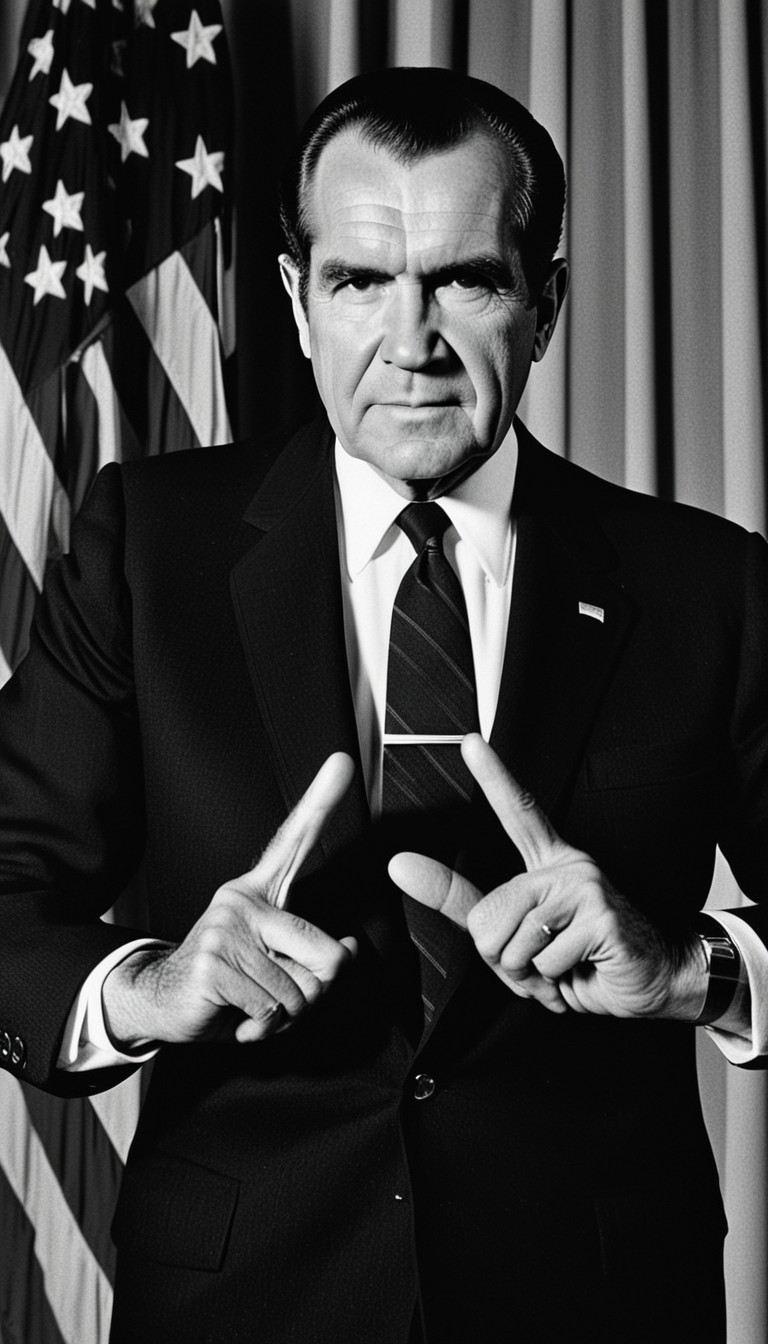
Richard Nixon (#37): Triumph and Disgrace
Loading story...
1913-1937
Yorba Linda, California
A Scrappy Kid from Yorba Linda
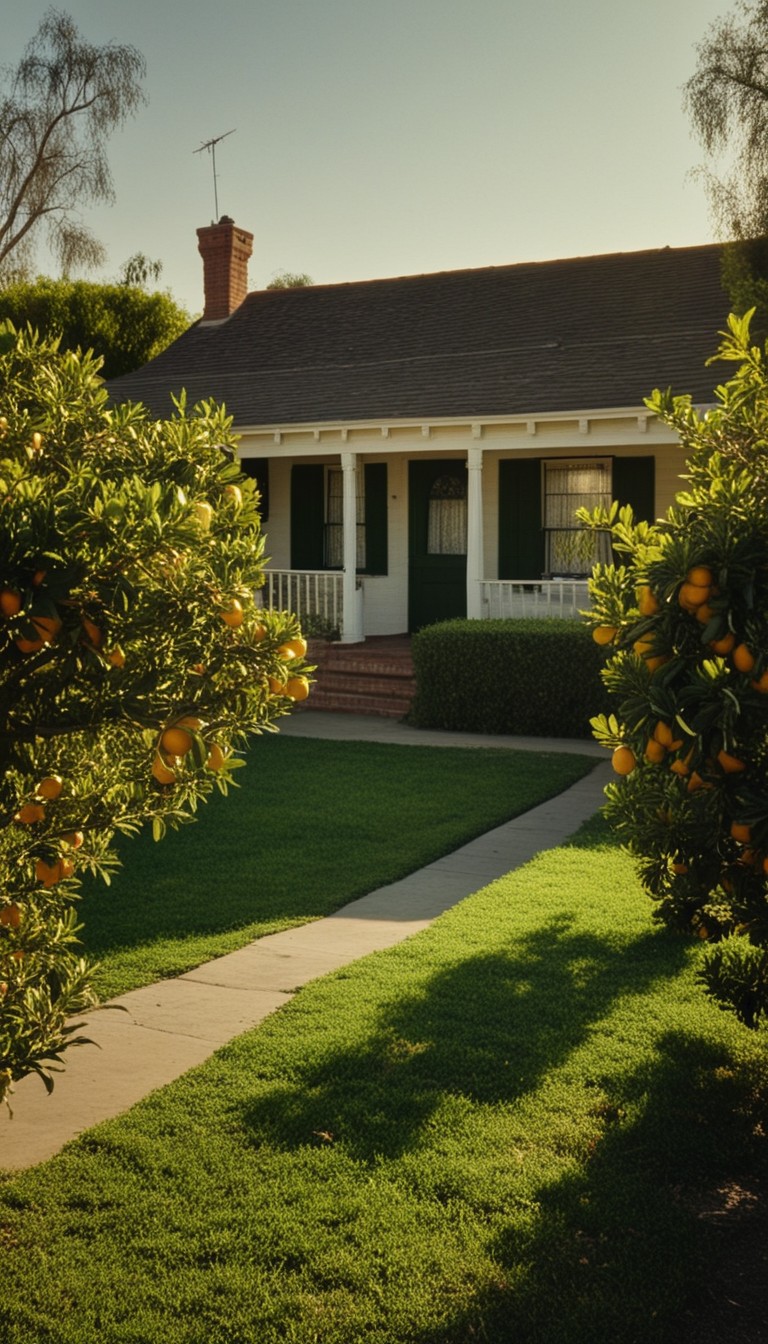
Born in 1913 in a small house his father built in Yorba Linda, California, Nixon grew up in modest circumstances. Two of his brothers died of tuberculosis. He was brilliant but awkward, earning a scholarship to Duke Law School. His hardscrabble upbringing gave him a relentless drive--and a deep resentment of elites that would define his political career.
1946-1960
Washington, D.C.
Rise Through Red-Hunting
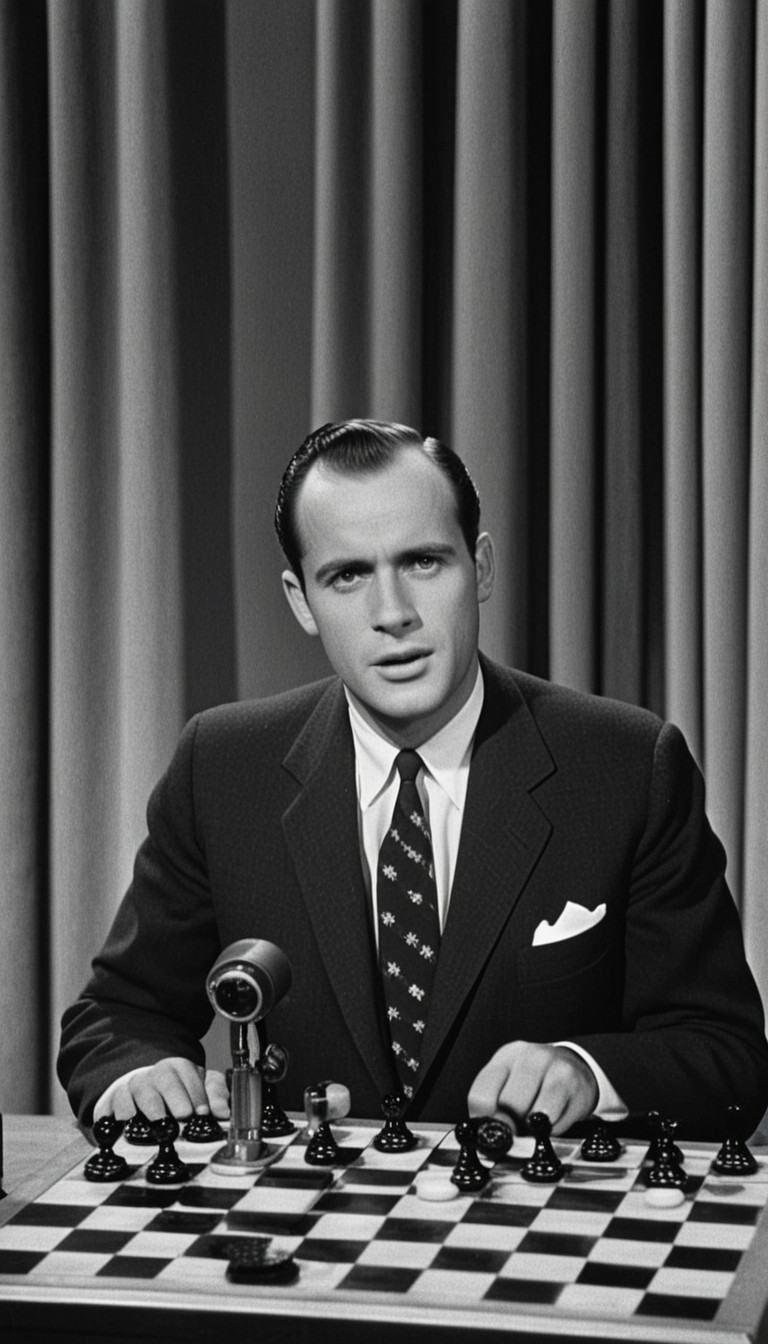
Nixon rocketed to national fame in 1948 by pursuing the Alger Hiss espionage case as a young congressman. He won a Senate seat in 1950 and became Eisenhower's vice president at just 39. When accused of maintaining a secret fund, he saved his career with the famous "Checkers speech," appealing directly to television viewers--a medium he would later both master and be undone by.
1962-1968
United States
The Comeback
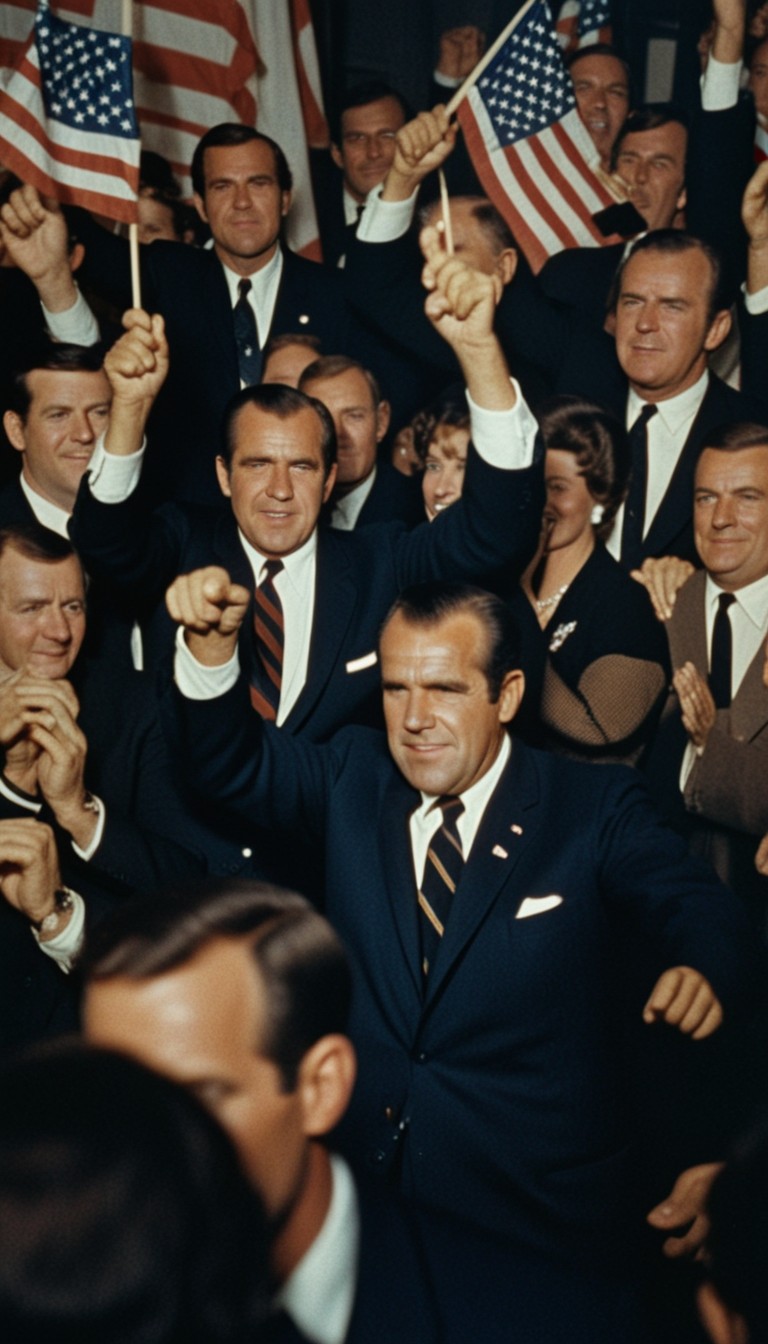
After losing the 1960 presidential race to Kennedy and the 1962 California governor's race, Nixon told reporters: "You won't have Nixon to kick around anymore." Everyone wrote him off. Six years later, running on "law and order" amid Vietnam chaos and urban riots, he pulled off one of the greatest political comebacks in American history, winning the 1968 election.
February 1972
Beijing, China
Opening China
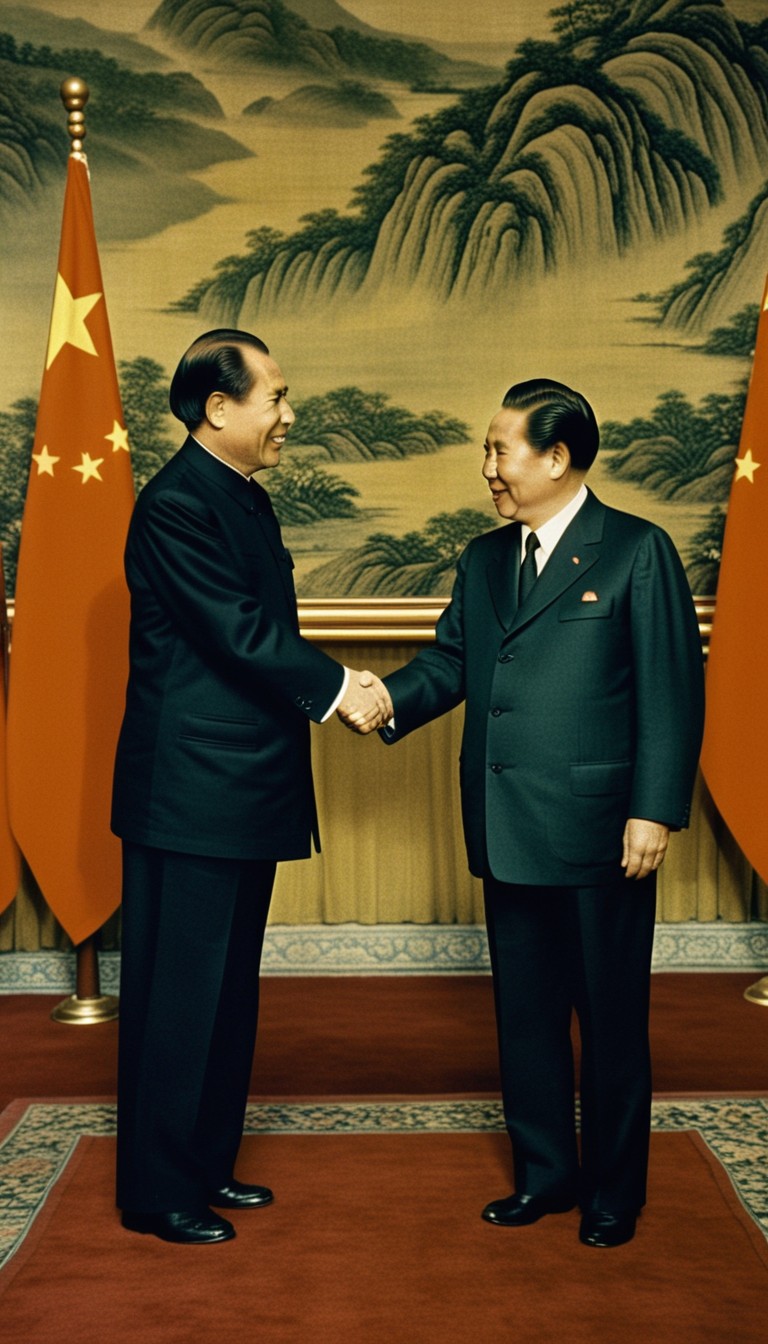
In February 1972, the fiercely anti-communist Nixon stunned the world by visiting Communist China, a nation the U.S. had refused to recognize for 23 years. Only Nixon, with his hawkish credentials, could have pulled it off without being called soft. The visit reshaped the Cold War balance of power and opened a relationship that would transform the global economy.
1969-1974
Washington, D.C.
A Surprisingly Progressive Record
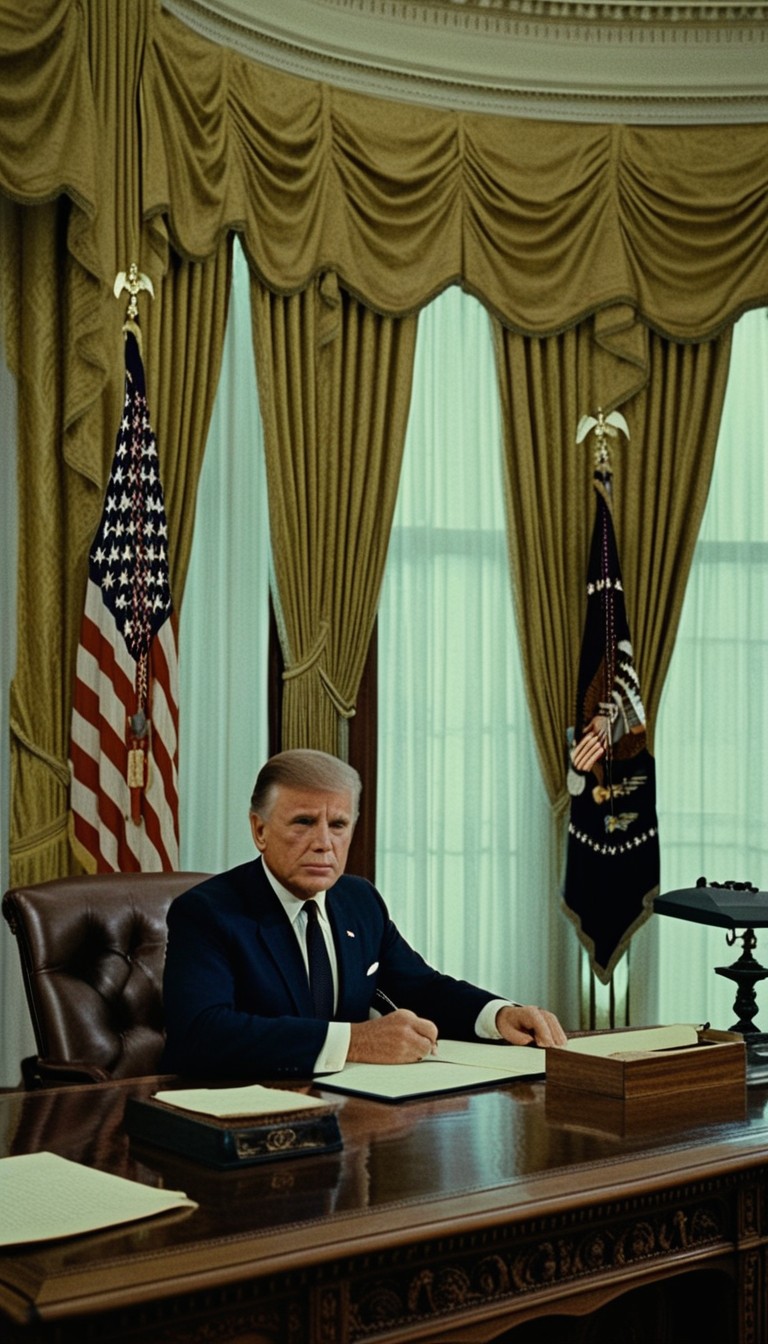
Nixon created the Environmental Protection Agency, signed the Clean Air Act, and established OSHA to protect workers. He proposed a guaranteed minimum income, expanded food stamps, and desegregated Southern schools more than any president before him. He signed Title IX, guaranteeing women equal access to education. His domestic record was far more liberal than his reputation suggests.
June 1972-1974
Washington, D.C.
Watergate
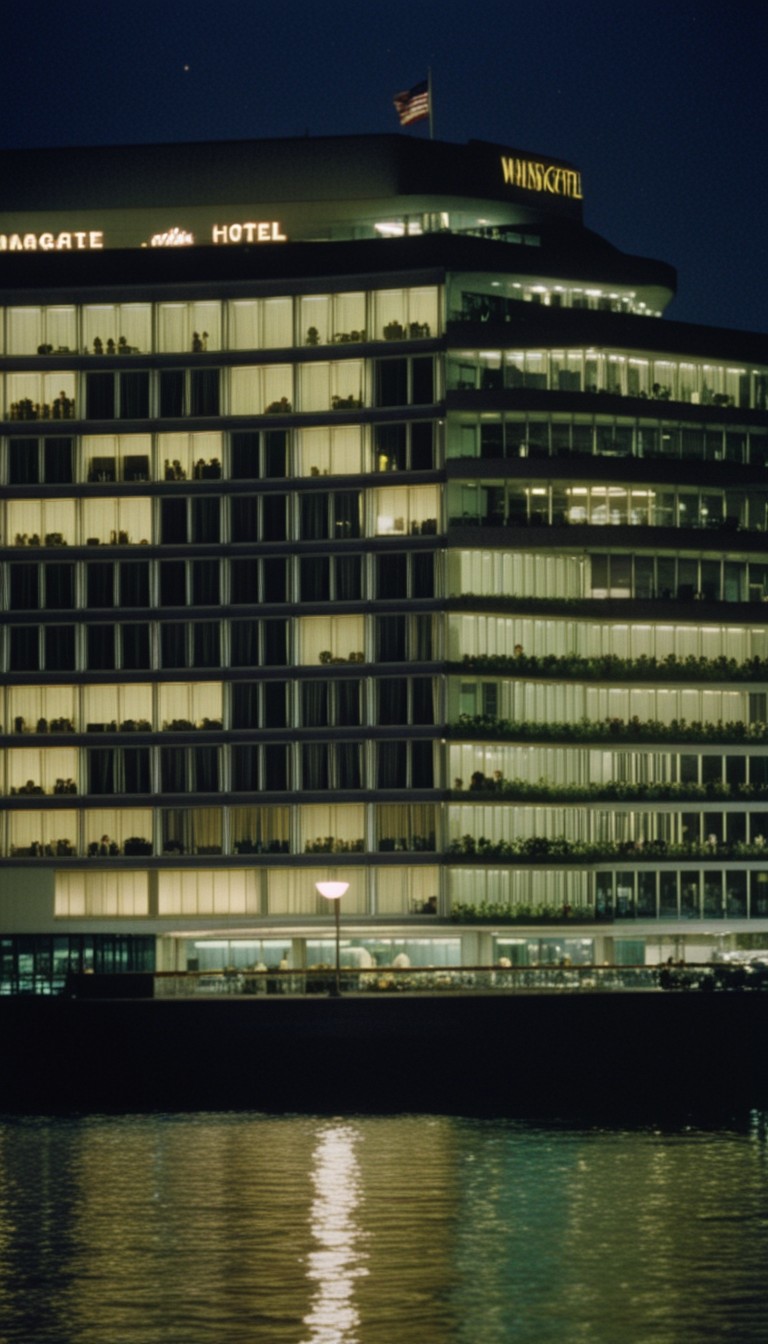
On June 17, 1972, five men were caught breaking into the Democratic National Committee headquarters at the Watergate complex. The burglars were connected to Nixon's reelection campaign. What followed was not the break-in itself but the cover-up: Nixon used the CIA, FBI, and hush money to obstruct justice. Secret White House tapes would eventually reveal the truth.
August 9, 1974
Washington, D.C.
Resignation
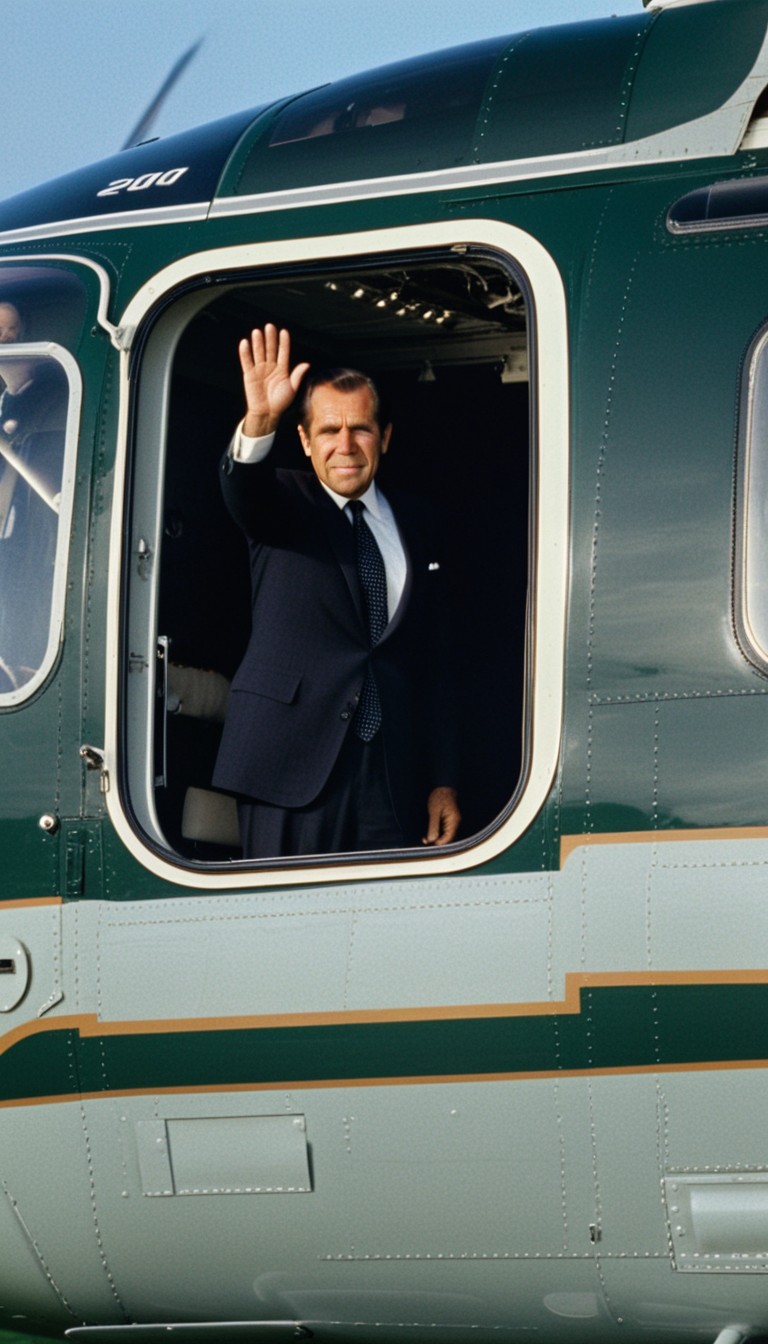
As impeachment became inevitable, Nixon addressed the nation on August 8, 1974: "I have never been a quitter. To leave office before my term is completed is abhorrent to every instinct in my body. But as President, I must put the interest of America first." The next morning, he gave a tearful farewell to his staff and boarded a helicopter, flashing his signature double-V salute one last time.
1974-1994
New Jersey & New York
The Long Road Back
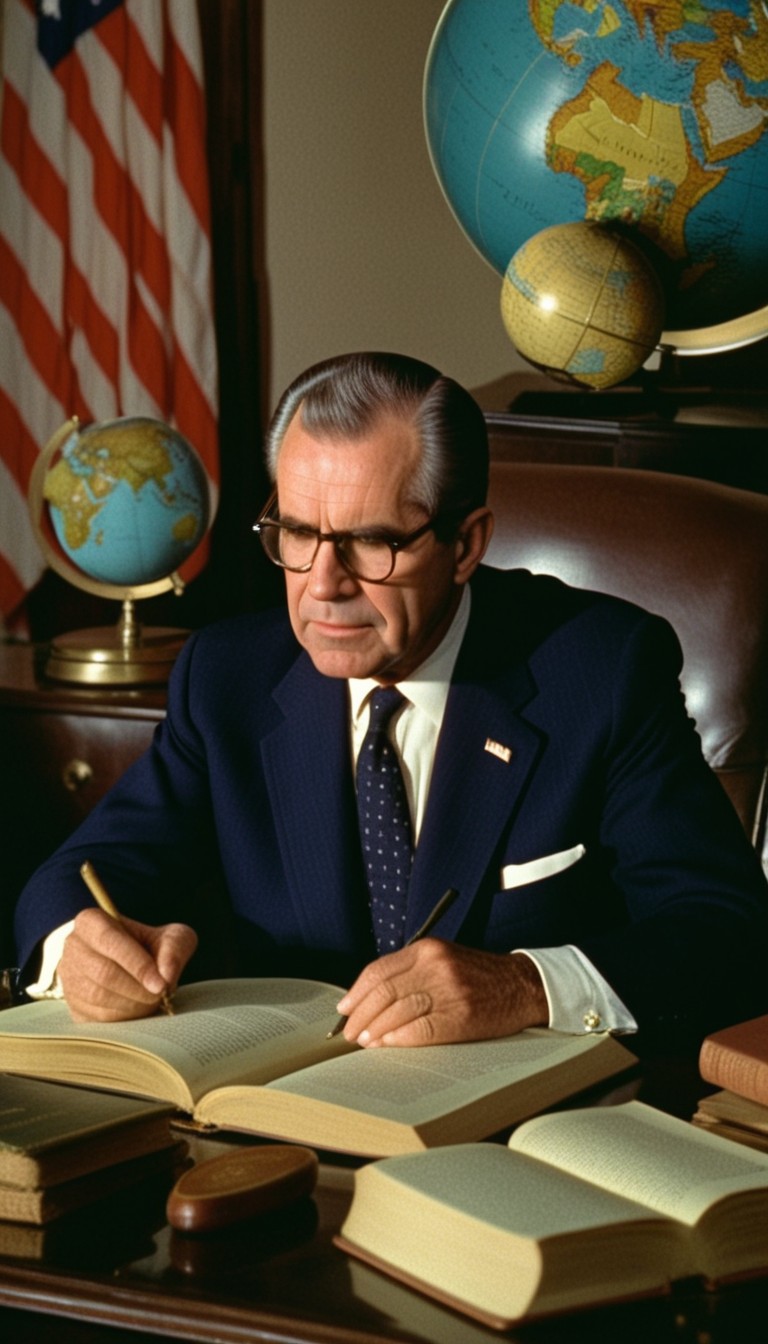
Pardoned by Gerald Ford, Nixon spent two decades rehabilitating his image as a foreign policy sage. He wrote ten books, advised presidents of both parties, and was sought out for his geopolitical insights. He died in 1994 at age 81. All five living presidents attended his funeral--a measure of the grudging respect he had earned back.

Triumph and Disgrace
Richard Nixon remains the most paradoxical figure in presidential history. He achieved historic diplomatic breakthroughs, signed landmark environmental and civil rights legislation, and then destroyed it all through paranoia and criminality. His story is a warning that brilliance without integrity leads to ruin--and that no one, not even the president, is above the law.
Recommended Reading
As an Amazon Associate, we earn from qualifying purchases.
Swipe to navigate