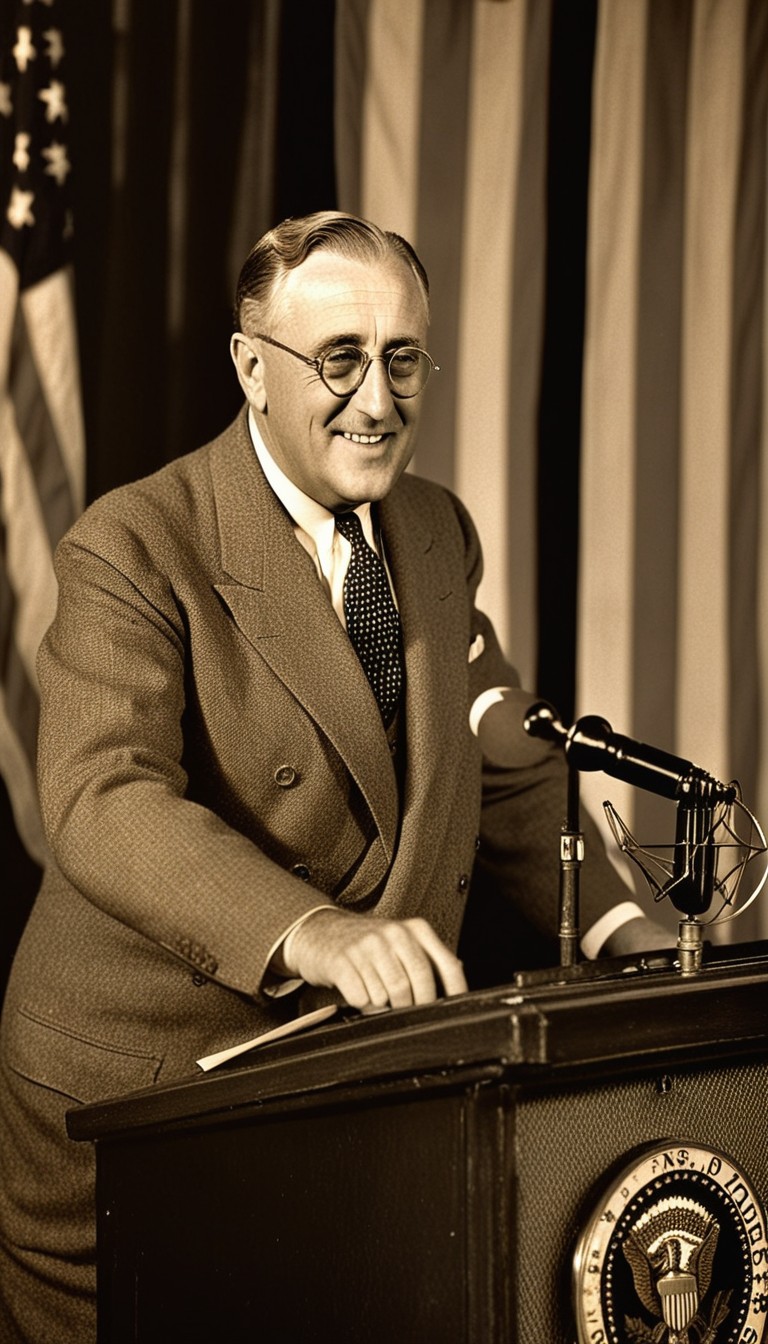
Franklin D. Roosevelt (#32): Champion of the People
Loading story...
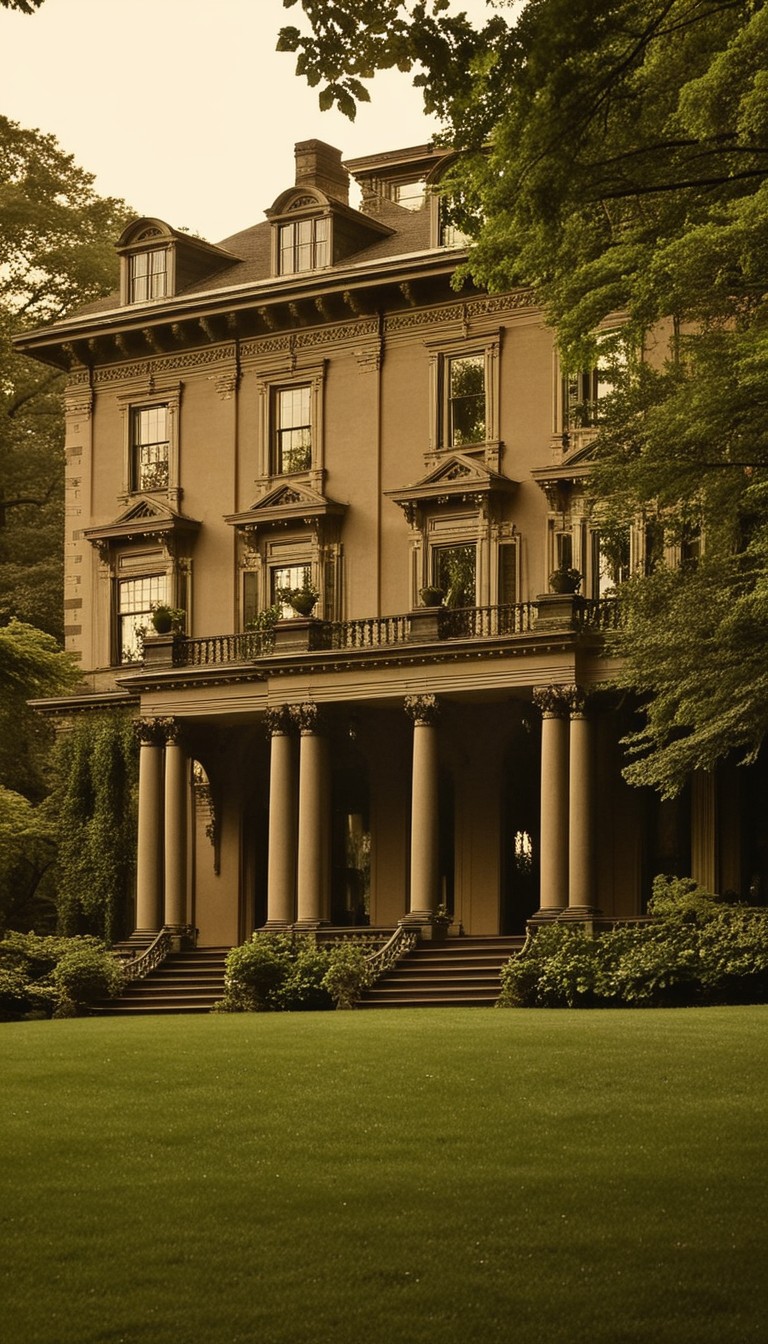
1882-1910
Hyde Park, New York
Born to Privilege
Franklin Delano Roosevelt was born in 1882 to one of New York's wealthiest families. He attended Groton, Harvard, and Columbia Law School. He married his distant cousin Eleanor, who would become the most influential First Lady in history. Nothing in his pampered upbringing predicted what he'd become.
1921-1928
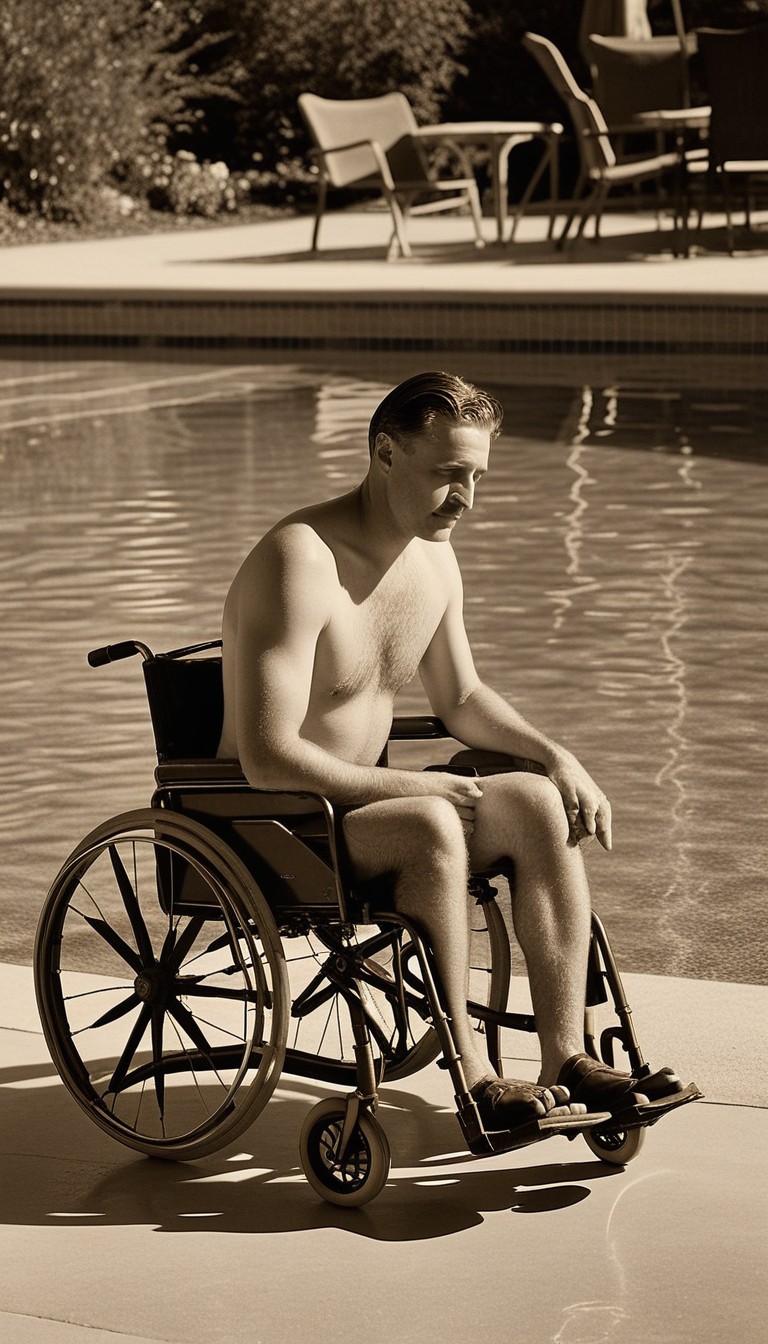
Warm Springs, Georgia
Polio & Perseverance
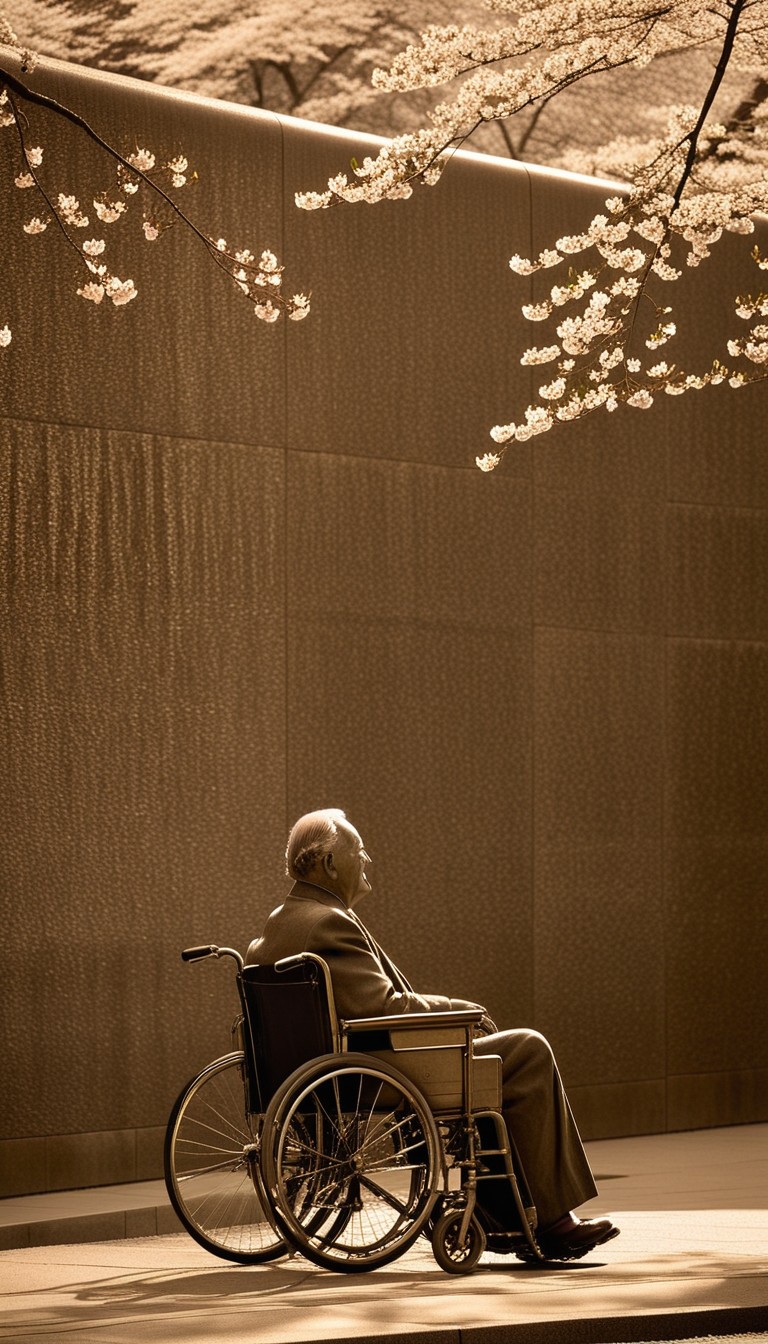
In 1921, polio struck the 39-year-old Roosevelt, leaving him permanently paralyzed from the waist down. Most assumed his political career was over. But FDR refused to give up. Through grueling rehabilitation and iron determination, he learned to stand with leg braces—and to project strength even in vulnerability.
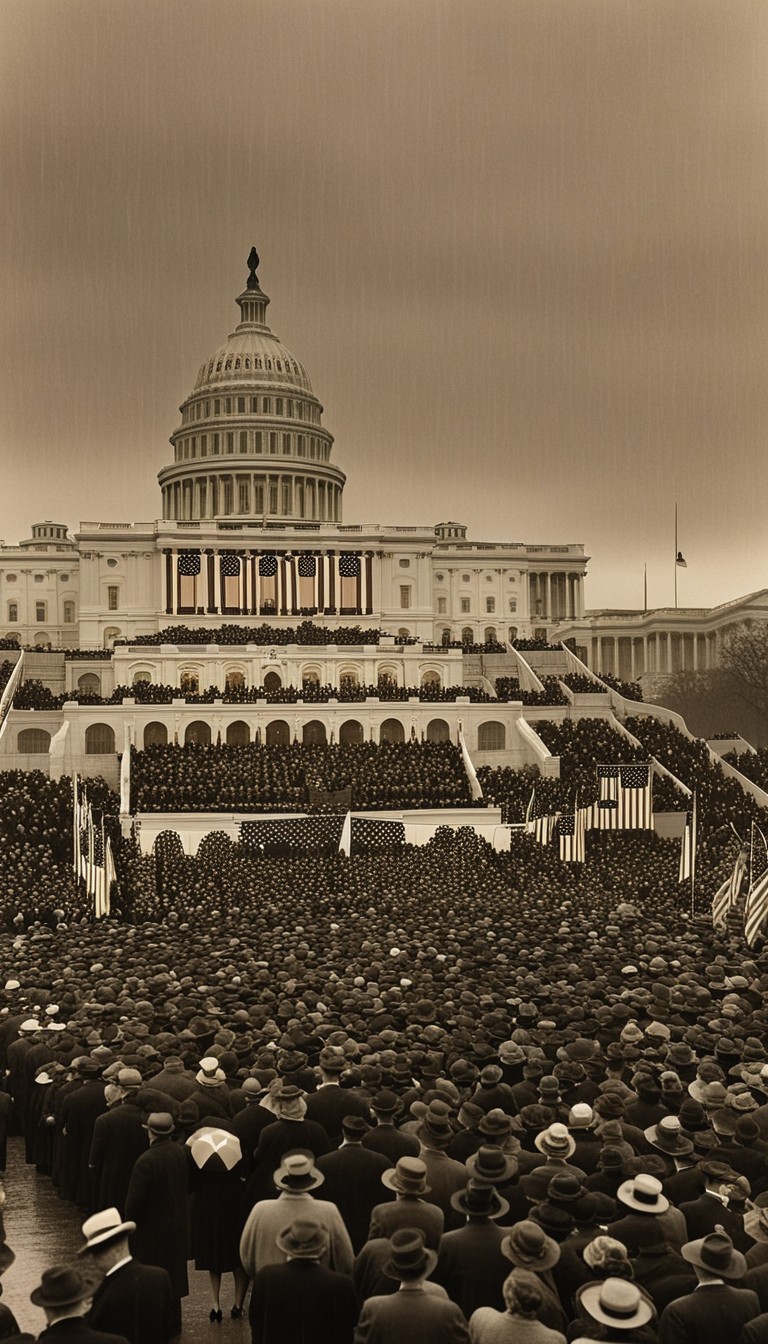
March 4, 1933
Washington, D.C.
Nothing to Fear
FDR took office in March 1933 with the economy in ruins: 25% unemployment, banks collapsing, families starving. In his inaugural address, he declared: "The only thing we have to fear is fear itself." In his first 100 days, he pushed 15 major bills through Congress—an unprecedented legislative blitz.
1933-1944
The White House
Fireside Chats
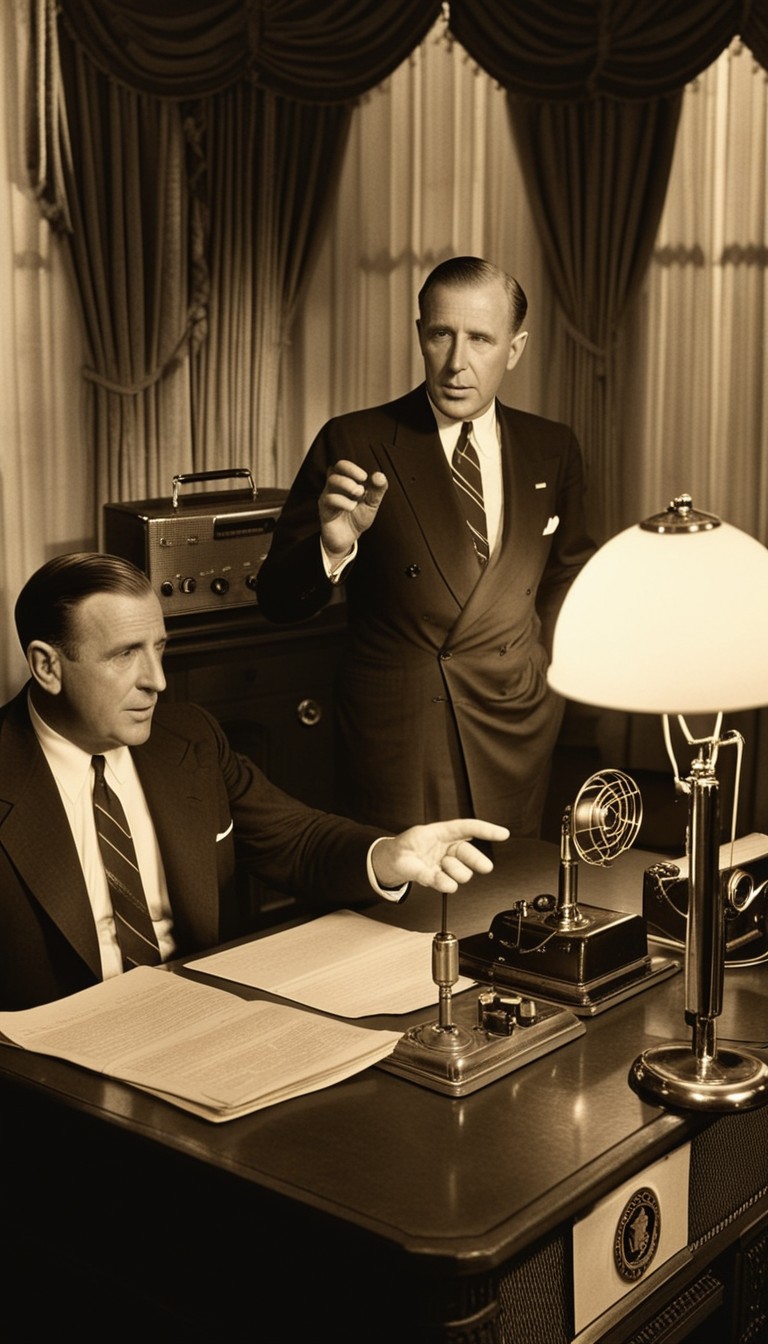
FDR mastered a revolutionary technology: radio. His "Fireside Chats" reached 60 million Americans, explaining complex policies in plain language. He spoke as if sitting in their living rooms. Americans felt a personal connection to their president in a way never before possible.
1933-1938
United States
The New Deal
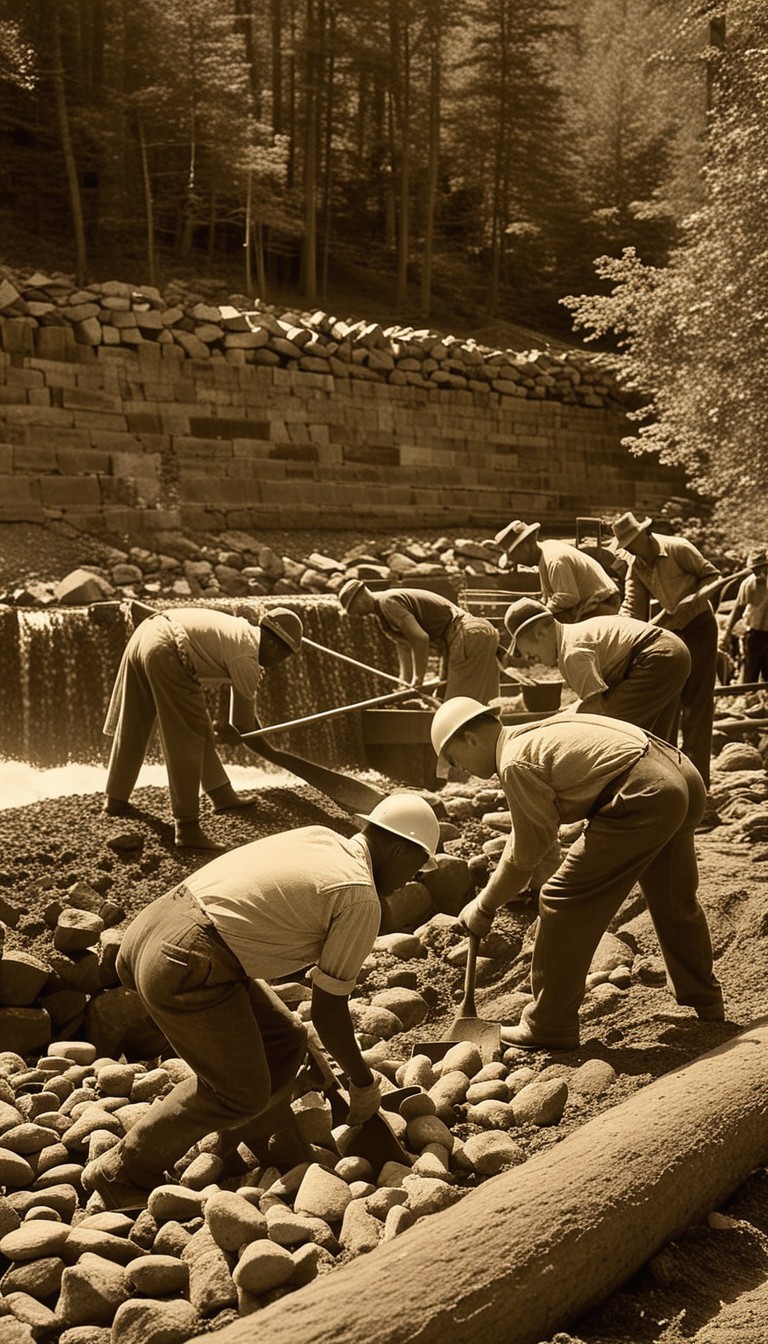
FDR's New Deal created Social Security, the SEC, the FDIC, and employed millions through programs like the CCC and WPA. Workers built roads, dams, parks, and post offices that still stand today. The role of government was forever transformed—from passive observer to active protector of citizens.
1939-1941
United States
Arsenal of Democracy
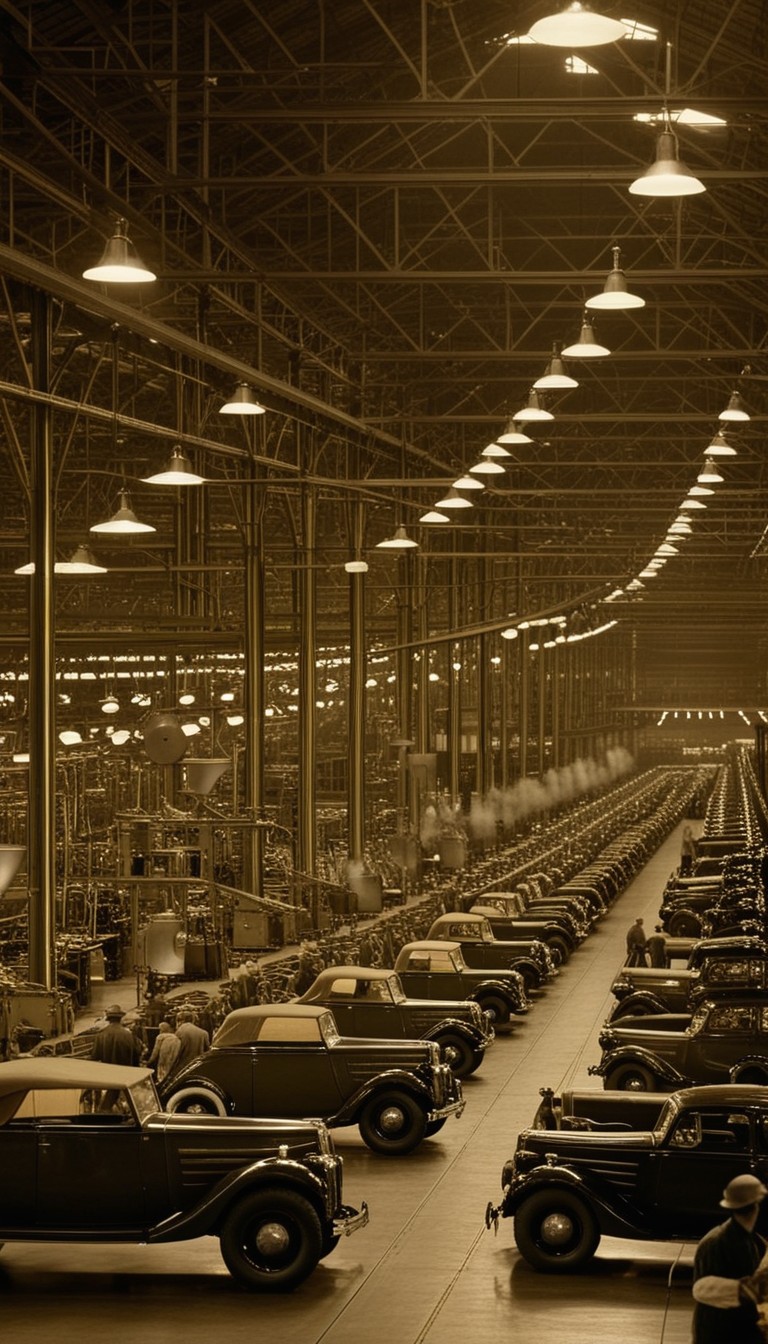
As Hitler conquered Europe, FDR navigated a divided nation toward supporting the Allies. He called America the "Arsenal of Democracy," sending billions in weapons and supplies through Lend-Lease. After Pearl Harbor on December 7, 1941—"a date which will live in infamy"—America entered the war.
1941-1945
Global
Leading the Free World
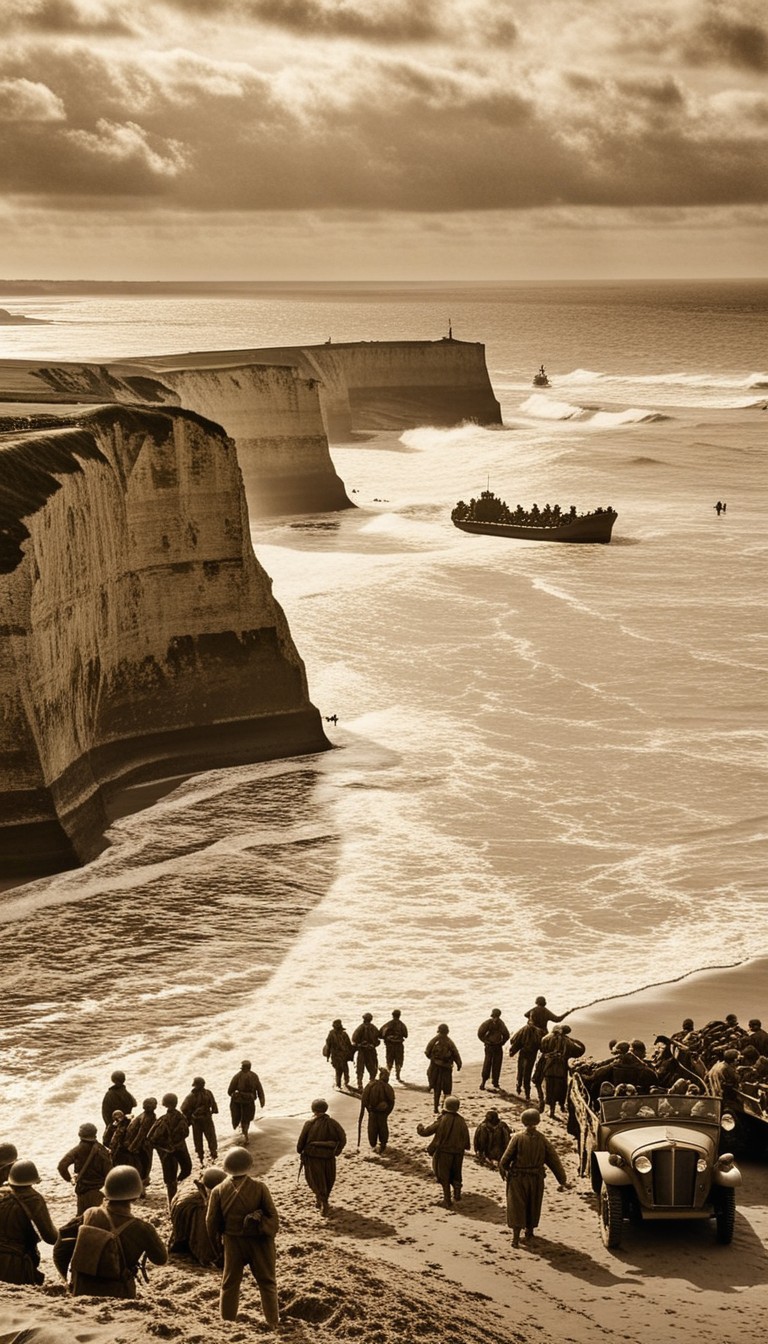
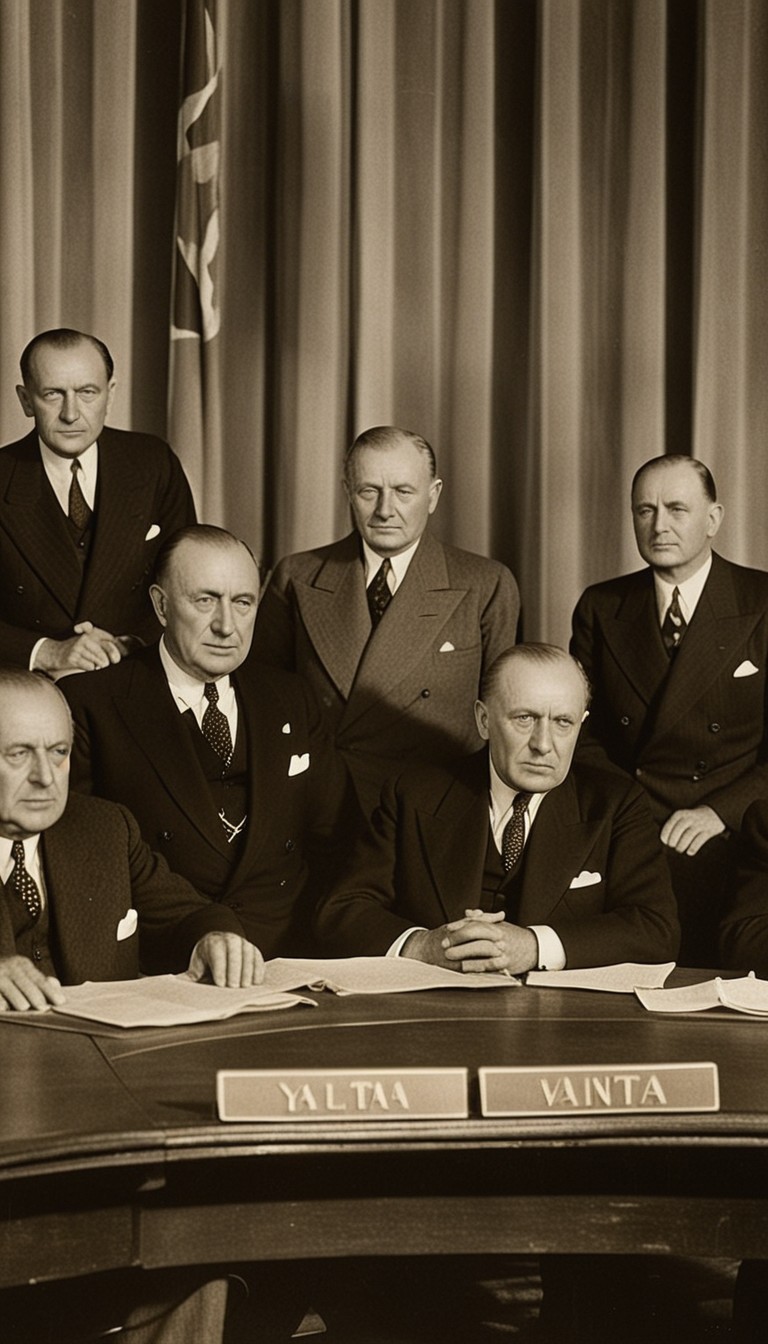
FDR coordinated the Allied war effort with Churchill and Stalin. He oversaw the D-Day invasion, the island-hopping Pacific campaign, and the secret Manhattan Project. Under his leadership, 16 million Americans served in uniform and the nation produced more military equipment than all Axis powers combined.
April 12, 1945
Warm Springs, Georgia
Four Terms & Legacy
FDR won four presidential elections—the only person ever to do so. He died on April 12, 1945, just weeks before victory in Europe. He didn't live to see the peace he fought for, but he built the institutions—the UN, the modern welfare state, American global leadership—that shaped the post-war world.
A New Deal for America
FDR proved that government could be a force for good—lifting the desperate, defending the free world, and inspiring hope when all seemed lost. His legacy lives in Social Security checks, national parks, and the enduring belief that America can overcome any crisis.
Swipe to navigate