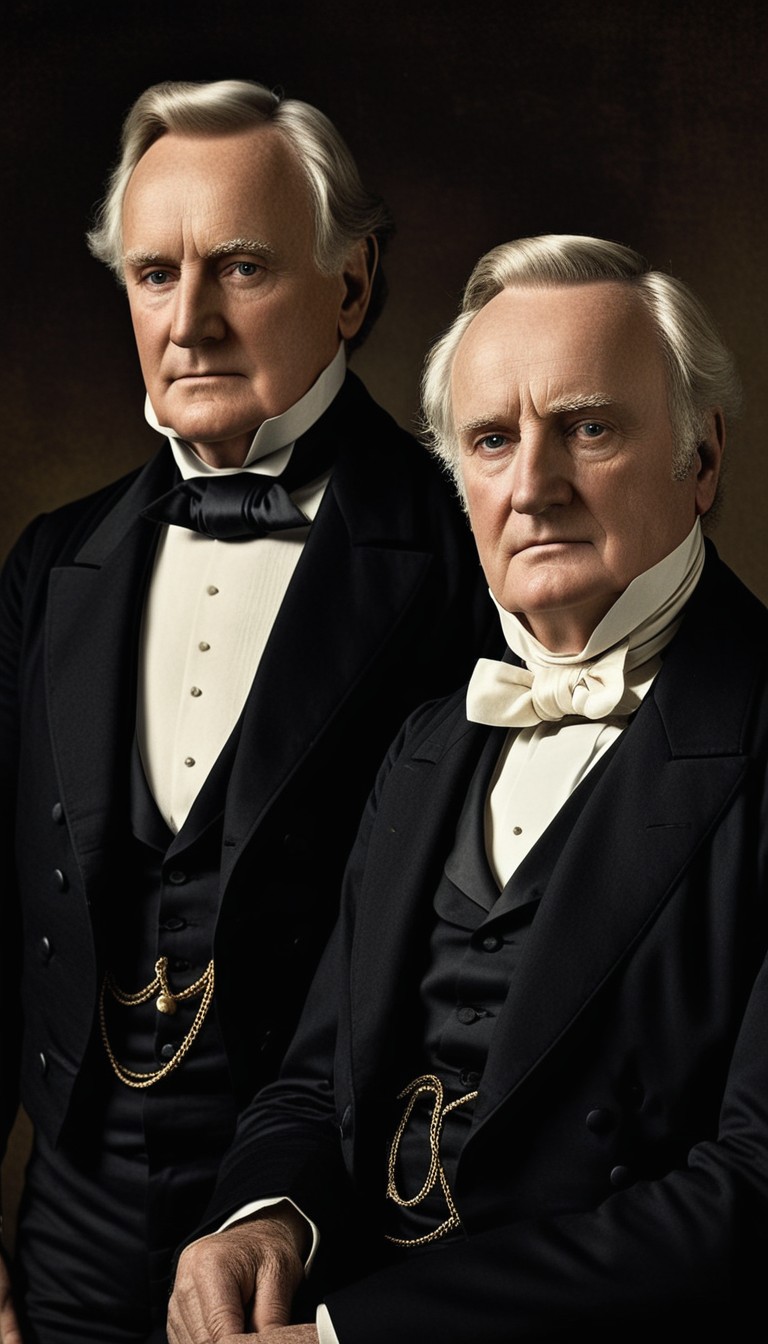
James Buchanan (#15): The President Who Watched It Burn
Loading story...
1791-1820
Lancaster, Pennsylvania
The Pennsylvania Lawyer
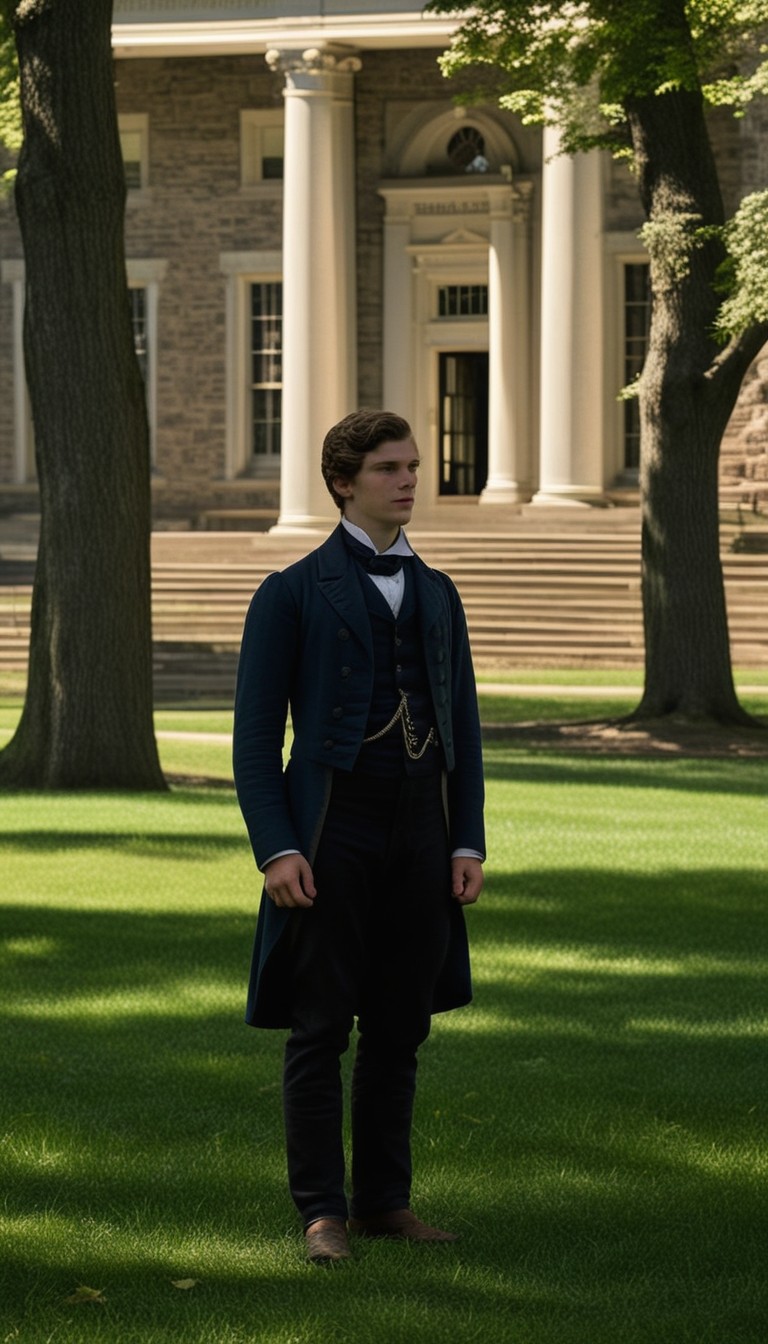
Born in 1791 in a log cabin near Mercersburg, Pennsylvania, Buchanan was the son of an Irish immigrant merchant. He graduated from Dickinson College and became one of the most successful lawyers in Lancaster, Pennsylvania. In 1819, his fiancee Ann Coleman died suddenly after breaking their engagement, possibly by suicide. Buchanan never married, becoming the only bachelor president in American history.
1821-1856
Washington, D.C. & Abroad
A Career in Government
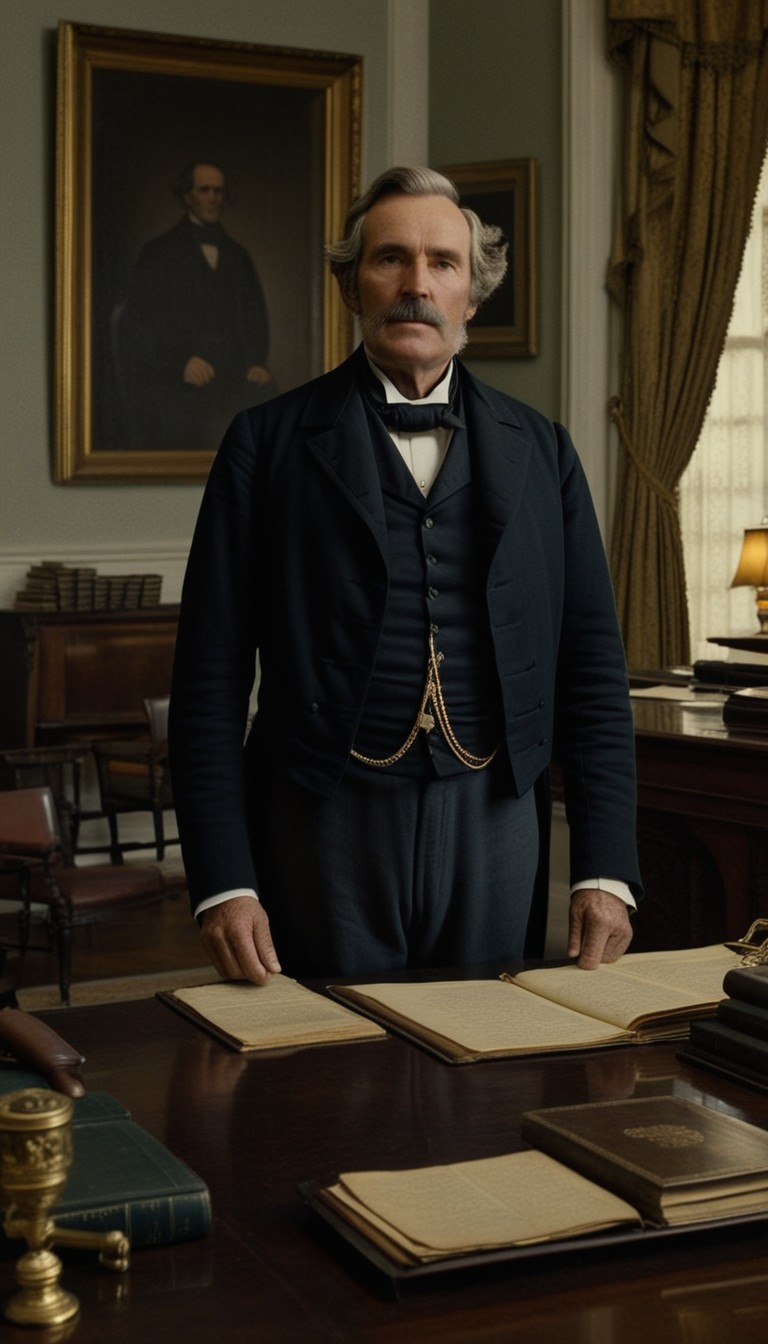
Buchanan spent nearly forty years in public service: five terms in Congress, a stint as minister to Russia, a decade in the Senate, four years as Secretary of State under Polk, and minister to Britain under Pierce. He was the ultimate Washington insider, skilled at compromise and deal-making. He wanted the presidency desperately and spent decades positioning himself for it.
1856
United States
The Available Man
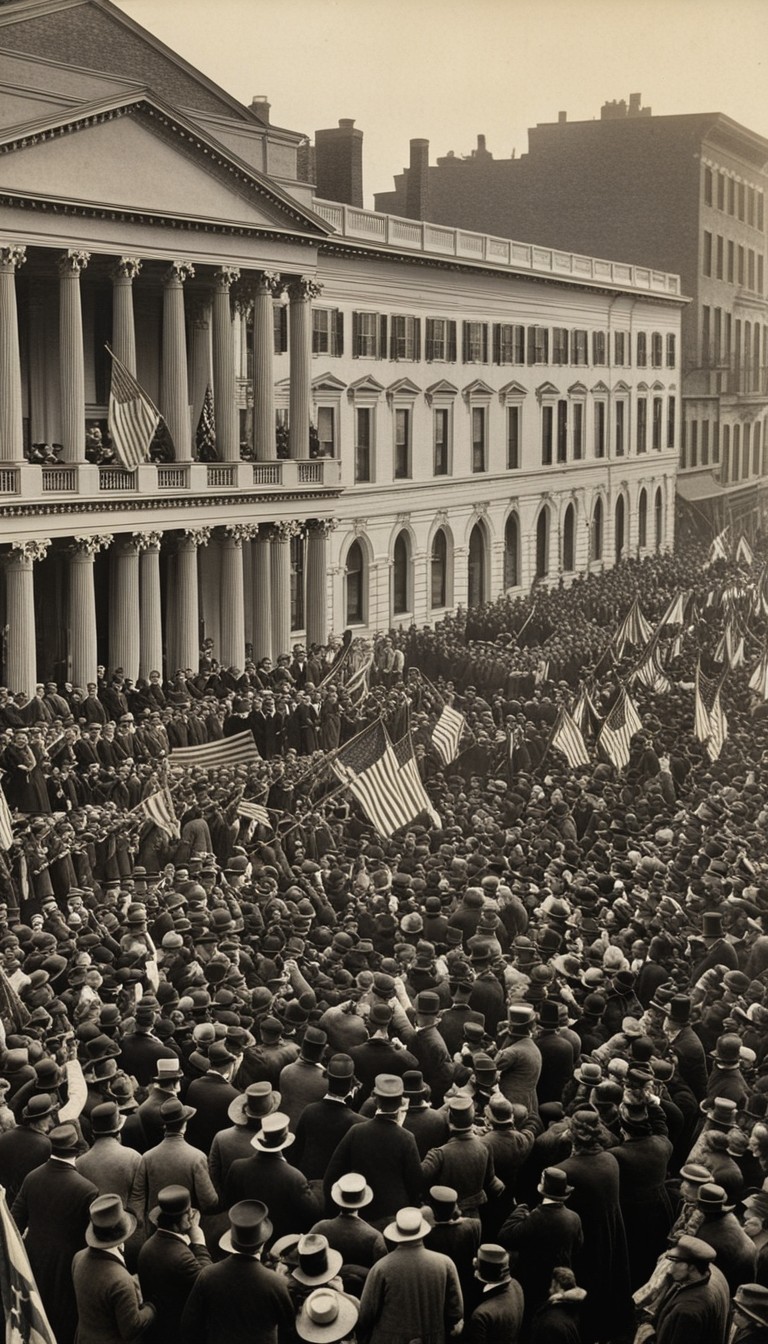
Buchanan won the 1856 election partly because he had been in London during the Kansas-Nebraska debacle and had no fingerprints on it. He defeated Republican John C. Fremont and Know-Nothing Millard Fillmore, but carried only 45% of the popular vote. The country was splitting apart, and Buchanan believed his experience and moderation could hold it together.
March 1857
Washington, D.C.
The Dred Scott Catastrophe
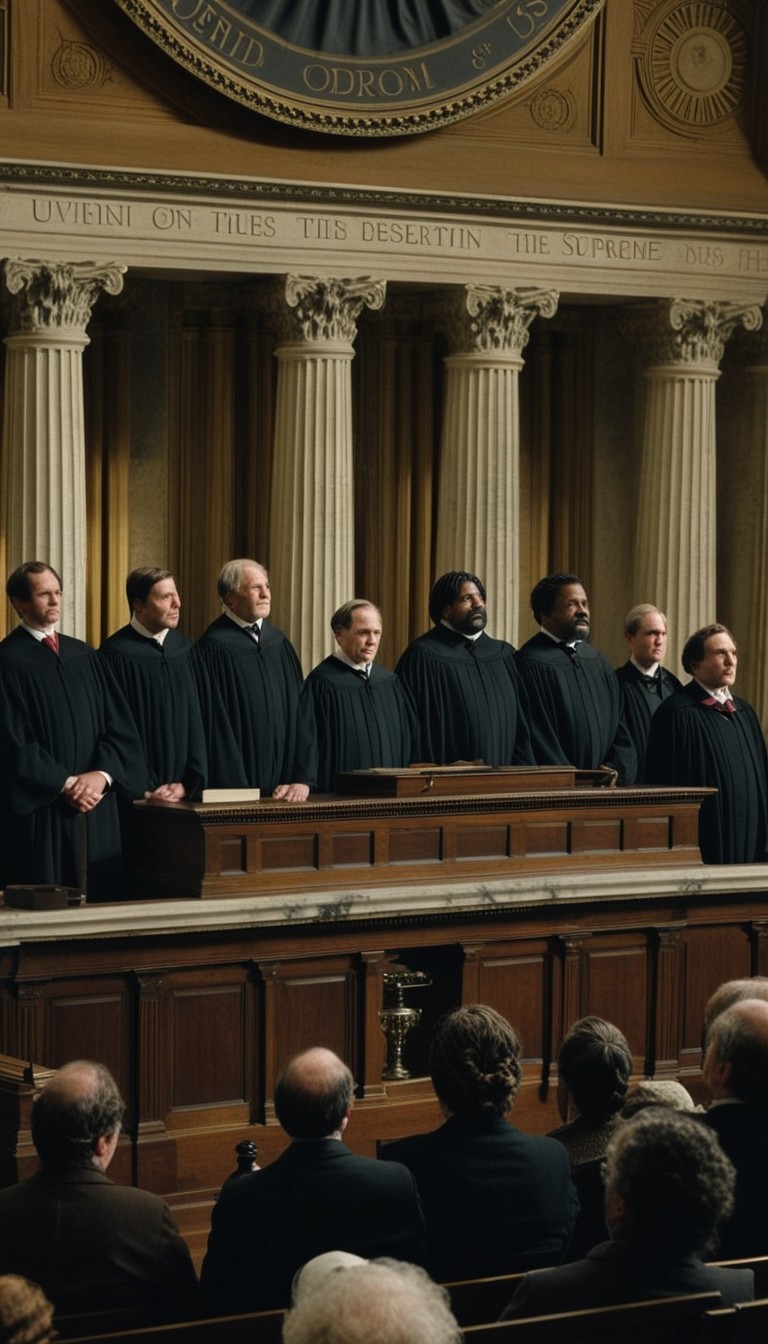
Just two days after Buchanan's inauguration, the Supreme Court issued the Dred Scott decision, ruling that Black people had no rights as citizens and that Congress could not ban slavery in the territories. Buchanan had privately lobbied a Northern justice to join the Southern majority, hoping the ruling would settle the slavery question. Instead, it inflamed the North and destroyed any remaining trust between the sections.
1857-1858
Kansas Territory
The Lecompton Constitution
In Kansas, proslavery forces drafted the fraudulent Lecompton Constitution, which would have admitted Kansas as a slave state despite the clear will of the majority of settlers. Buchanan backed the Lecompton Constitution, splitting the Democratic Party in half. Senator Stephen Douglas, his own party's rising star, broke with Buchanan and led the fight against it. The Kansas crisis consumed Buchanan's presidency.
October 1859
Harpers Ferry, Virginia
John Brown's Raid
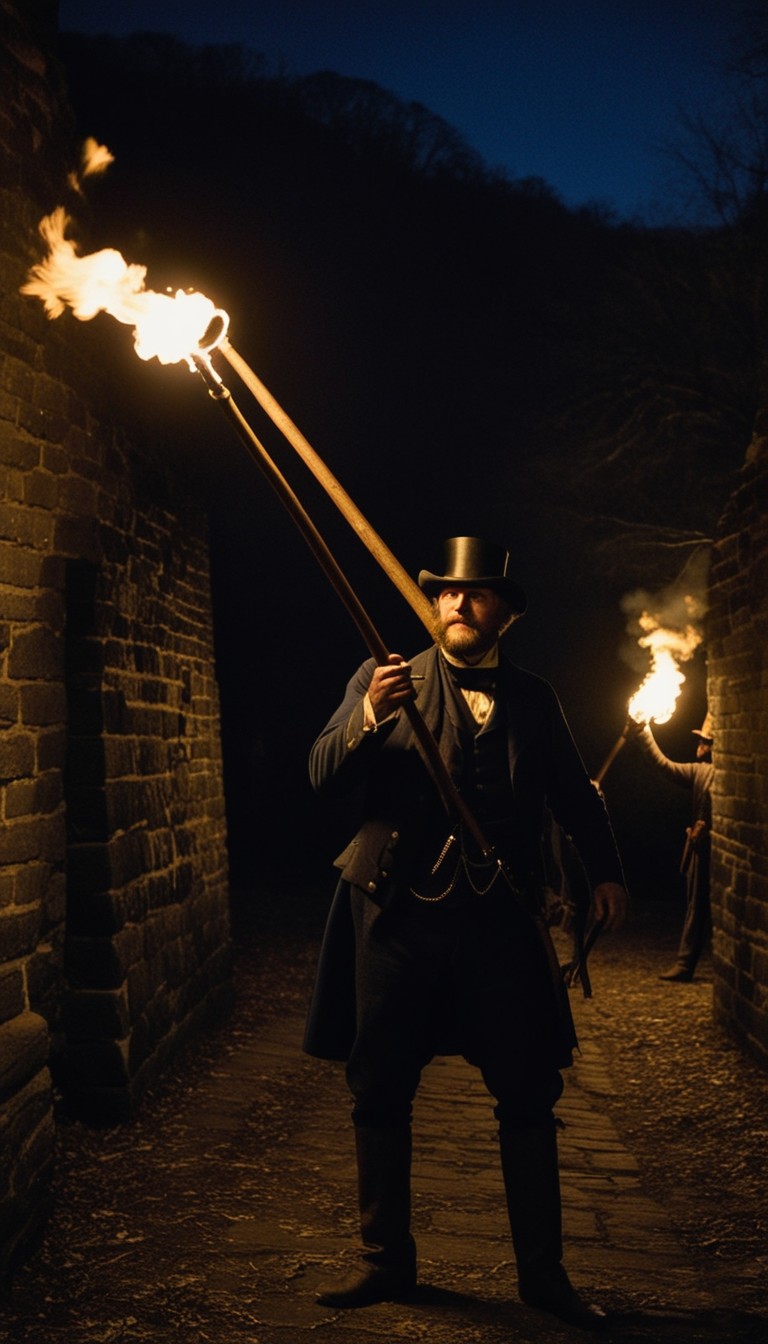
In October 1859, the abolitionist John Brown and a small band of followers seized the federal arsenal at Harpers Ferry, Virginia, hoping to spark a slave uprising. Buchanan sent Marines under Colonel Robert E. Lee to capture Brown. Brown was hanged, but the raid terrified the South and electrified the North. The nation was now on the edge of the abyss.
December 1860 - February 1861
Washington, D.C.
The Union Dissolves
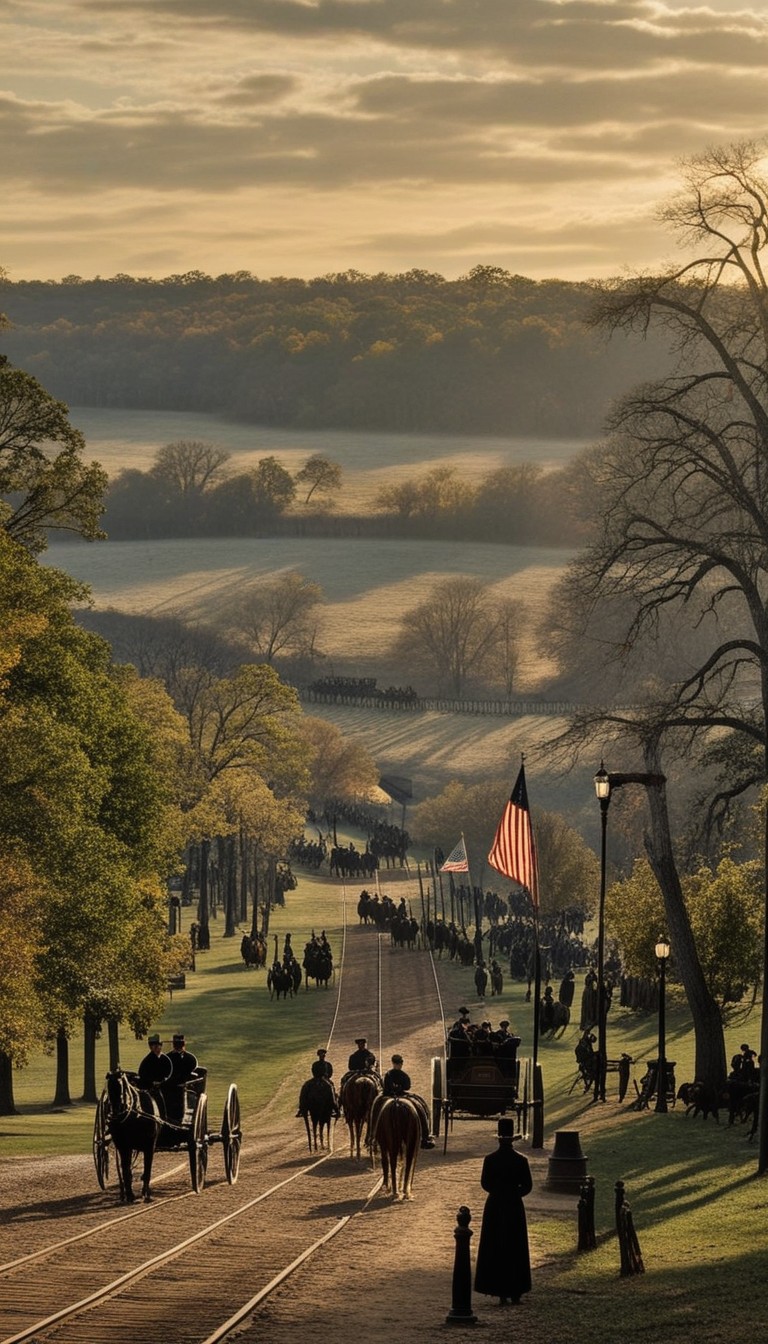
When Abraham Lincoln won the 1860 election, South Carolina seceded on December 20, followed by six more states. Buchanan declared secession illegal but also argued that the federal government had no constitutional authority to prevent it. His cabinet fractured, with Southern members resigning to join the Confederacy. Buchanan wrung his hands while the Union collapsed around him.
March 1861
Washington, D.C.
The Longest Winter
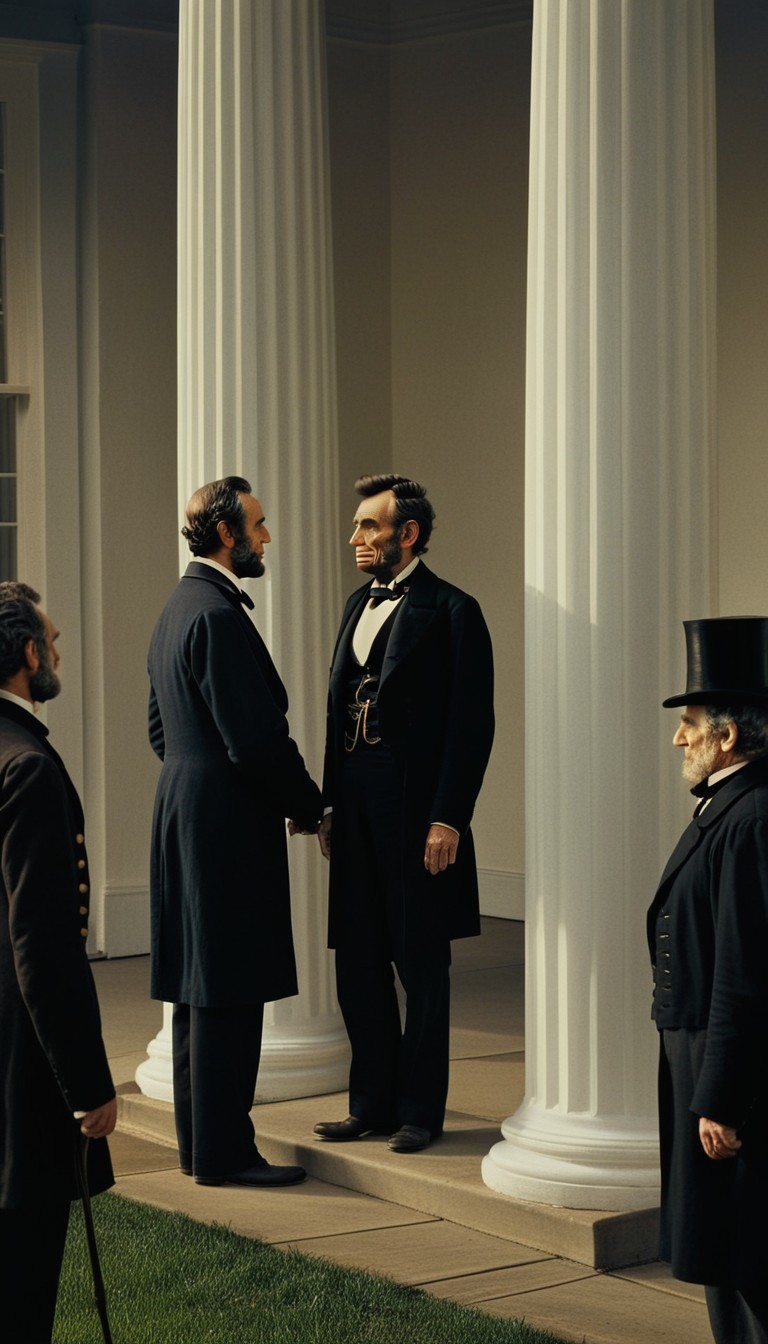
In the four months between Lincoln's election and inauguration, Buchanan did almost nothing as the Confederacy organized, seized federal forts and arsenals, and formed a government. When he finally left office on March 4, 1861, Buchanan reportedly told Lincoln, "If you are as happy entering the presidency as I am leaving it, then you are a very happy man." Within six weeks, the Civil War began.

The Measure of Failure
James Buchanan retired to his Wheatland estate and spent his final years defending his presidency, insisting that history would vindicate him. It did not. He died in 1868, consistently ranked as the worst president in American history. His failure was not of intelligence or experience but of moral courage: he understood the crisis but could not bring himself to act.
Recommended Reading
As an Amazon Associate, we earn from qualifying purchases.
Swipe to navigate