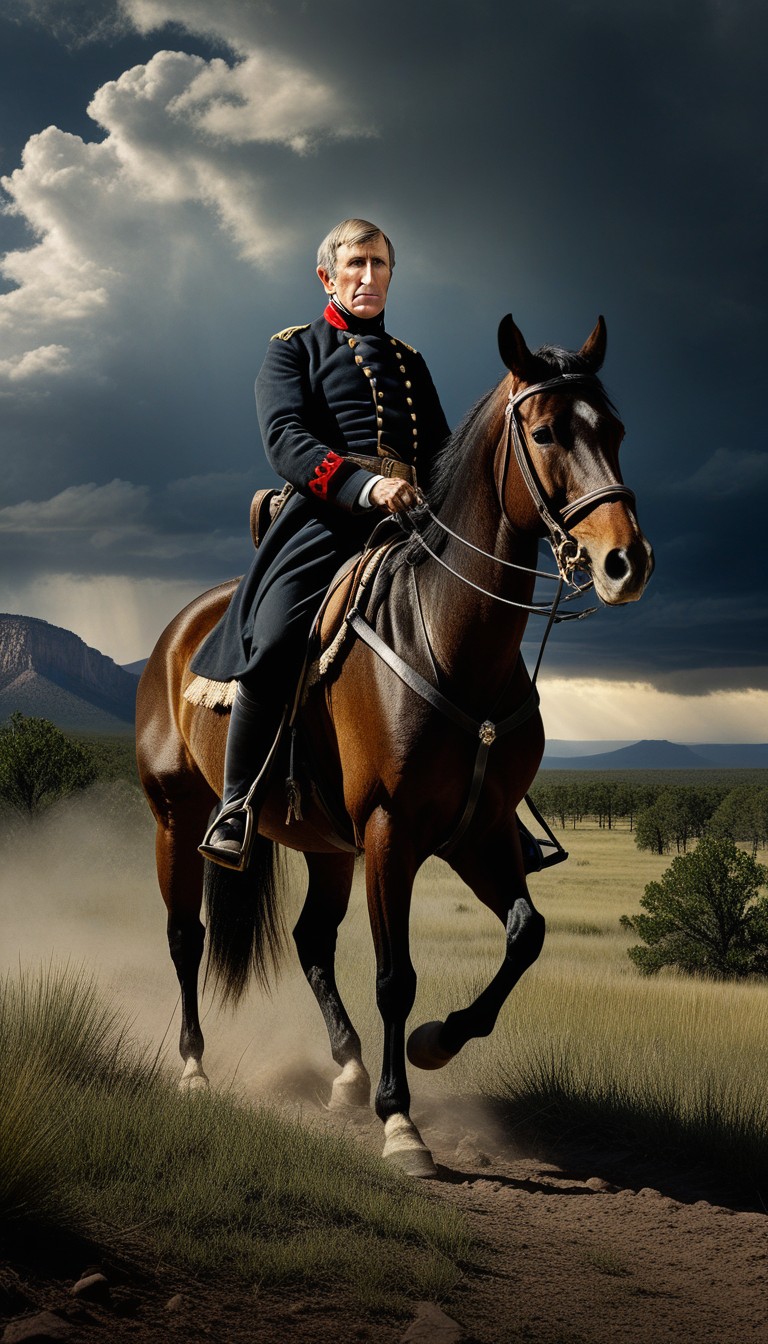
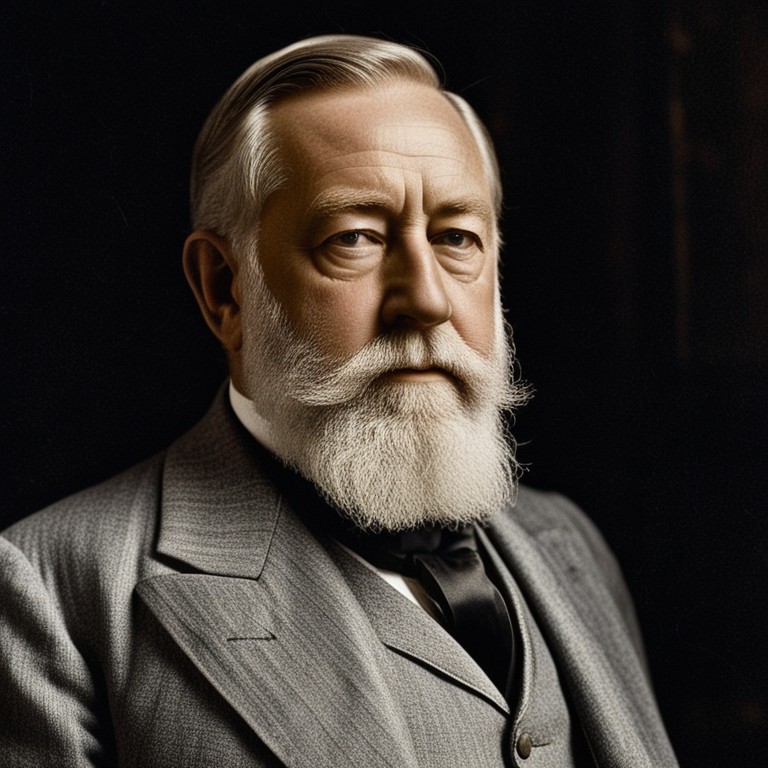
William Henry Harrison (#9): The Shortest Presidency
Loading story...
1773-1791
Charles City County, Virginia
Virginia Aristocracy
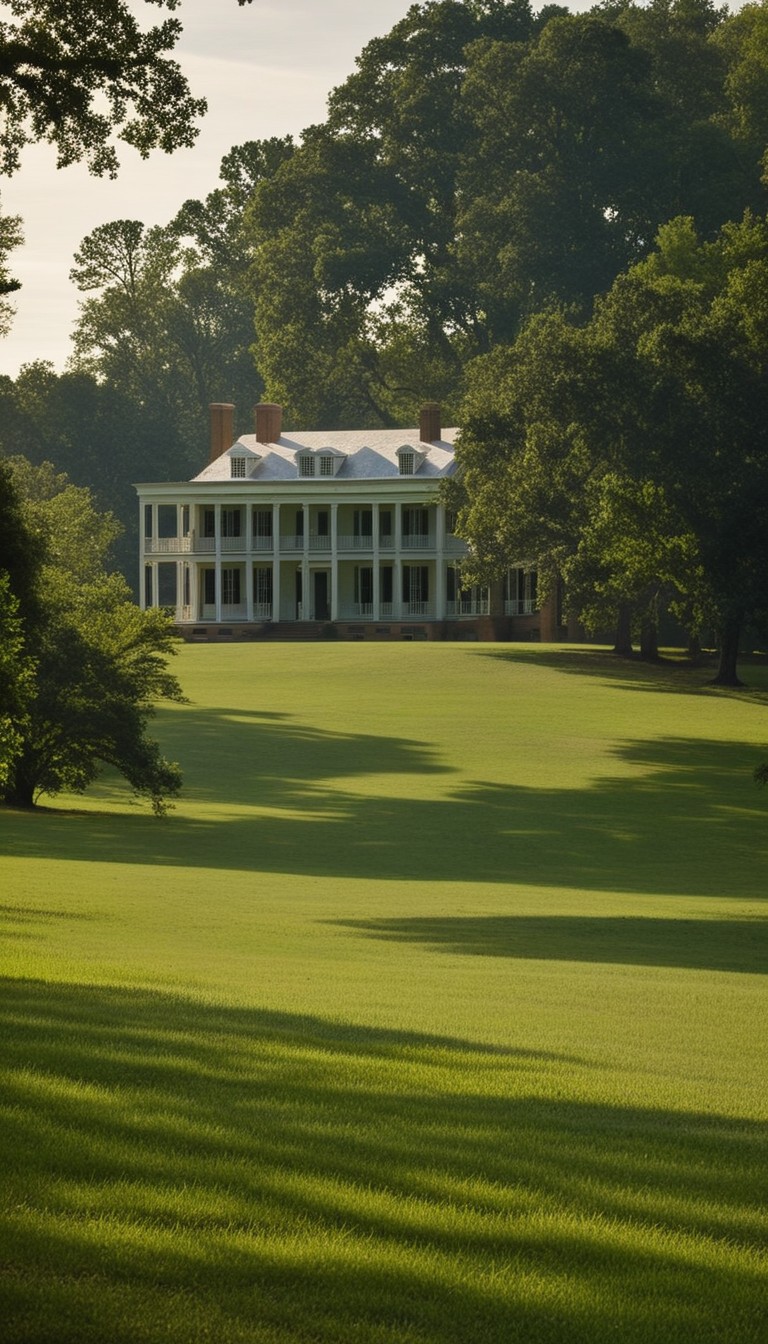
Born in 1773 at Berkeley Plantation on the James River, Harrison came from one of Virginia's most distinguished families. His father Benjamin Harrison V signed the Declaration of Independence and served as governor of Virginia. Young William studied medicine briefly at the University of Pennsylvania before abandoning his studies to join the Army at age eighteen.
1791-1800
Northwest Territory
Soldier on the Frontier
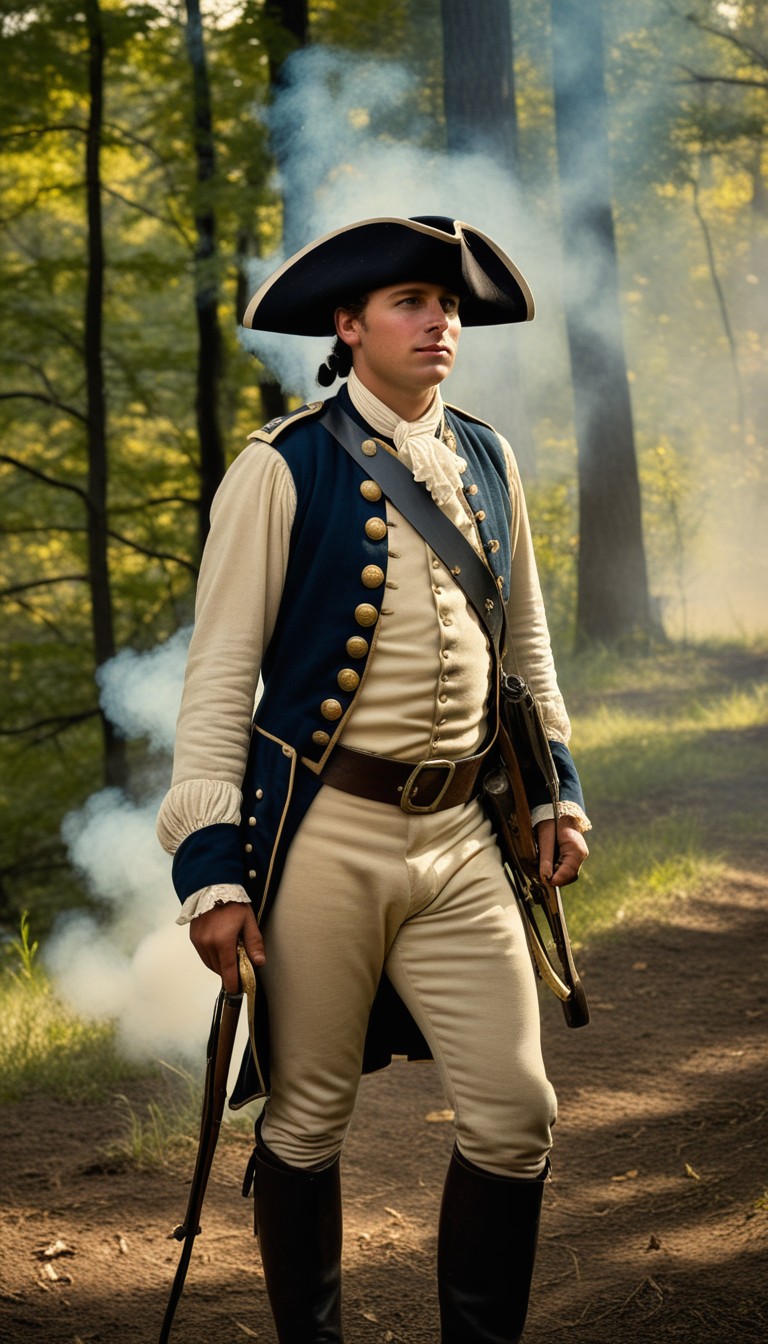
Harrison headed west and served under General "Mad Anthony" Wayne during the Northwest Indian War. He fought at the decisive Battle of Fallen Timbers in 1794, which broke Native resistance in the Ohio Valley. The experience shaped his career: Harrison would spend the next two decades on the frontier, rising to become governor of the Indiana Territory.
1801-1812
Vincennes, Indiana
Governor of Indiana
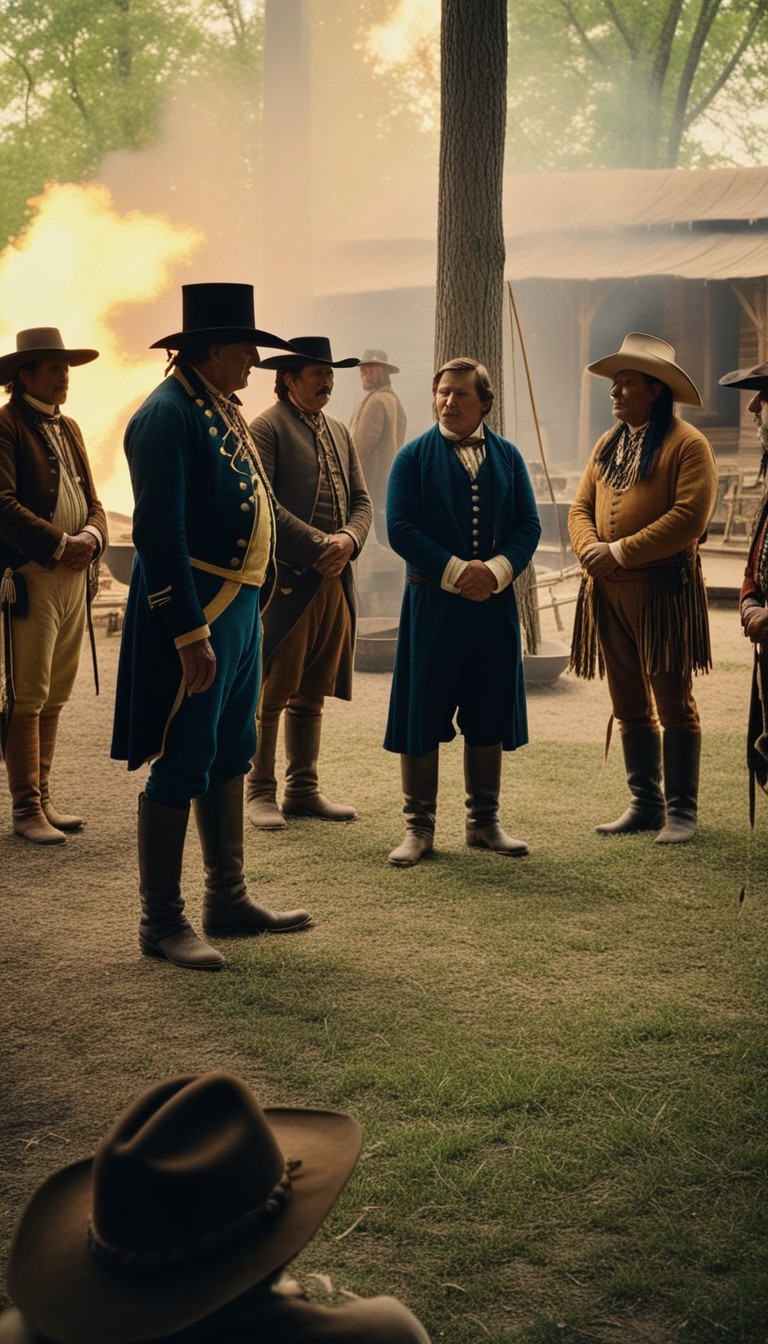
As governor of the Indiana Territory for twelve years, Harrison negotiated numerous treaties that transferred millions of acres of Native land to the United States, often through pressure and dubious dealings. He opened the frontier for white settlement but in doing so dispossessed Native nations of their homelands, setting the stage for a violent confrontation.
November 1811
Tippecanoe River, Indiana
The Battle of Tippecanoe
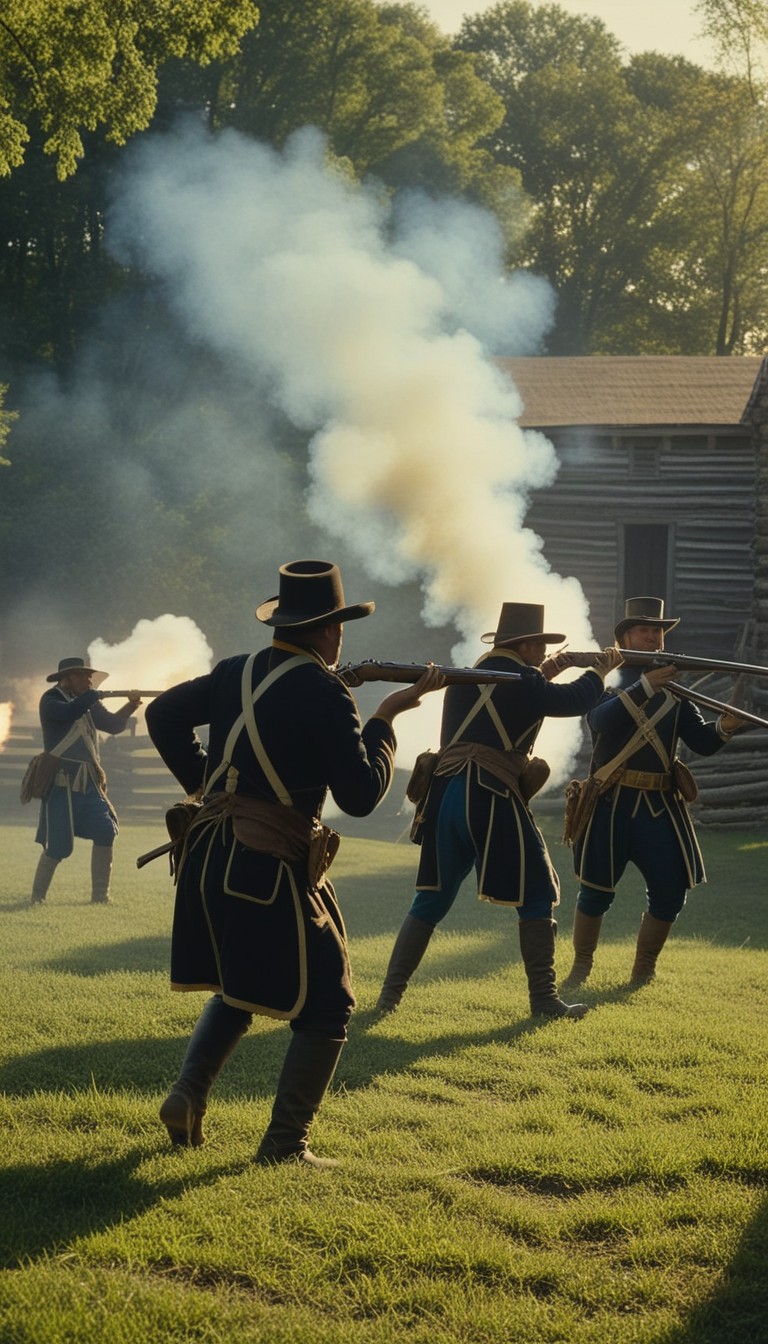
In November 1811, Harrison led a thousand soldiers against Prophetstown, the base of the Shawnee leader Tecumseh and his brother Tenskwatawa, known as "The Prophet." The resulting Battle of Tippecanoe was tactically inconclusive but Harrison claimed a decisive victory, destroying the settlement and scattering the Native confederation. The battle made Harrison a national figure.
October 1813
Upper Canada
Hero of the War of 1812
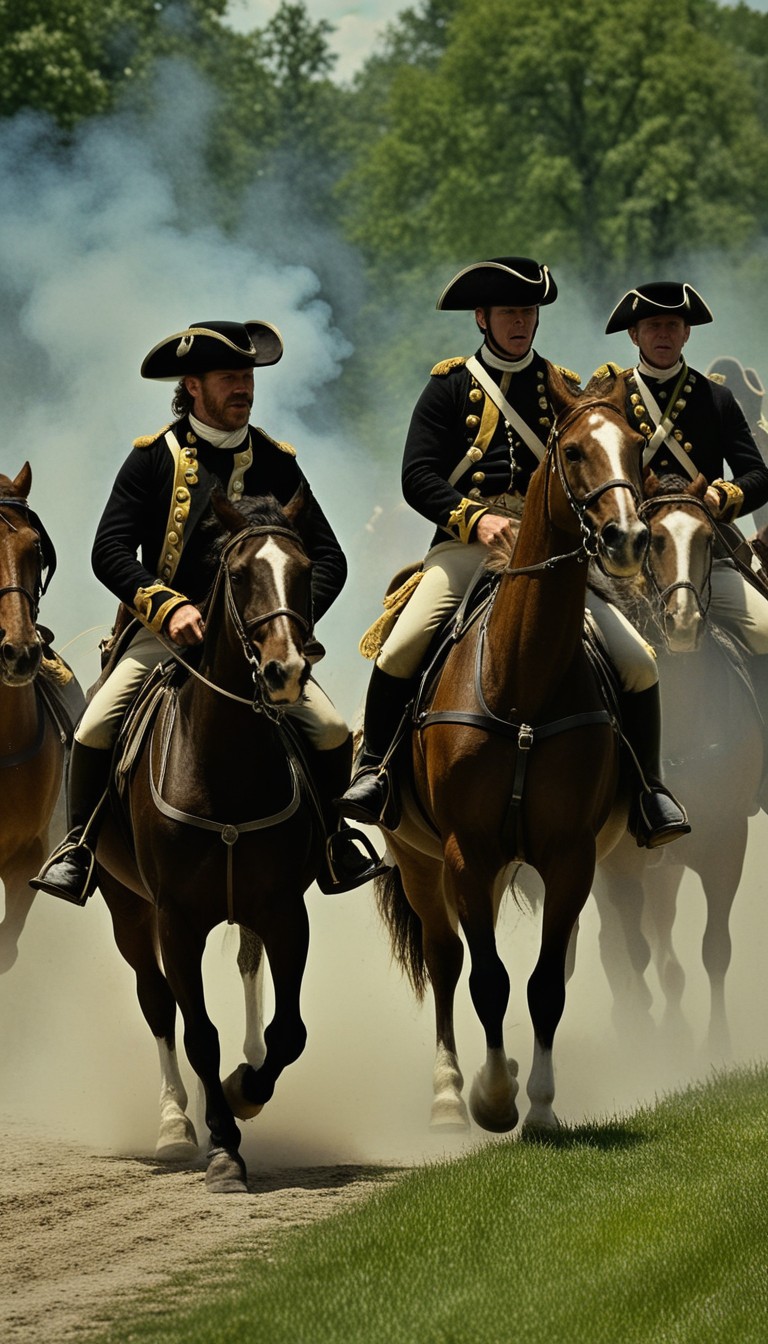
During the War of 1812, Harrison commanded the Army of the Northwest. His greatest victory came at the Battle of the Thames in October 1813, where American forces defeated a combined British and Native army. Tecumseh was killed in the battle, ending his dream of a pan-Indian confederation. Harrison emerged from the war as one of America's most celebrated military leaders.
1814-1839
North Bend, Ohio
Years in the Wilderness
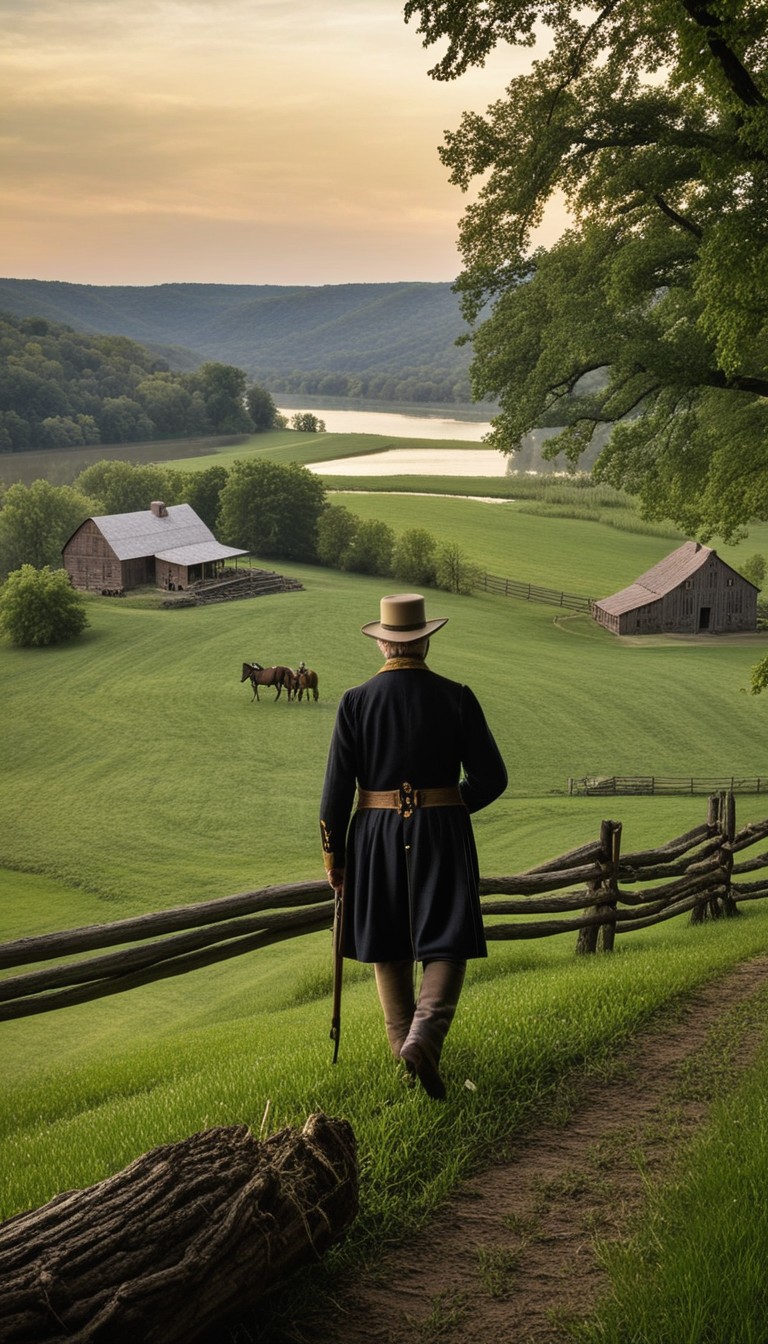
After the war, Harrison served in Congress, the Ohio state senate, and briefly as minister to Colombia, but his political career stalled. He settled on a farm in North Bend, Ohio, and spent years in relative obscurity. By the late 1830s, the sixty-seven-year-old general seemed an unlikely candidate for the presidency, but the Whig Party had other plans.
1840
United States
Tippecanoe and Tyler Too
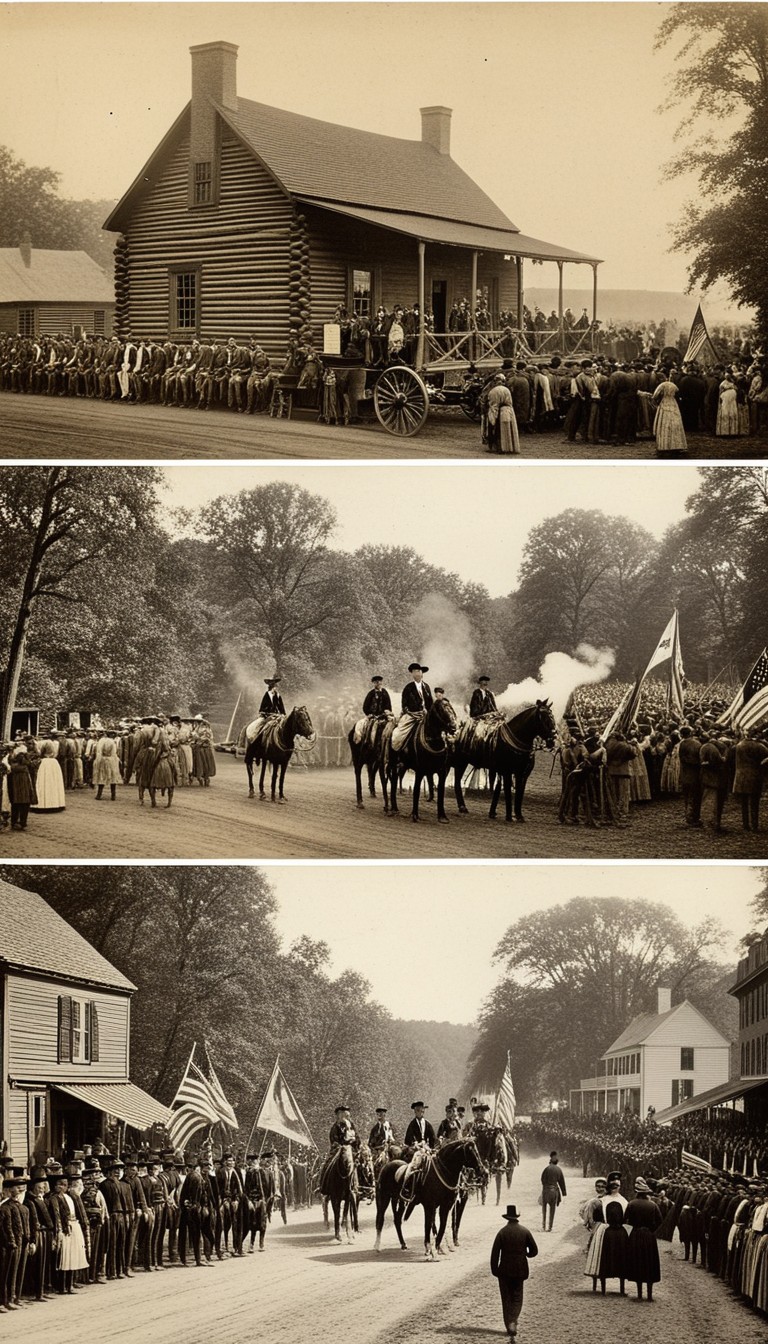
The 1840 campaign was a revolution in American politics. The Whigs marketed Harrison as a humble frontier hero who lived in a log cabin and drank hard cider, though he was actually a Virginia aristocrat. With the slogan "Tippecanoe and Tyler Too," rallies, songs, and the first real campaign merchandise, Harrison won in a landslide over Van Buren with 80% of the electoral vote.
March-April 1841
Washington, D.C.
Thirty-One Days
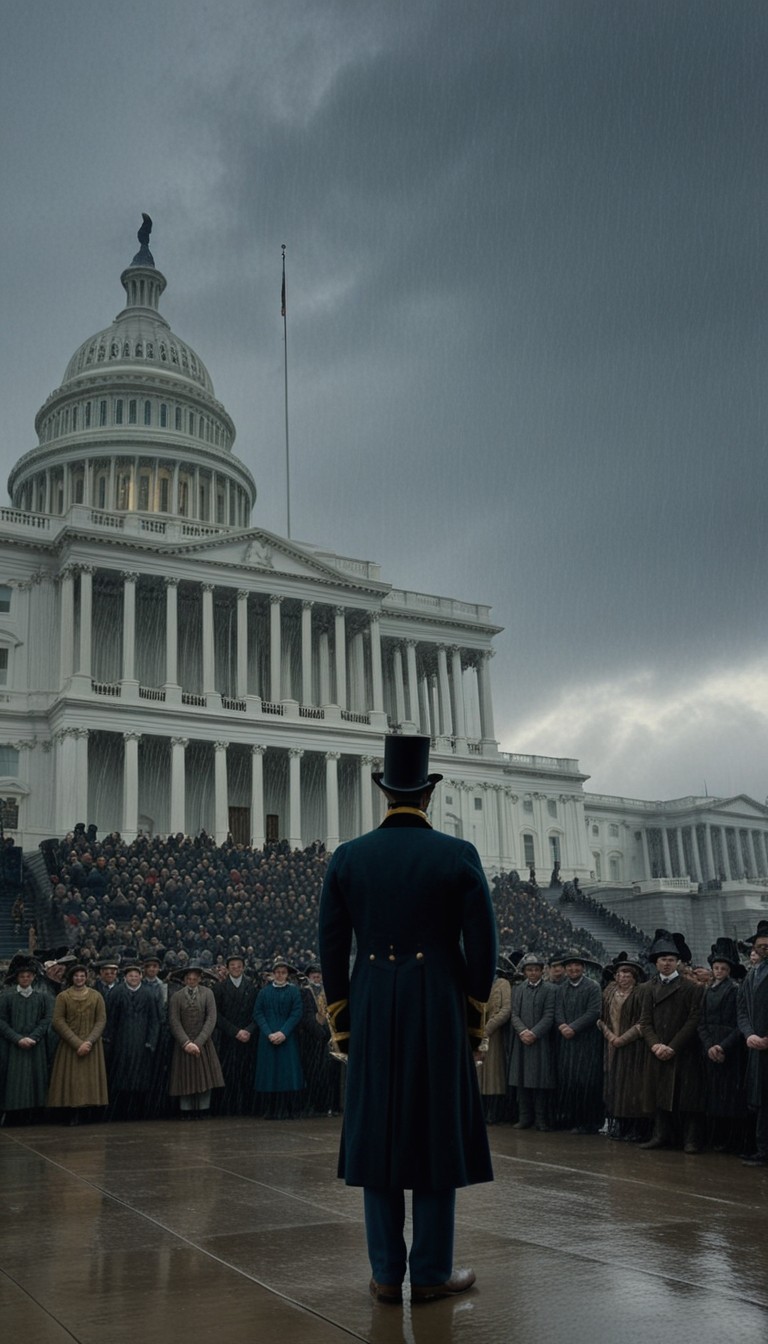
On March 4, 1841, the sixty-eight-year-old Harrison delivered his inaugural address in a cold rain without a hat or overcoat. At nearly two hours, it remains the longest inaugural address in history. Within days, he fell ill with what doctors diagnosed as pneumonia. Despite their efforts, Harrison died on April 4, 1841, exactly one month after taking office, the first president to die in office.
A Presidency of Questions
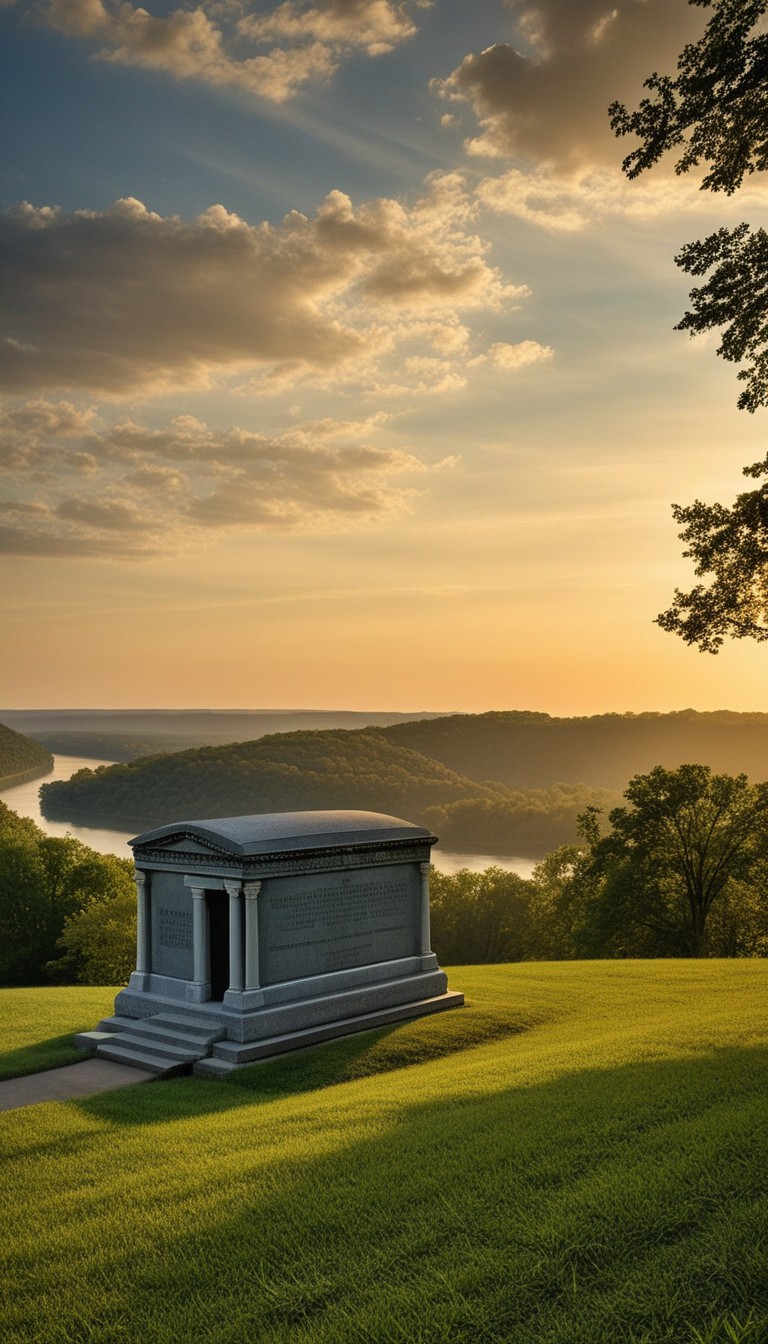
William Henry Harrison's death raised a constitutional crisis: did the vice president become the actual president, or merely the acting president? John Tyler's bold claim to the full presidency set a precedent that endured until the 25th Amendment. Harrison's legacy is one of "what ifs," a reminder that history can pivot in an instant.
Recommended Reading
As an Amazon Associate, we earn from qualifying purchases.
Swipe to navigate