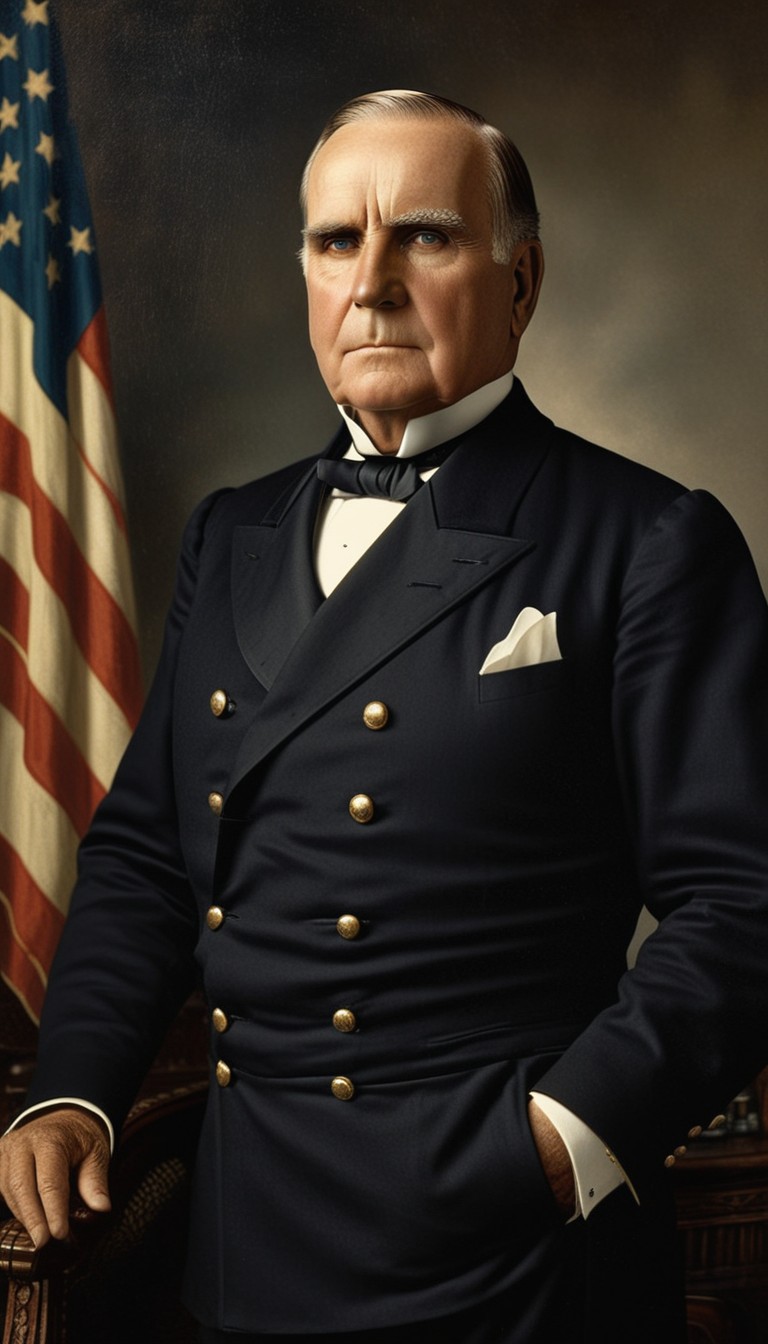
William McKinley (#25): America Becomes a World Power
Loading story...
1843-1865
Ohio & Virginia
The Ohio Volunteer
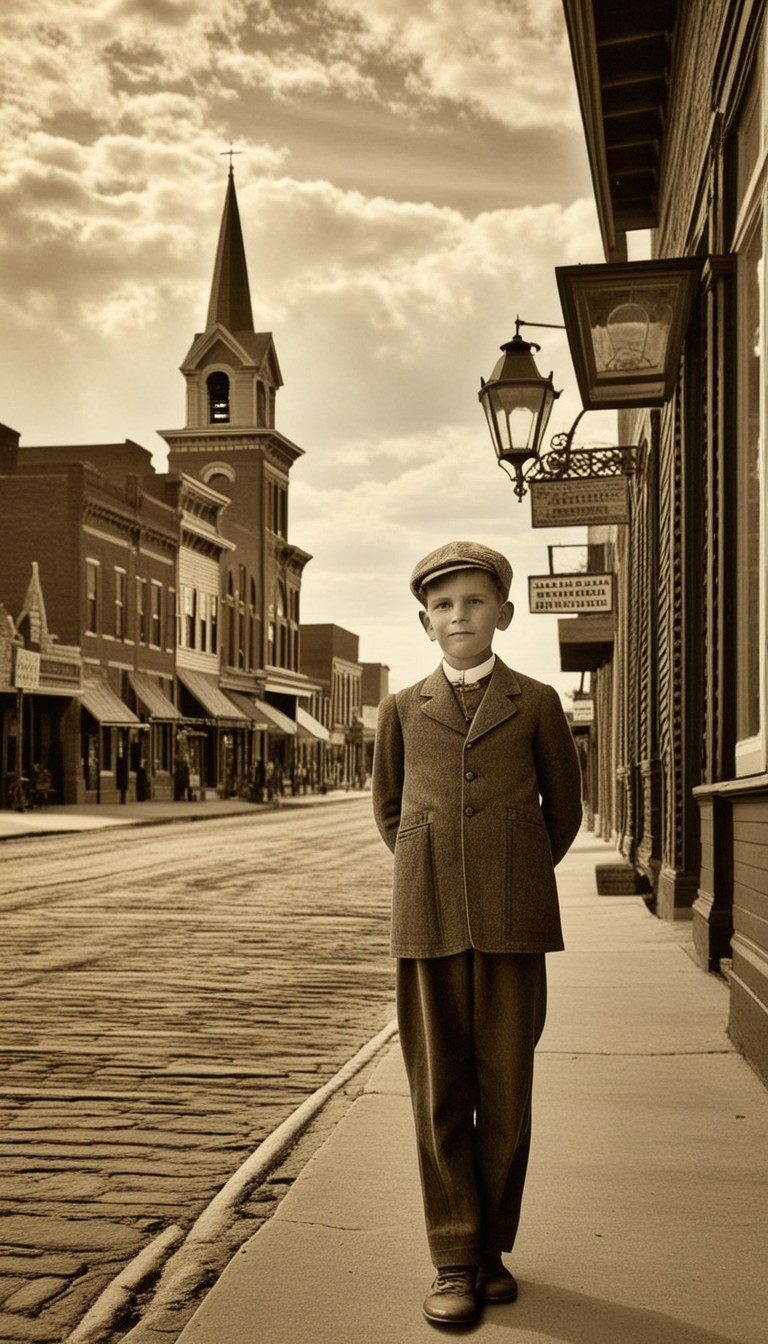
Born on January 29, 1843, in Niles, Ohio, William McKinley enlisted in the Union Army at eighteen as a private. He served with distinction at Antietam, one of the war's bloodiest battles, where he drove a mule-drawn wagon through heavy fire to bring hot food and coffee to troops on the front line. He rose to brevet major by war's end, having impressed his commanding officer, future president Rutherford B. Hayes.
1877-1896
Ohio & Washington, D.C.
The Tariff Champion
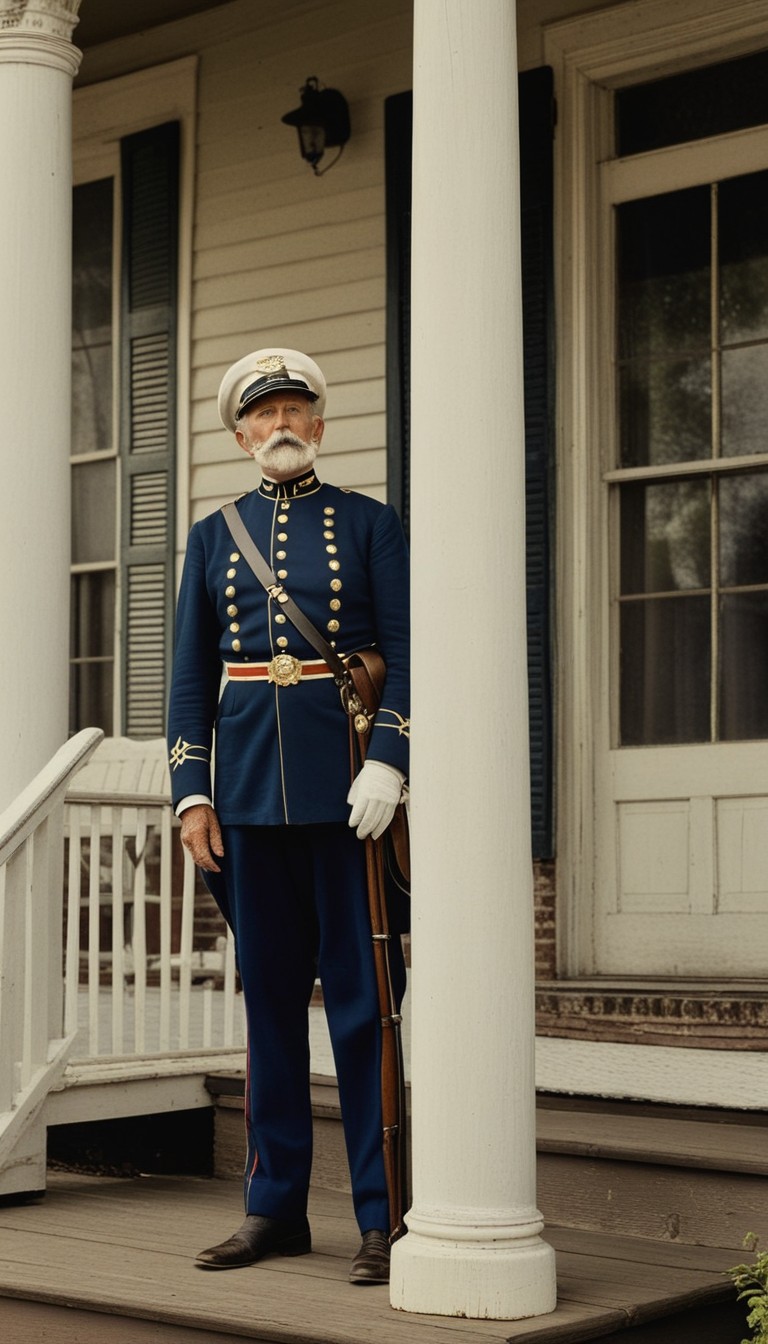
McKinley studied law and entered politics, serving fourteen years in Congress where he became the Republican Party's foremost expert on tariffs. The McKinley Tariff of 1890 raised import duties to record levels to protect American industry. He served two terms as governor of Ohio before winning the 1896 presidential nomination. His campaign manager, Mark Hanna, revolutionized political fundraising, raising $3.5 million from big business.

1896
Canton, Ohio
McKinley vs. Bryan: 1896
The 1896 election was a turning point in American politics. Democrat William Jennings Bryan electrified crowds with his "Cross of Gold" speech, demanding silver coinage to help farmers. McKinley ran a masterful front porch campaign from Canton, Ohio, with delegations of supporters arriving by train daily. McKinley's message of prosperity and the gold standard prevailed. He won by the largest margin in twenty-five years.
1898
Havana, Cuba
Remember the Maine!
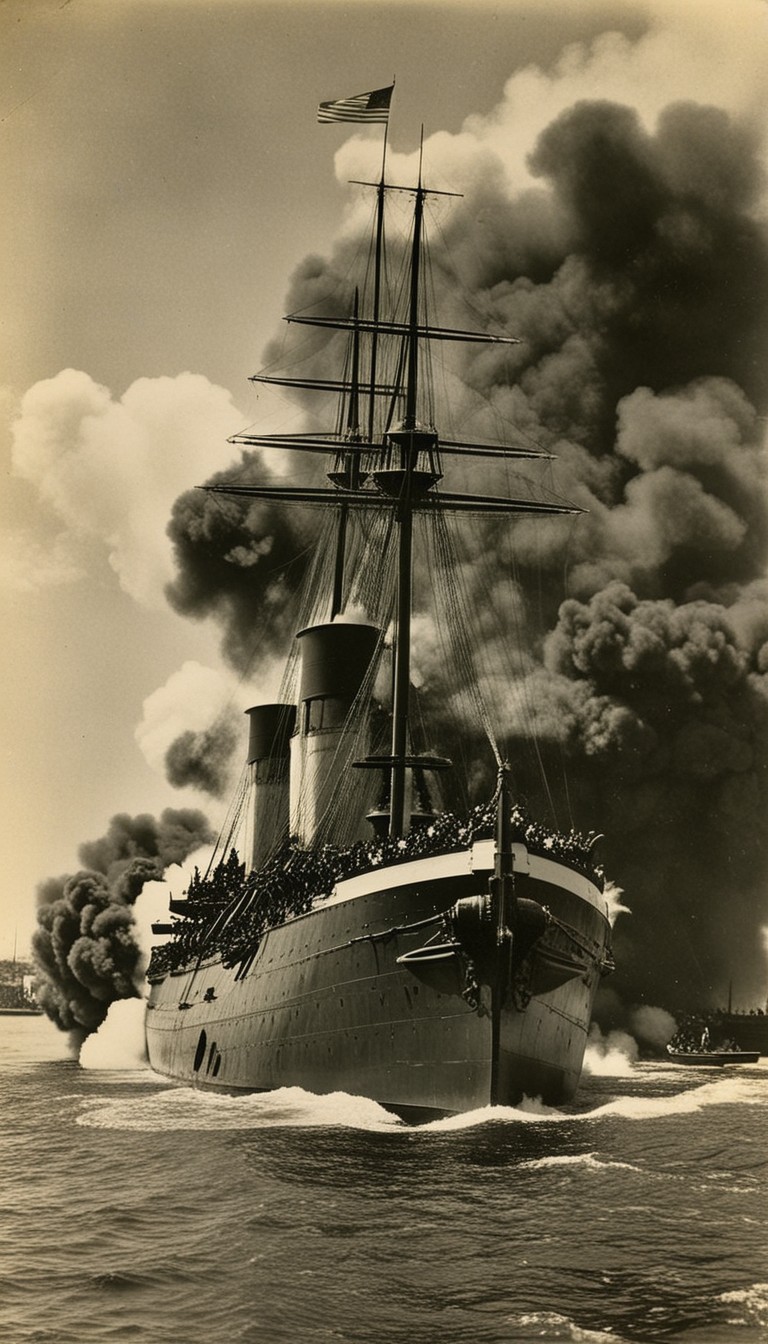
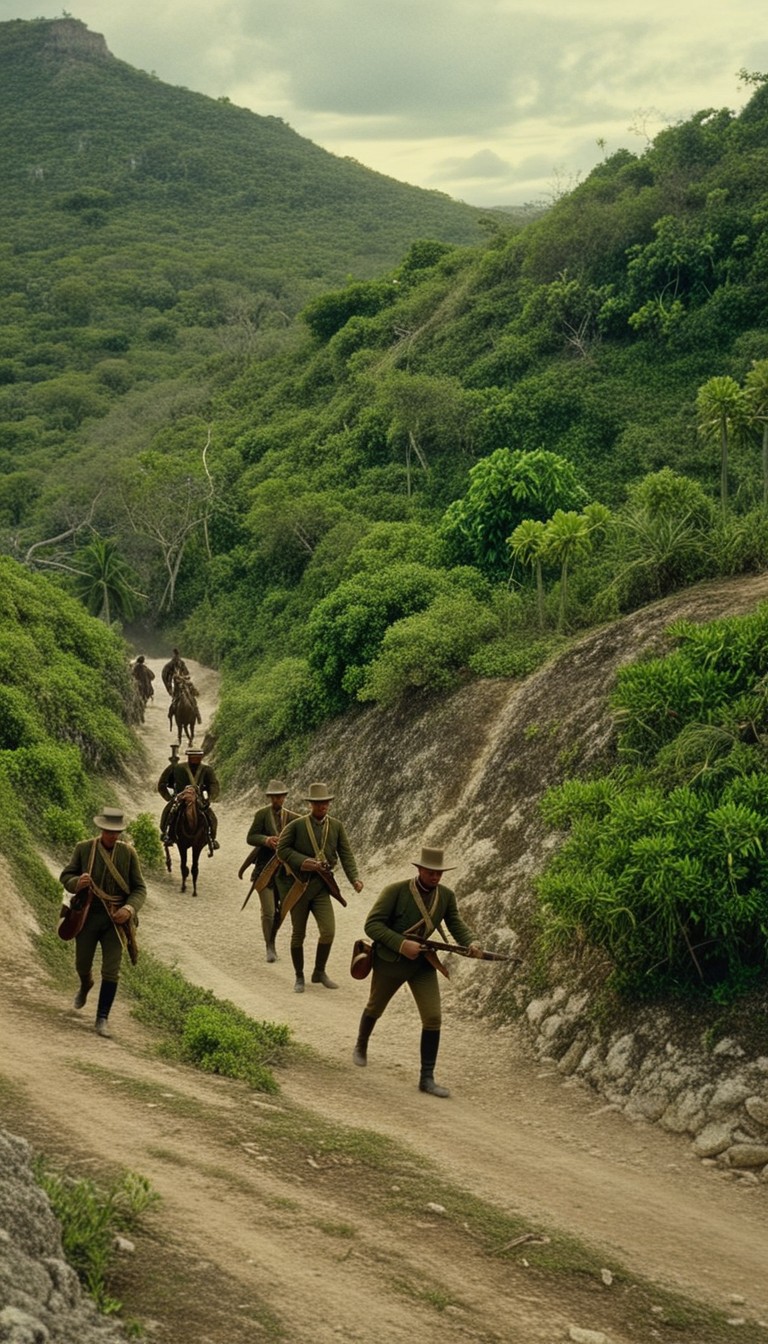
In February 1898, the battleship USS Maine exploded in Havana Harbor, killing 266 American sailors. Yellow journalism newspapers screamed for war with Spain. McKinley, who had seen war's horror firsthand, resisted for weeks, but public pressure became overwhelming. On April 25, 1898, Congress declared war on Spain. "I have been through one war," McKinley said. "I have seen the dead piled up, and I do not want to see another."
1898
Cuba & Philippines
A Splendid Little War
The Spanish-American War lasted just four months. American forces seized Cuba, Puerto Rico, Guam, and the Philippines. Secretary of State John Hay called it "a splendid little war." The Treaty of Paris gave America its first overseas empire. McKinley agonized over whether to annex the Philippines, reportedly telling a friend he got on his knees and prayed for guidance before deciding to keep the islands.
1897-1900
United States
The Full Dinner Pail
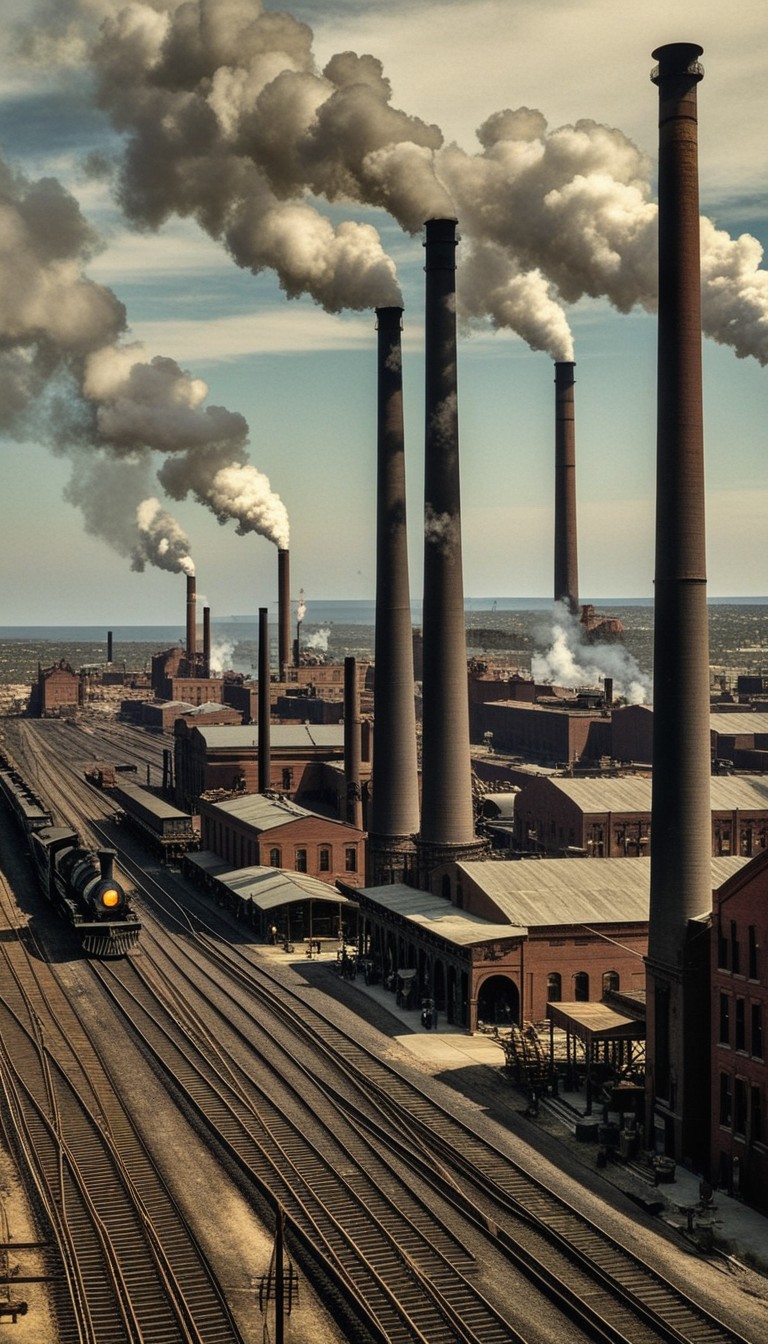
McKinley's first term coincided with a powerful economic recovery. The depression of the 1890s gave way to booming industry, rising wages, and the Gold Standard Act of 1900, which stabilized the currency. His campaign slogan for reelection was "The Full Dinner Pail," promising continued prosperity. He won a decisive rematch against Bryan in 1900, this time carrying every state north of the Mason-Dixon line.
September 6, 1901
Buffalo, New York
The Pan-American Exposition
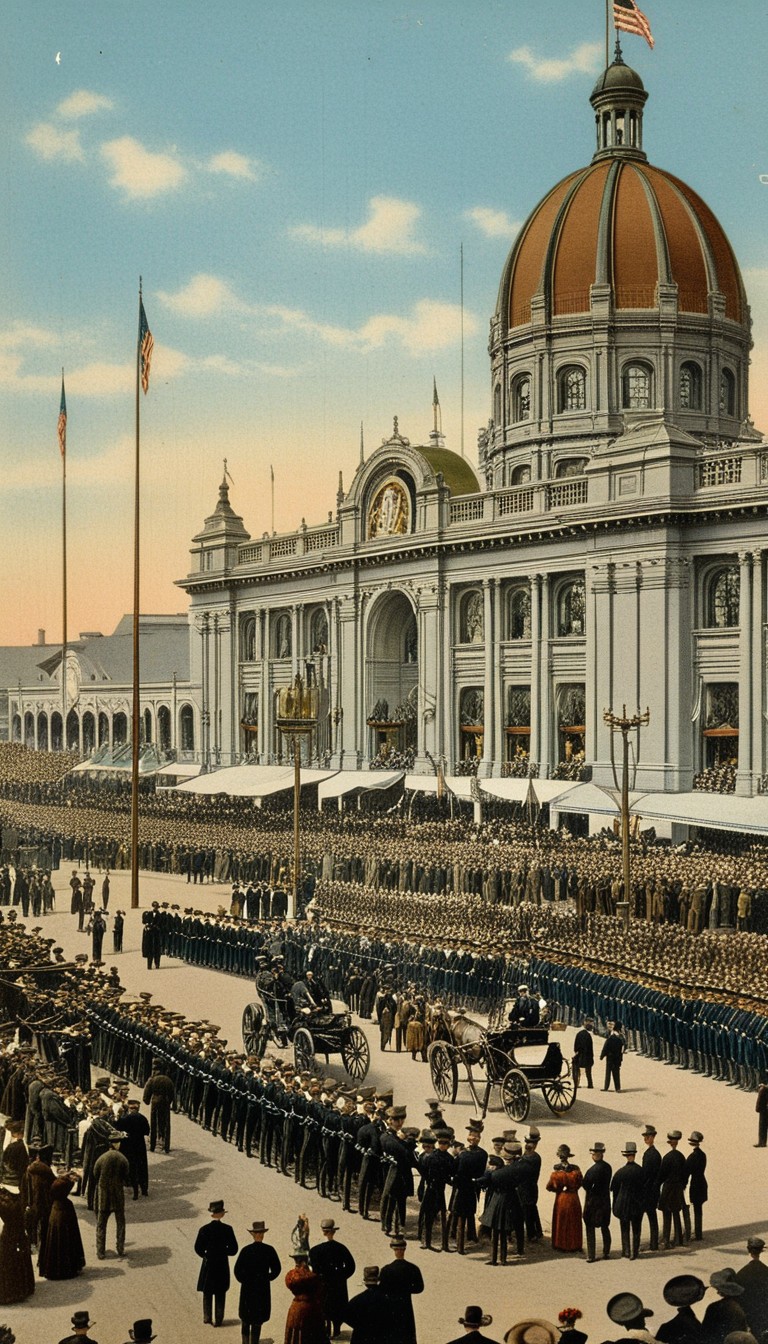
On September 5, 1901, McKinley delivered a visionary speech at the Pan-American Exposition in Buffalo, New York, calling for reciprocal trade agreements and international cooperation. The next day, while shaking hands in a receiving line at the Temple of Music, anarchist Leon Czolgosz shot him twice with a concealed revolver. McKinley's first concern was for his wife: "My wife, be careful how you tell her."
September 14, 1901
Buffalo, New York
A Nation Mourns
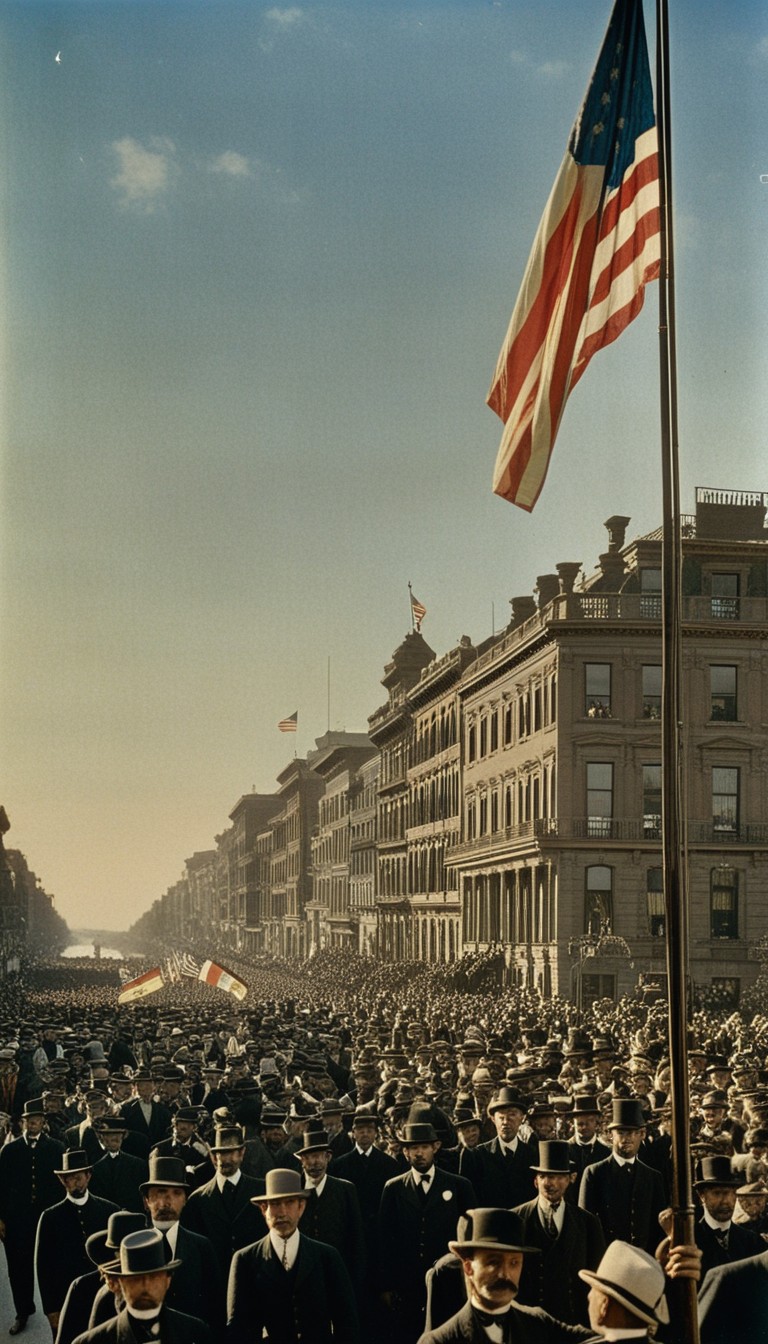
McKinley lingered for eight days after the shooting, initially appearing to recover. Gangrene set in, and he died on September 14, 1901, at age fifty-eight. His last words were the hymn "Nearer, My God, to Thee." Vice President Theodore Roosevelt rushed to Buffalo and took the oath of office. McKinley was the third president assassinated in thirty-six years, prompting Congress to finally assign Secret Service protection to future presidents.
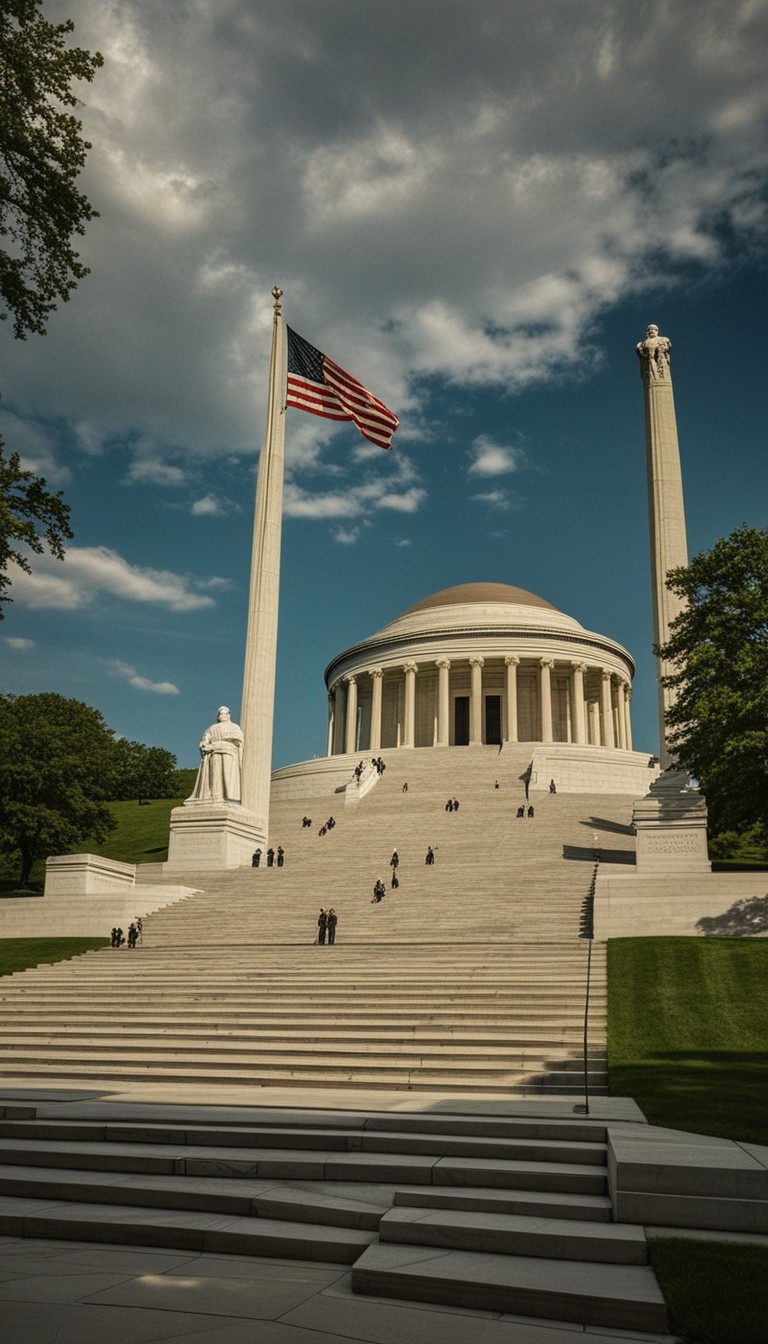
The Bridge to the American Century
William McKinley transformed the United States from an inward-looking republic into a global power with overseas possessions and international ambitions. His economic policies ushered in an era of prosperity, and his reluctant imperialism redefined America's role in the world. Though often overshadowed by his dynamic successor, McKinley built the foundation upon which the American Century was constructed.
Recommended Reading
As an Amazon Associate, we earn from qualifying purchases.
Swipe to navigate