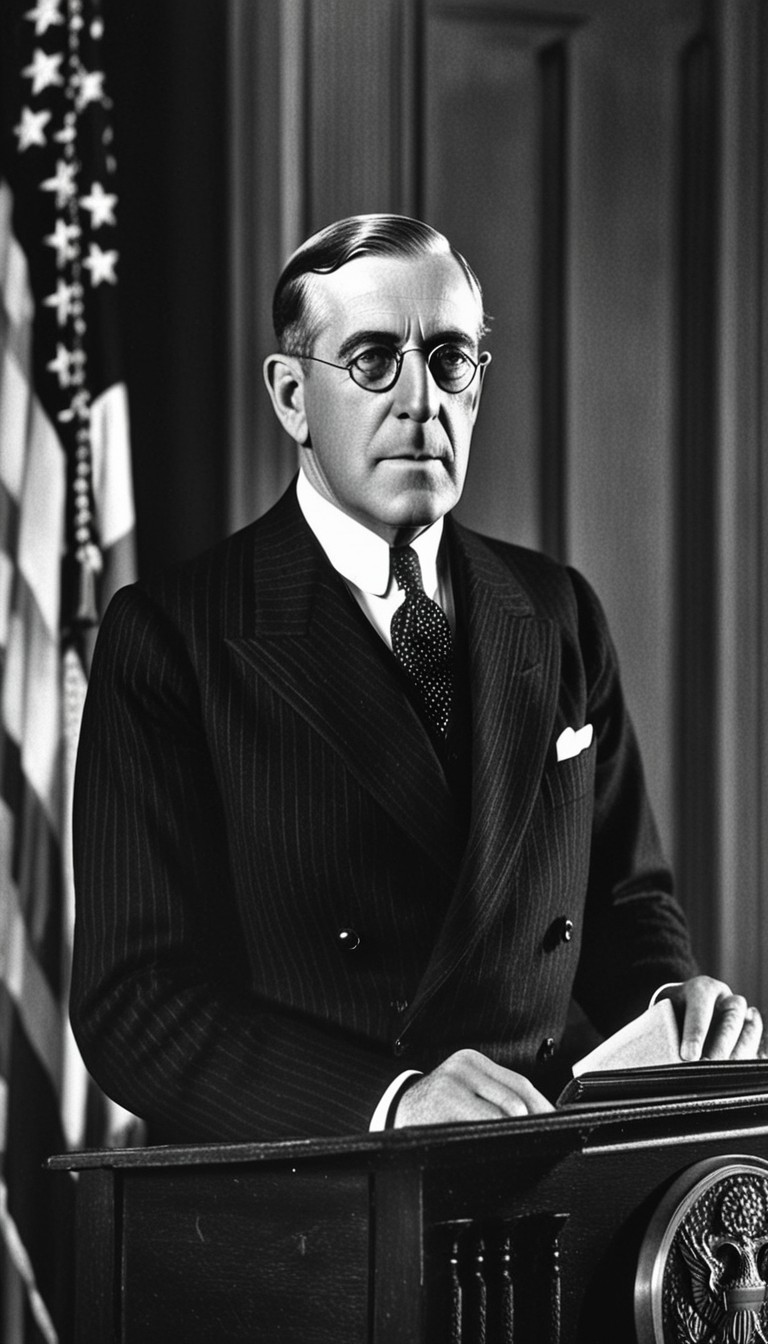
Woodrow Wilson (#28): The Professor President
Loading story...

1856-1875
Virginia & Georgia
A Son of the South
Born on December 28, 1856, in Staunton, Virginia, Thomas Woodrow Wilson grew up in the defeated South during Reconstruction. His earliest memory was hearing that Abraham Lincoln had been elected and that war was coming. He struggled with dyslexia and did not learn to read until age eleven. Despite this, he developed a passion for words and oratory that would define his career.
1890-1910
Princeton, New Jersey
The Academic Reformer
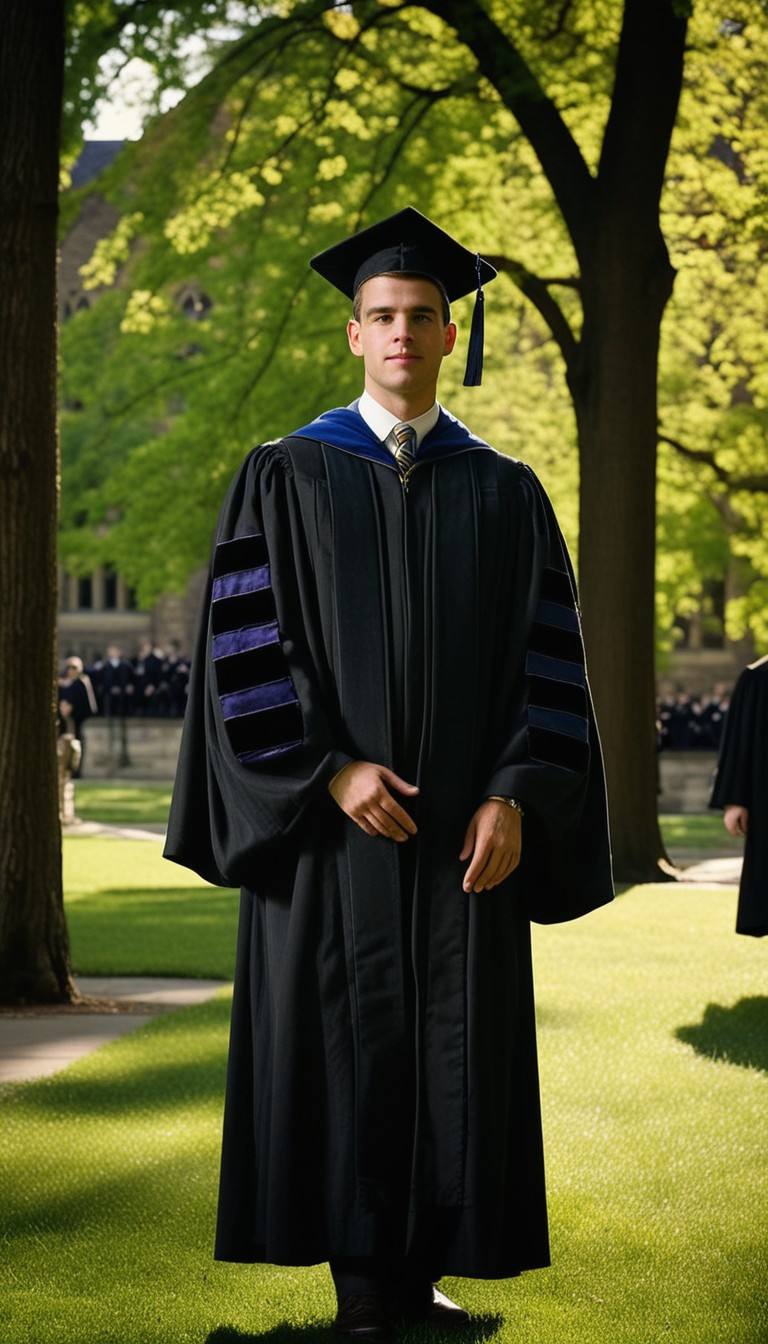
Wilson earned a PhD from Johns Hopkins University and became a renowned political science professor. In 1902, he was named president of Princeton, where he revolutionized undergraduate education with the preceptorial system. His battles with the university's elite eating clubs made national headlines and established his reputation as a reformer willing to challenge entrenched privilege.
1910-1913
New Jersey
From Campus to White House
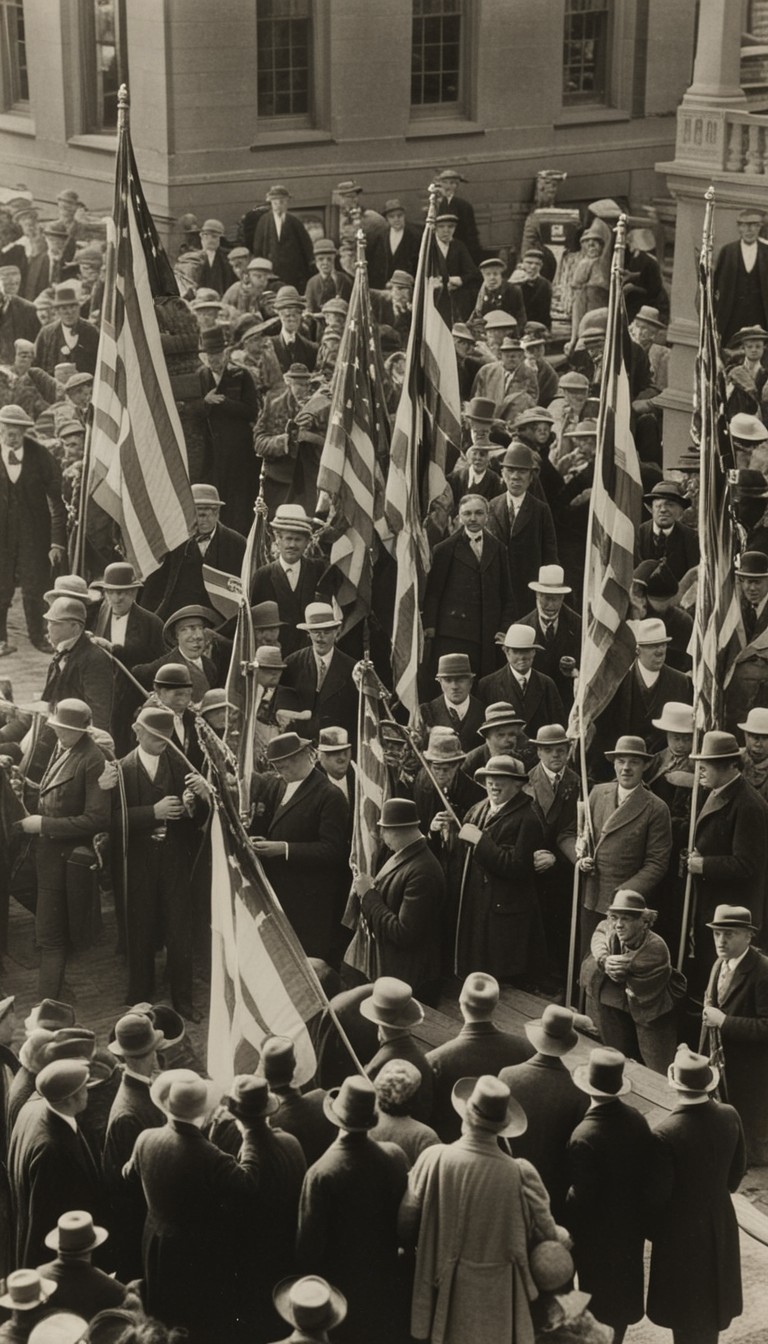
Wilson's meteoric political rise had no precedent. Elected governor of New Jersey in 1910 with no prior political experience, he immediately broke with the party bosses who had backed him and pushed through progressive reforms. Two years later, he won the presidency thanks to the Roosevelt-Taft split. He was only the second Democrat elected since the Civil War.
1913-1916
Washington, D.C.
The New Freedom
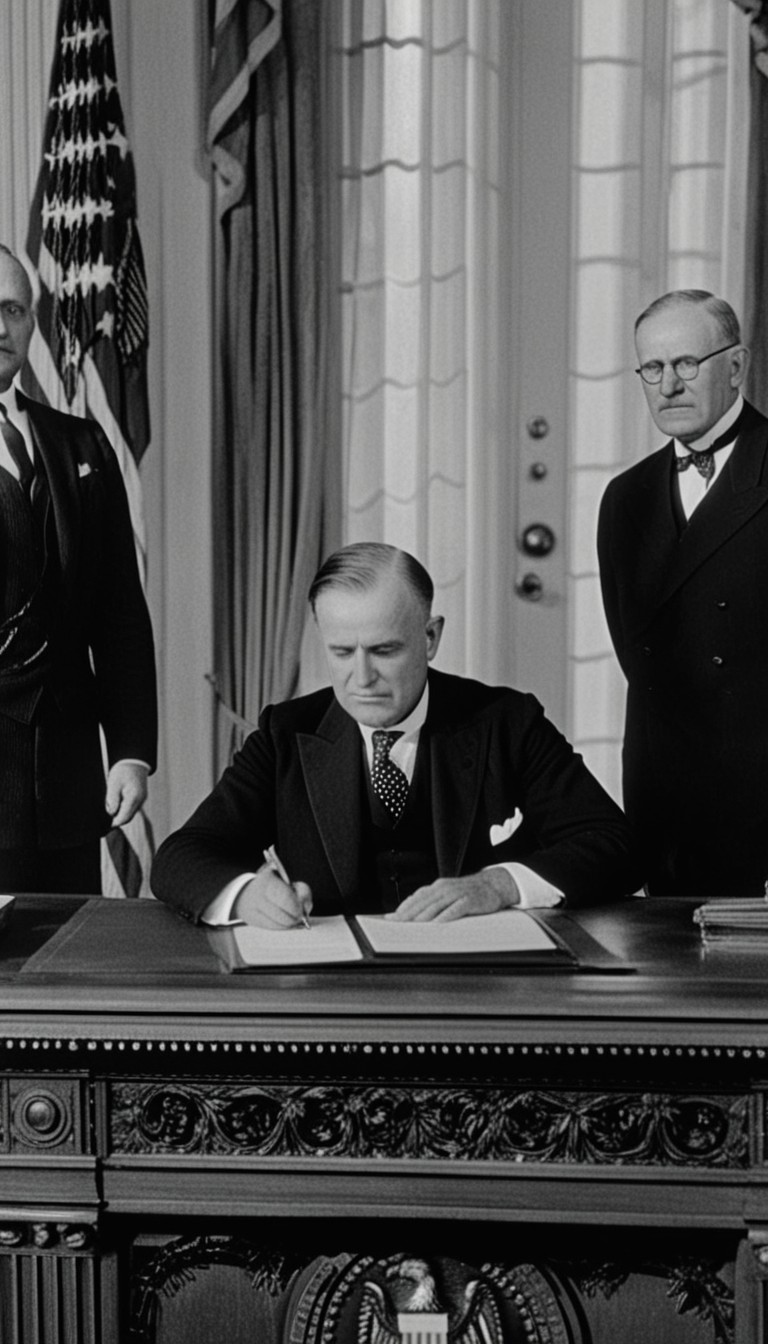
Wilson's first term produced a stunning burst of progressive legislation. He created the Federal Reserve System to stabilize banking, signed the Clayton Antitrust Act to strengthen trust-busting, established the Federal Trade Commission to protect consumers, and signed the first federal income tax into law. He also signed legislation limiting child labor and establishing the eight-hour workday for railroad workers.
1917-1918
France
The War to End All Wars
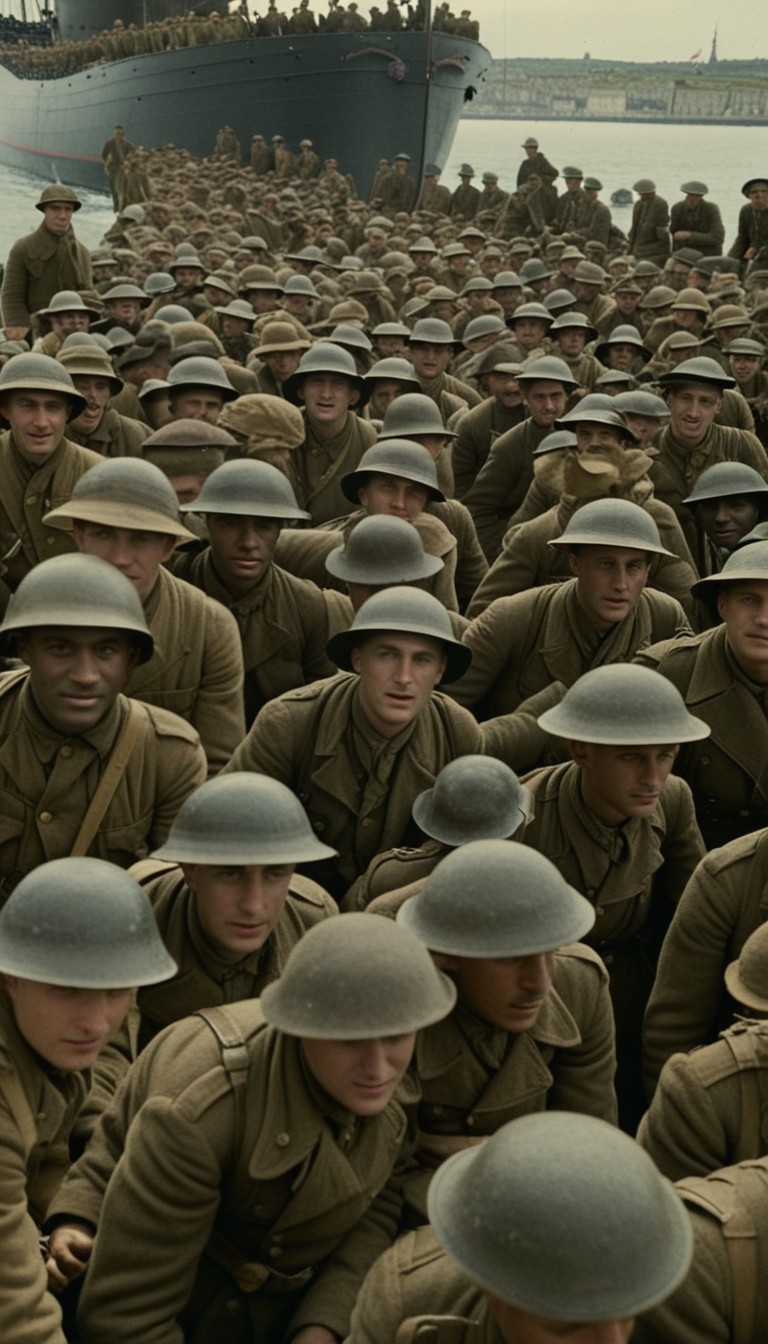
Wilson won reelection in 1916 with the slogan "He Kept Us Out of War." Five months later, he asked Congress for a declaration of war against Germany, citing unrestricted submarine warfare and the Zimmermann Telegram. Over two million American soldiers went "Over There." Wilson framed the conflict in idealistic terms: "The world must be made safe for democracy." American forces helped turn the tide by late 1918.
1918-1919
Paris, France
The Fourteen Points
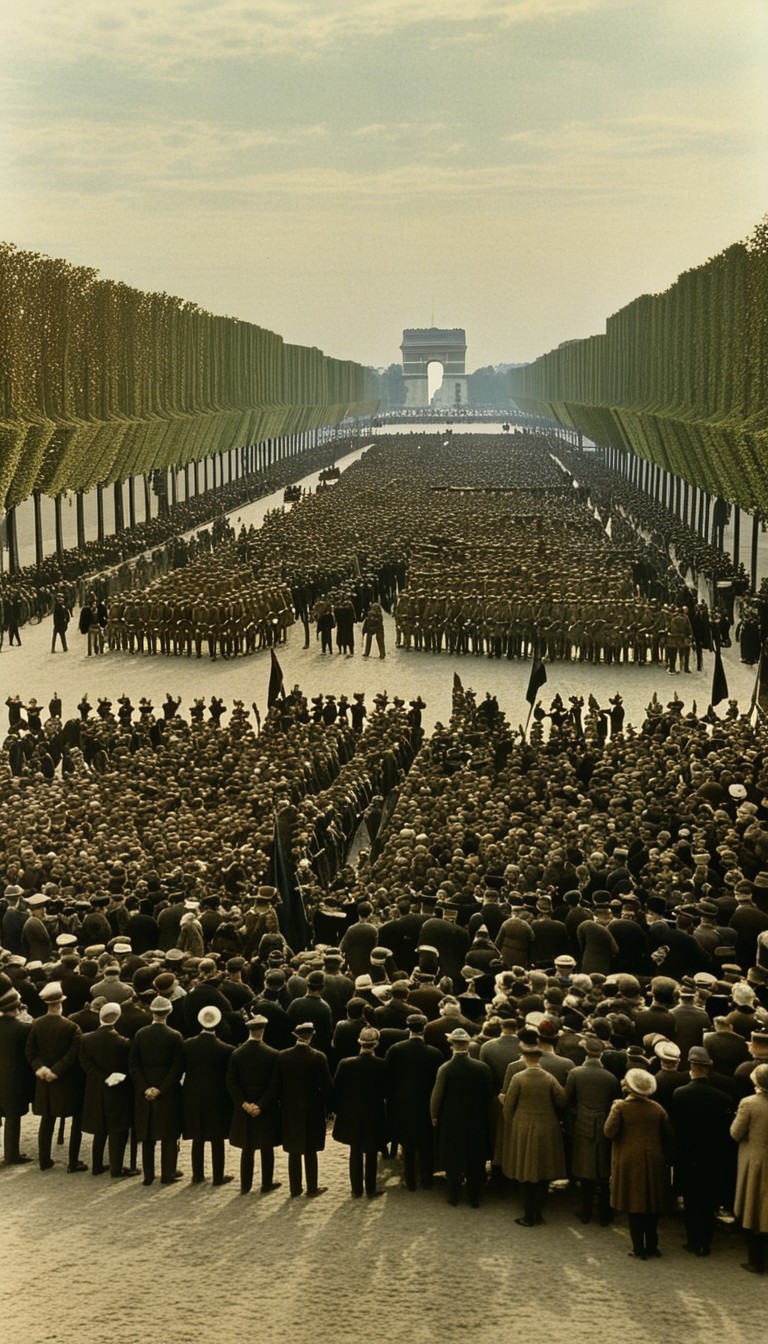
Wilson traveled to Paris for the peace conference, the first sitting president to visit Europe. He was greeted as a savior by millions. His Fourteen Points outlined a vision of open diplomacy, free trade, self-determination for nations, and a League of Nations to prevent future wars. But the other Allied leaders wanted revenge against Germany, and Wilson was forced to compromise on nearly everything except the League.
1919-1921
Washington, D.C.
A Broken President
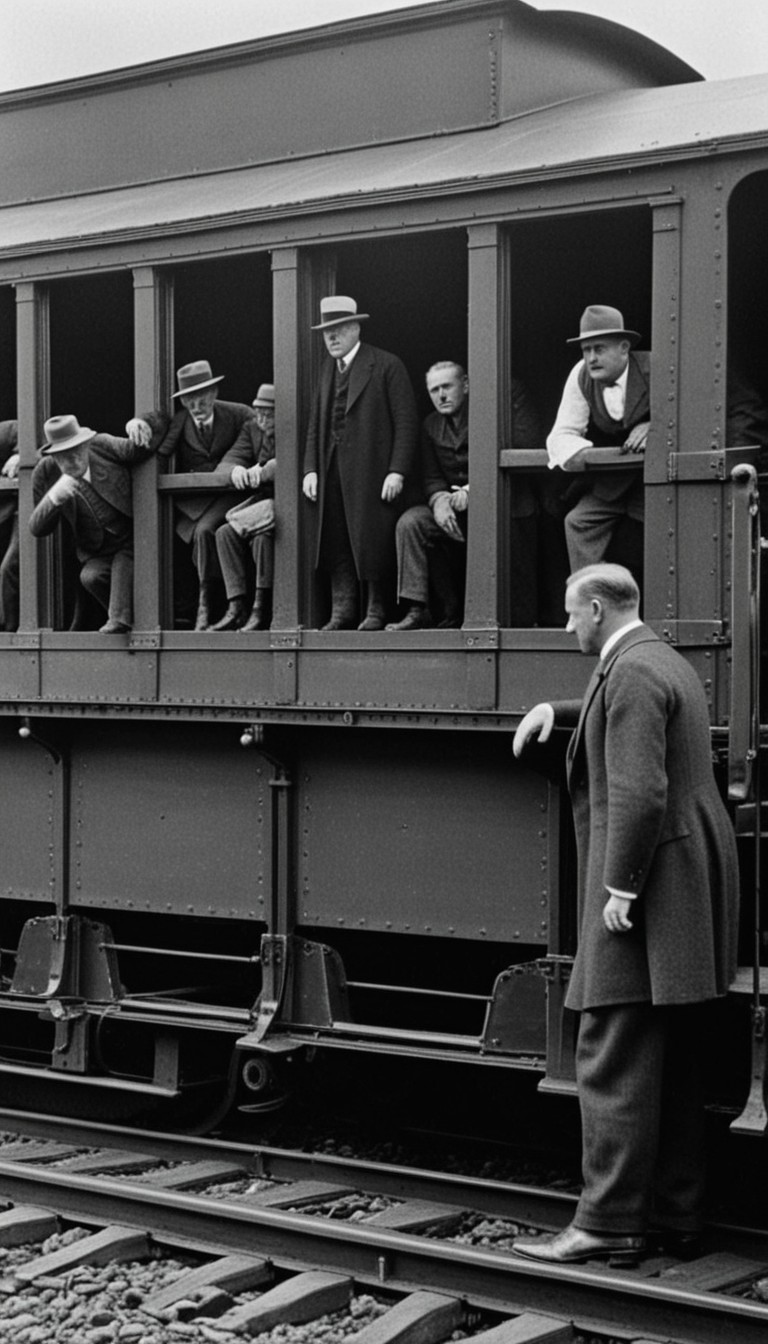
The U.S. Senate, led by Henry Cabot Lodge, refused to ratify the Treaty of Versailles with its League of Nations provision. Wilson embarked on a grueling cross-country tour to rally public support, delivering forty speeches in twenty-two days. On October 2, 1919, he suffered a massive stroke that left him partially paralyzed. His wife Edith secretly managed the presidency for the remaining seventeen months of his term.
1921-1924
Washington, D.C.
A Dream Deferred
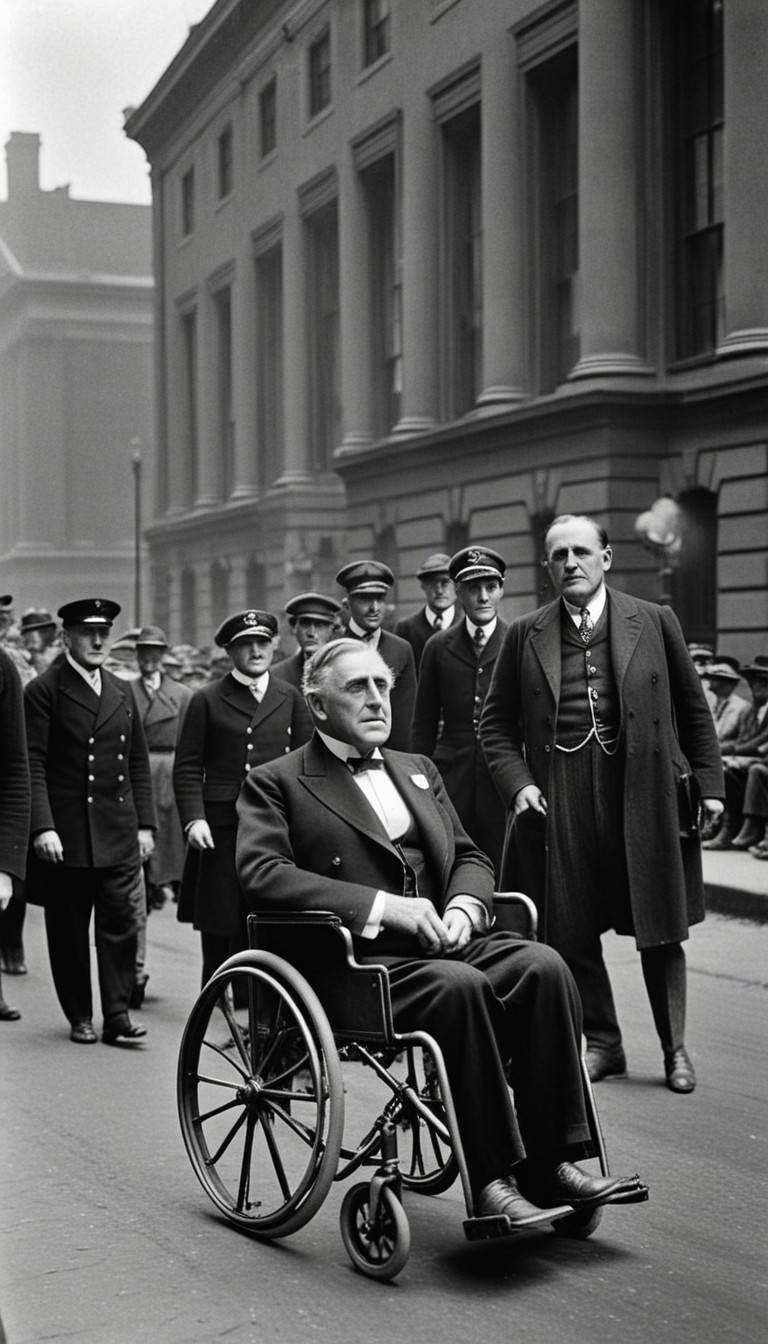
Wilson refused to compromise with the Senate, and the Treaty of Versailles was rejected twice. America never joined the League of Nations. Wilson left office a broken man, retiring to a house on S Street in Washington. He was awarded the Nobel Peace Prize in 1919 for his League efforts. He died on February 3, 1924, still believing the world would eventually embrace his vision. His last word was "Edith."
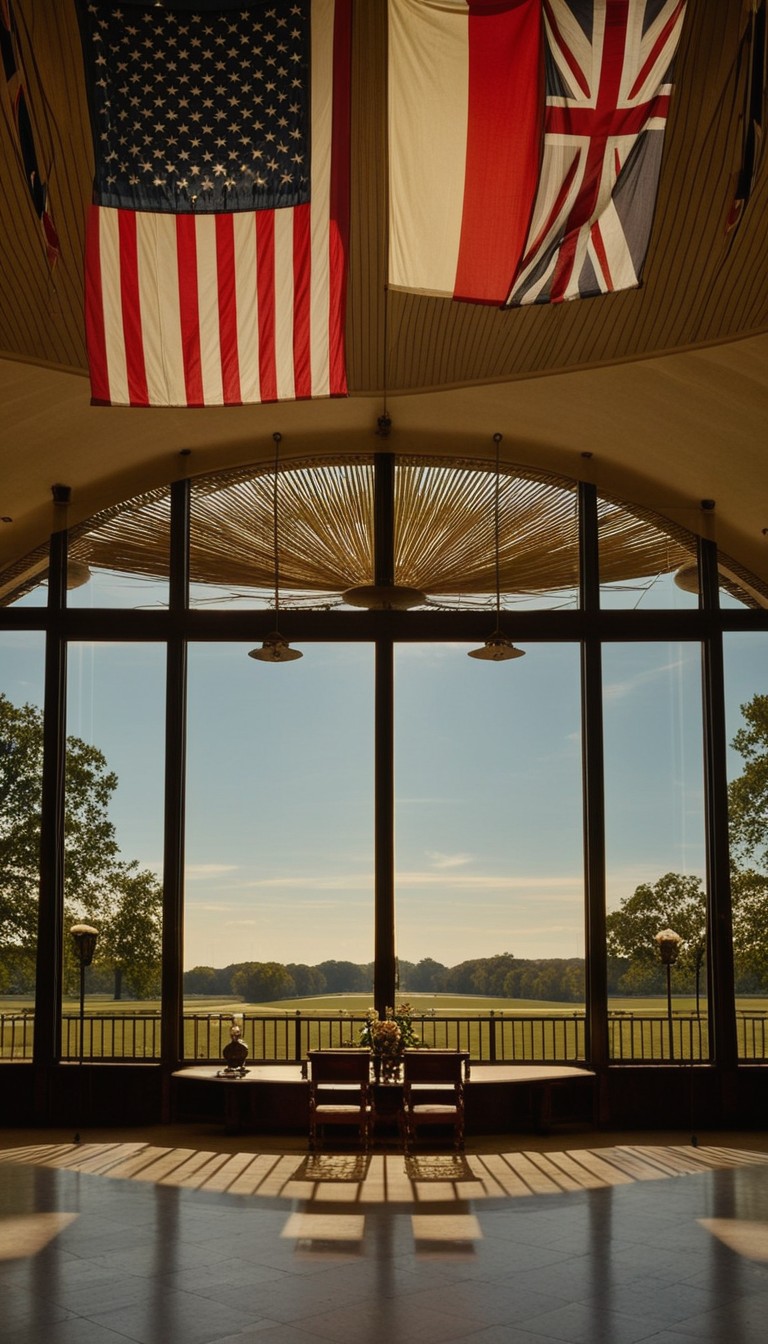
The Idealist's Burden
Woodrow Wilson reshaped American government with progressive reforms that endure to this day and articulated a vision of international cooperation that, though rejected in his lifetime, became the foundation for the United Nations after World War II. His presidency reveals both the power and the peril of idealism: his progressive achievements were historic, yet his rigid refusal to compromise doomed his greatest ambition.
Recommended Reading
As an Amazon Associate, we earn from qualifying purchases.
Swipe to navigate