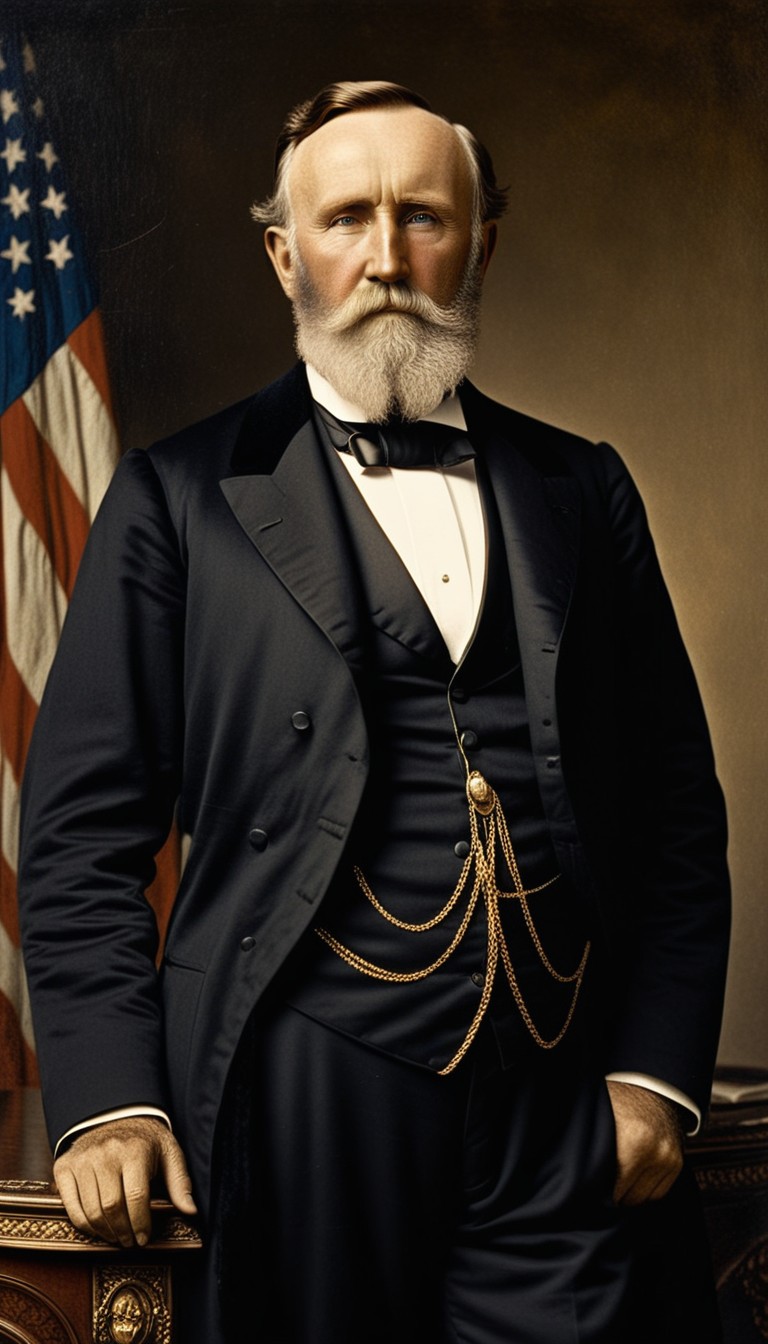
Rutherford B. Hayes (#19): The Disputed President
Loading story...
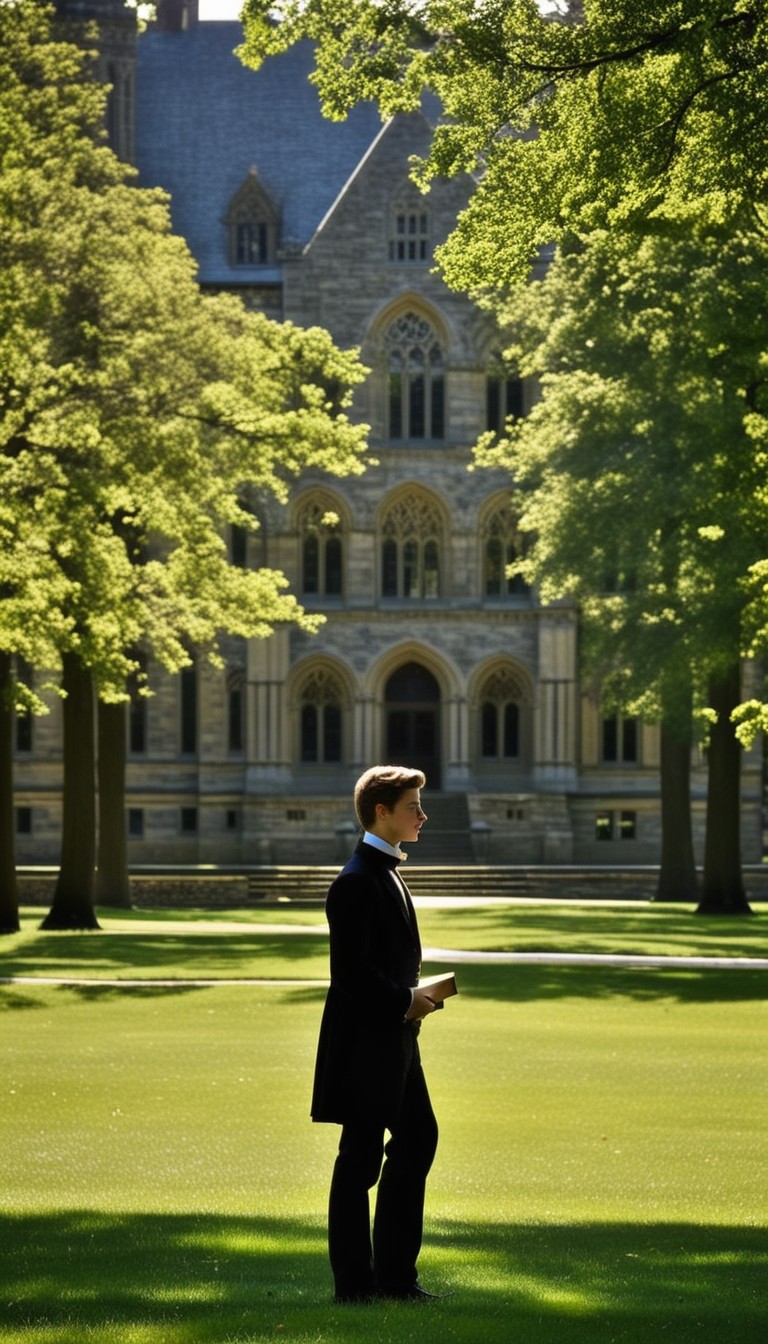
1822-1861
Ohio
An Ohio Gentleman
Born on October 4, 1822, in Delaware, Ohio, Rutherford Birchard Hayes never knew his father, who died ten weeks before his birth. Raised by his mother and a devoted uncle, he attended Kenyon College and Harvard Law School. Settling in Cincinnati, he built a successful law practice and earned a reputation defending fugitive slaves in court.
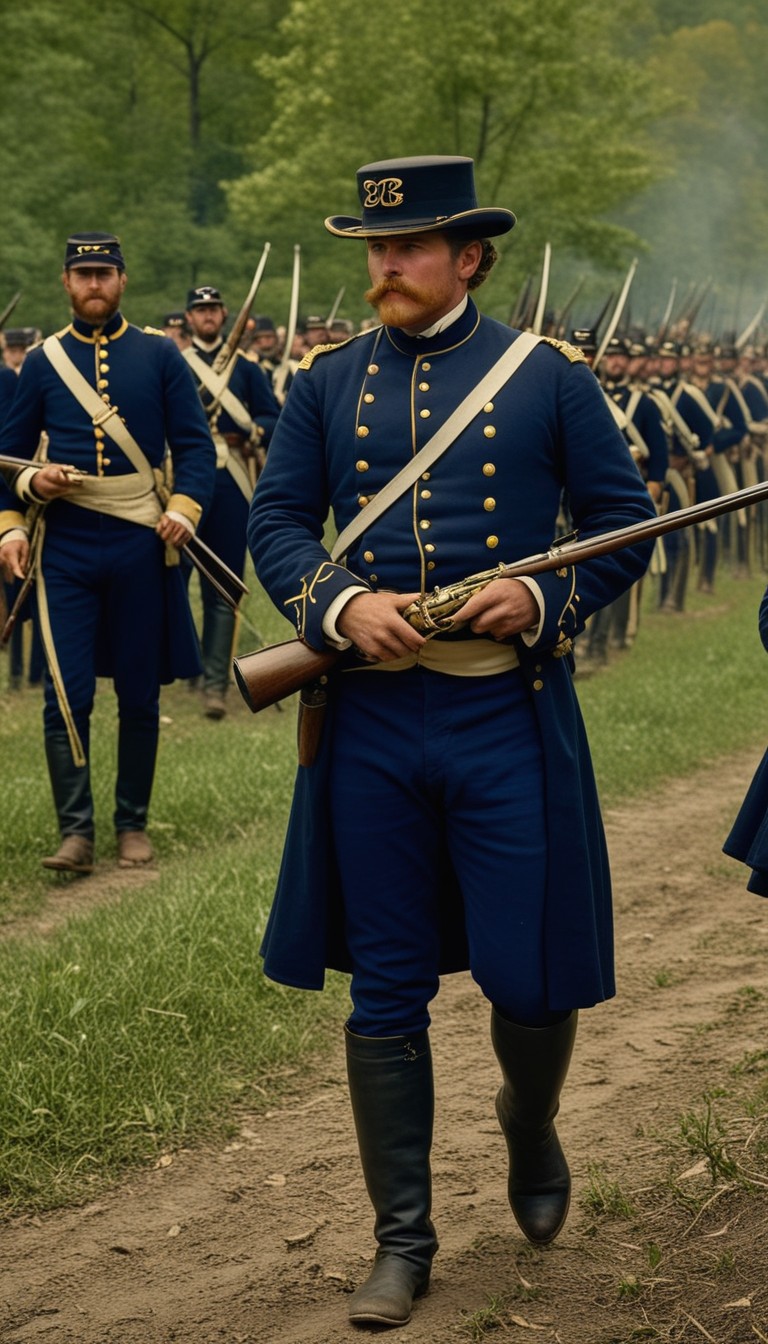
1861-1865
West Virginia & Virginia
Wounded in Battle
Hayes enlisted in the Union Army at the start of the Civil War and rose from major to brevet major general. He was wounded five times, most seriously at the Battle of South Mountain in 1862, where a musket ball shattered his arm. When Ohio Republicans nominated him for Congress while he was still fighting, he refused to campaign, saying: "An officer fit for duty who would abandon his post to electioneer ought to be scalped."
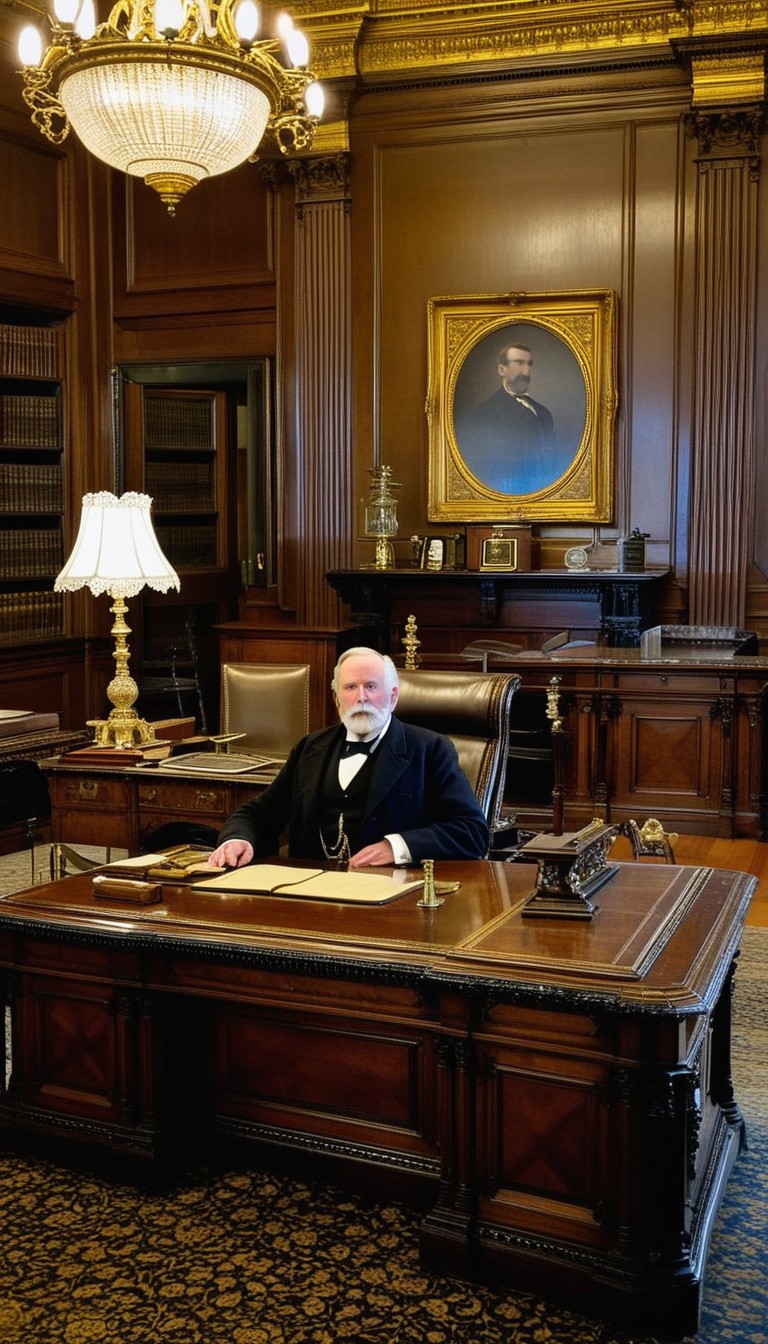
1867-1876
Columbus, Ohio
Governor of Ohio
After serving two terms in Congress, Hayes won three terms as governor of Ohio. He championed public education, prison reform, and the ratification of the Fifteenth Amendment. Known for his integrity and even temper, he became a respected figure in the Republican Party. In 1876, he emerged as a compromise presidential candidate on the seventh ballot.
1876-1877
Washington, D.C.
The Stolen Election
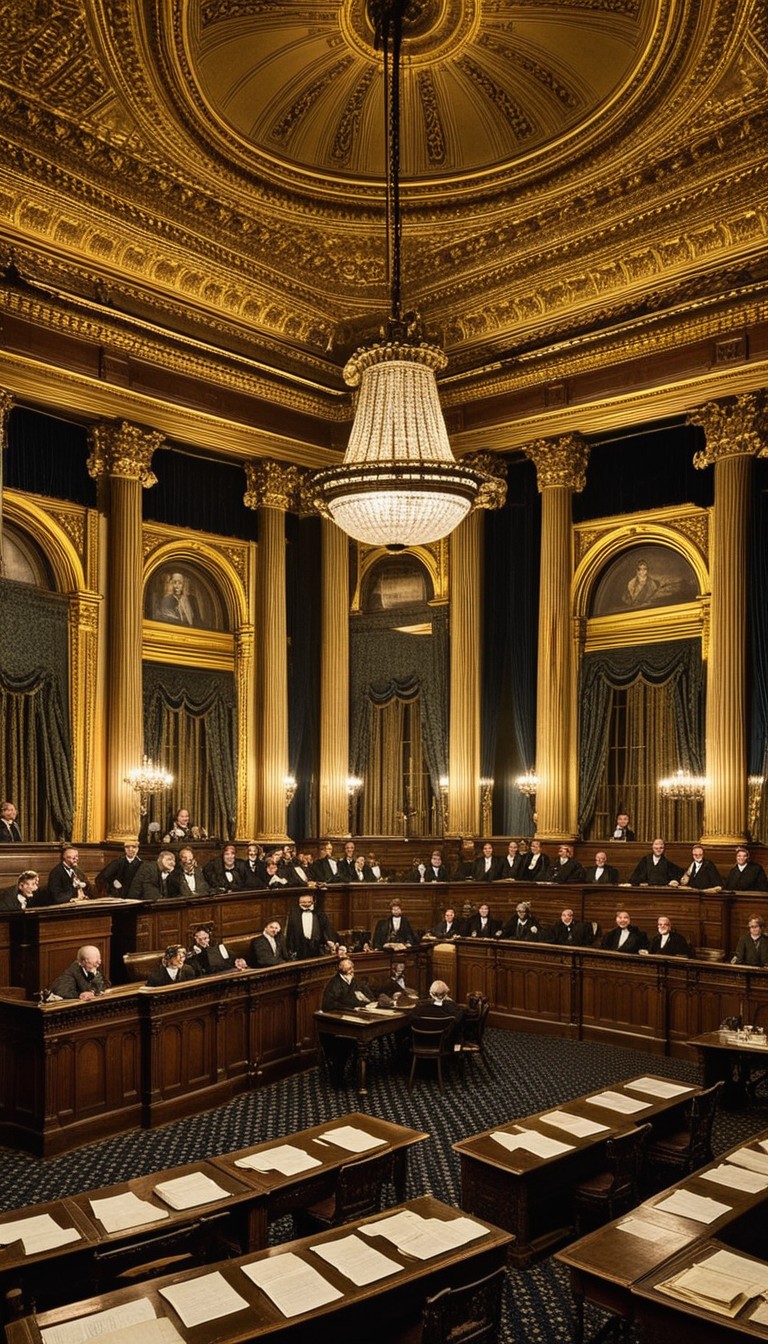
The 1876 election between Hayes and Democrat Samuel Tilden was the most disputed in American history. Tilden won the popular vote, but twenty electoral votes from three Southern states were contested. A special Electoral Commission awarded all disputed votes to Hayes by a strict party-line vote of 8 to 7. Democrats called him "Rutherfraud" and "His Fraudulency."
1877
The South
The End of Reconstruction
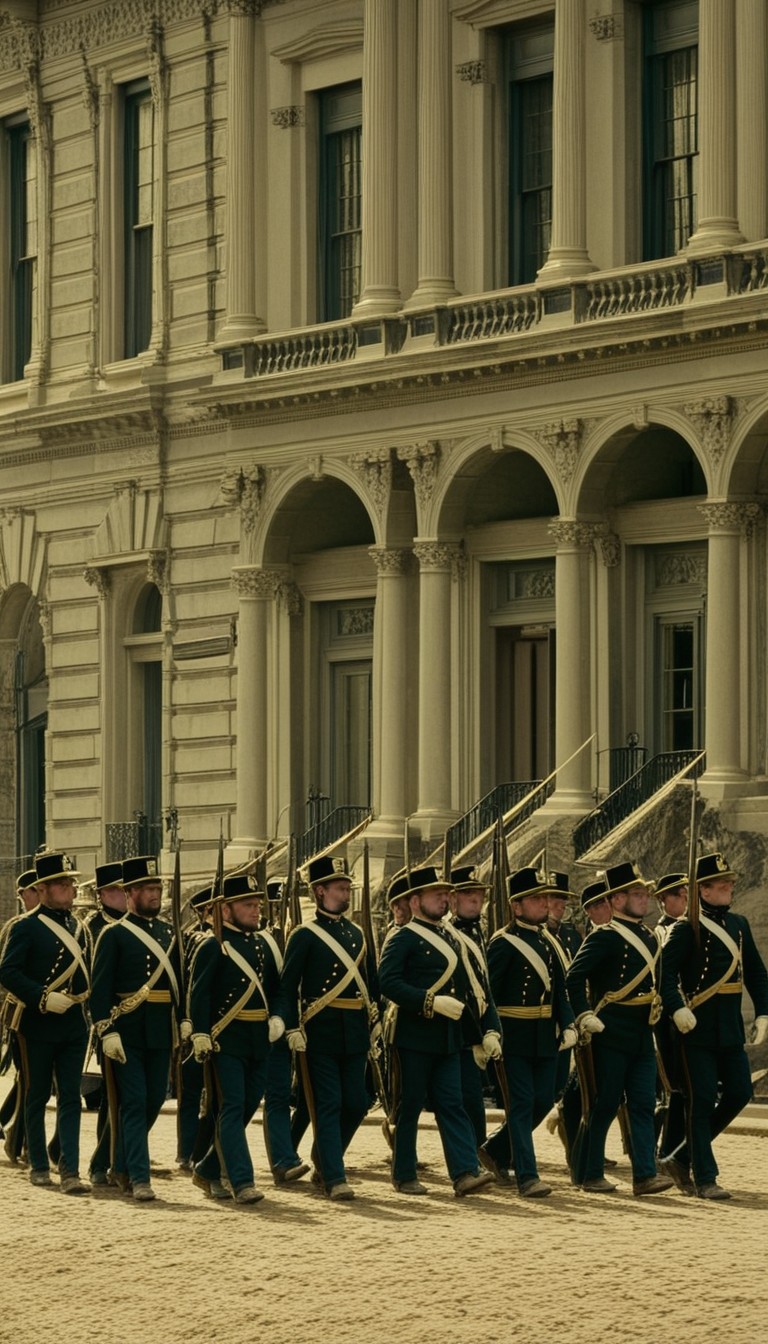
To secure Southern Democratic acceptance of his presidency, Hayes agreed to withdraw federal troops from the last occupied Southern statehouses in Louisiana and South Carolina. This Compromise of 1877 effectively ended Reconstruction and abandoned Black Southerners to decades of Jim Crow oppression. It remains the most controversial decision of his presidency.
1877-1880
Washington, D.C.
Fighting the Spoils System
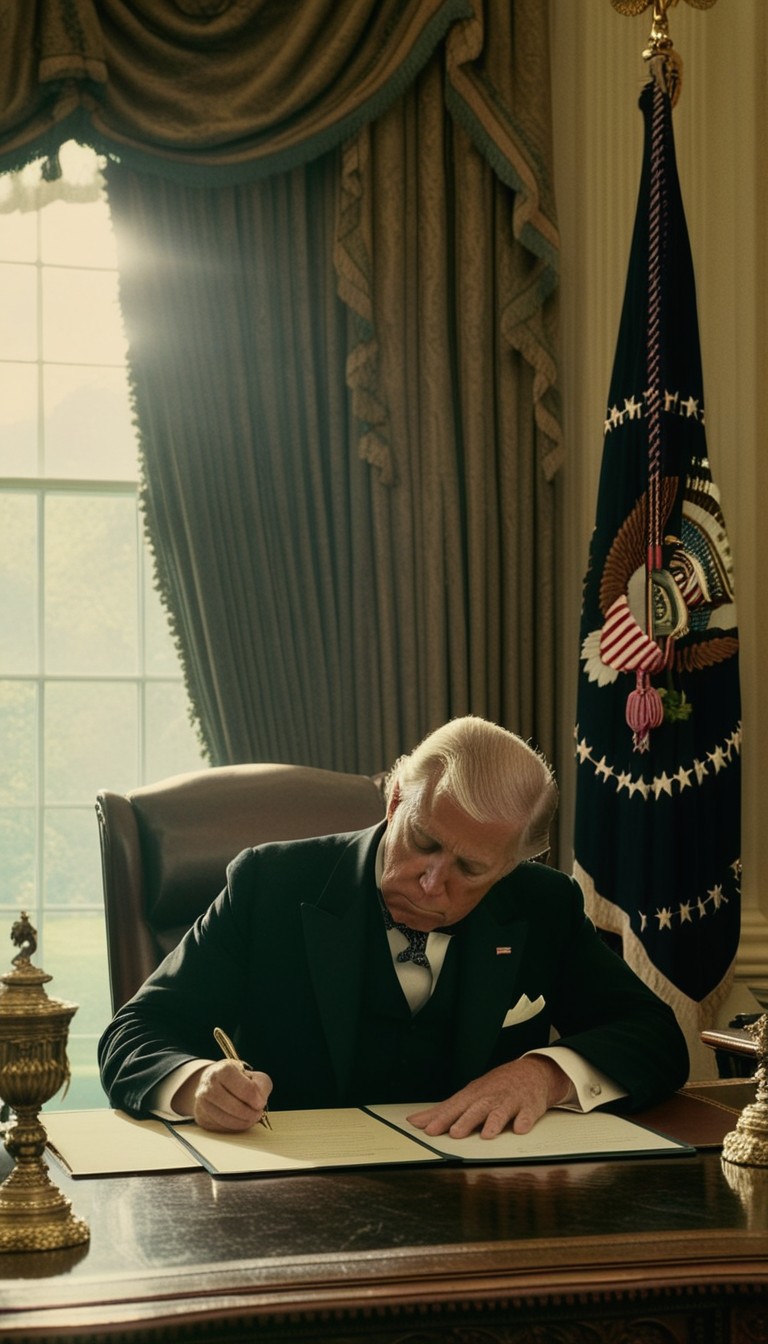
Hayes devoted his presidency to reforming the corrupt patronage system that had poisoned American politics for decades. He issued an executive order banning federal employees from managing political campaigns and fired Chester Arthur from the lucrative New York Custom House for running a patronage machine. His own party fought him at every turn, but Hayes never backed down.
1877-1881
Washington, D.C.
A Modernizing President
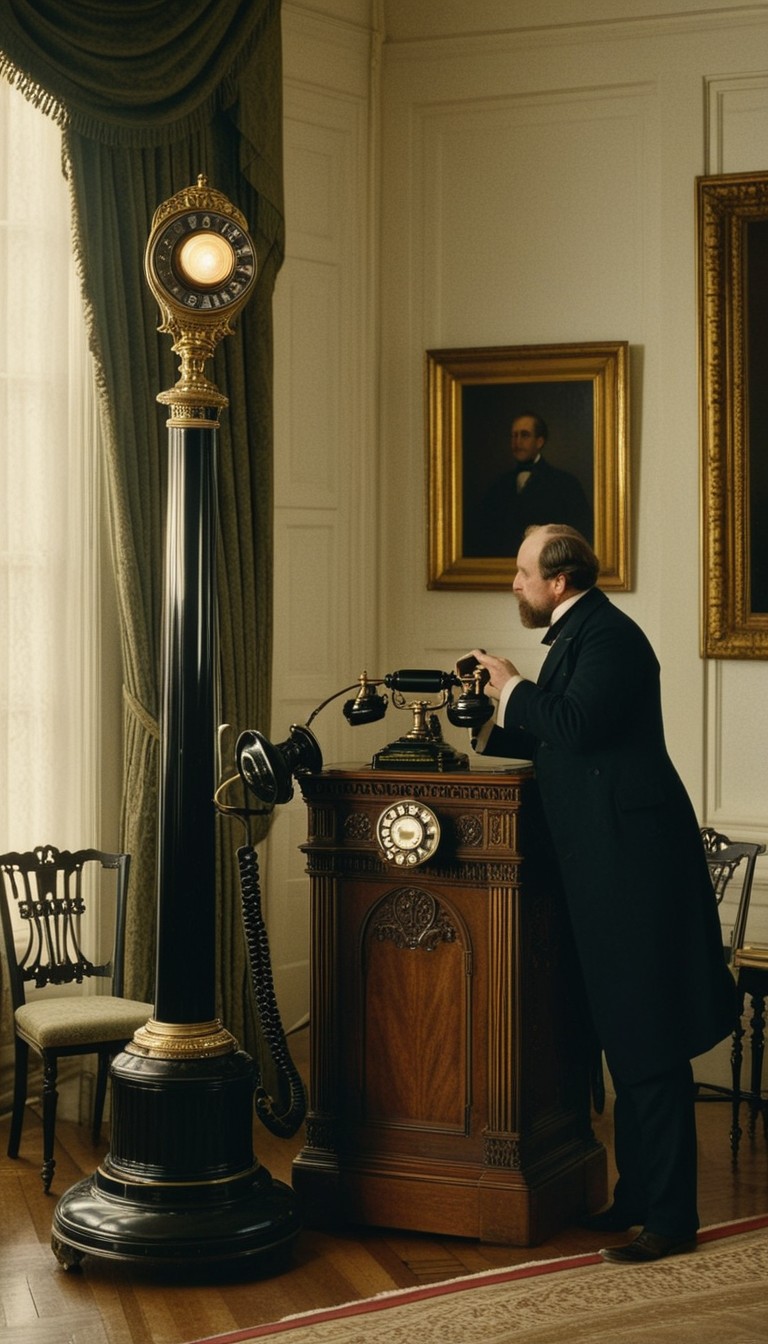
Hayes brought the White House into the modern age. He installed the first telephone, hosted the first Easter Egg Roll on the White House lawn, and his wife Lucy became the first First Lady to hold a college degree. Lucy banned alcohol from the White House, earning her the nickname "Lemonade Lucy." Hayes also vetoed the Chinese Exclusion Act, though a later version would pass under his successor.
1881-1893
Fremont, Ohio
A Promise Kept
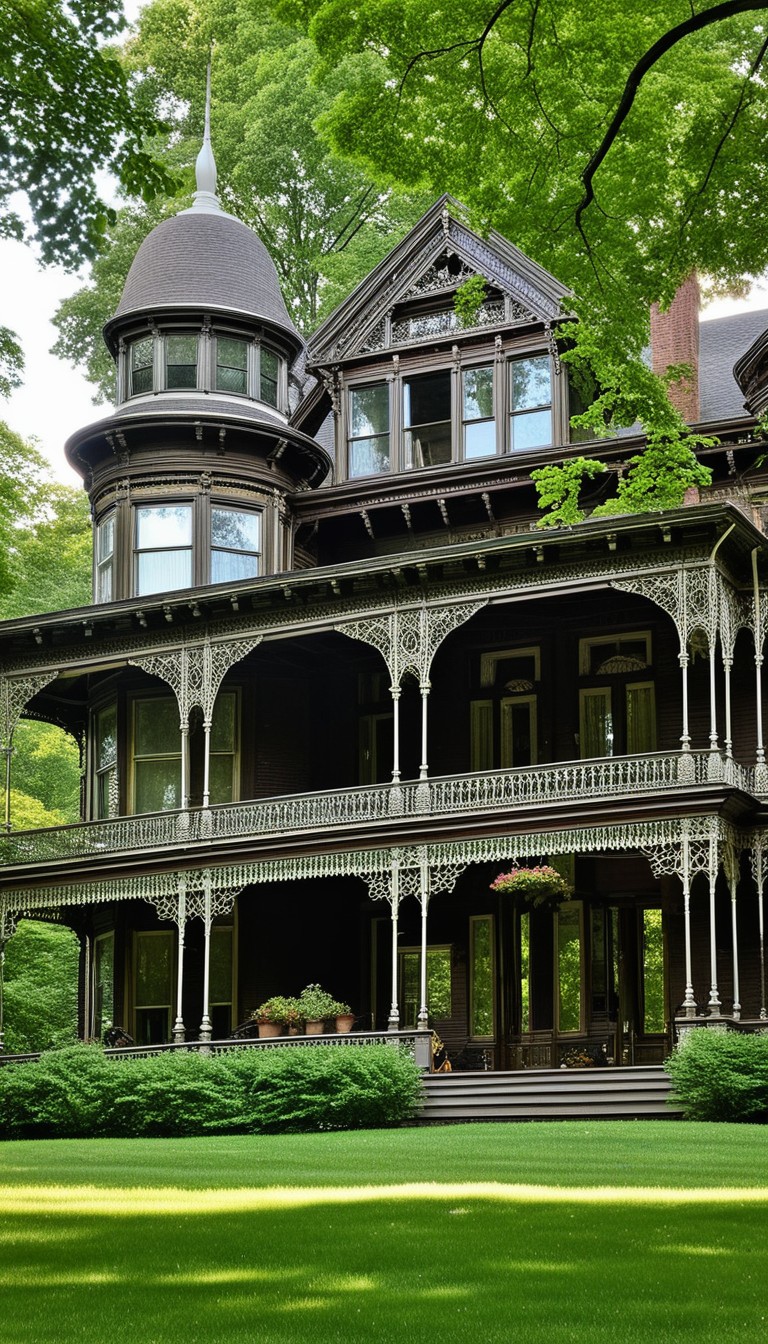
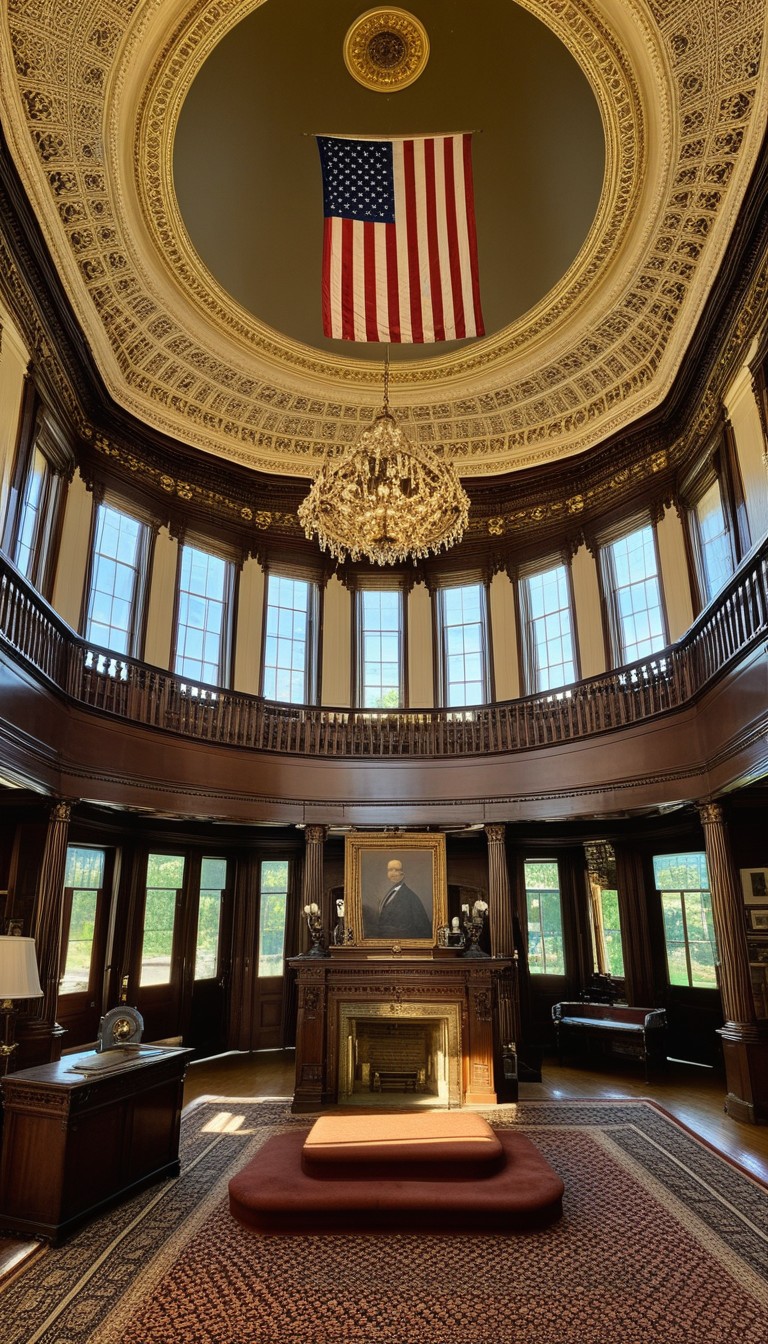
True to his word, Hayes did not seek reelection. He retired to his Spiegel Grove estate in Fremont, Ohio, where he championed education for Black Americans and prison reform. He served as a trustee of Ohio State University and the Peabody Education Fund. Hayes died on January 17, 1893, having lived a life defined by duty and principle.
Integrity in the Shadow of Doubt
Rutherford B. Hayes governed with quiet determination despite the cloud of illegitimacy that hung over his election. His commitment to civil service reform laid the groundwork for the modern merit-based federal workforce. Though his end of Reconstruction carried a terrible human cost, Hayes remains an example of a leader who prioritized principle over political survival.
Recommended Reading
As an Amazon Associate, we earn from qualifying purchases.
Swipe to navigate