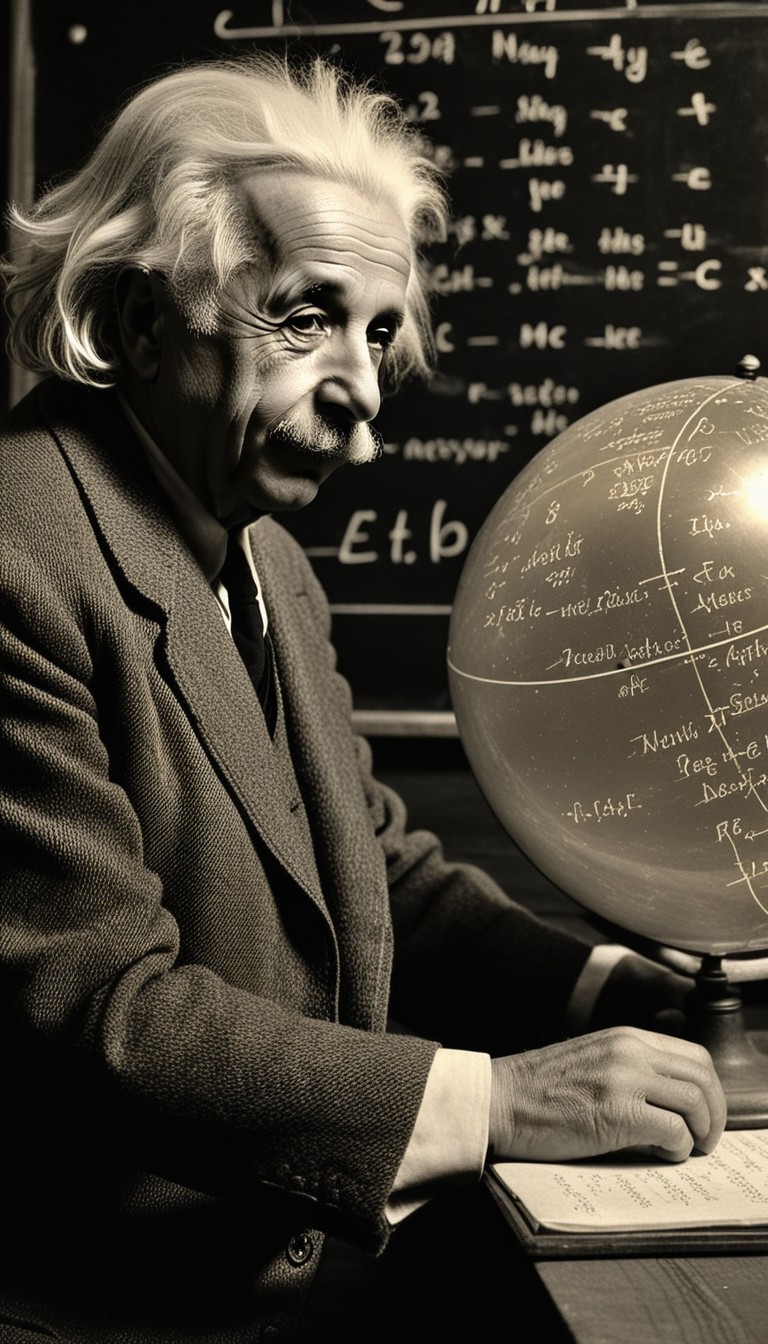
Albert Einstein: The Genius of Relativity
Loading story...
1879-1894
Ulm & Munich, Germany
A Curious Child in Ulm
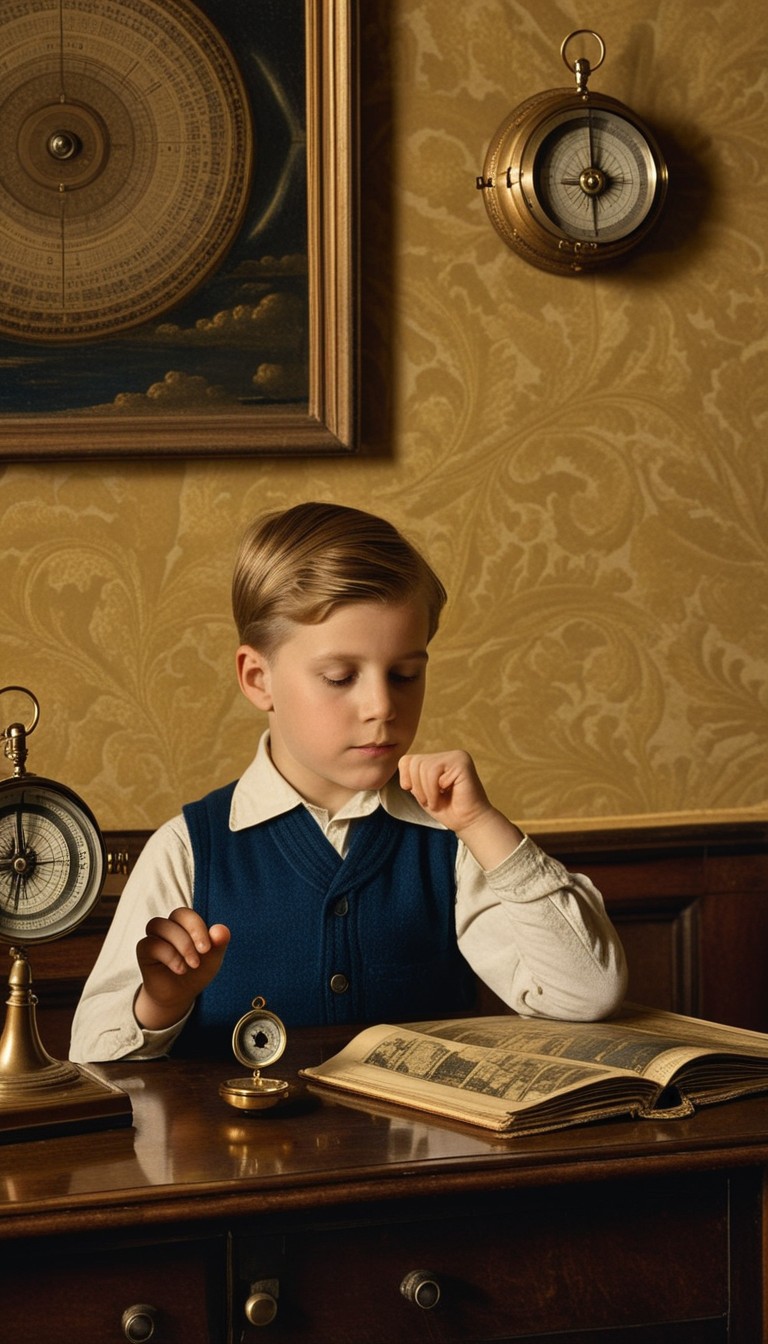
On March 14, 1879, Albert Einstein was born in the small German city of Ulm. When he was five, his father showed him a pocket compass—and the invisible force that moved its needle fascinated him beyond words. Young Albert was quiet, dreamy, and often at odds with the rigid German school system. But behind those thoughtful eyes, a revolution in physics was already stirring.
1902-1905
Bern, Switzerland
The Patent Clerk with Big Ideas
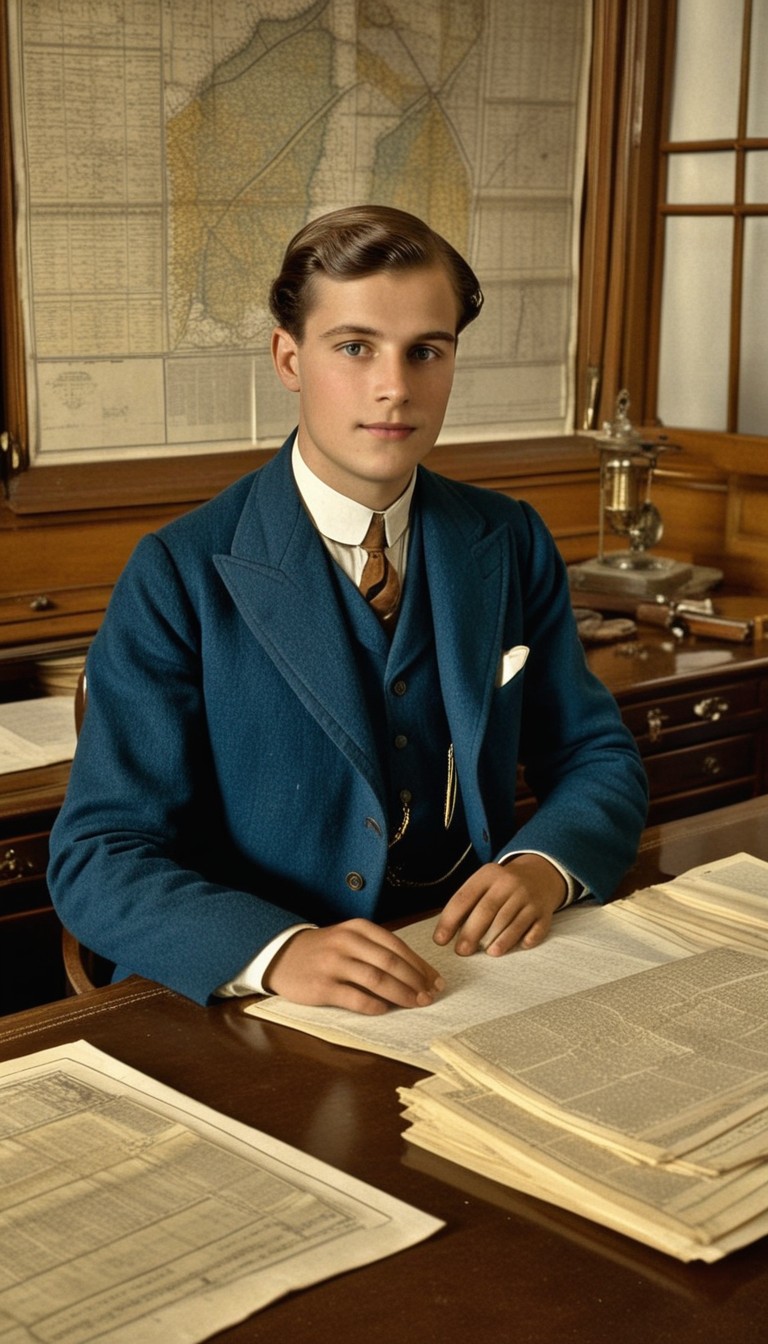
After struggling through school and failing to land an academic position, Einstein took a job as a clerk at the Swiss patent office in Bern. His professors had dismissed him as lazy and unexceptional. But the quiet desk job gave him something priceless—time to think. While stamping patents by day, he was quietly dismantling the foundations of classical physics in his spare hours.
1905
Bern, Switzerland
The Miracle Year
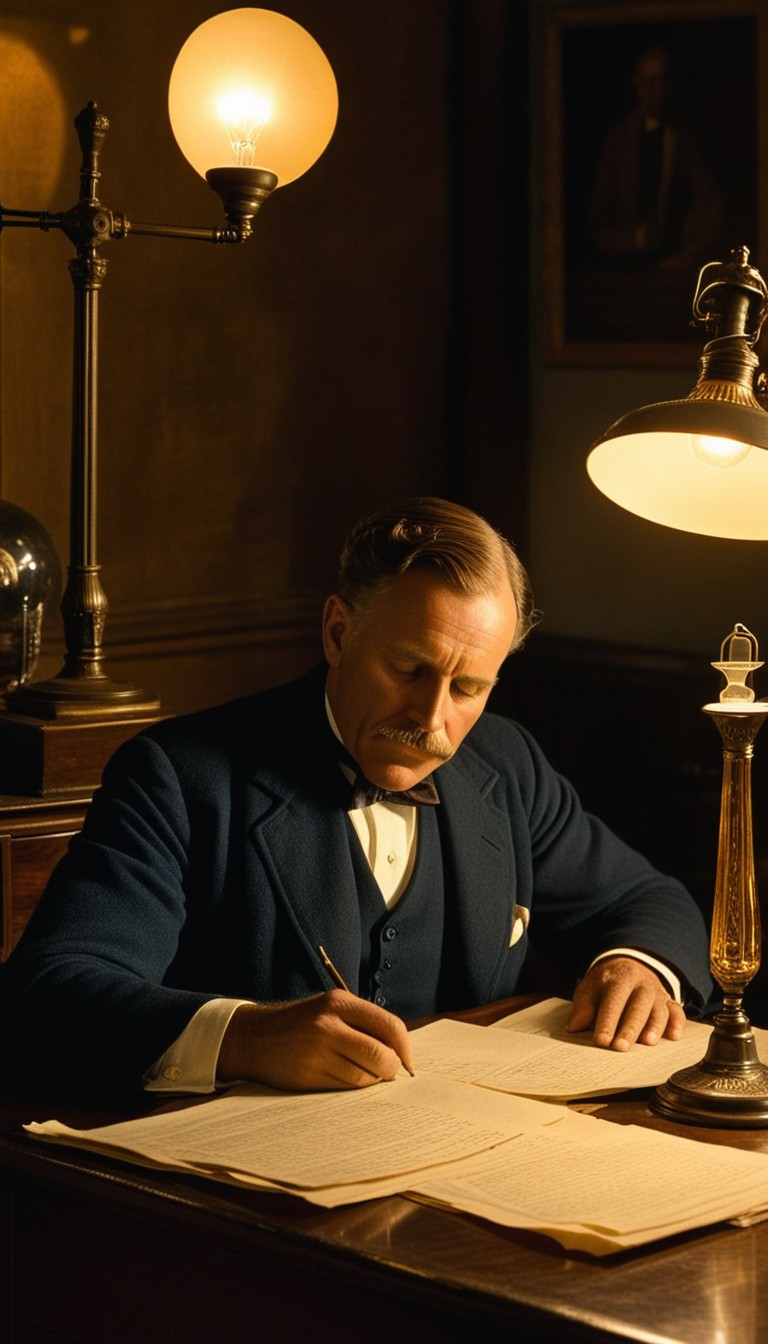
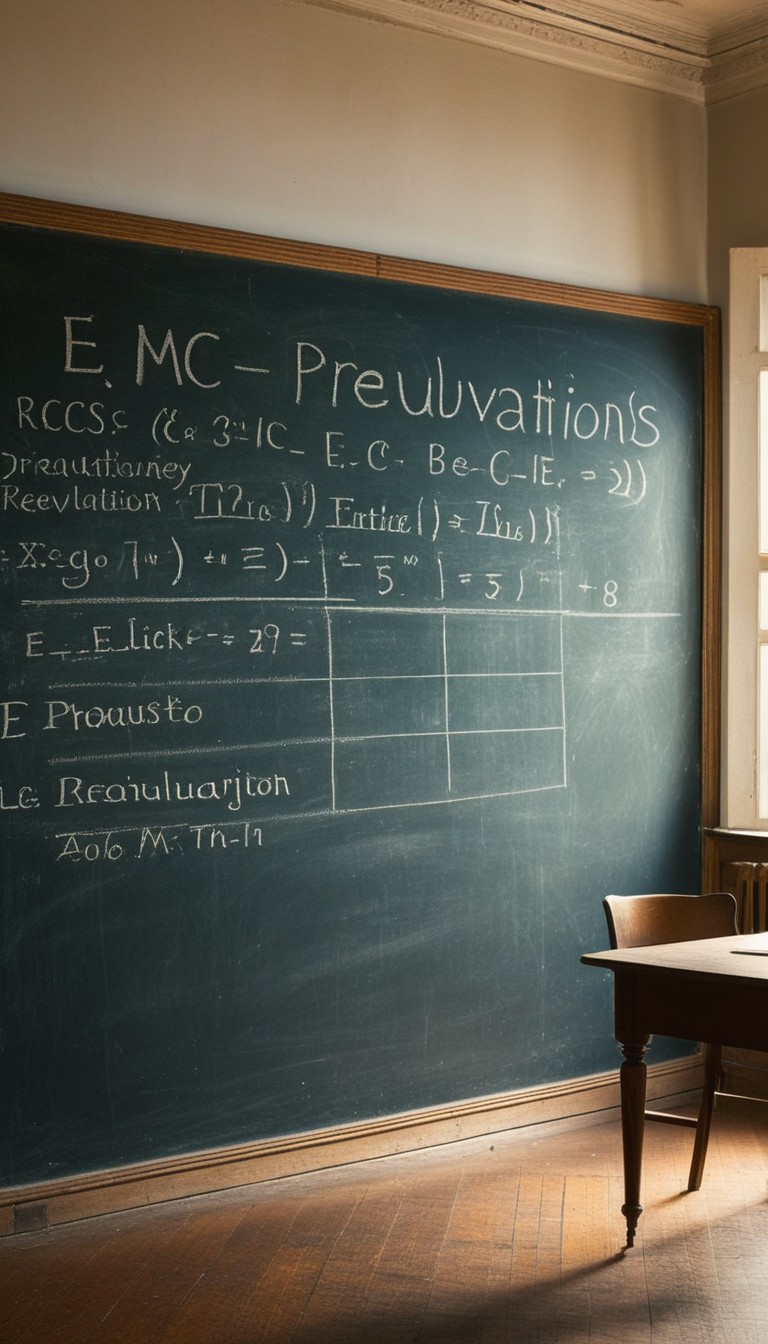
In 1905, the unknown patent clerk published four papers that shook the scientific world. One explained the photoelectric effect, proving that light behaves as particles. Another confirmed the existence of atoms. A third introduced special relativity, revealing that space and time are intertwined. The fourth gave us E=mc². In a single year, Einstein had rewritten the rules of reality.
1905
Bern, Switzerland
E=mc²: Energy Equals Everything
The most famous equation in history says that mass and energy are the same thing, just in different forms. A tiny amount of matter contains an enormous amount of energy—locked inside every atom. This idea was elegant, terrifying, and world-changing. It would eventually explain how stars burn, how nuclear reactors work, and how atomic bombs destroy. Three symbols reshaped civilization.
1915
Berlin, Germany
General Relativity: Bending the Universe
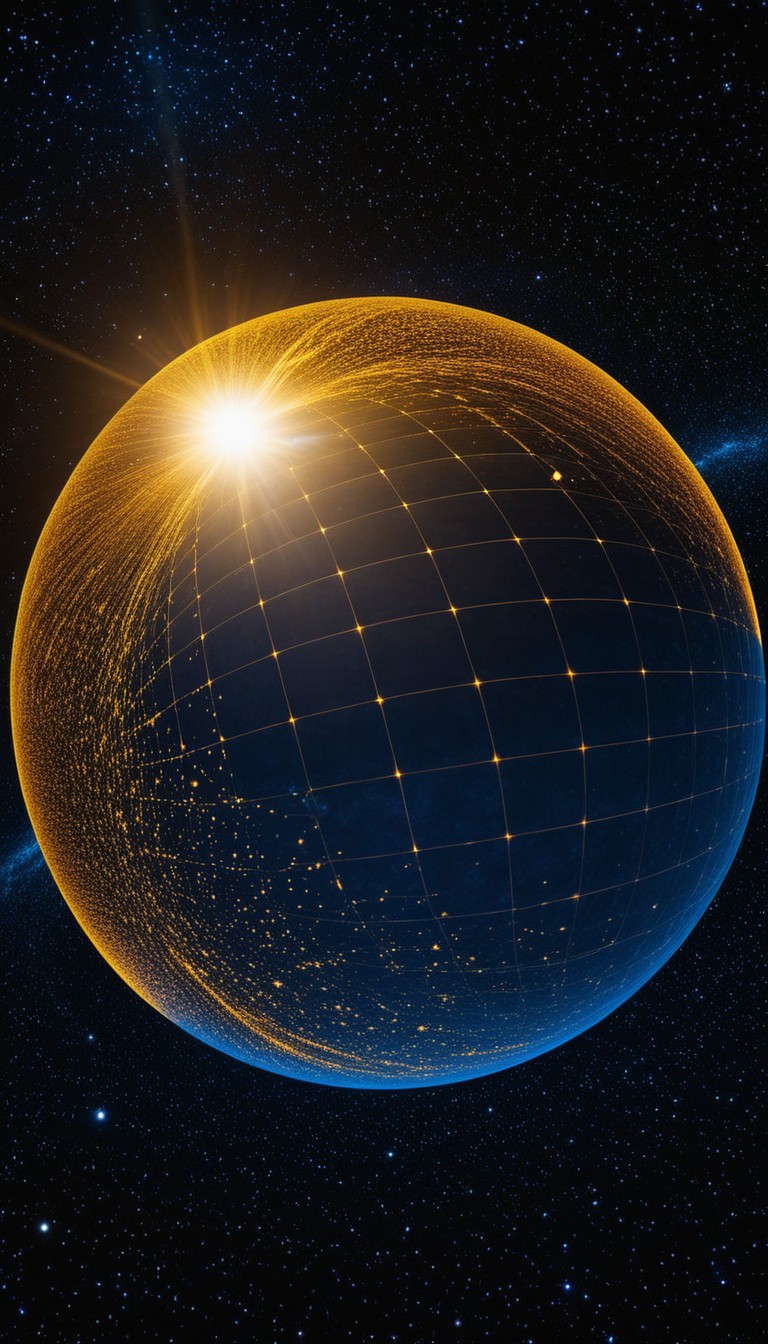
After a decade of intense work, Einstein published his general theory of relativity in 1915. It was a masterpiece. Gravity, he revealed, is not a force pulling objects together—it is the warping of space and time by mass. Planets orbit the sun because the sun bends the fabric of spacetime itself. It was the most radical rethinking of gravity since Isaac Newton watched an apple fall.
May 29, 1919
Príncipe Island & Sobral, Brazil
The Eclipse That Made Him Famous
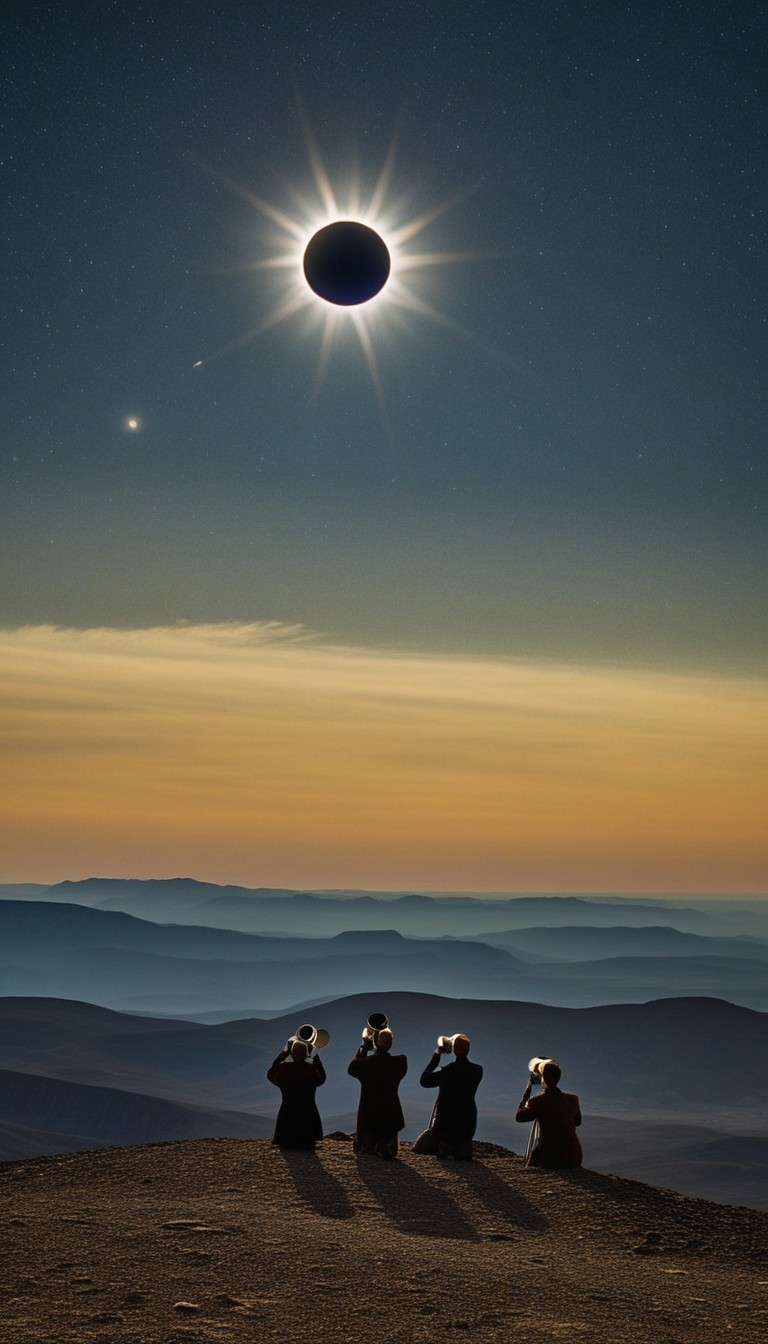
Einstein predicted that starlight passing near the sun would bend, shifted by the sun's warped spacetime. In 1919, British astronomer Arthur Eddington photographed a total solar eclipse and measured exactly that. The results matched Einstein's predictions. Newspapers around the world declared a scientific revolution. Overnight, Albert Einstein became the most famous scientist on Earth.

1921-1933
Stockholm & Princeton, New Jersey
Nobel Prize and Exile
Einstein received the 1921 Nobel Prize in Physics—not for relativity, but for his work on the photoelectric effect. As the Nazis rose to power in Germany, Einstein, who was Jewish, became a target. In 1933, he renounced his German citizenship and fled to the United States. He would never return to Europe. Princeton, New Jersey became his new home.
1939-1955
Princeton, New Jersey
The Letter That Changed History
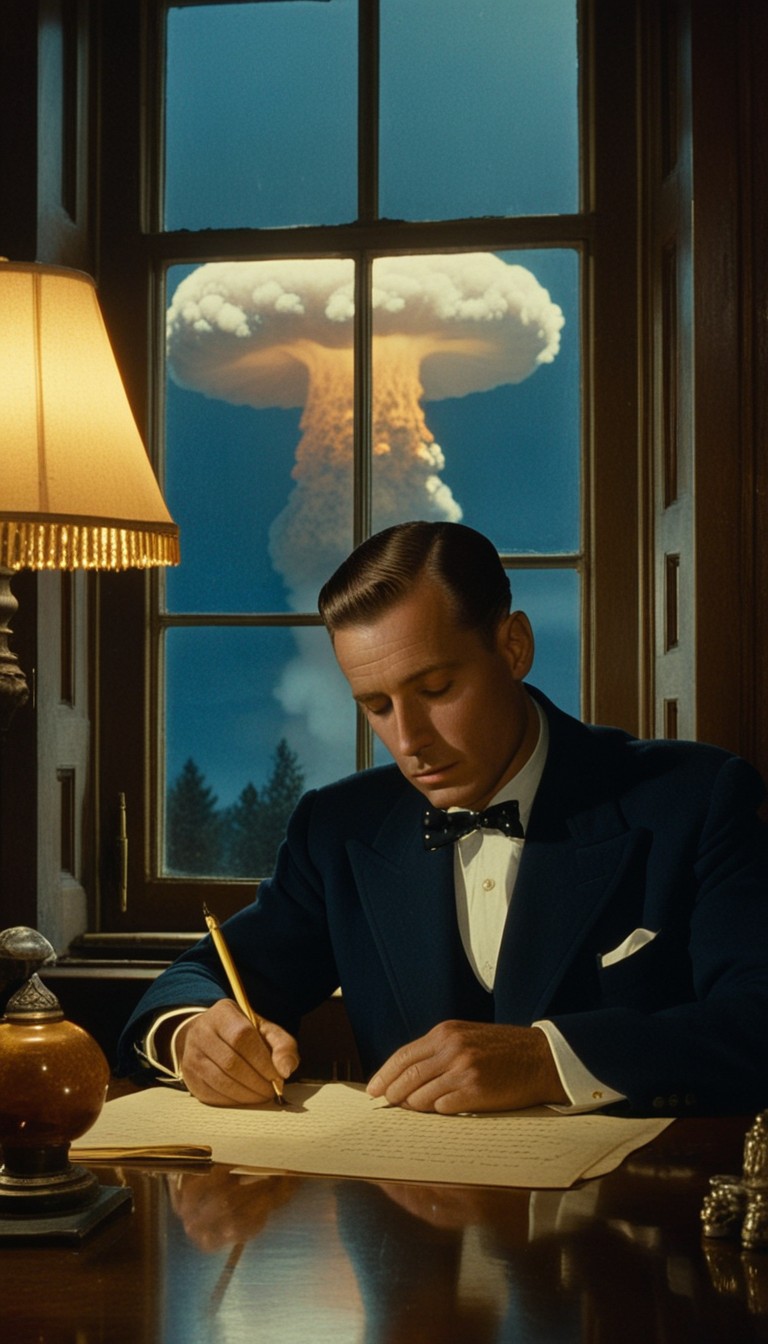
In 1939, Einstein signed a letter to President Franklin D. Roosevelt warning that Nazi Germany might develop an atomic bomb. The letter helped launch the Manhattan Project—the secret program that built the first nuclear weapons. Einstein himself never worked on the bomb and later called the letter the "one great mistake" of his life. He spent his final years at Princeton, pursuing a unified theory of physics and advocating for peace.
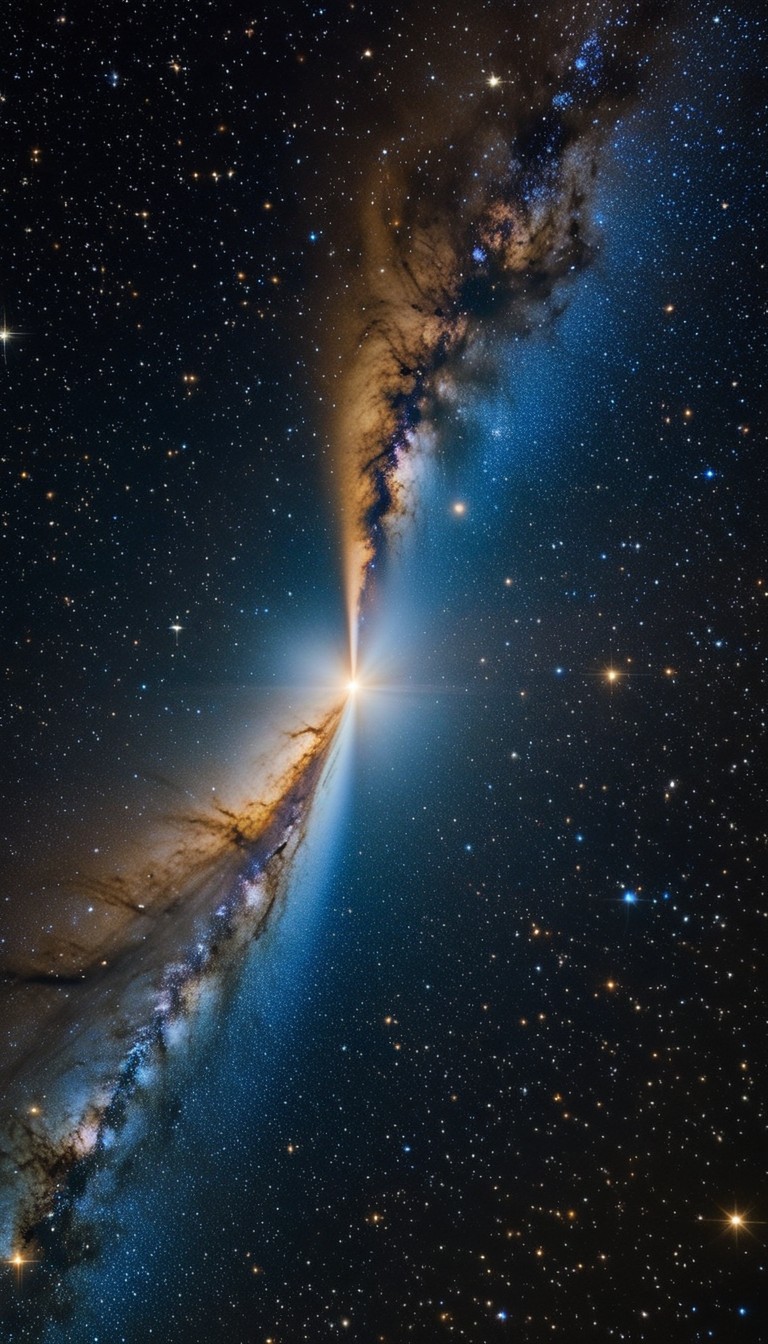
Imagination Is More Important Than Knowledge
Albert Einstein showed that a single mind, armed with curiosity and courage, can reshape our understanding of the universe. From a daydreaming child with a compass to the architect of relativity, he proved that questioning the obvious is the first step toward genius. His ideas continue to power discoveries in physics, cosmology, and technology more than a century later.
Recommended Reading
As an Amazon Associate, we earn from qualifying purchases.
Swipe to navigate