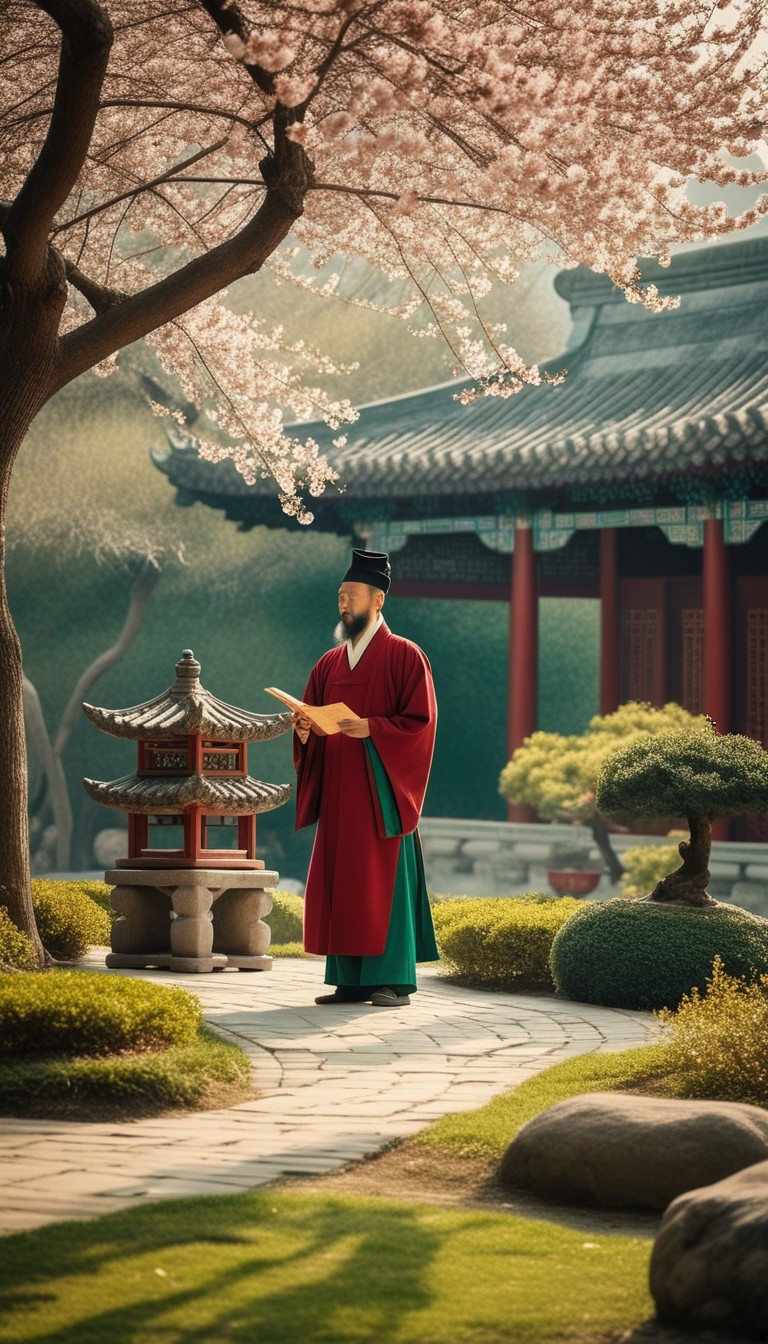
Confucius: The Sage of Harmony
Loading story...
551 BC
State of Lu, China
Humble Beginnings in the State of Lu
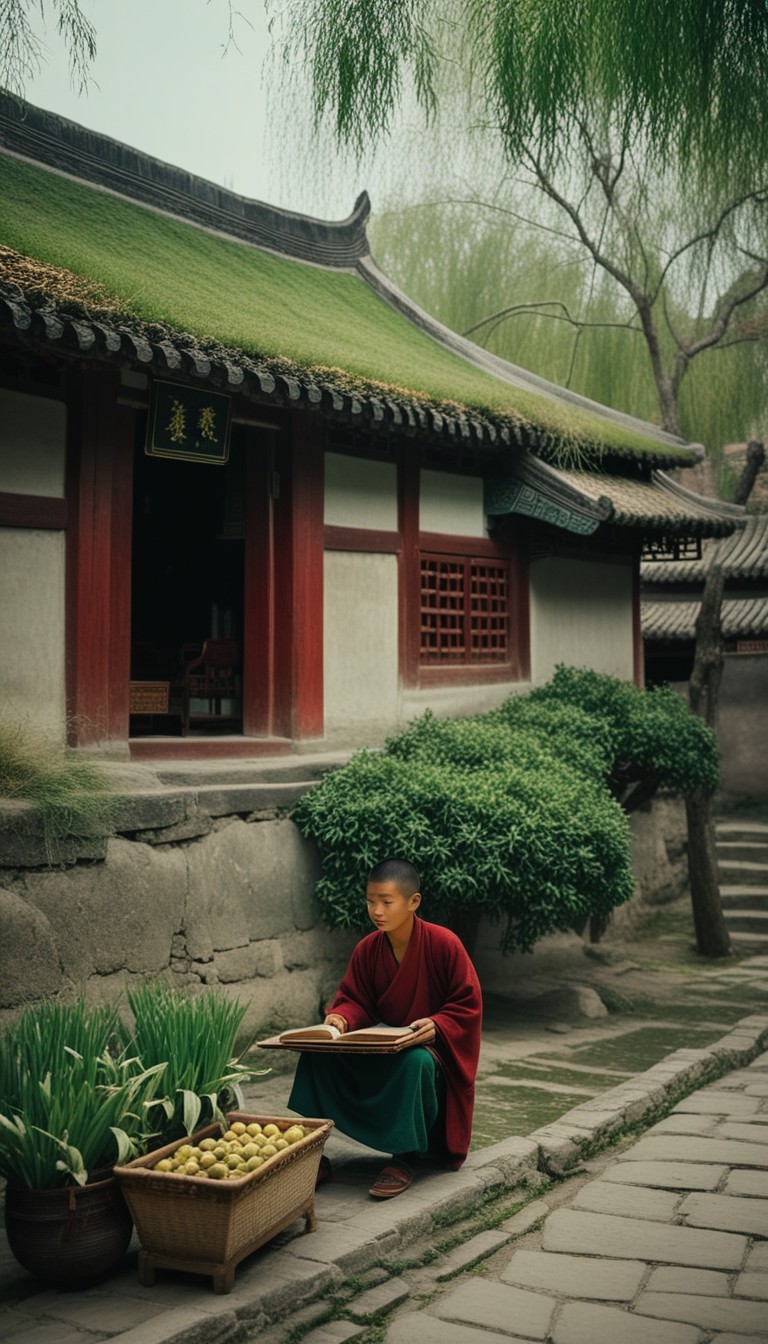
Around 551 BC, in the small state of Lu in northeastern China, a boy named Kong Qiu was born into a family of faded nobility. His father, an elderly soldier, died when Confucius was only three, leaving his mother to raise him in poverty. Despite these hardships, the young boy threw himself into learning with a passion that would define his entire life. The turbulent Spring and Autumn period swirled around him, an era of warring states desperate for wise counsel.
530s-520s BC
State of Lu, China
A School Open to All
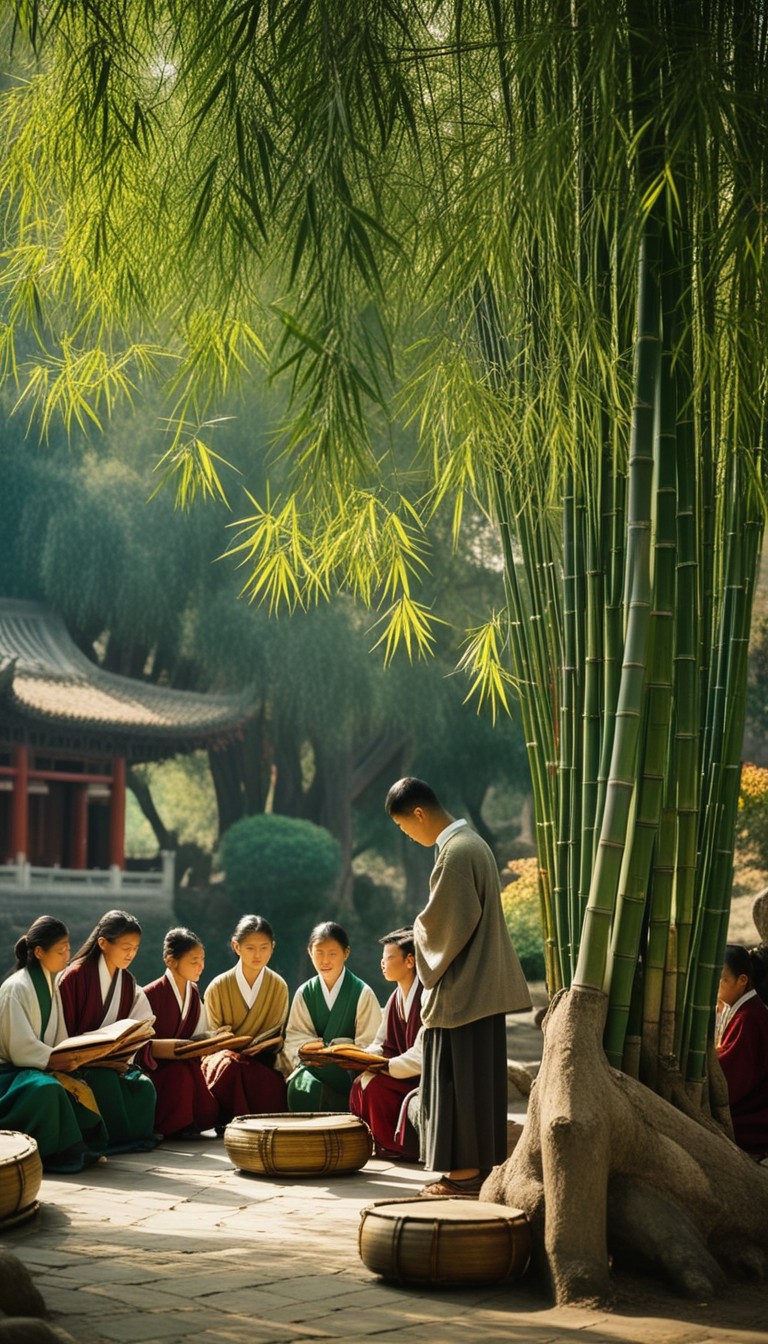
Confucius did something revolutionary for his time—he opened a school that accepted anyone willing to learn, regardless of social class. He charged only a token fee of dried meat, insisting that education was the birthright of every person, not just the aristocracy. He gathered around him a devoted circle of students, eventually numbering in the thousands. His teaching method relied on dialogue, questions, and the careful study of ancient texts and rituals.
6th-5th Century BC
State of Lu, China
The Analects and Core Teachings
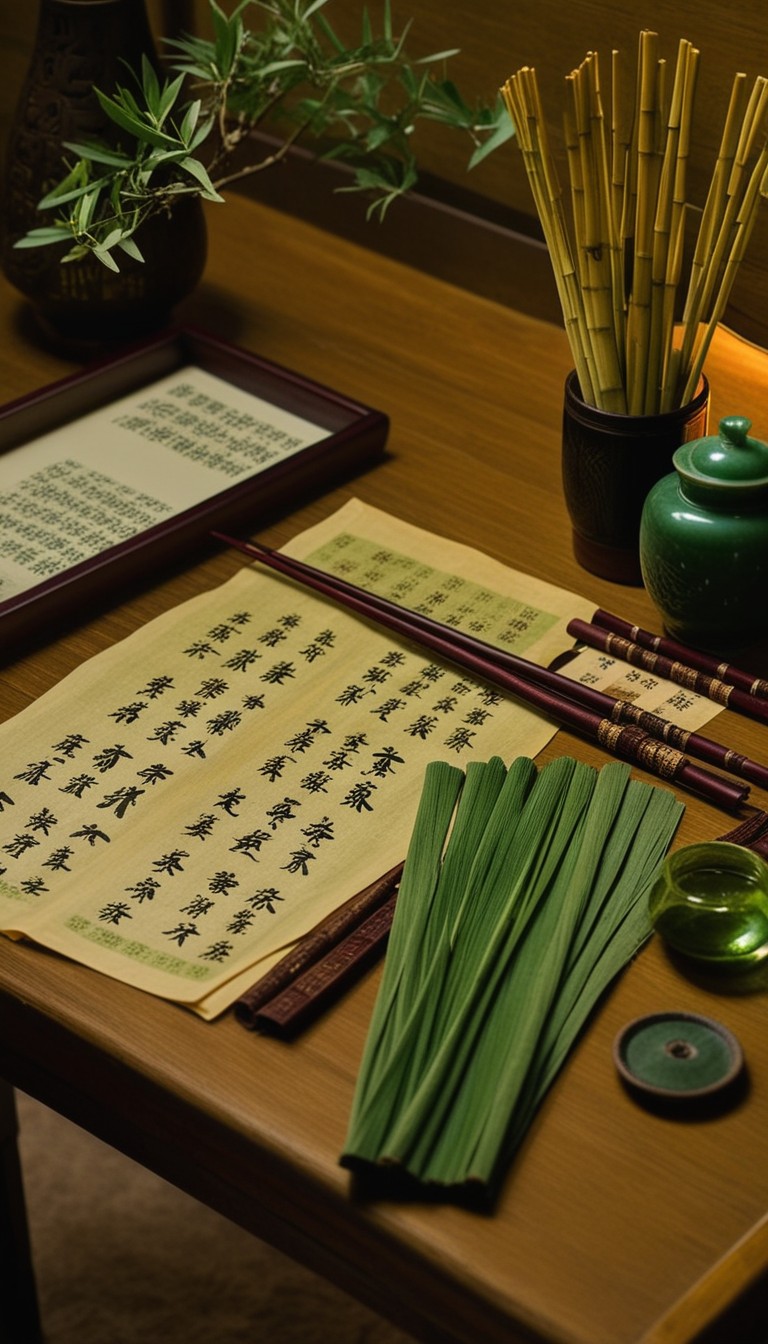
At the heart of Confucius' philosophy stood two great concepts: ren, meaning benevolence or humaneness toward others, and li, the ritual propriety that governs how people should behave in society. He taught that virtue was not something you were born with but something you cultivated through study, self-reflection, and practice. The Analects, compiled by his students after his death, preserved his sayings in short, powerful passages that have been studied for over two thousand years.

497-484 BC
Various Chinese States
The Wandering Years
Confucius longed to put his ideas into practice through government, believing that a virtuous ruler could transform society. He briefly served as an official in Lu but grew disillusioned with its corrupt court. For fourteen years he wandered from state to state across China, seeking a prince who would govern by moral example rather than brute force. Though he was often received with respect, no ruler fully embraced his vision, and he endured hardship, mockery, and even danger on the road.
6th-5th Century BC
Ancient China
The Five Relationships
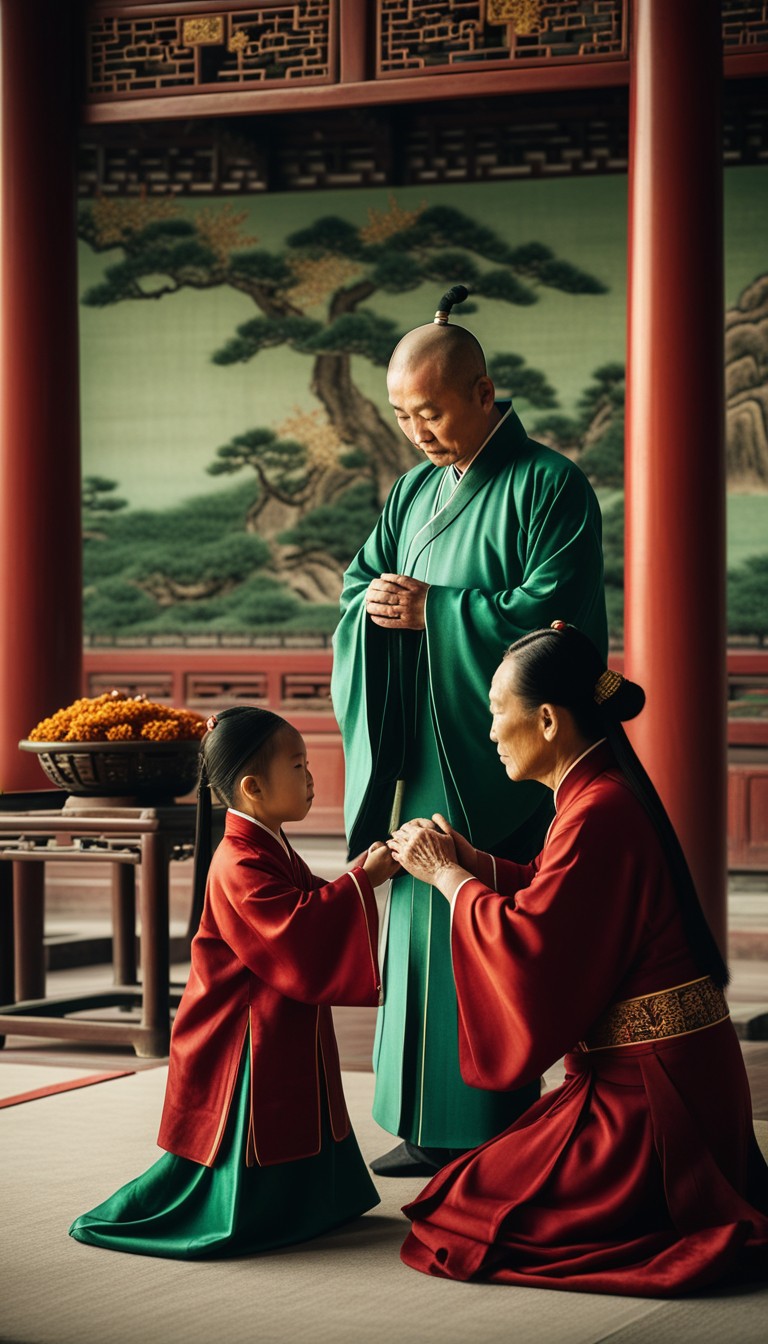
Confucius taught that society rests on five fundamental relationships: ruler and subject, parent and child, husband and wife, elder brother and younger brother, and friend and friend. Each relationship carried mutual obligations—the ruler must be just, the subject loyal; the parent loving, the child respectful. This framework of reciprocal duty became the social glue of Chinese civilization for centuries. It was not blind obedience he demanded, but a web of care and responsibility binding people together.
484-479 BC
State of Lu, China
Return to Lu and the Classical Legacy
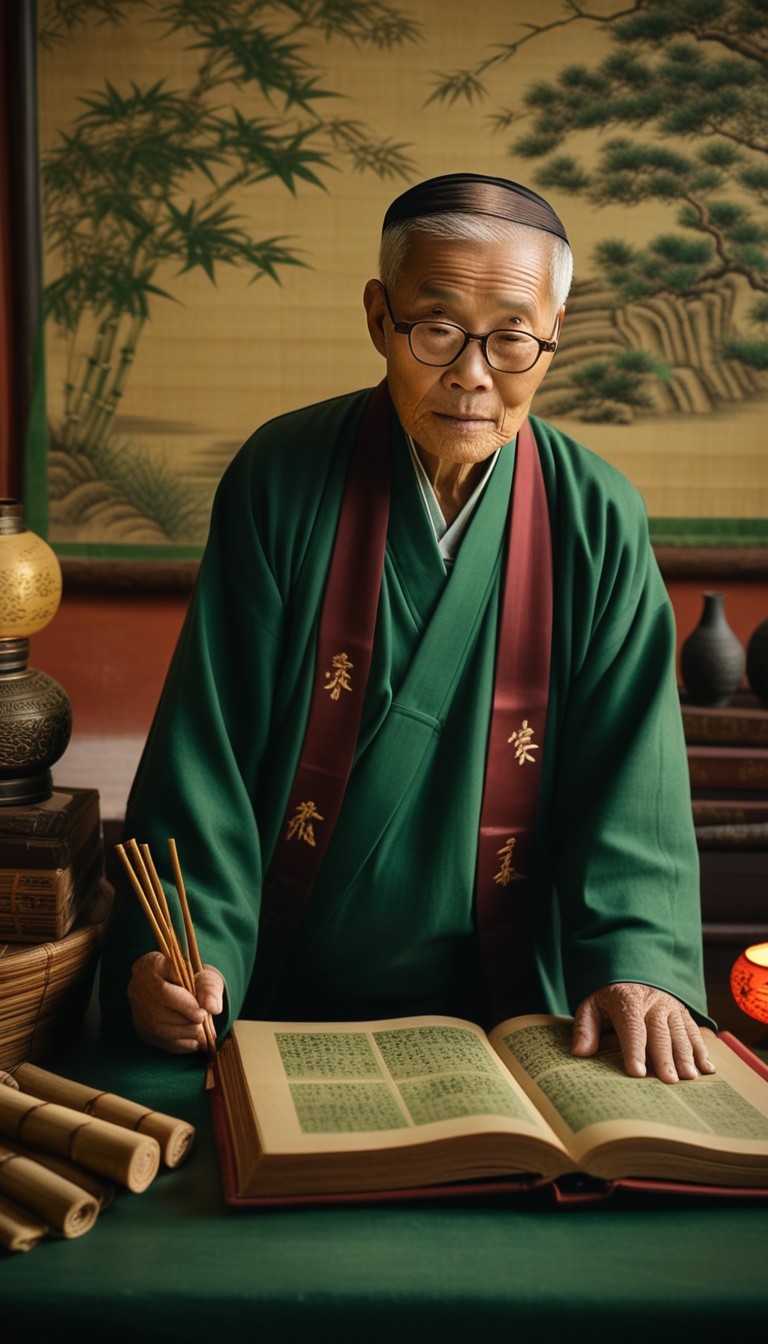
In his late sixties, Confucius finally returned to Lu, weary from his long travels but undimmed in spirit. He spent his final years teaching, editing, and compiling the ancient classics—the Book of Songs, the Book of Documents, the Book of Rites. These works became the foundation of Chinese education for millennia. Though he considered himself a failure for never finding his ideal ruler, his students knew they were witnessing something extraordinary.
6th-5th Century BC
State of Lu, China
The Golden Rule
When a student asked Confucius if there was a single word that could guide a person's entire life, he answered: "Shu—reciprocity. Do not do to others what you would not want done to yourself." This principle, stated five centuries before a similar teaching appeared in the Western tradition, became one of the most influential ethical ideas in human history. It was elegantly simple yet profoundly challenging, demanding that every person consider the feelings and dignity of others before acting.
479 BC and Beyond
China and East Asia
Death and an Eternal Legacy
Confucius died in 479 BC at the age of seventy-two, reportedly heartbroken over the death of several beloved students. He believed he had failed in his mission. Yet within a few generations, his teachings spread across China and eventually to Korea, Japan, and Vietnam. Emperors built temples in his honor, scholars devoted their lives to his texts, and Confucianism became the official philosophy of the Chinese state—a legacy that endured for over two thousand years.

The Teacher Whose Words Echoed Through Millennia
Confucius never commanded an army, never ruled a kingdom, and never considered himself a sage. He was simply a teacher who believed that human beings could be better—and that education, virtue, and mutual respect were the keys to a harmonious world. His quiet revolution of ideas shaped the lives of billions across East Asia and continues to resonate wherever people seek wisdom in how to live well together.
Recommended Reading
As an Amazon Associate, we earn from qualifying purchases.
Swipe to navigate