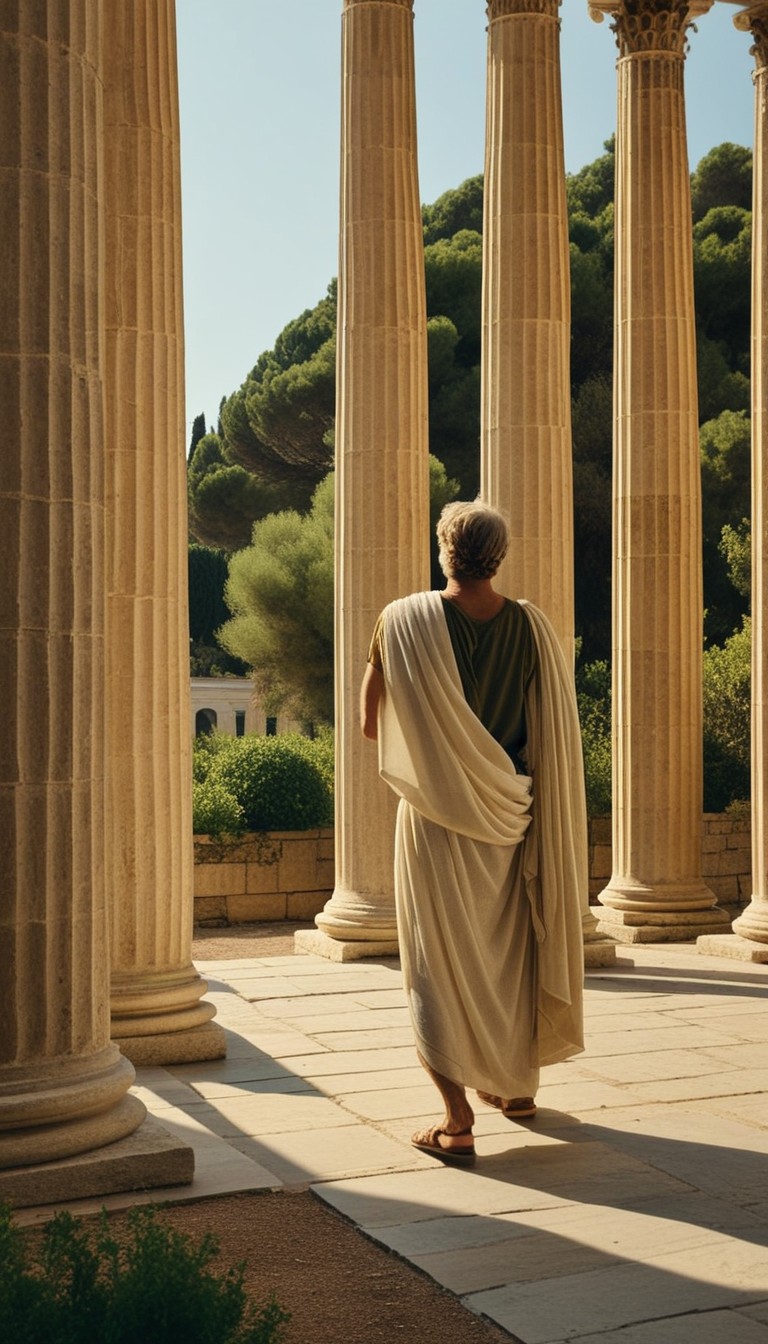
Aristotle: The First True Scientist
Loading story...
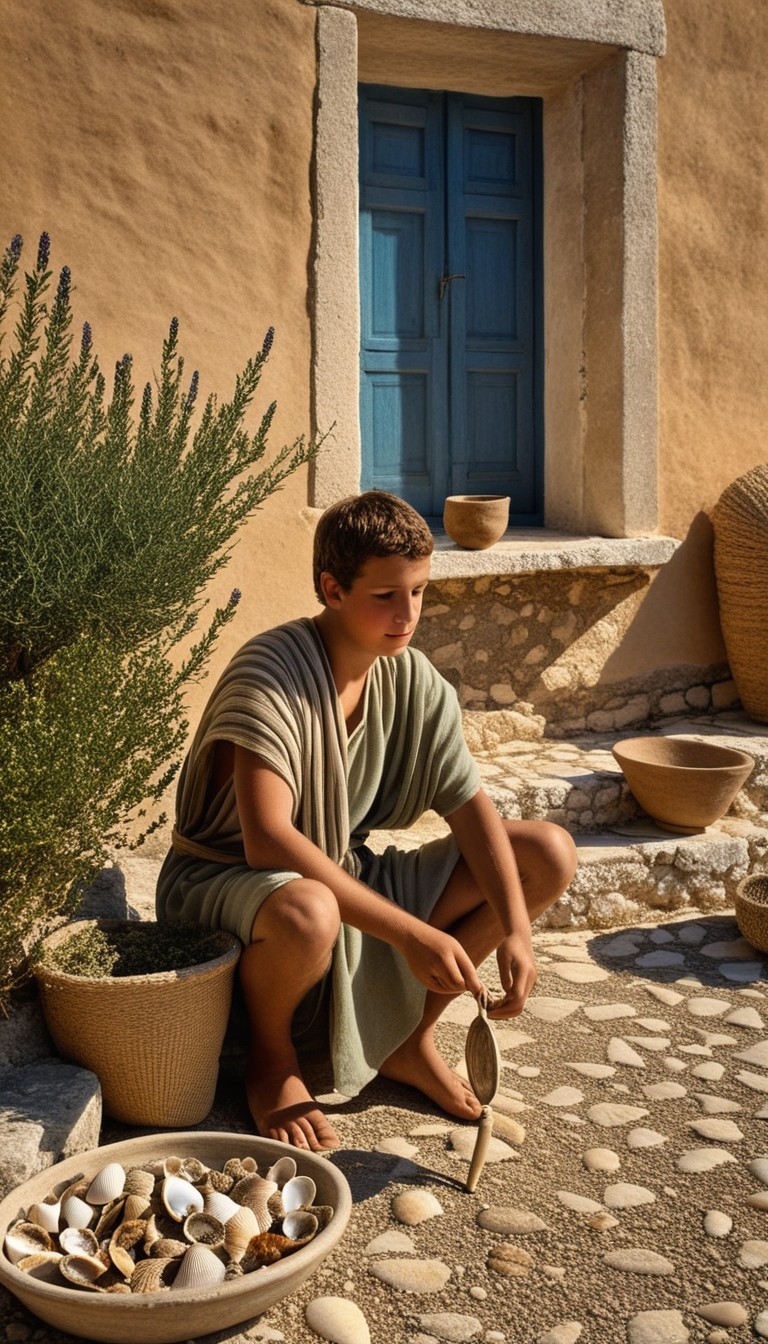
384 BC
Stagira, Macedonia
Born in the Shadow of Medicine
In 384 BC, Aristotle was born in Stagira, a small Greek colony near the Macedonian border. His father Nicomachus served as personal physician to King Amyntas III of Macedon. Growing up in a medical household gave young Aristotle an early love of observation and the natural world. When both parents died while he was still a boy, a guardian raised him—but the seeds of scientific curiosity had already taken root.
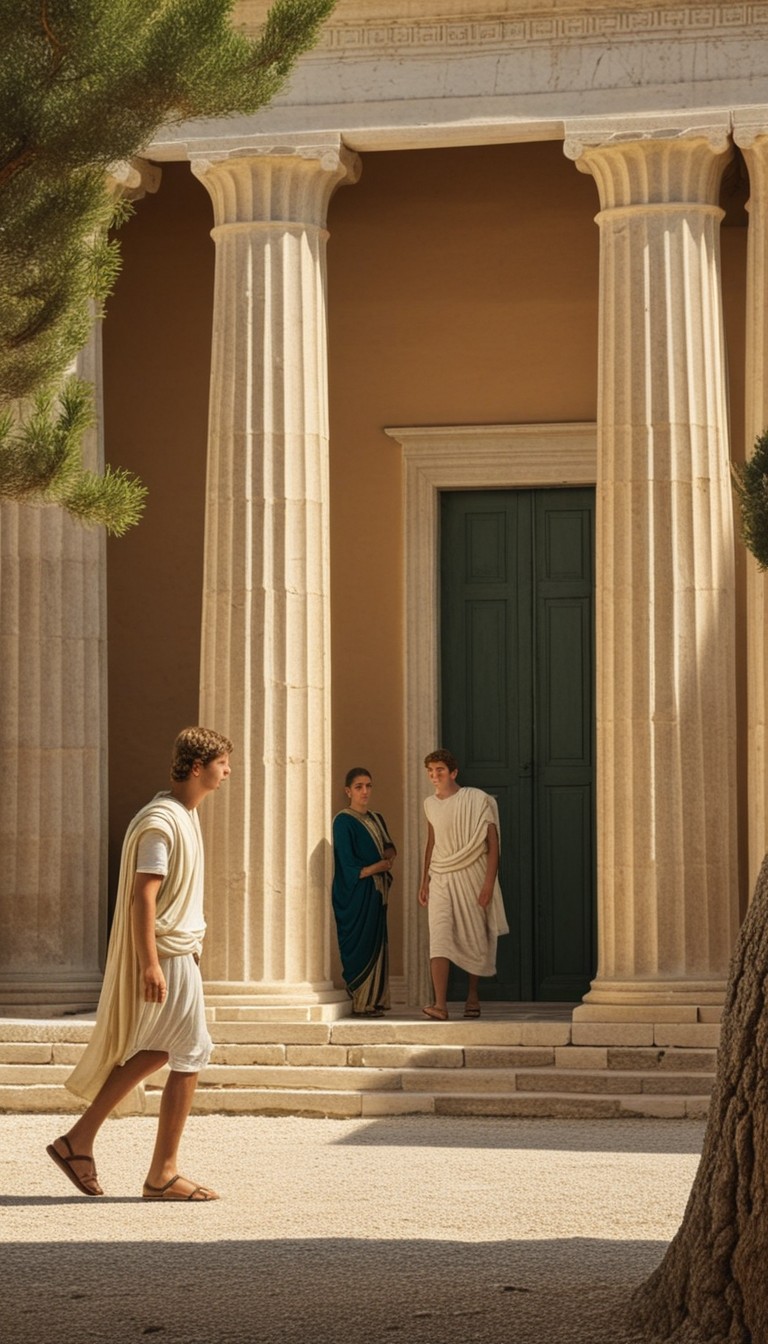
367-347 BC
Athens, Greece
Twenty Years at Plato's Academy
At seventeen, Aristotle traveled to Athens and enrolled in Plato's Academy, the most prestigious school in the Greek world. He stayed for twenty years—first as a student, then as a teacher and researcher. Plato called him "the mind of the school." But the two great thinkers disagreed on fundamental questions. Plato looked to abstract ideals; Aristotle trusted what he could see, touch, and measure.
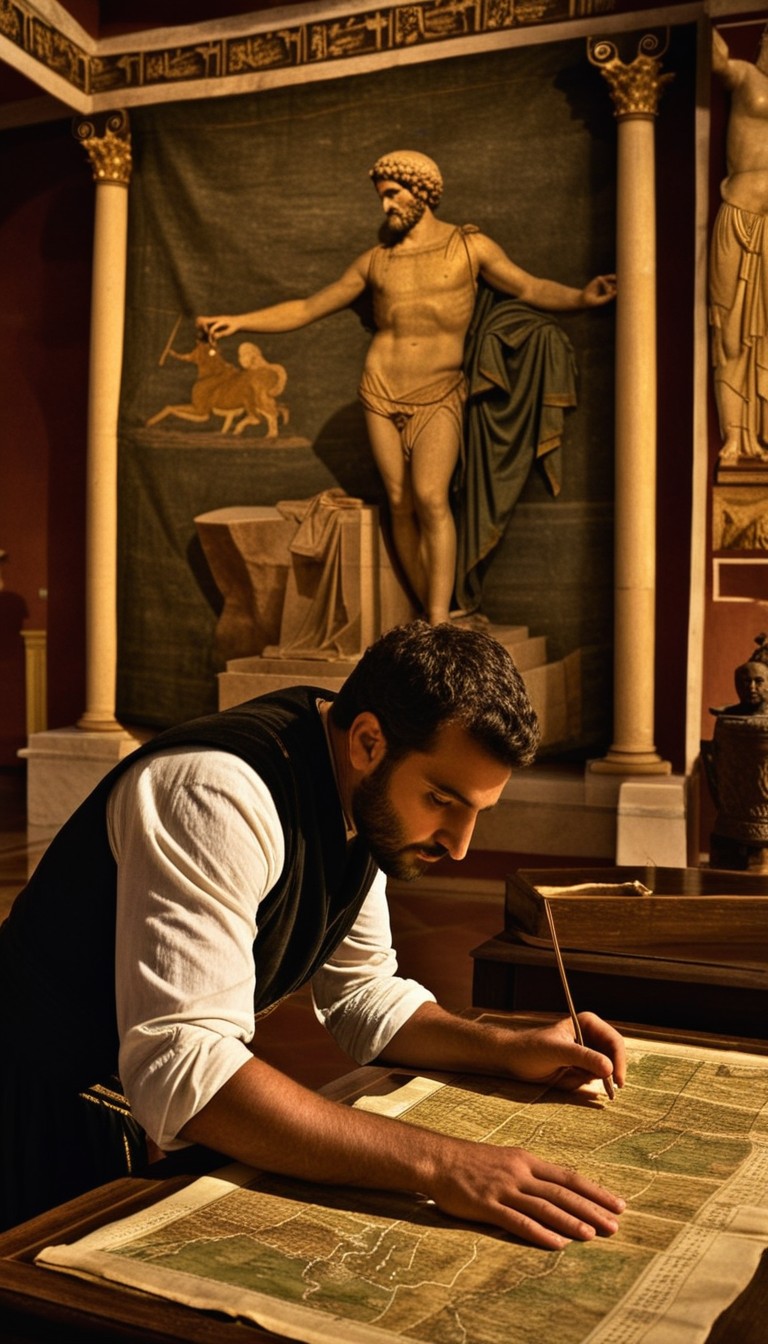
343-340 BC
Mieza, Macedonia
Tutor to a Future Conqueror
When King Philip II of Macedon needed a tutor for his thirteen-year-old son, he chose the finest mind in Greece. For three years, Aristotle taught Alexander literature, science, medicine, and philosophy in a rural retreat called the Gardens of Mieza. He gave the prince a personal copy of Homer's Iliad, which Alexander carried into every battle. The boy would grow up to conquer the known world.
335-323 BC
Athens, Greece
The Lyceum: A School for Everything
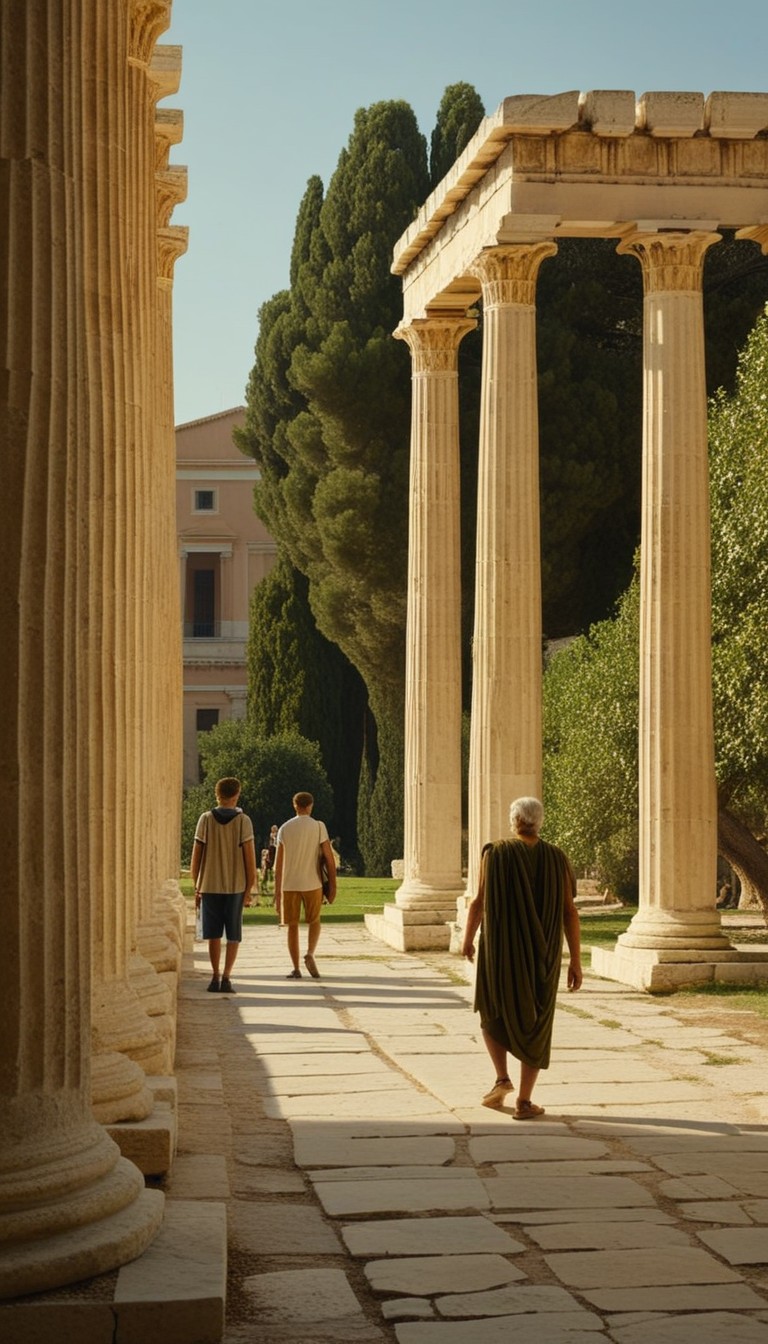
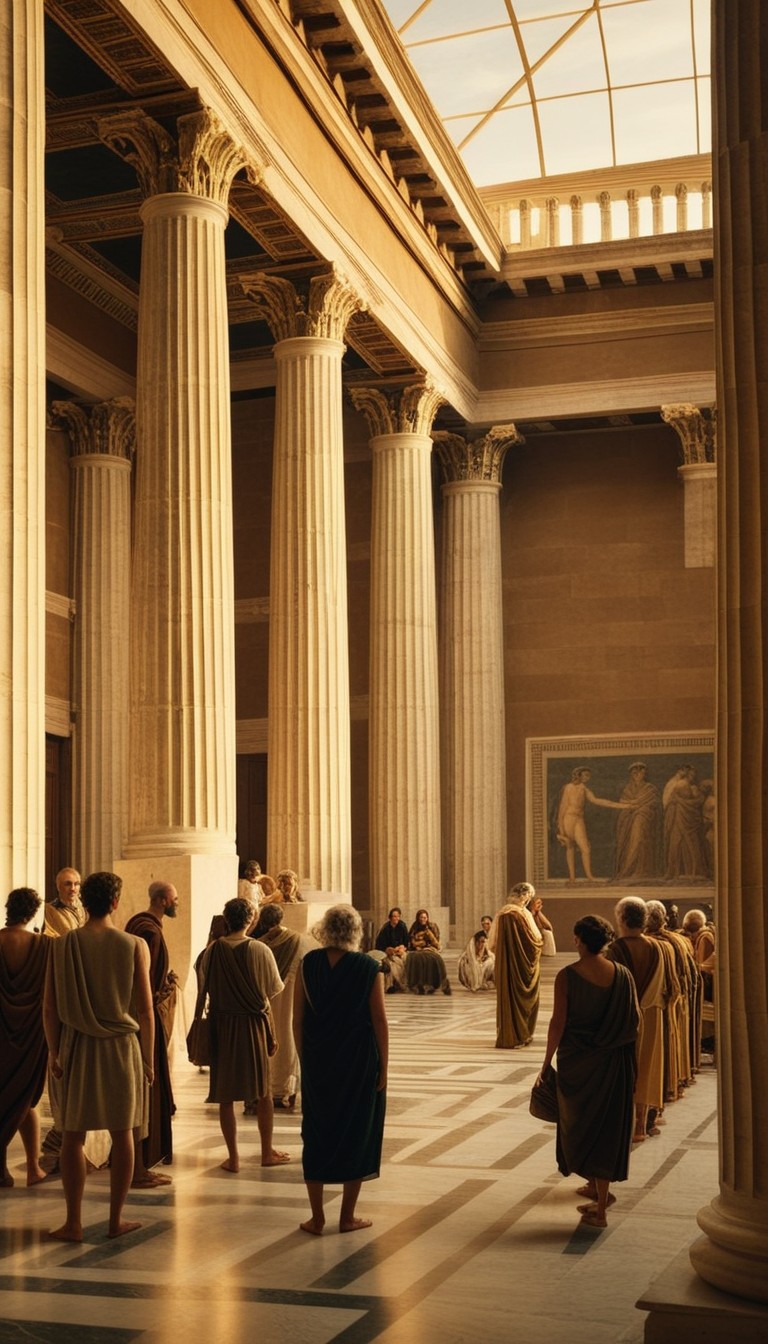
Returning to Athens in 335 BC, Aristotle founded his own school near the temple of Apollo Lyceus. The Lyceum featured covered walkways where Aristotle paced while lecturing—earning his followers the name "Peripatetics," or "those who walk about." Unlike Plato's Academy, the Lyceum emphasized empirical research. Students collected specimens, mapped constitutions of Greek city-states, and built the ancient world's first great library.
~350-330 BC
Athens, Greece
The Invention of Logic
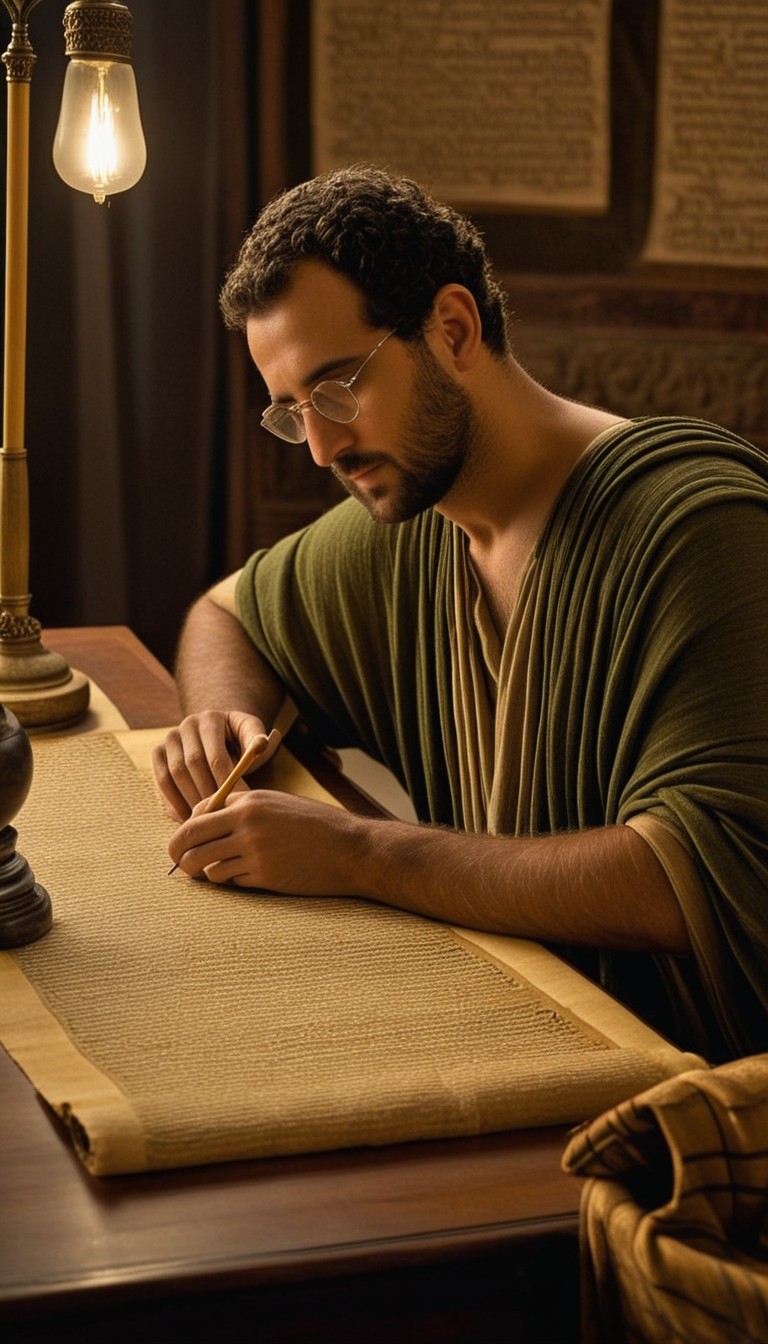
Aristotle's most revolutionary contribution may be formal logic—the system of reasoning that underpins all of science, law, and mathematics. He invented the syllogism: "All men are mortal; Socrates is a man; therefore Socrates is mortal." Before Aristotle, people argued by rhetoric and intuition. After him, there were rules for valid reasoning. His logical works, collected as the Organon, remained the standard for over two thousand years.
~345-335 BC
Lesbos & Athens, Greece
Classifying the Natural World
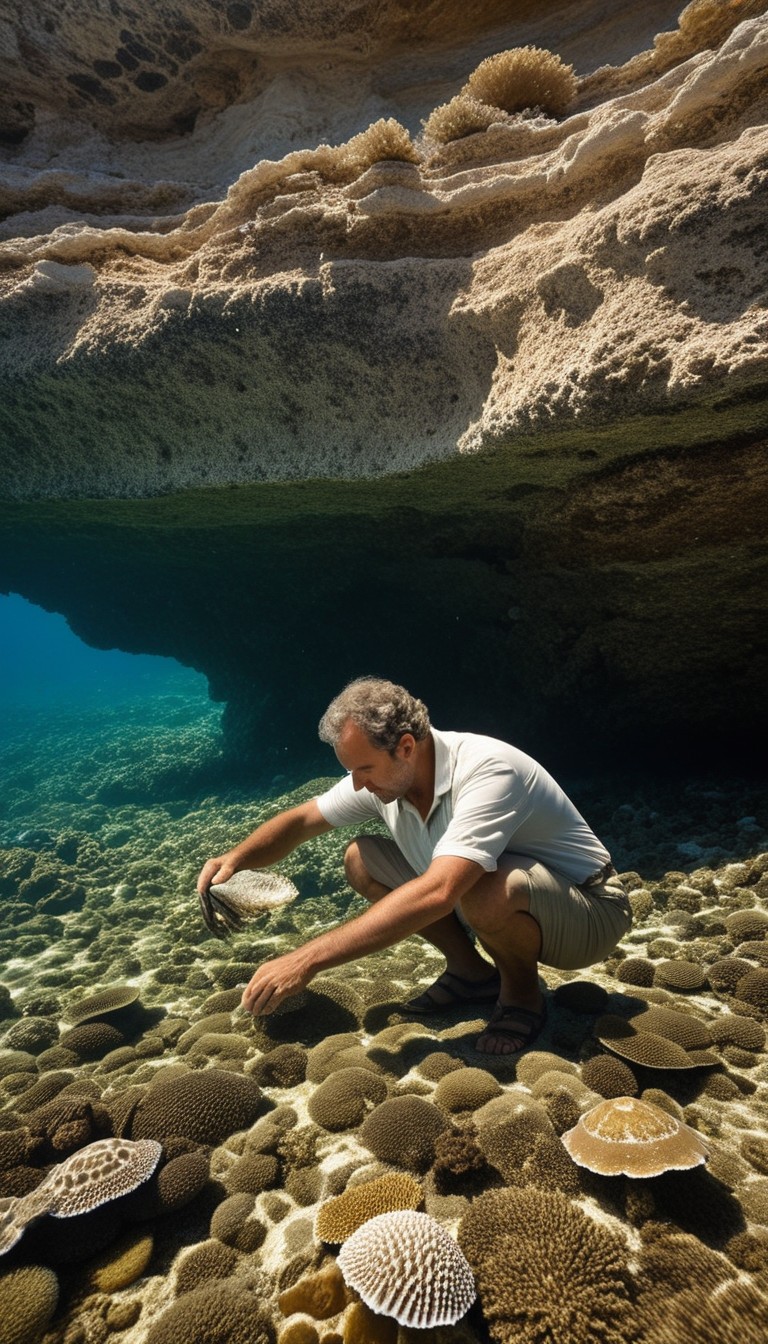
On the island of Lesbos, Aristotle spent years observing and dissecting animals with astonishing precision. He classified over 500 species, distinguished whales from fish, and described the anatomy of the octopus so accurately that biologists didn't improve on his work for centuries. He was the first to organize living things into a systematic hierarchy. Charles Darwin himself called him the greatest biologist who ever lived.
~330 BC
Athens, Greece
The Golden Mean
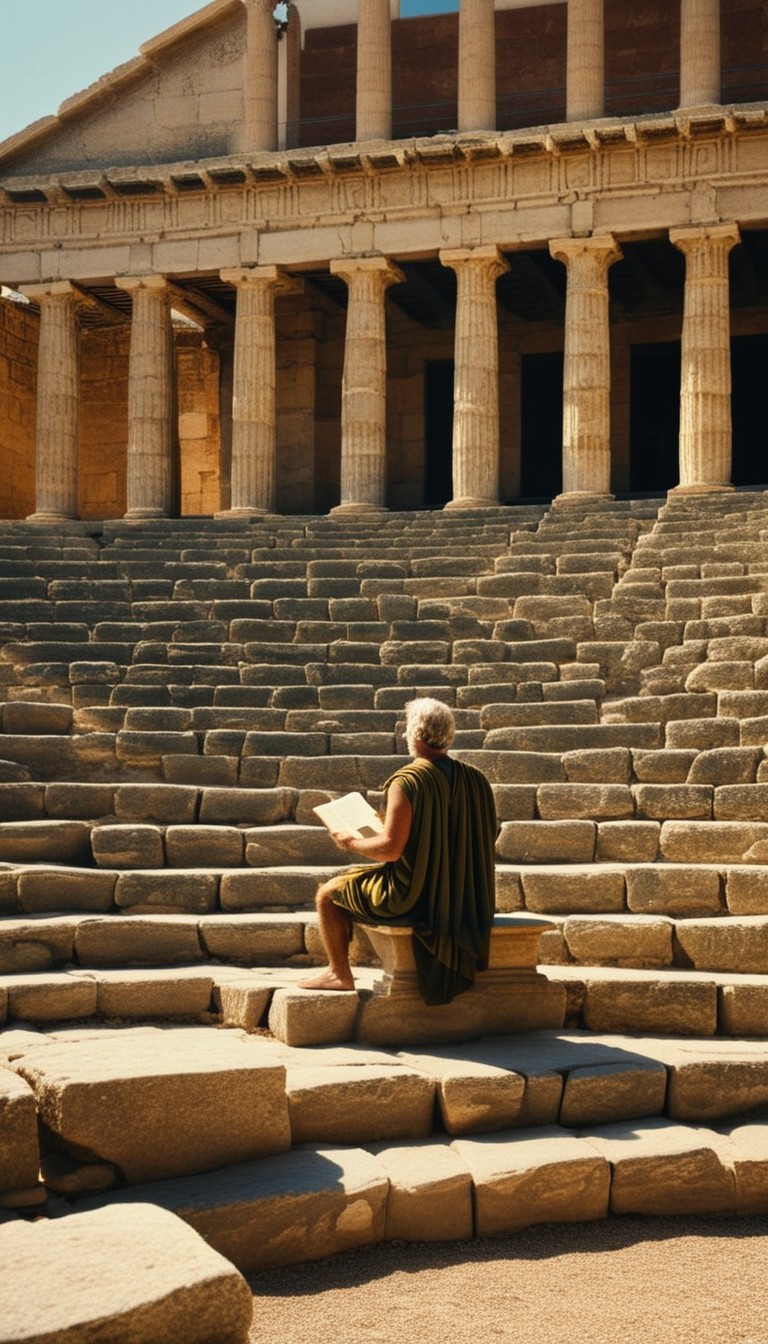
In his Nicomachean Ethics, Aristotle asked the most human of questions: how should we live? His answer was the "golden mean"—virtue lies between extremes. Courage is the mean between cowardice and recklessness. Generosity falls between stinginess and wastefulness. Happiness, he argued, comes not from pleasure or wealth but from living a life of purpose, reason, and balanced character.

323-322 BC
Chalcis, Euboea
Exile and Death
When Alexander the Great died suddenly in 323 BC, anti-Macedonian fury swept through Athens. Aristotle, with his deep Macedonian connections, became a target. Charged with impiety—the same crime that killed Socrates—he fled to Chalcis on the island of Euboea, saying he would not let Athens "sin twice against philosophy." He died there the following year at sixty-two, leaving behind the most influential body of work in Western intellectual history.
The Master of Those Who Know
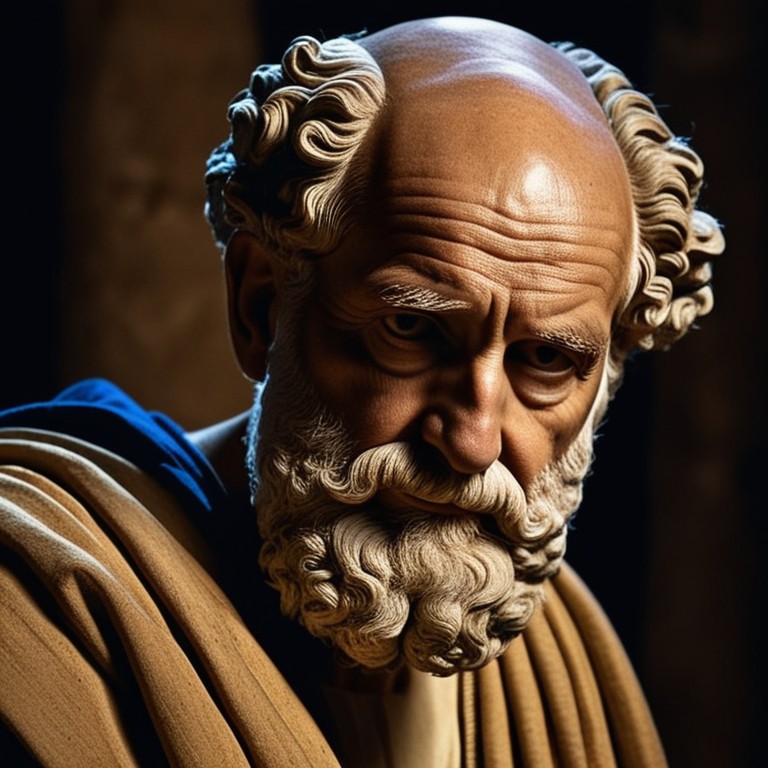
Dante called Aristotle "the master of those who know," and the title fits. From logic to biology, ethics to political science, he created entire fields of study that still shape how we understand the world. No single thinker has ever covered more ground or influenced more generations. Aristotle proved that careful observation, clear reasoning, and relentless curiosity can unlock the deepest secrets of nature.
Recommended Reading
As an Amazon Associate, we earn from qualifying purchases.

Swipe to navigate