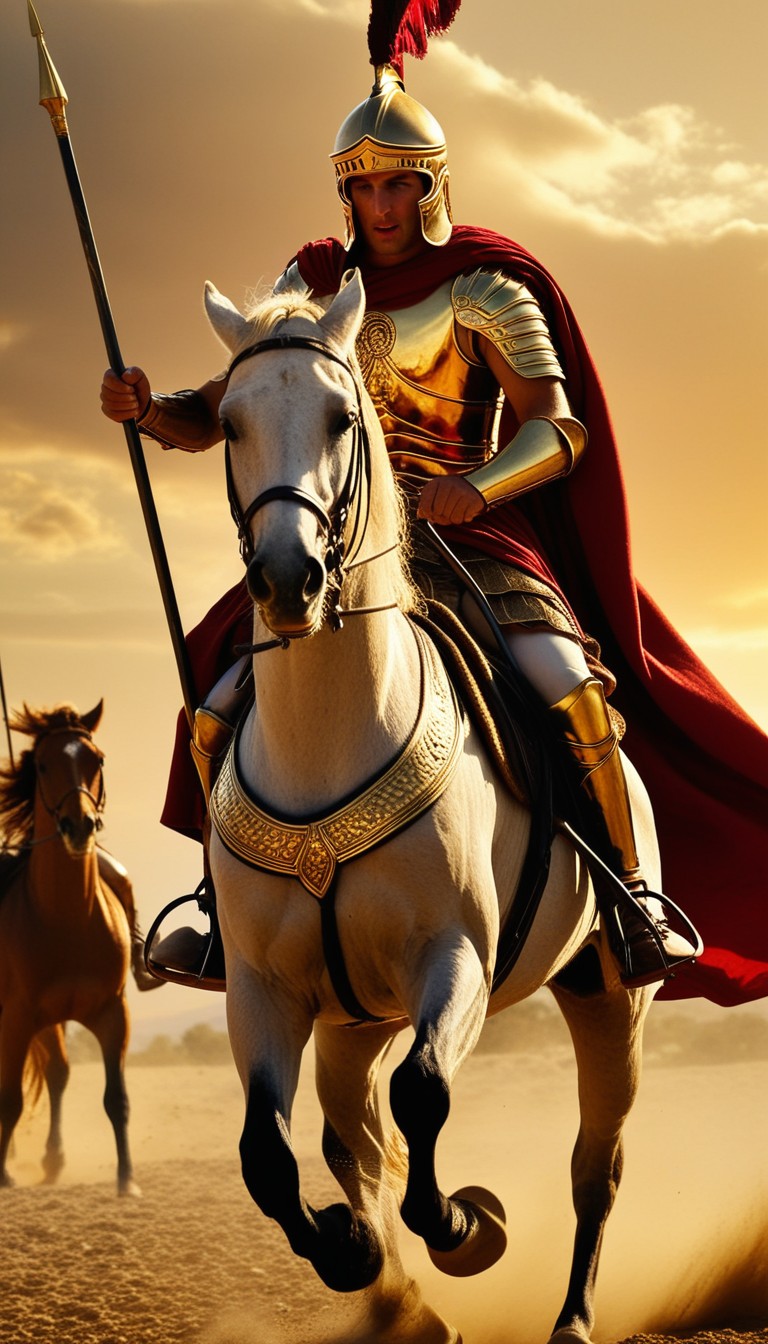
Alexander the Great: Conqueror of the Known World
Loading story...
356 BC
Pella, Macedonia
The Prince and the Philosopher
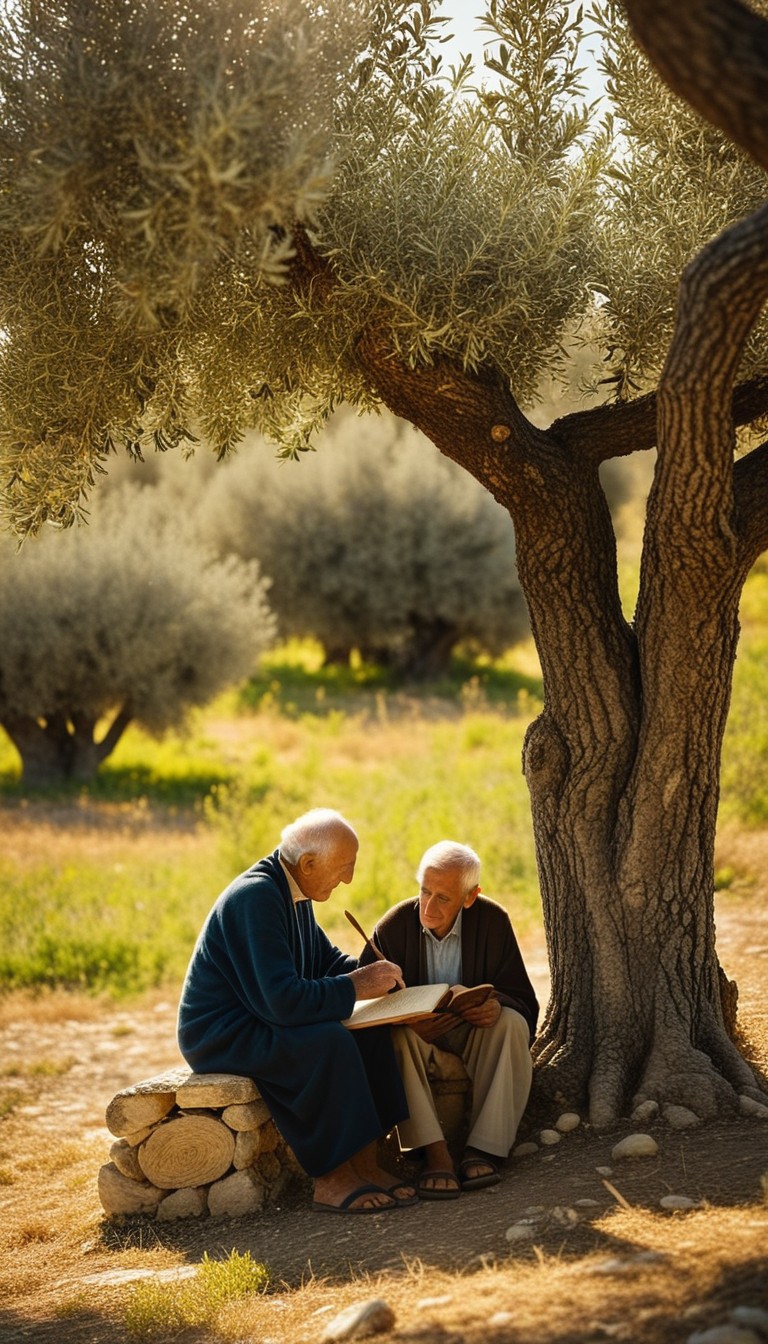
Born in 356 BC in Pella, the royal capital of Macedonia, Alexander was the son of King Philip II and the fierce Epirote princess Olympias. From the age of thirteen, he studied under the greatest mind of the ancient world—Aristotle—who taught him philosophy, medicine, science, and rhetoric. The young prince devoured the works of Homer, carrying a copy of the Iliad annotated by Aristotle on every campaign. By his early teens, it was already clear that Alexander was no ordinary prince.
336 BC
Macedonia
King at Twenty
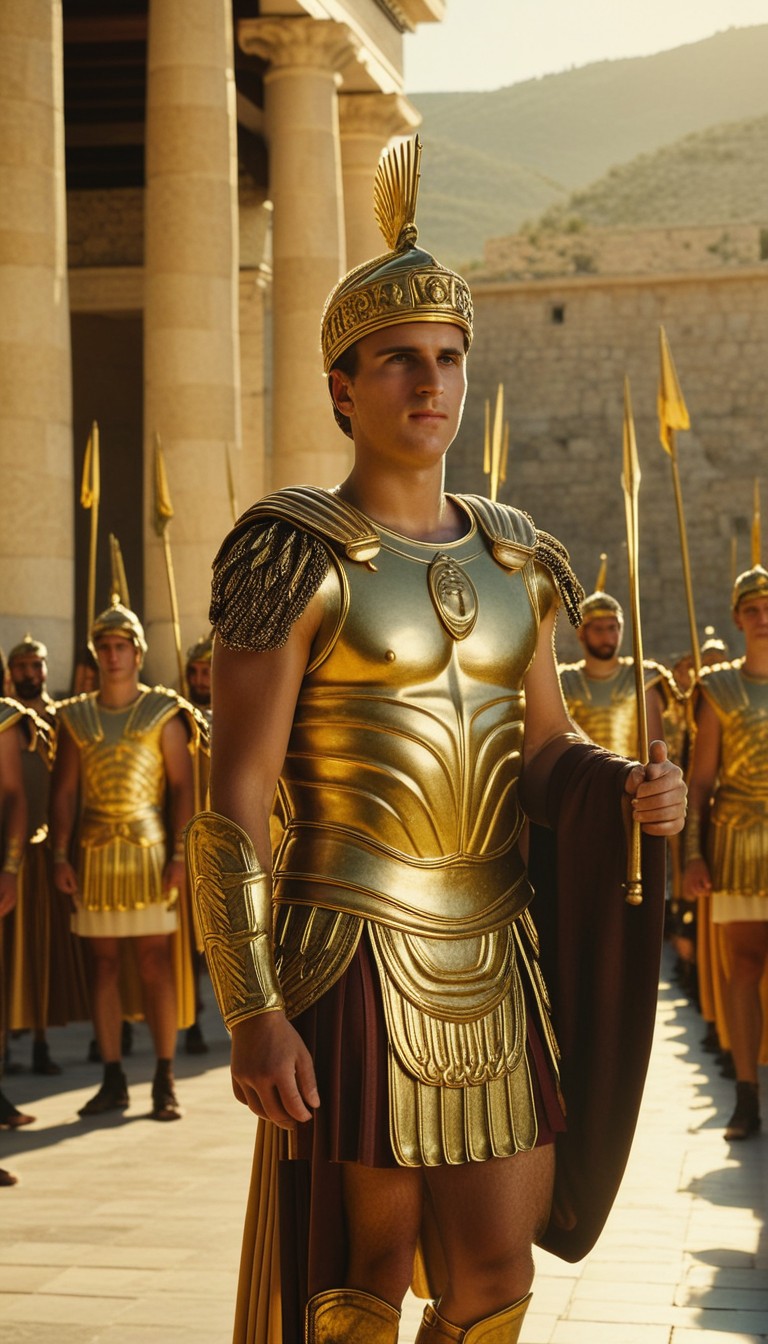
In 336 BC, King Philip II was assassinated at the wedding of his daughter, stabbed by one of his own bodyguards during the celebration. Alexander, just twenty years old, moved with stunning speed to secure the throne. He eliminated rivals, suppressed rebellions in Greece, and crushed a revolt in Thebes so decisively—razing the city to the ground—that the rest of Greece fell silent. Within months, the young king had consolidated power and turned his eyes toward Persia.
334 BC
Asia Minor
Crossing into Asia
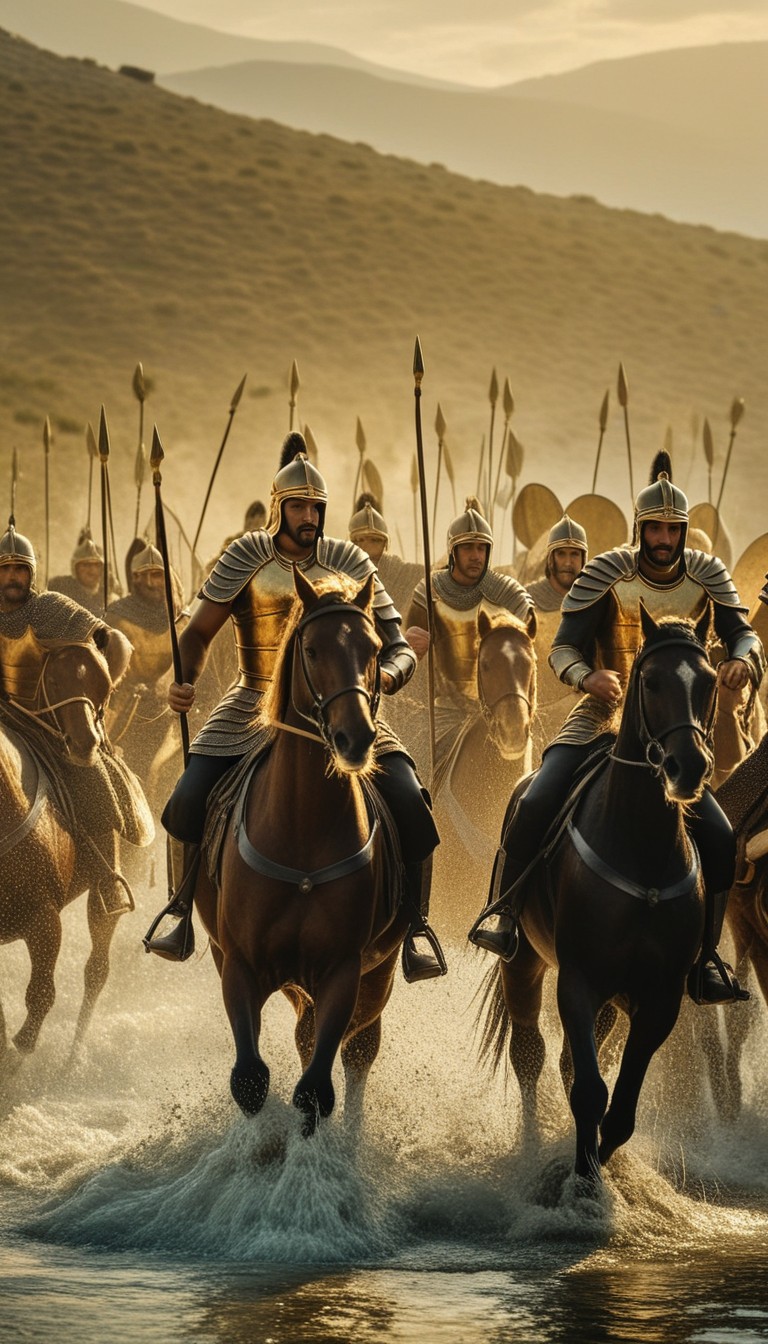
In 334 BC, Alexander led an army of roughly 40,000 men across the Hellespont into Persian-held Asia Minor—fulfilling a dream his father had launched but never completed. At the Granicus River, he was nearly killed in the opening charge when a Persian officer raised a sword over his head, only to be cut down by a companion. The victory opened the Anatolian coast to him, and Alexander went on to liberate Greek cities from Persian control as he advanced southward.
333 BC
Gordium, Phrygia
The Gordian Knot
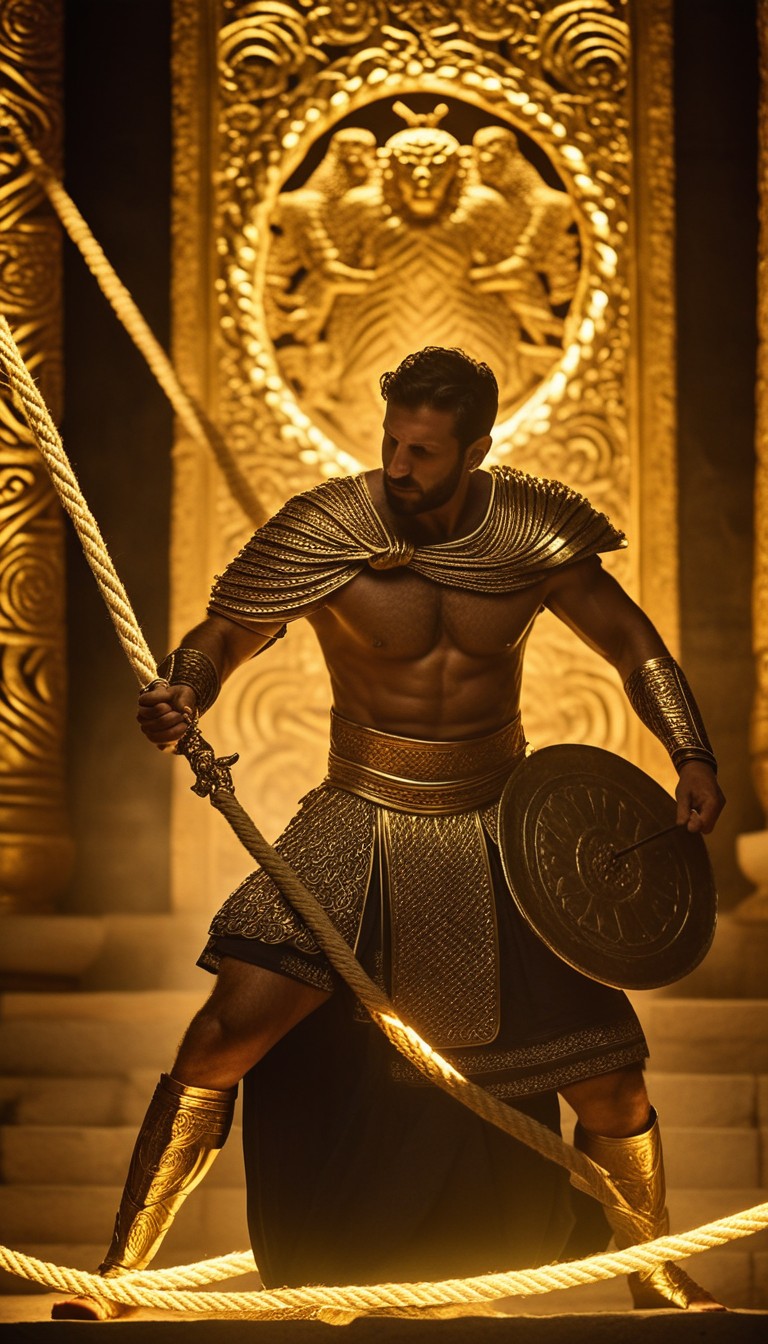
At Gordium in 333 BC, Alexander encountered the legendary Gordian Knot—an impossibly tangled mass of rope tied to an ancient ox cart, bound to a prophecy that whoever unraveled it would rule all of Asia. Where others had failed, Alexander drew his sword and sliced through the knot with a single stroke. Whether clever improvisation or decisive brilliance, the act electrified his army and announced his ambitions to the world. He then swept down the Persian coast, taking city after city with little resistance.
333 BC
Issus, Cilicia
The Battle of Issus
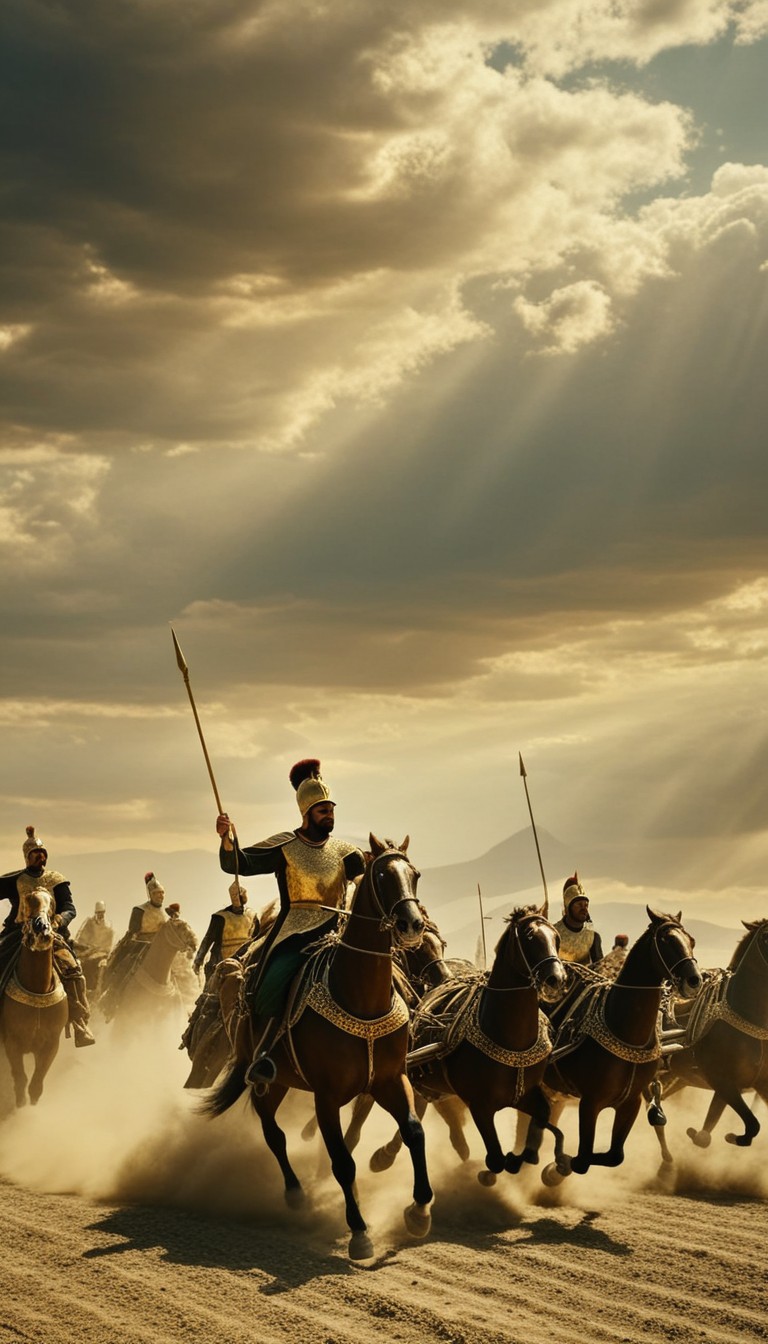
In November 333 BC, Alexander met the Persian Great King Darius III in battle at Issus, near the modern Turkish-Syrian border. Though heavily outnumbered, Alexander led a decisive cavalry charge directly at Darius himself, shattering the Persian center. Darius fled the field in his chariot, abandoning his mother, wife, and children in his camp. Alexander treated the royal family with great courtesy—a magnanimous gesture that stunned the Persian world and burnished his reputation as a king worthy of an empire.
331 BC
Egypt
Pharaoh of Egypt
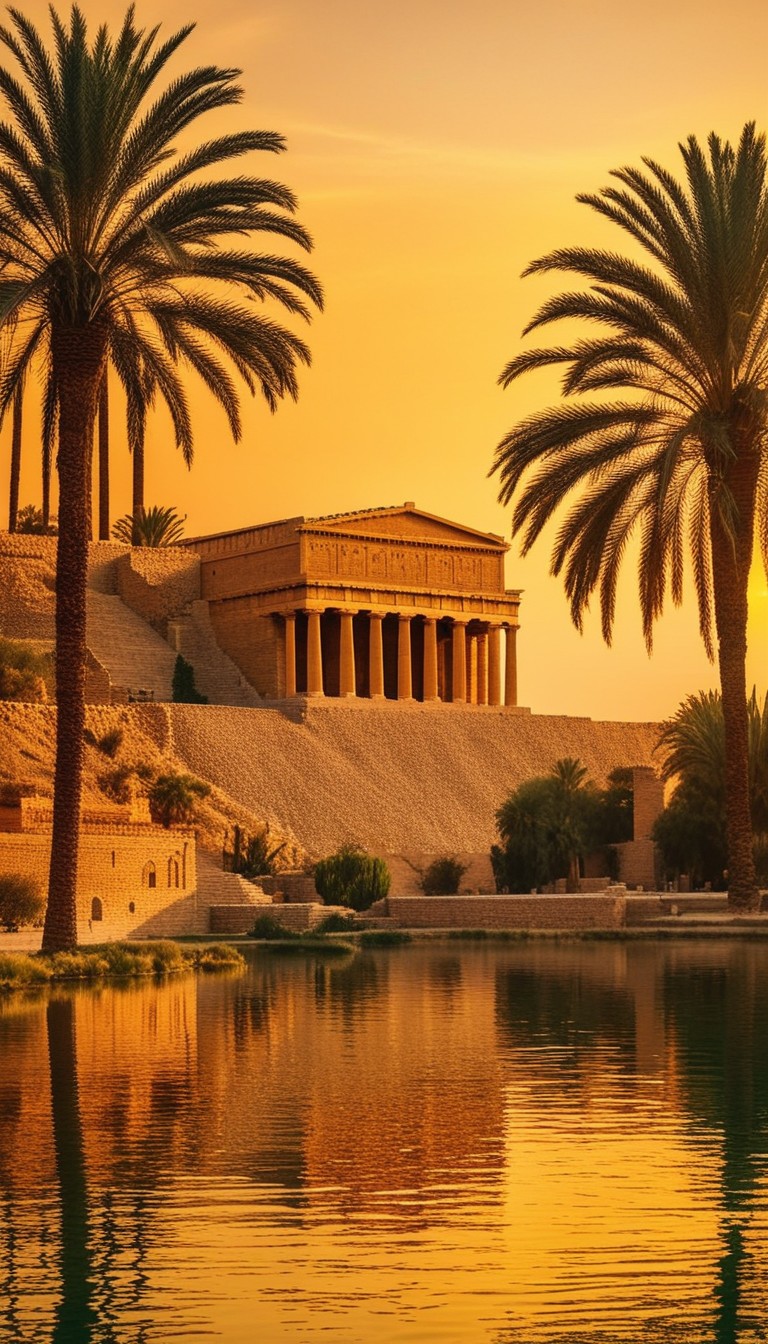
After subduing the Levantine coast—including a brutal seven-month siege of Tyre—Alexander entered Egypt in 331 BC, where he was welcomed as a liberator from Persian rule. The Egyptians declared him the son of the god Amun, and he was crowned pharaoh. He traveled to the remote oracle of Amun at Siwa, where the priests confirmed his divine parentage—a moment Alexander never forgot. On the Mediterranean coast, he marked out the boundaries of a new city with grain: Alexandria, which would become the greatest city of the ancient world.
331 BC
Gaugamela, Mesopotamia
The Fall of Persia
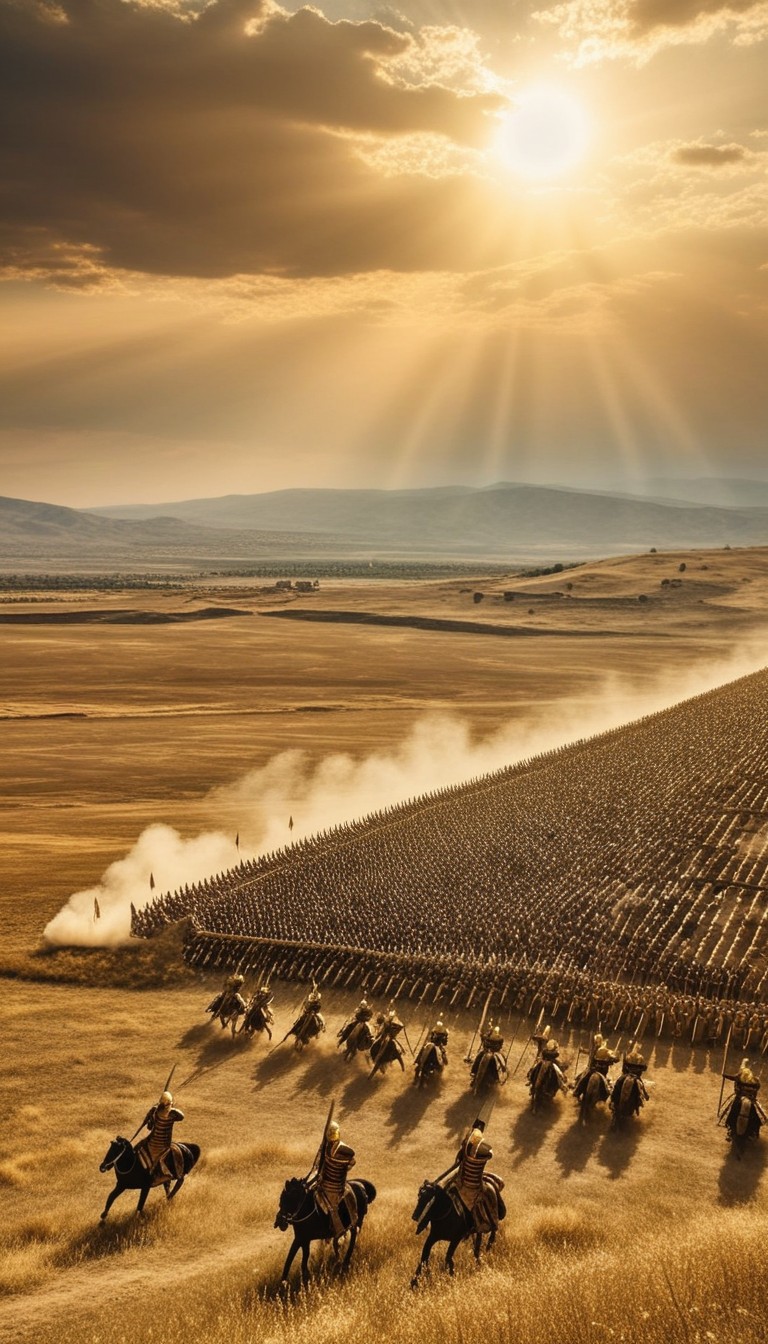
On October 1, 331 BC, Alexander faced Darius III one final time at Gaugamela on the plains of Mesopotamia. Darius had spent months preparing the battlefield and assembled an enormous force, including war elephants and scythed chariots. Alexander again struck at the Persian center with his companion cavalry, driving a wedge straight toward the Great King. Darius fled once more, and the Persian Empire effectively ceased to exist. Alexander marched on to sack Persepolis, the symbolic heart of the Persian world, and declared himself King of Asia.
326 BC
Hyphasis River, India
The Edge of the World
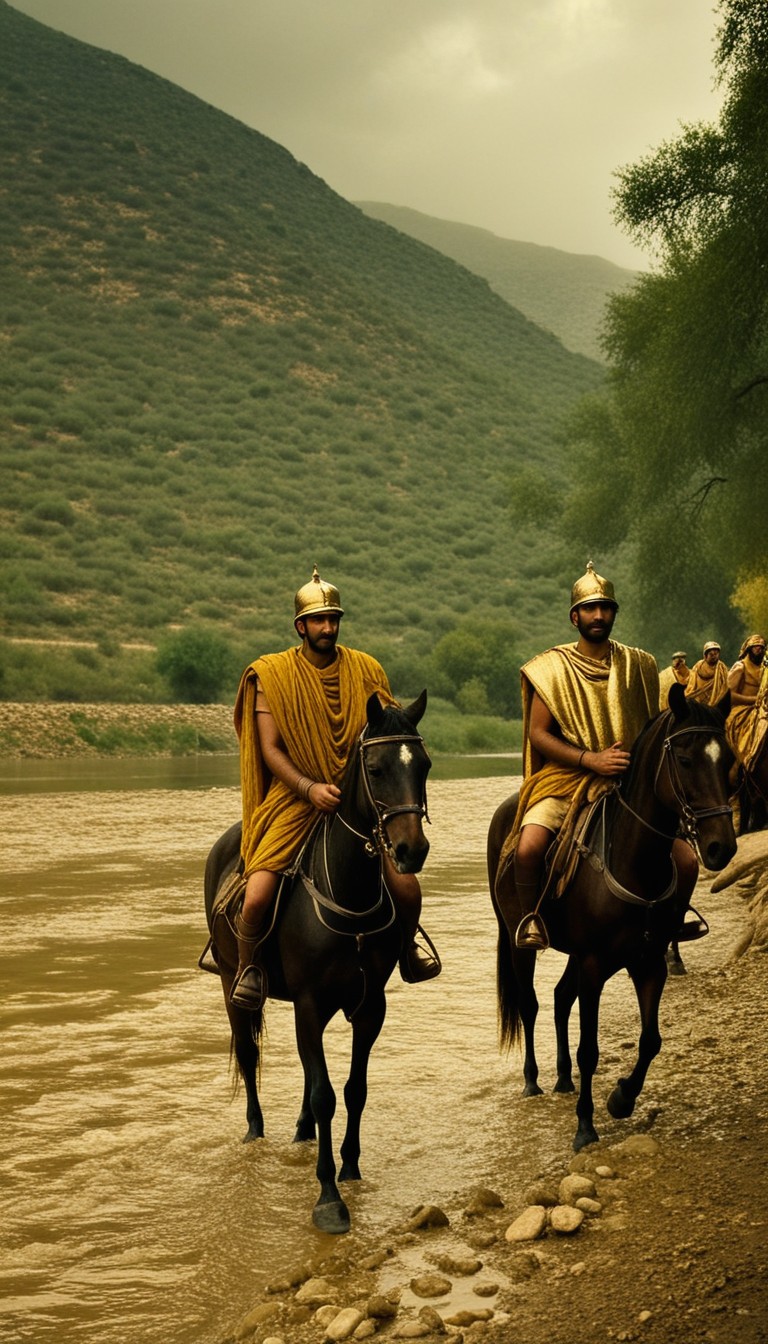
By 326 BC, Alexander had pushed east through Bactria and into the Indian subcontinent, winning his last great pitched battle at the Hydaspes River against the elephant-mounted King Porus. But at the Hyphasis River, his battle-hardened veterans finally broke. They had marched over 11,000 miles in eight years, and they refused to go further. Alexander, furious, wept in his tent for three days before reluctantly agreeing to turn back. The army that had never been defeated in battle had reached the edge of Alexander's world—but not the edge of their devotion to him.
A Legend Dies at 32
In June 323 BC, Alexander the Great died in Babylon at the age of 32, after a sudden fever following a night of heavy drinking. He left no clear heir, and when asked who should inherit his empire, he reportedly said "the strongest." His generals—the Diadochi—tore the empire apart in decades of war. Yet Alexander's legacy endured: he had spread Greek language, culture, and ideas from Egypt to Central Asia, creating the Hellenistic world that would shape Rome, early Christianity, and the foundations of Western civilization. He remains, to this day, one of the most consequential figures in human history.
Recommended Reading
As an Amazon Associate, we earn from qualifying purchases.
Swipe to navigate