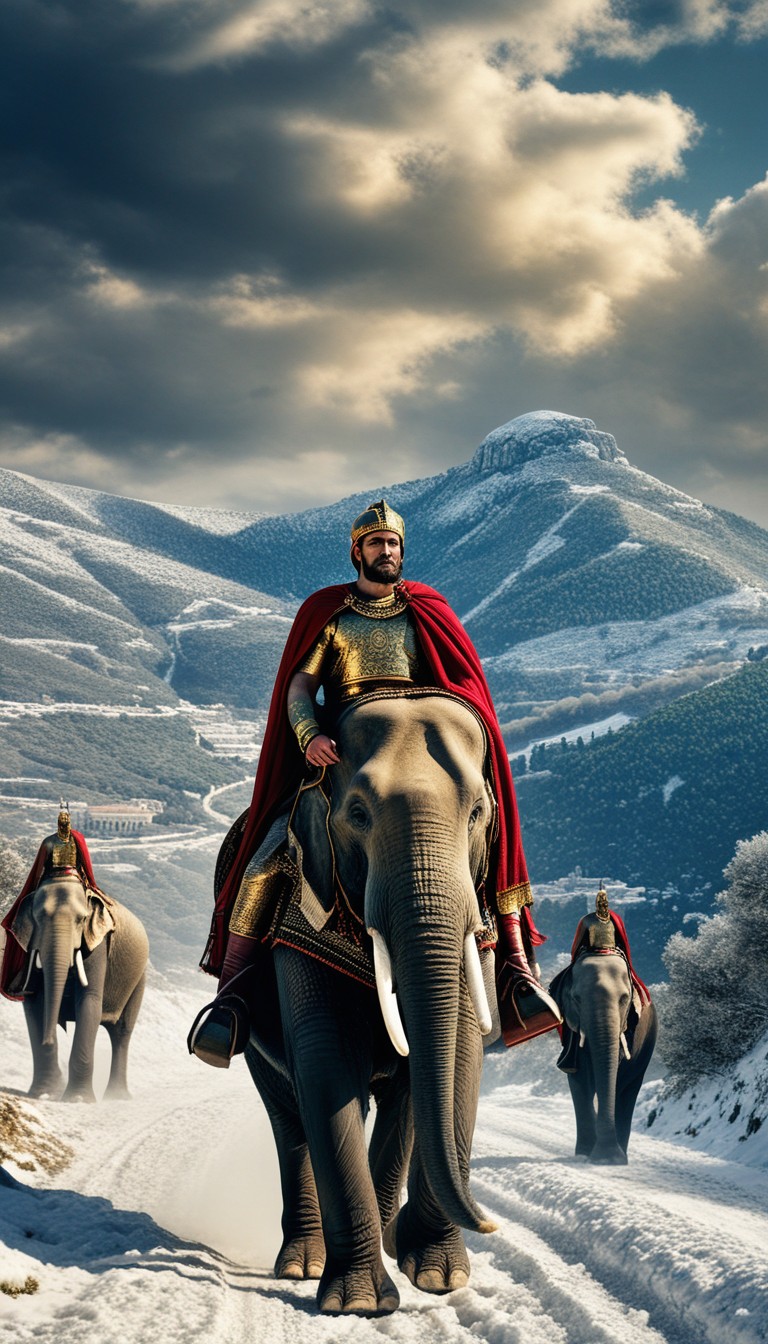
Hannibal Barca: Rome's Greatest Nightmare
Loading story...
247 BC
Carthage
The Boy Who Swore Eternal War
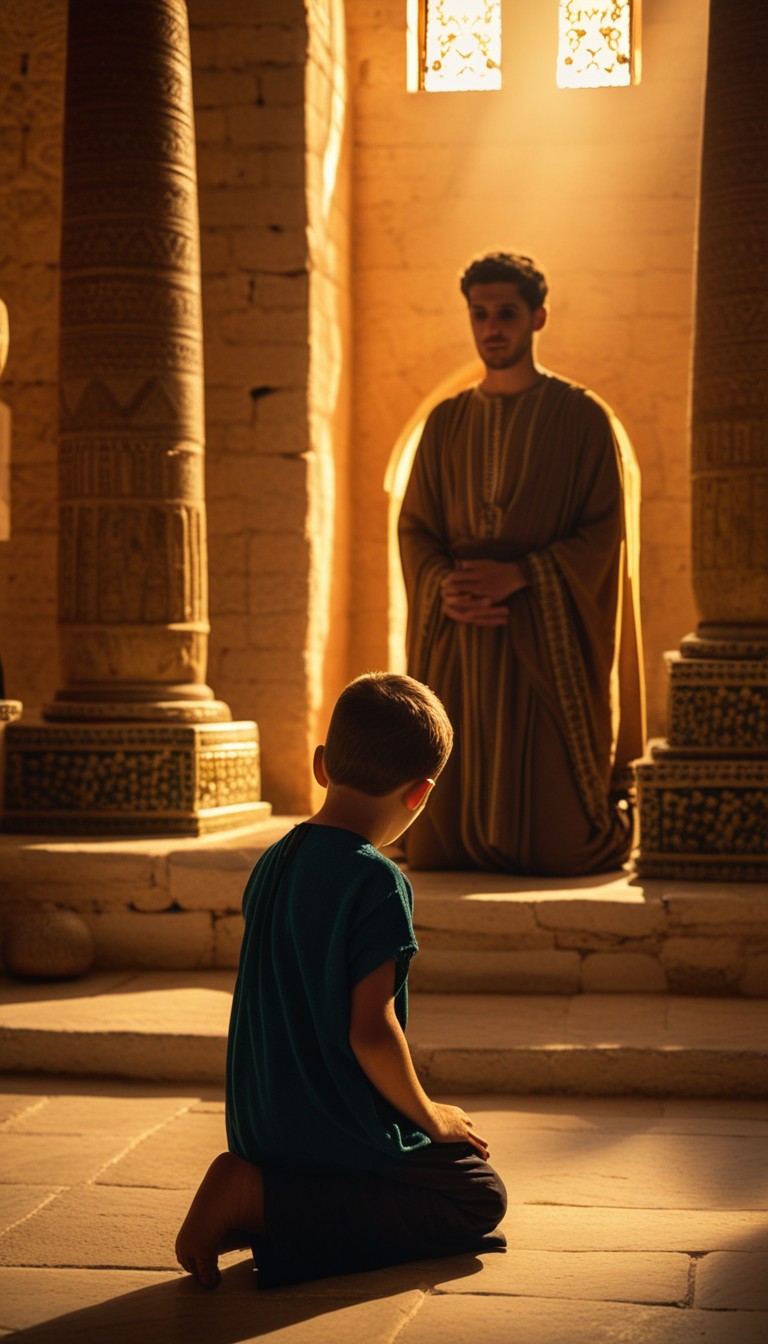
In 247 BC, Hannibal Barca was born into Carthage's most powerful military family, son of the great general Hamilcar Barca. At nine years old, he begged his father to take him to war in Spain. Hamilcar agreed—on one condition. Young Hannibal knelt before the altar of the gods and swore an oath of eternal enmity against Rome. It was a vow he would spend his entire life fulfilling with savage brilliance.
221 BC
Hispania
Master of Hispania
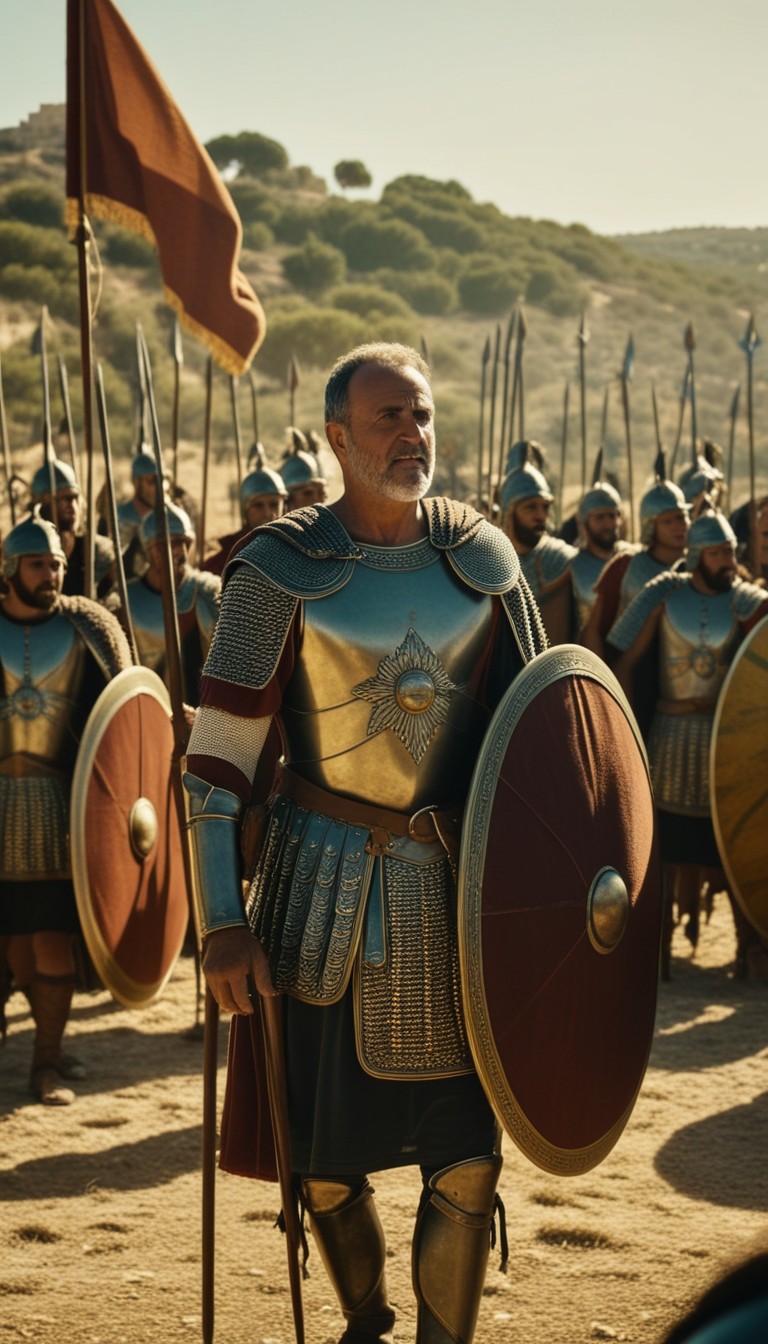
After his father and brother-in-law fell in Spain, the 26-year-old Hannibal assumed command of Carthage's Iberian forces in 221 BC. In just two years he proved himself a commander of extraordinary gifts—bold, methodical, and beloved by his troops. He forged a multinational army of Iberians, Libyans, Numidian cavalry, and Gauls into a disciplined fighting force. When he besieged the Roman-allied city of Saguntum in 219 BC, he knew war with Rome was inevitable. He welcomed it.
218 BC
The Alps
The Impossible Crossing
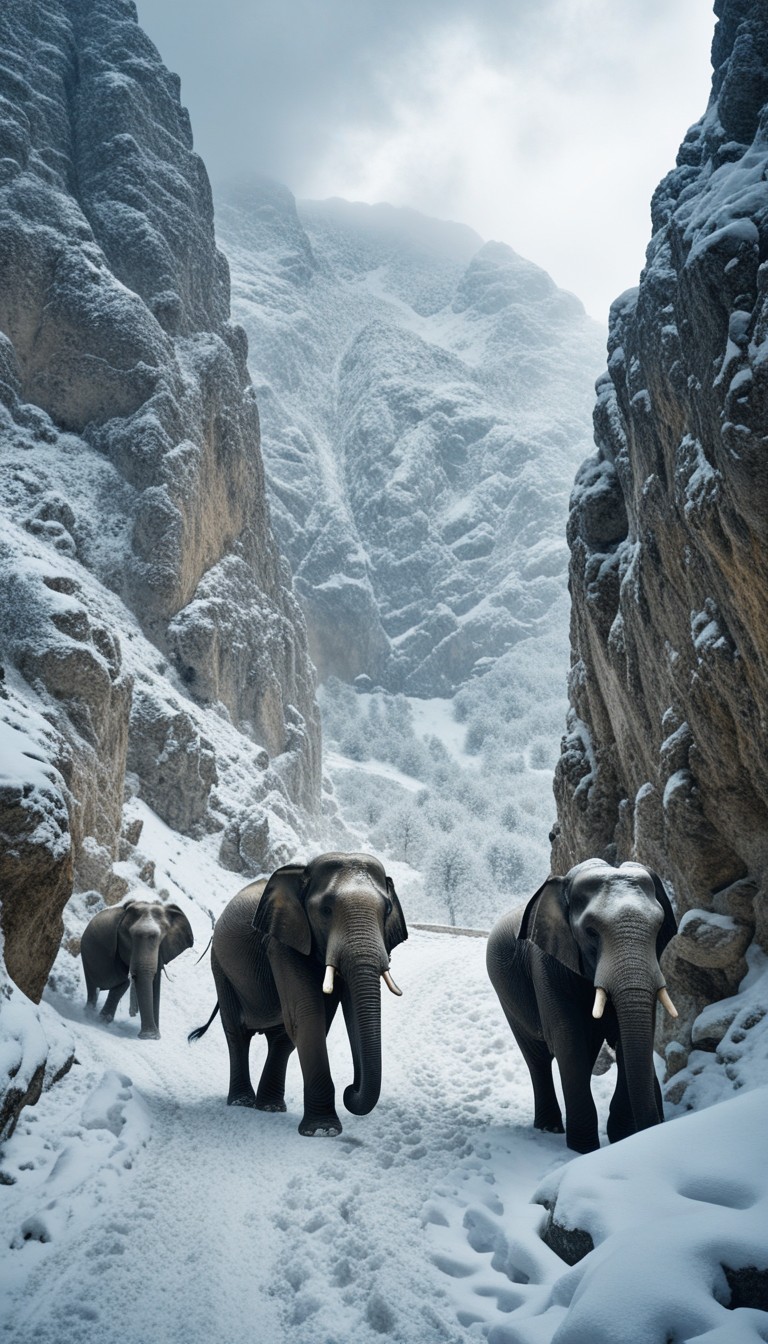
In the autumn of 218 BC, Hannibal launched the most audacious military maneuver the ancient world had ever seen. With roughly 40,000 soldiers and 37 war elephants, he marched out of Spain, crossed the Pyrenees, forded the Rhône, and began the nightmarish ascent of the Alps. For fifteen days, his army battled blizzards, avalanches, and ambushes by mountain tribes. Nearly half his force perished. But when the survivors descended into the Po Valley, they had done what Rome believed impossible. Hannibal had arrived.
218 BC
Northern Italy
First Blood at the Trebia
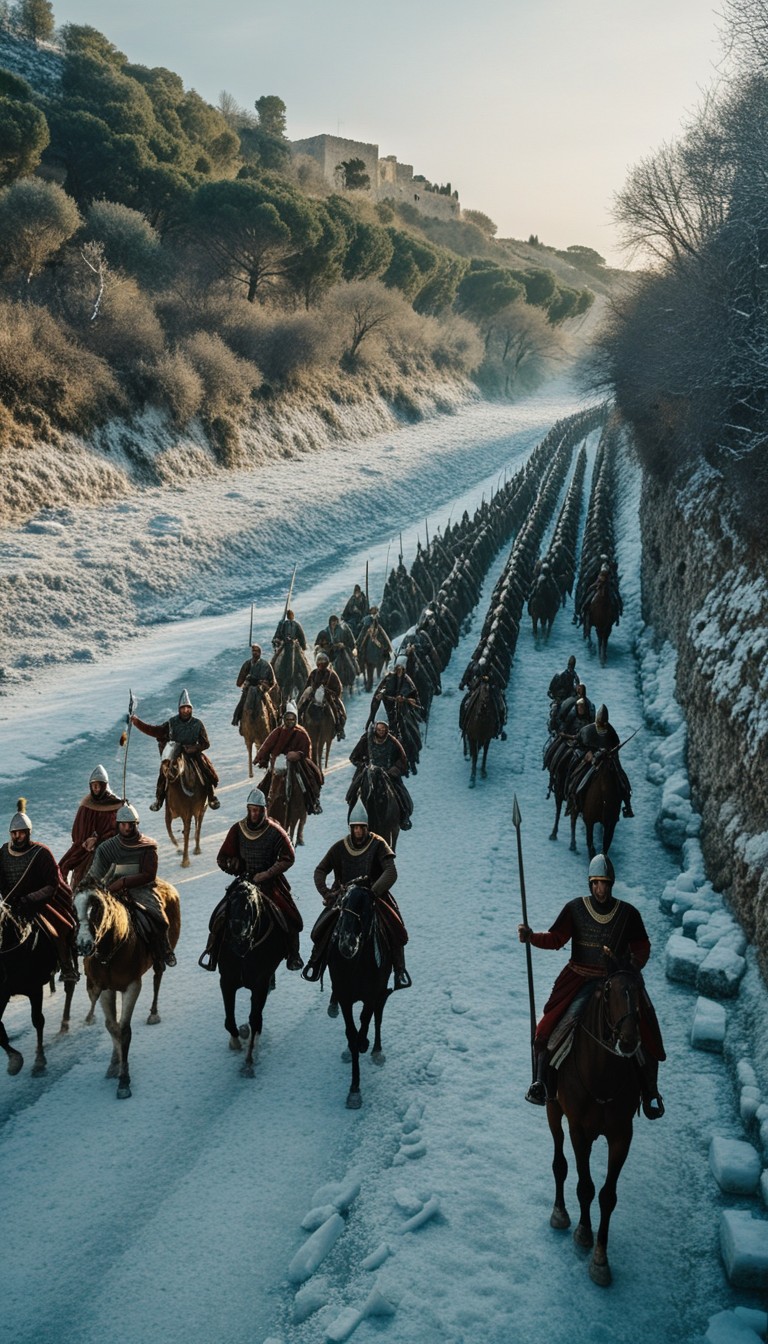
Weakened but unbroken, Hannibal recruited Gallic allies and moved quickly to engage the Romans. At the Trebia River in December 218 BC, he lured the Roman consul Sempronius into attacking across a freezing river at dawn. The Romans, hungry and half-frozen, crashed into the Carthaginian center—exactly as Hannibal had planned. Numidian cavalry shattered their flanks, and hidden infantry struck from the rear. Some 20,000 Romans were killed or captured. Hannibal had won his first major battle on Italian soil.
217 BC
Lake Trasimene, Italy
The Ambush at Lake Trasimene
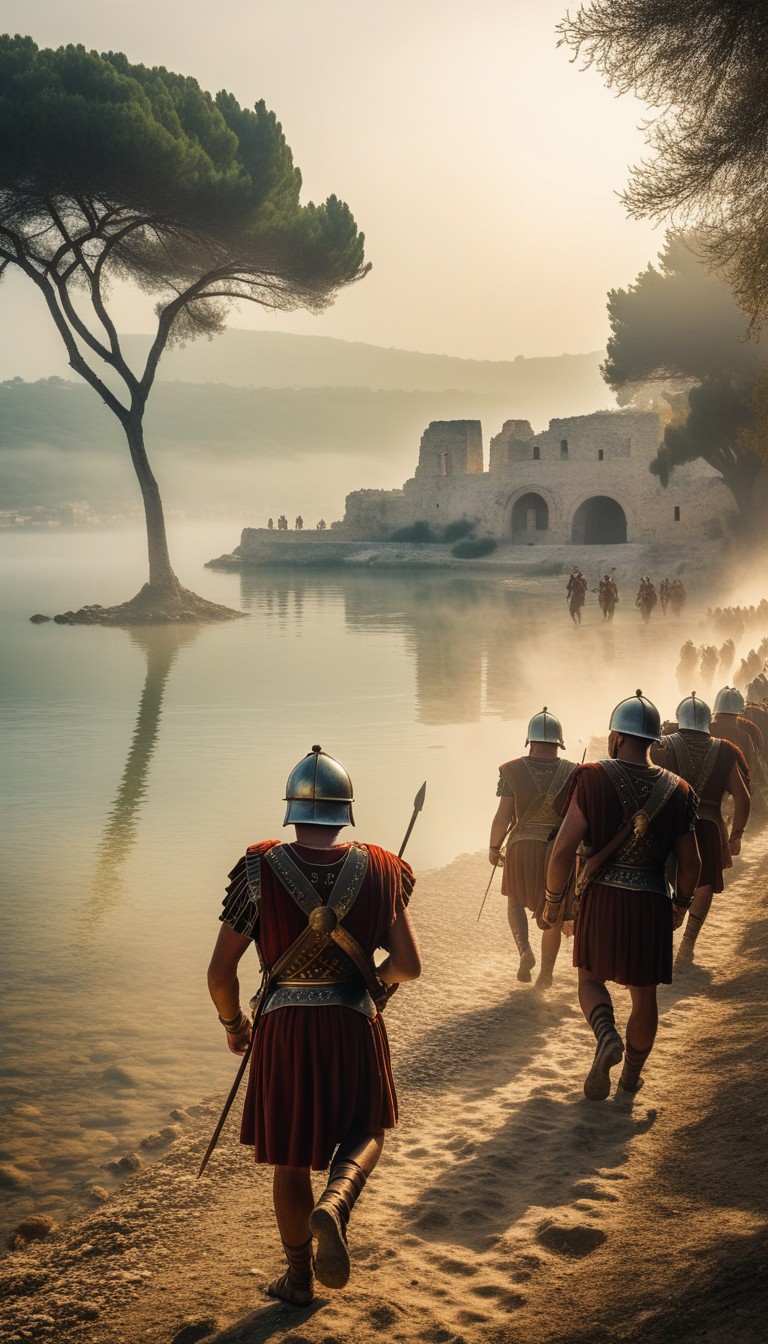
In the spring of 217 BC, Hannibal marched south and goaded the impetuous consul Flaminius into pursuit. On a misty morning, the Roman army filed along a narrow road between Lake Trasimene and wooded hills—where Hannibal had concealed his entire army in the fog. At a signal, 40,000 Carthaginian soldiers erupted from the hillsides. In less than three hours, 15,000 Romans were slaughtered, Flaminius among them. Another 6,000 were captured. It remains one of the largest ambushes in military history.
216 BC
Cannae, Southern Italy
Cannae: The Perfect Destruction
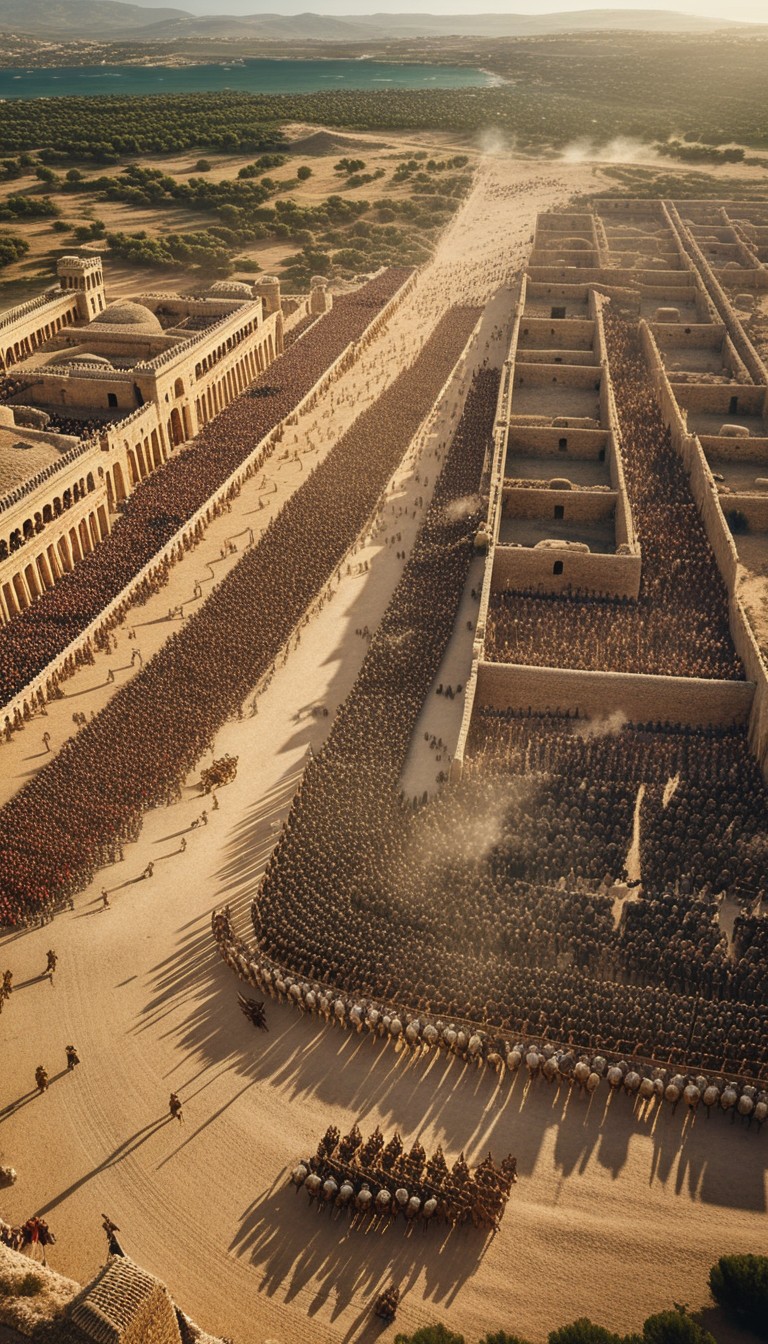
On August 2, 216 BC, at the fields of Cannae, Hannibal faced the largest army Rome had ever assembled—some 86,000 men. He placed his weakest infantry in the center and his finest African veterans on the flanks. As the Romans pressed forward, the Carthaginian center deliberately gave ground, drawing the legions deeper. Then the flanks closed inward like a vice. The Romans found themselves packed too tightly to fight. Roughly 70,000 were killed in a single afternoon. Cannae became the definitive textbook of encirclement tactics, studied by commanders for the next two millennia.
203 BC
Italy and North Africa
The Long Stalemate
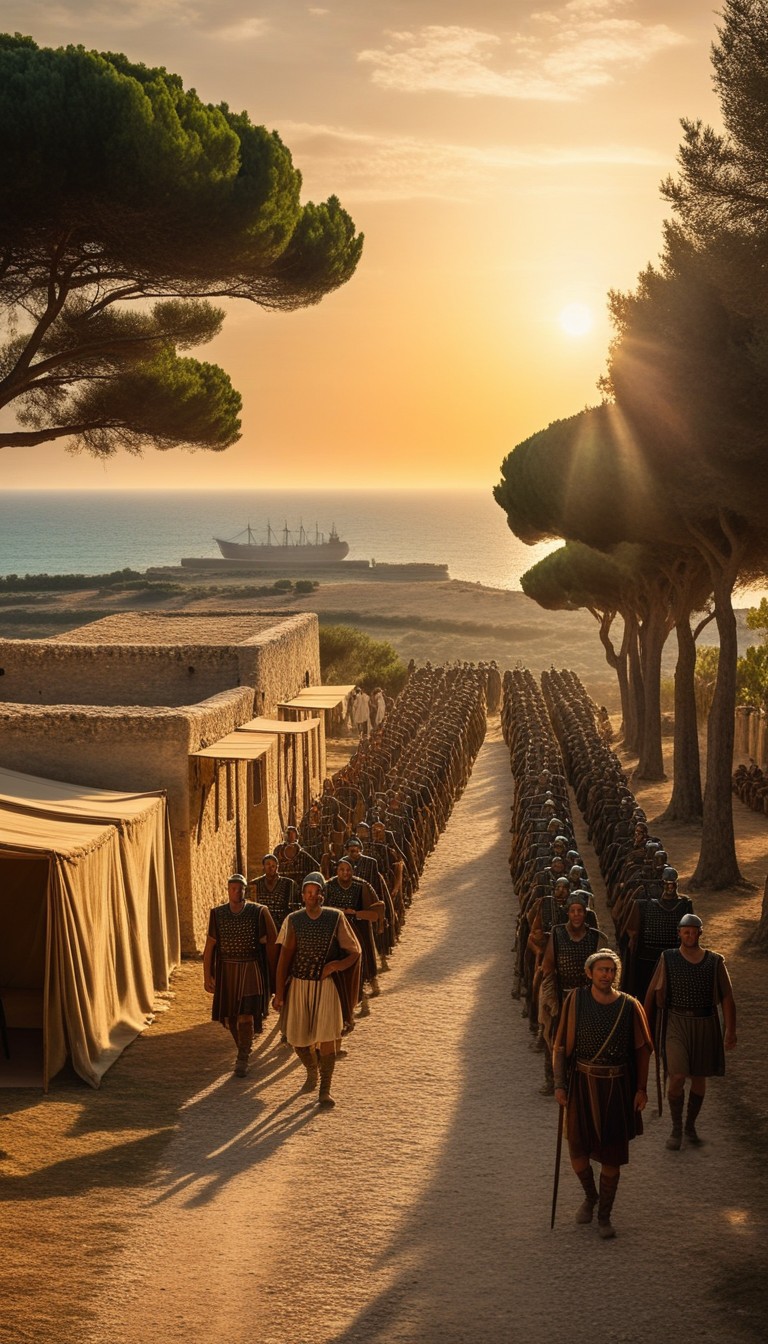
After Cannae, Rome refused to seek terms and adopted the strategy of Fabius Maximus—avoid battle, harass supply lines, and starve Hannibal's army of reinforcements. For thirteen years Hannibal remained undefeated in Italy, but Carthage sent no meaningful support. Meanwhile the young Roman general Publius Cornelius Scipio—later called Africanus—took the war to Spain and then, in 204 BC, landed in North Africa itself. Carthage recalled Hannibal from Italy to defend his homeland. After sixteen years, his Italian campaign was over.

202 BC
Zama, North Africa
Zama: The Fall of Carthage
At Zama in 202 BC, Hannibal met Scipio Africanus in a battle that would decide the fate of the Mediterranean world. Scipio had studied Cannae and turned Hannibal's own tactics against him—opening lanes in his lines to let the war elephants through harmlessly, then using superior Roman cavalry to encircle the Carthaginians. Hannibal was defeated for the first time in open battle. Carthage sued for peace, surrendering its empire. Hannibal later fled into exile, plotting against Rome until the very end, before poisoning himself in 183 BC rather than be handed over to his enemies.
The Shadow That Never Left Rome
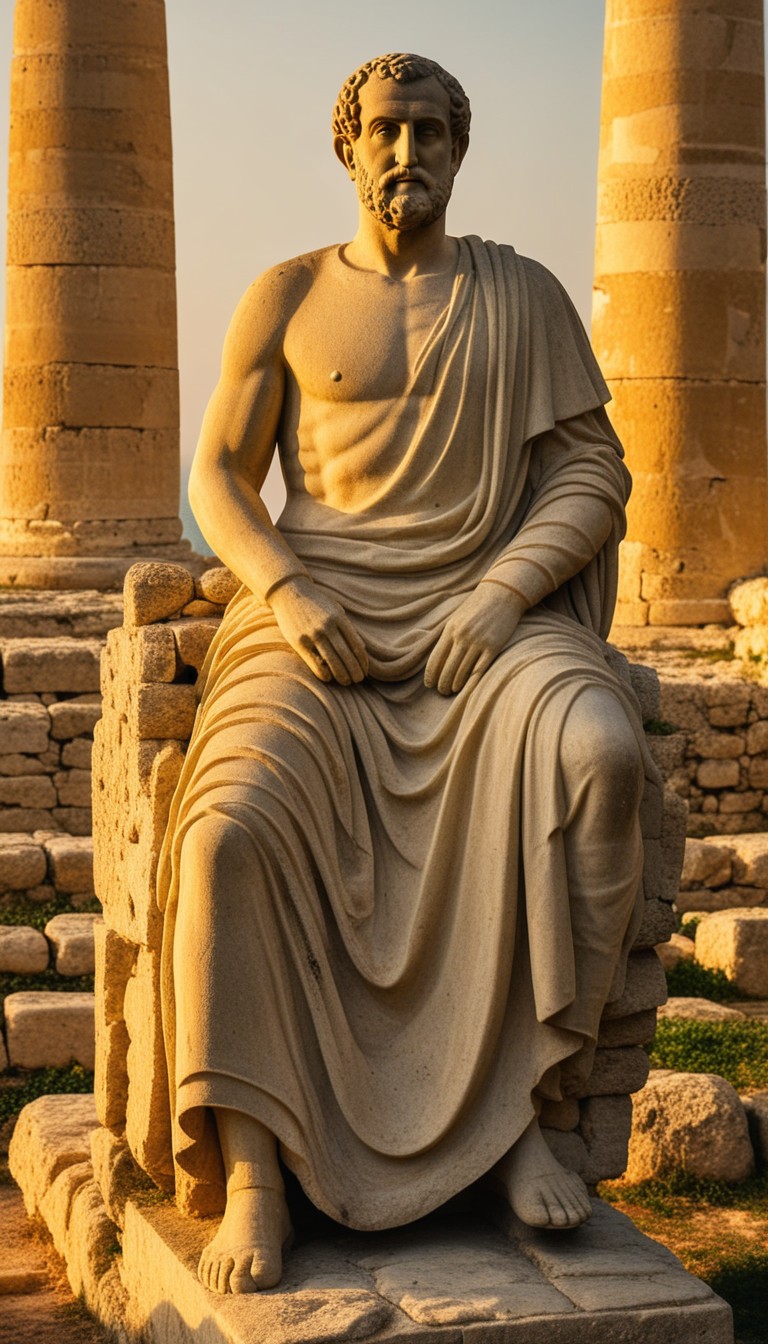
Hannibal Barca never conquered Rome, yet Rome could never fully escape him. For generations, Roman mothers hushed children with the warning "Hannibal ad portas"—Hannibal is at the gates. His tactical genius at Cannae became the gold standard for military commanders from Julius Caesar to Napoleon to Dwight Eisenhower. He reinvented warfare, proving that a smaller force could destroy a larger one through superior intelligence and positioning. Carthage was eventually razed to the ground, but the ideas of the man who kept Rome trembling for sixteen years proved indestructible.
Recommended Reading
As an Amazon Associate, we earn from qualifying purchases.
Swipe to navigate