
The Mongol Empire: Genghis & the Horde
Loading story...
1162 AD
Mongolian Steppes
Born on the Steppes
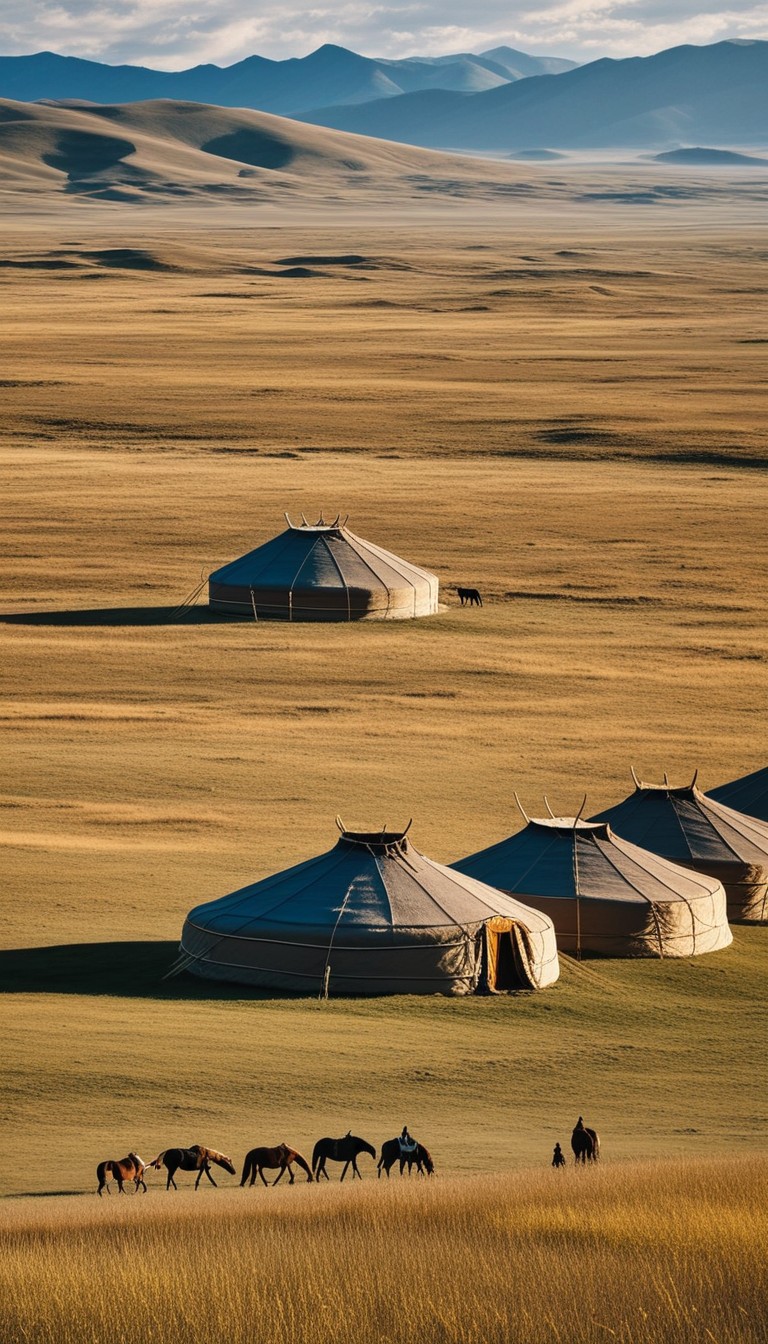
In 1162, a boy named Temüjin was born in a wool cart on the Mongolian steppes. His father was poisoned when he was nine. By twenty, he was fighting to unite the warring Mongol tribes.
1206 AD
Onon River
Genghis Khan is Born
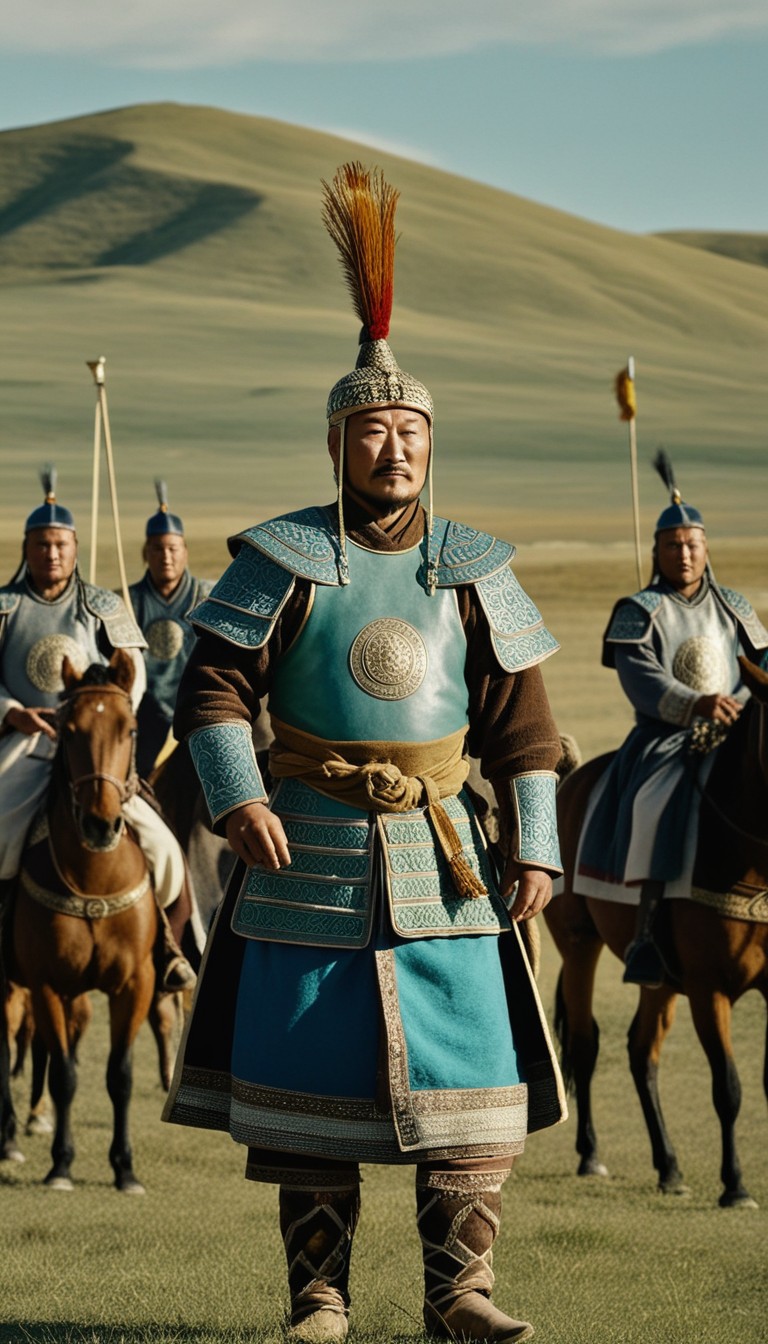
In 1206, Temüjin united the Mongol tribes at a great council called a kurultai. He took the title Genghis Khan—"Universal Ruler." His army numbered 100,000 fierce warriors.
1206-1227
Across Asia
The Deadliest Horsemen
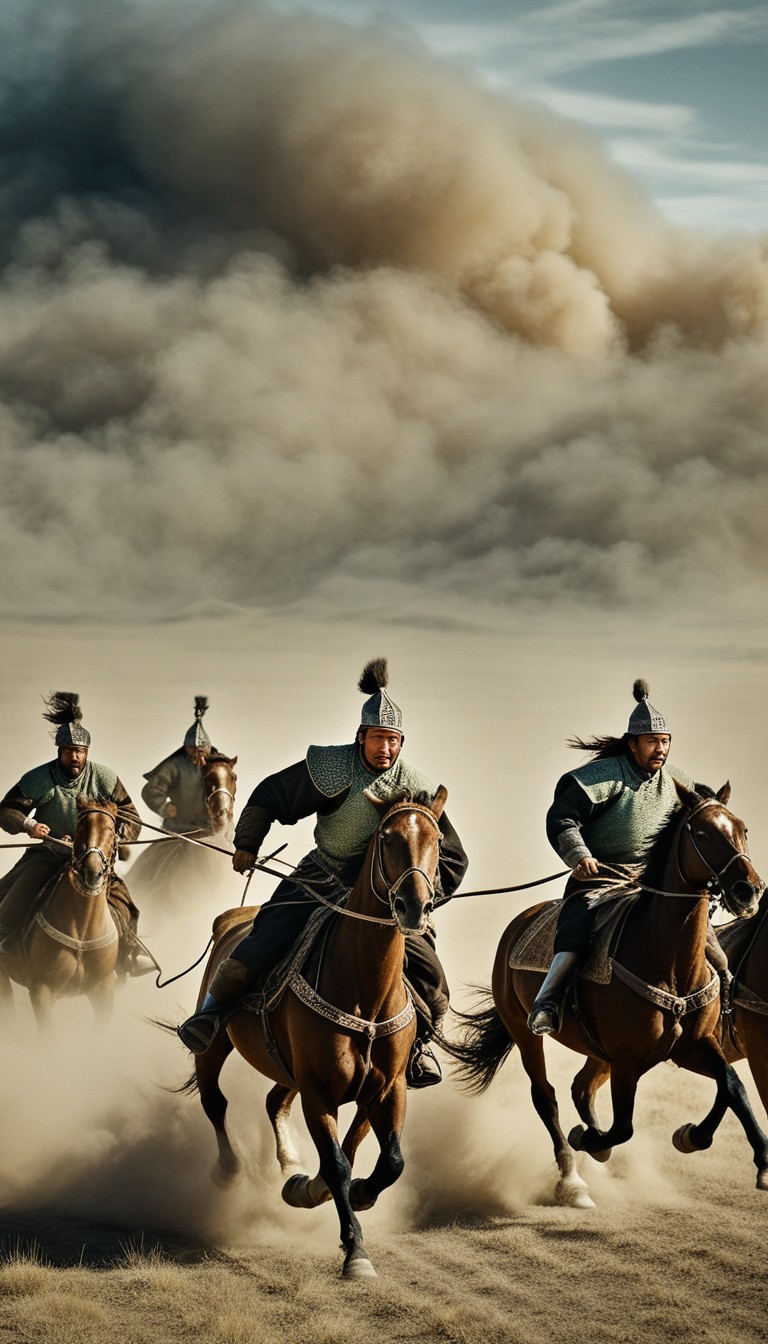
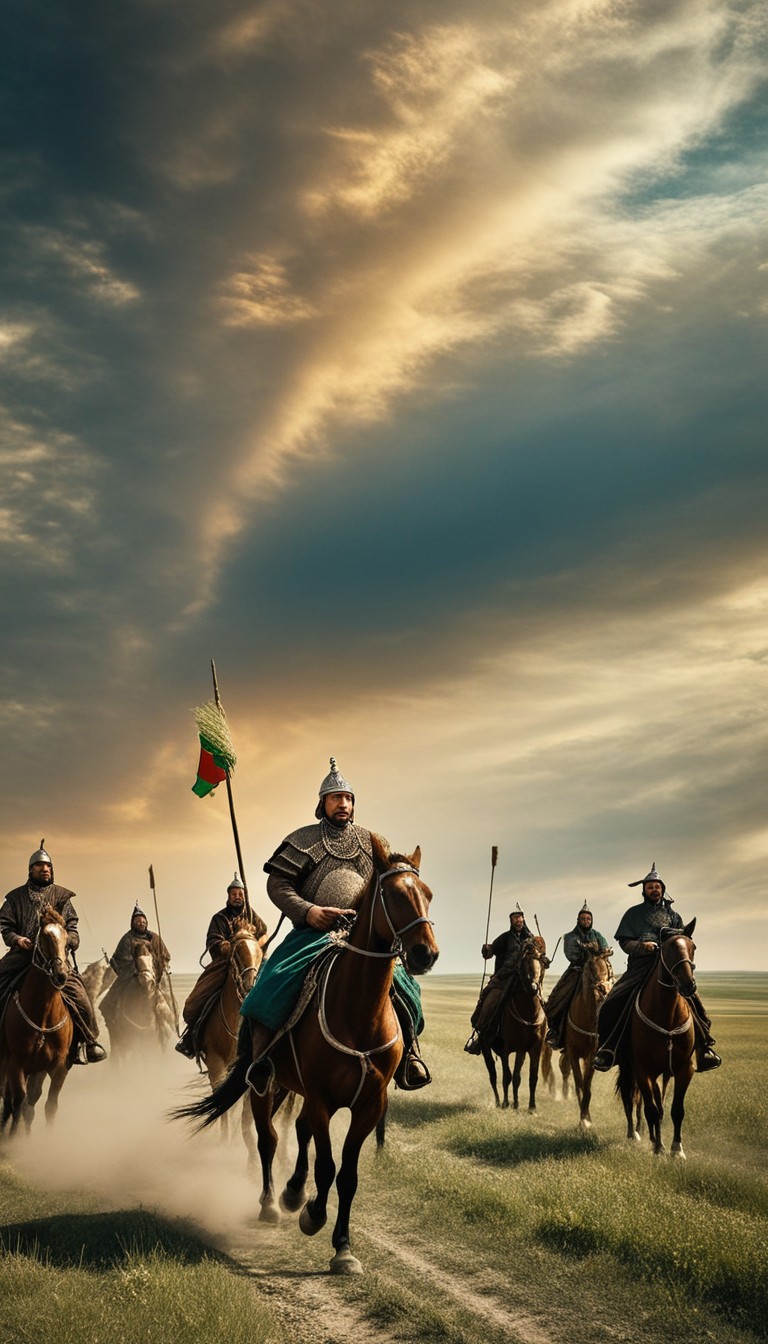
Mongol warriors grew up on horses. They could shoot arrows while riding at full gallop. Each warrior had multiple horses, allowing armies to travel 100 miles per day—unheard of speed.
1211-1227
Northern China
Conquest of China
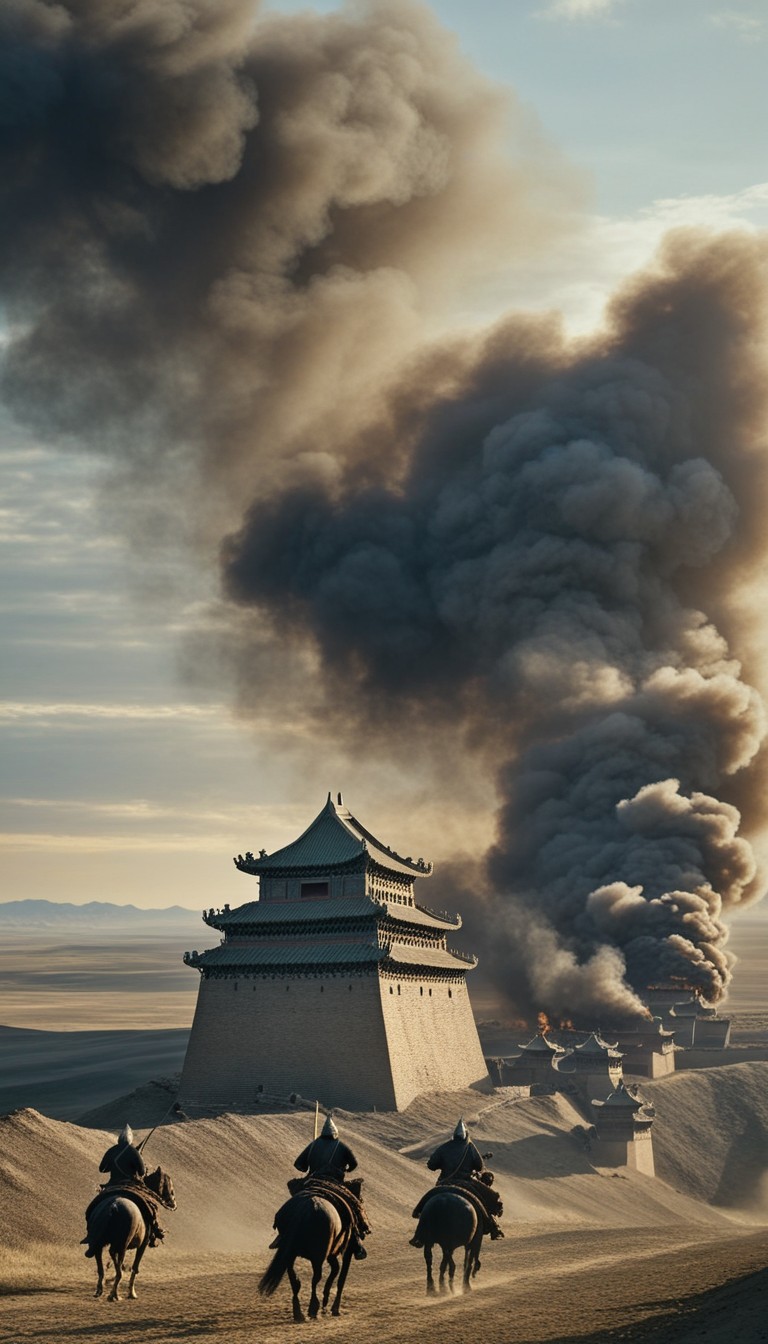
Genghis Khan conquered the Jurchen Jin dynasty and Western Xia. His armies used gunpowder weapons, siege engines, and terror tactics. Cities that resisted were destroyed; those that surrendered were spared.
August 1227
Yinchuan, China
The Khan Dies
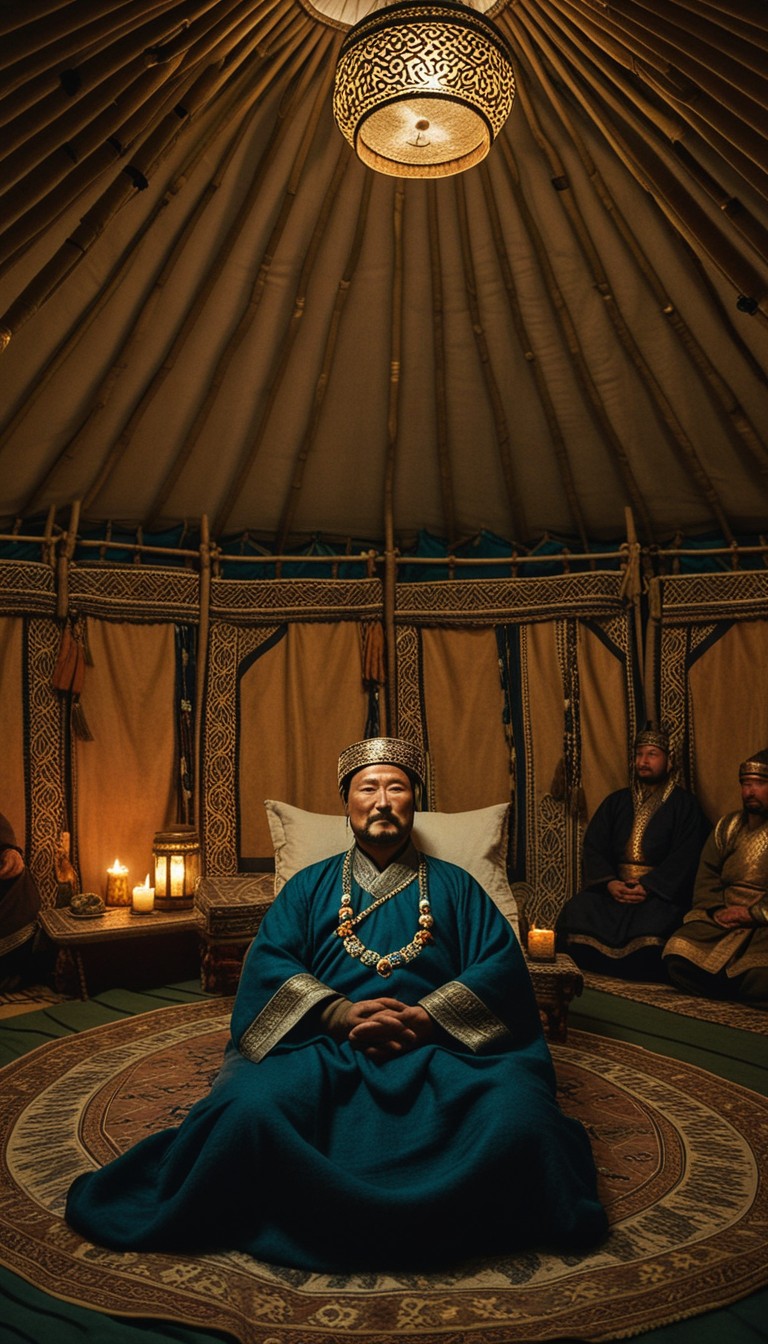
Genghis Khan died in 1227, possibly from illness or battle wounds. His empire already stretched from the Caspian Sea to the Pacific. Legend says he wanted to be buried in an unmarked grave—no one knows where.
1236-1242
Eastern Europe
The Horde Reaches Europe
Under Genghis's son Ögedei, the Mongols invaded Europe. They destroyed Kievan Rus, defeated Polish and Hungarian armies, and reached the gates of Vienna. Only Ögedei's death in 1241 stopped the advance.
1240-1360
Eurasia
The Pax Mongolica
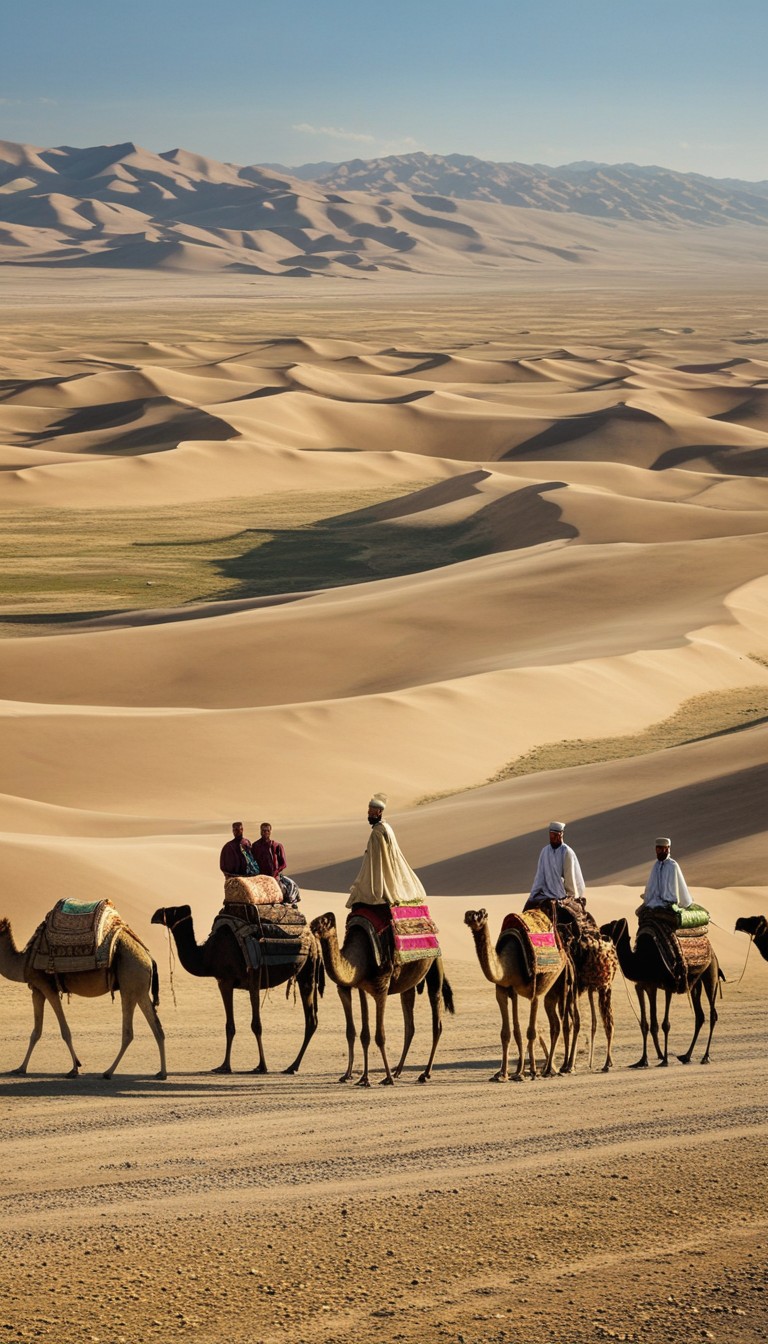
The Mongol Empire created the "Mongol Peace." Trade flourished along the Silk Road. Ideas, technologies, and diseases—including the Black Death—spread across Eurasia. For a century, it was safe to travel from Paris to Beijing.
1294
Eurasia
The Empire Fragments
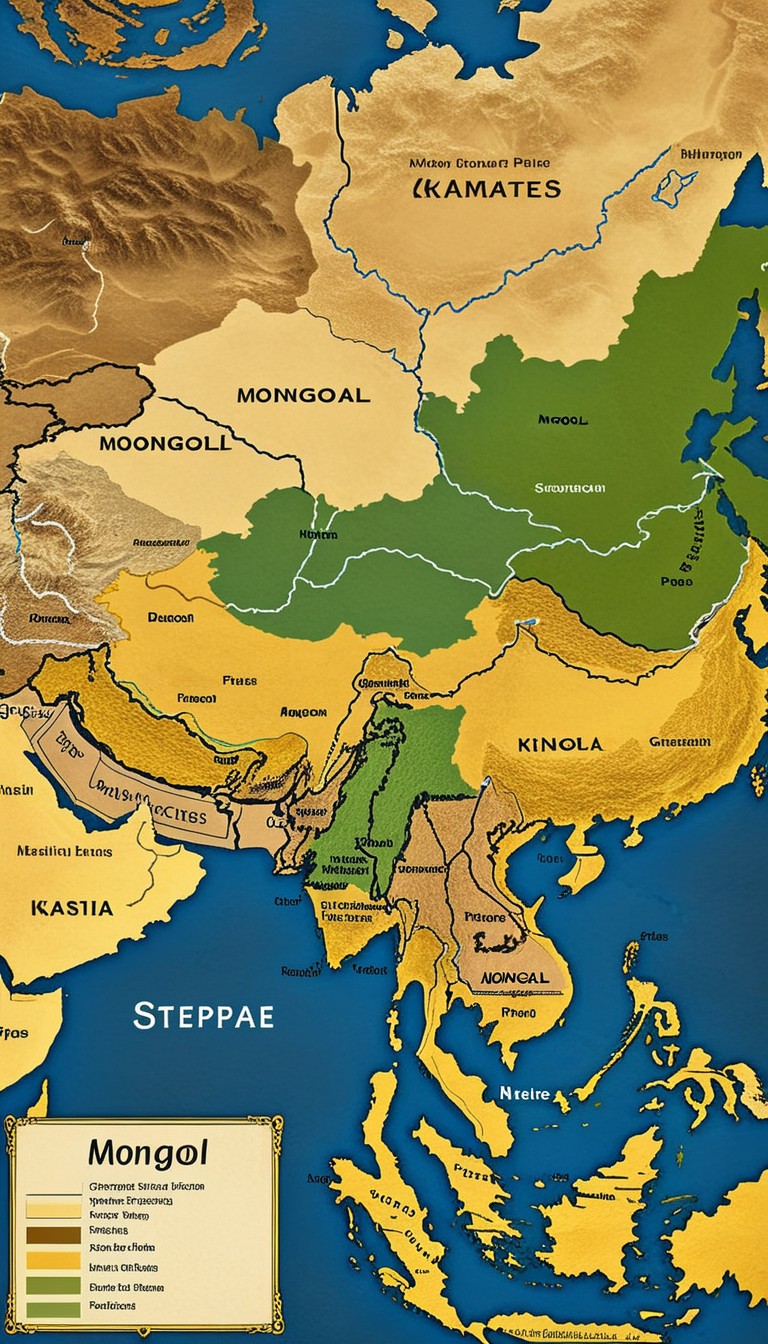
By 1294, the empire split into four khanates: the Golden Horde, Ilkhanate, Chagatai Khanate, and Yuan Dynasty. Though divided, each remained powerful for centuries. The last Mongol state fell in 1920.

Legacy of the Conqueror
Genghis Khan built the largest contiguous land empire in history. Today, 1 in 200 men carry his Y-chromosome. His descendants ruled from China to Persia to Russia. The steppes remember.


Swipe to navigate