Napoleon Bonaparte: Emperor of the French

Loading story...
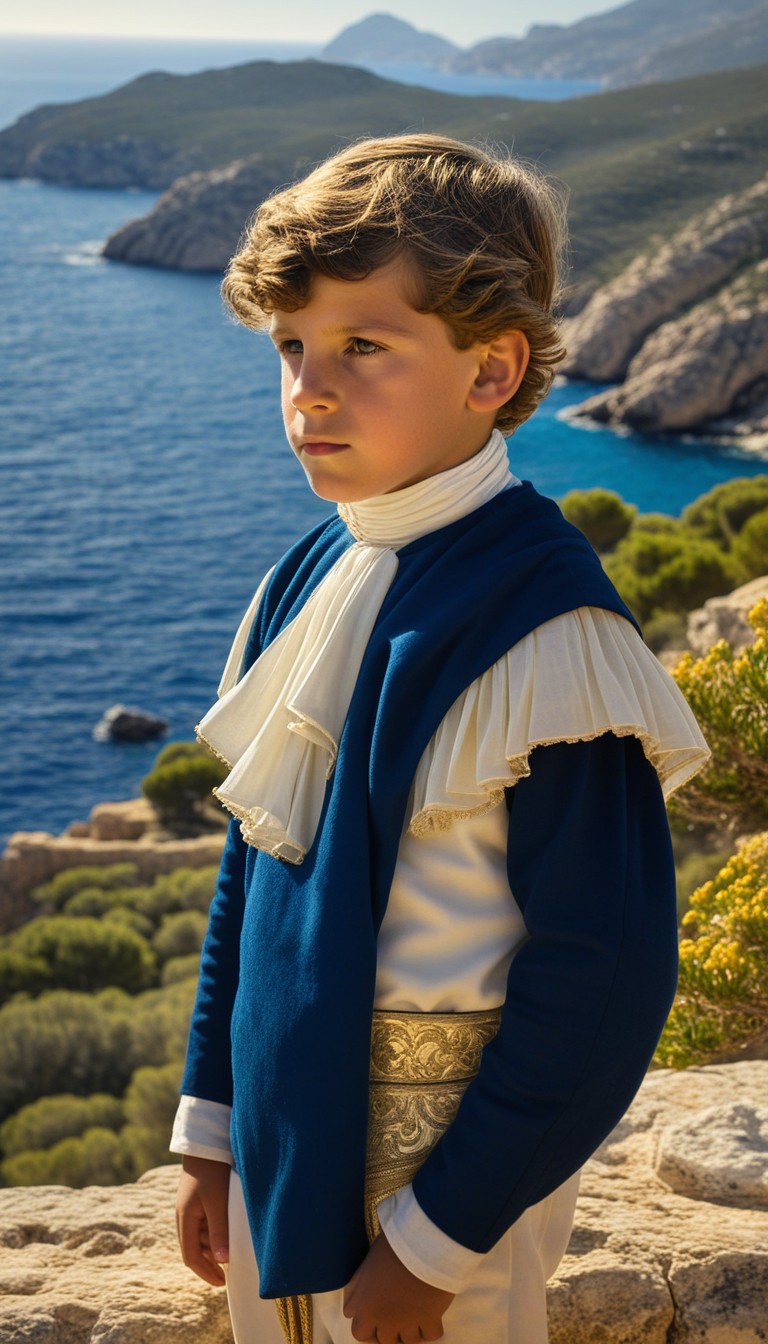
A young boy on the rugged coast of Corsica gazing toward the sea
1769 Ajaccio, Corsica

The Corsican Outsider

Napoleon Bonaparte was born on August 15, 1769, in Ajaccio, Corsica—just one year after France acquired the island from Genoa. His family was minor Corsican nobility, and Napoleon grew up speaking Italian before French. Sent to military school on the French mainland at age nine, he endured constant ridicule for his accent and provincial origins. He channeled every slight into ferocious ambition. By sixteen he had earned his commission as a second lieutenant in the French Royal Artillery, mastering the science of cannon fire with obsessive precision.
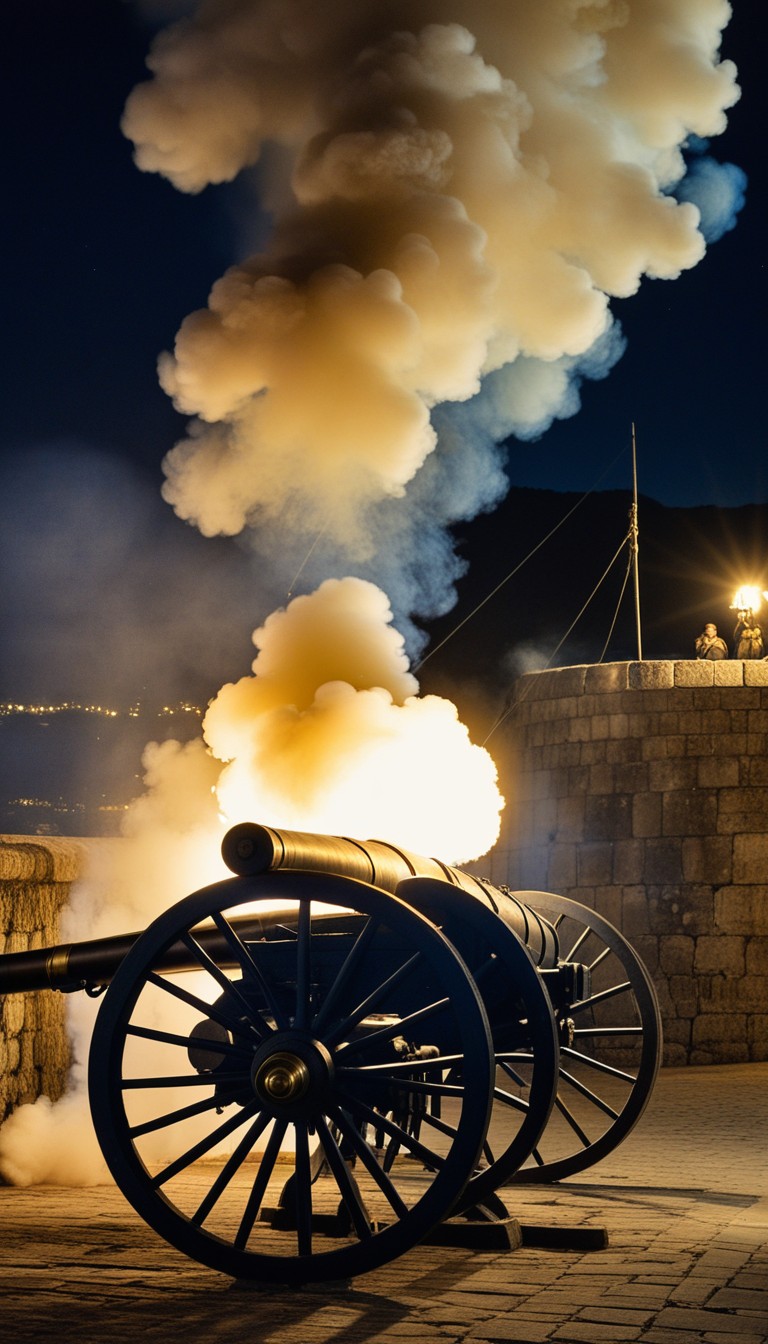
French artillery pounding British fortifications at the port of Toulon
1793 Toulon, France

Toulon: The First Triumph

In 1793 royalist rebels and British forces seized the vital port of Toulon. A young artillery captain named Napoleon Bonaparte persuaded his commanders to position cannon on a strategic hilltop overlooking the harbor. Within days his guns made the harbor untenable for the British fleet, forcing an evacuation and recapturing the city. He was twenty-four years old. The Committee of Public Safety in Paris took notice—the obscure Corsican was promoted to brigadier general overnight. His reputation as a man who turned impossible situations into victories had begun.
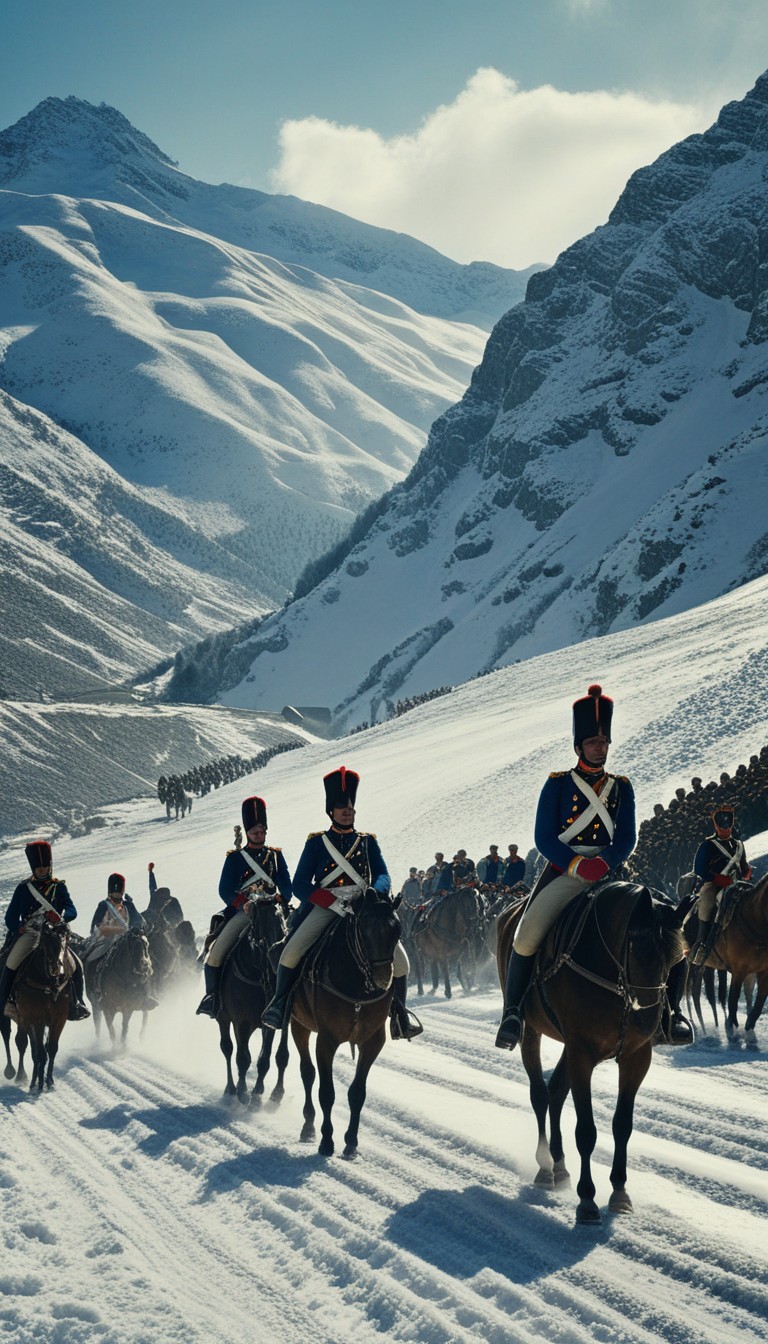
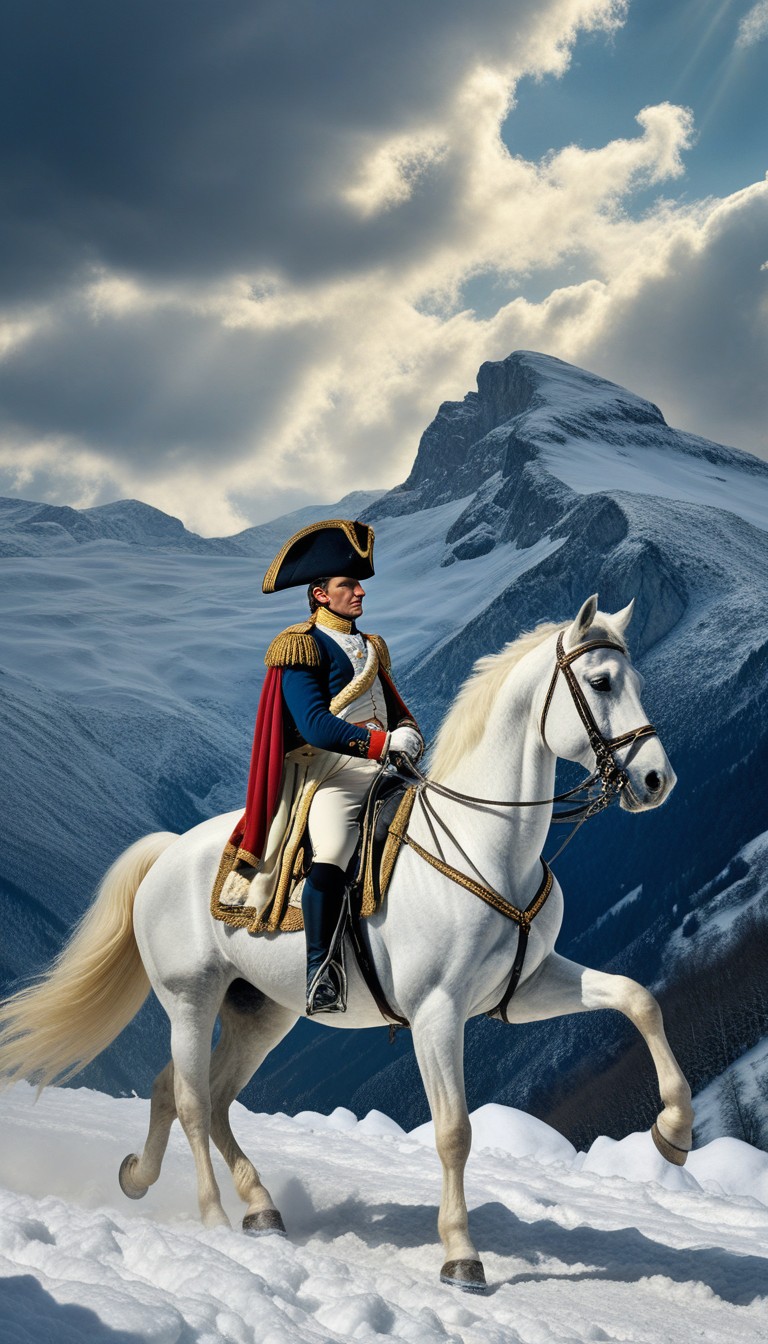
French soldiers crossing the Alps to descend on the Italian plains
1796–1797 Northern Italy

The Italian Campaign

In April 1796, General Napoleon Bonaparte took command of the ragged, underfed Army of Italy and transformed it into a conquering force within weeks. Racing through the Alps, he shattered the armies of Piedmont and Austria in a rapid series of engagements—Montenotte, Lodi, Arcole, Rivoli—before Austria's generals could respond. In one year he delivered France what a generation of wars had failed to achieve: northern Italy. He dictated peace terms to kings and emperors, sending millions in plunder back to Paris, and returned home a national hero. Europe's great powers had encountered something new—a general who thought in campaigns, not battles.
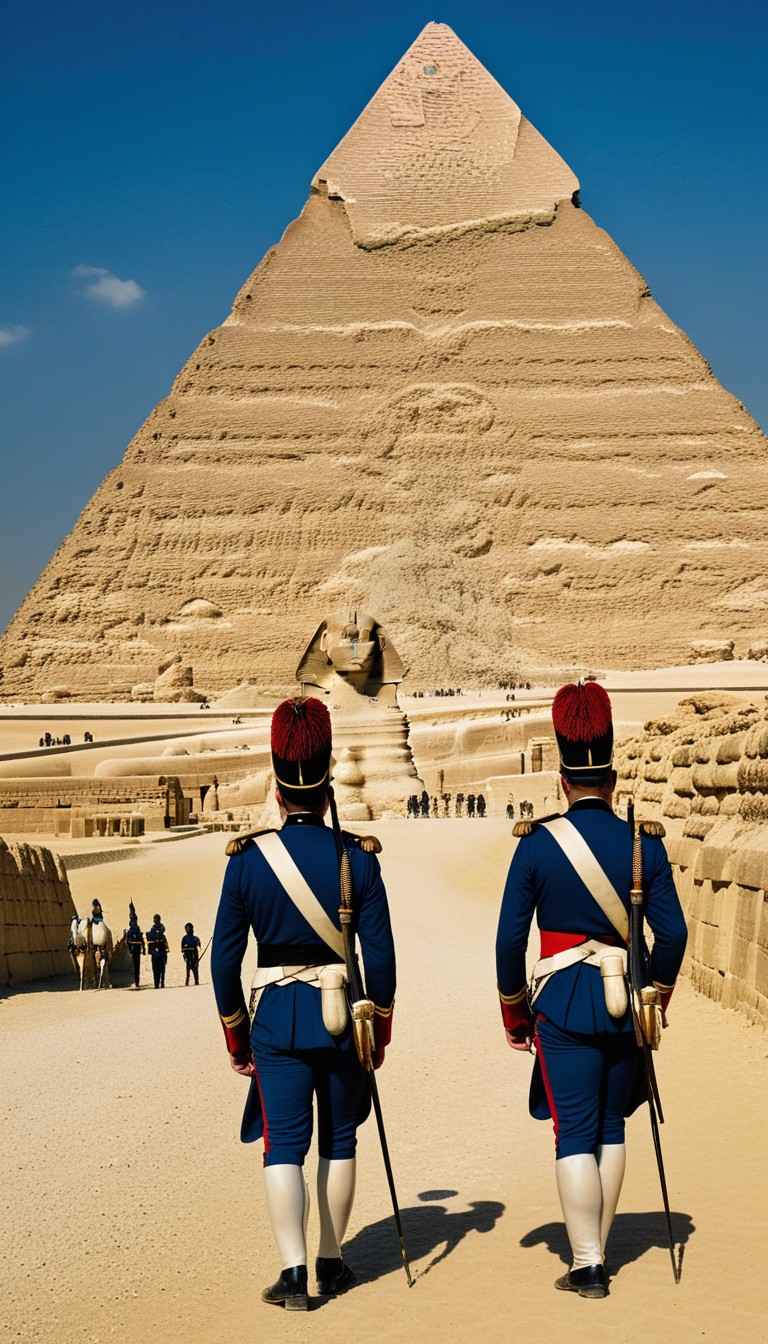
French soldiers marching past the Sphinx and Great Pyramid of Giza
1798–1799 Egypt

The Egyptian Dream

Unable to safely invade Britain across the Channel, Napoleon proposed a grander scheme: strike at British commercial power by seizing Egypt and threatening India. In 1798 he sailed with 35,000 soldiers and—unusually for a military expedition—167 scholars, scientists, and artists. His army crushed the Mamluk cavalry at the Battle of the Pyramids with devastating volley fire. But Admiral Horatio Nelson annihilated the French fleet at the Battle of the Nile, trapping the army in Africa. Despite battlefield victories in Egypt and Syria, Napoleon was strategically marooned. In 1799 he slipped back to France, leaving his army behind—and arrived to find a republic in crisis, ripe for a strongman.
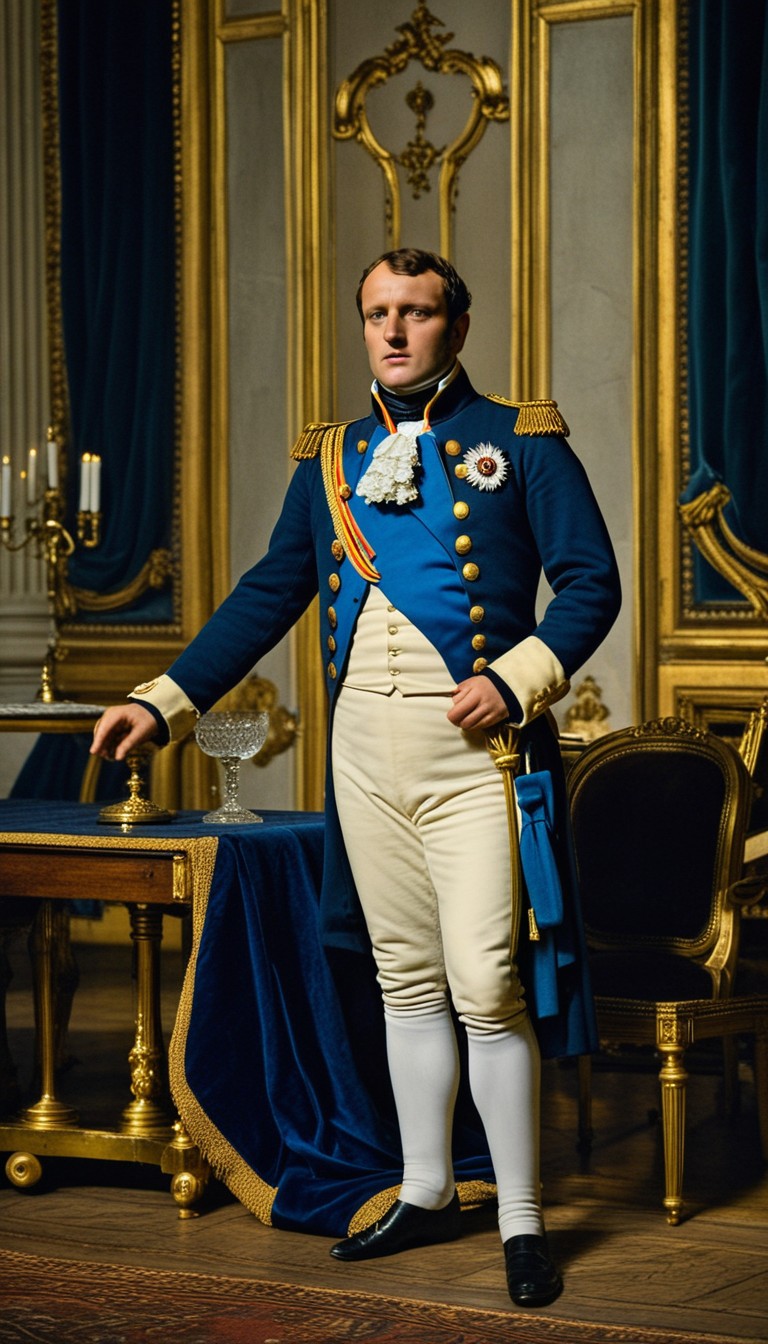
Napoleon addressing the Council of Five Hundred at Saint-Cloud during the coup
November 1799 Paris, France

The Coup of 18 Brumaire

On November 9, 1799—18 Brumaire in the Revolutionary calendar—Napoleon and his allies overthrew the Directory in a carefully staged coup. When he addressed the Council of Five Hundred, deputies shouted him down and some lunged at him; grenadiers had to drag him out. It was his brother Lucien who saved the day, persuading the troops that assassins had attacked Napoleon and ordering soldiers to clear the chamber at bayonet point. By midnight the republic's legislature was dissolved. Napoleon emerged as First Consul of France—nominally one of three, but in practice the sole master of the French state. He was thirty years old.
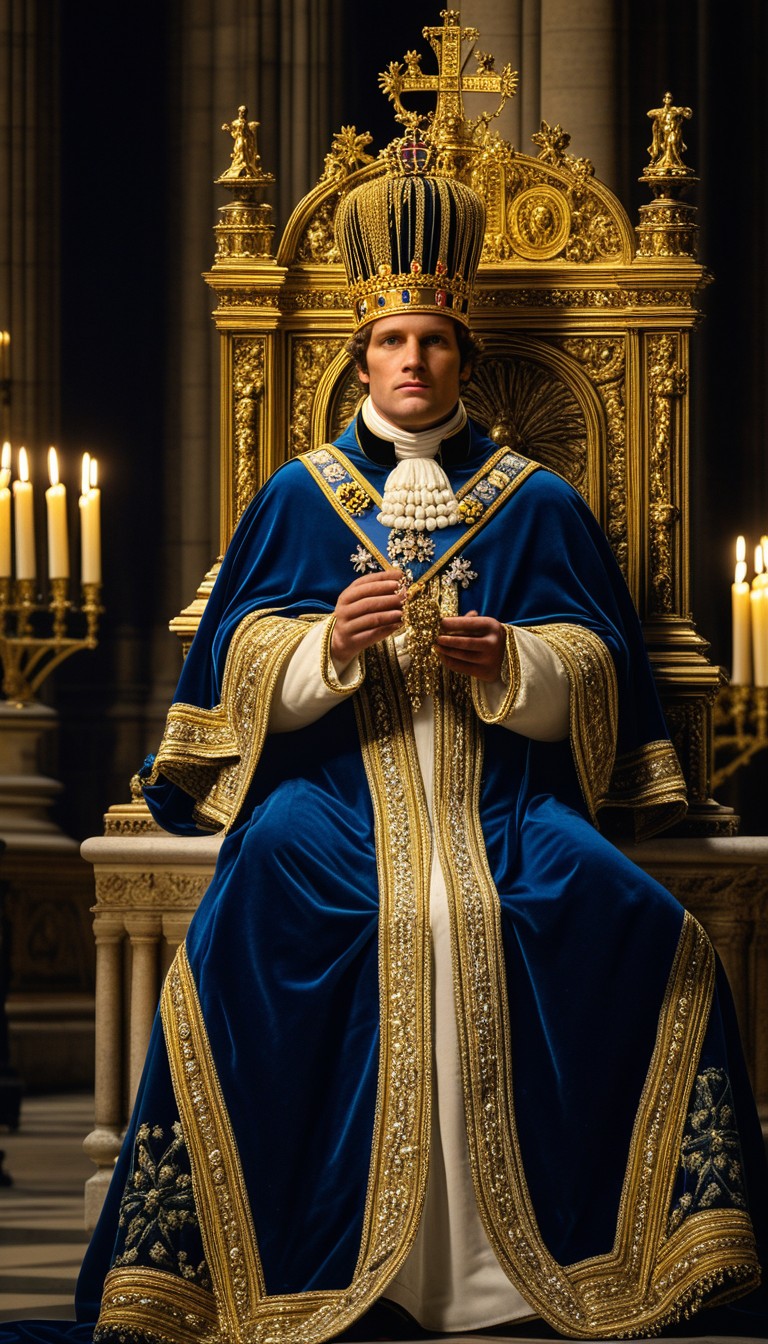
Napoleon crowning himself Emperor at Notre-Dame Cathedral in Paris
1804–1805 Paris & Austerlitz

Emperor and Conqueror

On December 2, 1804, in a ceremony at Notre-Dame Cathedral, Napoleon took the crown from Pope Pius VII's hands and placed it on his own head—a deliberate statement that he owed his power to no one. Exactly one year later, at Austerlitz, he delivered his masterpiece. Facing the combined armies of Austria and Russia, he feigned weakness on his right flank, lured the enemy toward it, then unleashed a devastating central attack that split their line and routed 85,000 men in a single morning. Austerlitz remains one of the most studied battles in military history. The Holy Roman Empire—a millennium-old institution—dissolved within months.
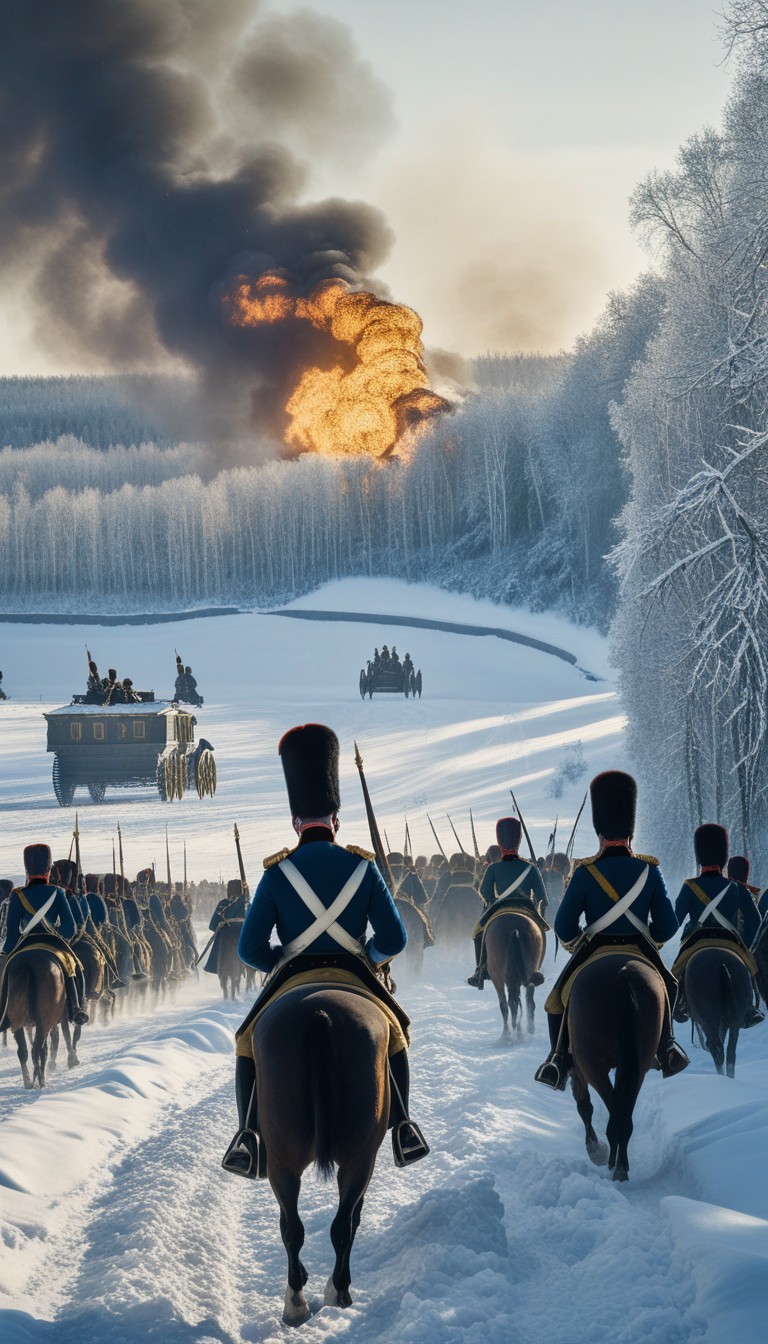
The Grande Armée retreating through a frozen Russian landscape in winter
1812 Russia

The Russian Catastrophe

In June 1812, Napoleon led the largest army ever assembled in European history—over 600,000 men from across his empire—into Russia. The Russians refused to stand and fight decisive battles, retreating and burning everything behind them. Moscow fell, but it was already in flames, burned by the Russians themselves. After five weeks of waiting in a gutted city for a peace that never came, Napoleon ordered a retreat. The Russian winter, Cossack raids, starvation, and disease destroyed the Grande Armée. Fewer than 100,000 men staggered back across the frontier. The myth of Napoleon's invincibility was shattered, and every monarch in Europe sensed the moment had come.
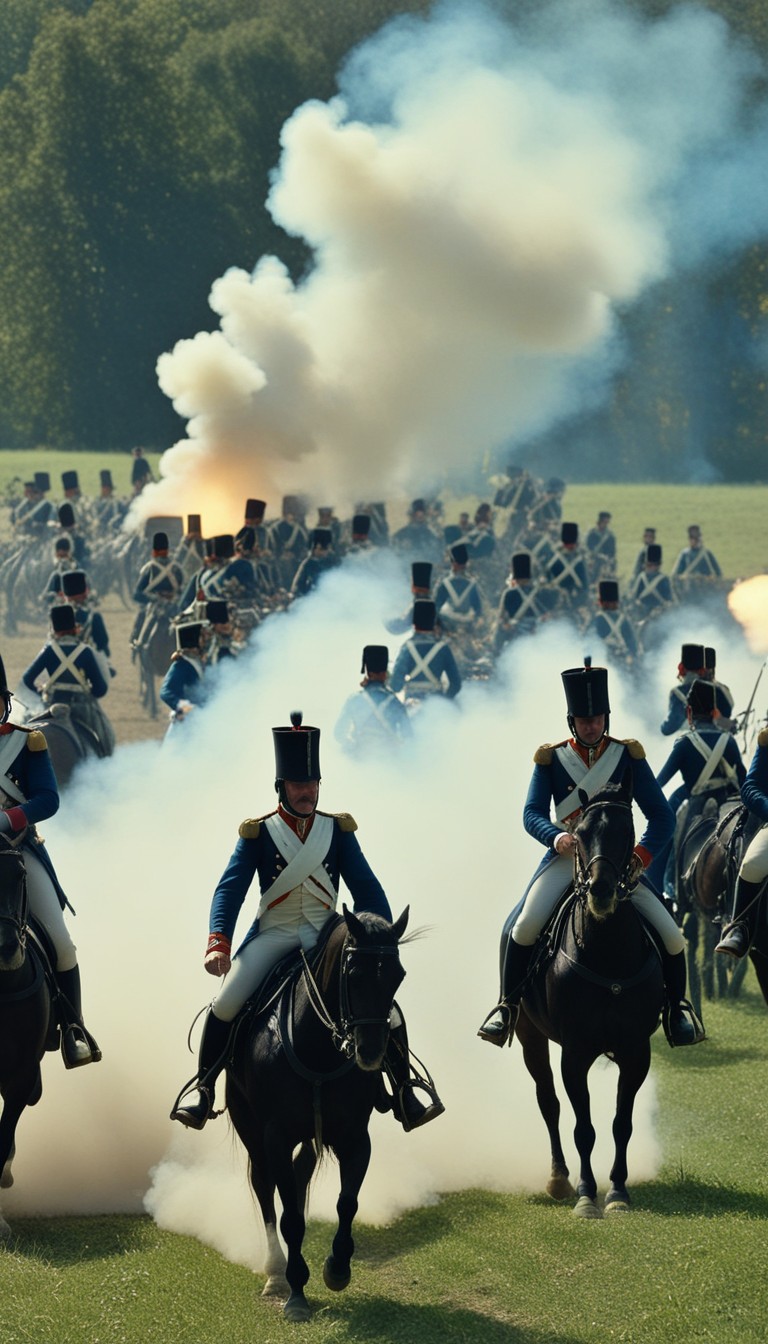
The Battle of Waterloo with British and Prussian forces closing in on French lines
1815 Waterloo, Belgium

Waterloo and Final Exile

After abdication and exile to Elba, Napoleon escaped in February 1815, rallied France to his banner once more, and ruled for the Hundred Days. On June 18, 1815, at a muddy field in Belgium called Waterloo, he launched his last gamble against the Duke of Wellington's Anglo-allied army. Hours of fierce fighting failed to break the British line, and when Prussian reinforcements arrived in the early evening, the French army collapsed into a rout. Napoleon abdicated for the second time and surrendered to the British, who exiled him to the remote South Atlantic island of Saint Helena. He died there on May 5, 1821, at fifty-one—the greatest soldier of his age, undone by the wars he could not stop fighting.
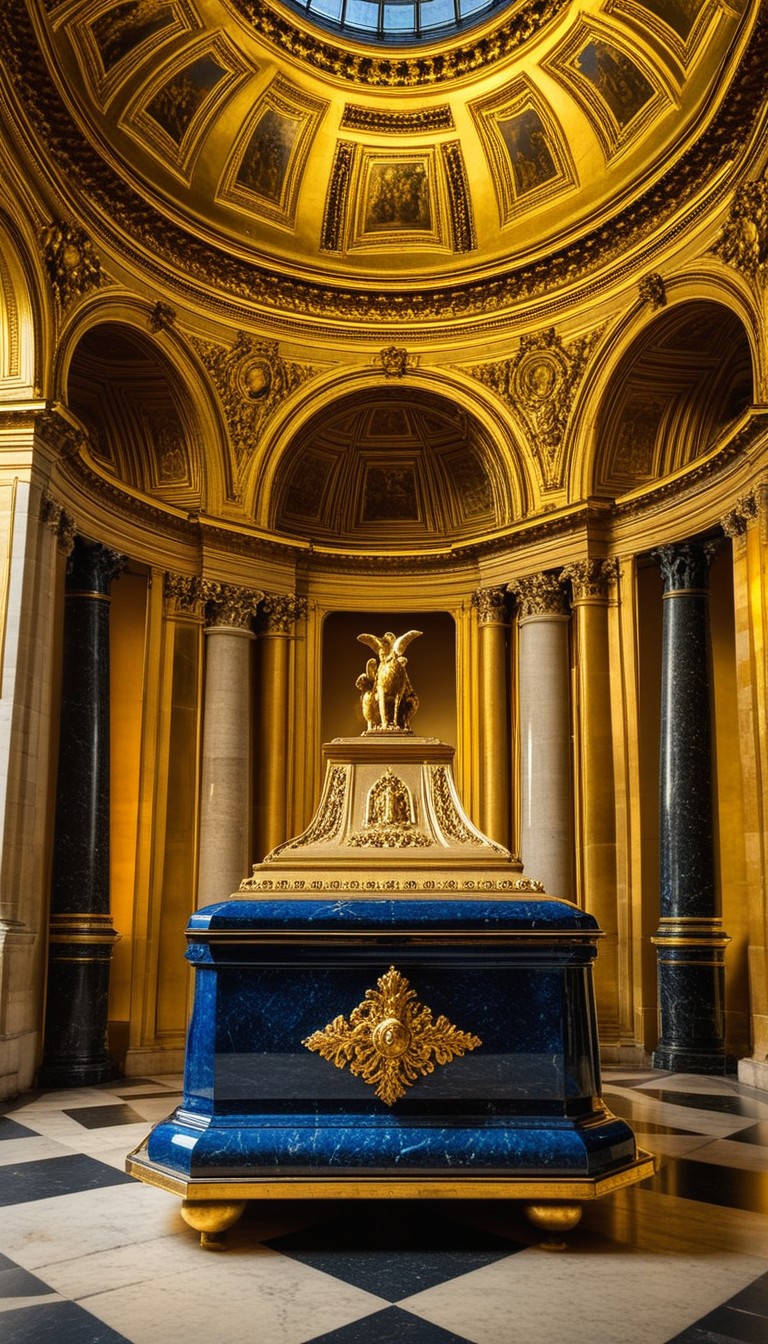
Napoleon's tomb at Les Invalides in Paris bathed in golden light

The Legacy That Outlasted the Empire

Napoleon's battlefields are long quiet, but his footprint on the modern world is inescapable. The Napoleonic Code became the foundation of civil law across France, Latin America, and much of Europe—its principles governing property, contracts, and individual rights still shape legal systems today. He reorganized education, banking, and the French state into institutions that endure two centuries later. His career permanently redrew the map of Europe, sowing the seeds of German and Italian nationalism that would define the nineteenth century. Even in exile on Saint Helena, he carefully sculpted his own legend. Today, his body lies beneath a grand dome at Les Invalides in Paris, still drawing visitors from around the world to contemplate the man who remade a continent.

Recommended Reading

As an Amazon Associate, we earn from qualifying purchases.
Swipe to navigate