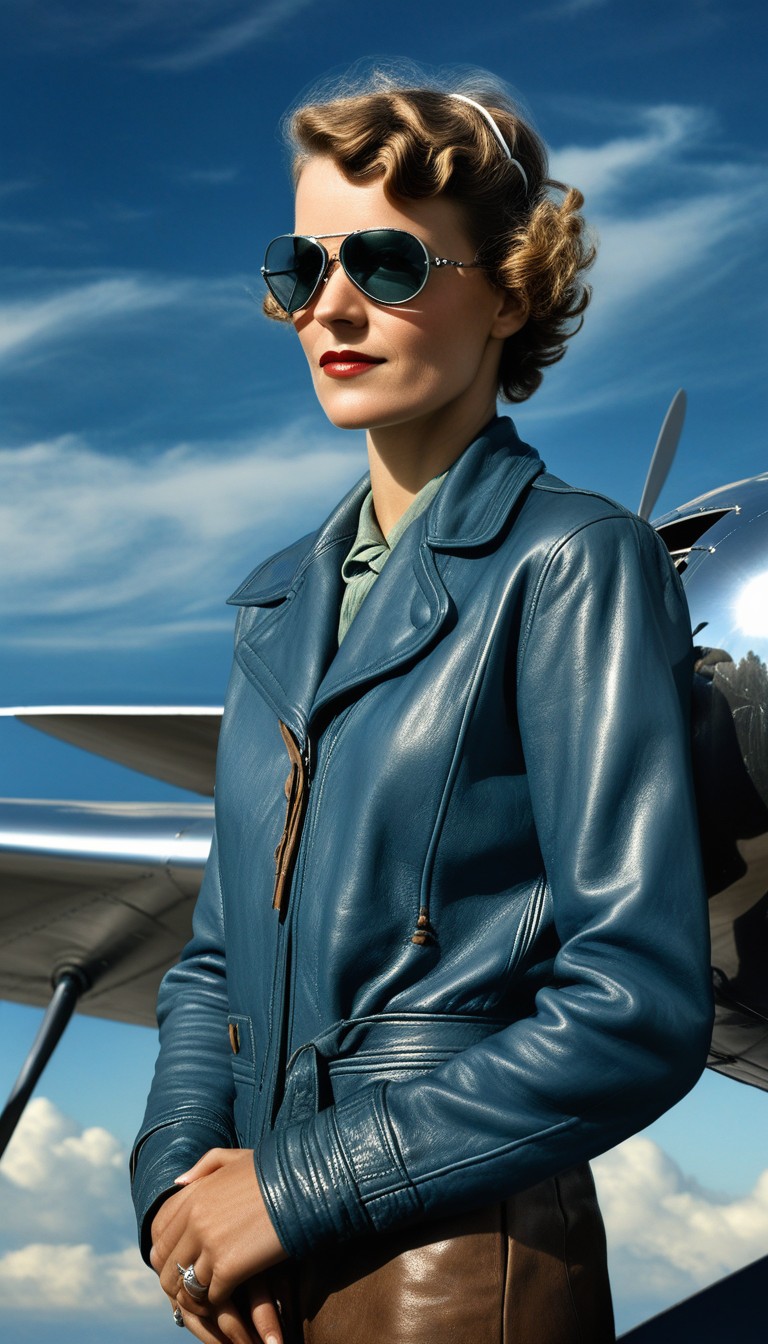
Amelia Earhart: Queen of the Air
Loading story...

1897–1916
Atchison, Kansas
A Kansas Tomboy
Amelia Mary Earhart was born on July 24, 1897, in Atchison, Kansas. From the earliest age she was fearless and unconventional—climbing trees, sledding headfirst down icy hills, and hunting rats with a rifle in the family barn. While other girls of her era were expected to be prim and proper, Amelia kept a scrapbook of newspaper clippings about women who succeeded in male-dominated fields. The Kansas prairie was too small to hold her spirit.

December 1920
Long Beach, California
The Sky Calls
In December 1920, Amelia attended an airshow in Long Beach, California, where a pilot offered ten-minute rides for ten dollars. The moment the plane left the ground, her life changed forever. "As soon as we left the ground," she later wrote, "I knew I had to fly." She immediately began saving money for lessons, working as a file clerk, truck driver, and photographer. By 1921 she had taken her first lesson from pioneering female aviator Anita "Neta" Snook.
June 1928
Trepassey, Newfoundland to Burry Port, Wales
Passenger Across the Atlantic
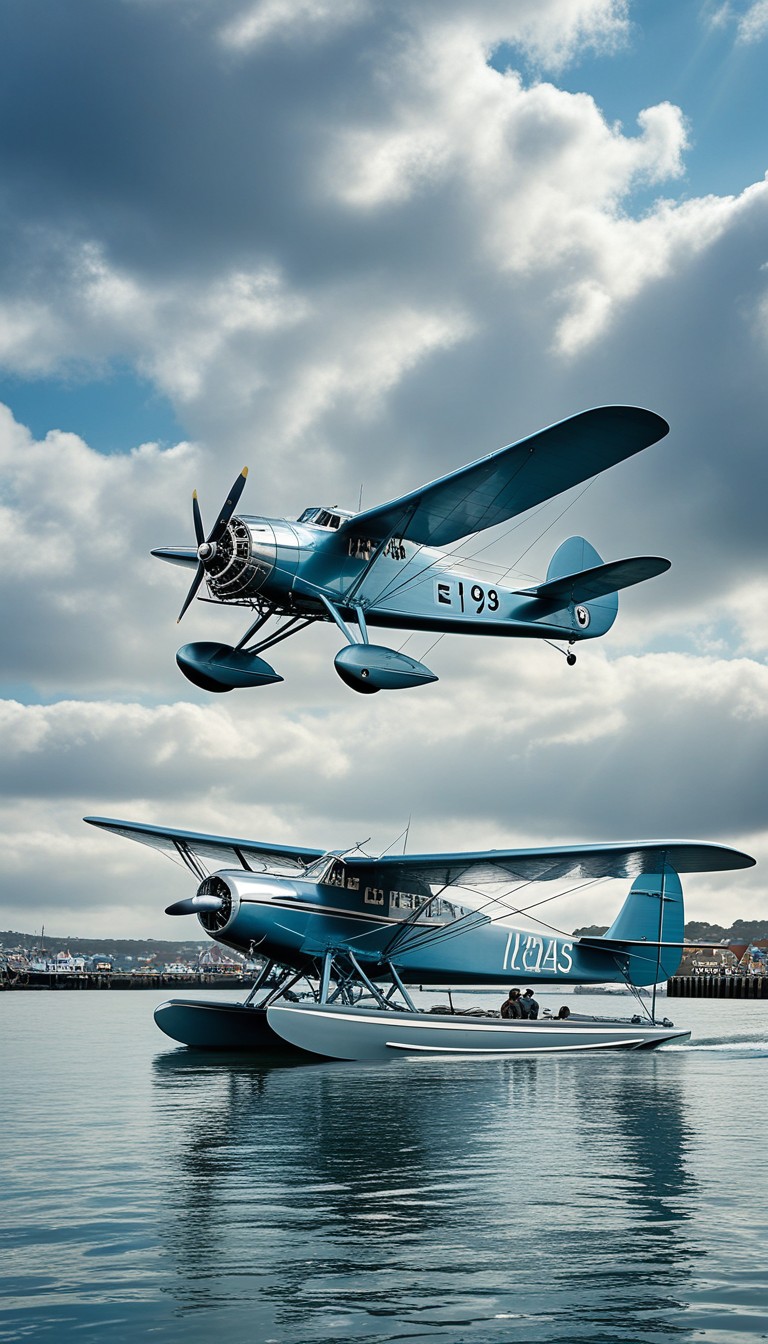
On June 17–18, 1928, Amelia Earhart flew across the Atlantic Ocean aboard the Fokker Trimotor Friendship—but as a passenger, not the pilot. The male crew handled all the flying. Still, she became the first woman to cross the Atlantic by air, and America erupted in celebration. The ticker-tape parades and headlines felt unearned to Amelia, who described herself as "just baggage." She was already planning to go back and do it alone.
May 20–21, 1932
Newfoundland to Northern Ireland
Solo Across the Atlantic
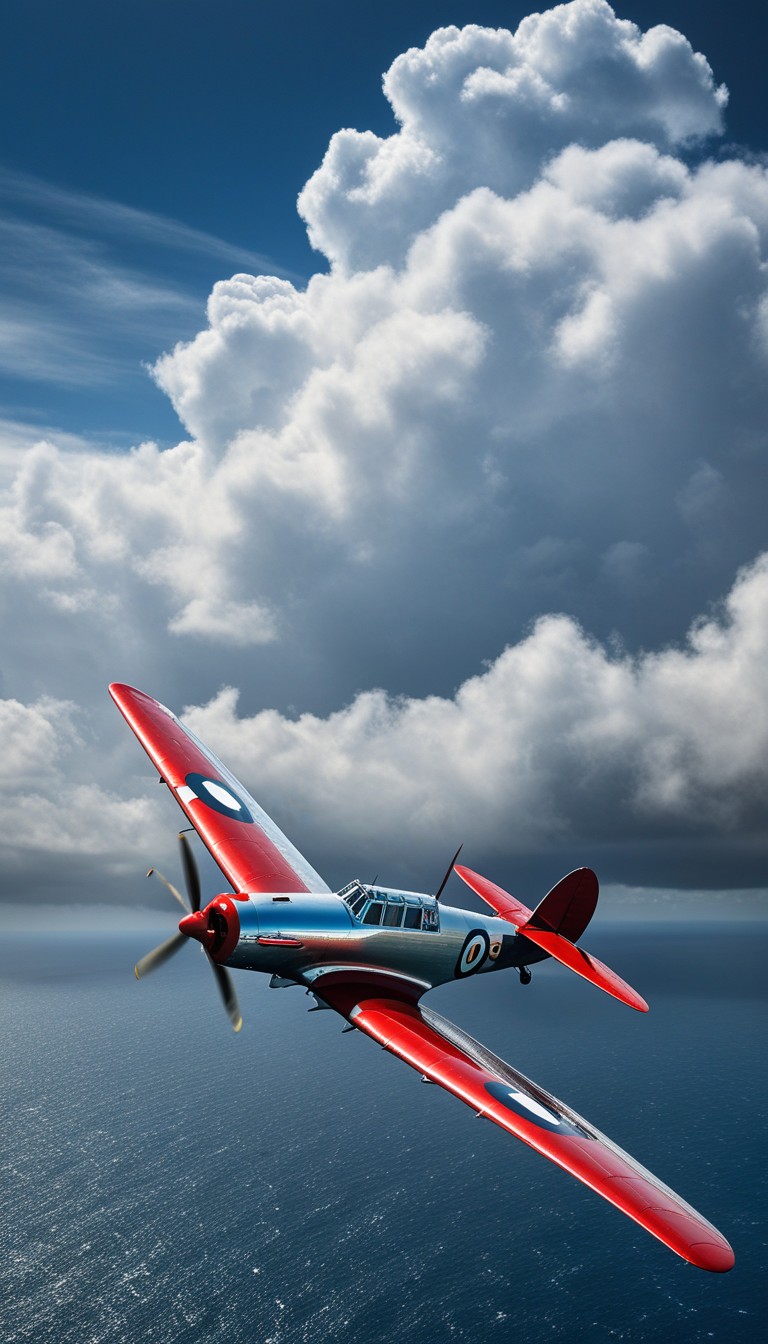
On May 20, 1932—five years to the day after Charles Lindbergh's solo crossing—Amelia took off from Harbour Grace, Newfoundland, alone in her bright red Lockheed Vega. Ice formed on the wings. Flames flickered from a cracked exhaust manifold. The altimeter failed. She flew through storms and fog for nearly fifteen hours before landing in a farmer's field in Culmore, Northern Ireland. She was the first woman, and only the second person, to fly the Atlantic solo.
1932–1936
United States
Record-Breaker and Celebrity
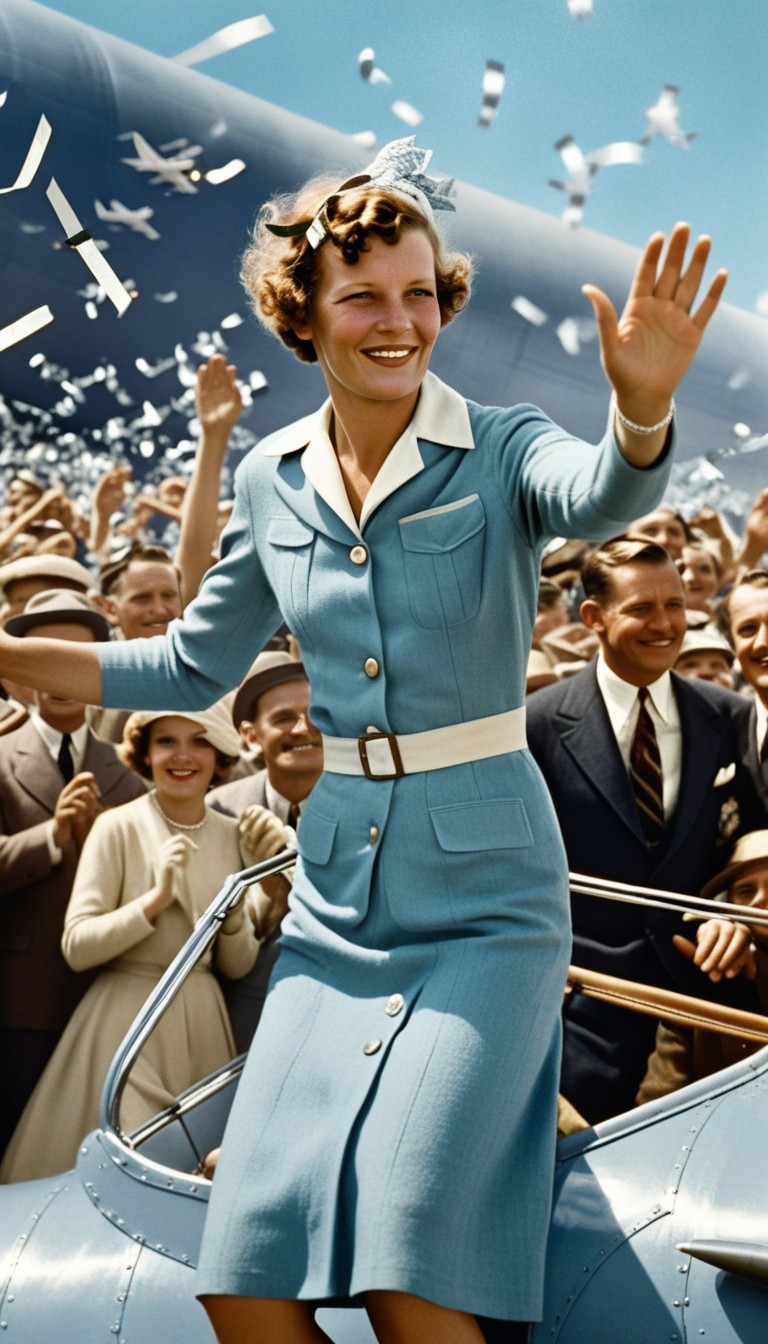
Through the 1930s, Amelia shattered record after record. She became the first person to fly solo from Hawaii to the US mainland—a crossing considered more dangerous than the Atlantic. She set women's speed and altitude records, founded the Ninety-Nines organization for female pilots, and designed a line of aviation-inspired fashion. President Roosevelt invited her to the White House. She was one of the most recognizable people in the world, using her fame to champion women's rights and aviation.
1935–1937
West Lafayette, Indiana
Purdue University and the Flying Laboratory
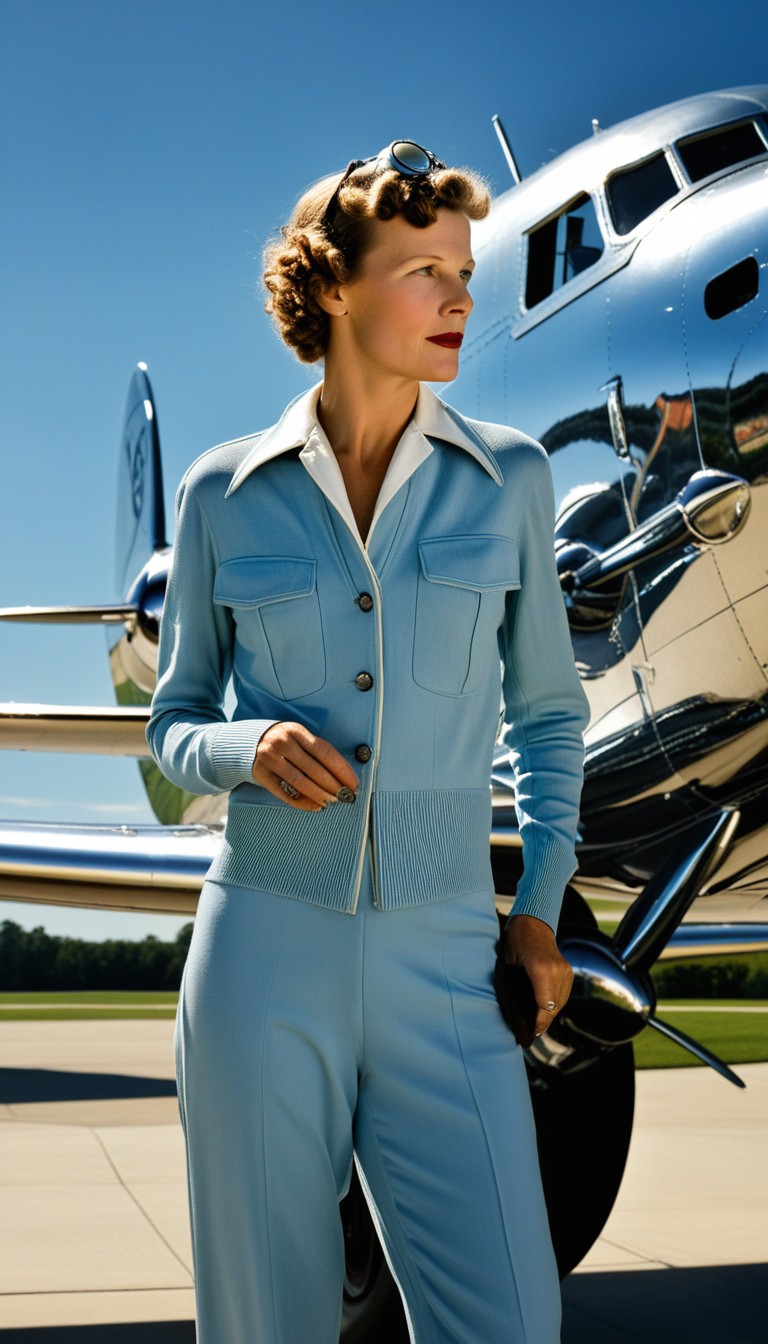
In 1935, Amelia joined Purdue University as a visiting faculty member, counseling women students and promoting careers in engineering and aviation. Purdue's Research Foundation funded her greatest dream: a state-of-the-art Lockheed Model 10-E Electra she called her "flying laboratory." Packed with the latest instruments and navigation equipment, it would carry her and navigator Fred Noonan on an attempt to circumnavigate the globe at the equator—the longest such route ever attempted.
June–July 1937
Miami to Lae, New Guinea
Around the World
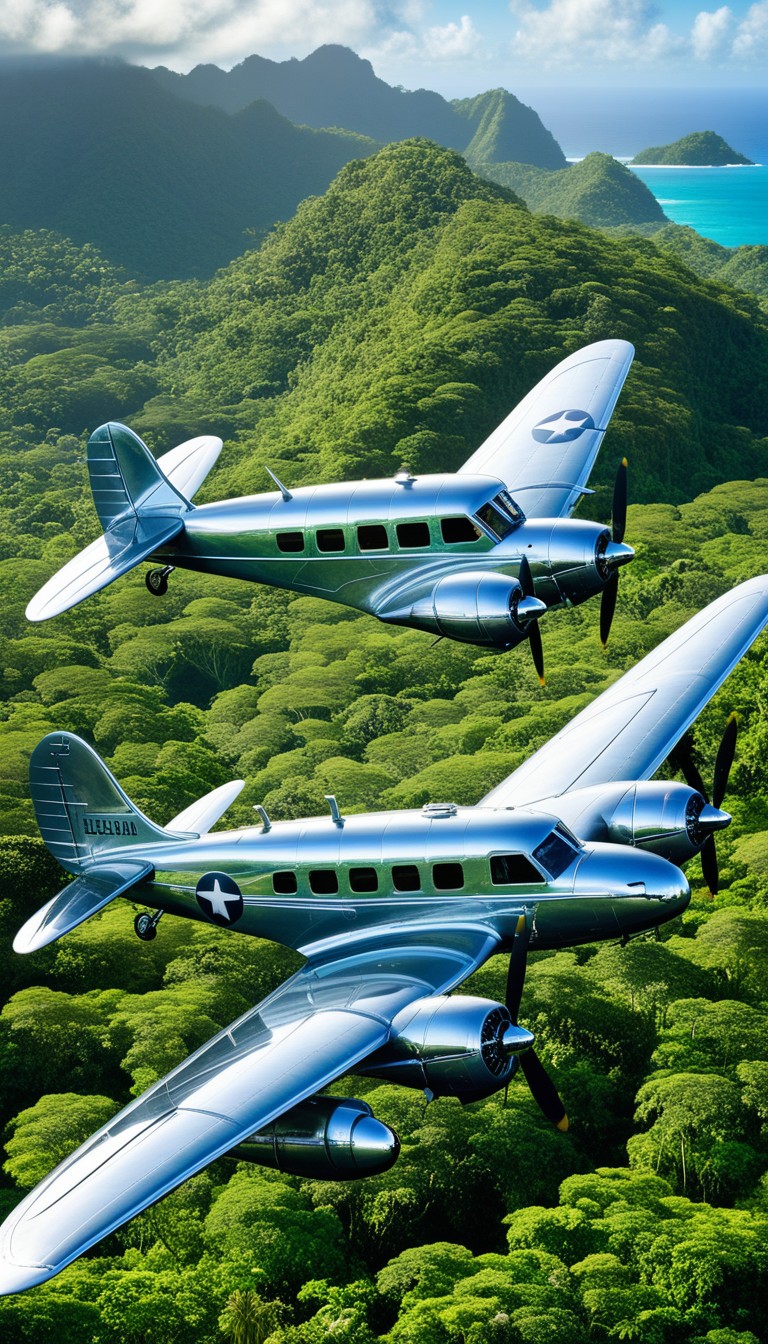
On June 1, 1937, Amelia and Fred Noonan departed Miami, Florida, heading east. They crossed South America, Africa, the Indian subcontinent, and Southeast Asia, logging over 22,000 miles. By late June they had reached Lae, New Guinea—with only the vast Pacific Ocean standing between them and home. The next leg was the most dangerous: a 2,556-mile flight to tiny Howland Island, a dot of land barely two miles long in the middle of the Pacific.
July 2, 1937
Central Pacific Ocean
Disappearance Over the Pacific
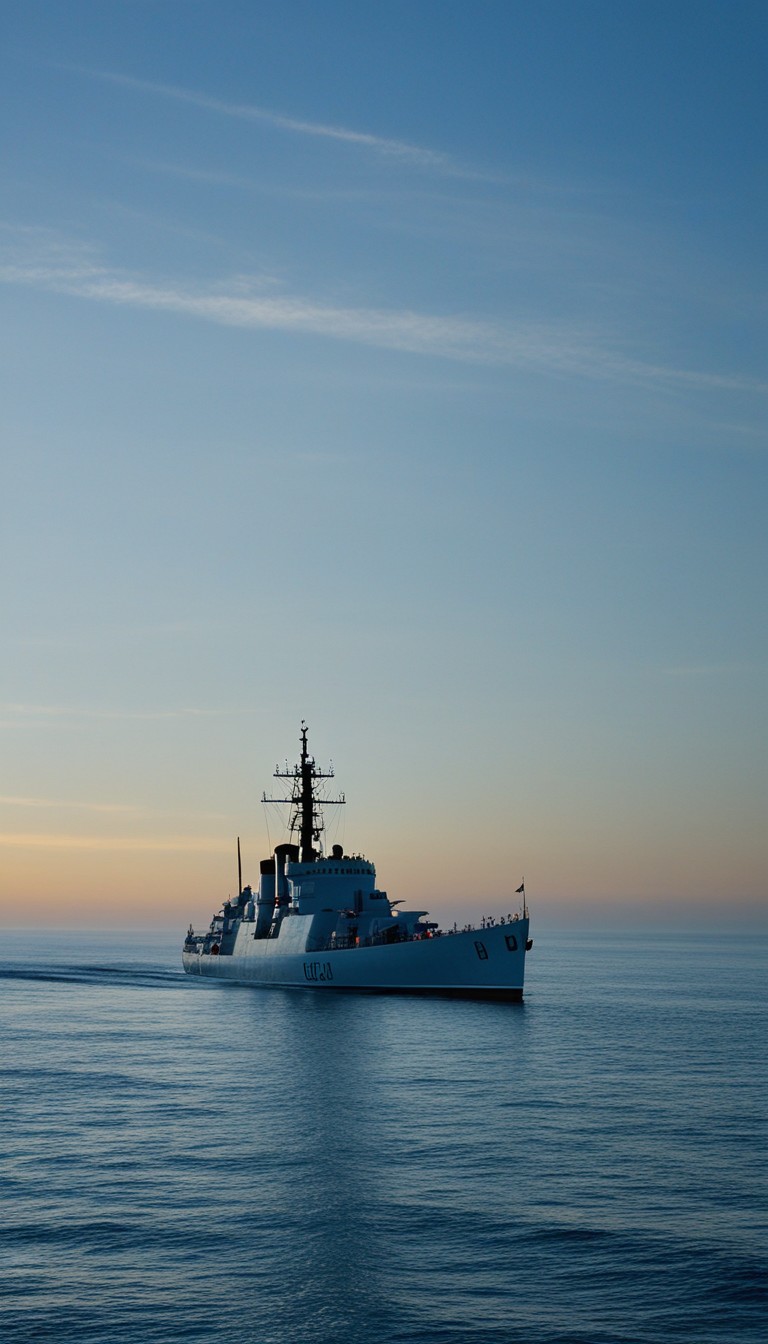
On July 2, 1937, the Electra departed Lae bound for Howland Island. The US Coast Guard cutter Itasca waited at Howland, listening. Radio transmissions grew increasingly frantic—Amelia and Fred could not locate the island. Her last confirmed transmission came at 8:43 AM: "We are on the line of position 157-337. Will repeat this message. We are running north and south." Then silence. The plane, its crew, and over 22,000 square miles of ocean kept their secret. The search that followed was the largest in US naval history—and found nothing.

An Enduring Mystery, an Undying Legacy
Amelia Earhart was declared legally dead on January 5, 1939, but the world has never stopped searching for answers. Theories range from crash-landing on a remote island to capture by Japanese forces, and expeditions still seek wreckage in the Pacific. What is beyond doubt is her legacy: she proved that women belonged in the cockpit, in the laboratory, and at the frontier of human achievement. Every woman who flies today flies in the sky she opened.
Recommended Reading
As an Amazon Associate, we earn from qualifying purchases.



Swipe to navigate